



Cats wall art: choosing artwork that matches both personality and interior style
People rarely choose cat artwork for the same reason. Some want a reminder of a beloved pet, others enjoy vintage illustrations, while many simply appreciate the elegance and quiet confidence cats bring to a room. That difference matters because cats wall art is far more diverse than playful animal portraits. The style of the artwork often influences the atmosphere of a space more than the subject itself.
The character of the cat shapes the artwork
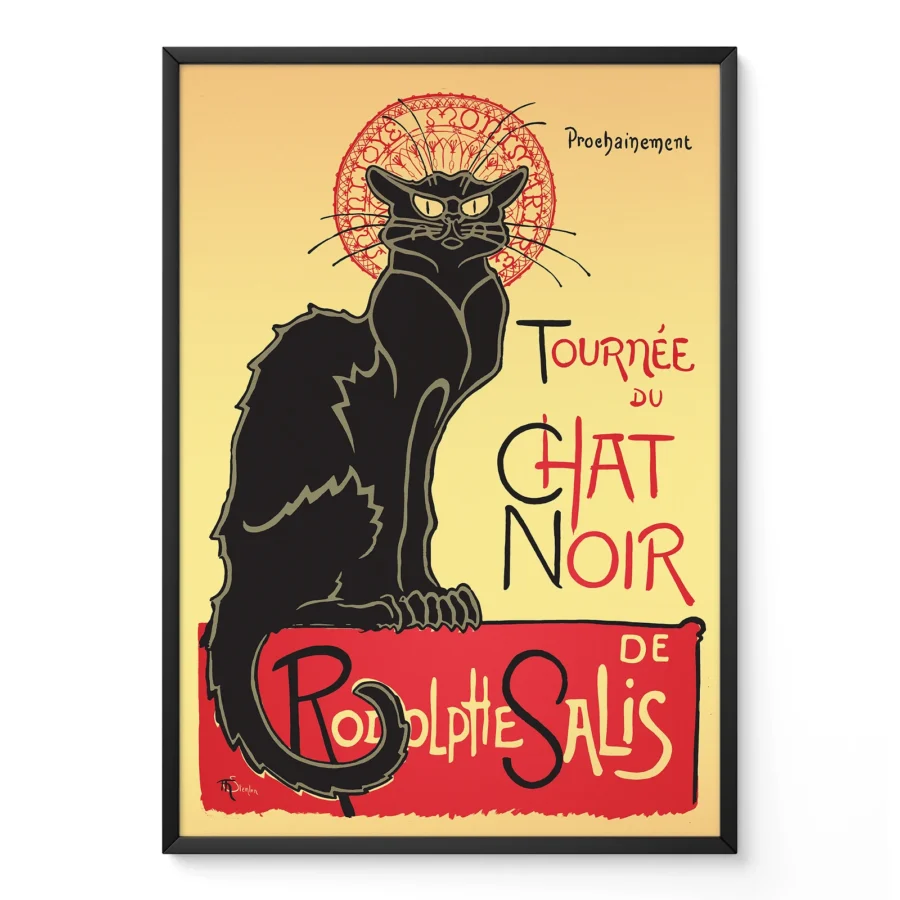
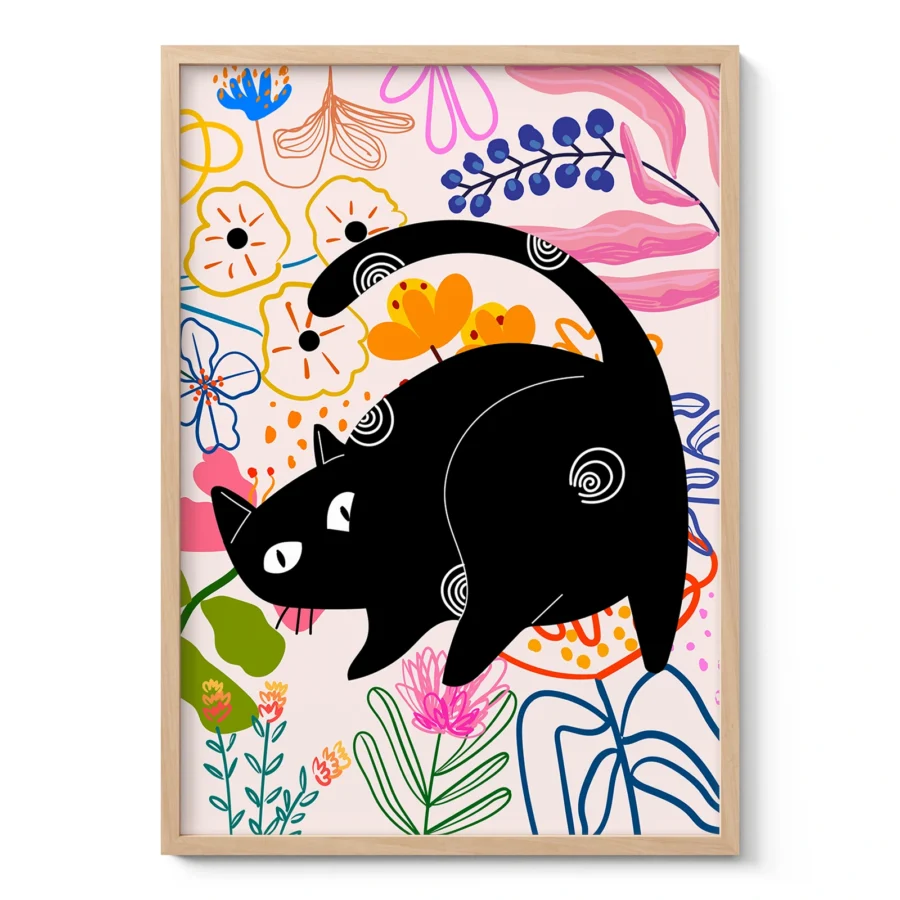
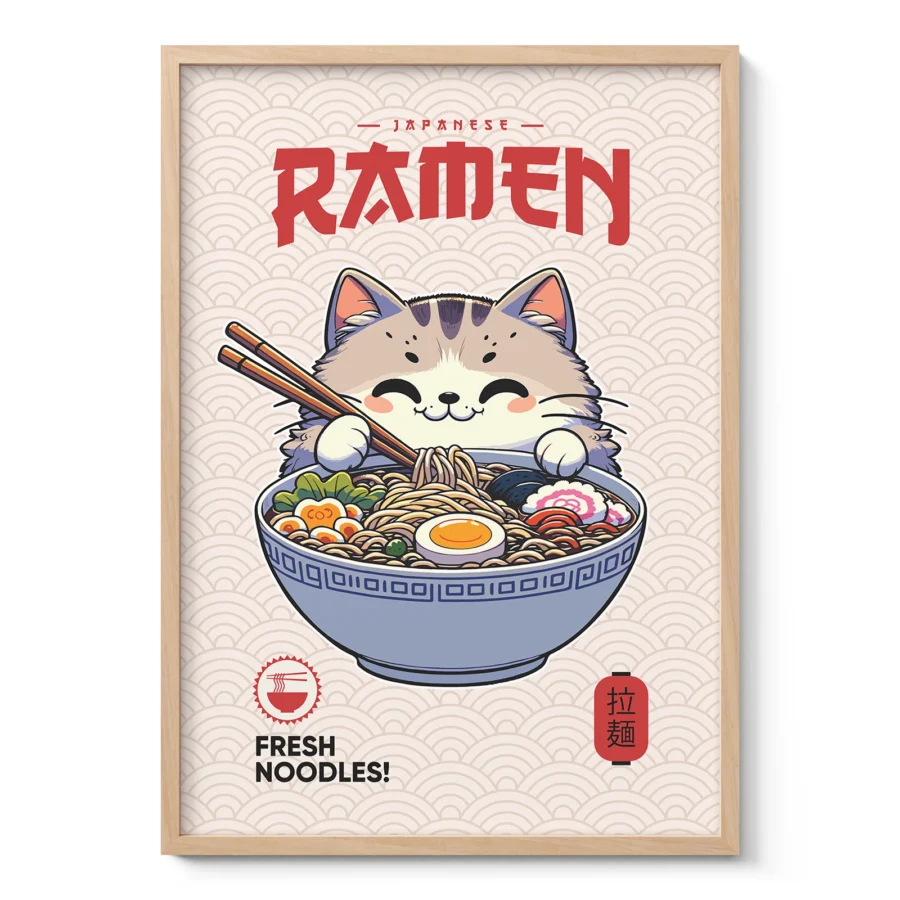
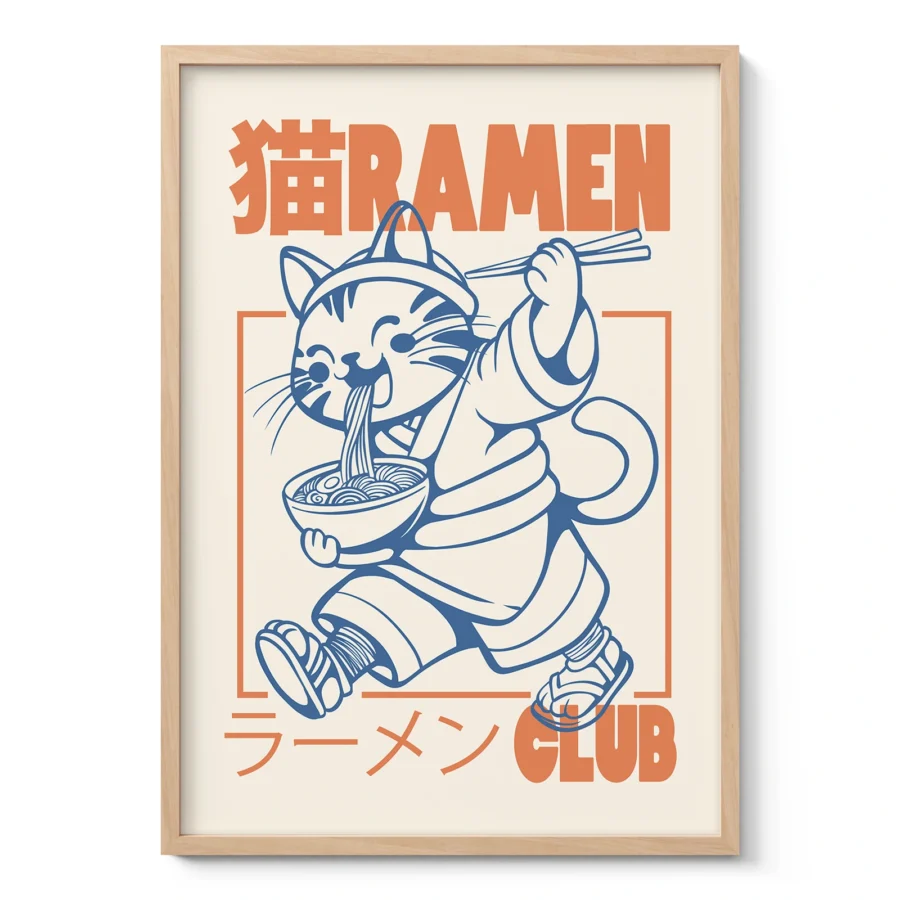
Artists have interpreted cats in remarkably different ways. In ancient Egypt they symbolised protection and grace. Japanese prints often portray them with curiosity or gentle humour. During the Art Nouveau period, flowing lines and decorative patterns highlighted their fluid movements, while modern illustrators frequently simplify the animal into bold silhouettes or graphic compositions.
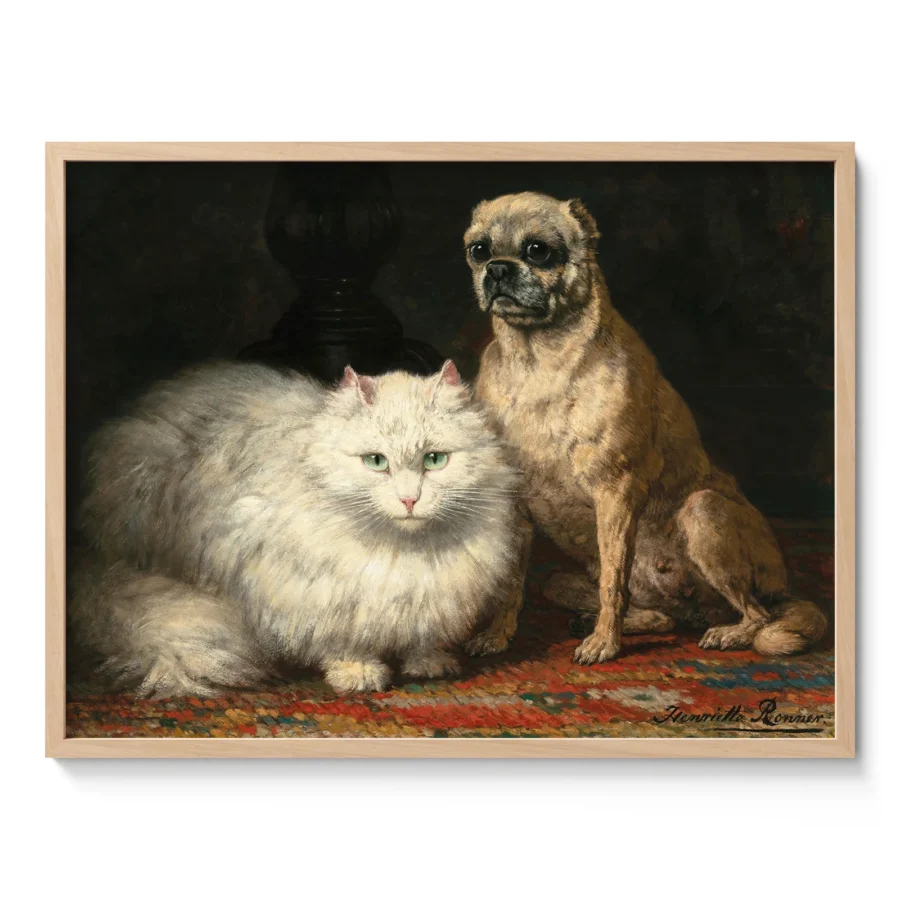
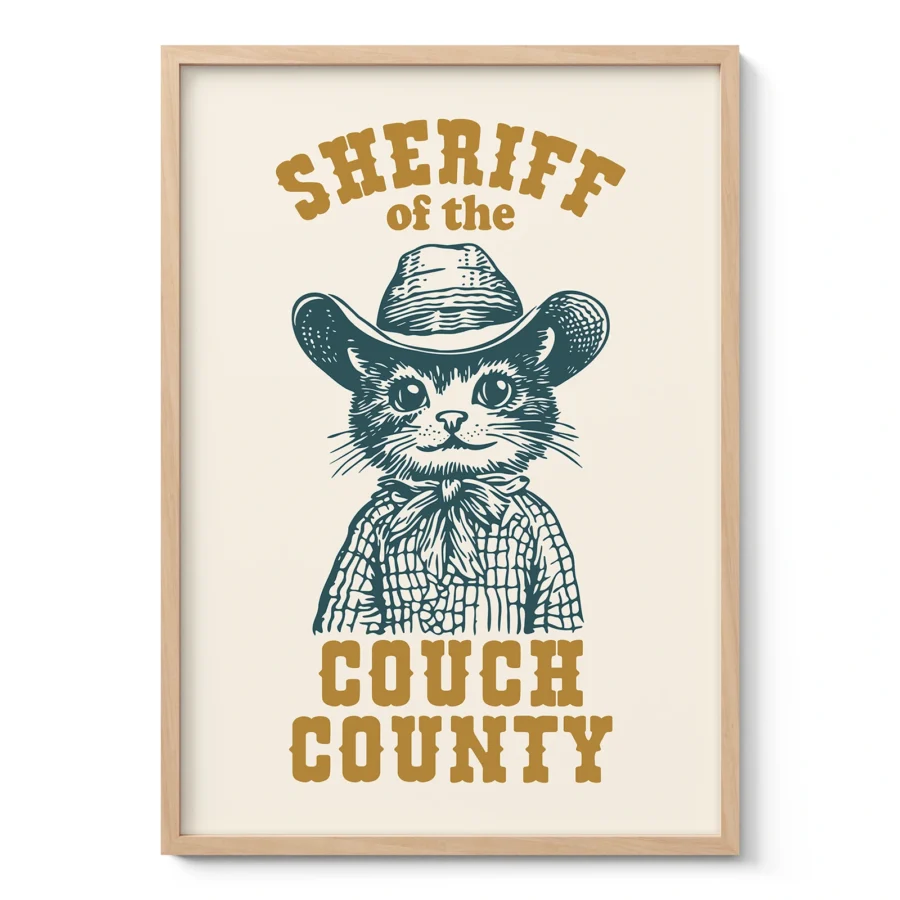
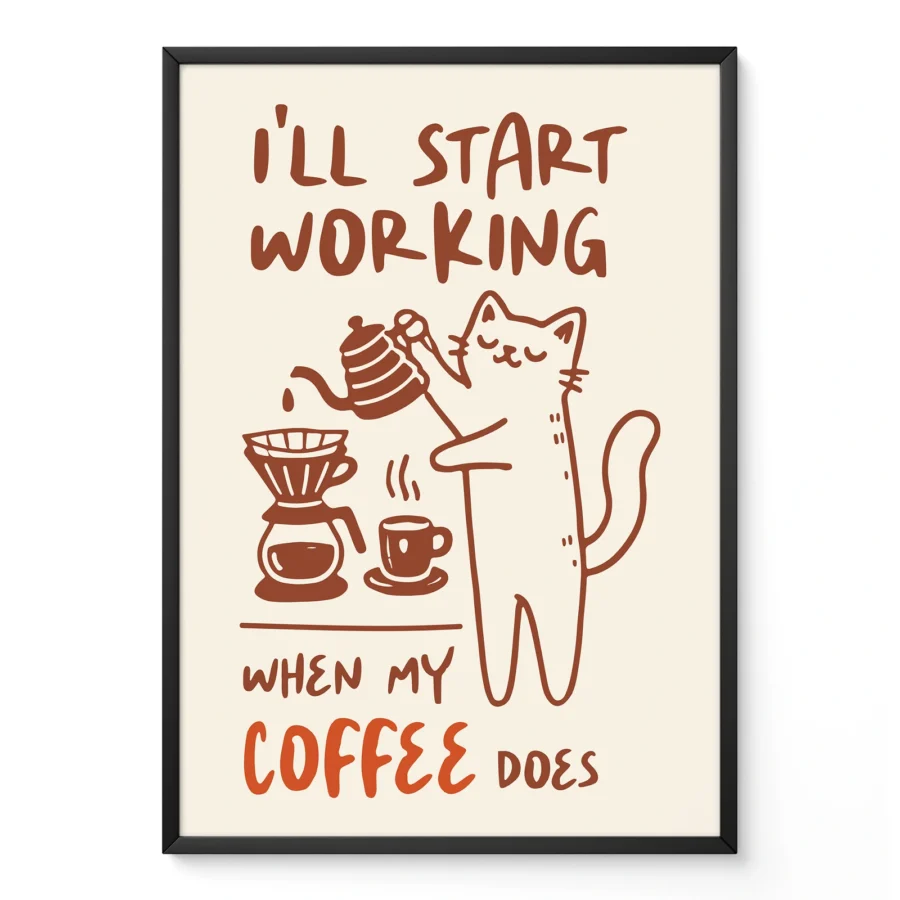
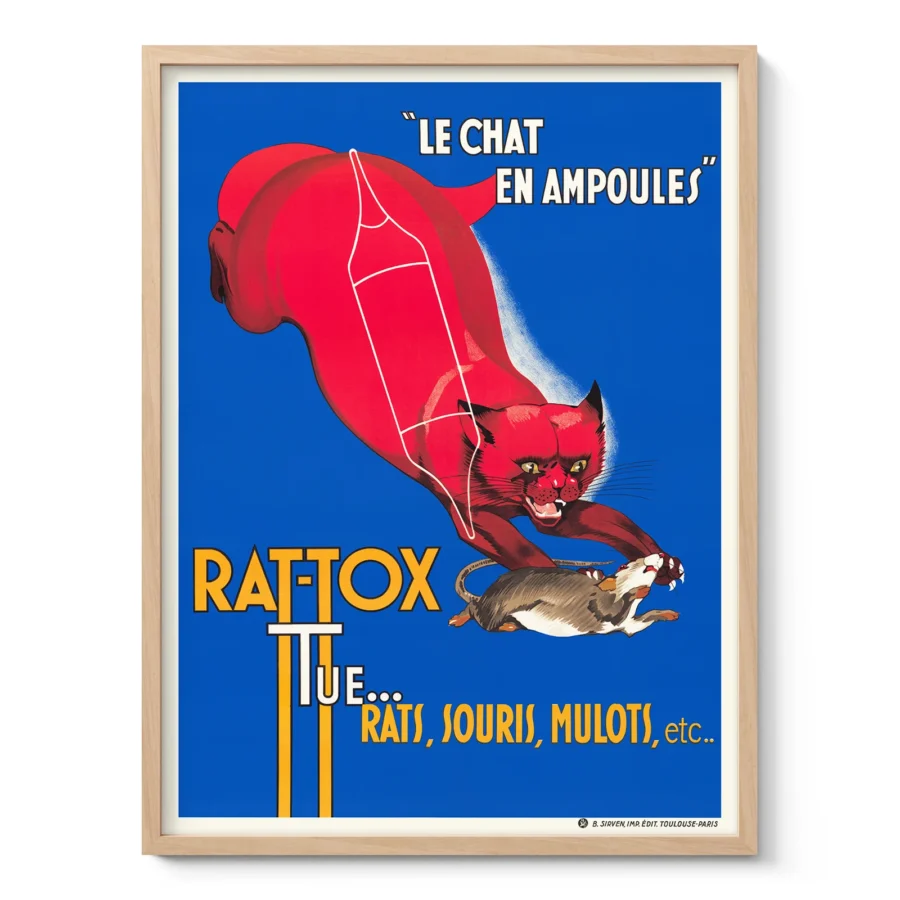
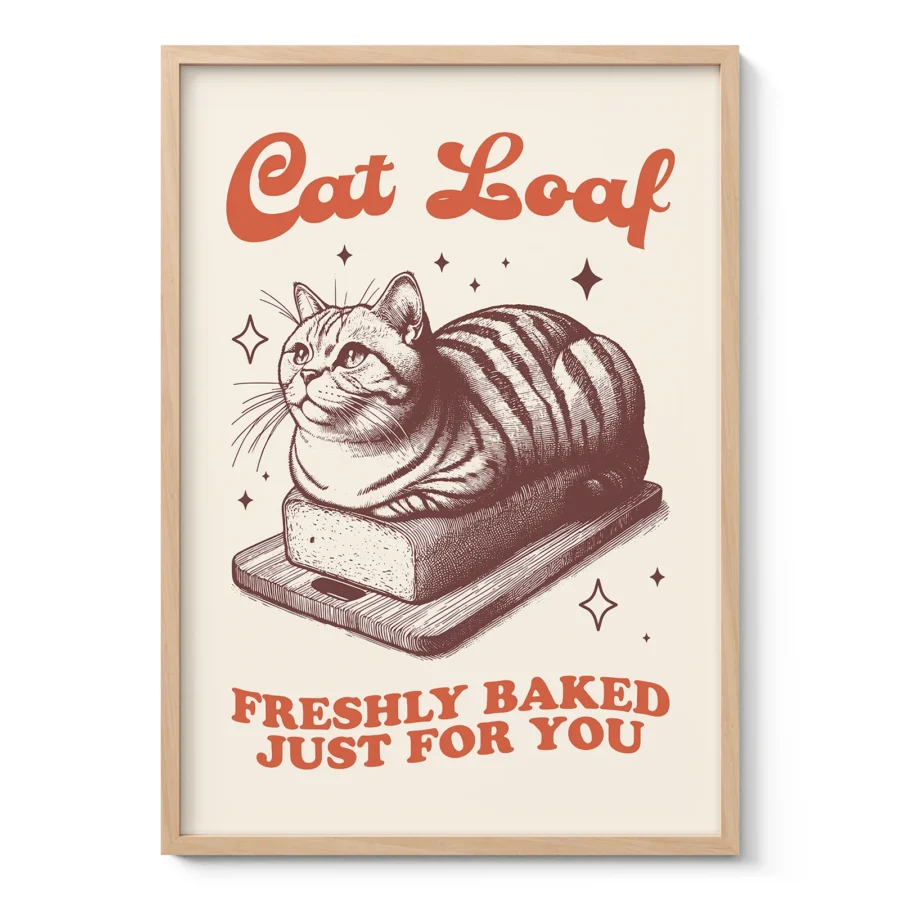
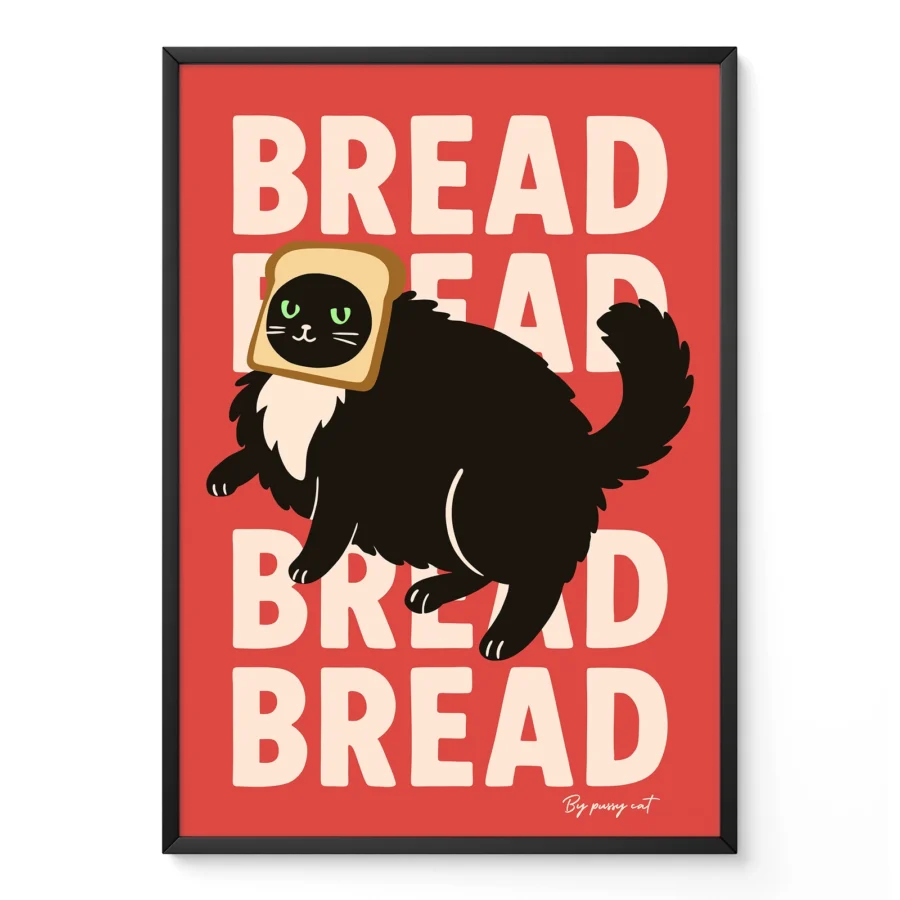
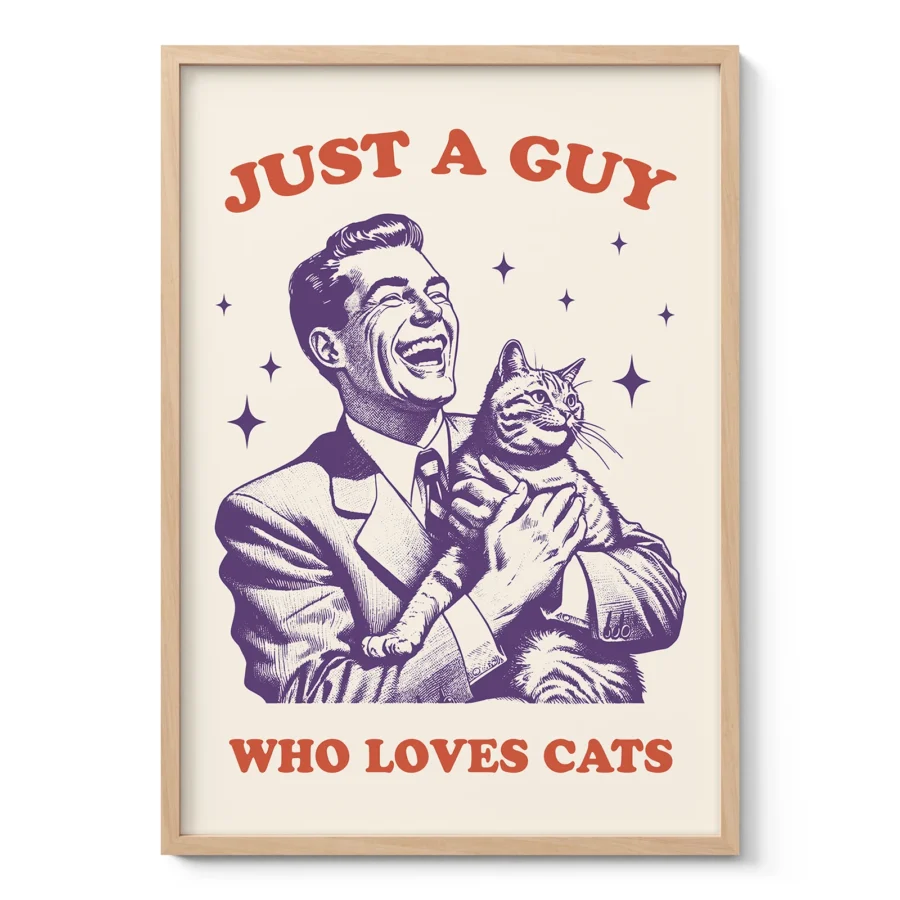
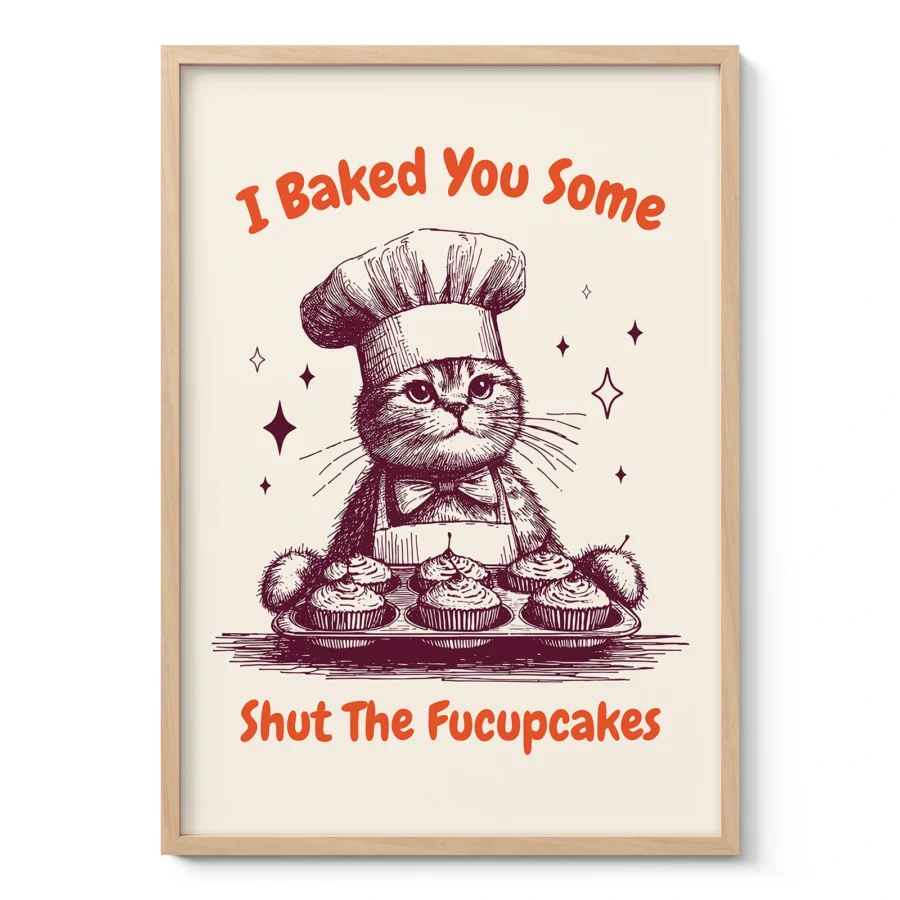
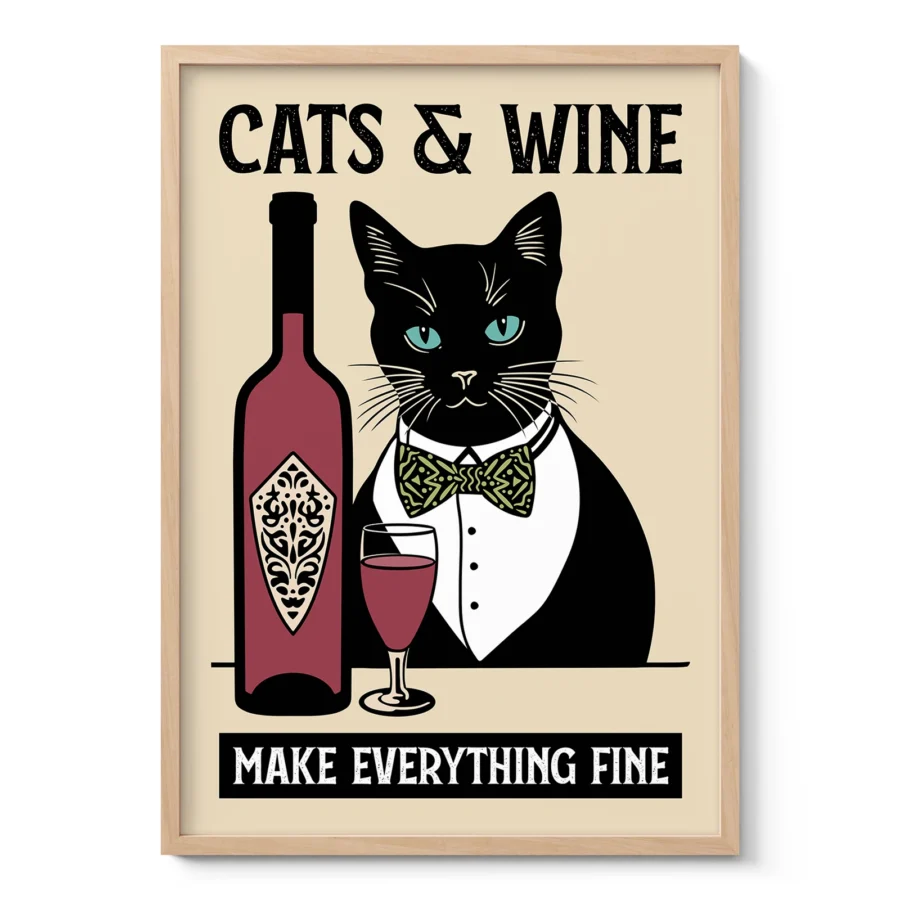
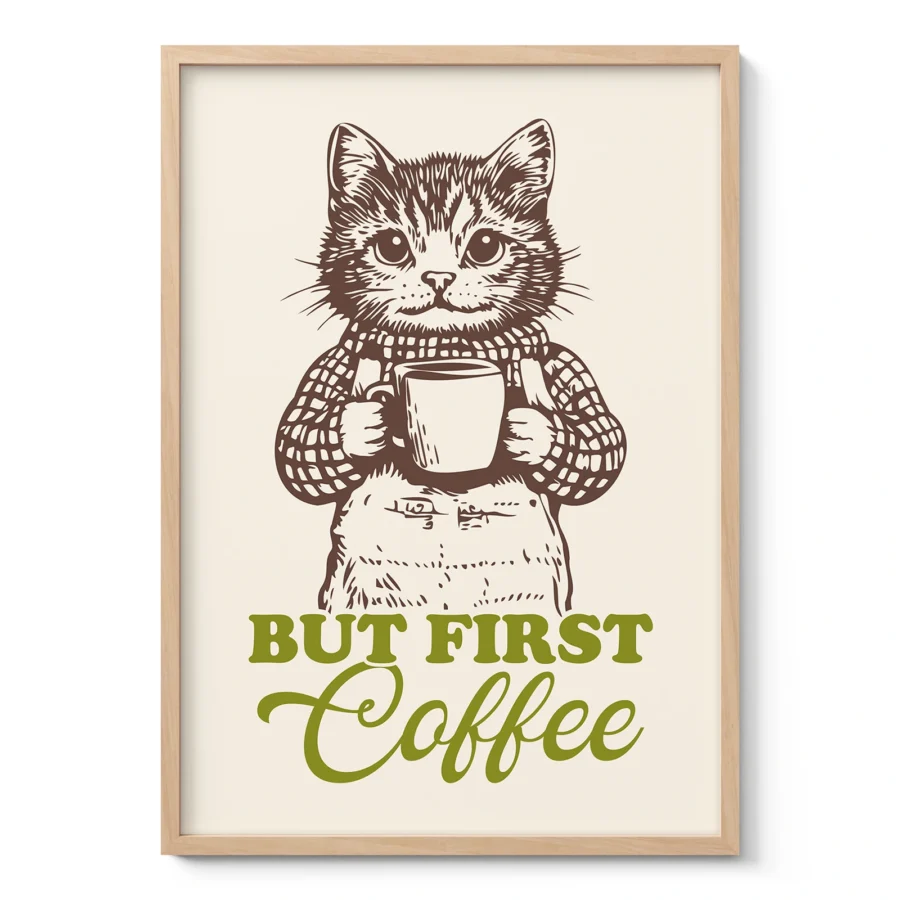
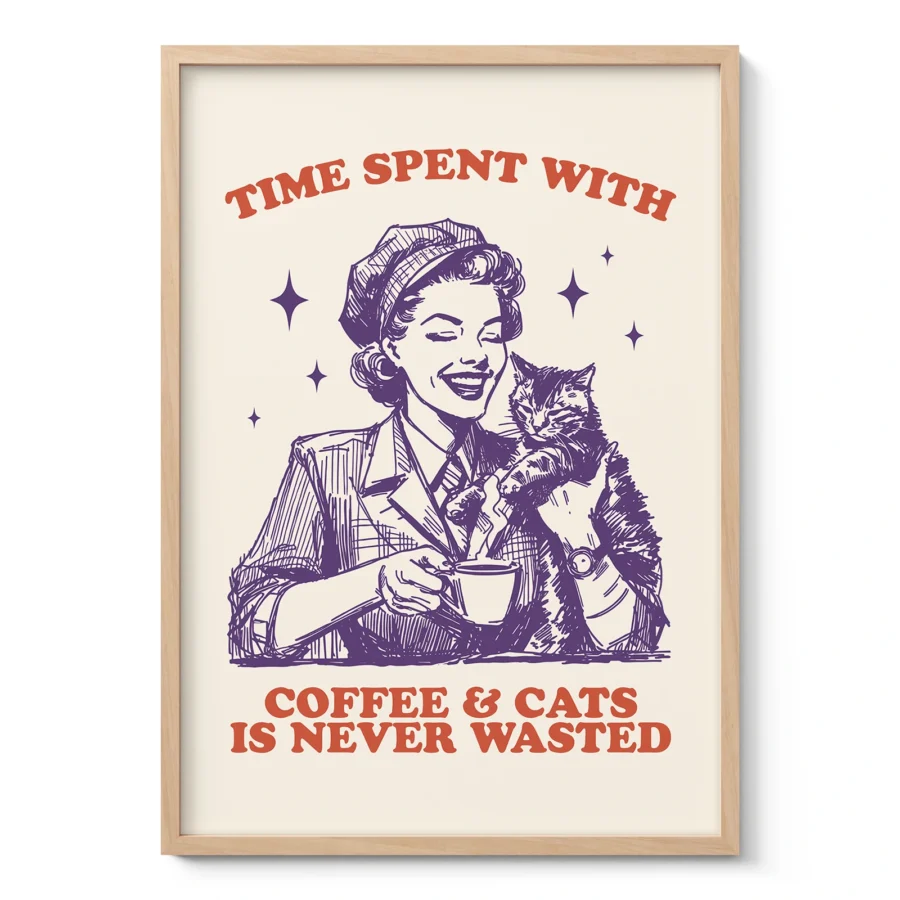
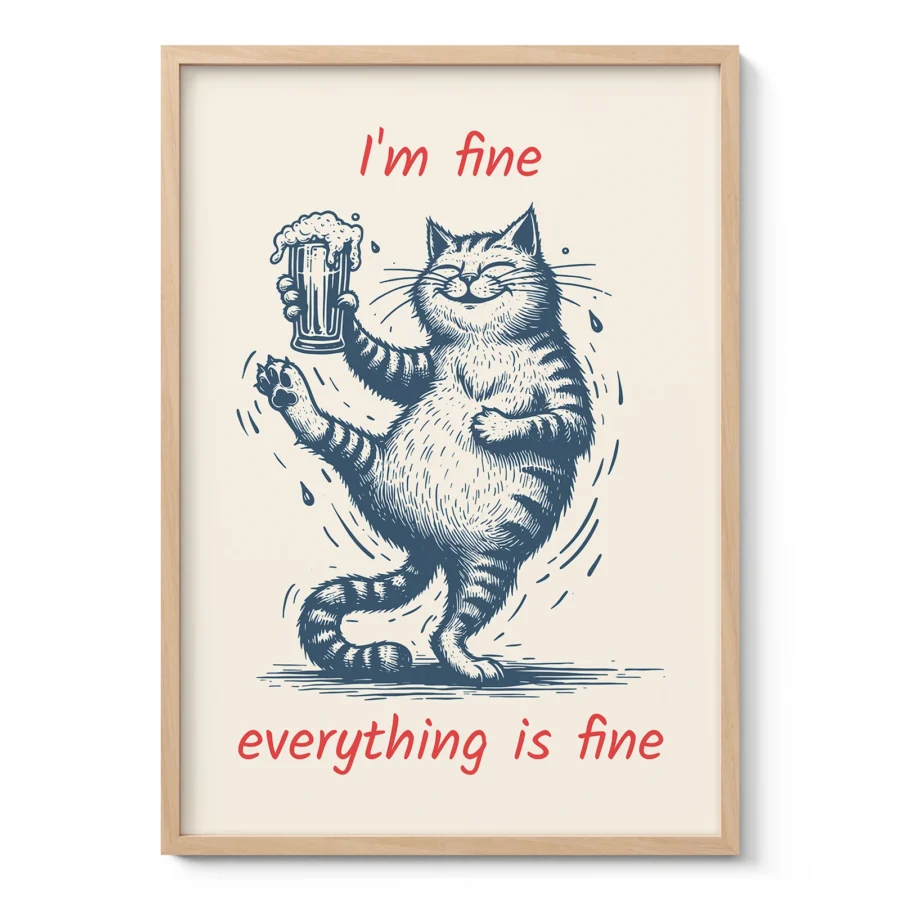
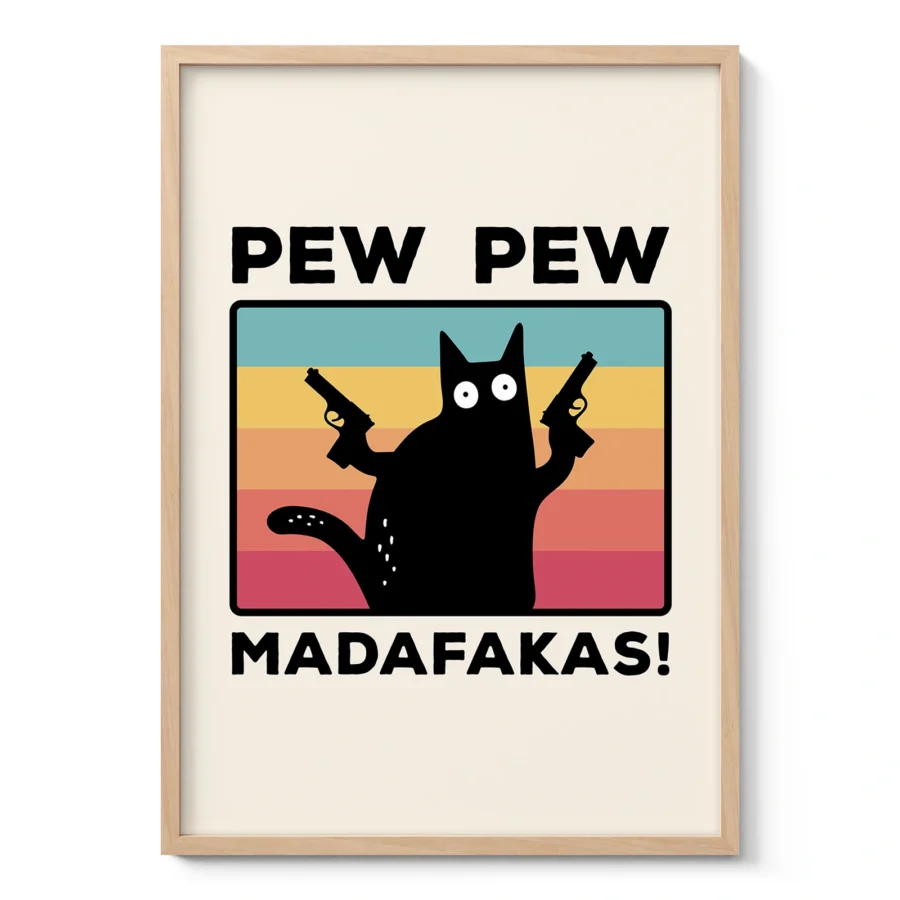
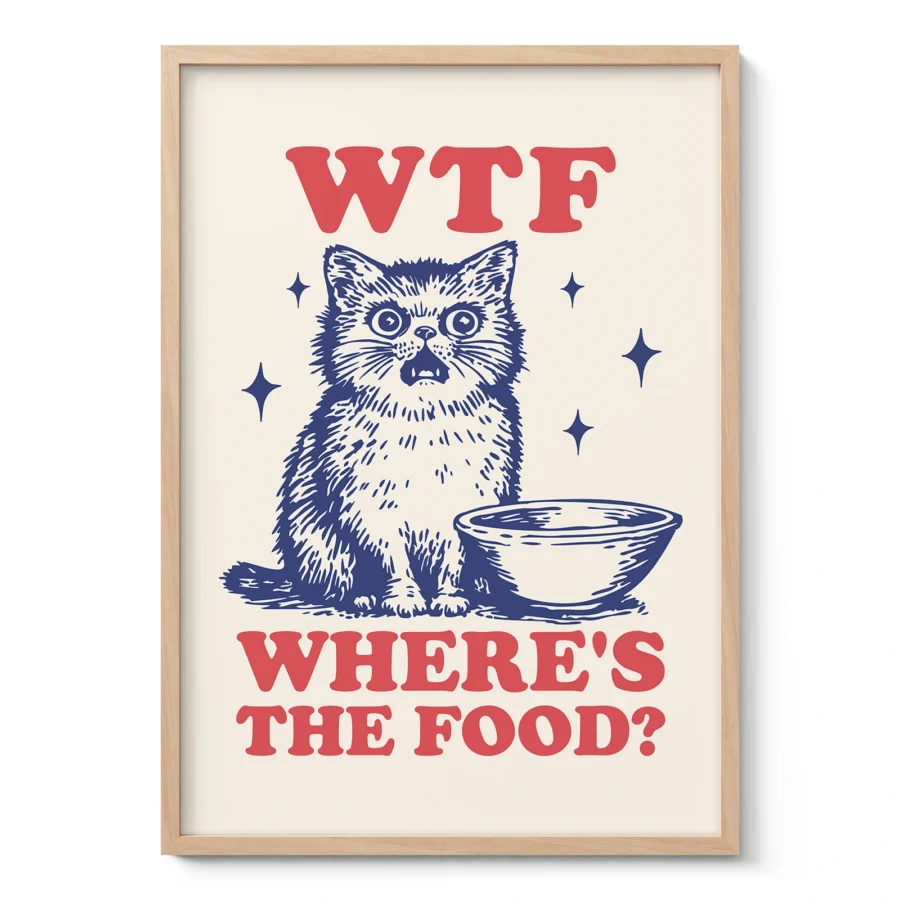
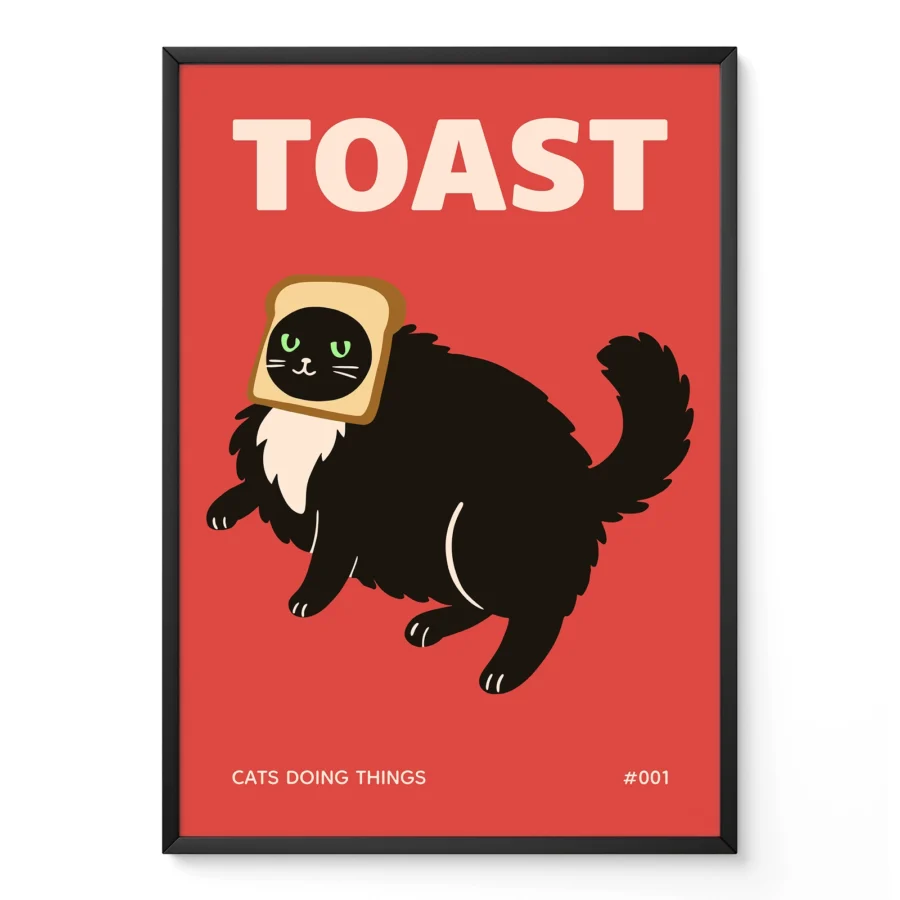
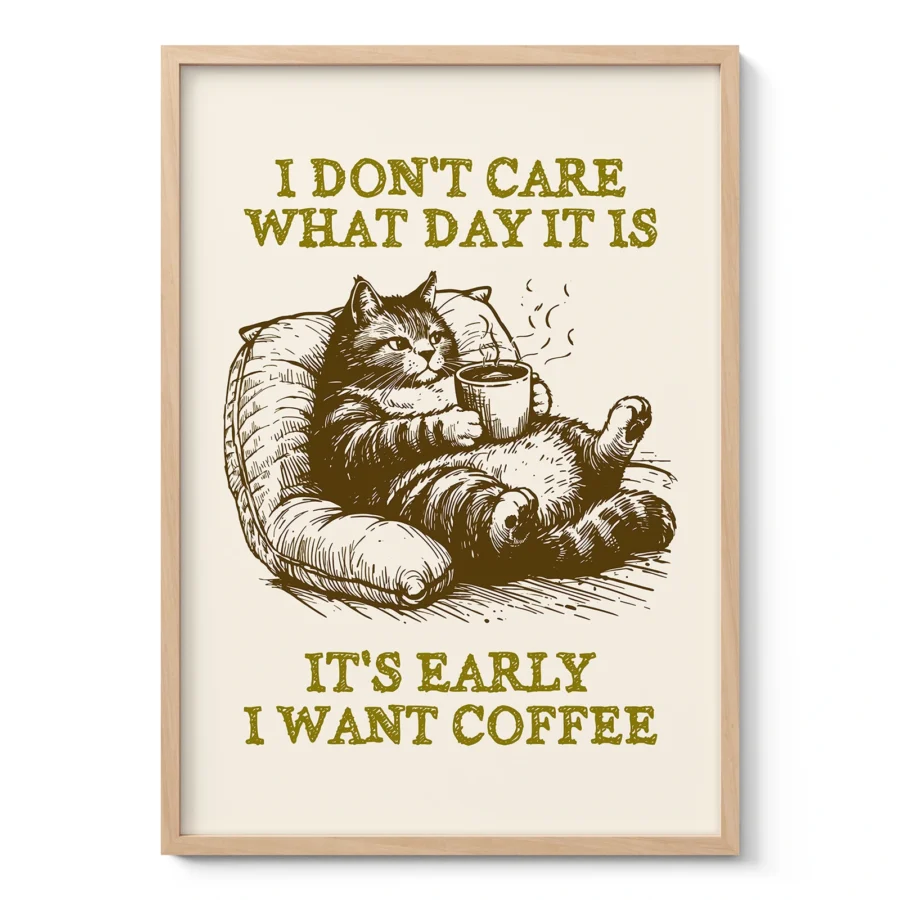
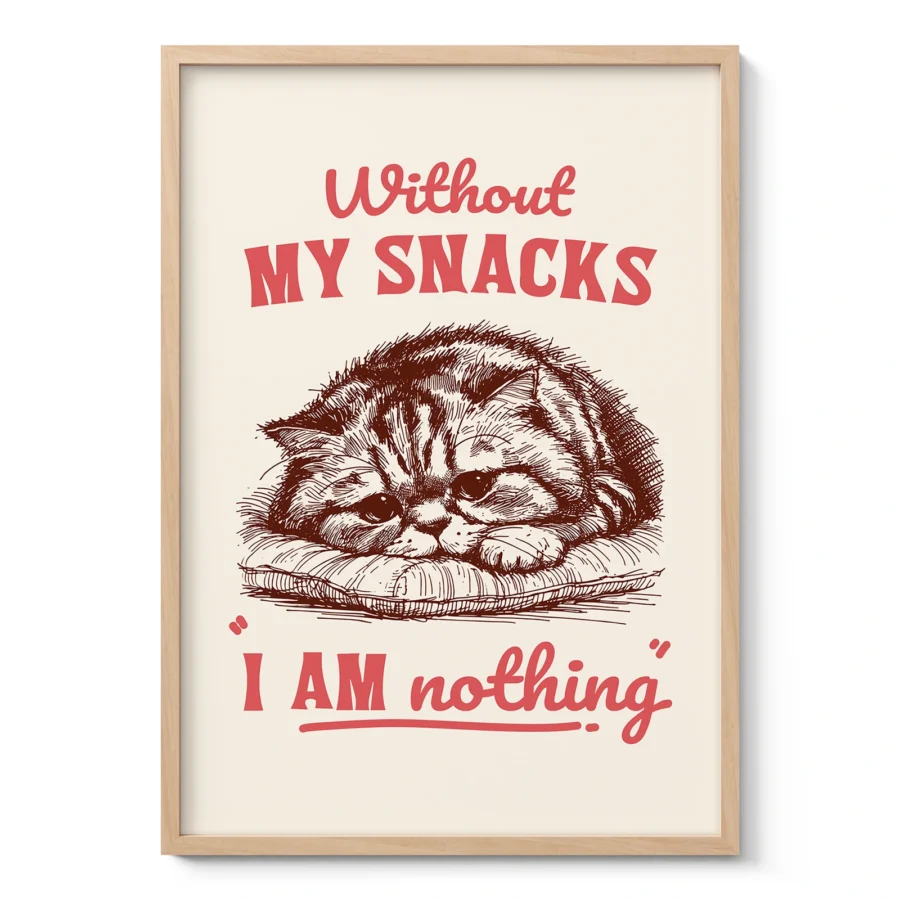
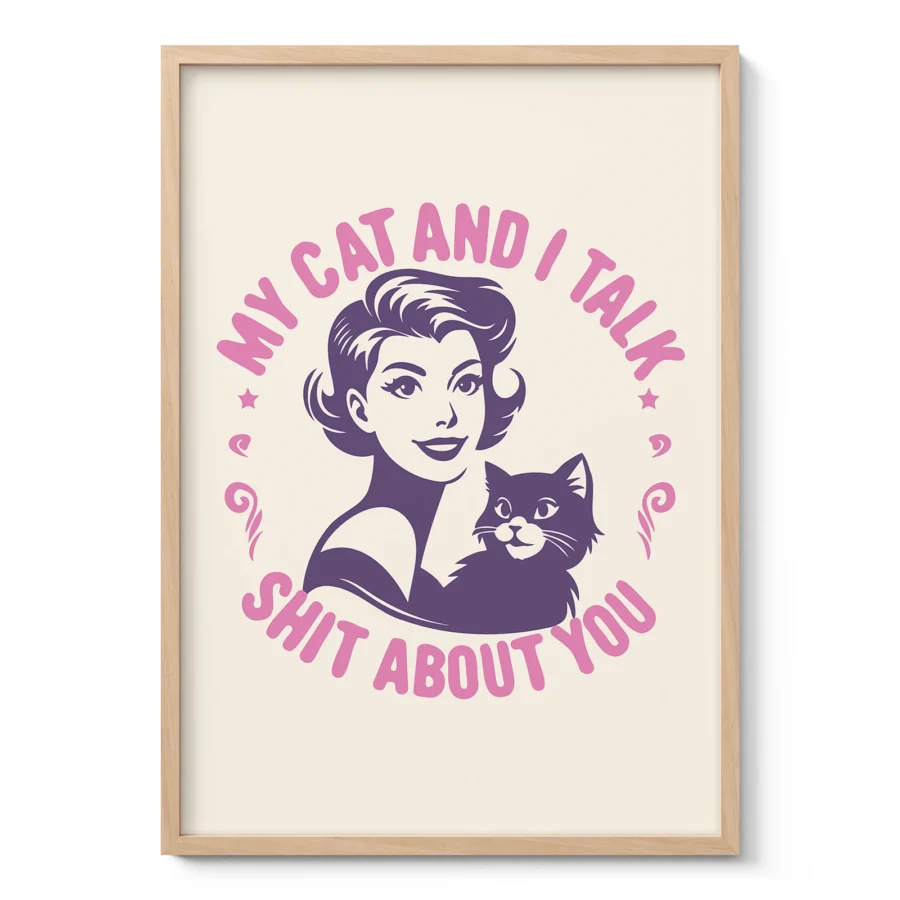
These artistic choices create distinct moods. A realistic portrait focuses on expression and texture, inviting close attention. A minimalist line drawing feels calm and understated. Vintage advertising posters featuring cats introduce nostalgia, while colourful contemporary illustrations can add playfulness without becoming childish.
Looking at style before breed often leads to more satisfying decisions than searching for a specific cat alone.
Colour is just as important as the subject
A black cat against a pale background creates entirely different visual balance than a richly coloured tabby resting in a detailed interior. Buyers often focus on the animal itself, yet the surrounding palette has a stronger influence on how comfortably the artwork fits within a room.
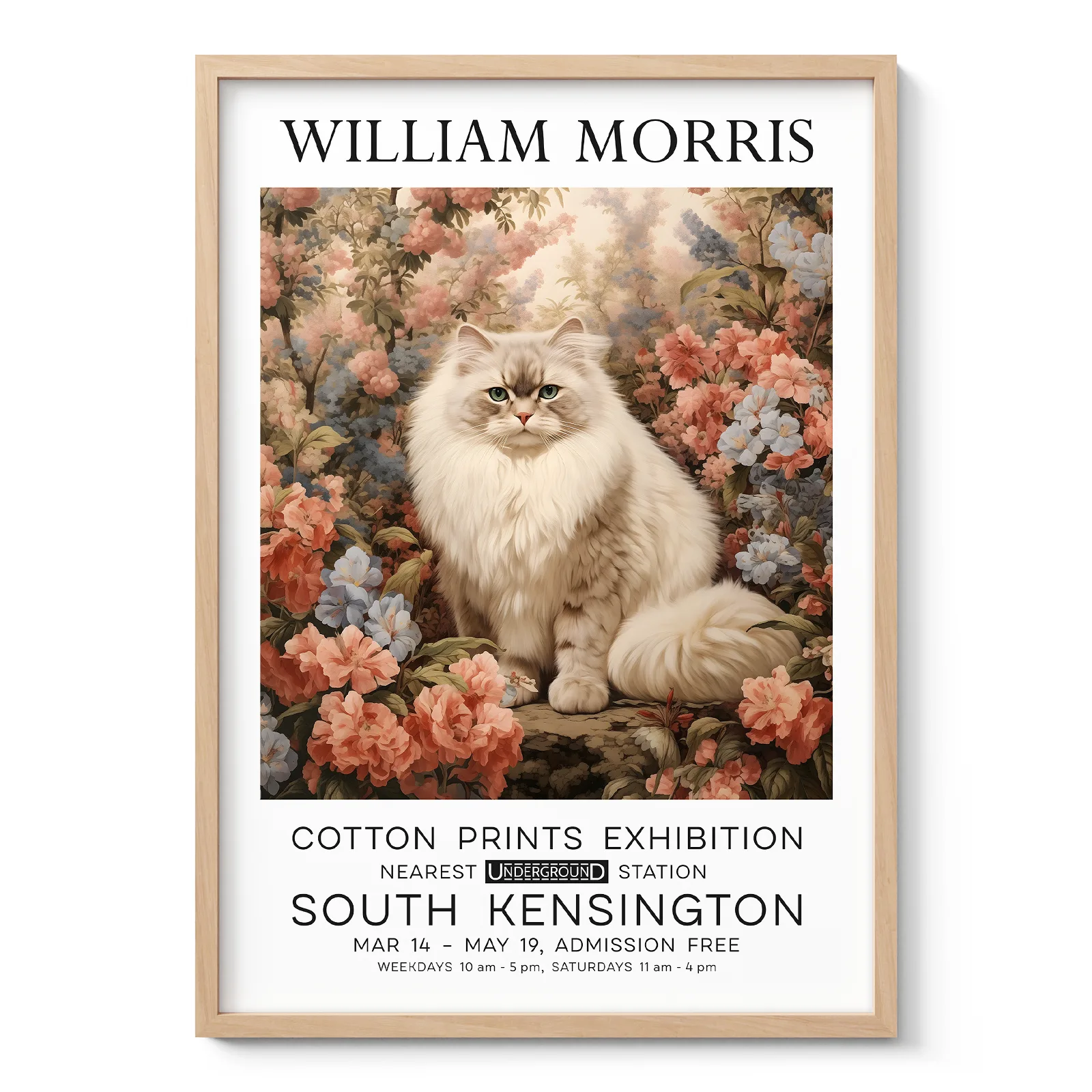
Neutral illustrations with soft creams, charcoal greys and muted browns blend naturally into Scandinavian and Japandi interiors. Bright pop art colours suit Contemporary homes or creative workspaces, while antique engravings and naturalistic paintings complement Traditional interiors filled with wood and textured fabrics.
This is one reason cats wall art adapts so easily across different decorating styles. The same subject can appear refined, humorous, dramatic or elegant depending on the artist's approach to colour and composition.
Building a collection instead of buying a single print
A gallery wall built around cats does not need to feature identical artwork. Mixing artistic styles often creates a more engaging display than repeating the same illustration several times. A vintage botanical print can sit comfortably beside a cat portrait if they share similar colours. Likewise, Japanese-inspired ink drawings pair naturally with minimalist interiors, while retro travel posters featuring cats can balance photographic animal portraits through contrast rather than similarity.
Scale deserves attention as well. Large portraits encourage viewers to connect with facial expression and eye contact. Smaller illustrations often work better in groups, allowing different poses, breeds or artistic techniques to create visual rhythm across a wall.
Posters provide flexibility when arranging evolving collections, while canvas prints can emphasise painterly brushwork or textured backgrounds in larger statement pieces.
Choosing artwork for different living spaces
Cat artwork naturally finds its place beyond children's rooms. Elegant line drawings and monochrome photography work well in home offices where subtle decoration supports concentration rather than distraction. Dining rooms often welcome vintage café illustrations or decorative Art Nouveau compositions featuring cats because they introduce character without dominating the room.
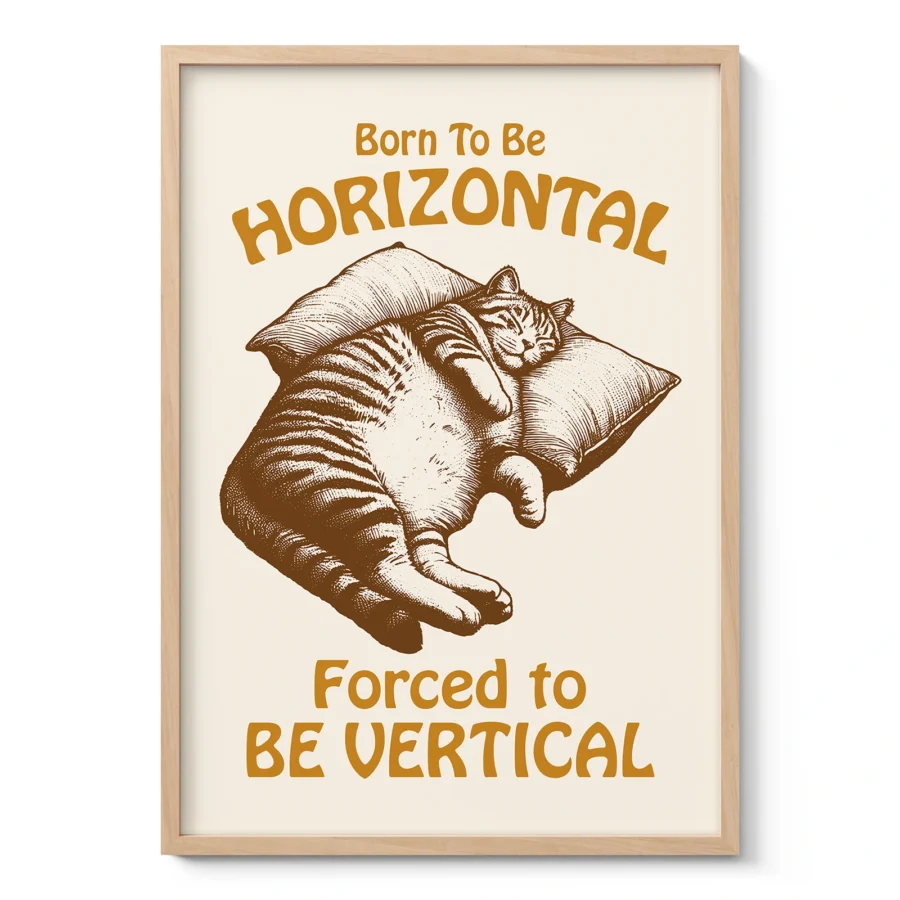
Hallways benefit from narrow vertical prints showing stretching or sitting cats, echoing the shape of the space itself. Living rooms allow greater freedom, especially when a single oversized portrait becomes a visual anchor among simpler furnishings. Bedrooms often feel most balanced with sleeping cats, curled silhouettes or soft watercolour studies that reinforce a relaxed atmosphere.
Selecting artwork according to the mood of the room usually proves more effective than choosing solely by favourite breed or colour.
Small details that keep cat artwork interesting
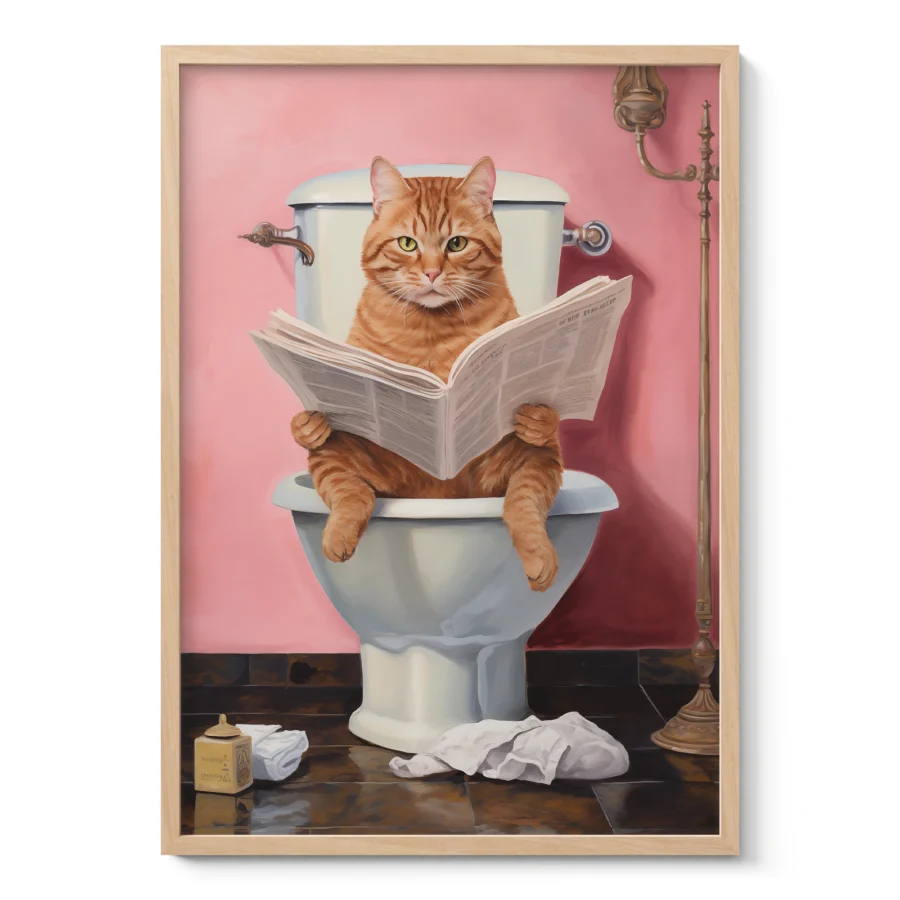
The most rewarding pieces often reveal more than the animal alone. Background architecture, furniture, books, gardens or seasonal landscapes quietly influence the story each image tells. Some artists emphasise independence through solitary compositions, while others capture playful interaction with everyday objects.
Even the direction a cat faces can affect visual balance. Artwork looking toward the centre of a room often feels more connected to its surroundings than figures turned outward. These subtle compositional choices are easy to overlook but become noticeable over years of living with the artwork.
Because artists continue to reinterpret one of humanity's oldest companions, cats wall art offers remarkable variety for collectors and homeowners alike. From vintage engravings and realistic portraits to contemporary illustrations and decorative posters, cats wall art provides lasting visual interest that reflects personality as much as artistic taste. Thoughtful selection based on style, colour and composition ensures that cats wall art remains engaging long after the wall has been filled.