





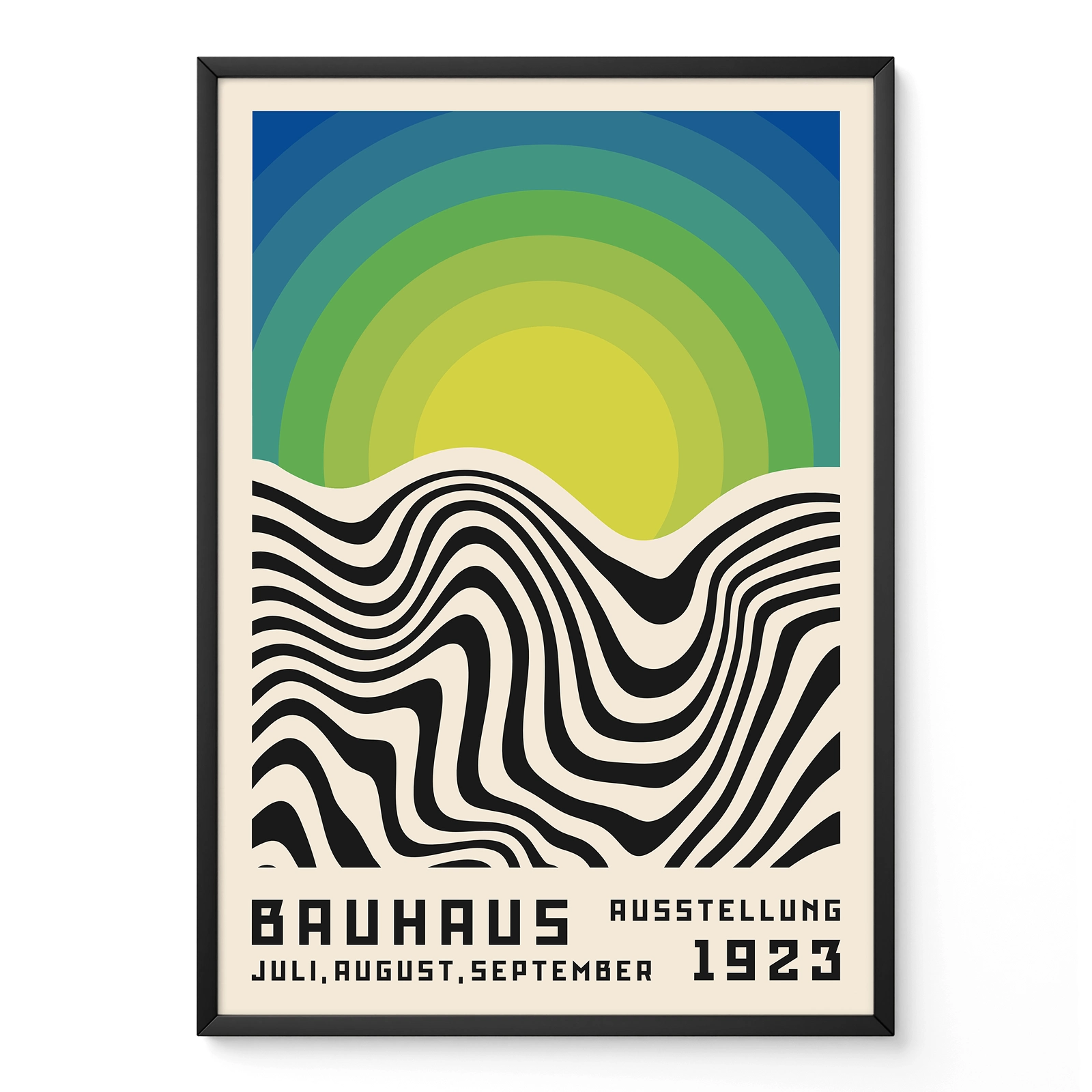
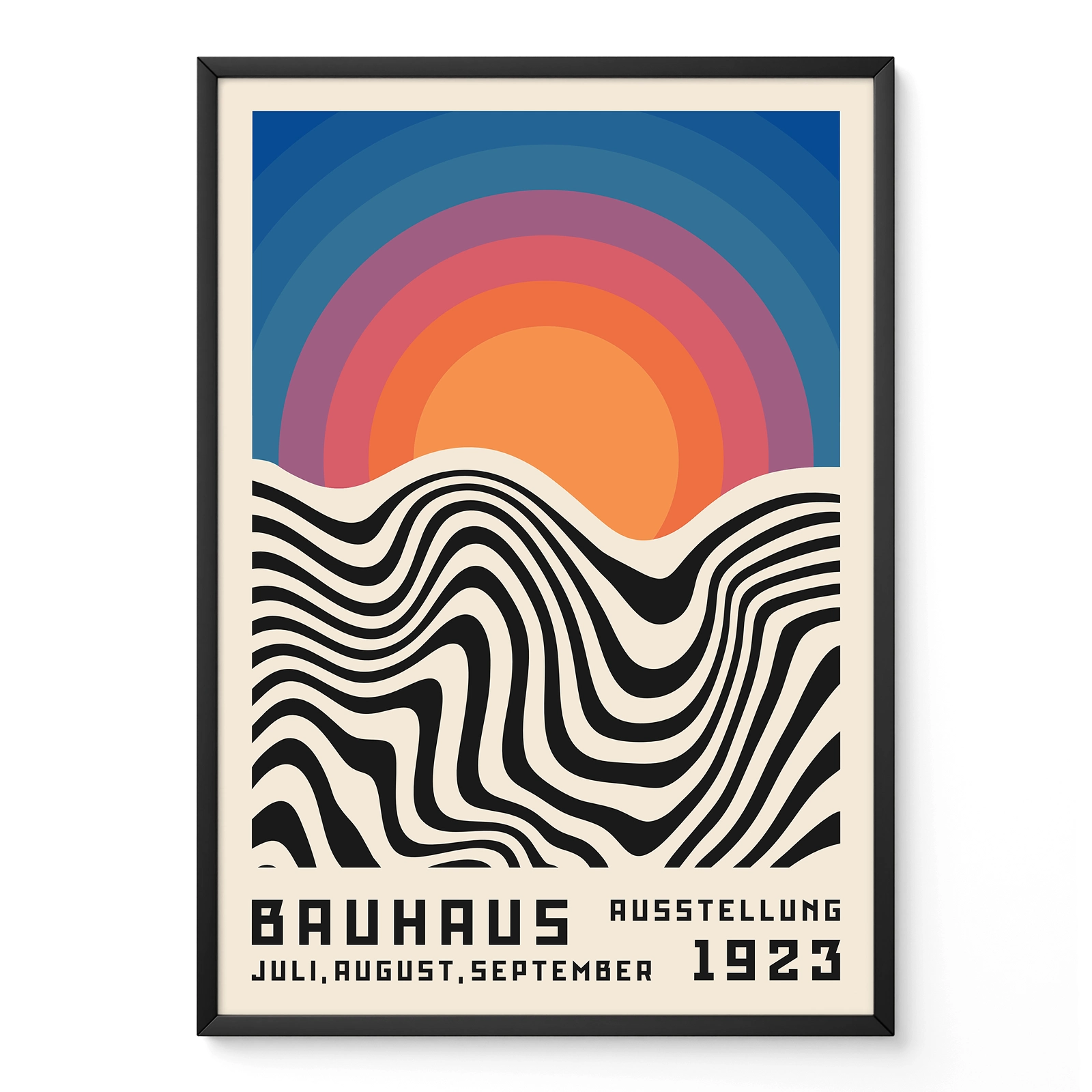
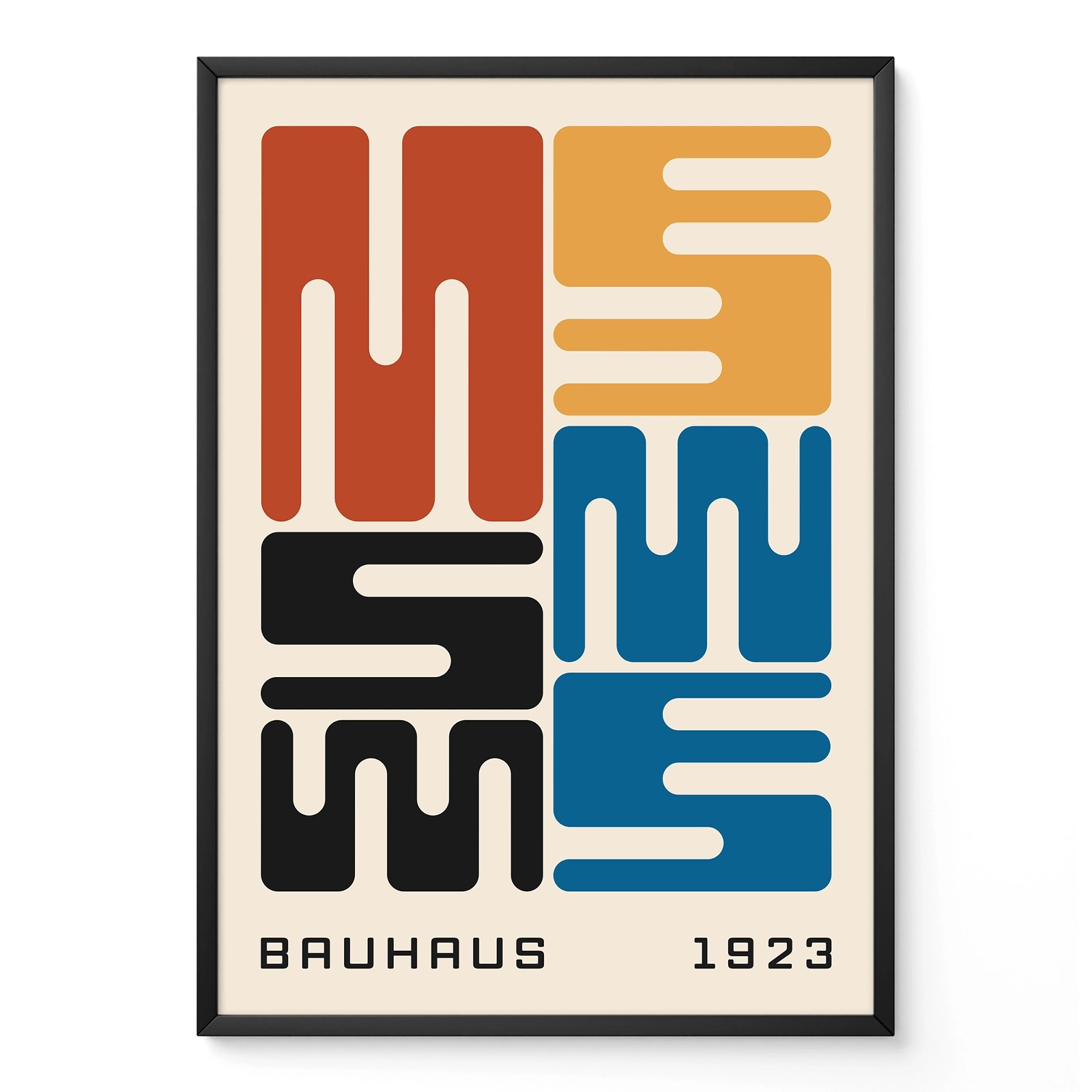
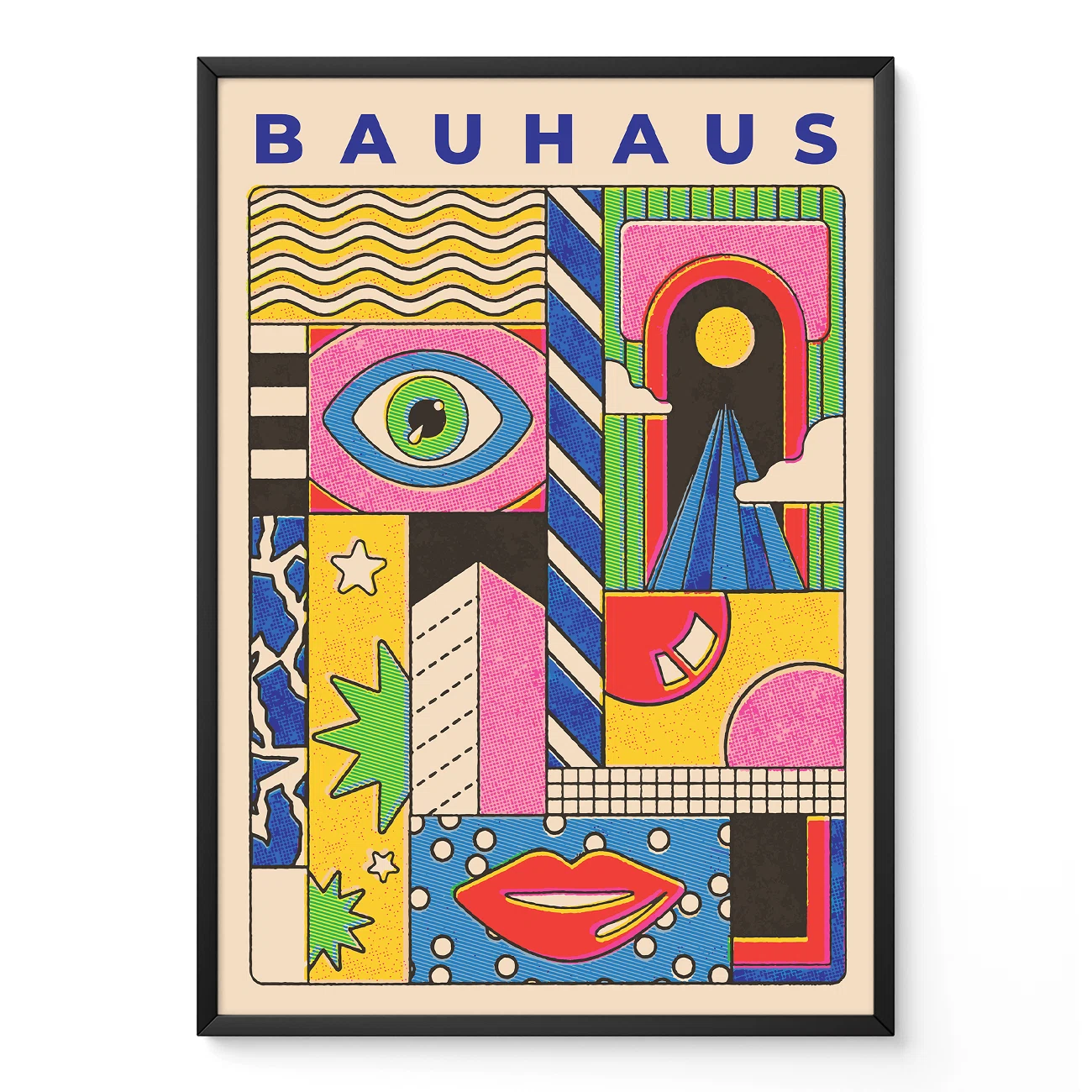

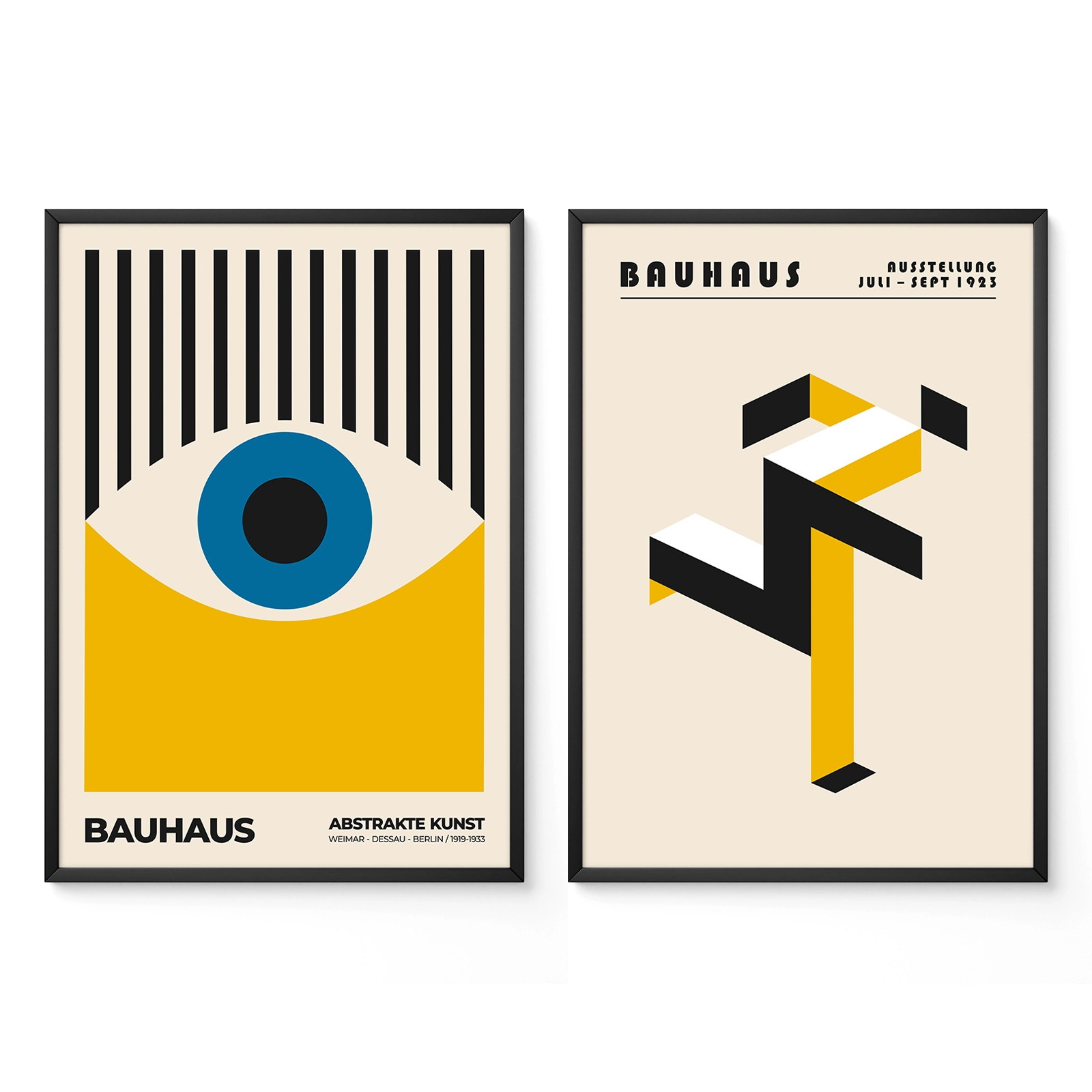

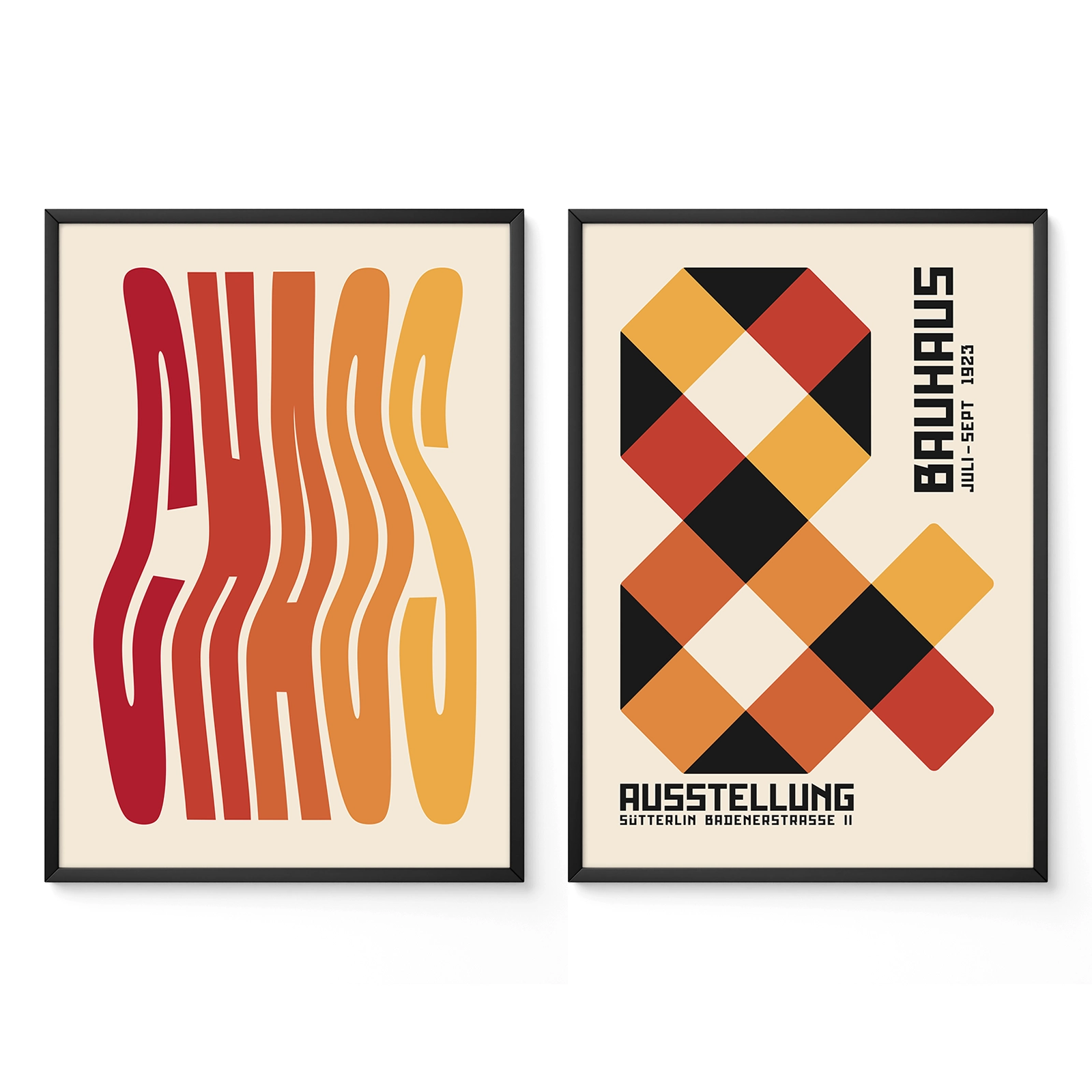
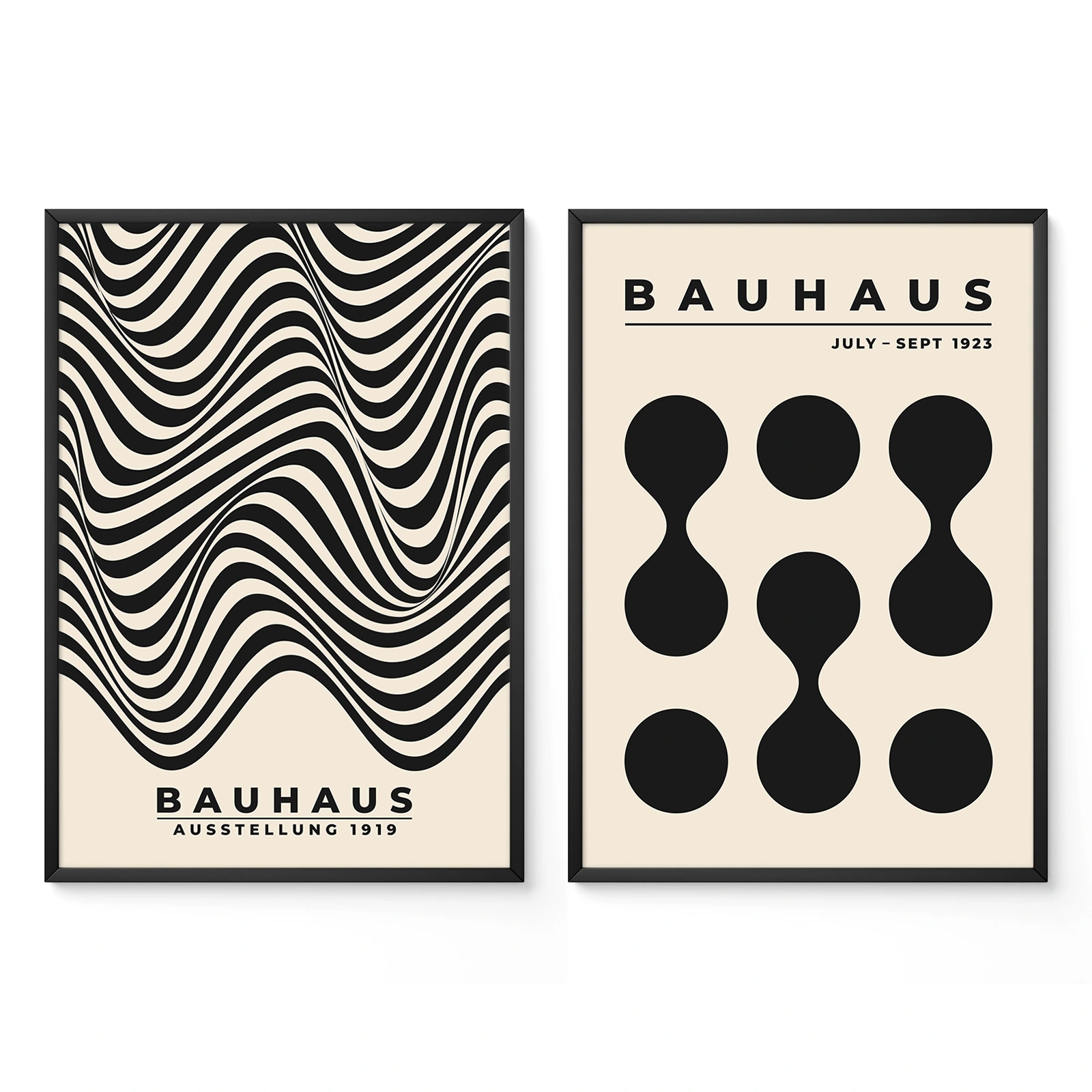
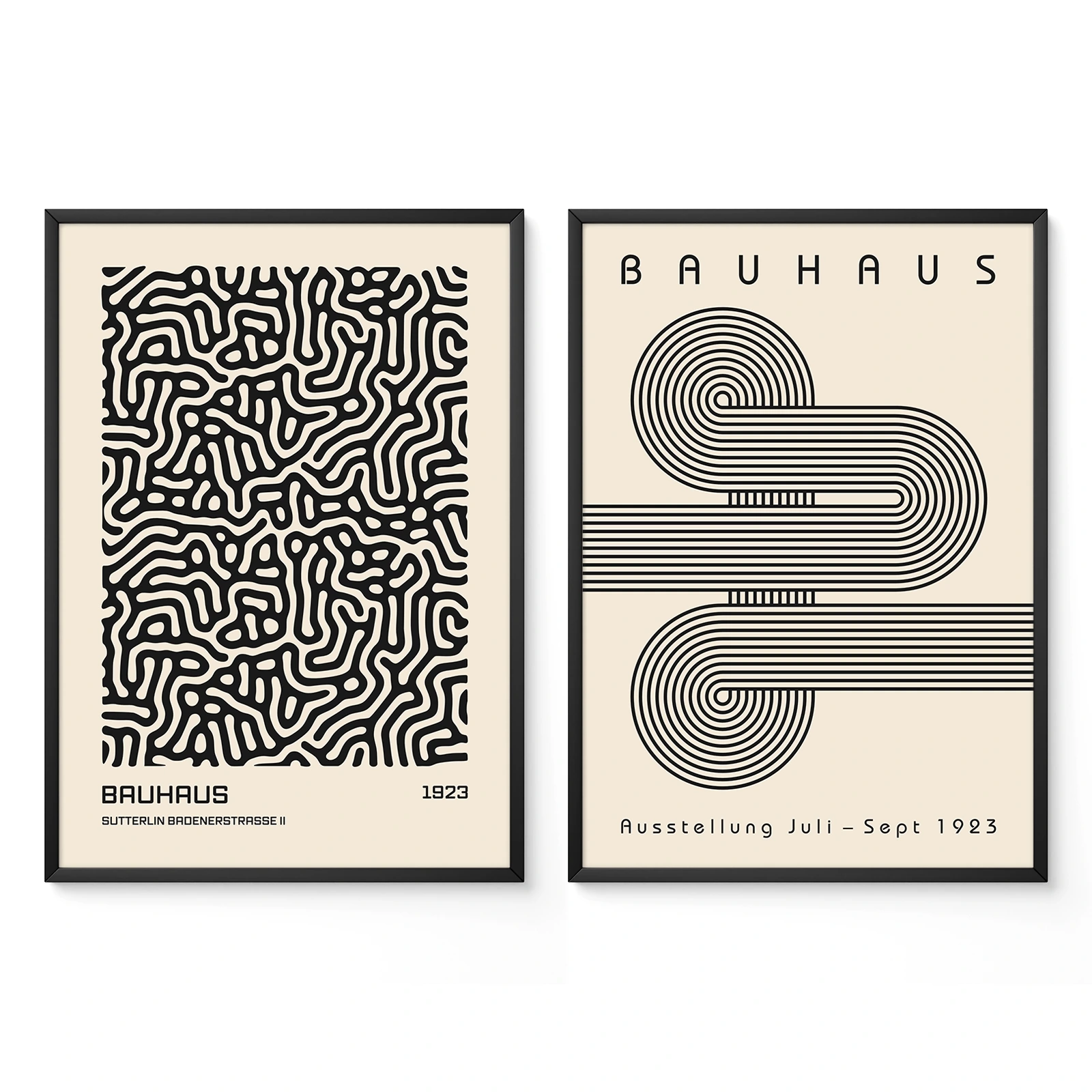
Wall art prints for thoughtfully designed interiors
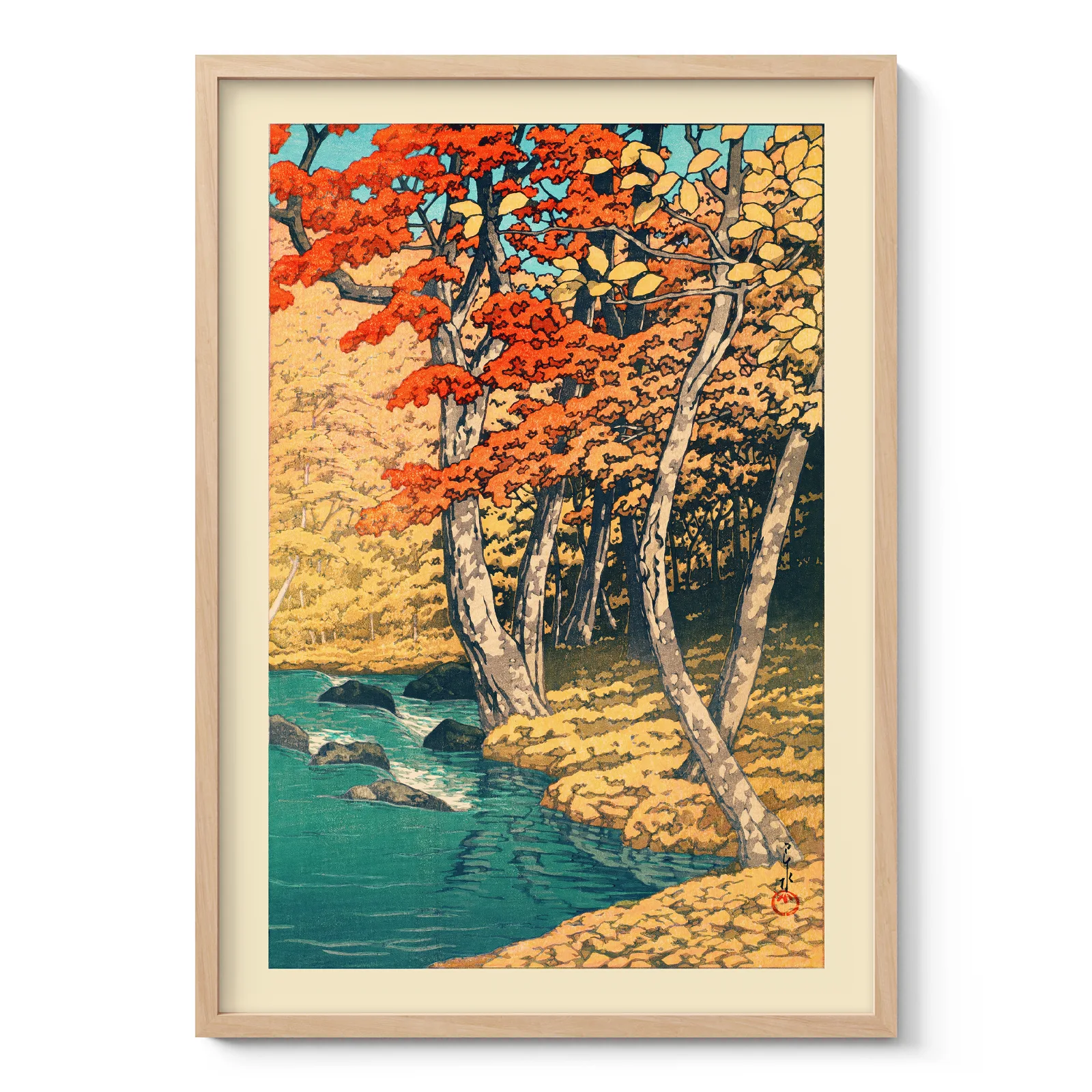
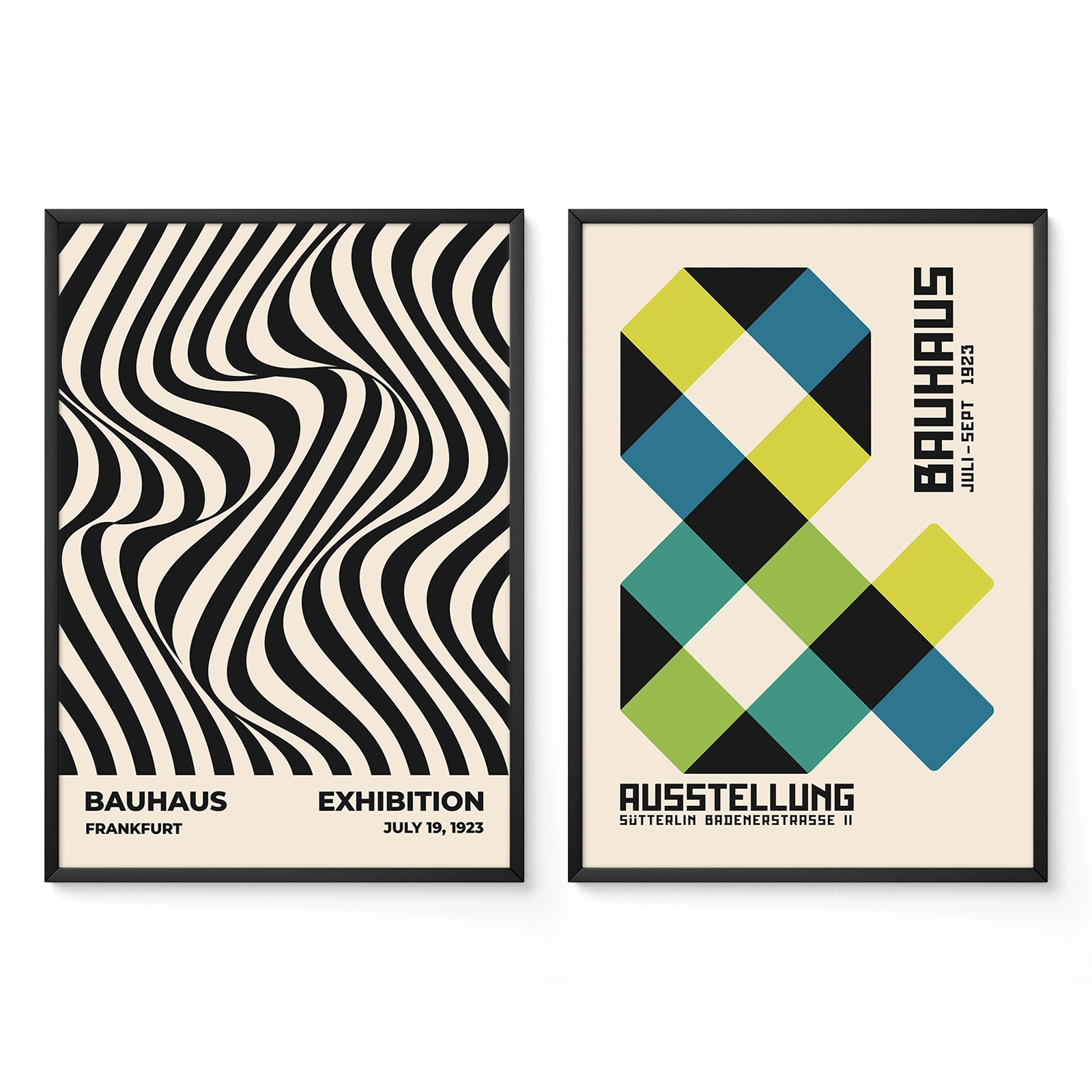
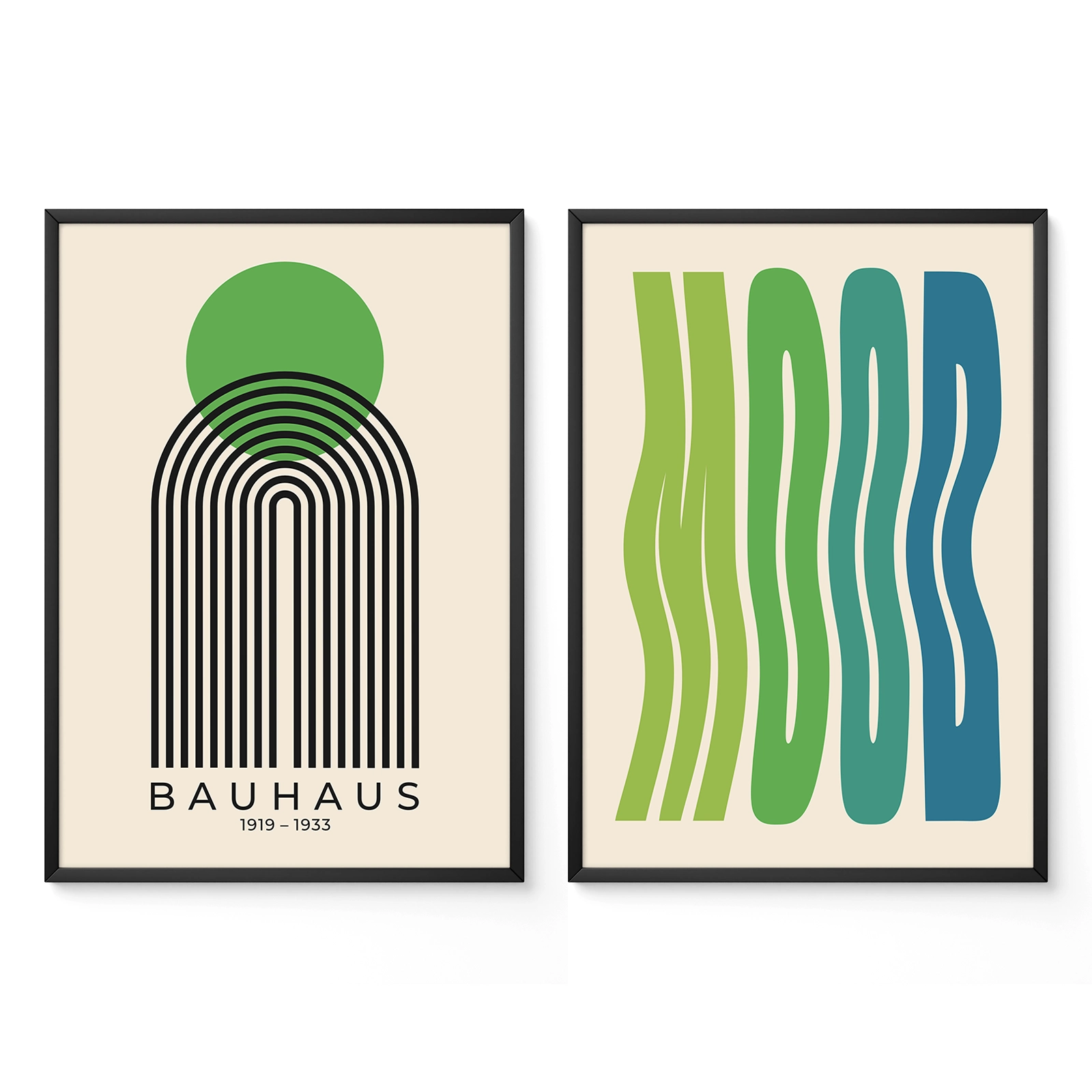
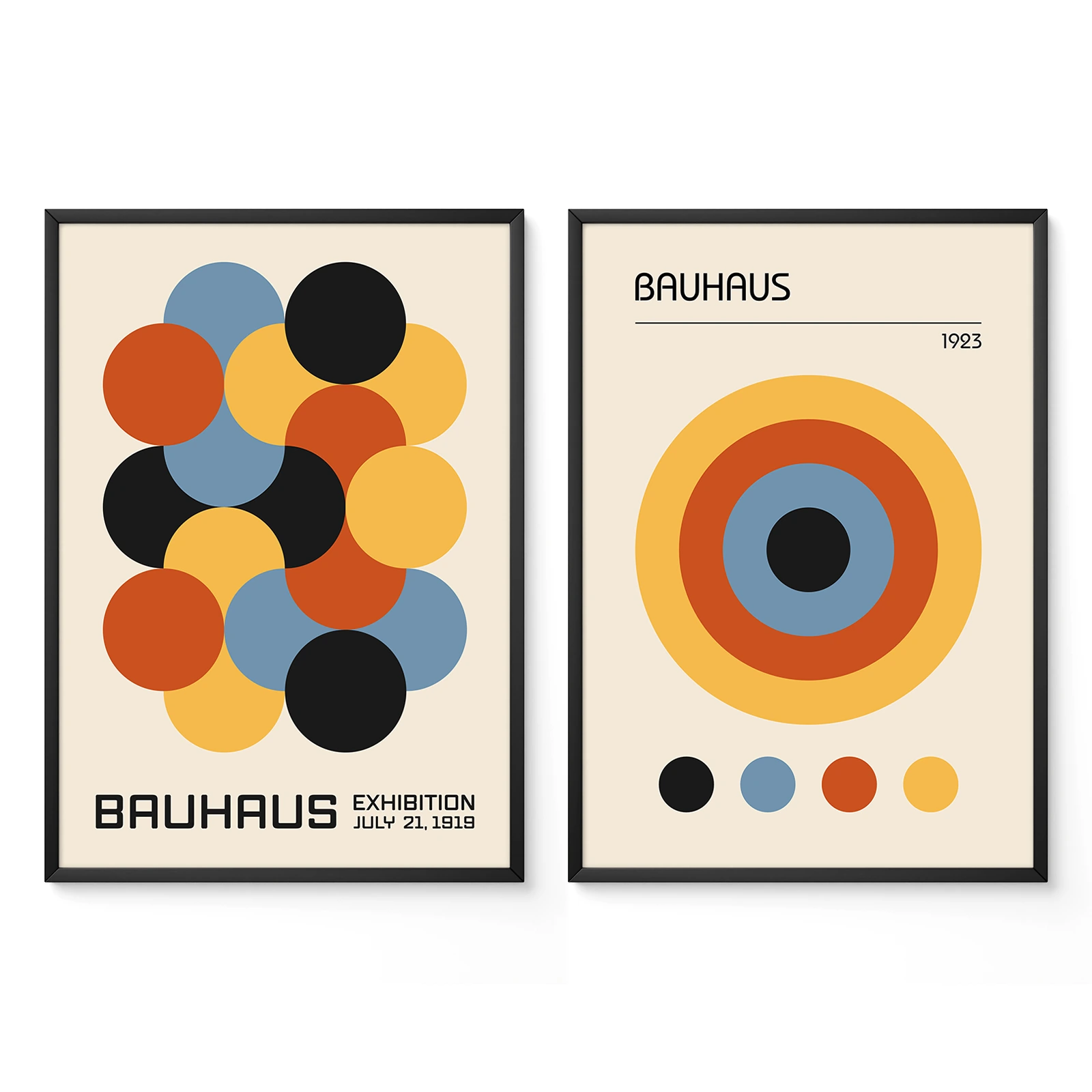
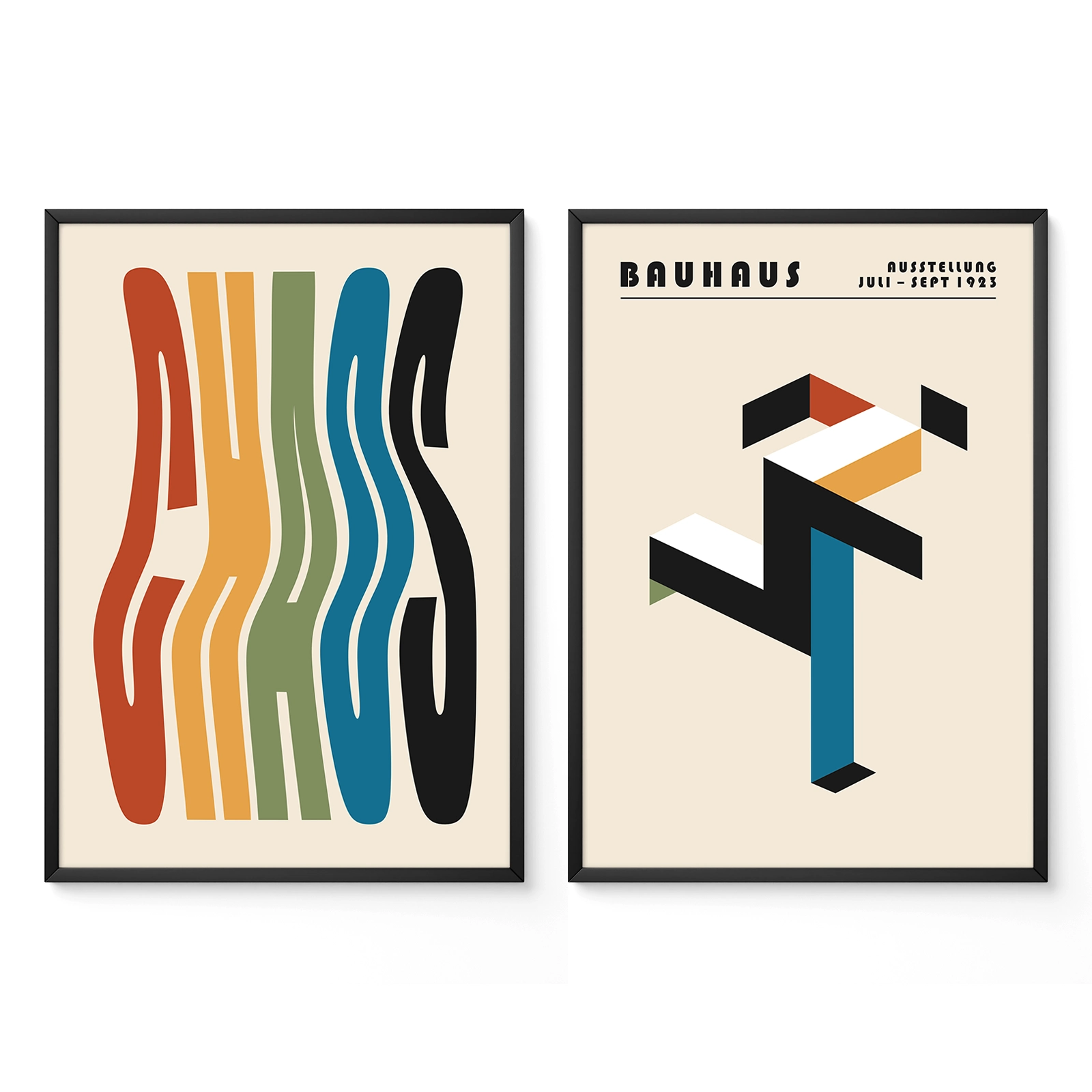
A room rarely feels complete because of furniture alone. The pieces that stay memorable usually have a visual thread running through them, and artwork often provides that connection. Choosing wall art prints is less about filling empty walls than deciding how a space should feel every time you enter it. A quiet landscape creates a different atmosphere from an architectural drawing or a bold abstract composition, even when the colour palette is similar.
Build the room around a visual rhythm
Many people begin with colours, but experienced decorators often start with scale and balance. A large artwork above a sofa can establish the proportions of the room, while a carefully arranged gallery wall creates movement across a longer surface. Before selecting a subject, consider the size of the wall, nearby furniture and the amount of natural light.
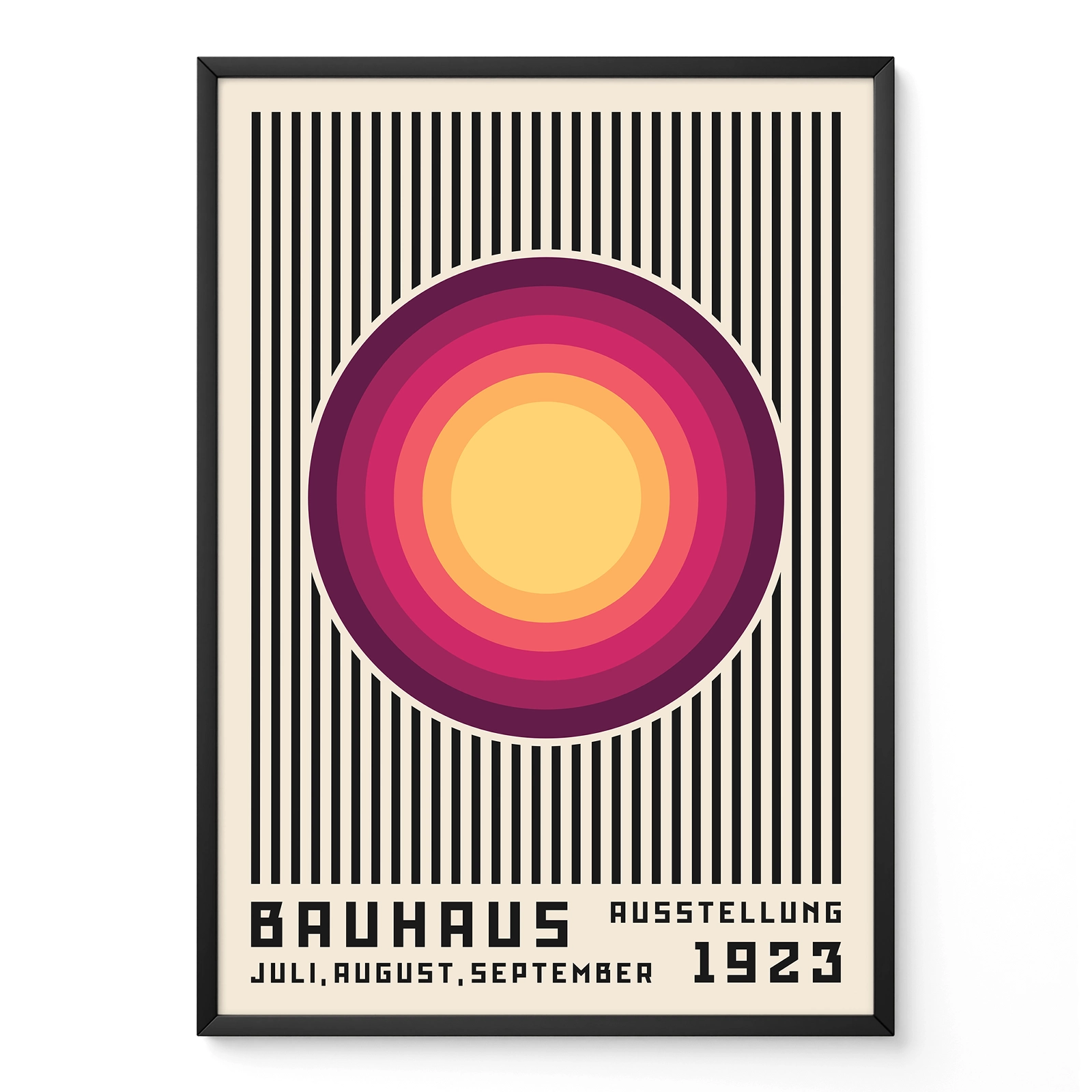
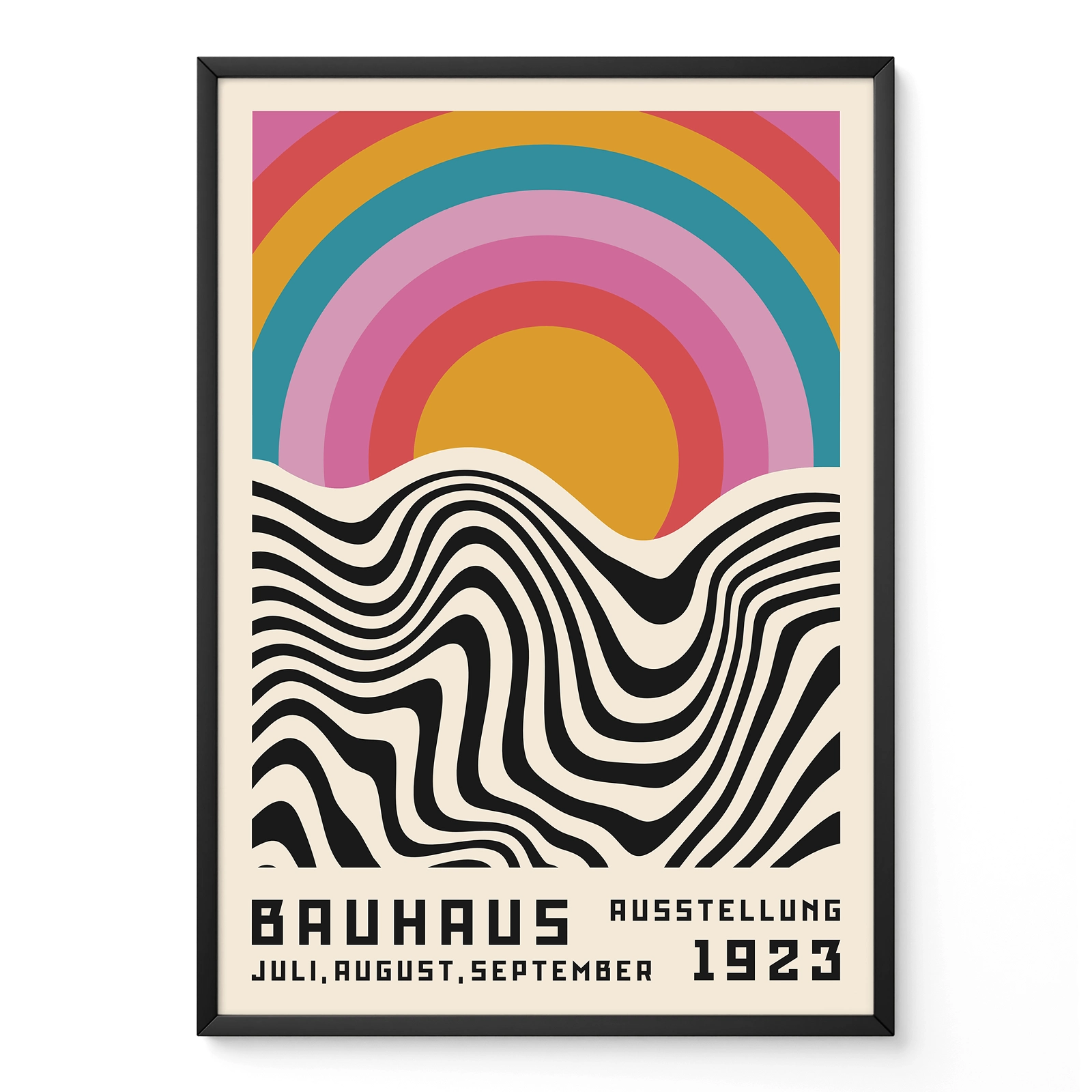
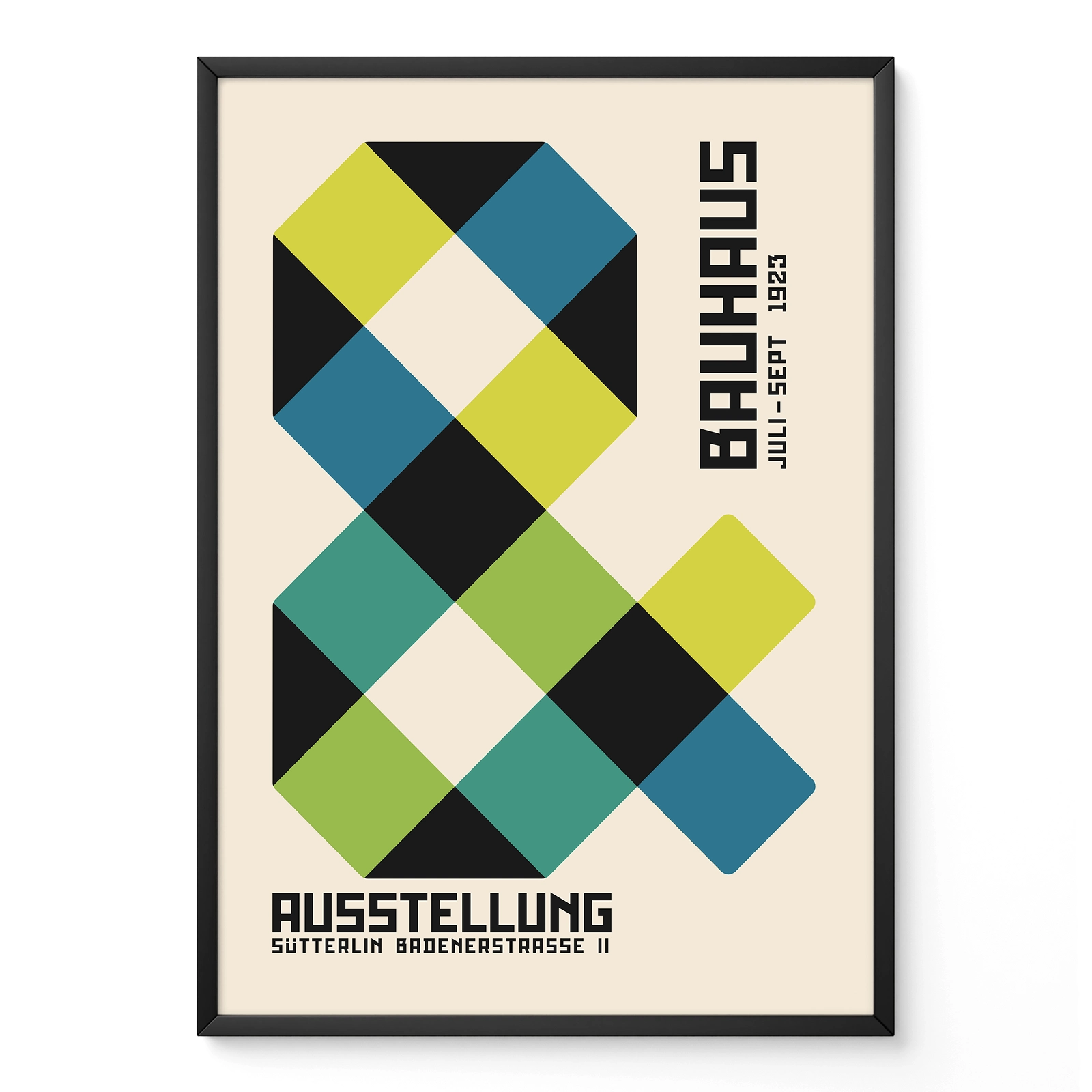
This approach also explains why wall art prints are available in both posters and canvas formats. A poster inside a slim frame complements interiors with crisp lines and lighter visual weight. Canvas prints soften reflections and introduce subtle texture, making them particularly effective in rooms where fabrics, wood and natural materials already dominate. The artwork remains the same, yet the presentation changes the overall impression.
Subjects that continue to feel relevant
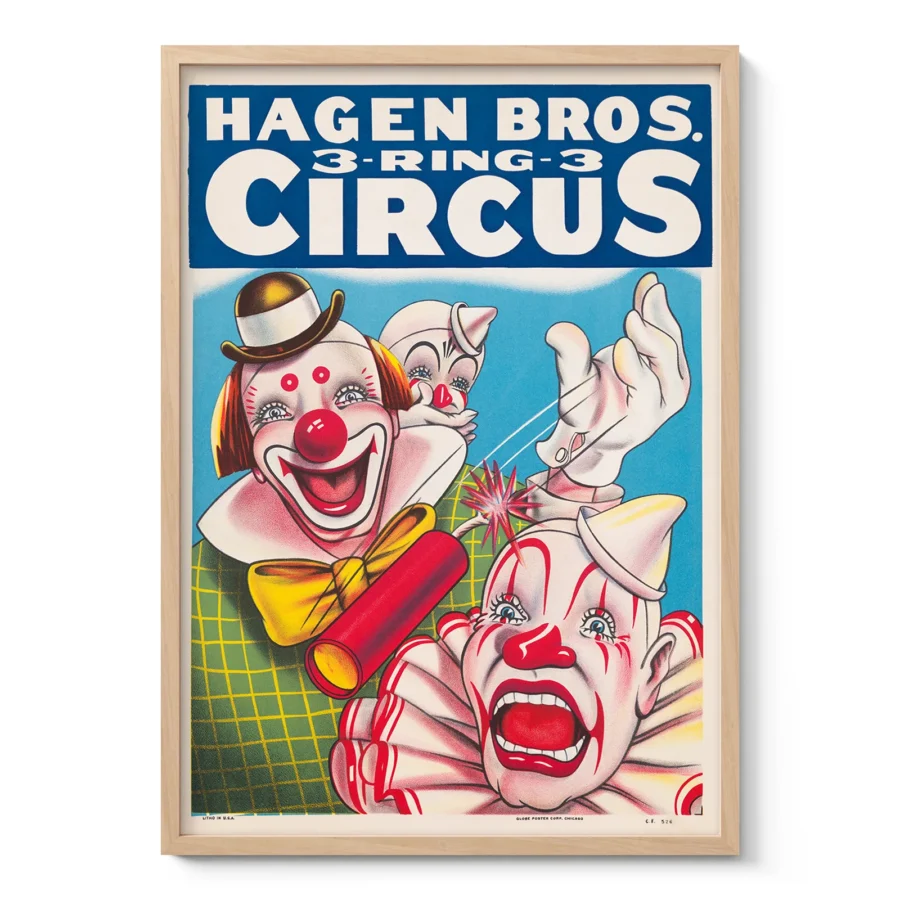
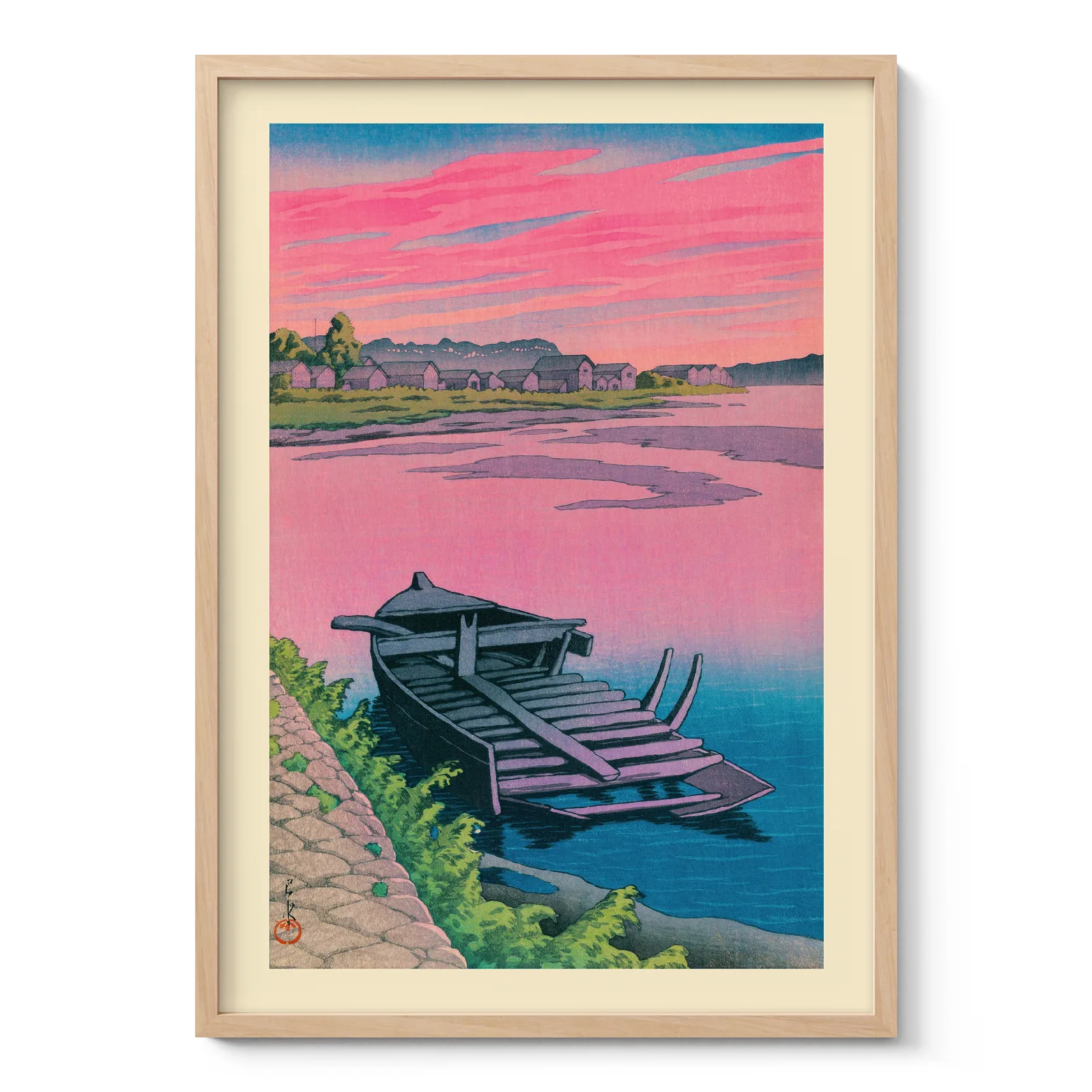
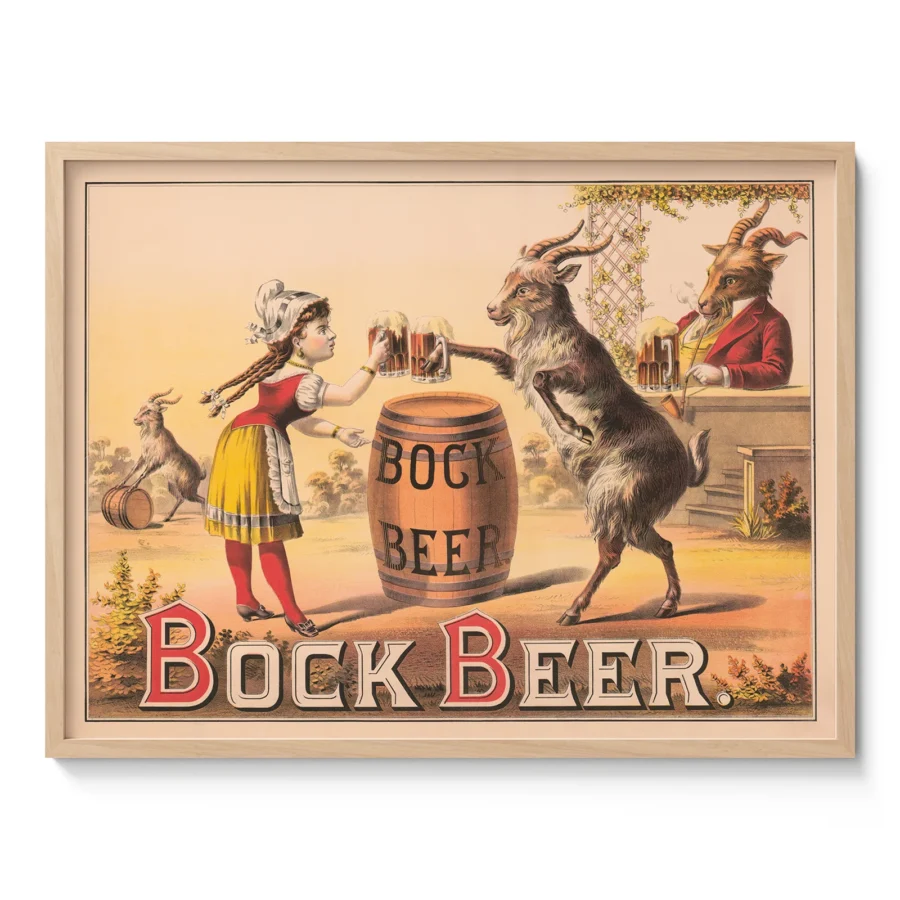
Trends come and go, but certain themes remain popular because they adapt easily to changing interiors. Botanical illustrations, vintage travel posters, wildlife studies, astronomy charts and classic typography have survived decades of shifting design preferences. Their appeal comes from strong composition rather than temporary fashion.
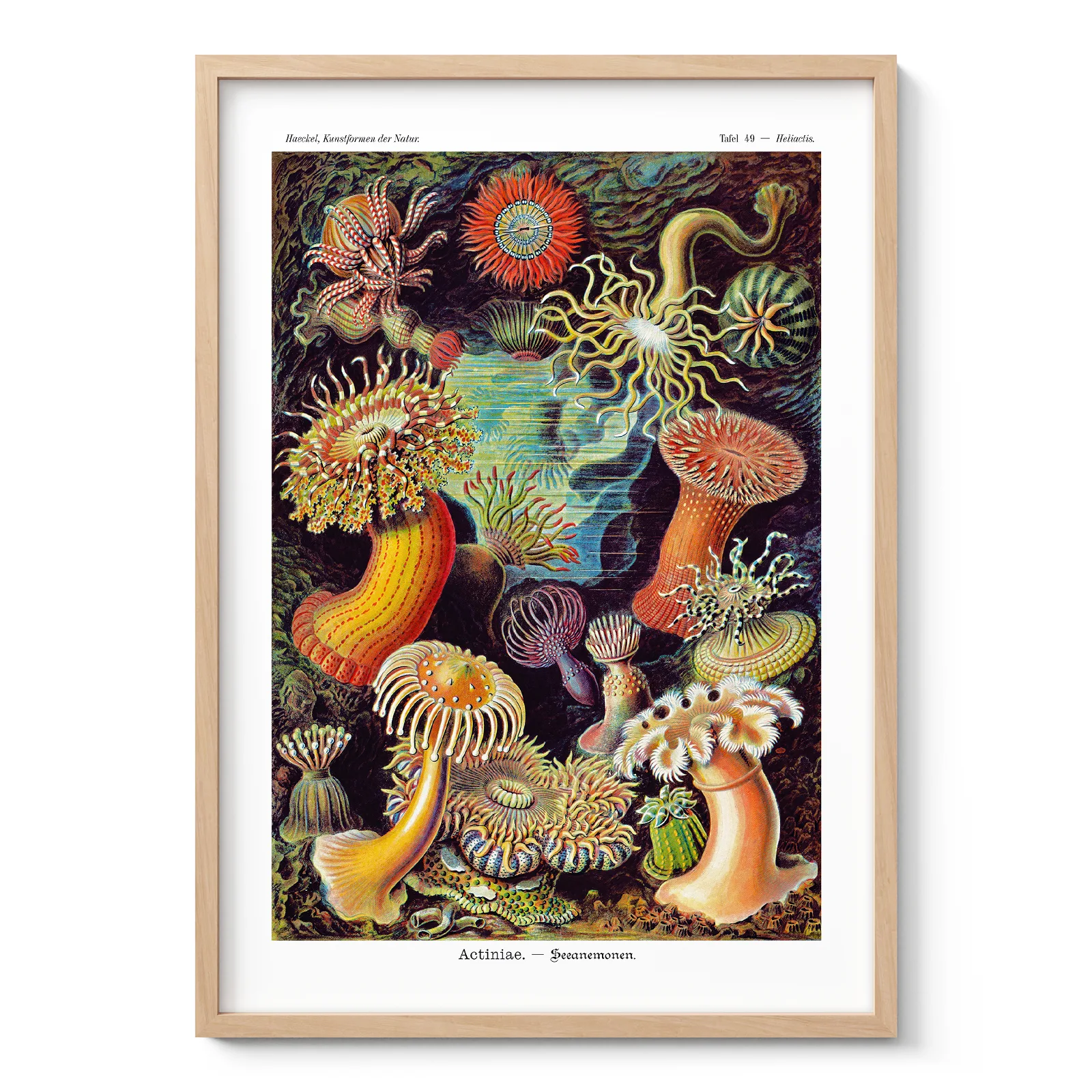
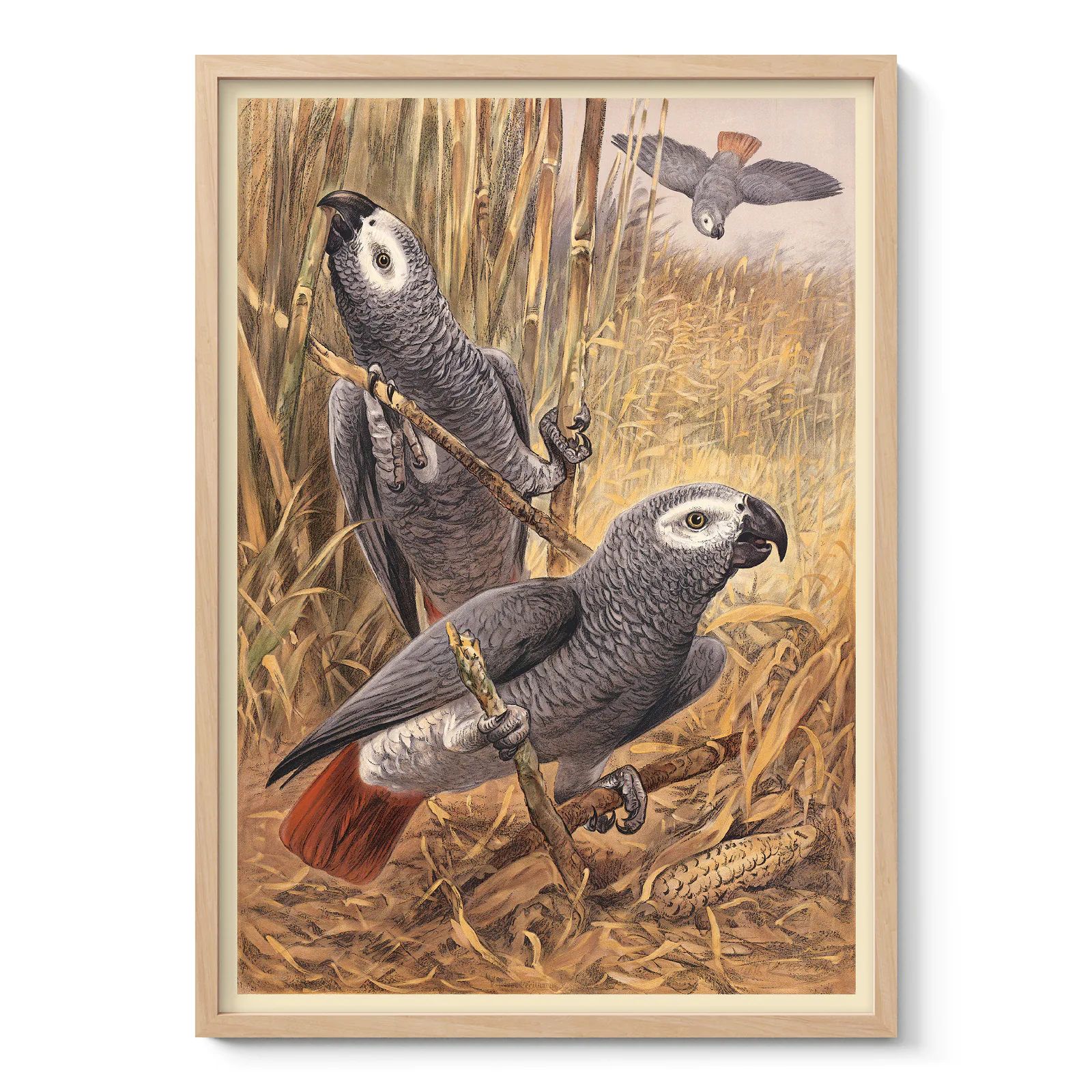
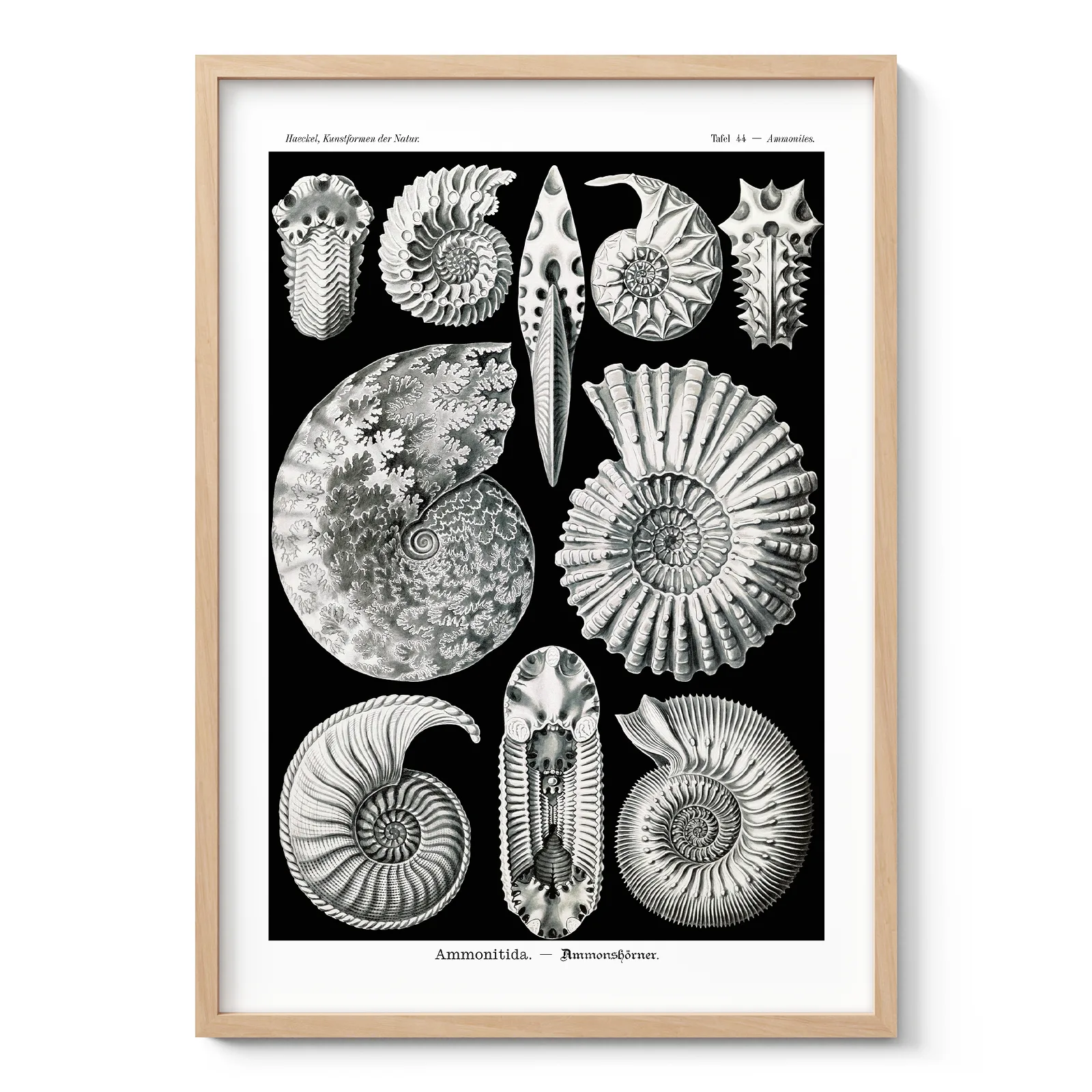
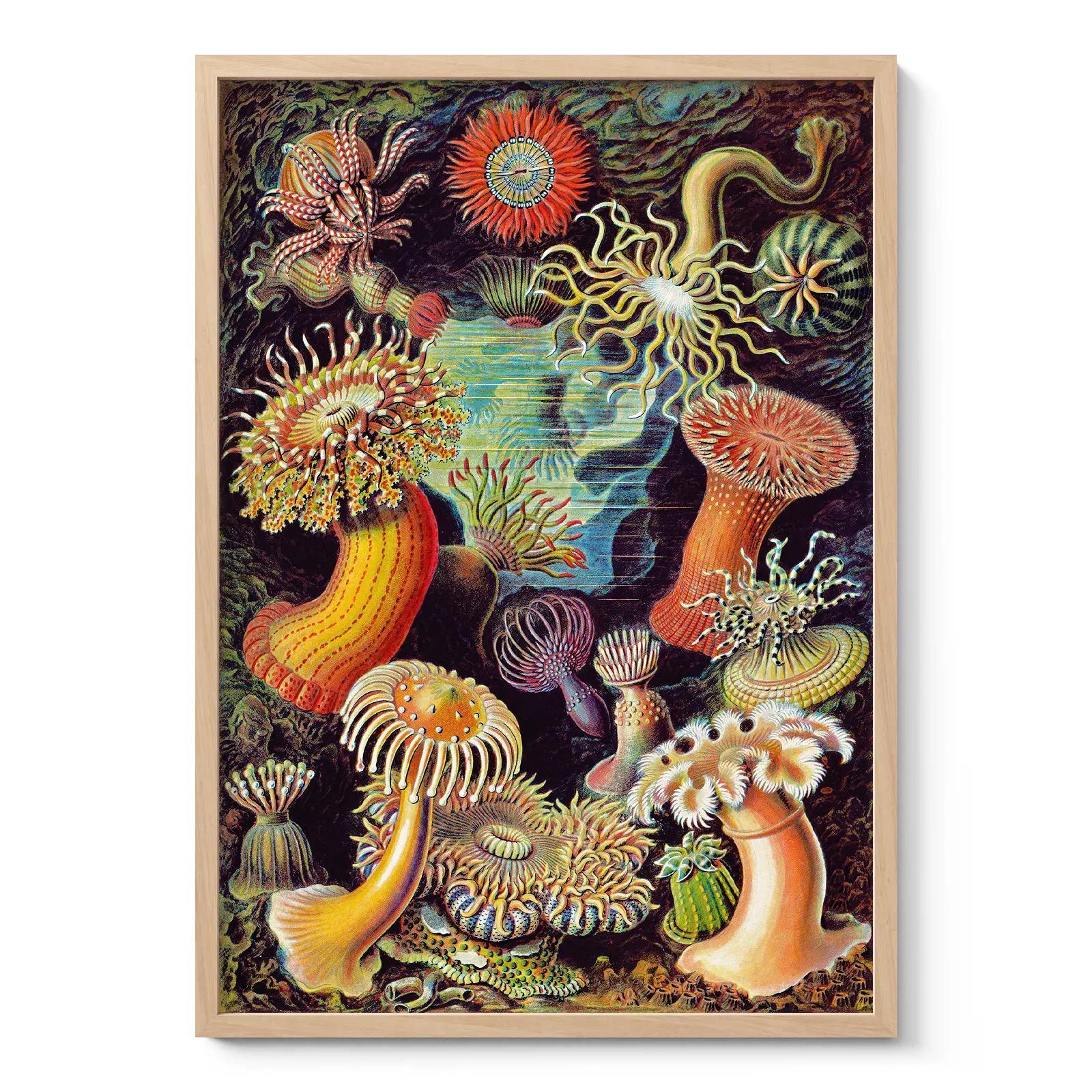
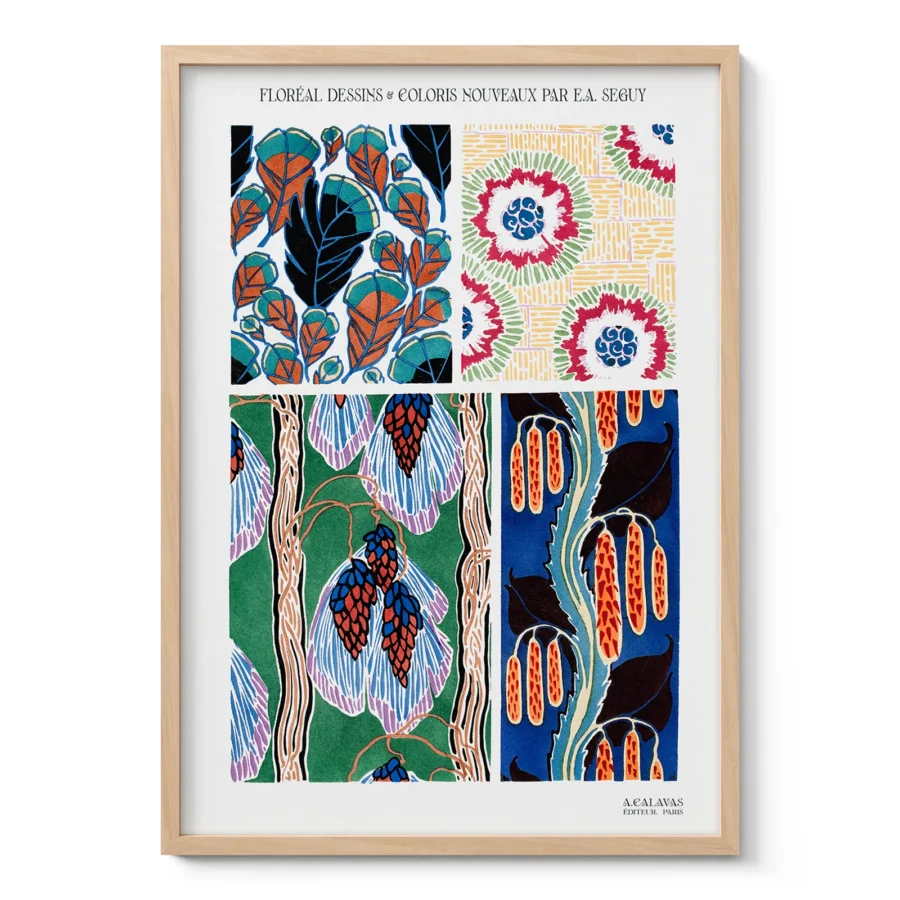
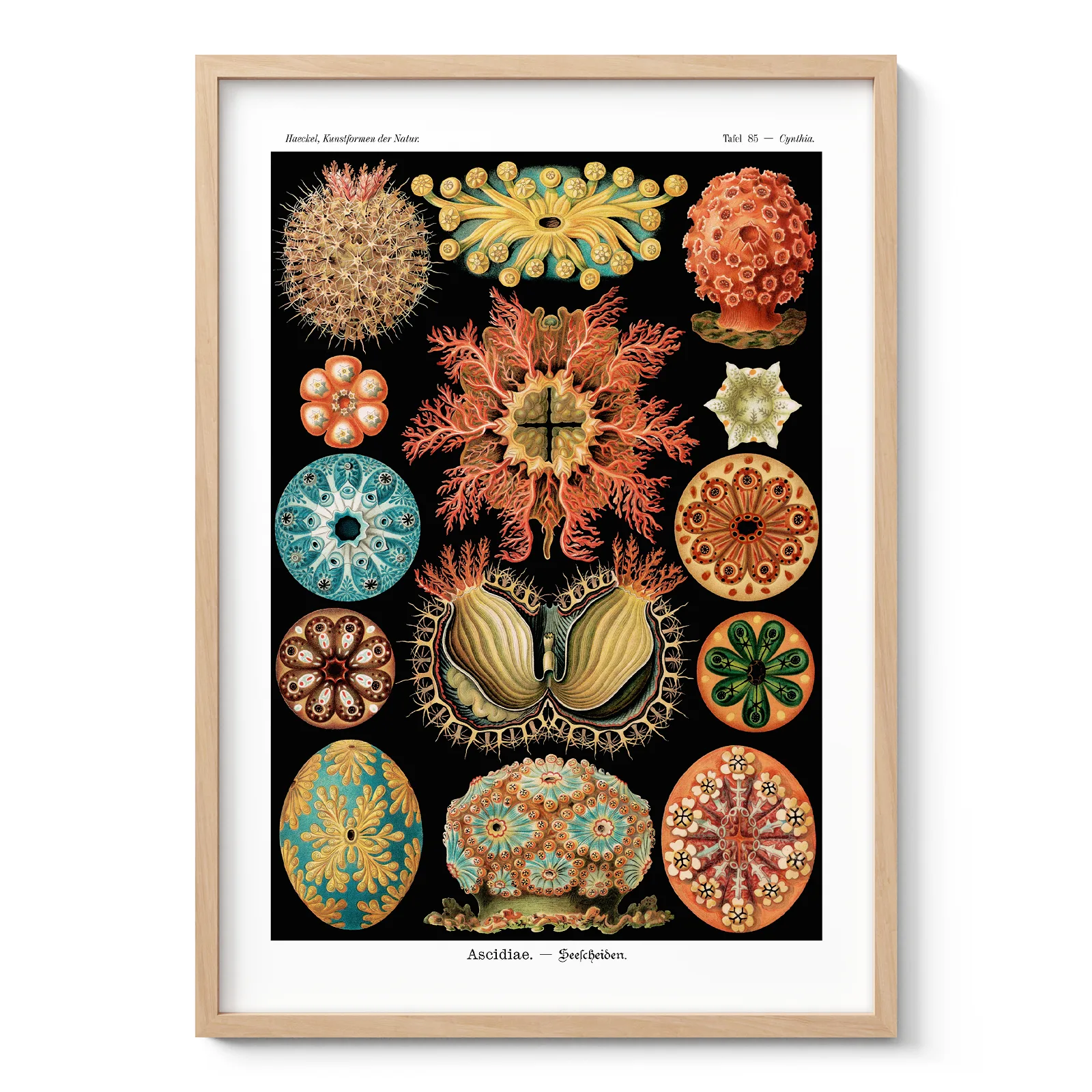
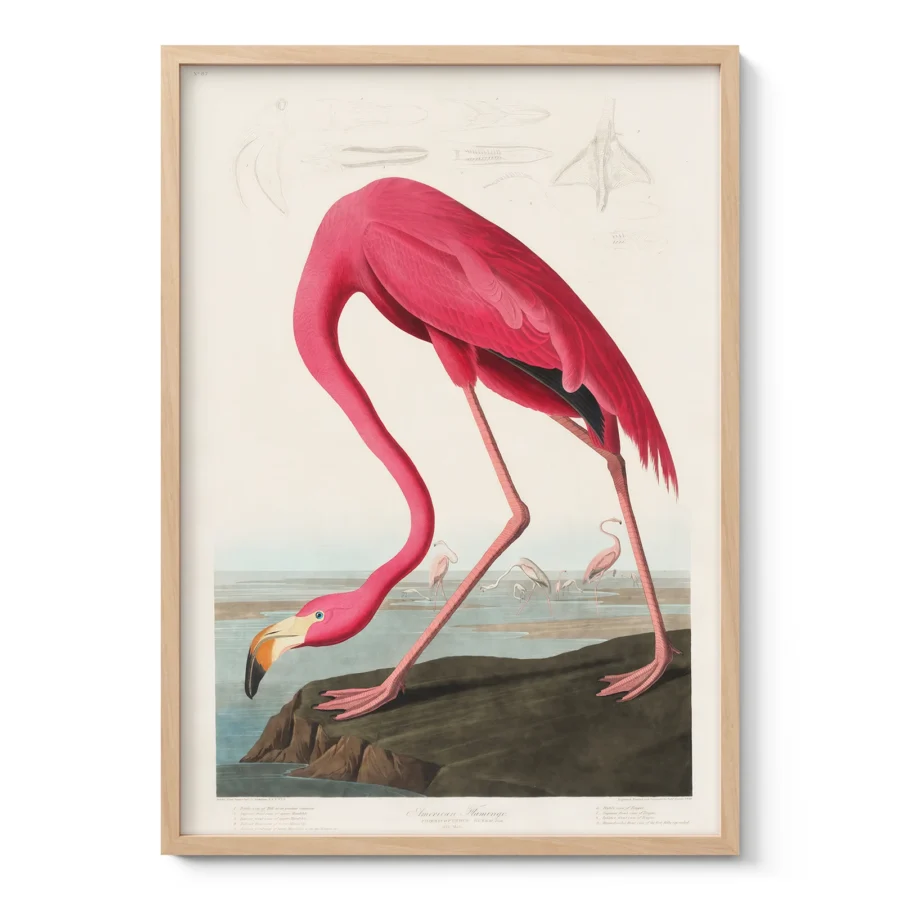
Historical prints often carry another advantage that buyers overlook. Many originate from scientific publications, exploration journals or museum archives, giving them an authenticity that decorative reproductions cannot easily imitate. Antique bird illustrations, marine studies and botanical plates were originally created to document knowledge, making them visually interesting long before they became decorative objects.
Because of that background, wall art prints inspired by historical collections frequently work equally well in modern apartments, traditional homes and contemporary offices. They tell a quiet story without demanding constant attention.
Why the same artwork can look completely different
Lighting changes art more than most people expect. North-facing rooms usually reveal cooler colours, while afternoon sunlight enriches warmer tones. This is one reason why viewing artwork only as a digital image can be misleading.
Large abstract compositions often benefit from generous viewing distance, allowing shapes and colour relationships to emerge naturally. Detailed vintage engravings reward close inspection, revealing fine linework that is easy to miss on a screen. Matching the level of visual detail to the way a room is used creates a more satisfying result. Reading corners invite slower observation, whereas busy hallways usually benefit from bold, easily recognisable imagery.
These practical considerations help narrow the enormous variety of wall art prints without relying solely on personal taste.
Choosing artwork that grows with your home
A common decorating mistake is selecting art that matches today's accessories too closely. Cushions, rugs and paint colours change far more often than framed artwork. Instead, focus on pieces whose subject, composition or historical character continues to interest you regardless of seasonal trends.
When combining several artworks, look for one shared element rather than identical colours. It might be engraving style, photographic contrast, muted earth tones or recurring architectural forms. This creates cohesion while allowing each piece to keep its own identity.
Museum-quality posters and canvas prints make it possible to enjoy these carefully chosen works with excellent detail and faithful colour reproduction. More importantly, they allow collections to evolve naturally over time. Adding a new print should feel like continuing an ongoing conversation rather than replacing everything that came before. That long-term perspective is often what separates interiors that feel thoughtfully curated from those assembled simply to fill empty space, and it is exactly why wall art prints remain one of the most flexible ways to shape the character of a home.