

Horror wall art: when dark imagery becomes great design
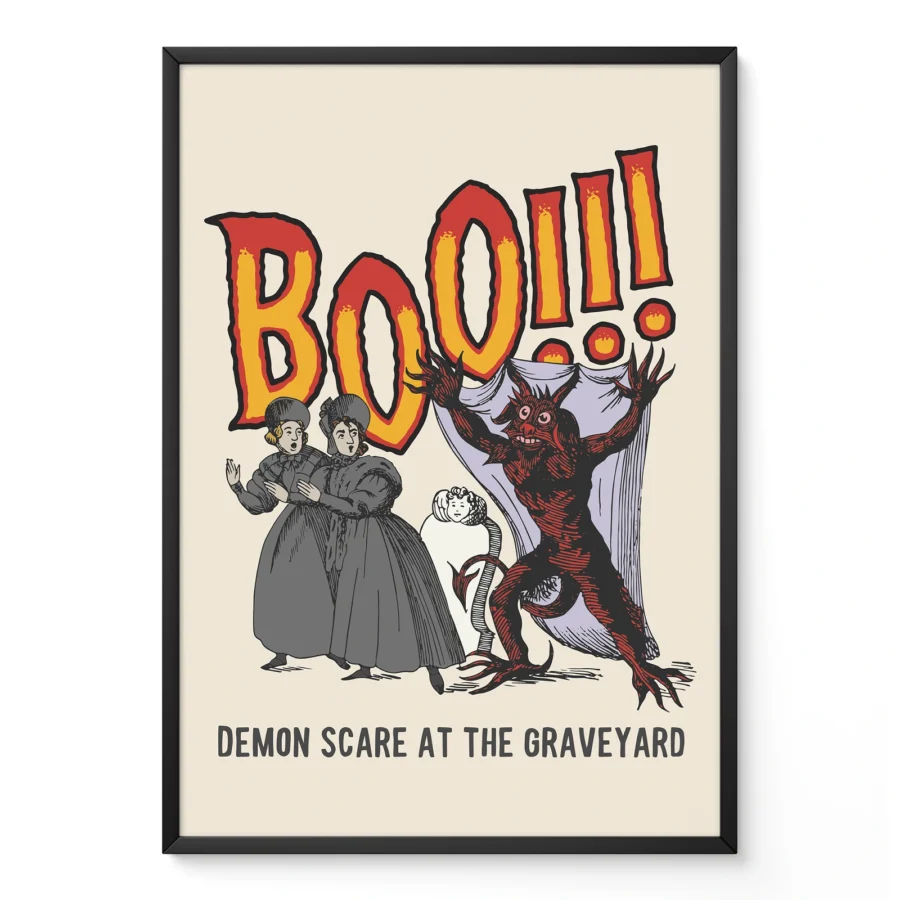
Fear has inspired artists for centuries. Long before horror became a film genre, painters, printmakers and illustrators explored themes of mortality, mystery and the supernatural through symbols that still feel powerful today. Modern horror wall art draws from that rich visual tradition, combining gothic aesthetics, vintage illustration, skull studies, ravens, playing cards, occult imagery and dark humour into artwork that feels expressive rather than simply unsettling.
Darkness comes in many artistic styles
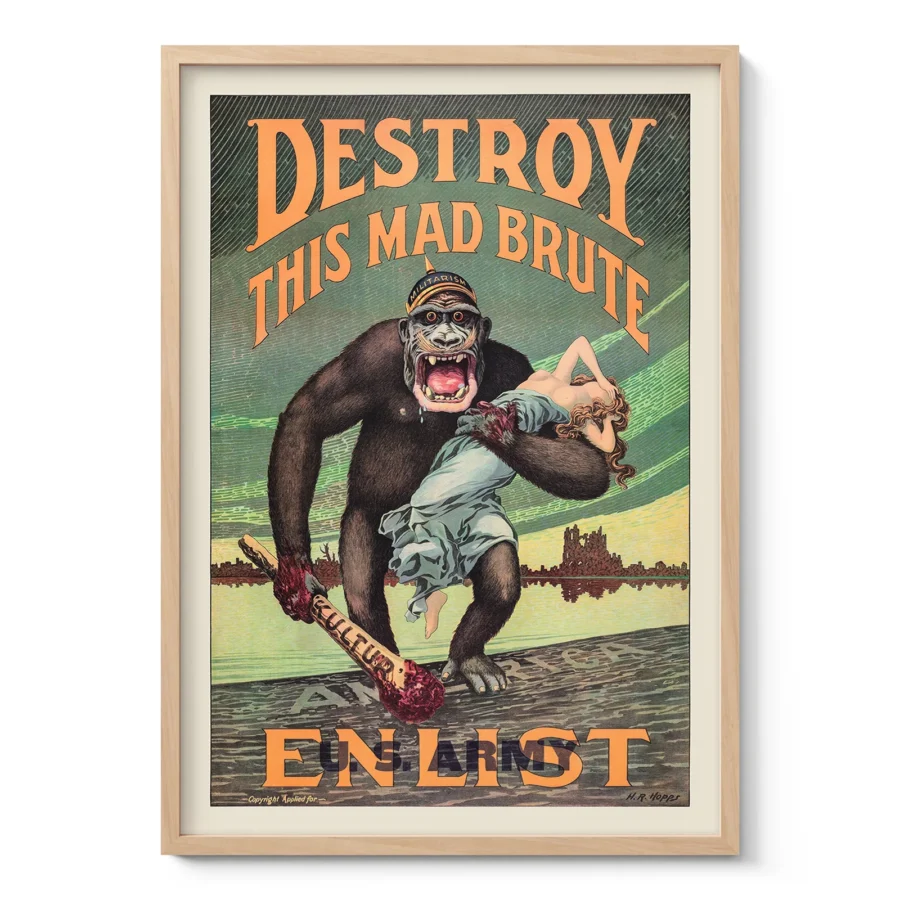
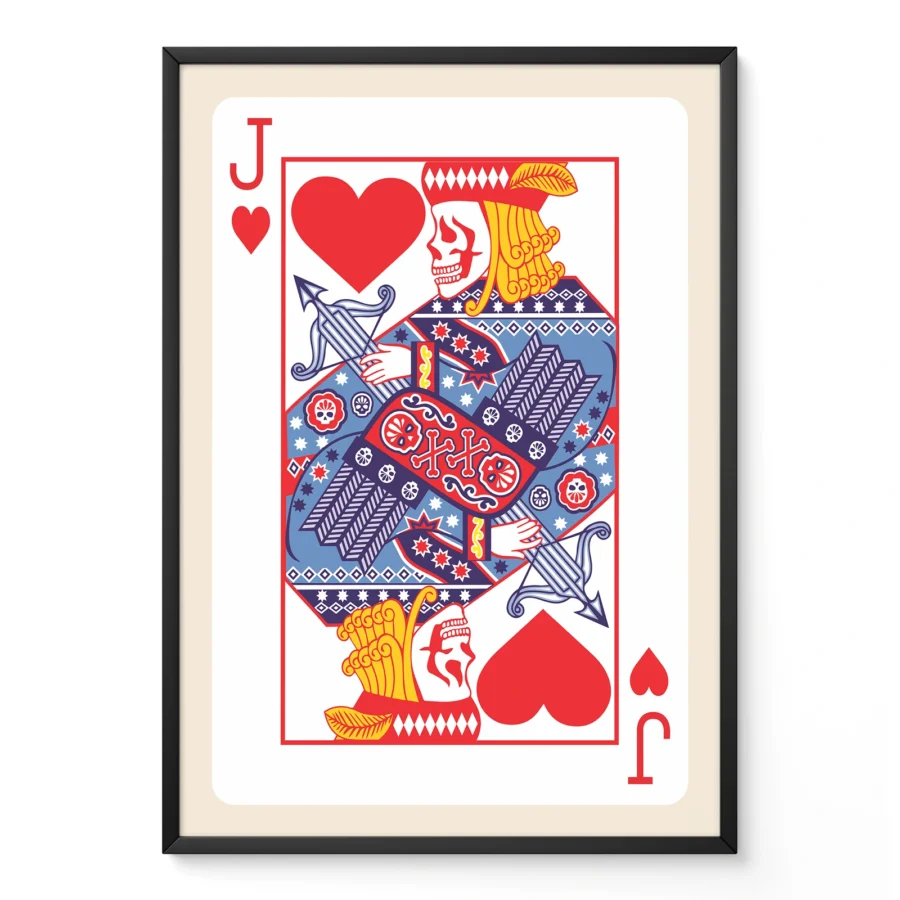
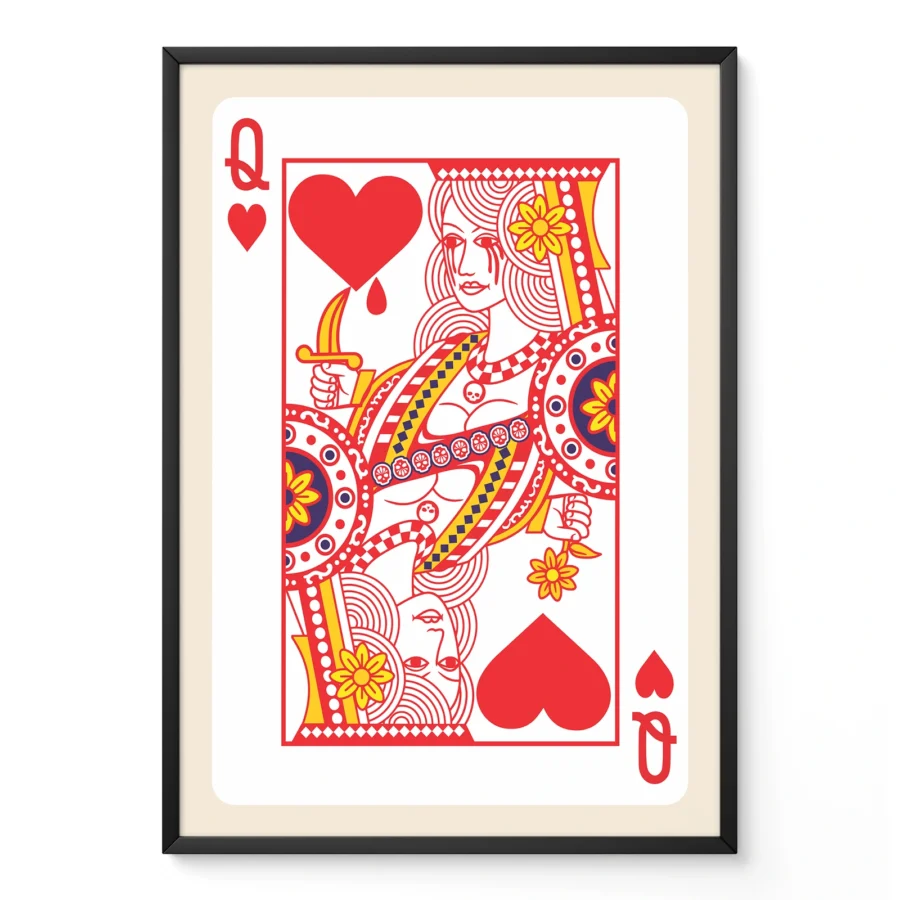
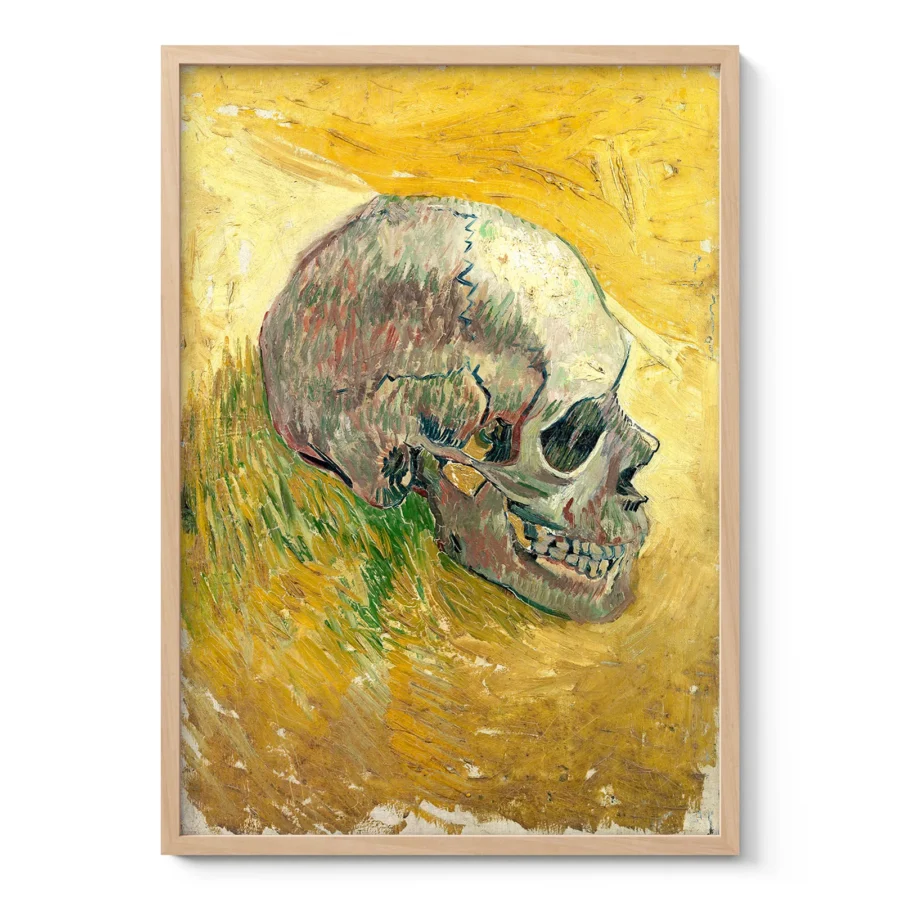
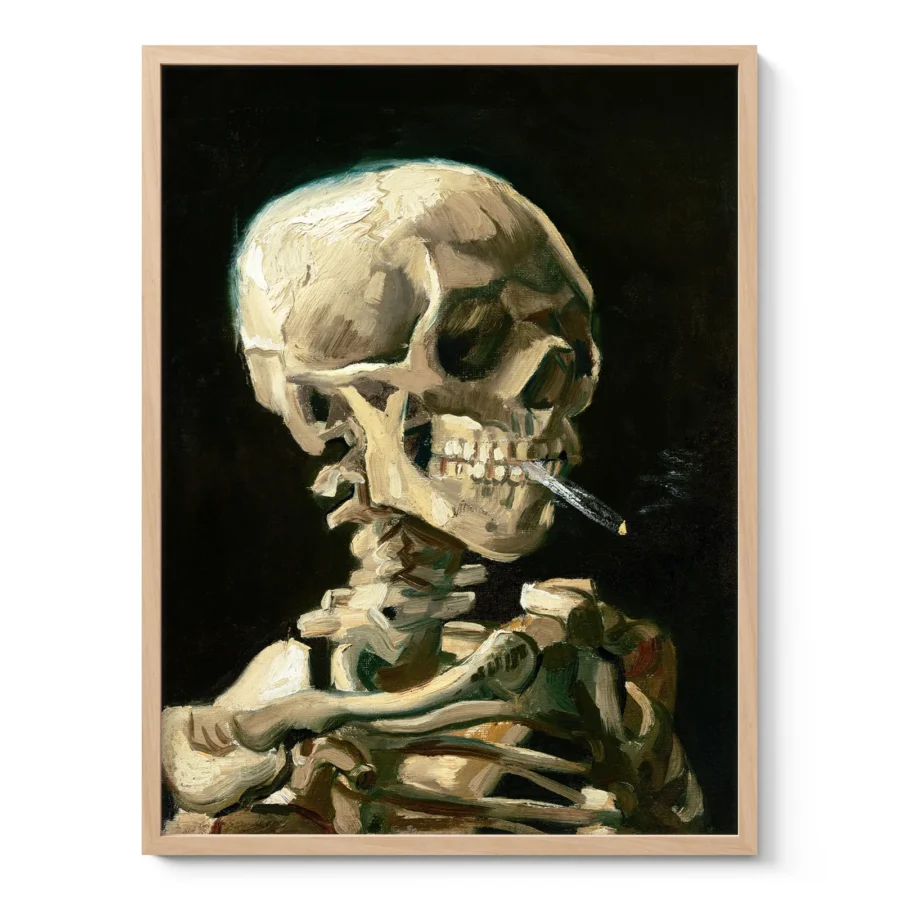
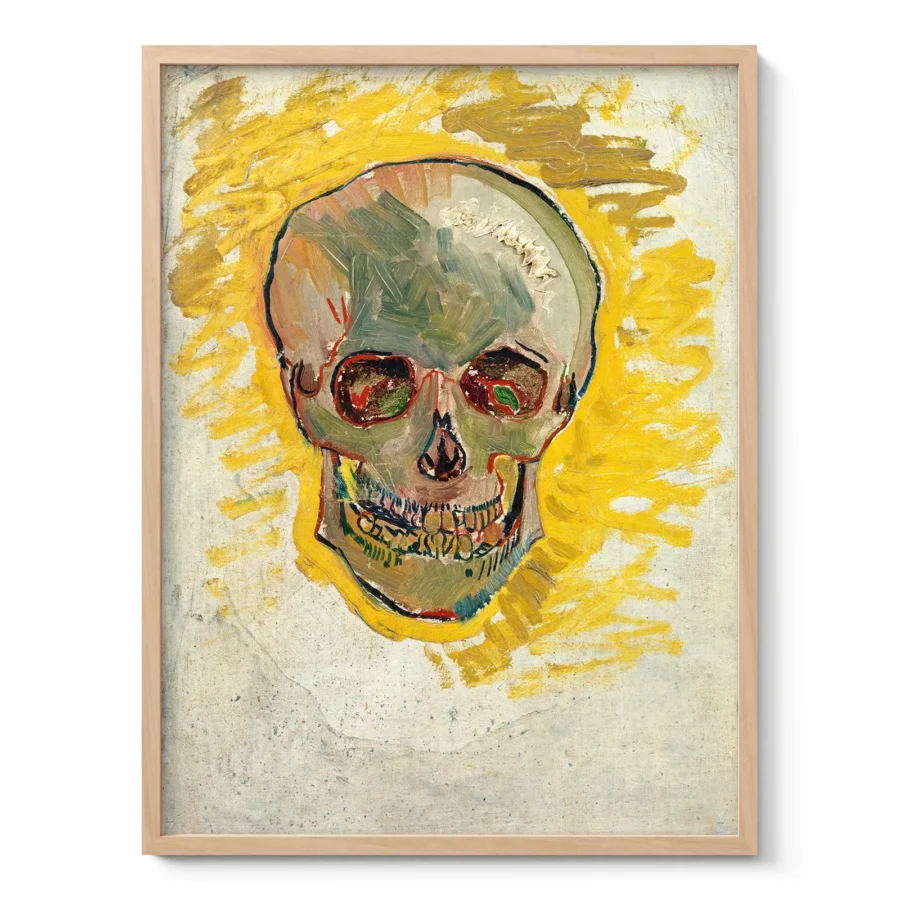
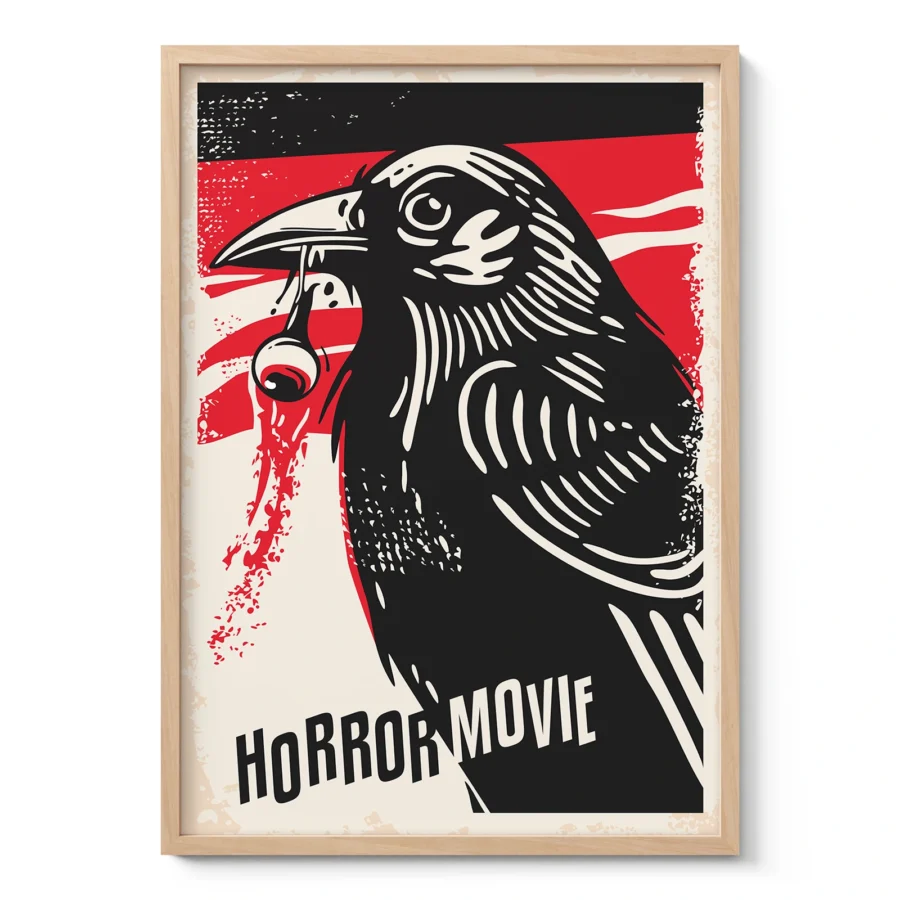
Not every horror-inspired artwork aims to frighten. Some pieces rely on atmosphere, while others use symbolism or graphic design to create tension. A nineteenth-century anatomical illustration tells a different visual story from a bold modern raven print. Likewise, a vintage playing card featuring a Queen of Hearts carries an entirely different mood from Vincent van Gogh's famous skull studies or a dramatic skeleton portrait.
This variety allows horror wall art to appeal to different tastes. Some collectors are drawn to gothic elegance and Victorian symbolism. Others prefer graphic posters influenced by comic books, tattoo art or vintage pulp illustration. The strongest collections often combine several of these influences rather than relying on one visual language.
Symbolism often matters more than shock value
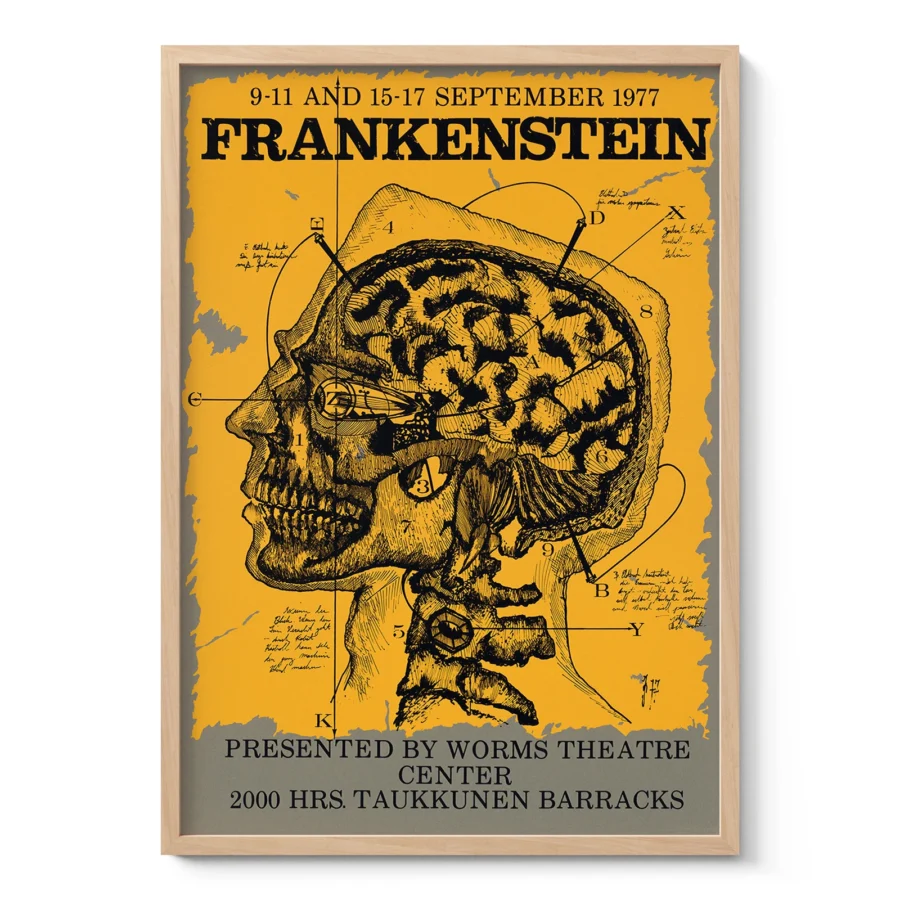
Many people notice the skull first, yet its meaning has changed throughout art history. In traditional vanitas paintings, skulls reminded viewers of the passing of time and the value of living well. Ravens have long symbolised mystery, intelligence and folklore, while skeletons frequently represent transformation rather than fear alone.
Playing cards introduce another layer of symbolism. Kings, queens, jokers and aces have appeared in countless stories exploring luck, fate and chance. Combined with bold typography or limited colour palettes, they become striking graphic compositions even for viewers who are not interested in horror as a genre.
Looking beyond the obvious subject often leads to more satisfying choices. A carefully illustrated skull study can feel thoughtful and artistic, while an overly dramatic composition may quickly lose its impact after repeated viewing.
Contrast creates the strongest interiors
Dark artwork rarely needs a dark room. In fact, black backgrounds, monochrome illustrations and gothic imagery often become more effective when surrounded by light walls and simple furniture. White, cream or concrete-grey interiors allow intricate line work and dramatic colour contrasts to stand out without overwhelming the space.
Living rooms often suit larger statement pieces such as vintage skull paintings or bold raven illustrations. Home offices benefit from graphic black-and-white prints that encourage closer observation. Hallways work well with narrow compositions, including playing cards or vertically arranged symbolic artwork. Game rooms, music studios and personal libraries offer greater freedom to combine posters, canvas prints and antique-inspired engravings into more elaborate gallery walls.
Because horror wall art usually contains strong visual contrast, leaving space between artworks often produces a more balanced display than filling every available surface.
Mixing horror with unexpected subjects
One of the most interesting approaches is pairing dark imagery with artwork that appears unrelated. A botanical engraving beside a skull illustration highlights the contrast between life and mortality. Vintage scientific prints complement anatomical studies because they share similar drawing techniques and muted colour palettes.
Classic paintings can also fit naturally within these collections. Vincent van Gogh's skull paintings, for example, carry historical significance beyond their unusual subject matter, while antique raven engravings connect horror-inspired interiors with natural history illustration. This broader perspective creates a gallery wall that feels carefully assembled rather than built around a single theme.
Texture and printing style also influence the final result. Posters preserve the crisp lines of graphic illustrations, vintage typography and playing card designs, while canvas prints often emphasise painterly brushwork found in fine art reproductions or expressive gothic paintings.
Rather than relying on fear alone, horror wall art explores symbolism, folklore, history and visual storytelling through carefully chosen imagery. Skulls, skeletons, ravens, vintage cards, anatomical studies and gothic illustrations each contribute a different atmosphere, allowing buyers to create interiors that feel thoughtful instead of predictable. From historical artworks to modern graphic interpretations, horror wall art continues to demonstrate that dark themes can be as artistically rich and visually sophisticated as any other form of decorative art.