












Contemporary wall art for modern homes
Contemporary wall art is artwork created for the way people live now. It reflects current design ideas, open interiors, flexible rooms and personal taste. Unlike older decorative styles, it does not follow one fixed look. It can be abstract, simple, graphic, expressive, calm or bold.
This makes it useful for people who want wall décor that feels fresh without being tied to one short trend. The right piece can connect furniture, colour and empty wall space into a clearer interior story.
What makes contemporary art different?
Modern art usually refers to art movements from the late nineteenth and twentieth centuries, such as Cubism, Bauhaus, Abstract Expressionism or Minimalism. Contemporary art is different because it belongs to the present period. It often borrows from modern art, but it responds to today’s homes, materials, digital culture and visual habits.
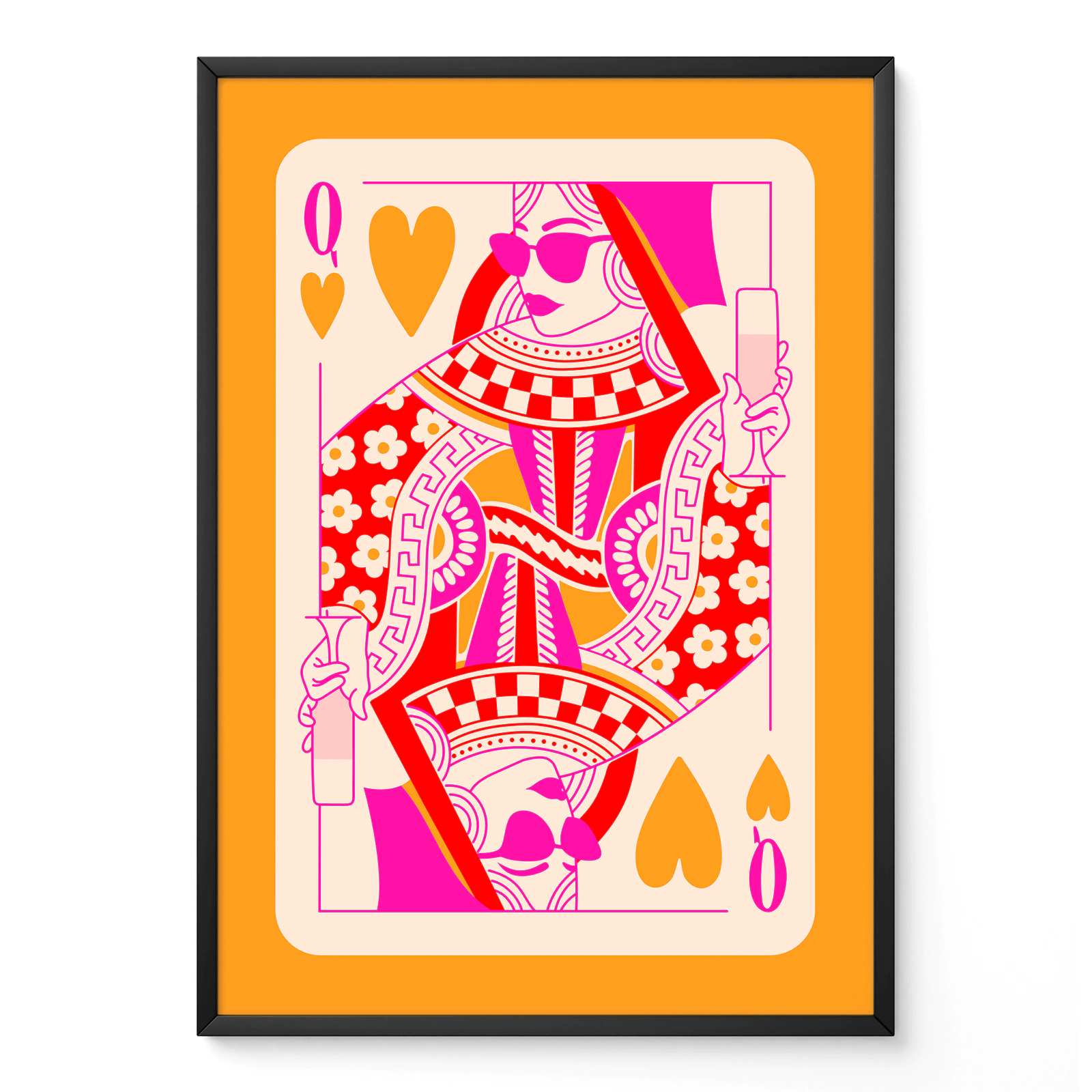
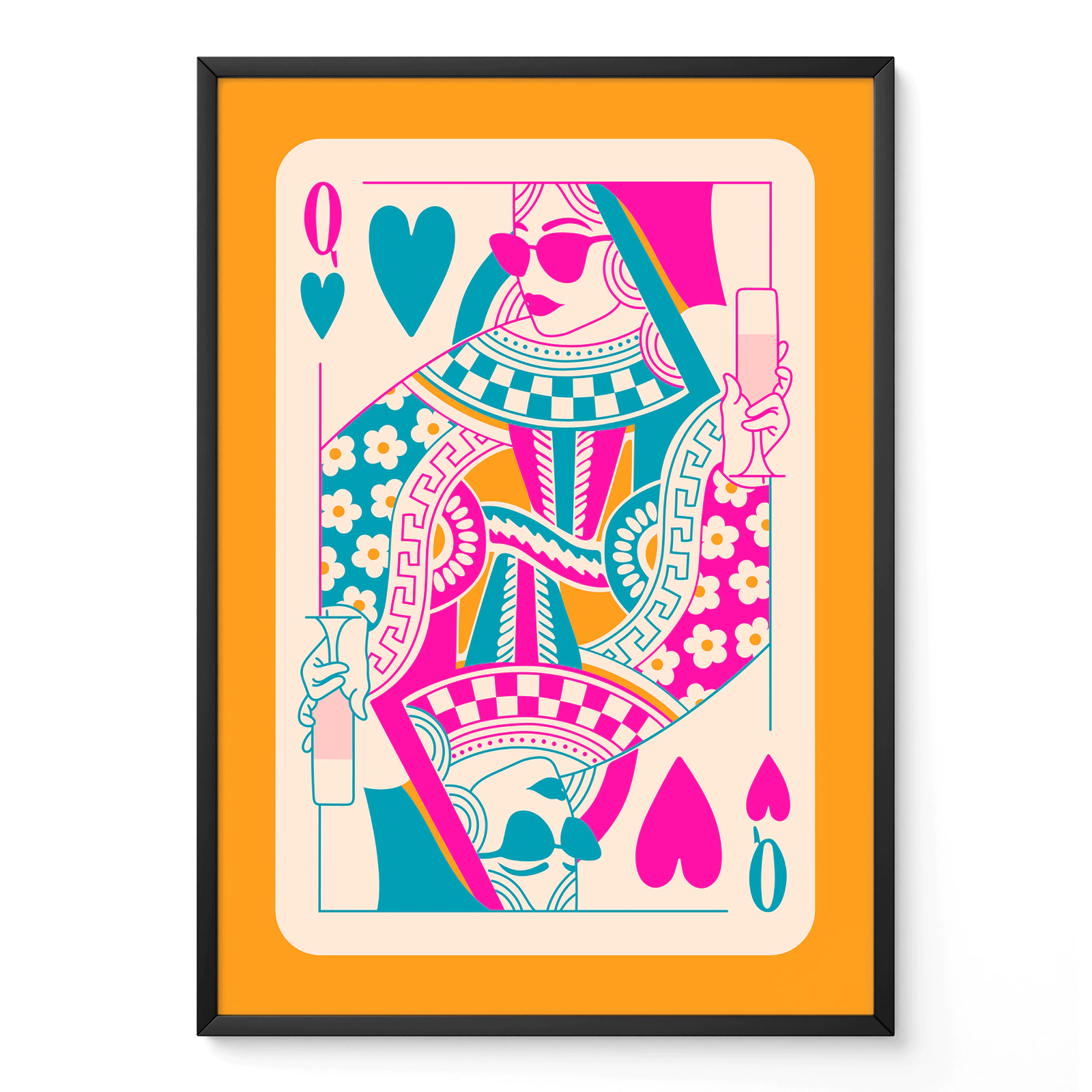
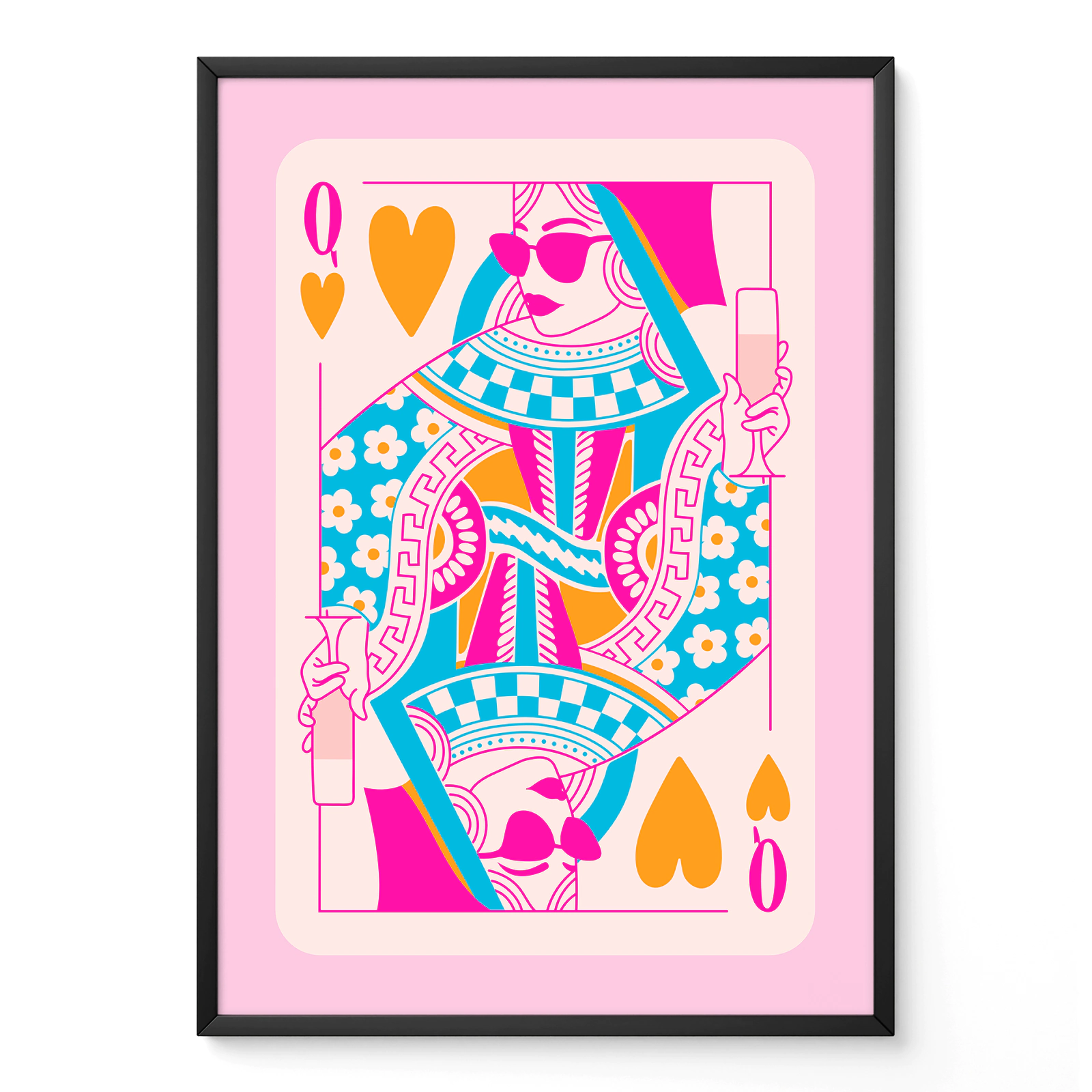
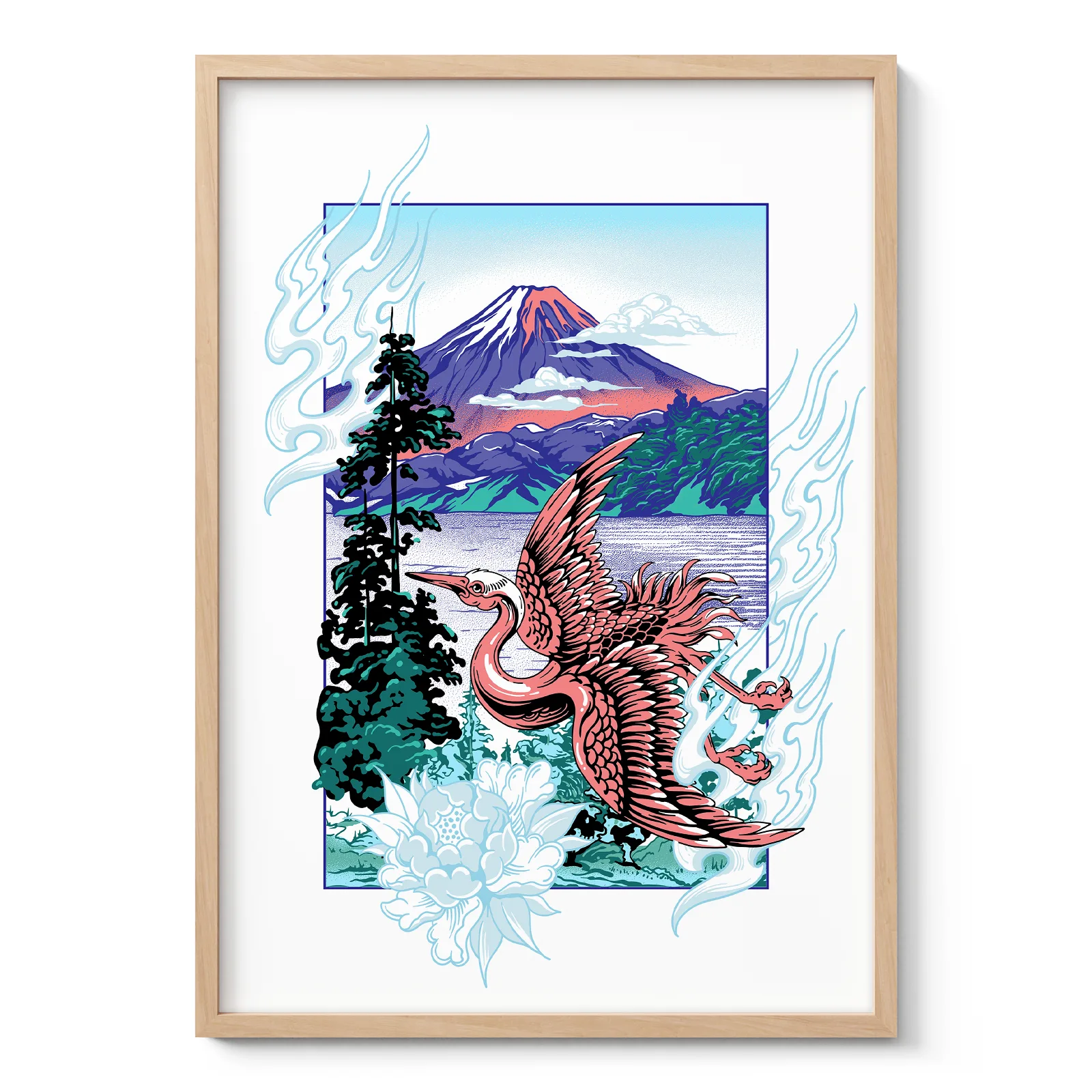
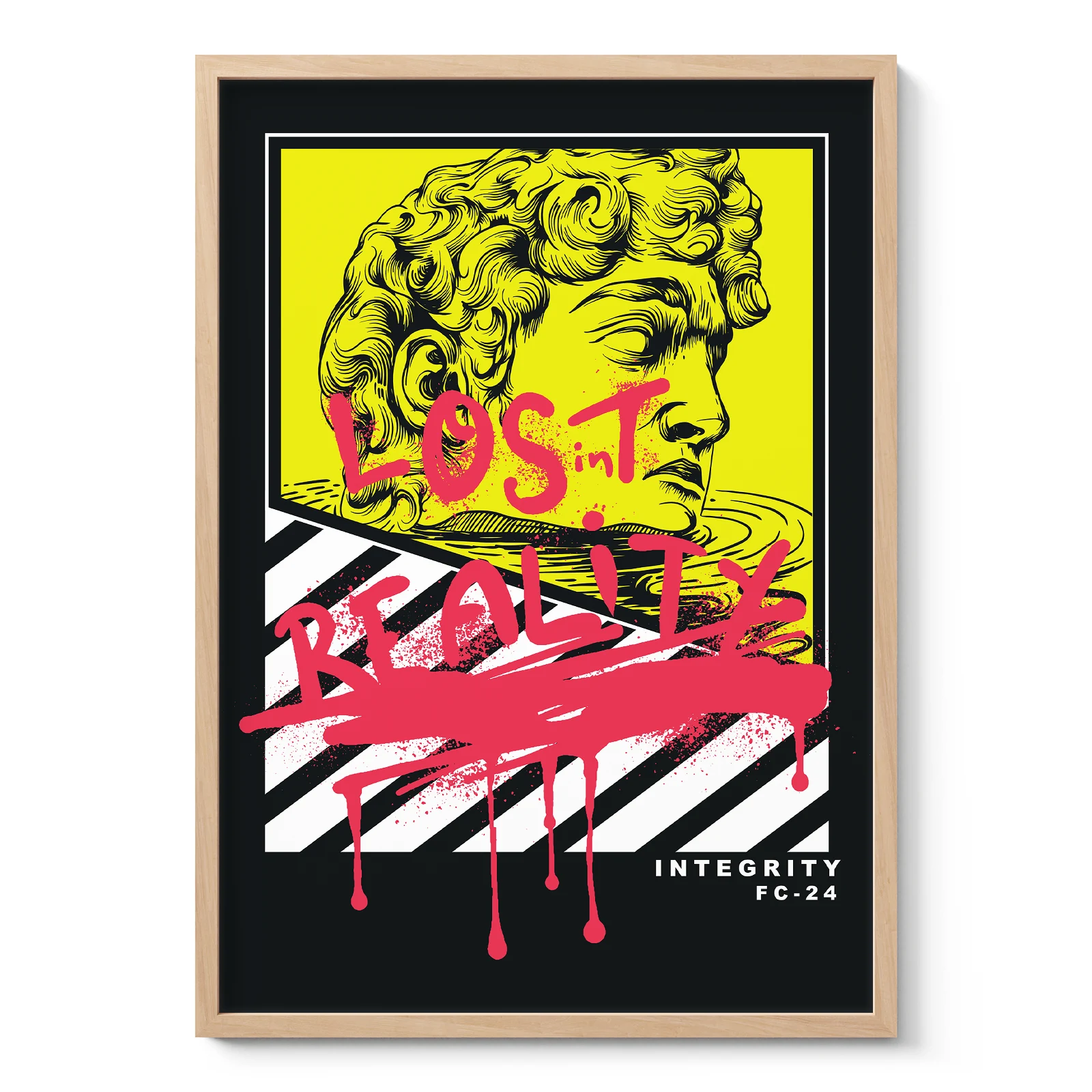
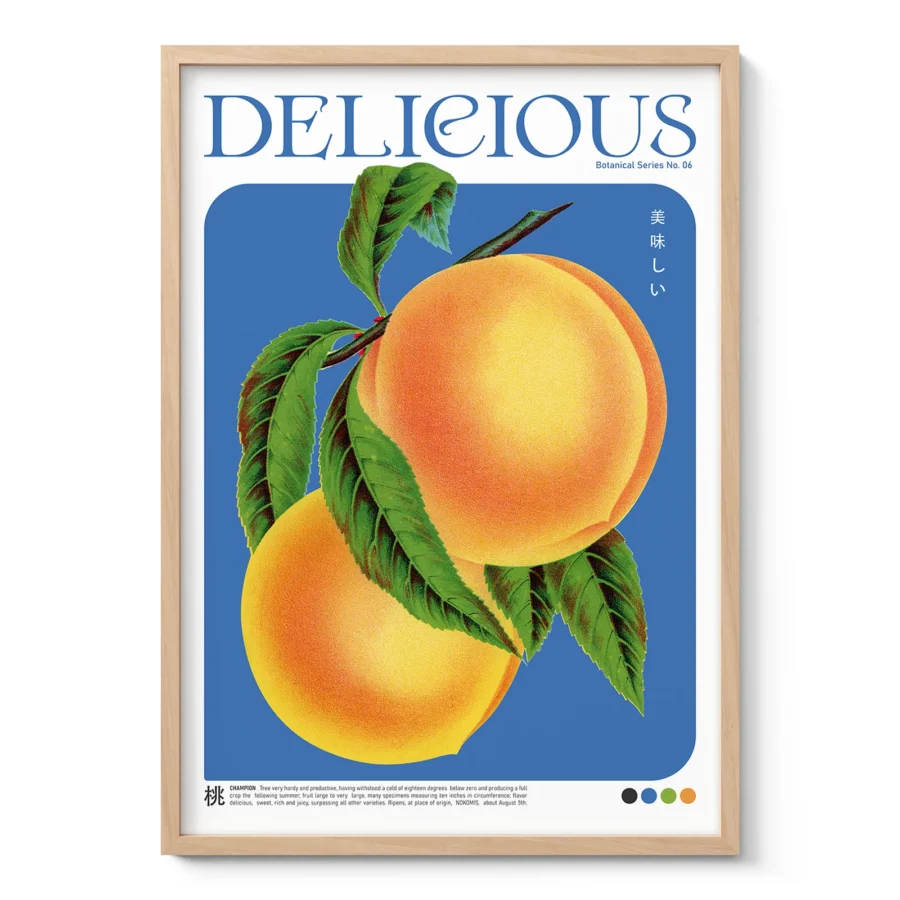
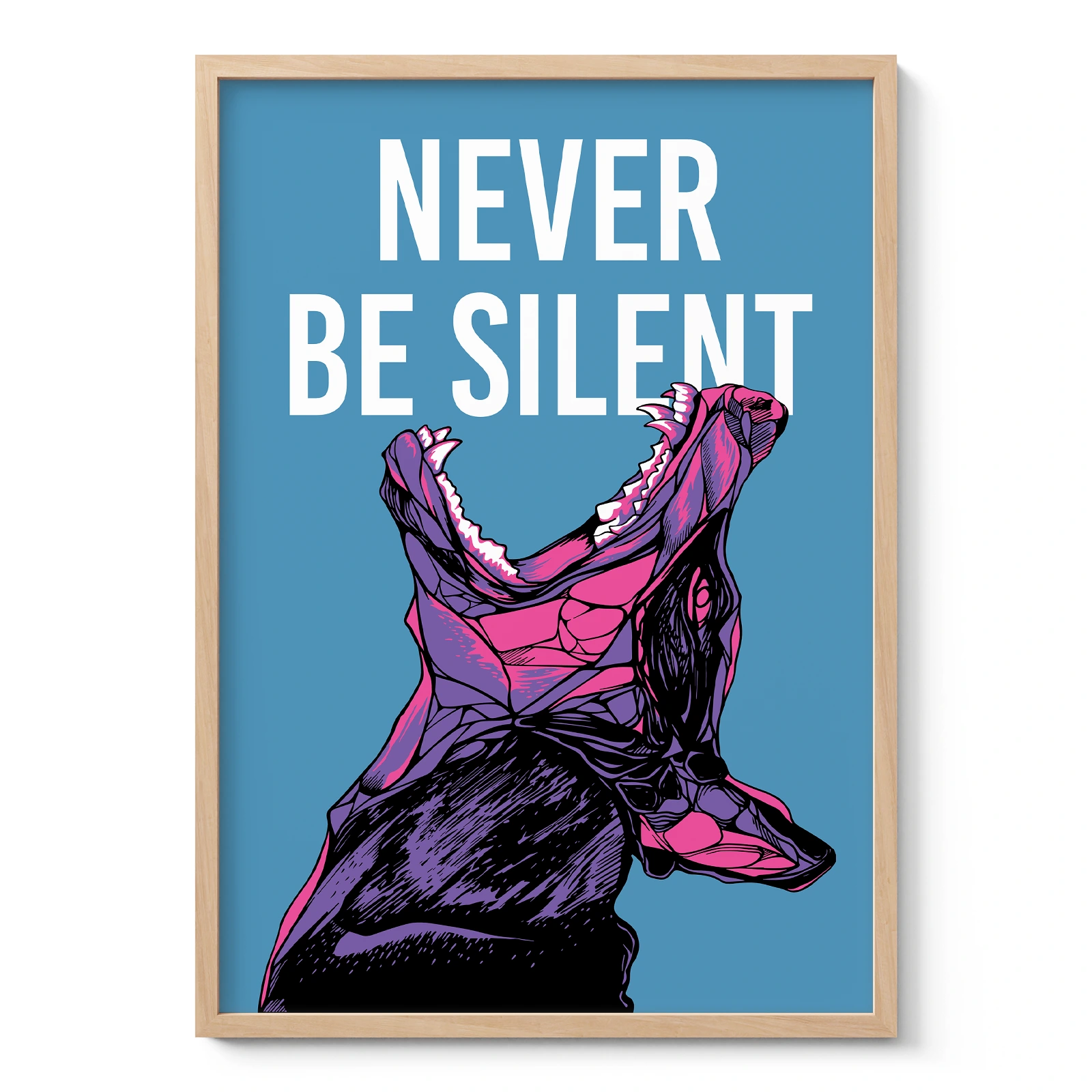
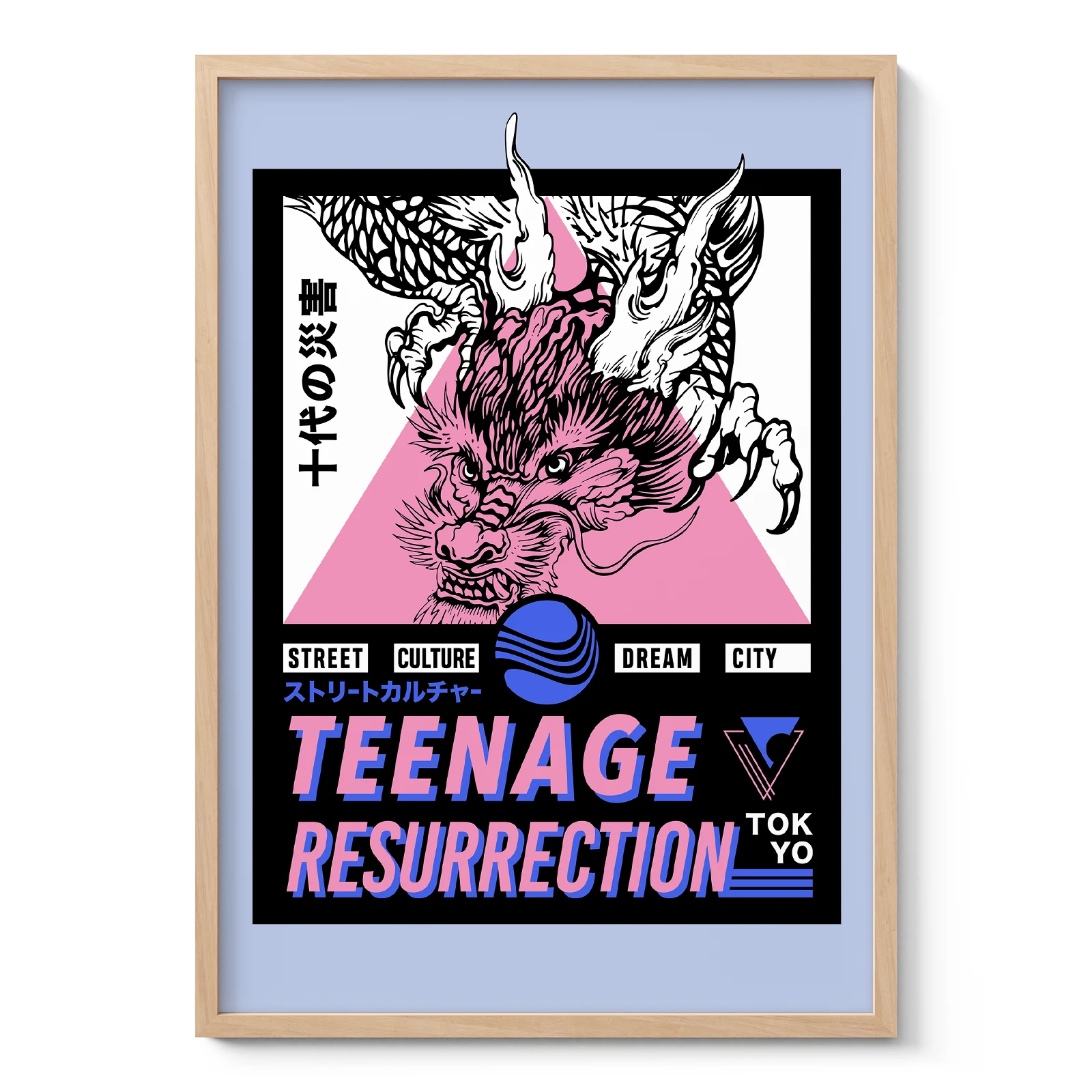
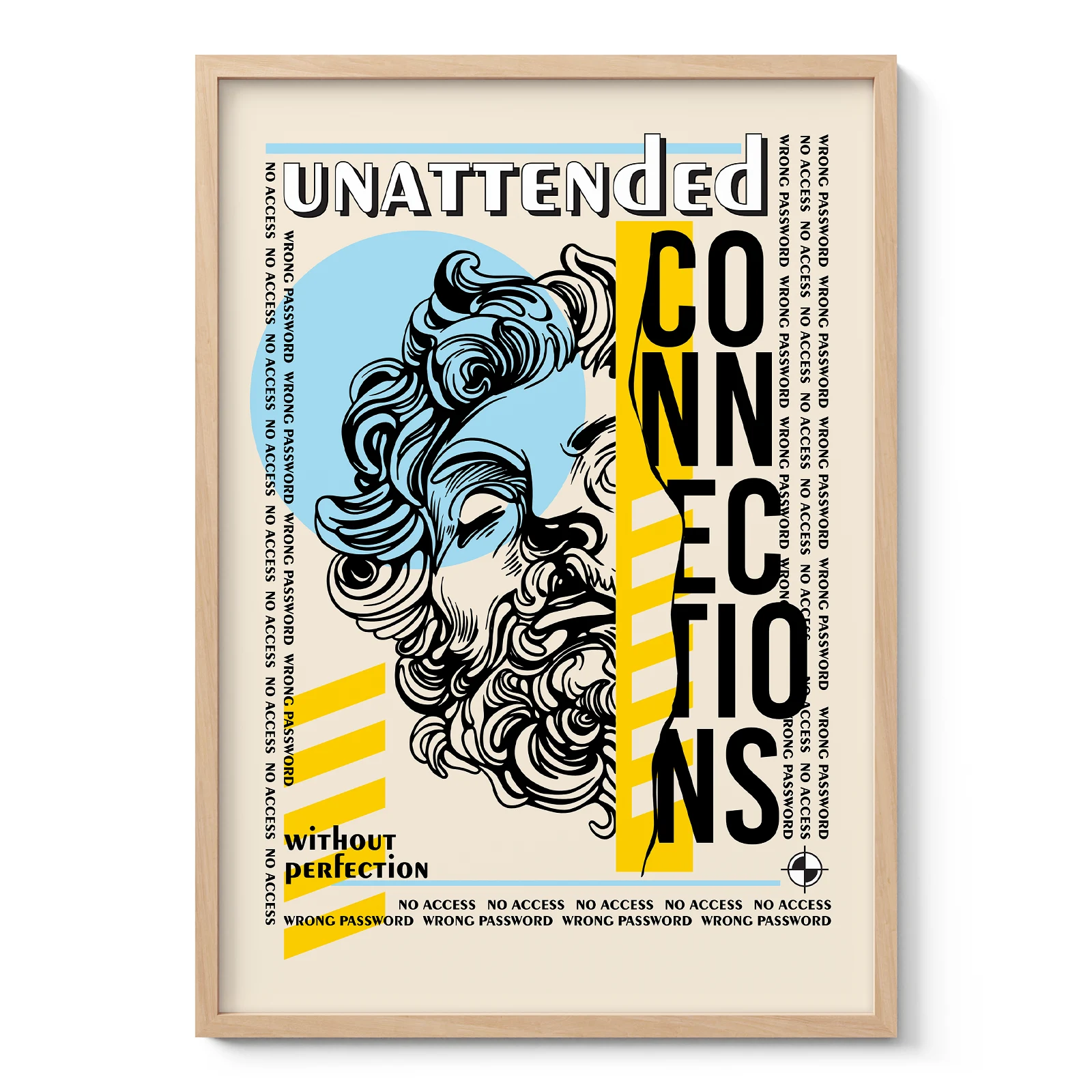
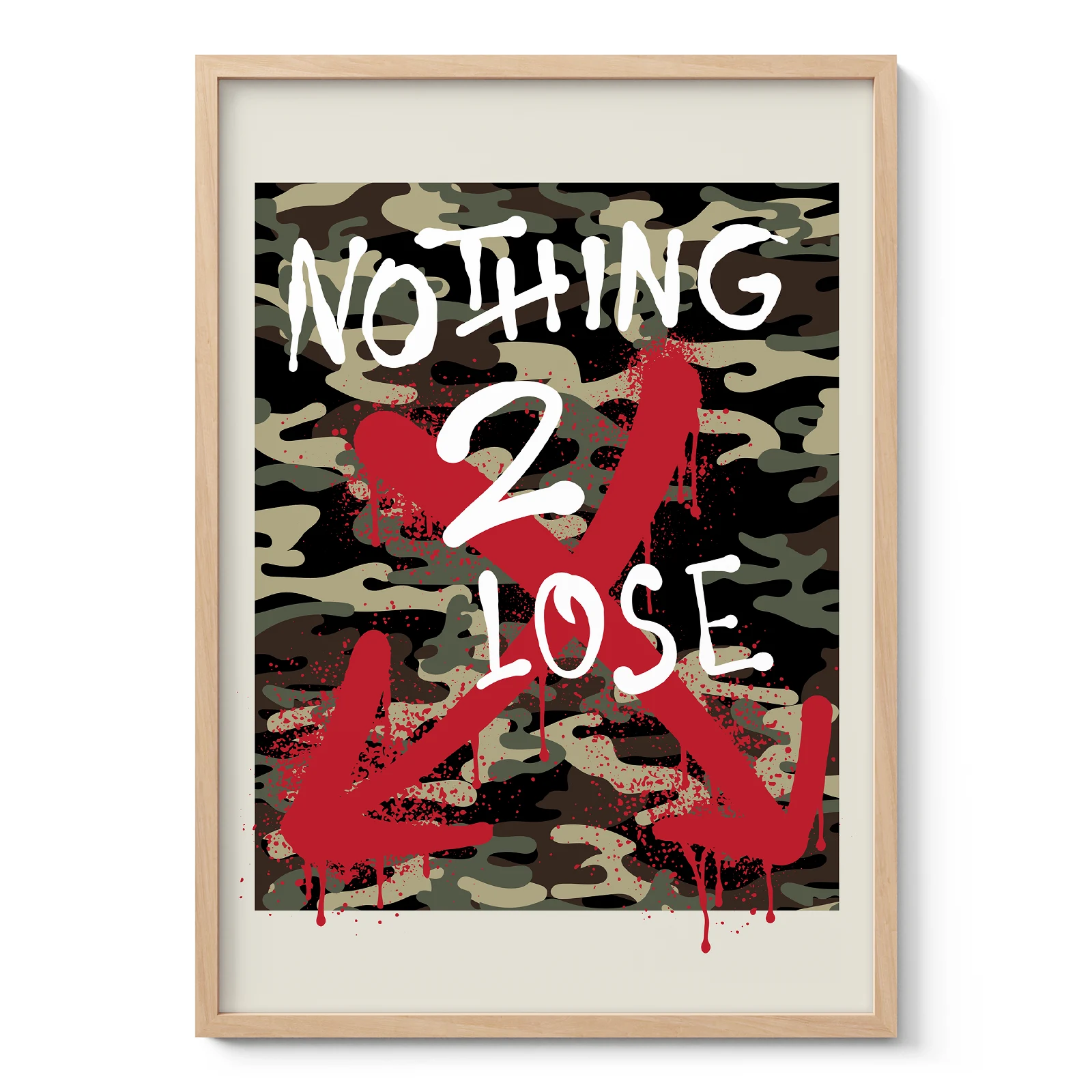
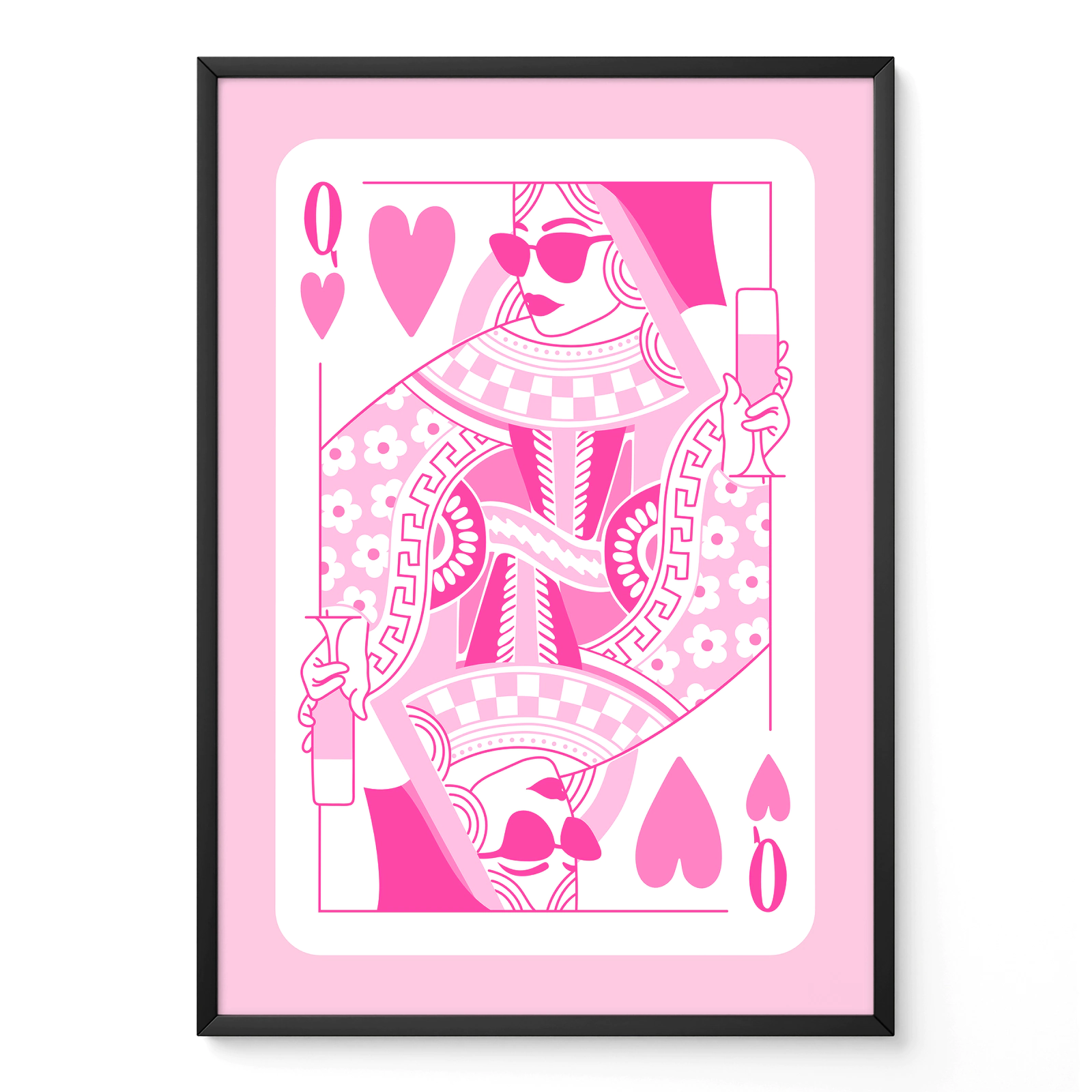
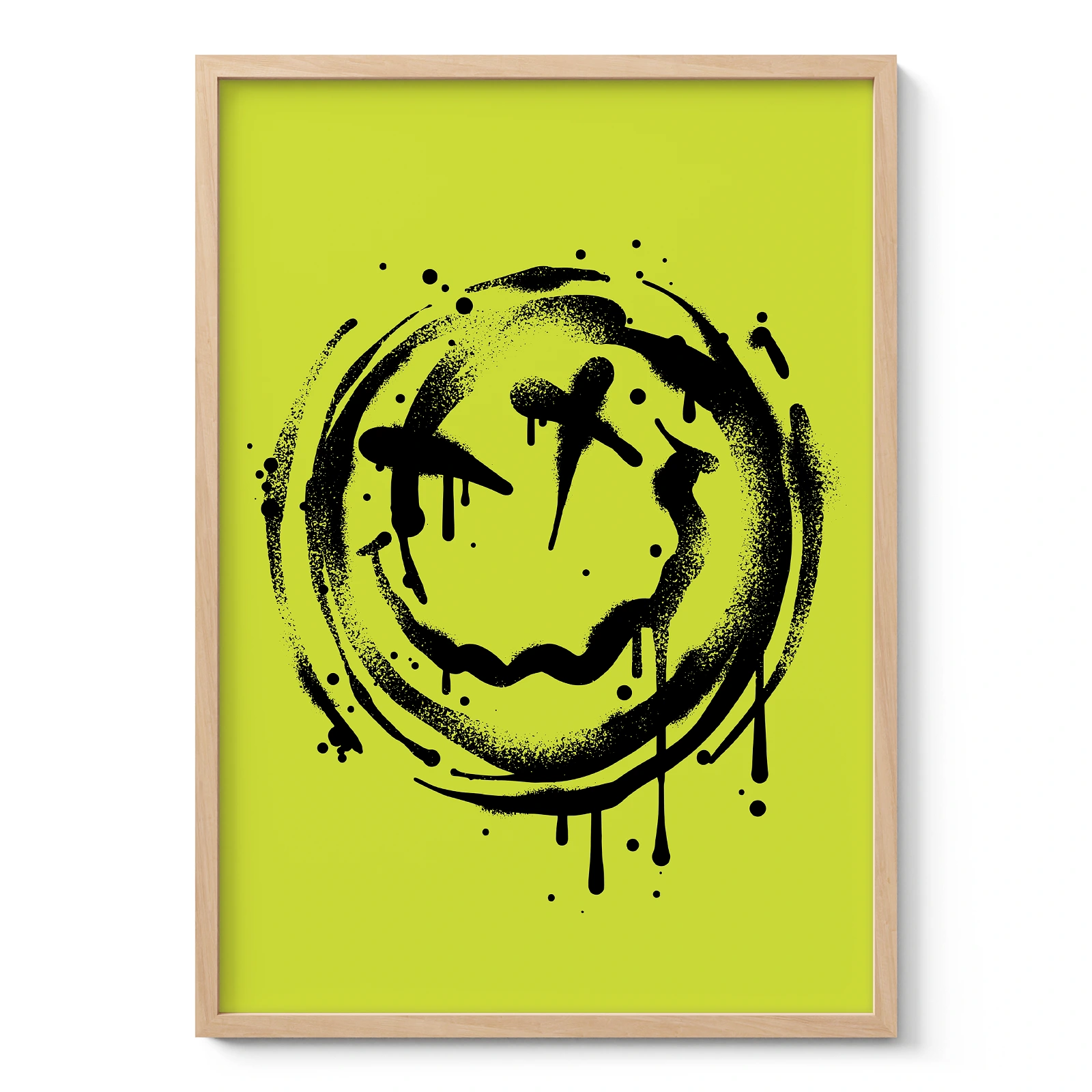
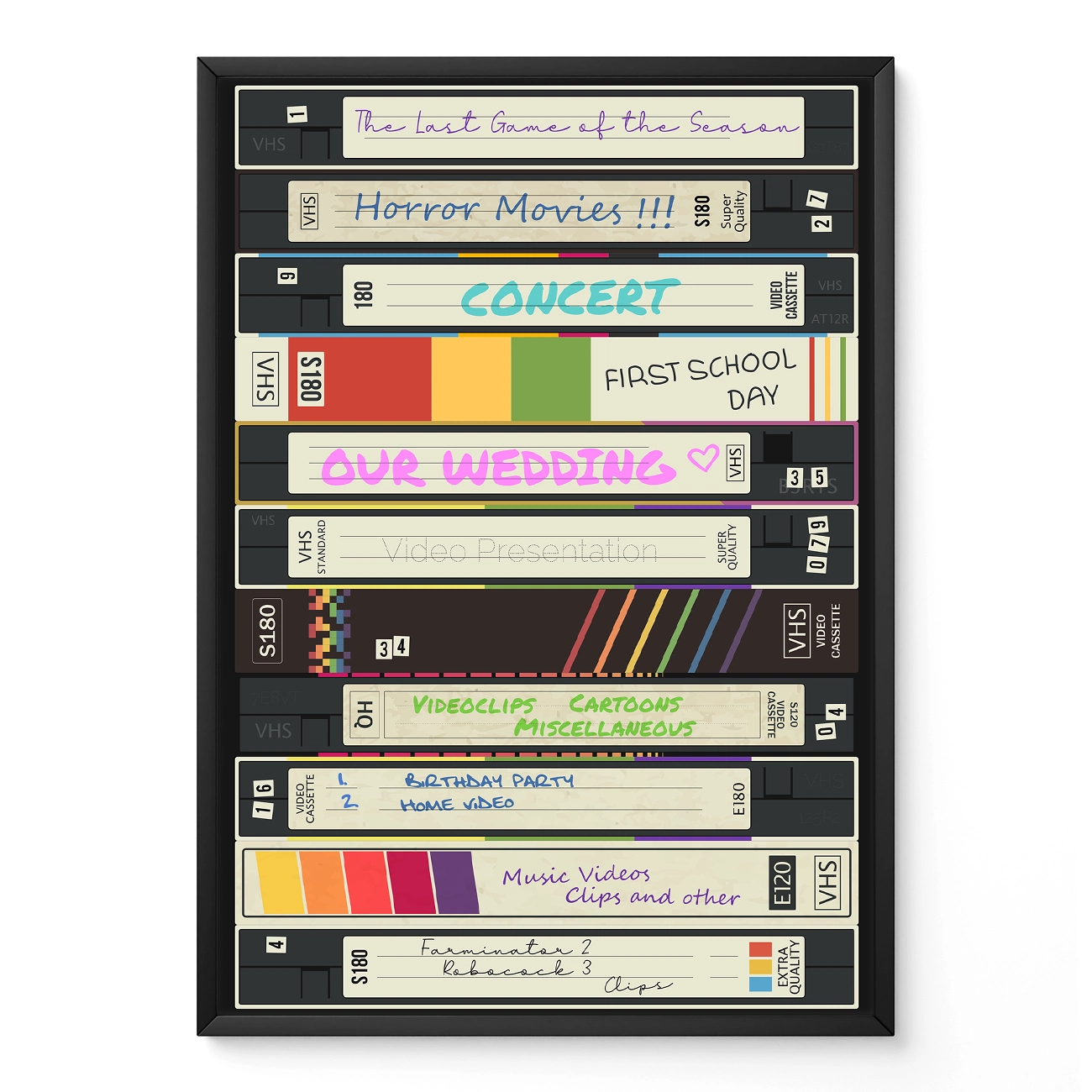
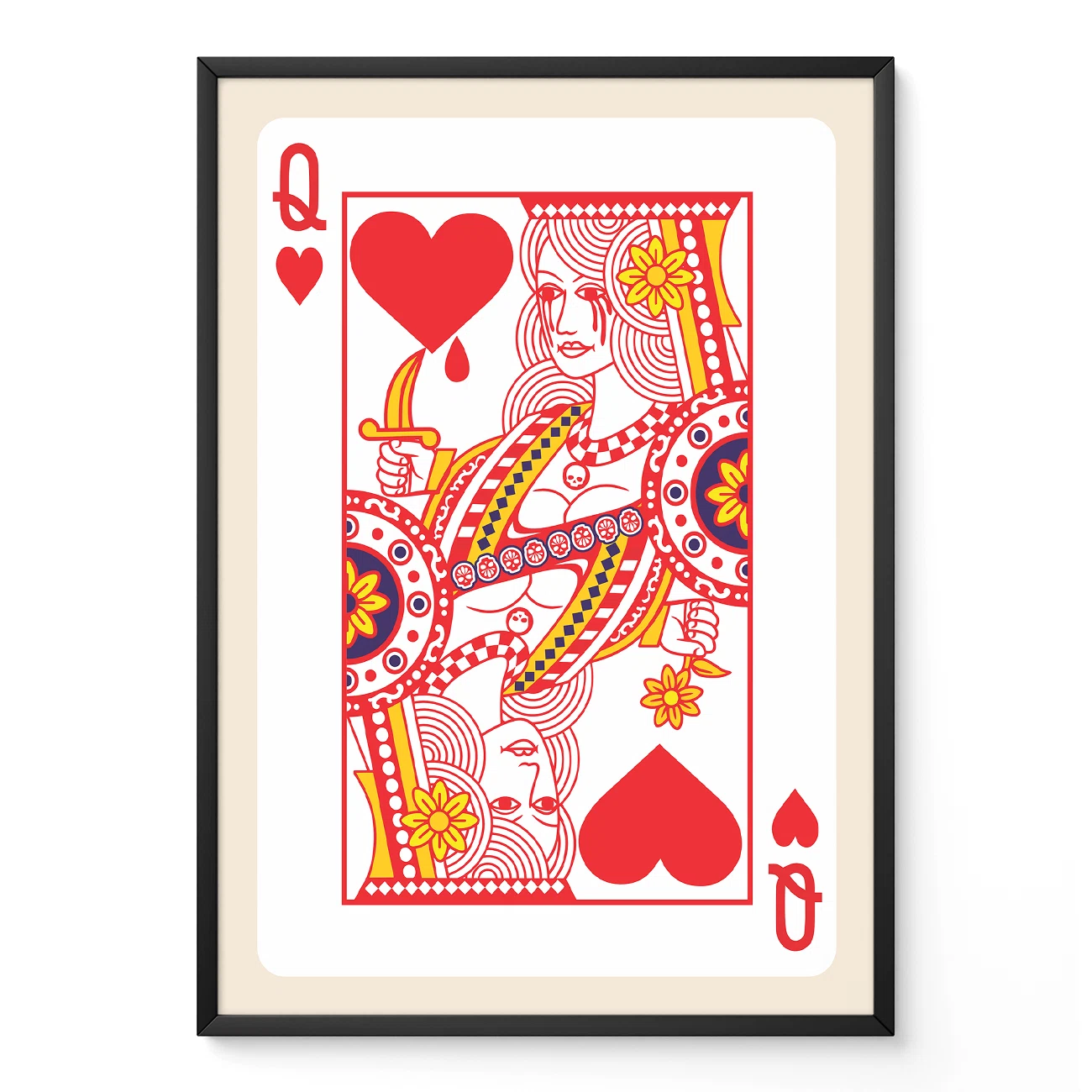
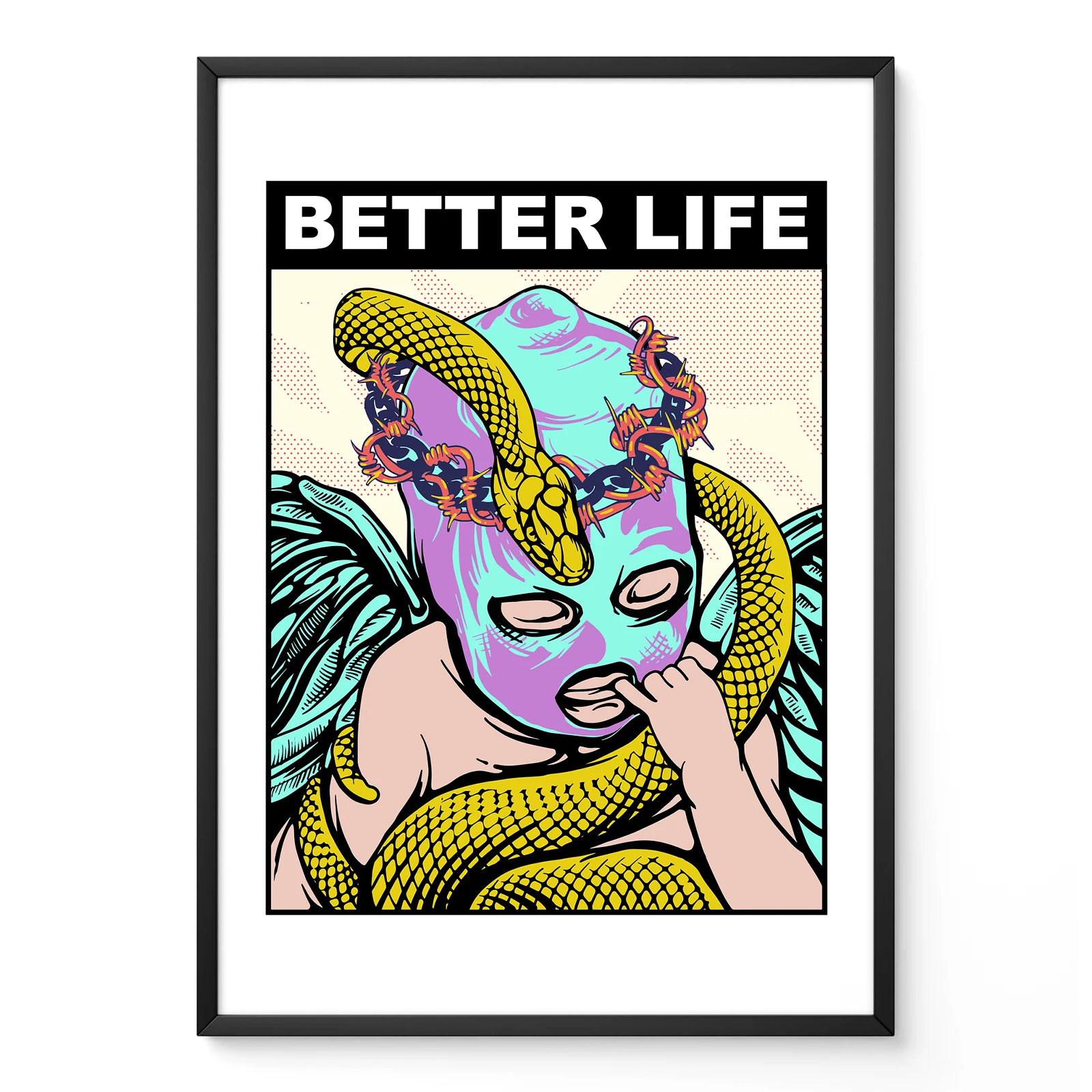
Contemporary wall art can include clean line drawings, abstract shapes, typography, nature-inspired designs, soft neutral compositions or strong colour contrasts. Some pieces feel quiet and architectural. Others use movement, texture or layered forms to create energy.
Compared with vintage or classic wall art, contemporary work often feels less formal. It usually focuses more on mood, shape, space and colour than on realistic scenes or historical decoration.
Popular styles and colour directions
Abstract art remains one of the strongest choices because it gives a room personality without telling a fixed story. Minimalist art works well when the goal is calm and visual order. Geometric art adds structure, especially in rooms with clean furniture, metal details or straight architectural lines.
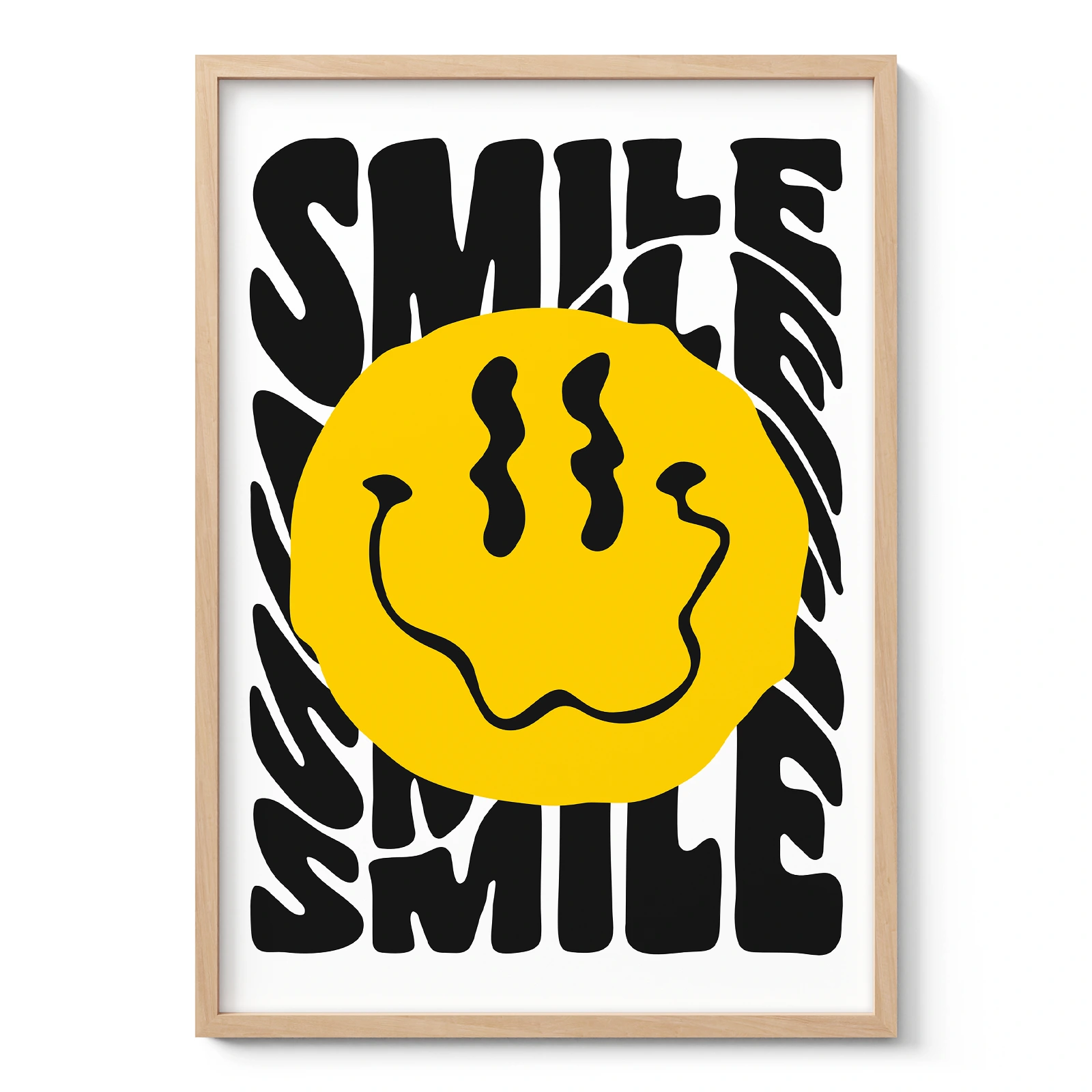
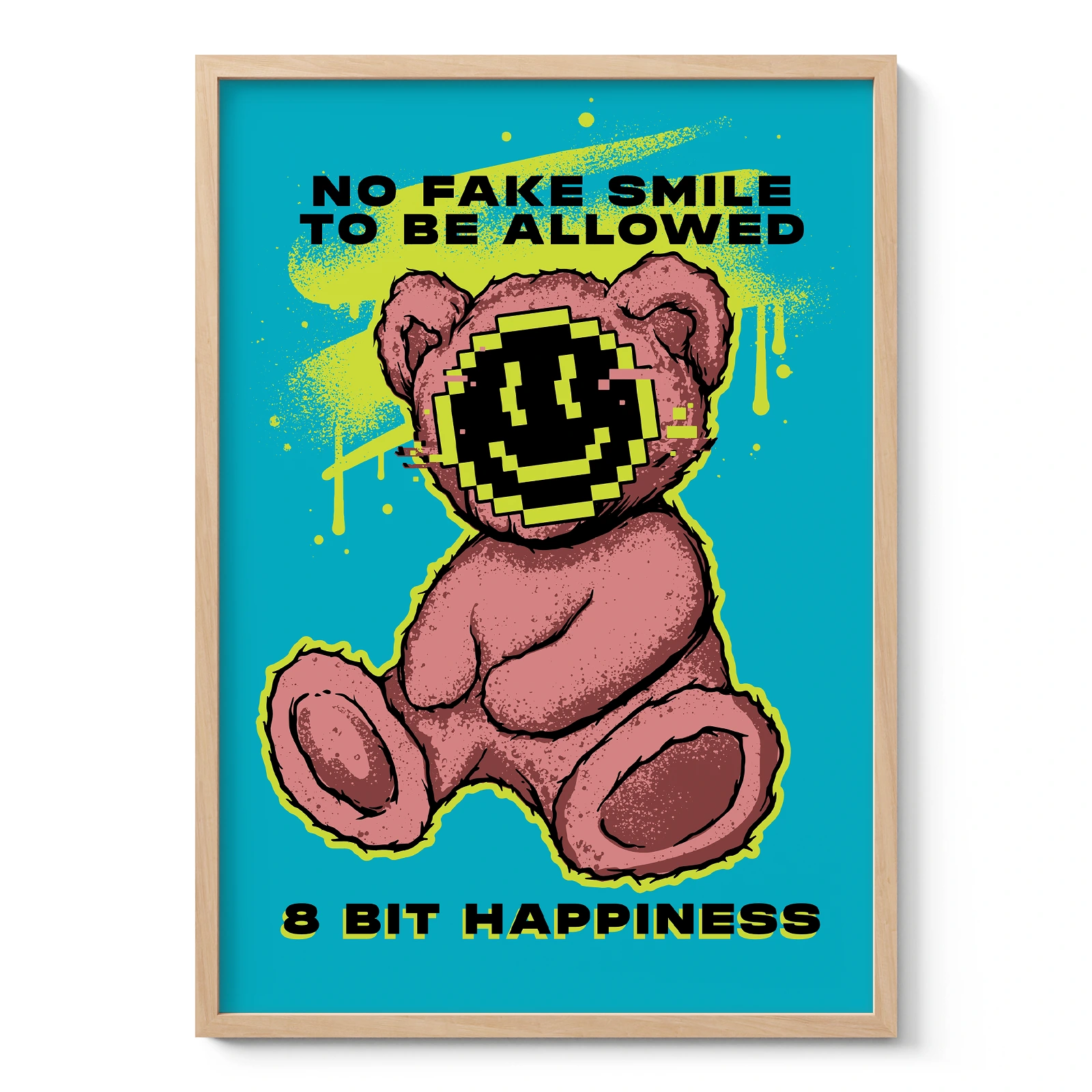
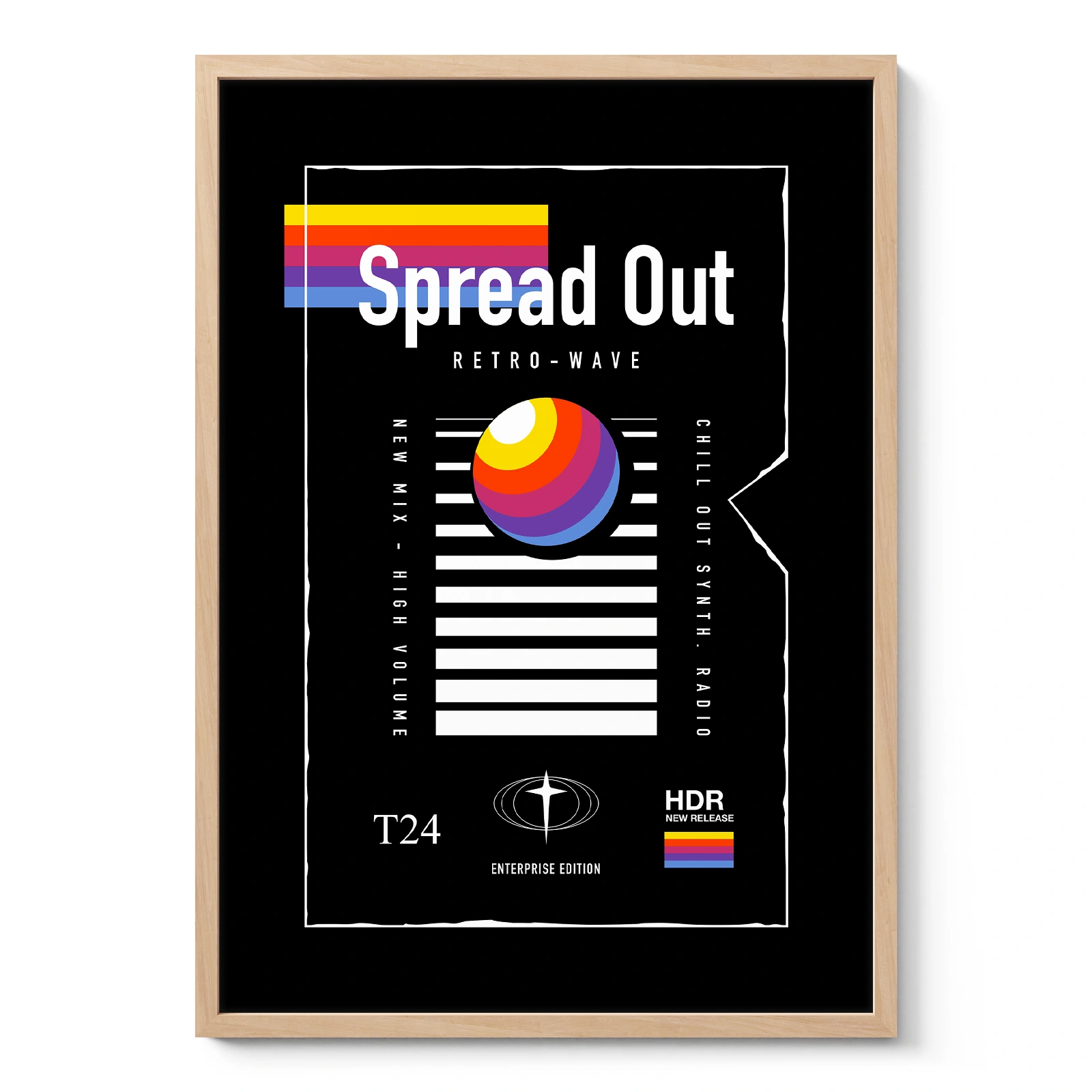
Line art is popular in bedrooms, home offices and hallways because it feels light and human. Typography can work well in creative spaces, dining rooms or studios when the wording is simple and the design is strong enough to stand on its own.
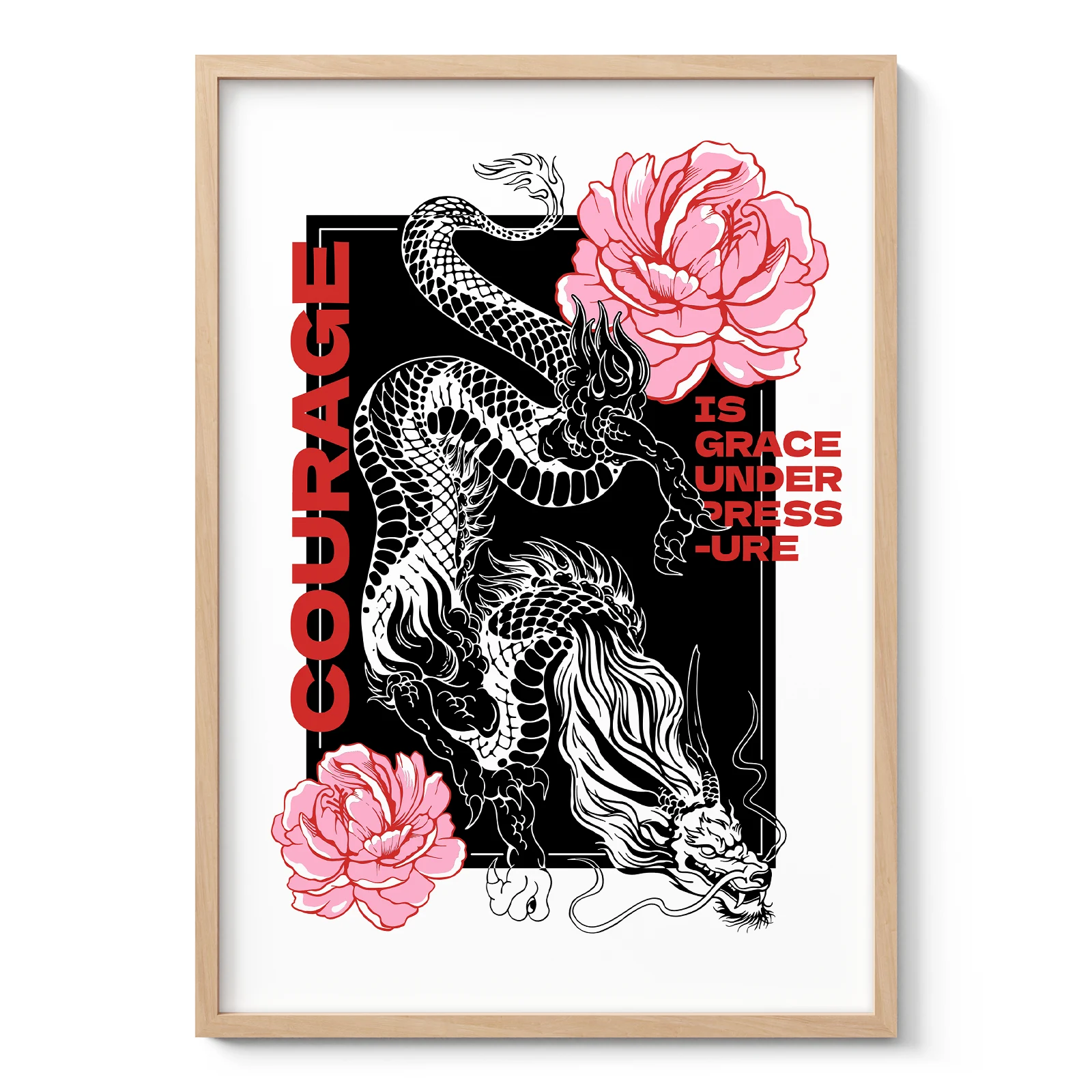
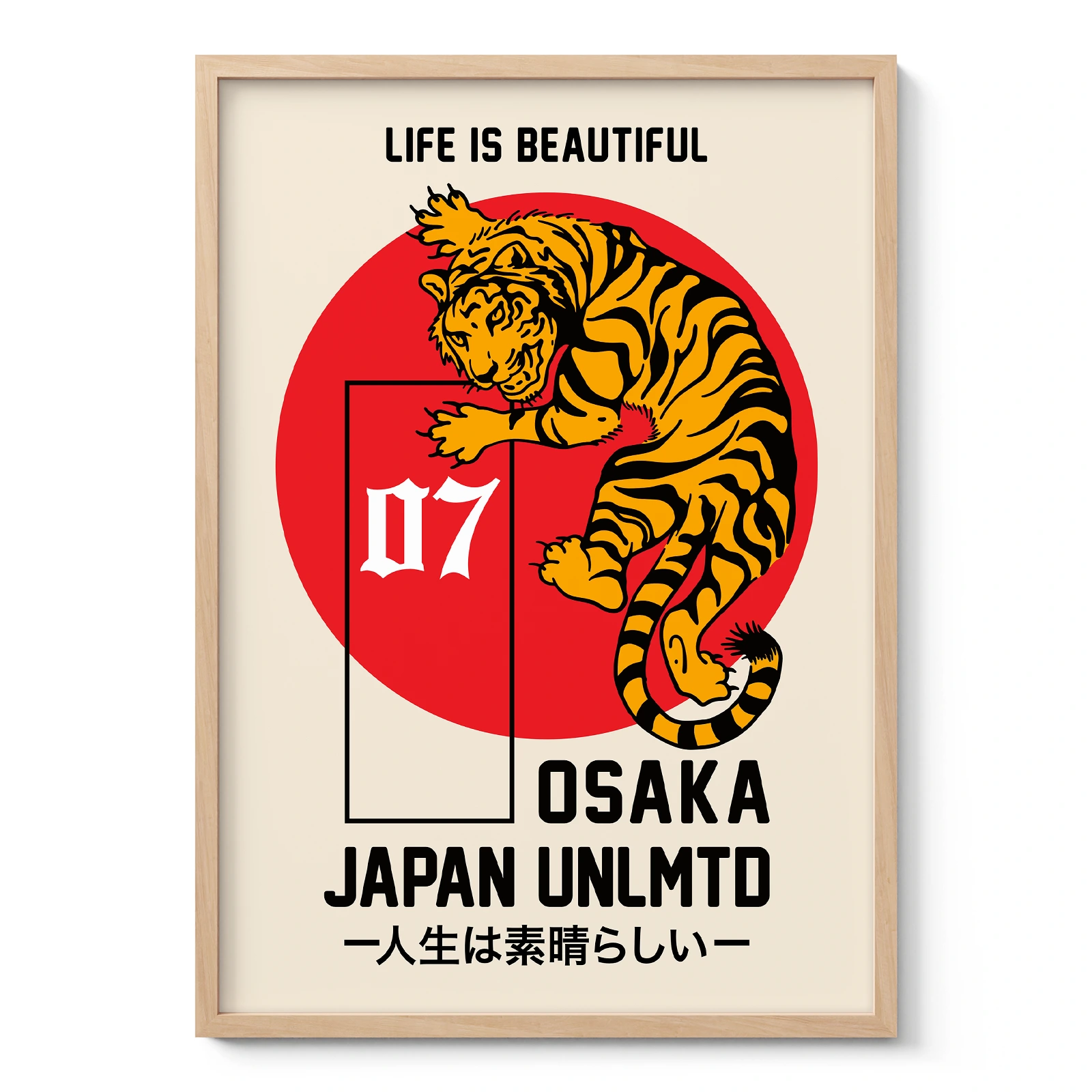
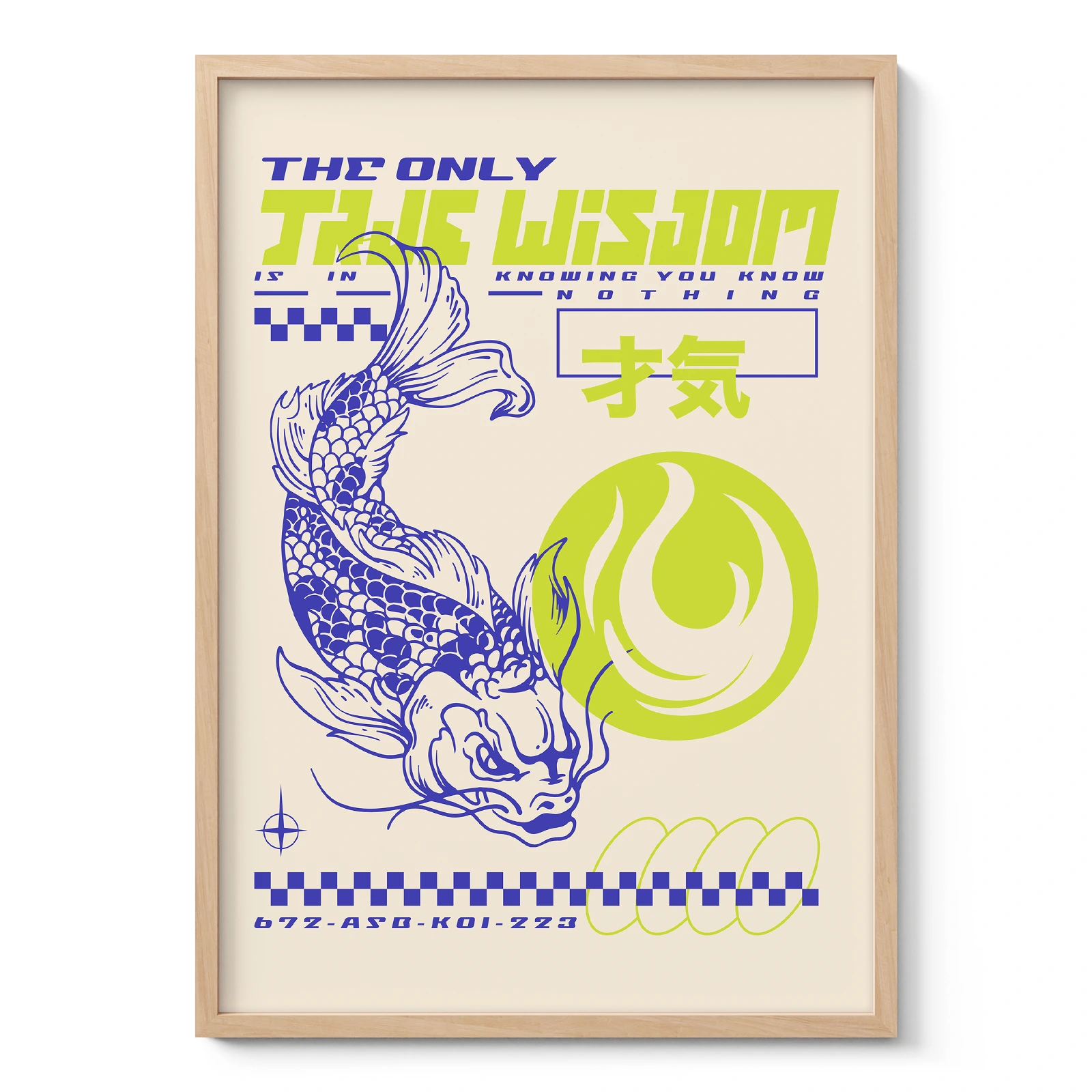
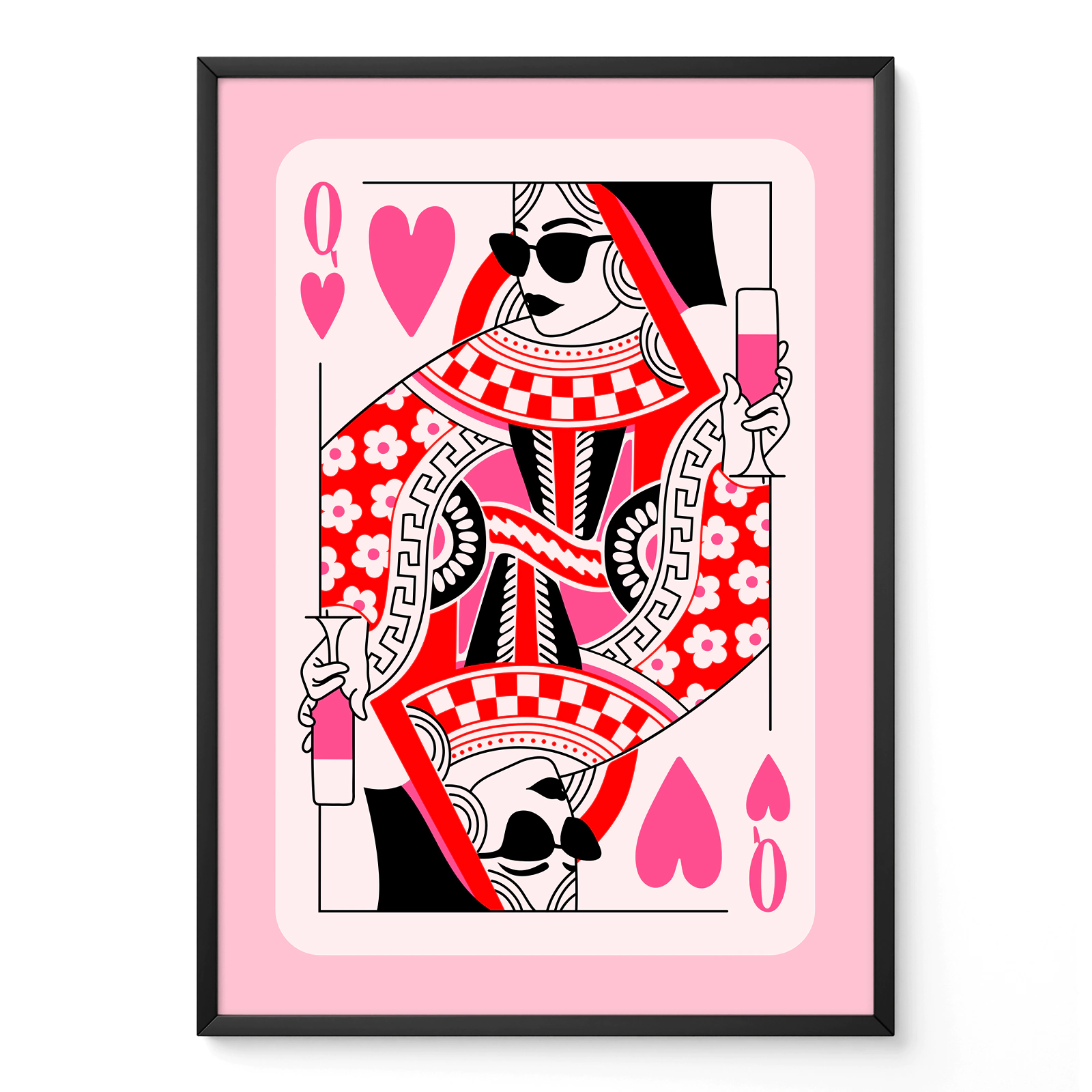
Current colour choices often move in two directions. One is soft and natural: beige, sand, clay, warm grey, cream, olive and muted brown. The other uses bold colours such as cobalt blue, deep red, black, green or orange as a clear accent. A useful rule is simple: repeat one colour from the artwork somewhere else in the room, such as a cushion, rug, lamp or chair.
How contemporary wall art works in interiors
Contemporary wall art suits Scandinavian interiors because both value space, light and clean lines. In Japandi rooms, abstract or nature-inspired pieces with quiet tones can support wood, linen, stone and simple shapes. Minimalist interiors often benefit from one large artwork rather than many small pieces.
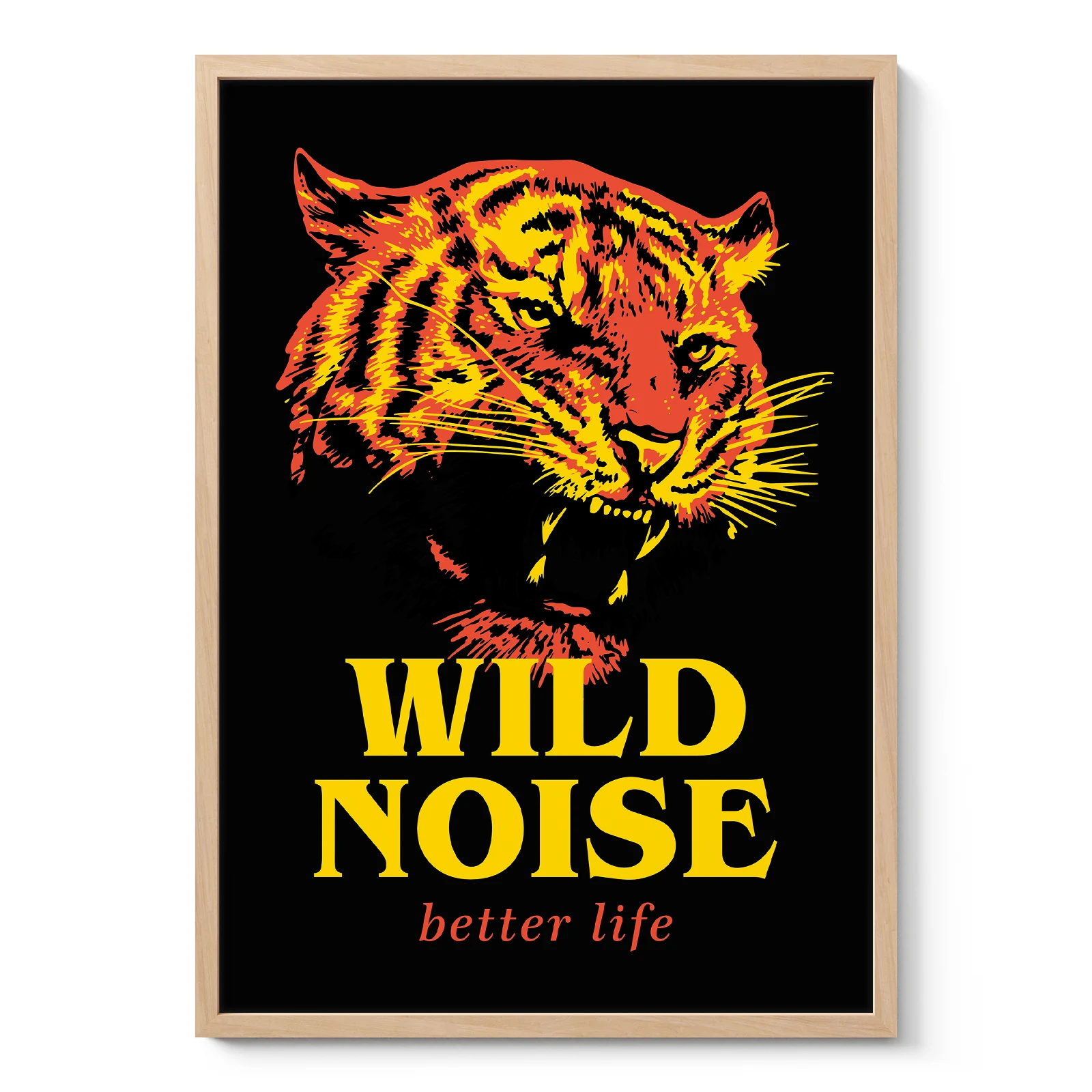
Industrial interiors can handle stronger contrast, black details, graphic compositions and oversized canvas prints. Mid-Century Modern rooms work well with organic shapes, warm colour palettes and balanced abstract designs. In fully contemporary interiors, artwork can either soften sharp lines or add a stronger visual centre.
Room function also matters. Living rooms often need a larger piece above a sofa or console. Bedrooms usually feel better with softer colours and less visual noise. Hallways can use vertical posters or small gallery walls. Dining rooms can take richer colour, while office spaces often benefit from structured abstract art that feels focused but not distracting.
Choosing posters or canvas prints
Contemporary wall art works well as both posters and canvas prints, but each format gives a different effect. A museum-quality print on paper usually gives crisp detail, clean edges and a gallery-like finish. This is useful for graphic art, typography, line art and precise geometric compositions.
A canvas print adds more texture and depth. It can suit larger abstract pieces, soft colour fields and nature-inspired designs where surface character matters. For small rooms, posters can feel lighter. For open walls or offices, canvas prints can create more presence without needing a heavy frame.
A clear way to choose
Before buying, think about three things: scale, colour and mood. Scale decides whether the artwork feels connected to the furniture. Colour decides whether it blends in or creates contrast. Mood decides how the room feels when you enter it.
Contemporary wall art remains popular because it adapts easily to real homes. It can be quiet, bold, playful or refined, depending on the piece. When chosen with care, it helps a room feel finished while still leaving space for personal style.