




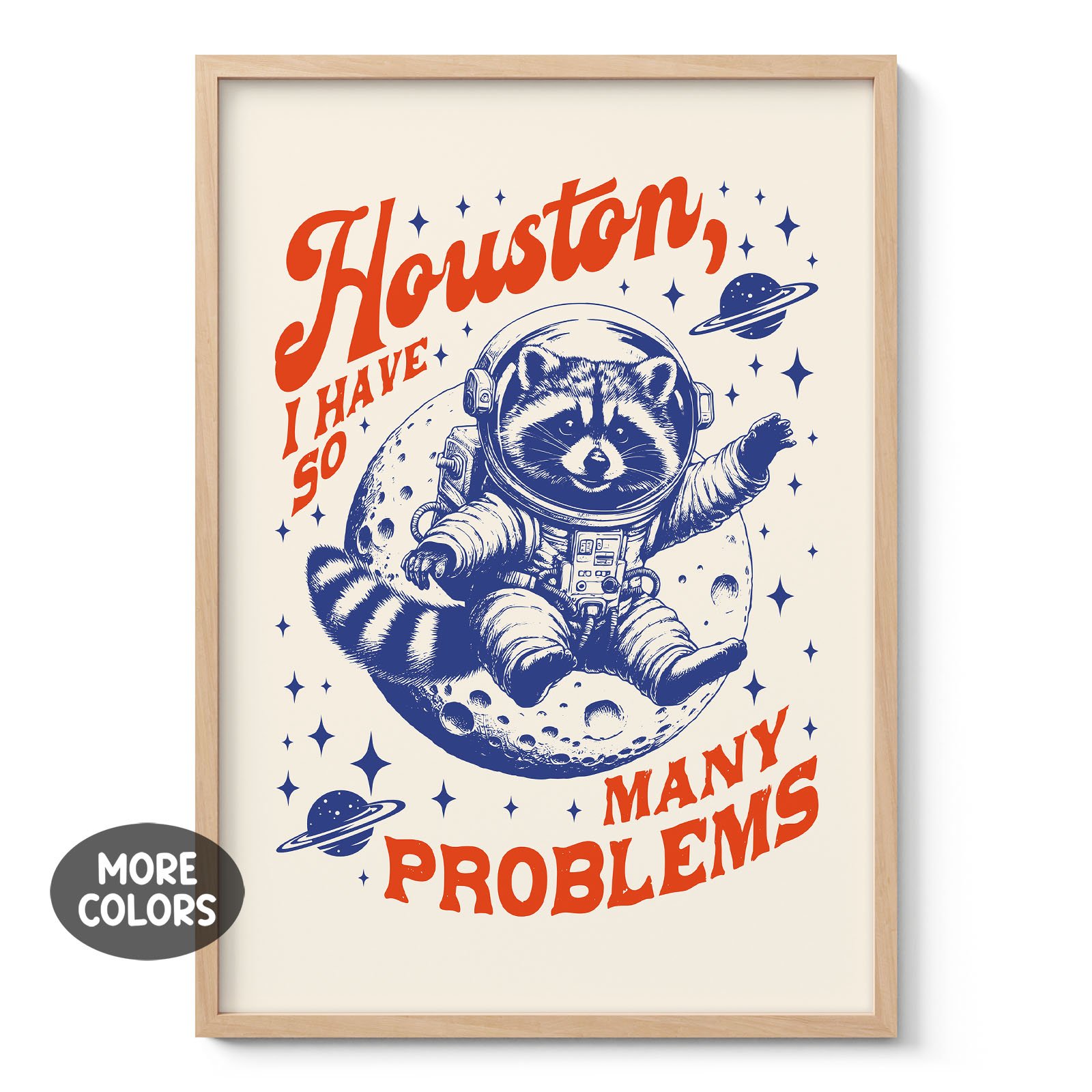
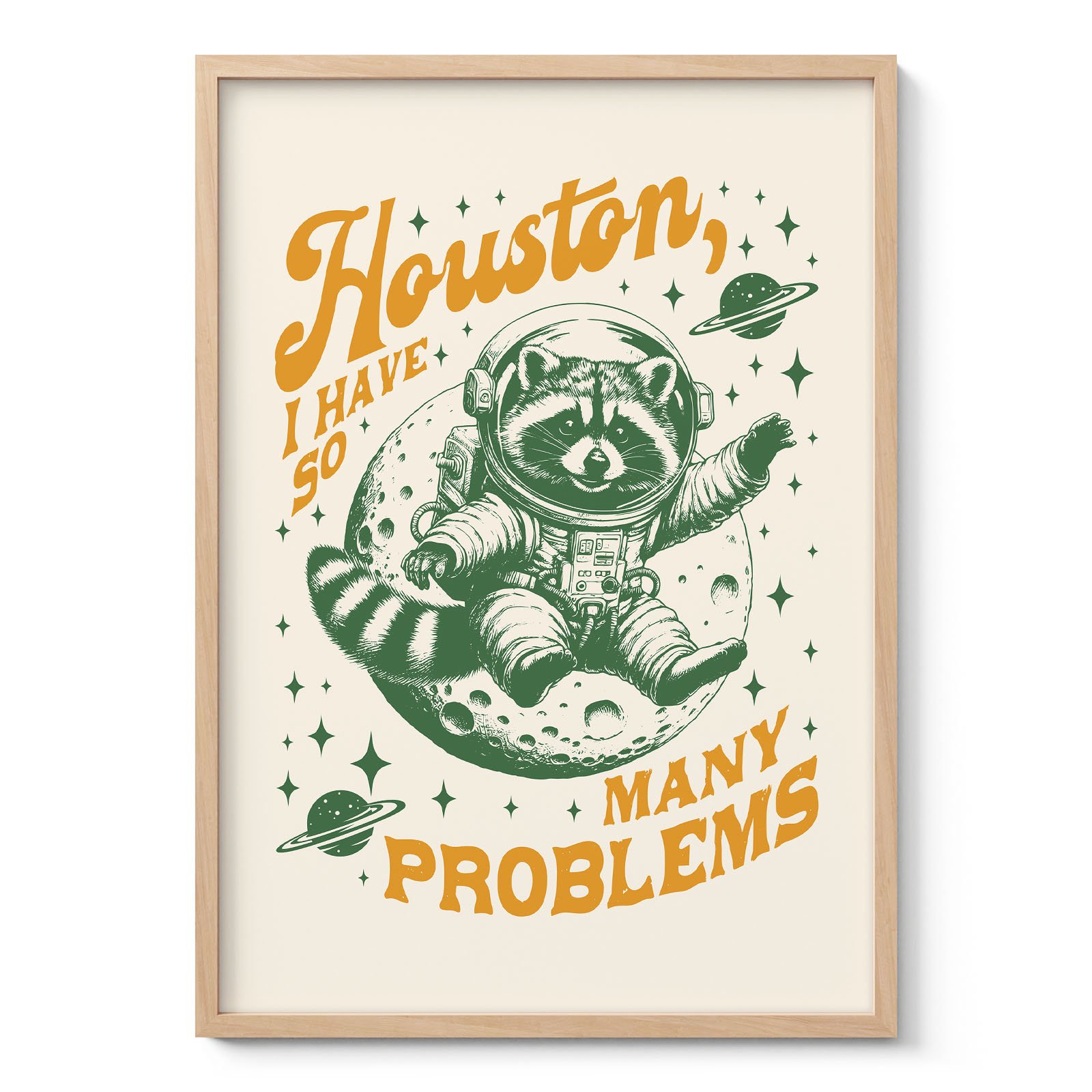
Space wall art: bringing the wonder of the cosmos indoors
Looking up at the night sky has inspired artists, scientists and explorers for thousands of years. Long before telescopes revealed distant galaxies, people imagined constellations as stories, symbols and maps of the universe. Today, space wall art captures that same sense of curiosity through illustrations, astronomical charts, planetary studies and artistic interpretations of the cosmos. As posters or canvas prints, these works offer more than decoration. They invite the eye to wander beyond everyday surroundings.
From star charts to modern astronomy
The earliest images of space were practical as well as artistic. Ancient astronomers recorded constellations to measure time, navigate across oceans and understand seasonal change. During the Renaissance and Enlightenment, beautifully engraved celestial maps combined scientific observation with decorative craftsmanship. These historical star charts remain popular because they balance accurate information with elegant design.
Modern interpretations take a broader approach. Contemporary artists explore planets, nebulae, galaxies, the Moon and deep-space photography alongside imaginative cosmic landscapes. Some works rely on scientific precision, while others focus on colour, scale and atmosphere. This variety explains why space wall art appeals equally to astronomy enthusiasts, design lovers and anyone fascinated by the night sky.
Choosing between scientific and artistic styles
Not every space-themed artwork creates the same mood. Vintage celestial maps and astronomical diagrams introduce structure through detailed line work, labels and geometric composition. They often suit home offices, libraries and studies where viewers enjoy examining small details over time.
Abstract galaxy paintings offer a different experience. Swirling colours, glowing stars and expansive nebulae create a sense of movement that works well in living rooms or open-plan interiors. Planetary illustrations tend to feel more graphic and organised, making them suitable for Contemporary and Minimalist spaces. Lunar photography, with its restrained tones and dramatic texture, often complements Scandinavian interiors where simplicity and natural materials dominate.
One useful question buyers rarely ask is how much visual contrast they want. A dark artwork filled with bright stars naturally draws attention, while lighter astronomical charts integrate more quietly into the surrounding décor.
Scale changes the experience
The subject of space naturally suggests openness, making proportions particularly important. Large-format space wall art often feels more immersive because wide skies and distant galaxies benefit from generous viewing distance. Smaller prints, on the other hand, encourage closer observation of constellation names, planetary details or engraved celestial illustrations.
This principle also applies to room selection. Bedrooms often benefit from calming Moon studies or subtle star maps that create a peaceful atmosphere. Living rooms comfortably accommodate dramatic galaxies or colourful nebulae as central features. Hallways work surprisingly well with narrow panoramic views of the Milky Way, while children's rooms often favour educational solar system illustrations that encourage curiosity without overwhelming the space.
Posters offer flexibility when creating themed gallery walls, while canvas prints can emphasise painterly textures or the depth of cosmic imagery.
Combining space with other natural themes
One overlooked decorating approach is pairing astronomical artwork with subjects from Earth rather than filling every wall with planets alone. Vintage celestial maps complement antique world maps because both reflect humanity's effort to understand its place in the universe. Botanical illustrations can also create an interesting contrast, connecting microscopic plant structures with the immense scale of the cosmos.
A carefully arranged gallery wall might include lunar phases, constellation charts and topographic landscapes linked by a consistent colour palette. This approach creates visual variety while maintaining a coherent story based on exploration and discovery.
The colours of cosmic artwork deserve attention as well. Deep blues and blacks create drama but may feel heavy in smaller rooms. Images featuring soft greys, warm creams or muted purples often integrate more easily with neutral interiors. Looking beyond the subject itself and considering colour relationships usually produces more satisfying long-term results.
From historical celestial engravings to contemporary visions of distant galaxies, space wall art offers countless ways to explore astronomy through design. It combines scientific curiosity, artistic imagination and thoughtful composition in a form that suits living rooms, bedrooms, home offices and shared spaces alike. For those drawn to the night sky, space wall art provides a lasting reminder that some of the most inspiring landscapes begin far beyond the horizon.