


Map wall art: exploring geography through design
Maps have always done more than show directions. Long before satellite navigation, they reflected how people understood the world, documented discoveries and celebrated places that held personal meaning. Today, map wall art blends geography, history and design, making it a thoughtful choice for interiors that value both visual interest and storytelling. Whether displayed as posters or canvas prints, maps can celebrate favourite cities, countries, coastlines or the world as a whole.
More than navigation on the wall
The earliest decorative maps were often created as much for admiration as for travel. Cartographers filled oceans with sailing ships, illustrated distant lands with wildlife and surrounded borders with elaborate ornamentation. Even when geographic knowledge improved, beautifully engraved maps remained prized for their artistic craftsmanship.
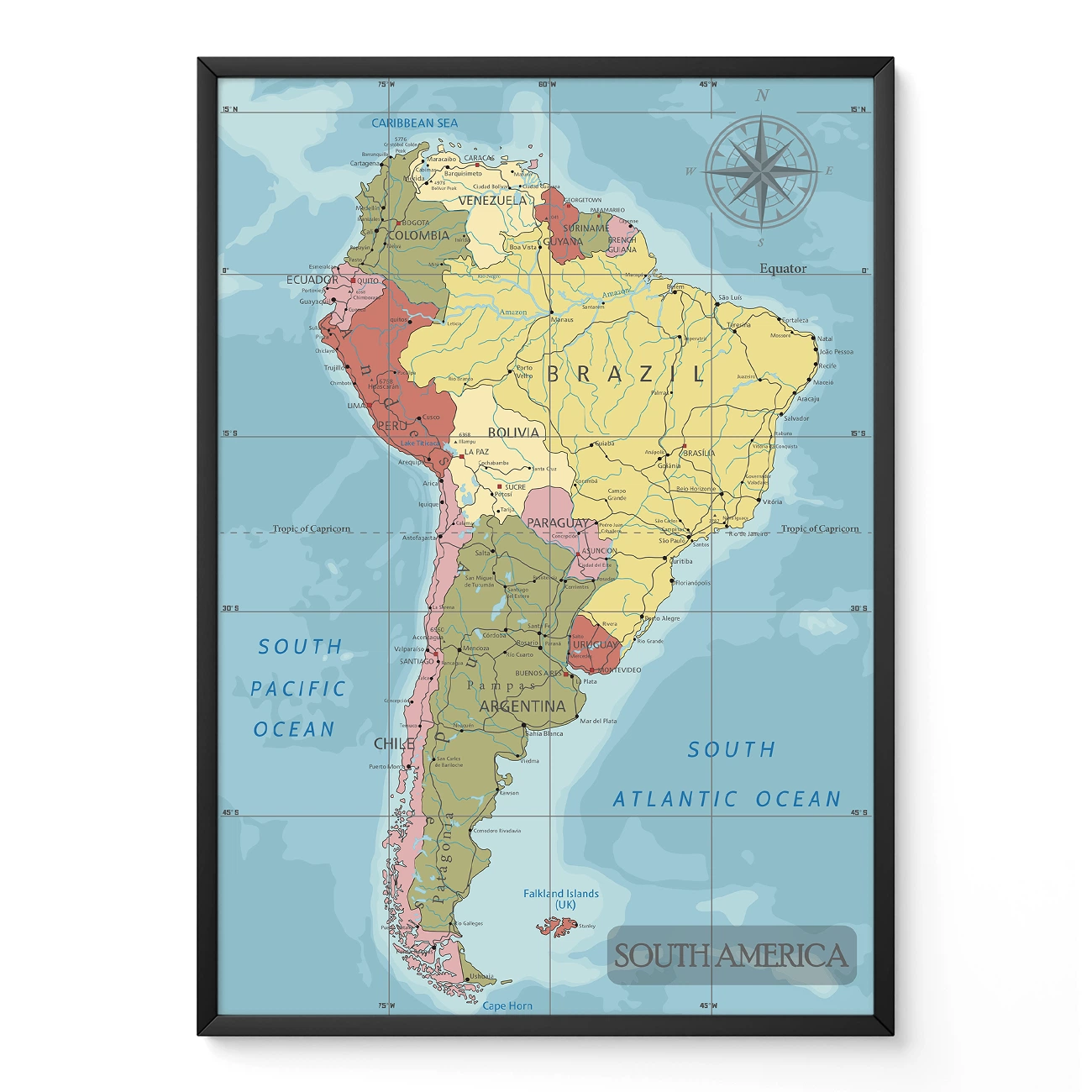
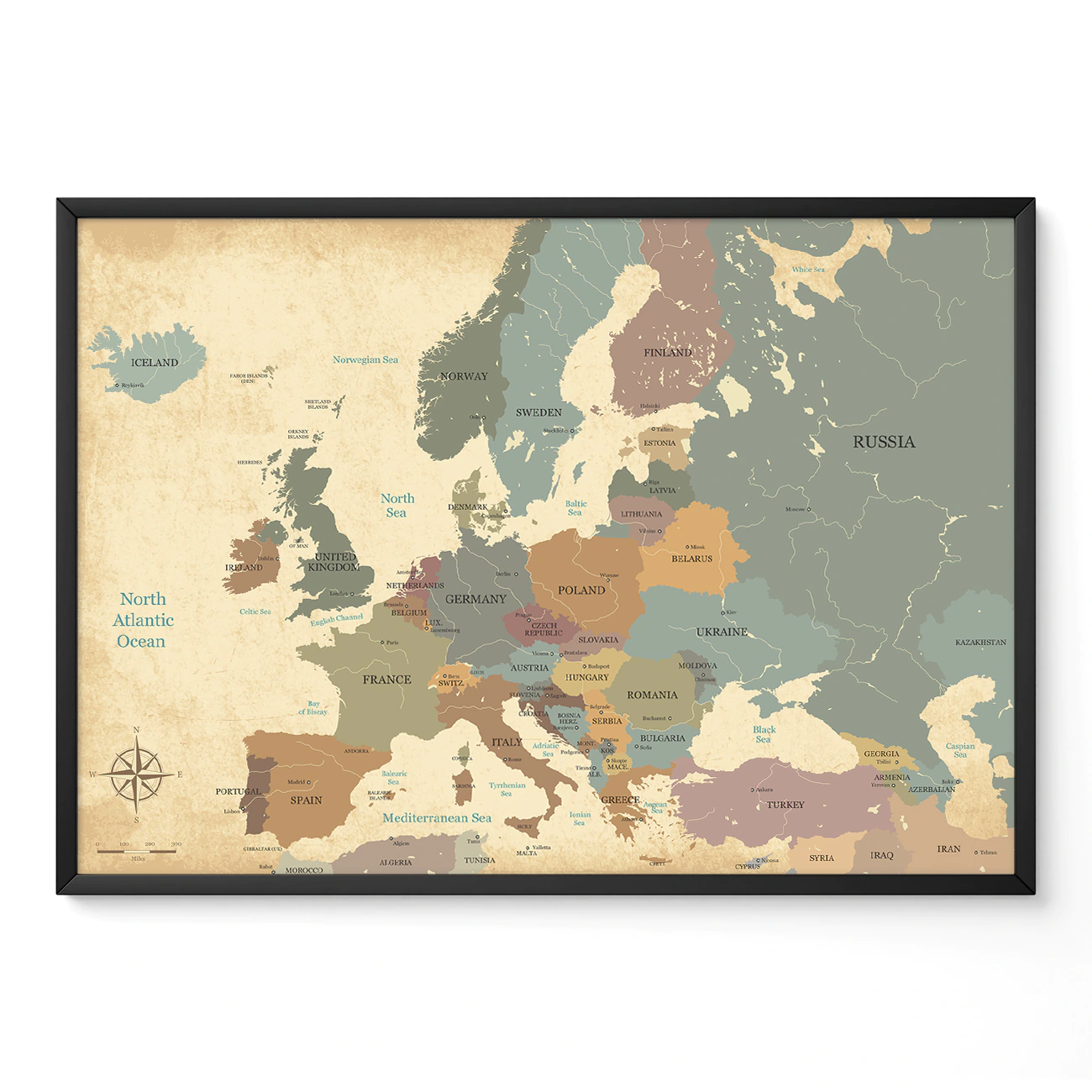
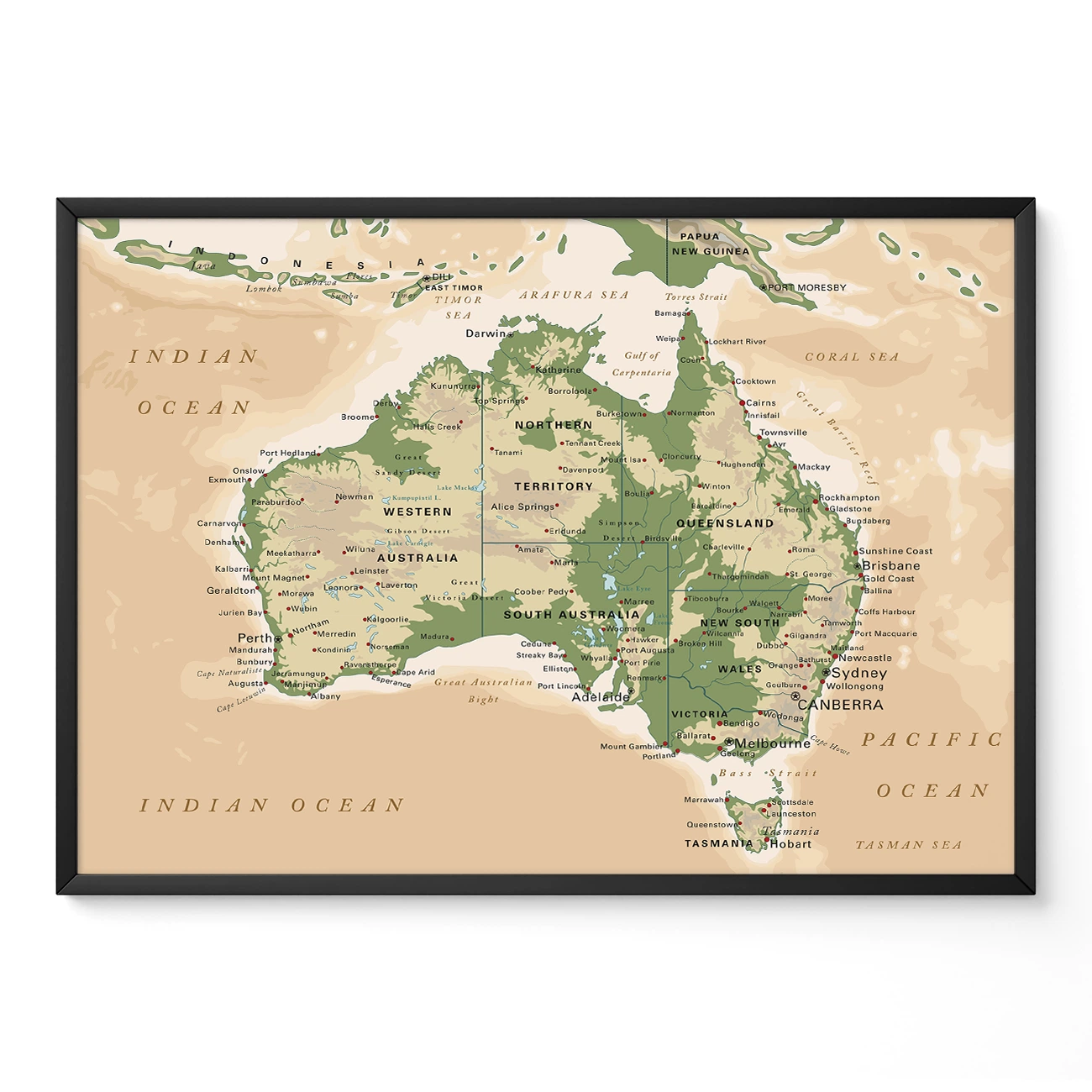
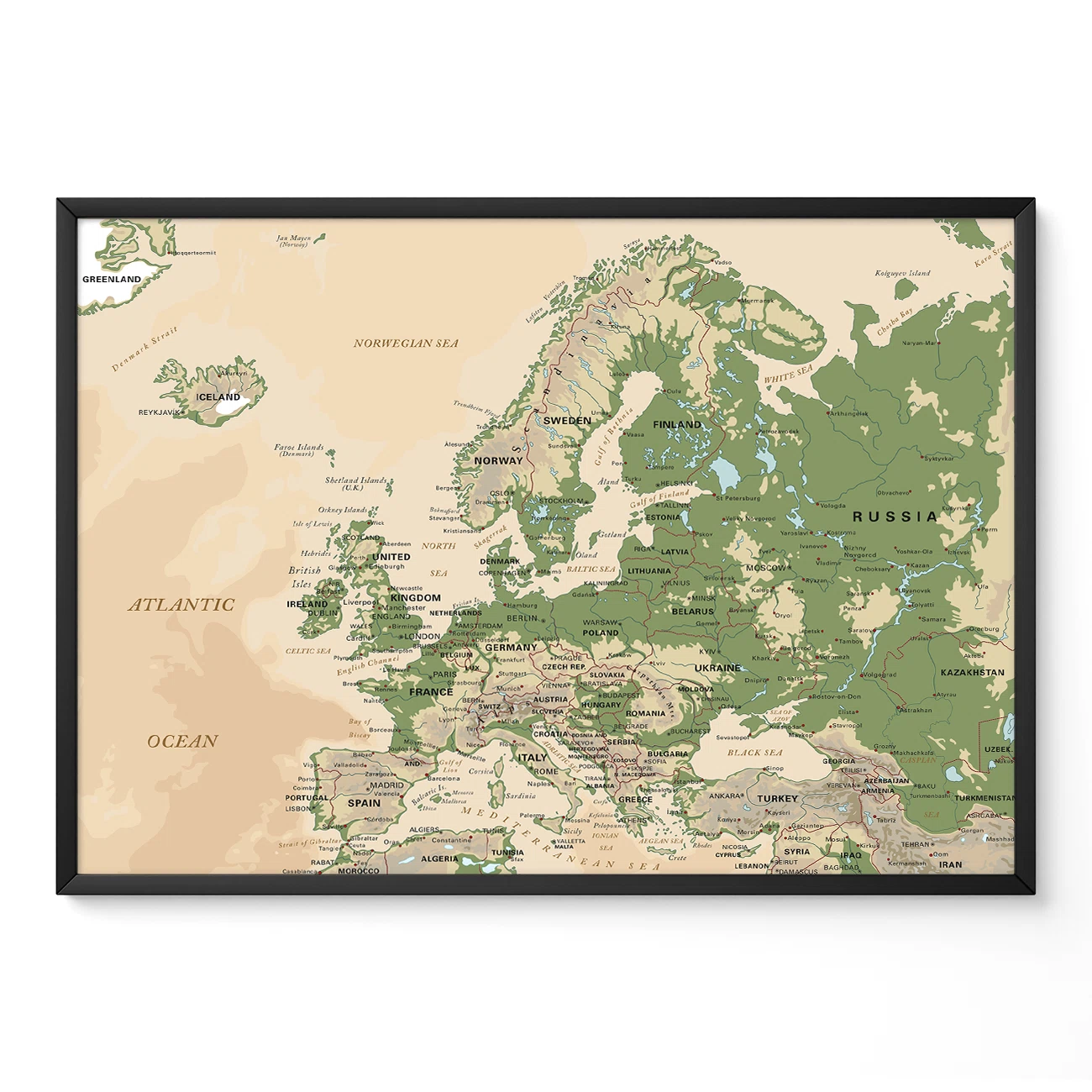
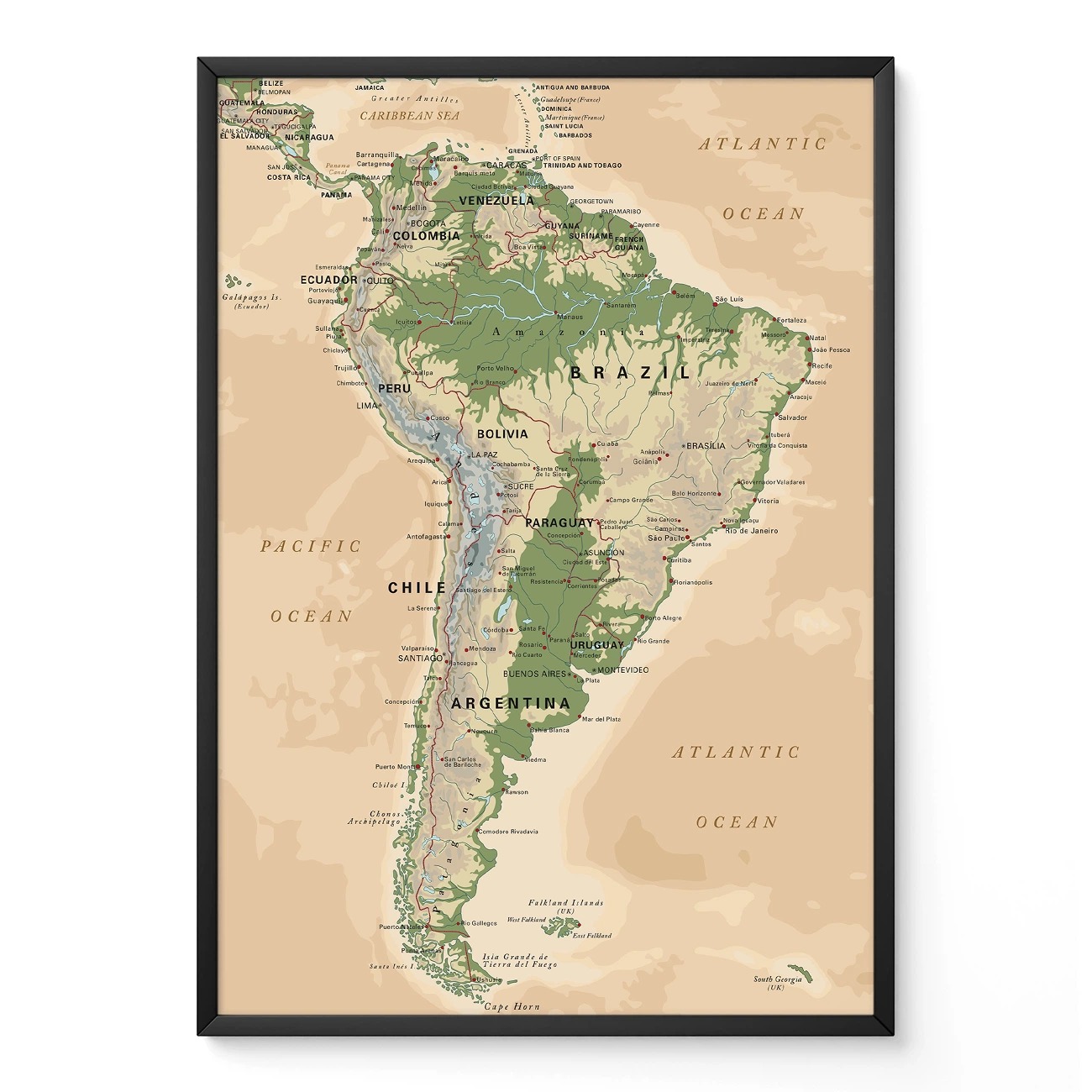
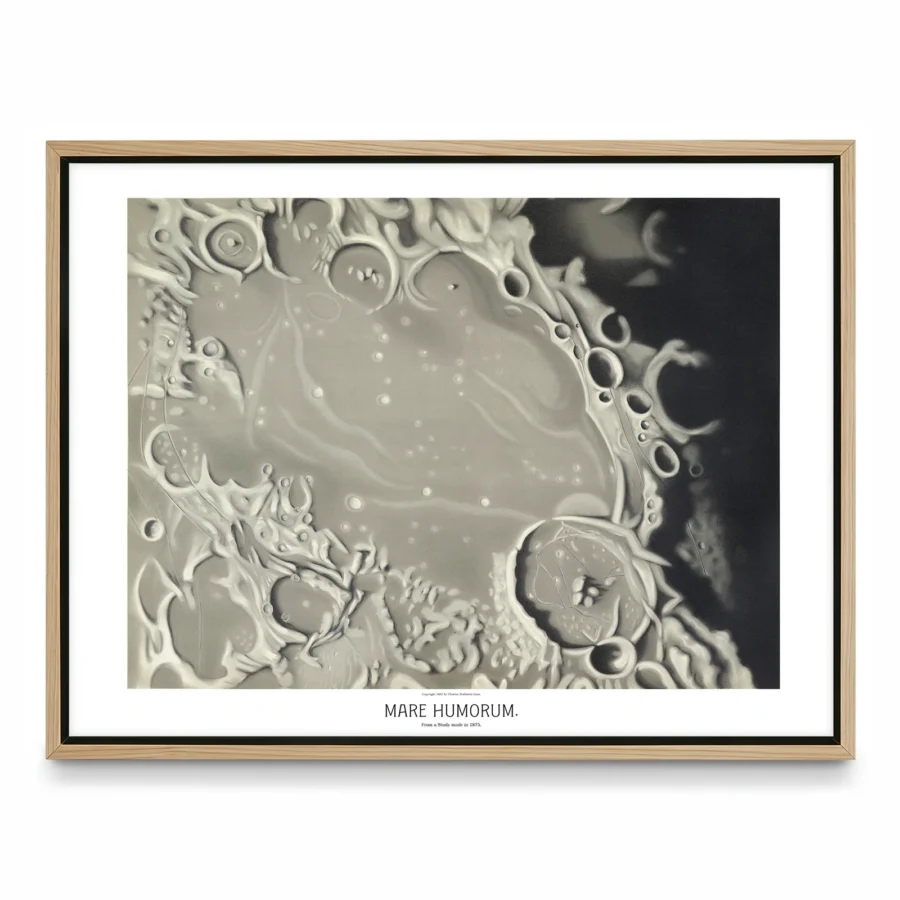
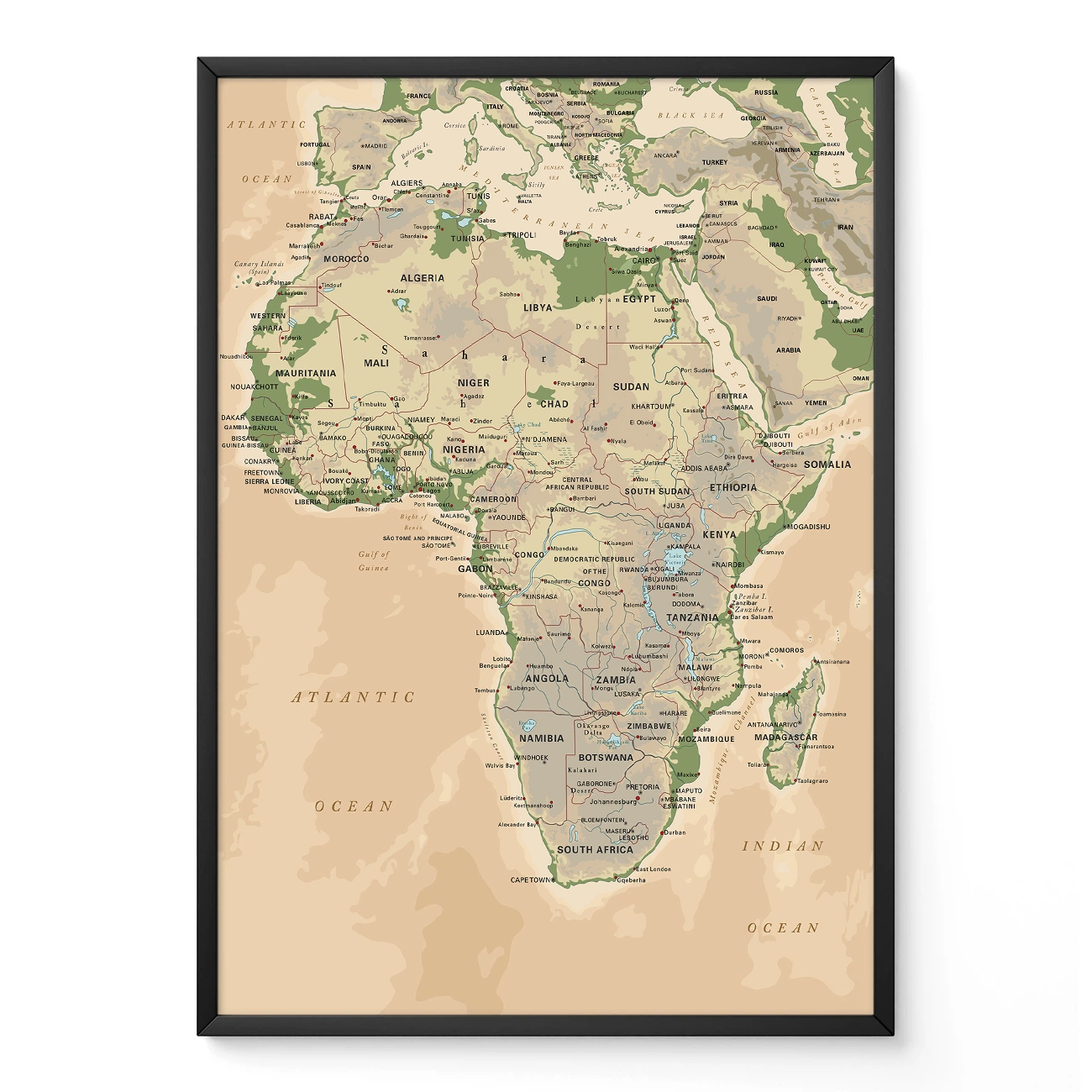
This heritage explains why map wall art includes many styles rather than one recognisable look. Antique world maps highlight historical typography and decorative detail, while modern cartographic designs favour clean lines and simplified layouts. Topographic maps reveal the shape of mountains and valleys through contour lines, and celestial maps chart constellations instead of continents. Each style creates a different atmosphere despite sharing the same subject.
Choosing a map that fits the room
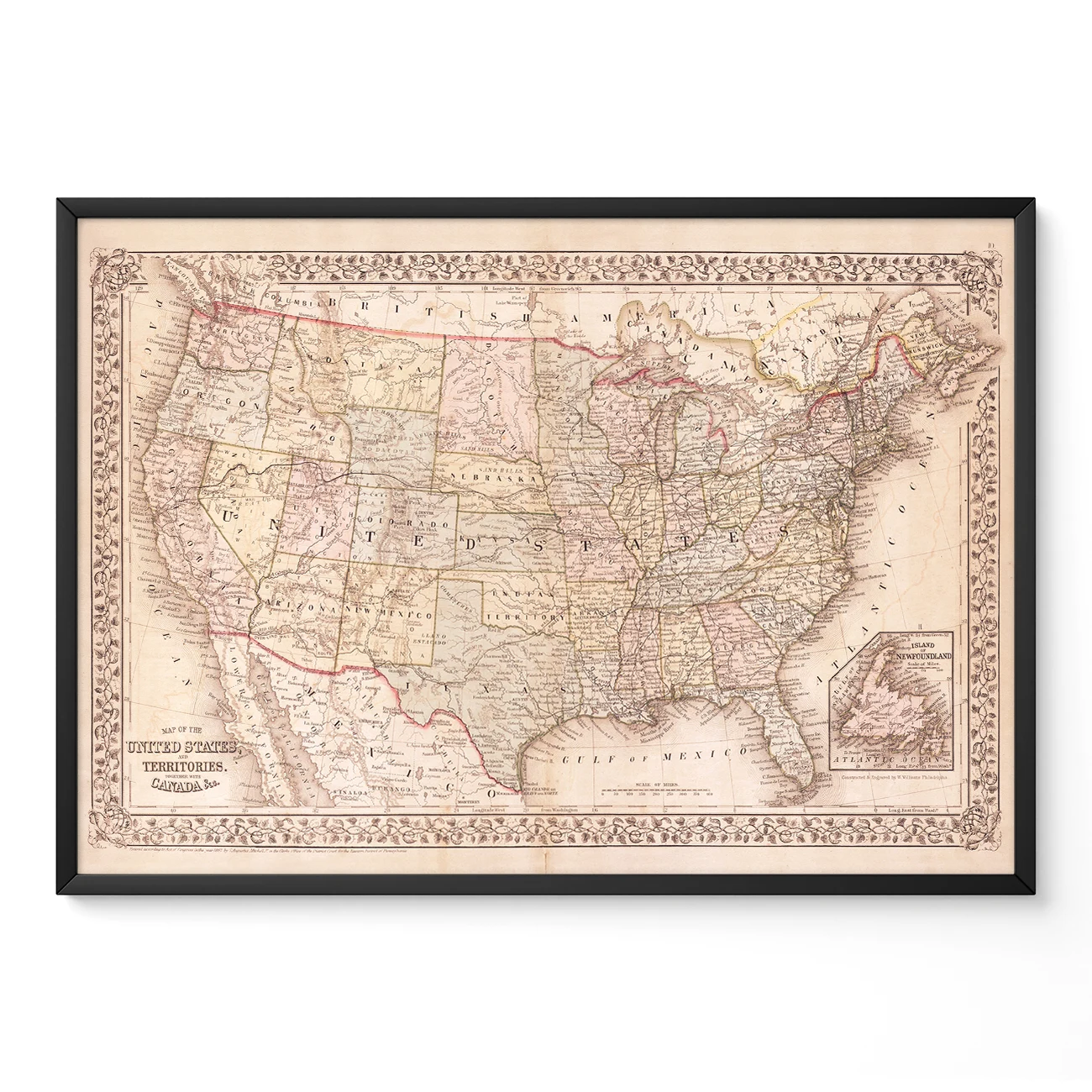
A common mistake is selecting a map solely because it shows a favourite destination. Scale, colour and visual complexity often have a greater influence on how the artwork feels within a room. A richly detailed nineteenth-century world map can become a natural focal point in a living room or study, while a minimalist city map suits smaller spaces where visual calm is important.
Bedrooms often benefit from softer neutral palettes or coastal charts that create a relaxed atmosphere. Dining rooms can comfortably accommodate larger world maps because they encourage conversation, while home offices frequently work well with historical atlases, architectural city plans or topographic studies that reward closer observation over time.
This is one reason map wall art appeals to both travellers and people who simply appreciate thoughtful design. The subject may be geographical, but the visual language varies enormously.
Understanding different map styles
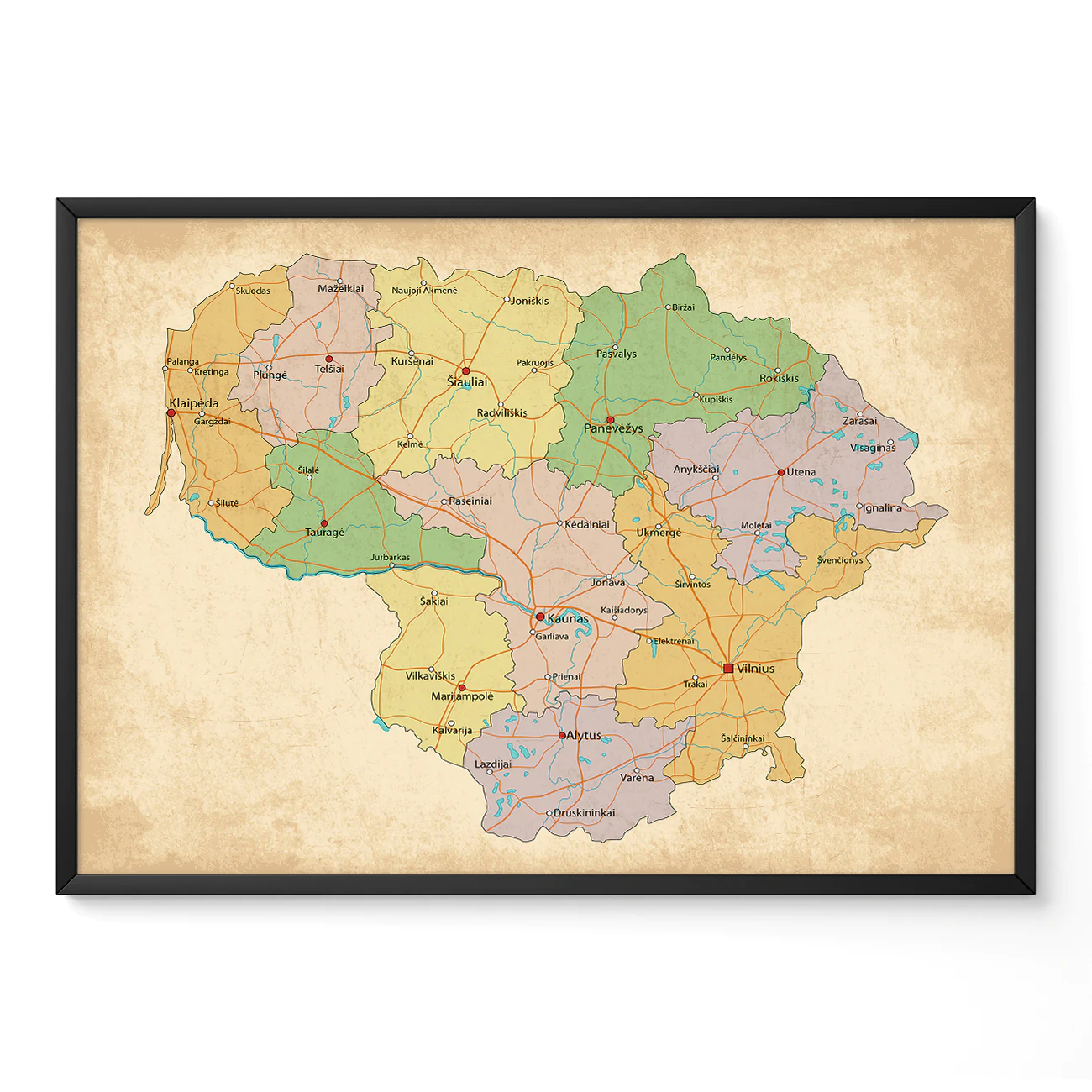
Historical maps carry the warmth of aged paper, decorative compass roses and traditional engraving techniques. They pair naturally with Traditional, Farmhouse and English-inspired interiors where wood, leather and natural materials already play an important role.
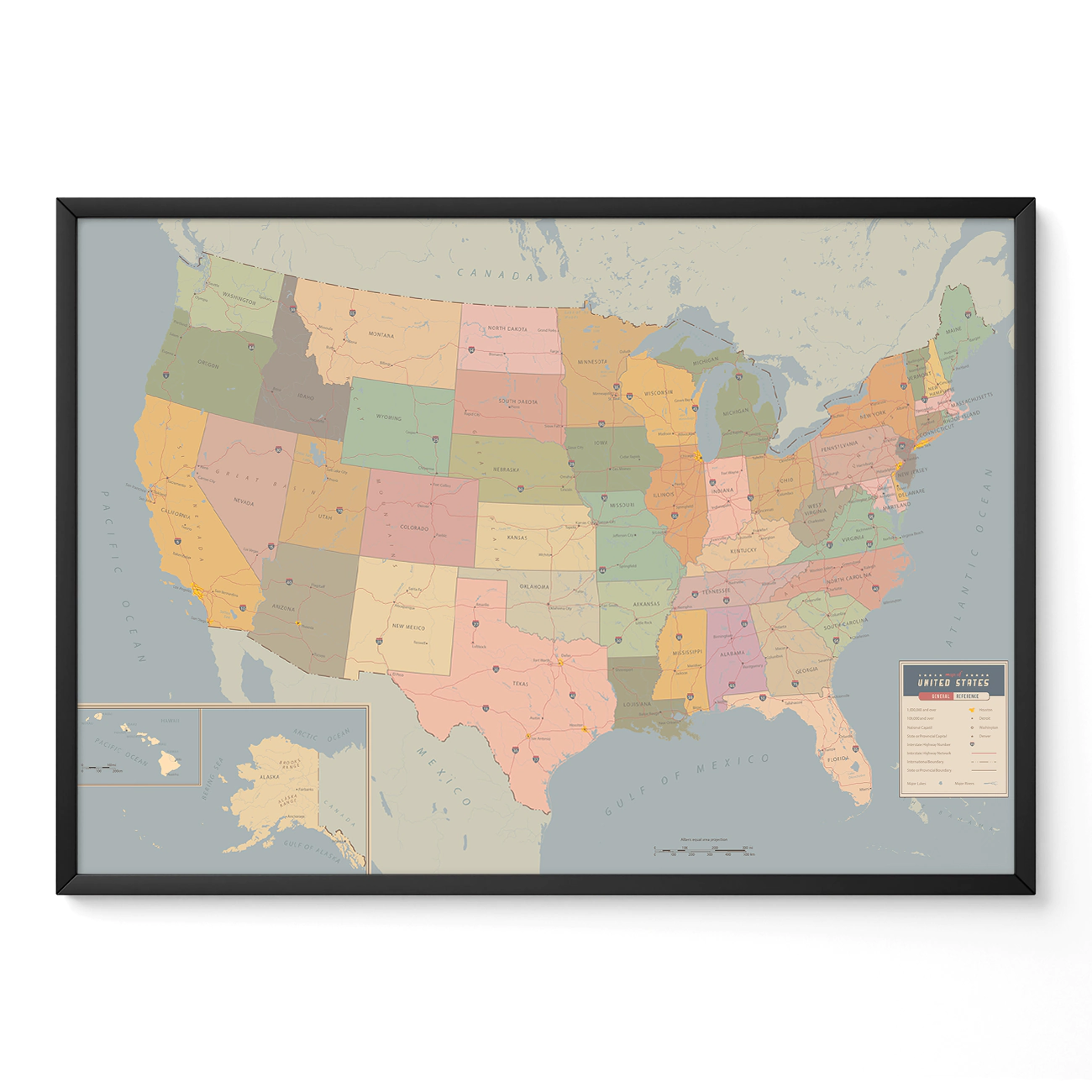
Contemporary interiors often favour monochrome street maps, simplified world outlines or abstract geographic compositions with generous negative space. Scandinavian homes benefit from restrained colour palettes and uncluttered layouts, while Japandi interiors often suit topographic maps whose flowing contour lines echo natural landscapes. Mid-Century Modern spaces can accommodate bold colour-blocked maps, and Eclectic interiors comfortably combine antique cartography with modern furniture.
Canvas prints emphasise texture and larger details, making them suitable for oversized maps. Posters provide greater flexibility when building gallery walls or displaying several related locations together.
Looking beyond the place itself
Many buyers focus first on the location shown, but another detail deserves equal attention: the purpose of the original map. Some maps documented trade routes, others recorded political boundaries, geological formations or maritime navigation. These differences influence both appearance and historical character.
Typography also changes dramatically between periods. Older maps often feature elegant hand-lettered place names and decorative cartouches, while contemporary designs rely on simple fonts and clear organisation. These graphic details affect how formal or relaxed a room feels, even when the same city is represented.
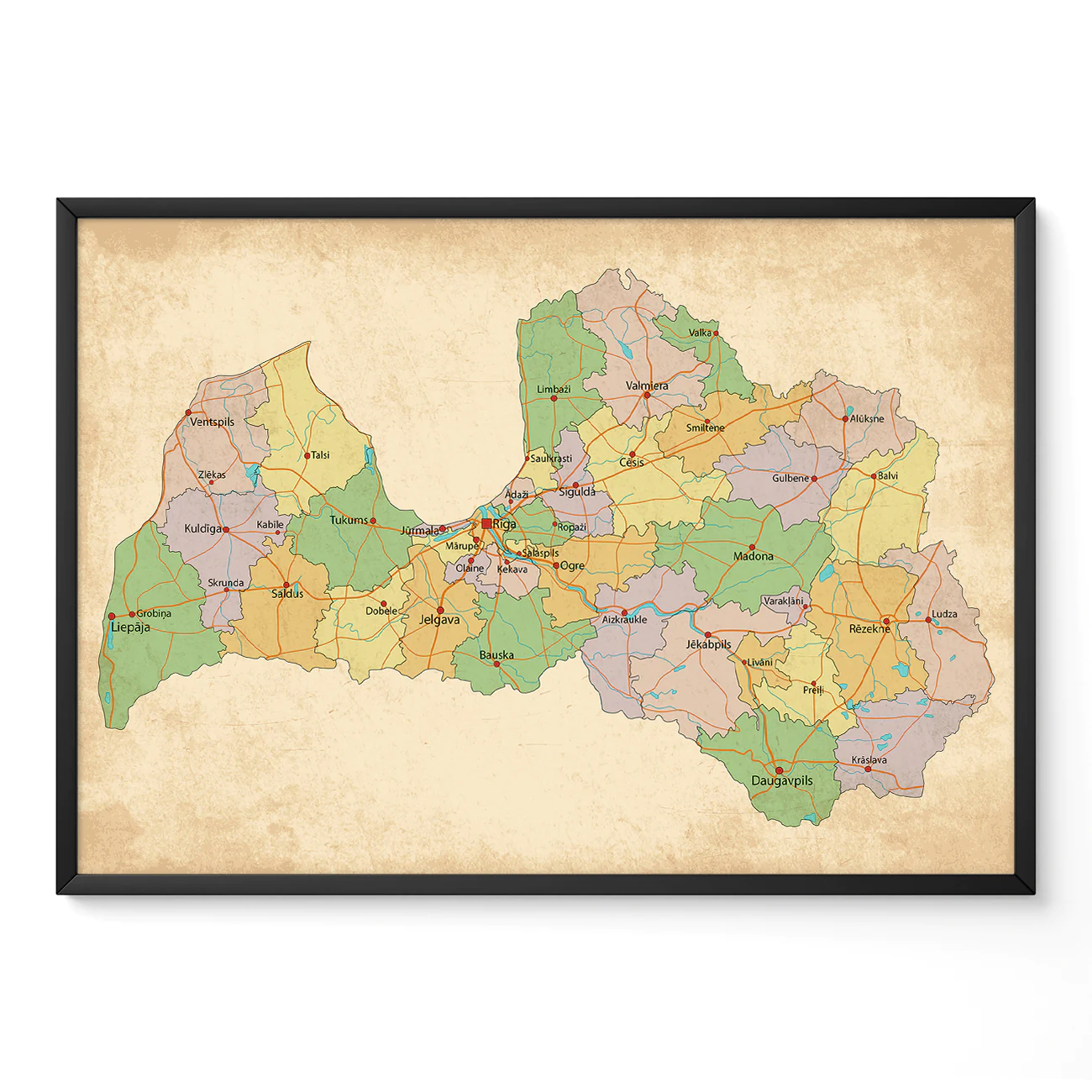
Combining several related maps can create a stronger display than relying on a single oversized piece. For example, a gallery wall might pair a vintage world map with botanical illustrations collected during historic expeditions or include neighbouring cities connected through personal travel. Shared colours and similar framing usually create greater harmony than choosing maps from the same publisher.
Because of this versatility, map wall art continues to appeal across changing interior trends. It combines history, craftsmanship and personal connection without relying on decorative themes alone. Some people choose places they have visited, others celebrate family heritage or dream destinations, while many simply appreciate the beauty of cartographic design. From antique world maps to contemporary city plans, map wall art offers a distinctive way to introduce geography, history and visual balance into living rooms, bedrooms, hallways, offices and other everyday spaces.