



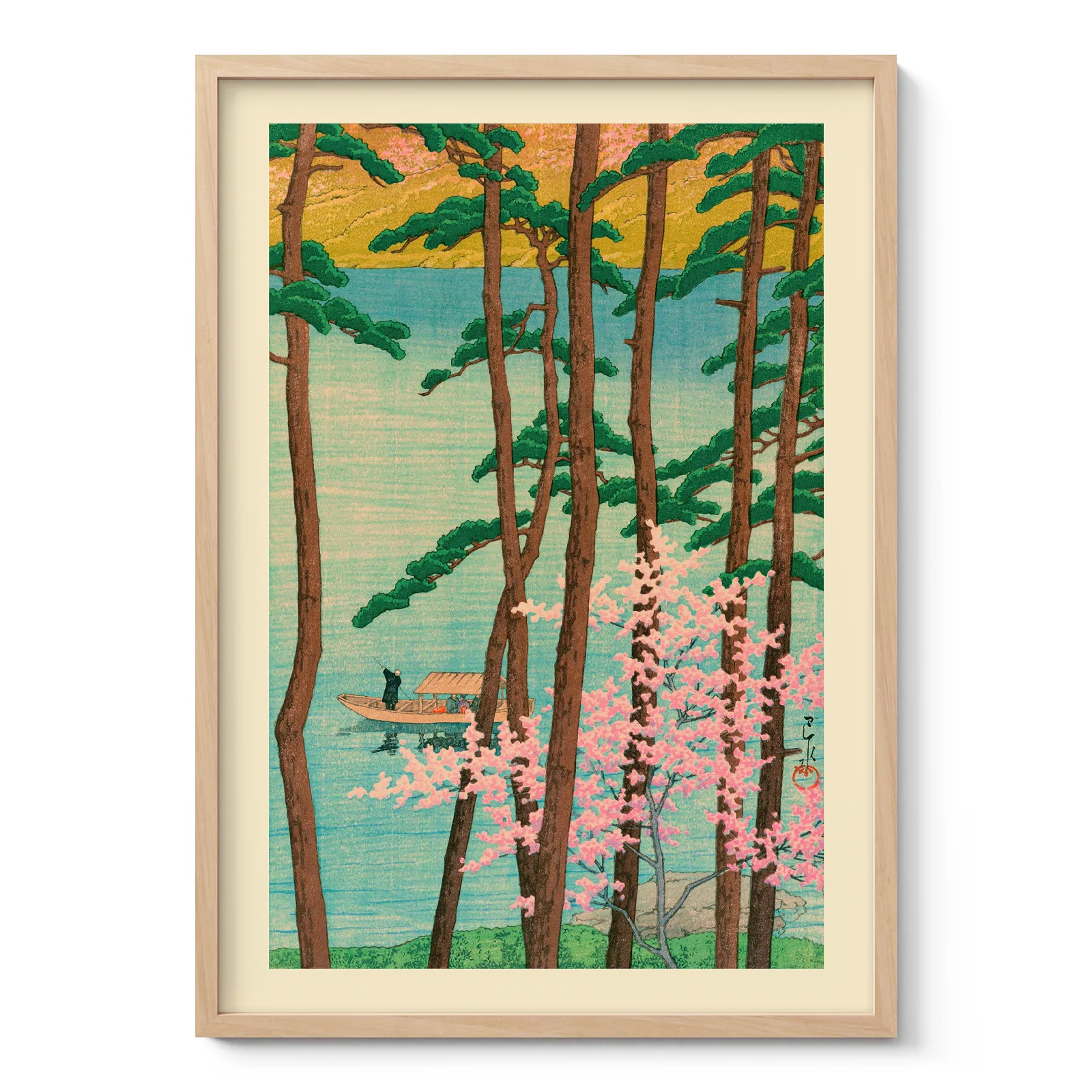
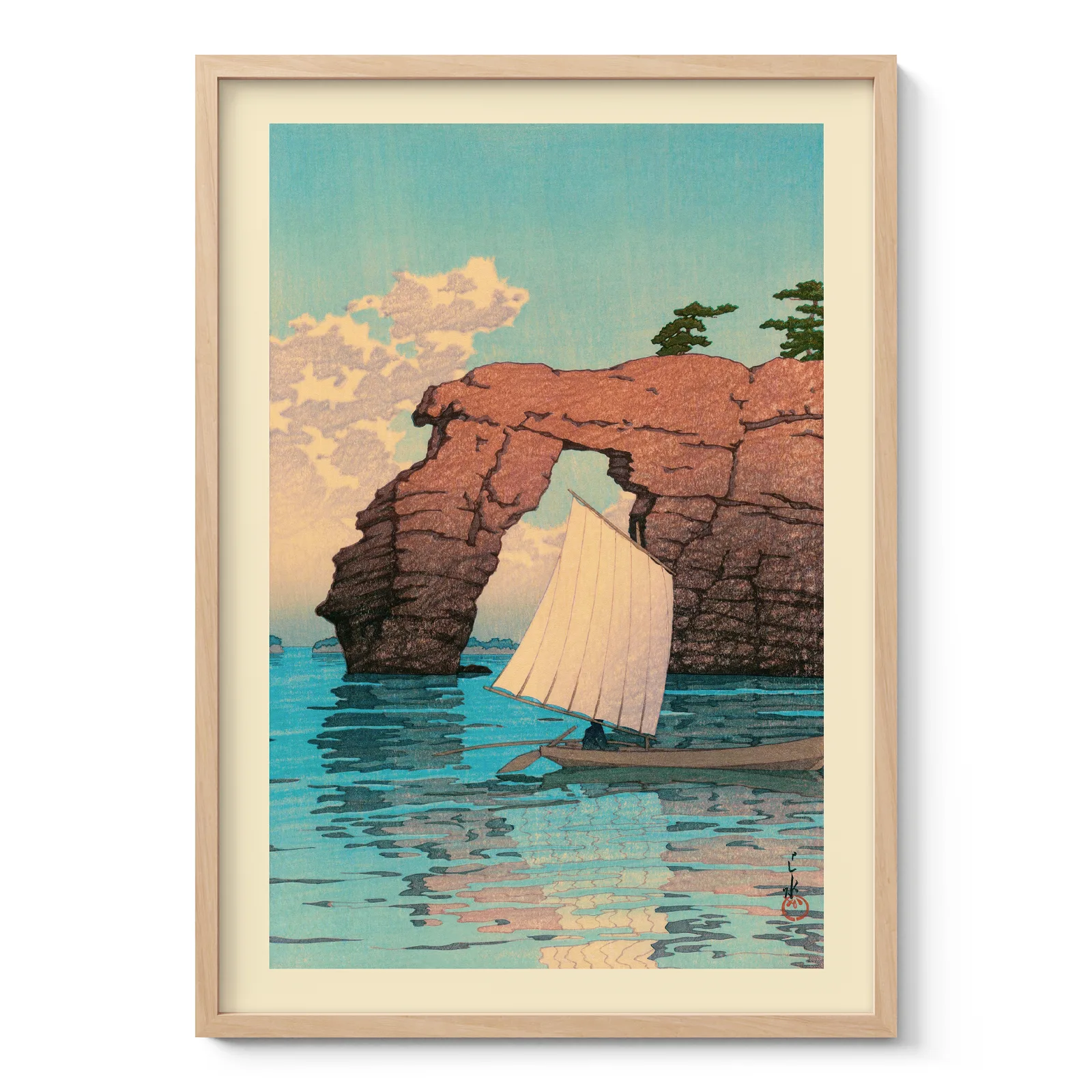
Hasui Kawase prints: quiet landscapes and Japanese atmosphere
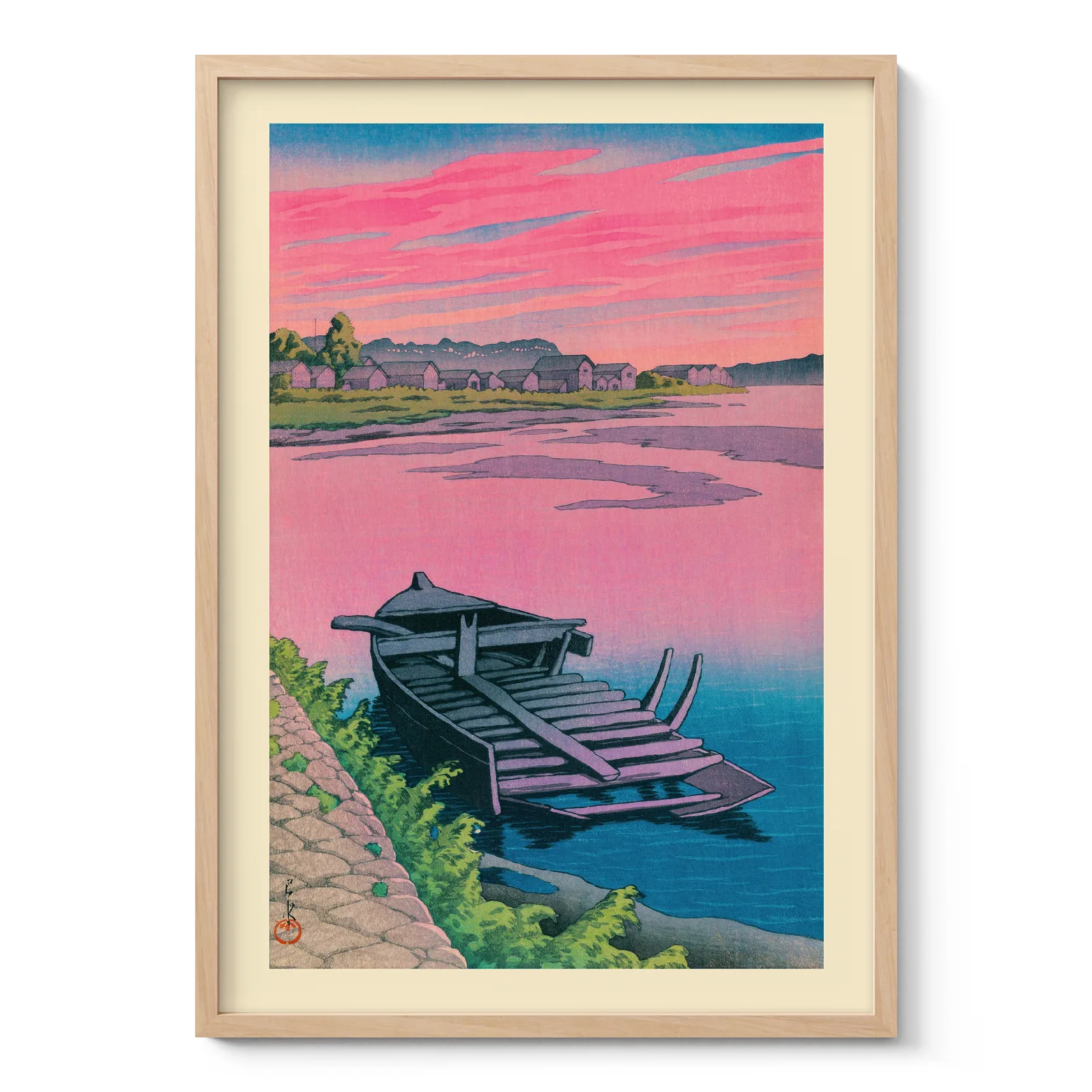
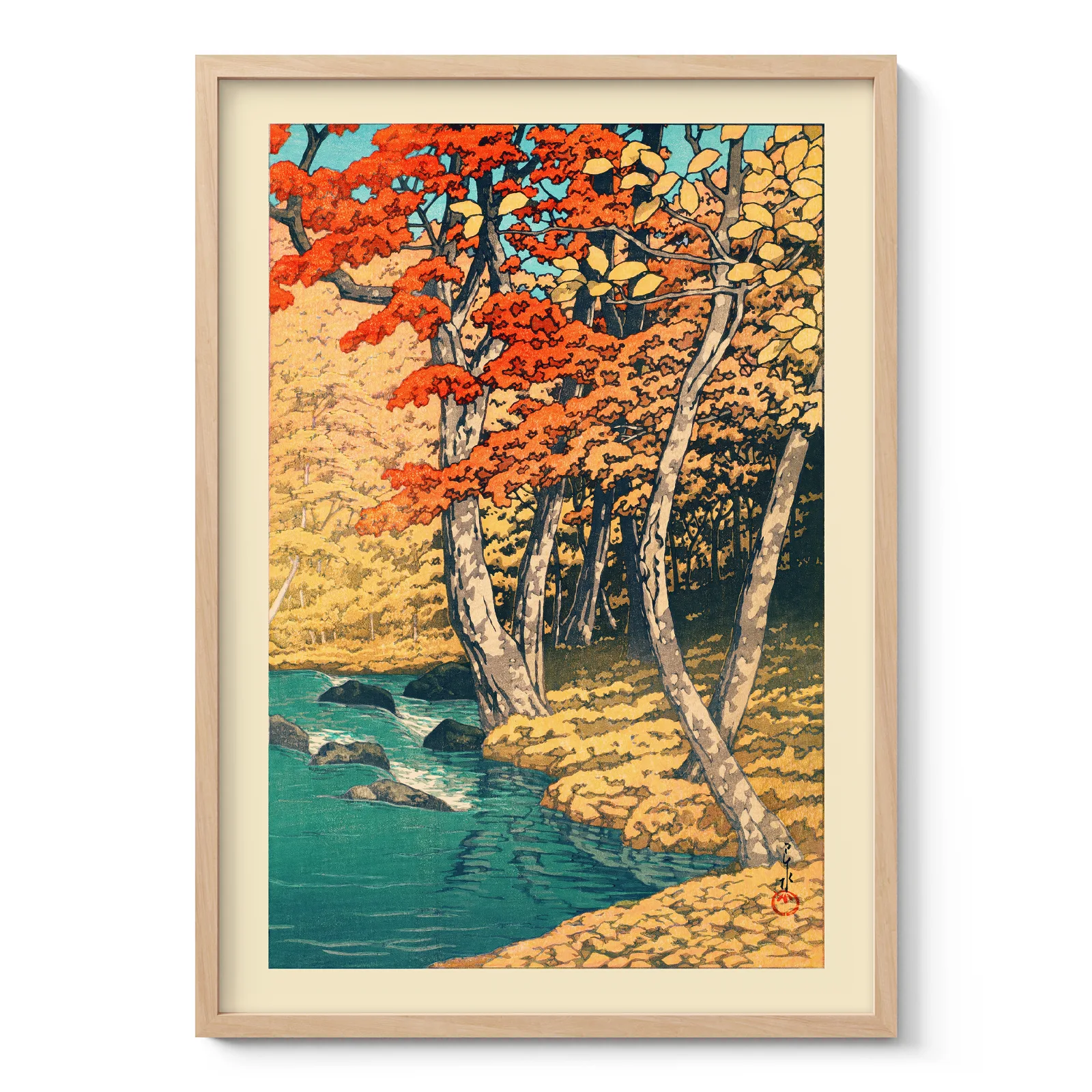
Hasui Kawase prints are loved for their calm landscapes, soft light and deep sense of place. Hasui Kawase, also written Kawase Hasui, was a Japanese artist who lived from 1883 to 1957. He became one of the leading figures of the Shin-hanga movement and is best known for Japanese landscape art.
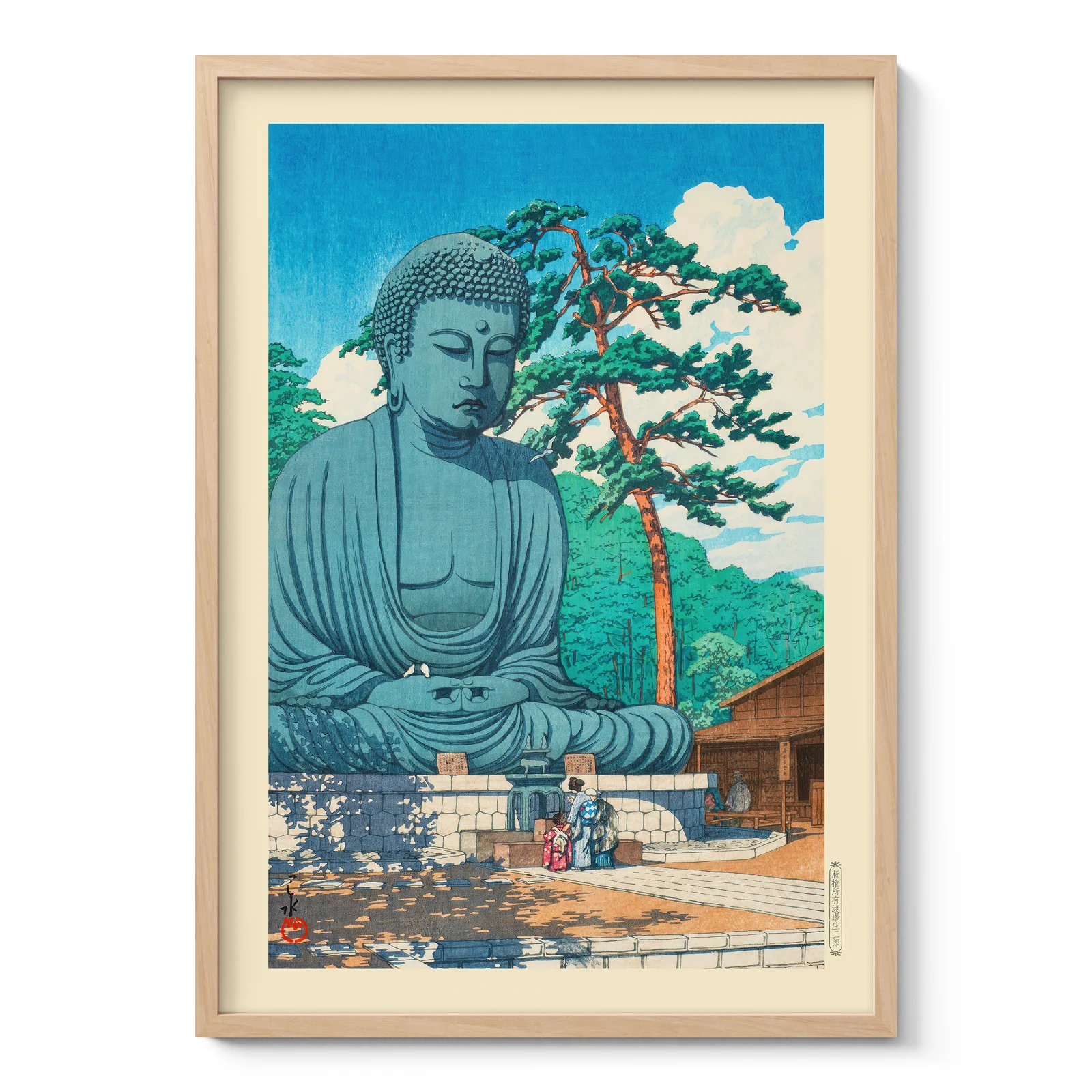
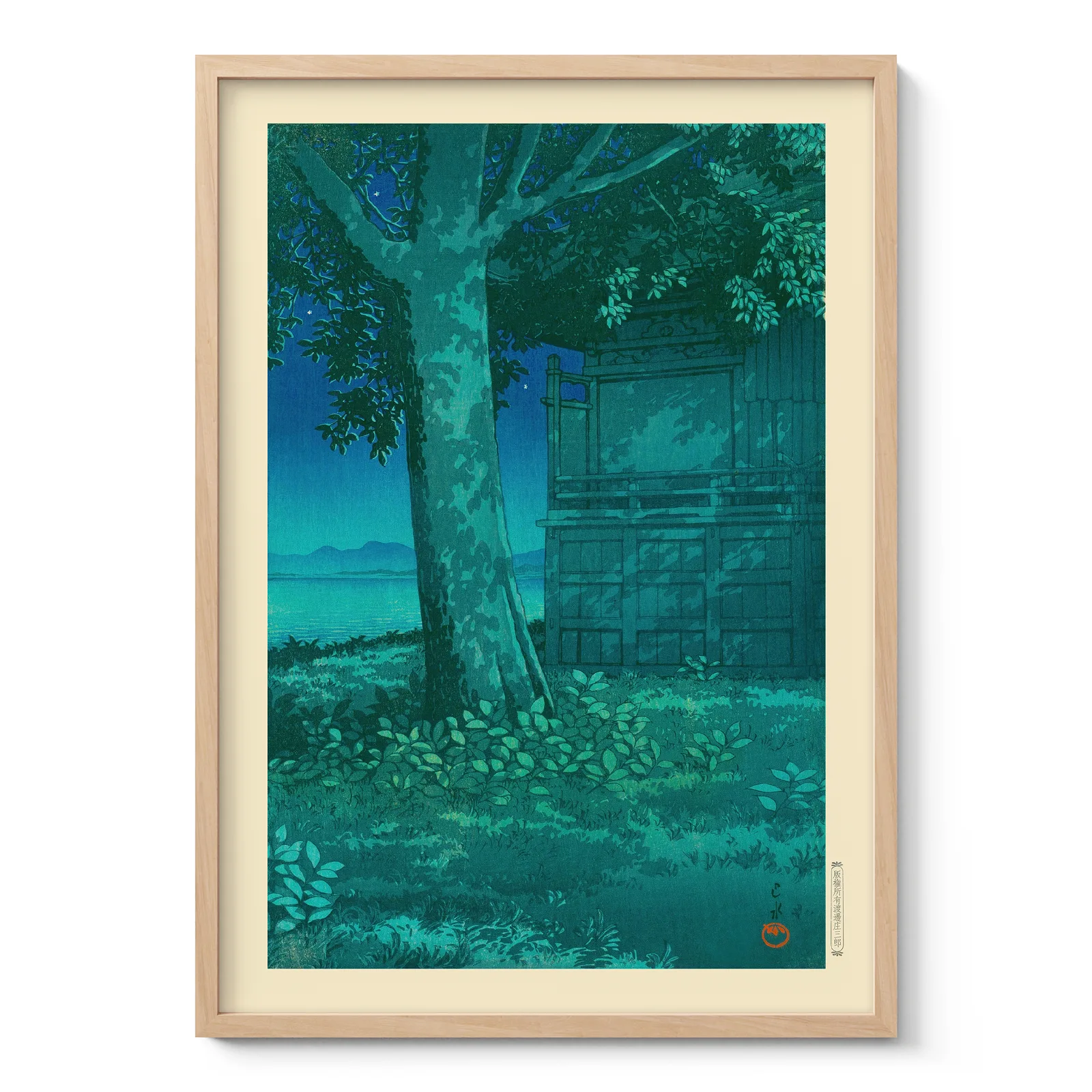
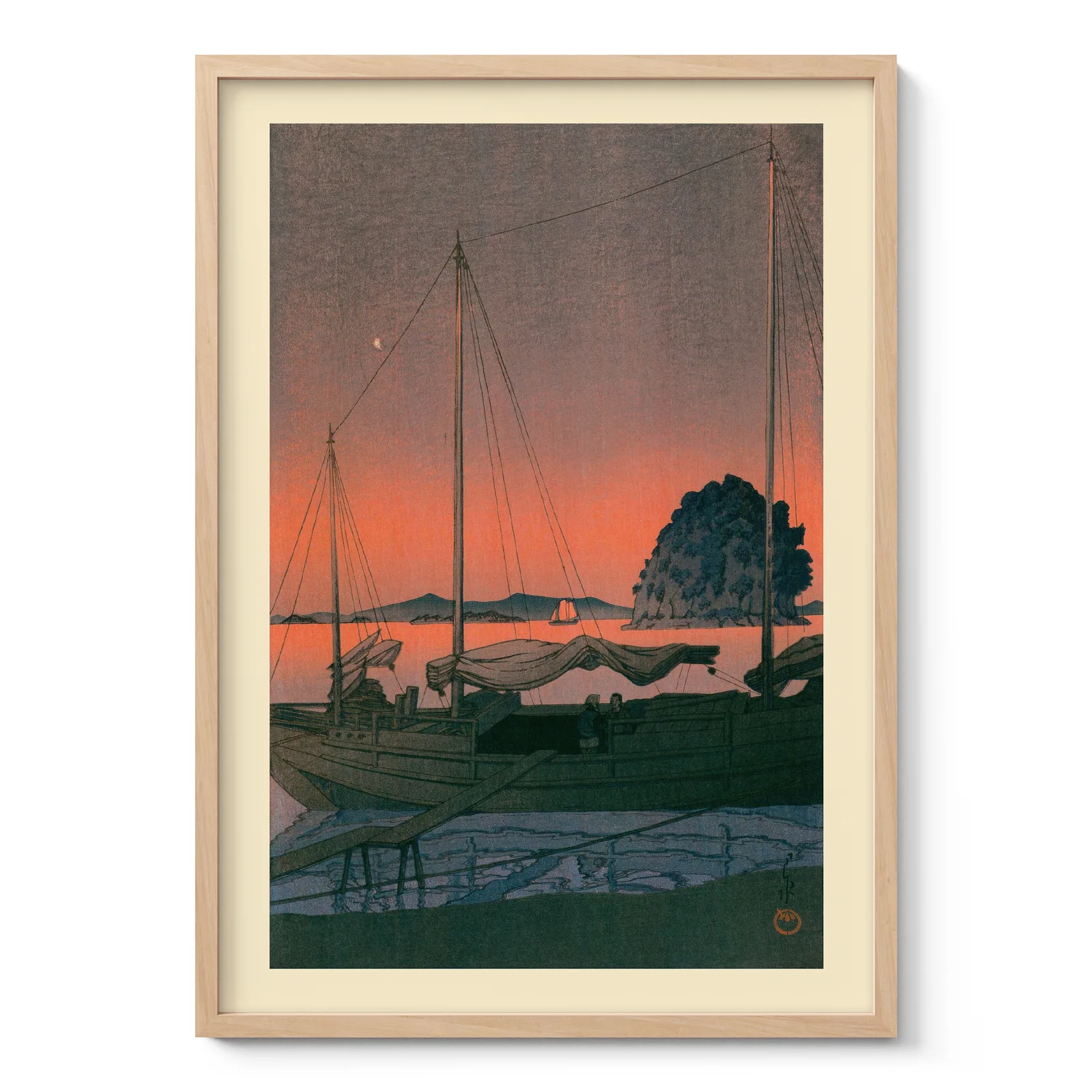
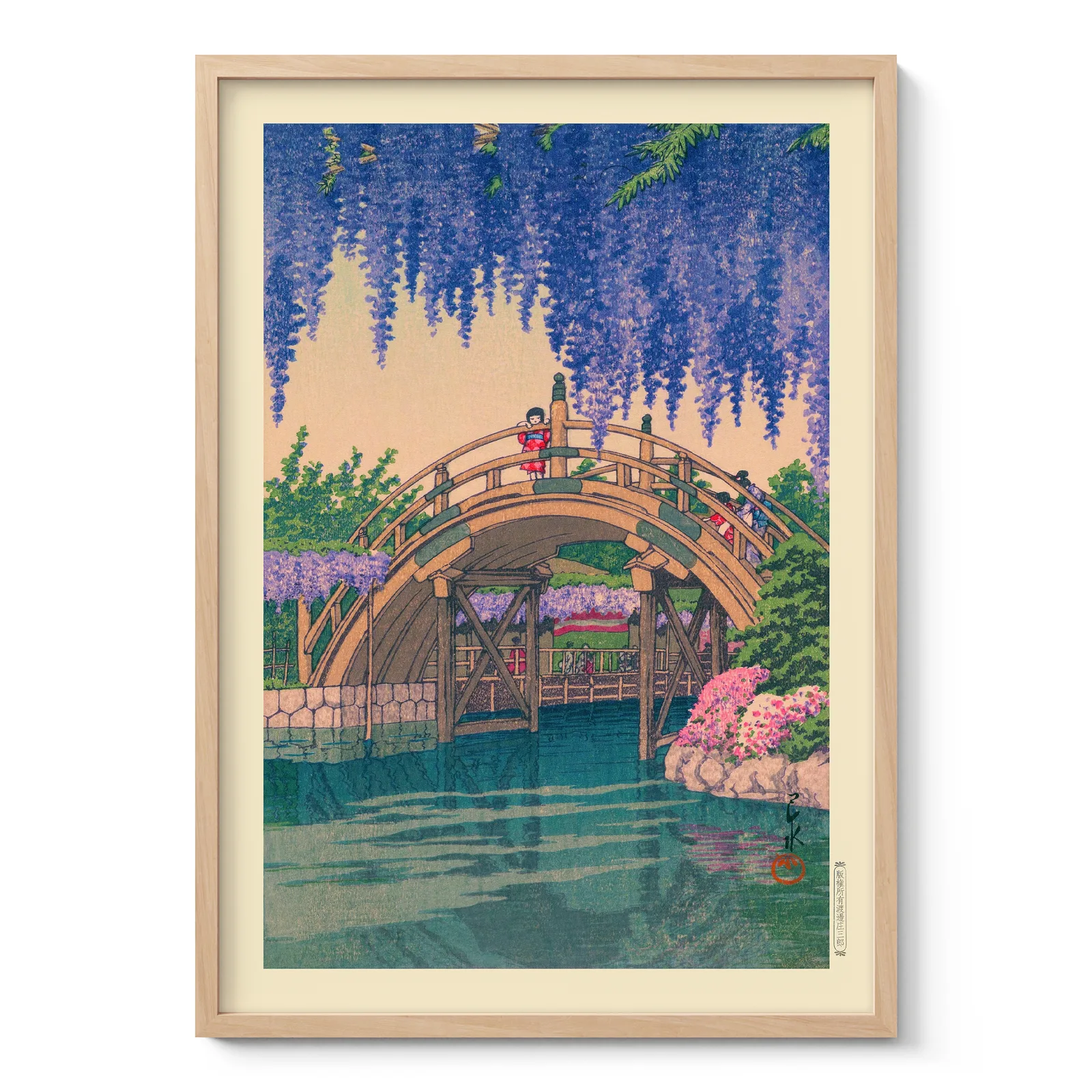
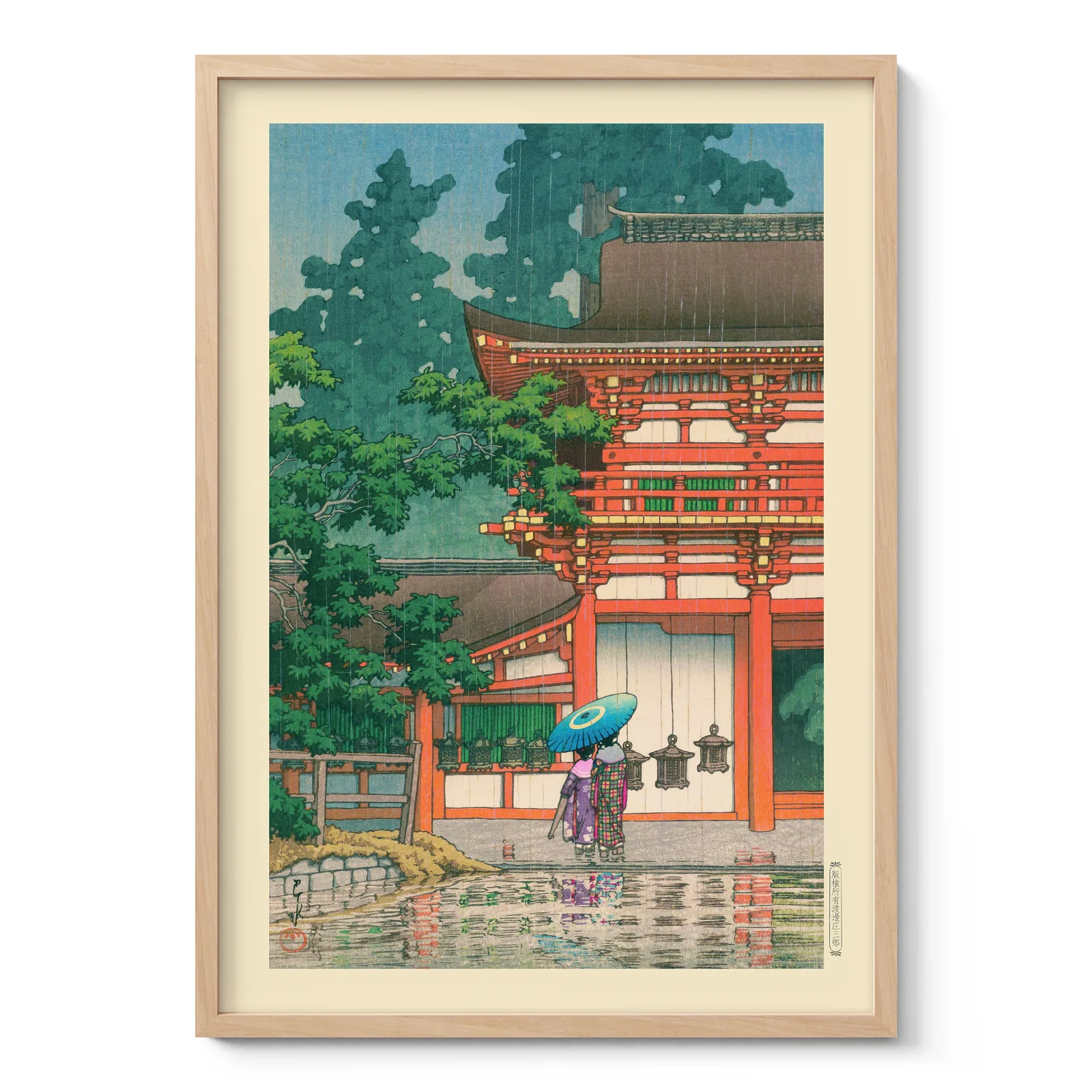
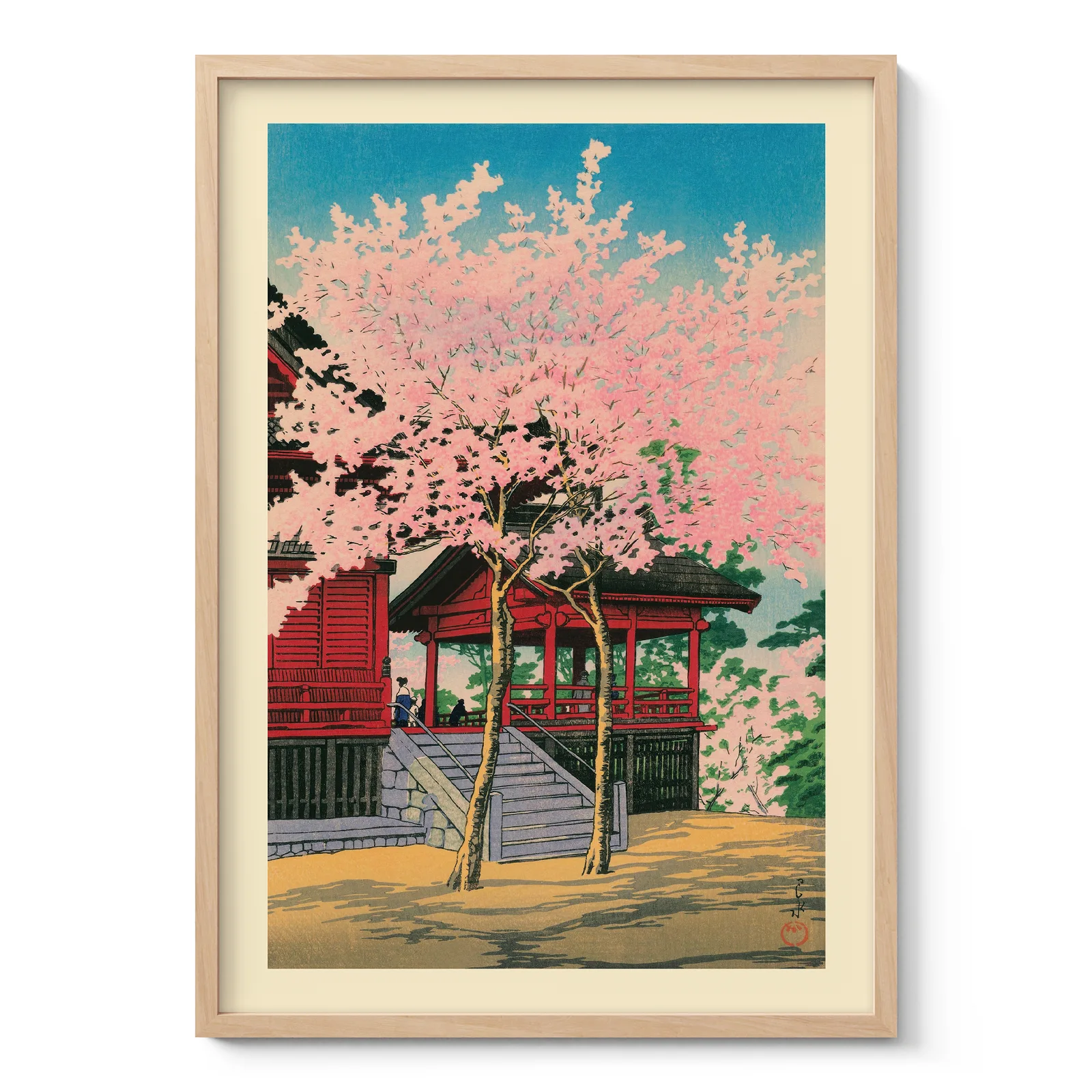
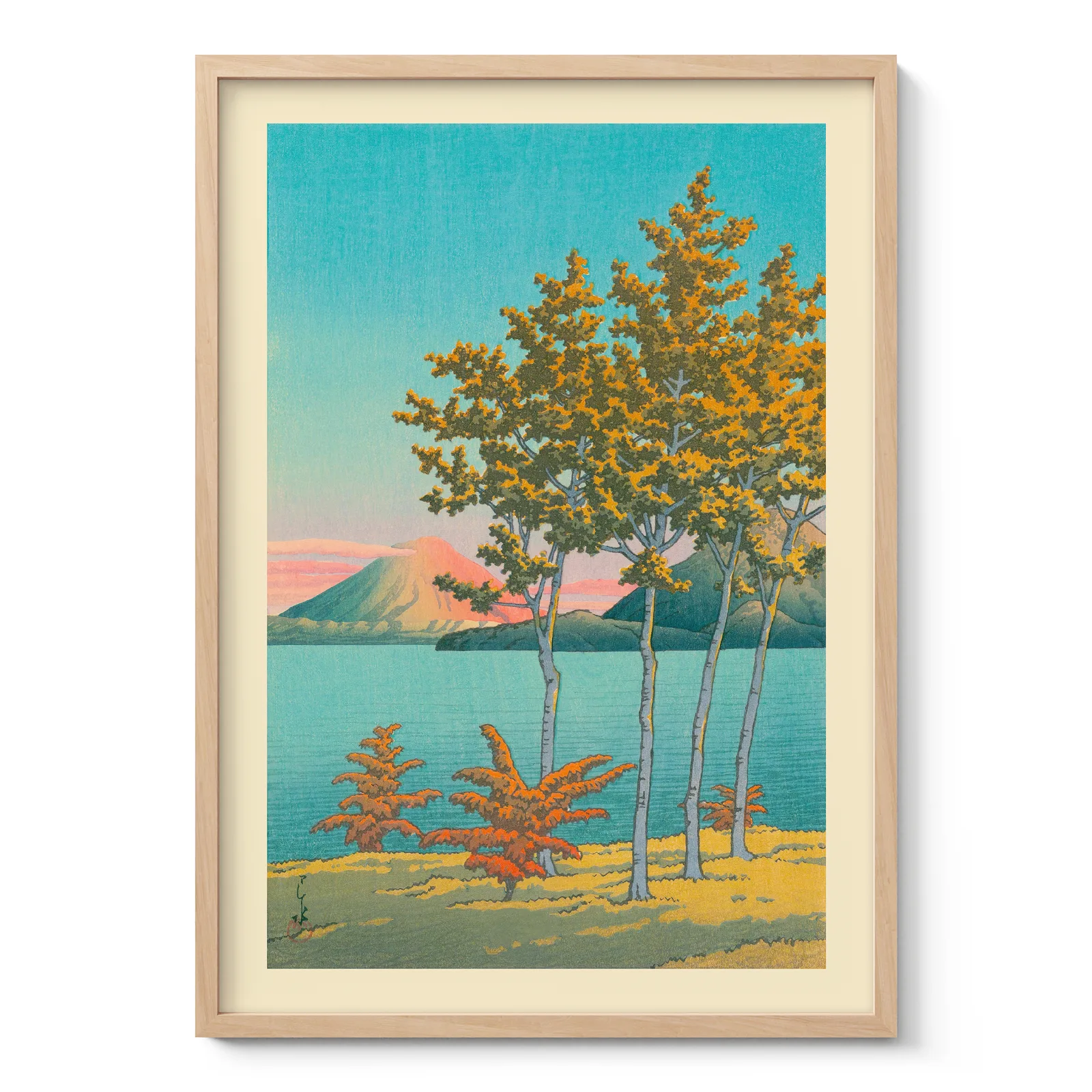
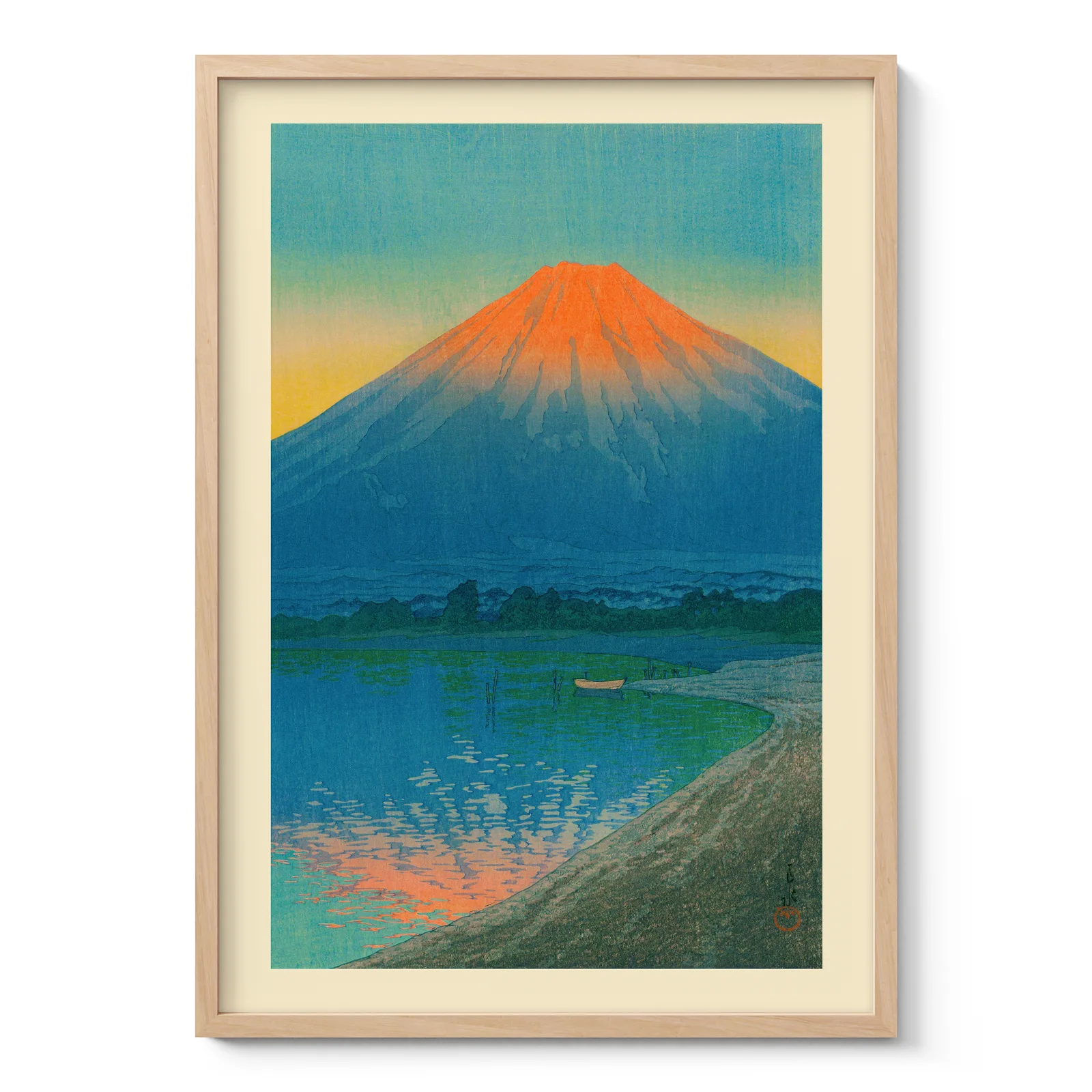
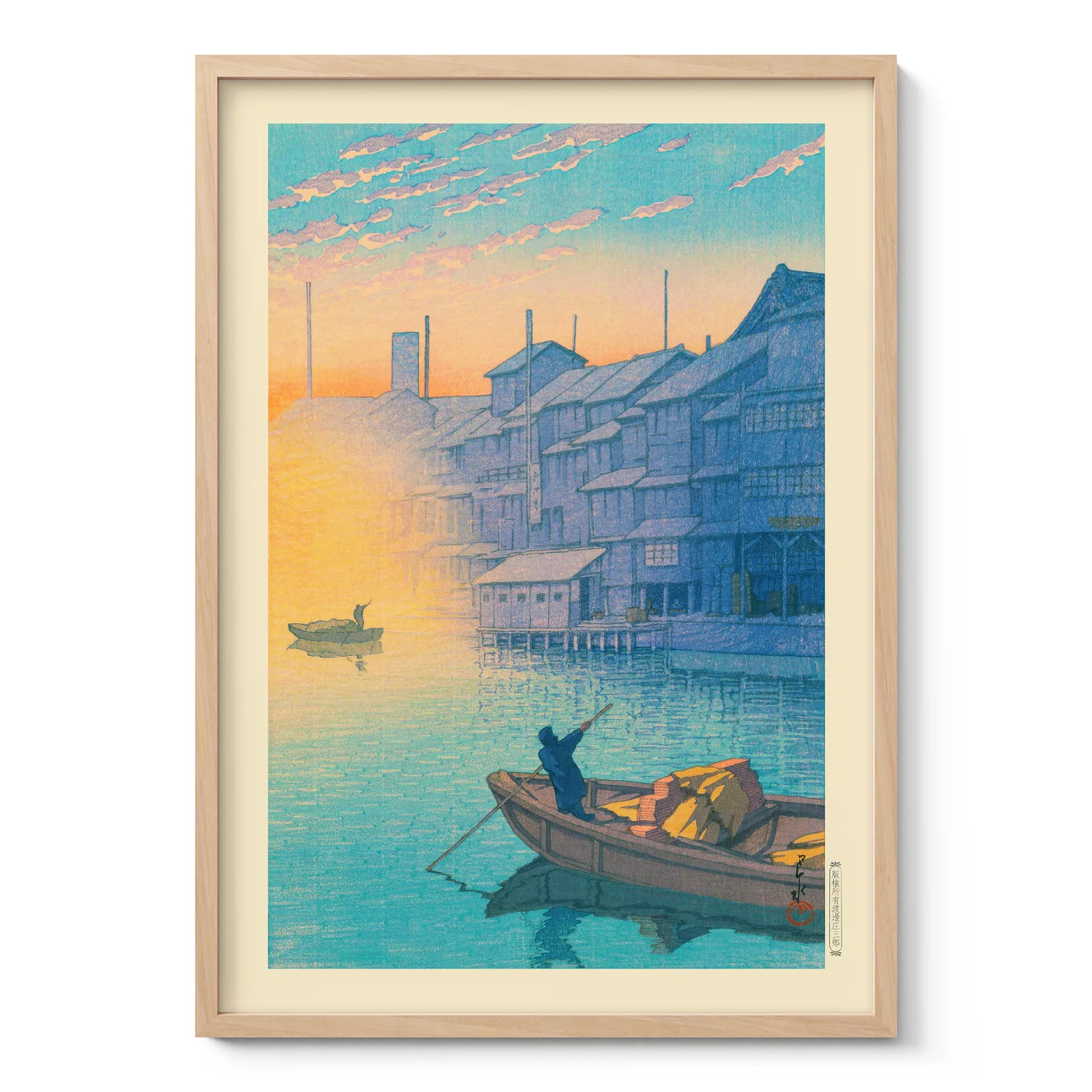
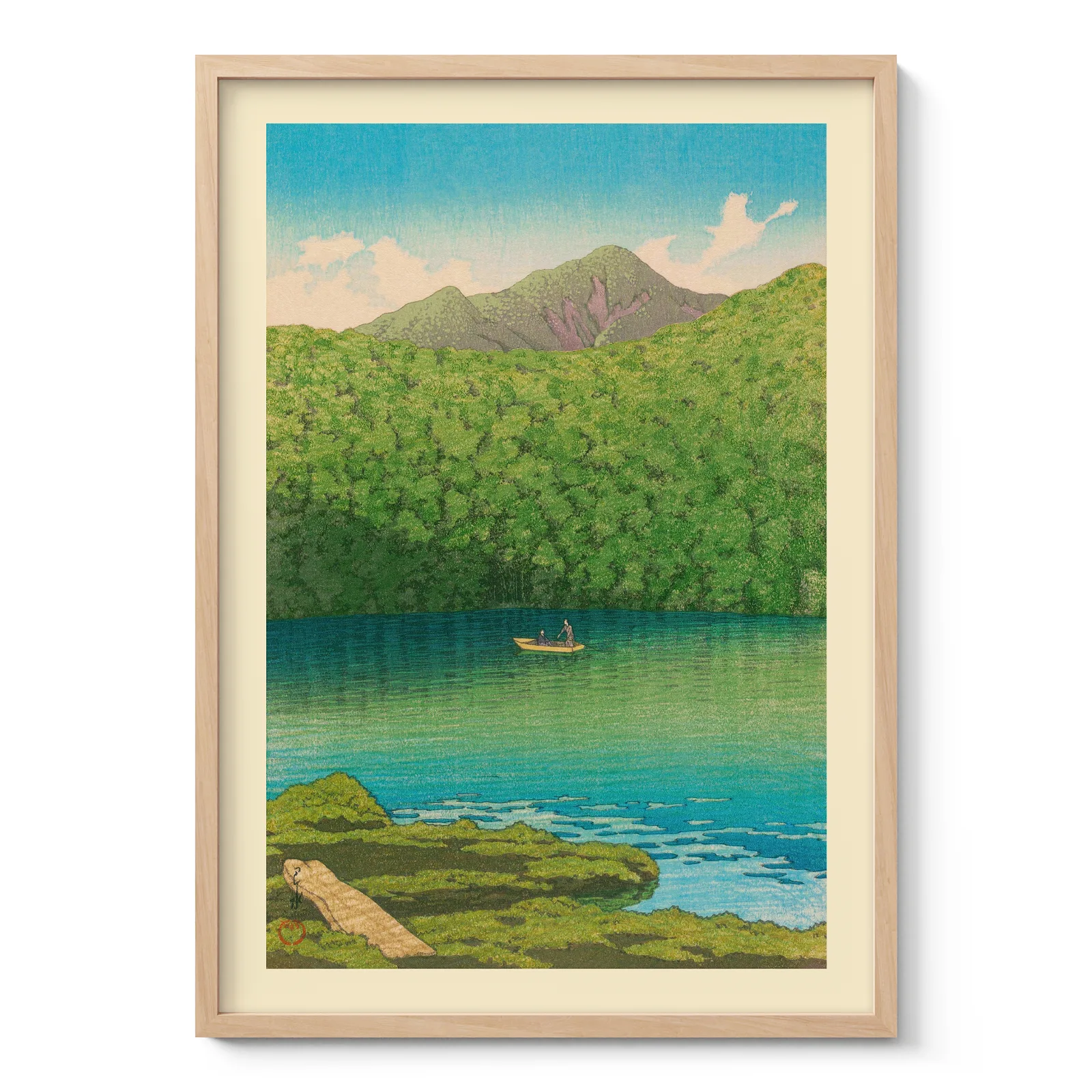
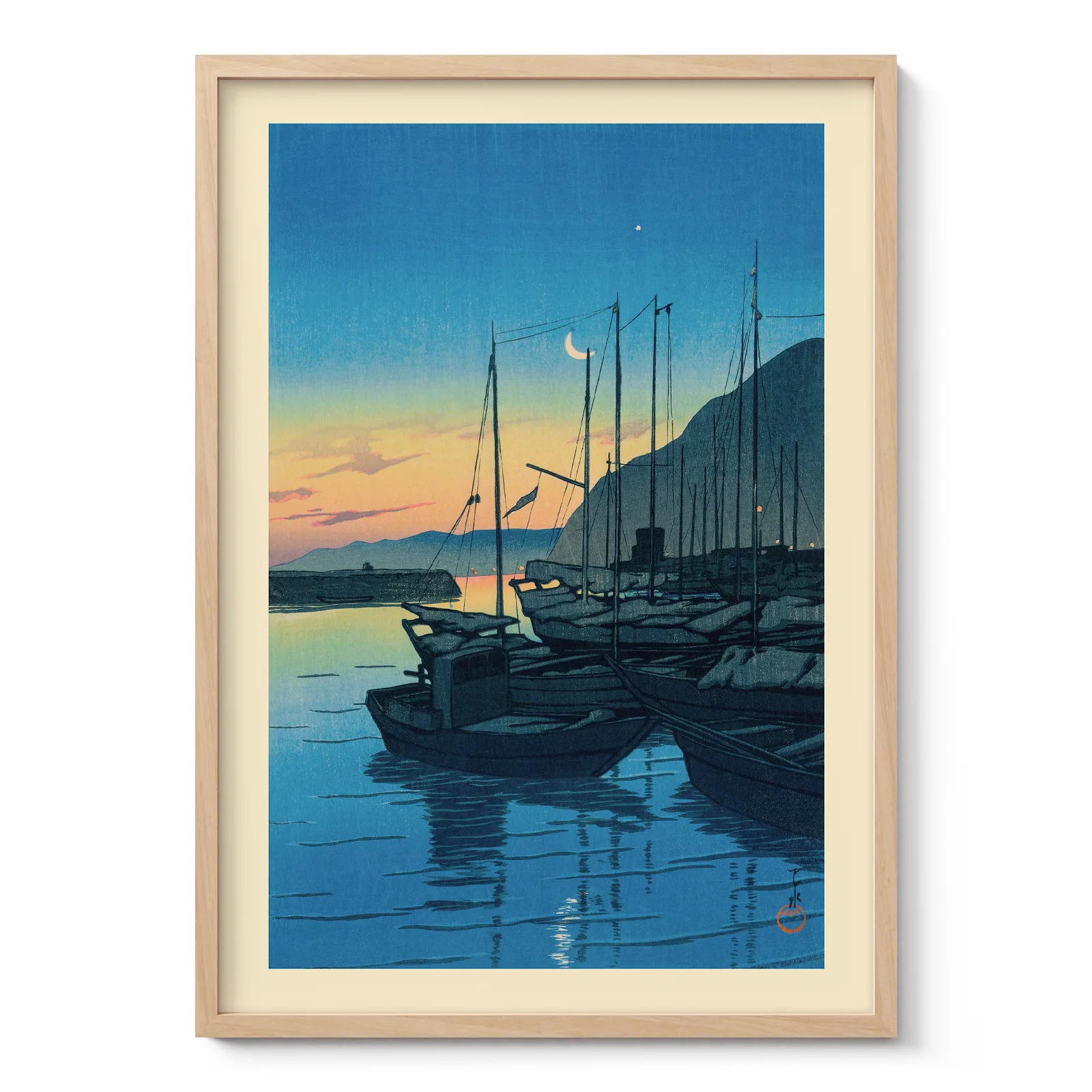
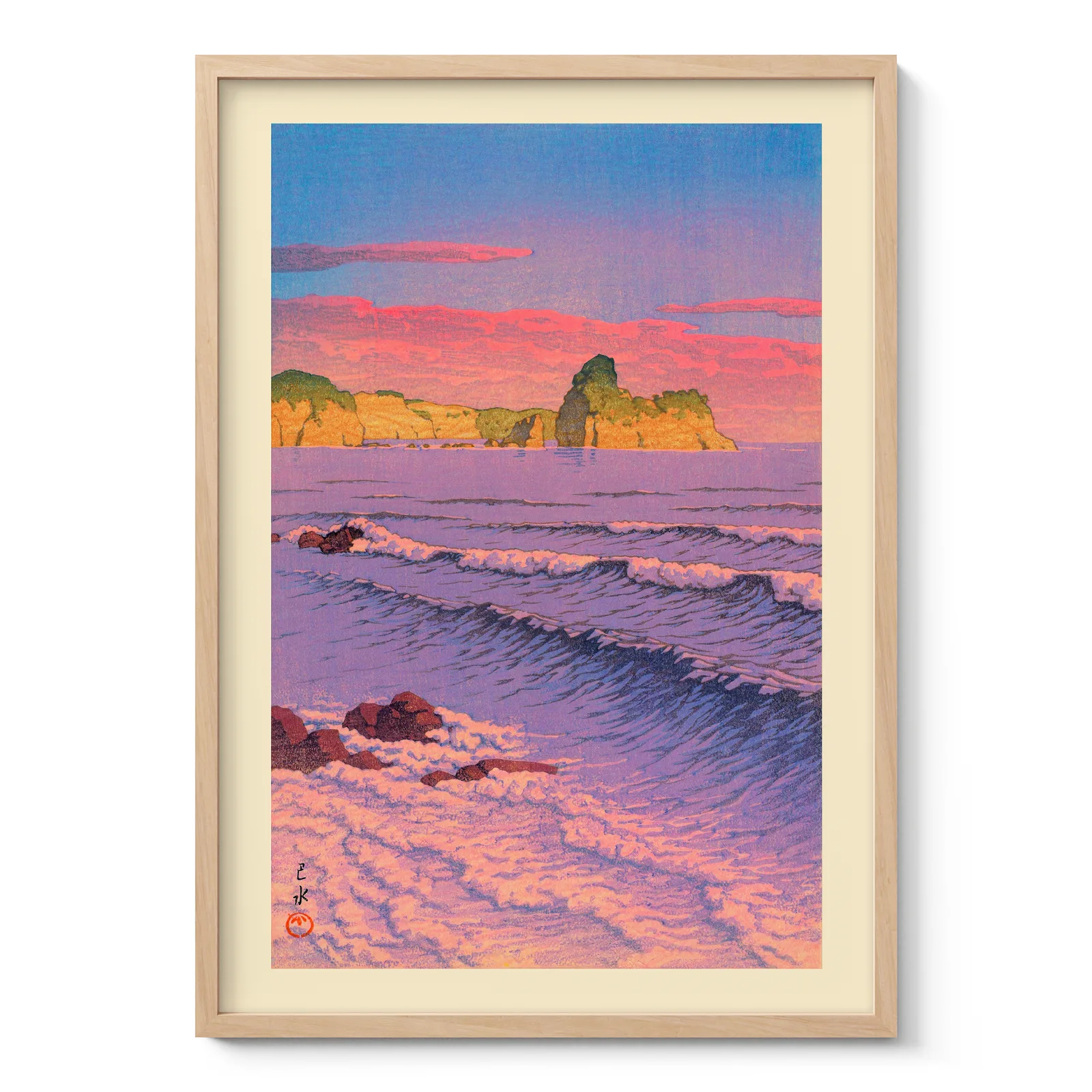
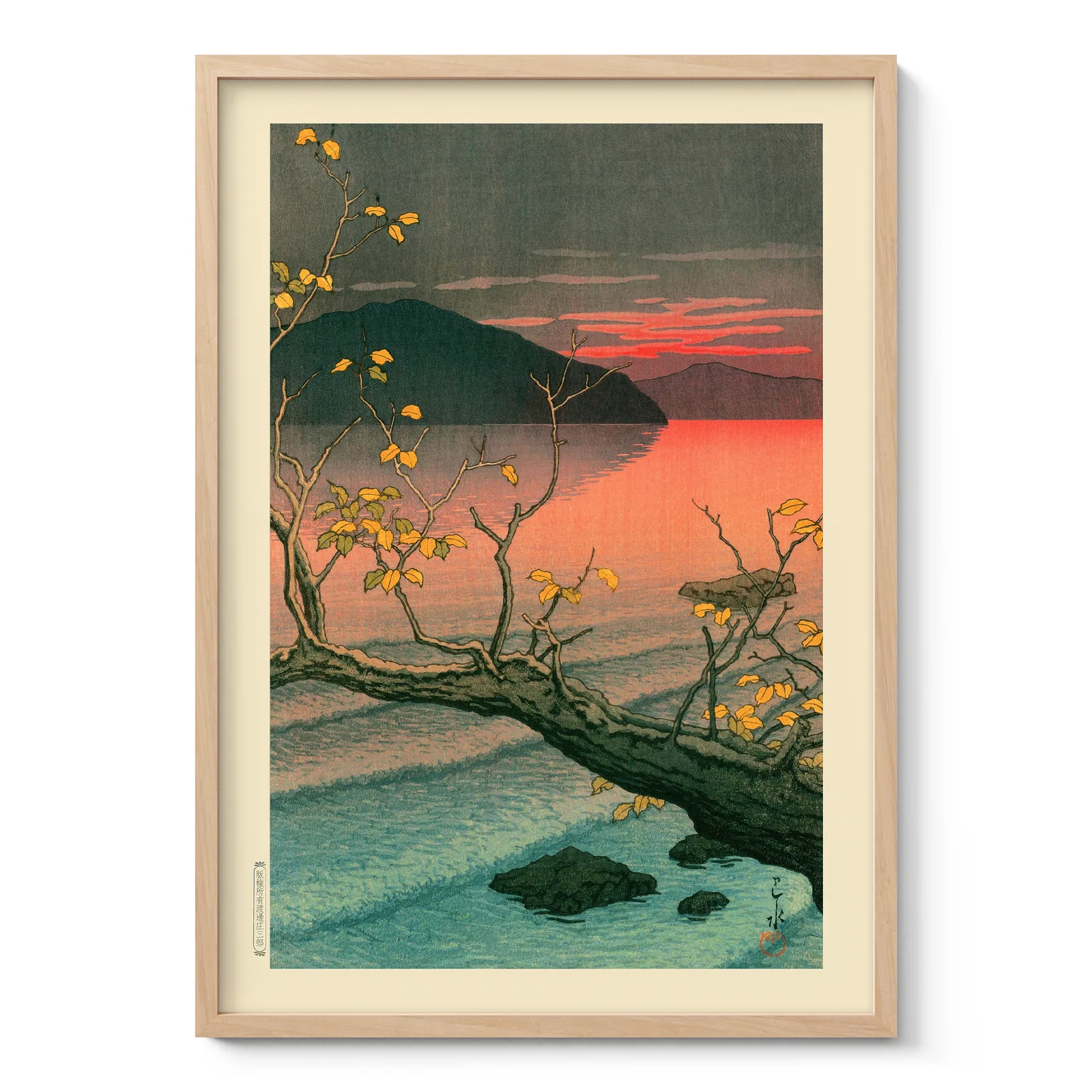
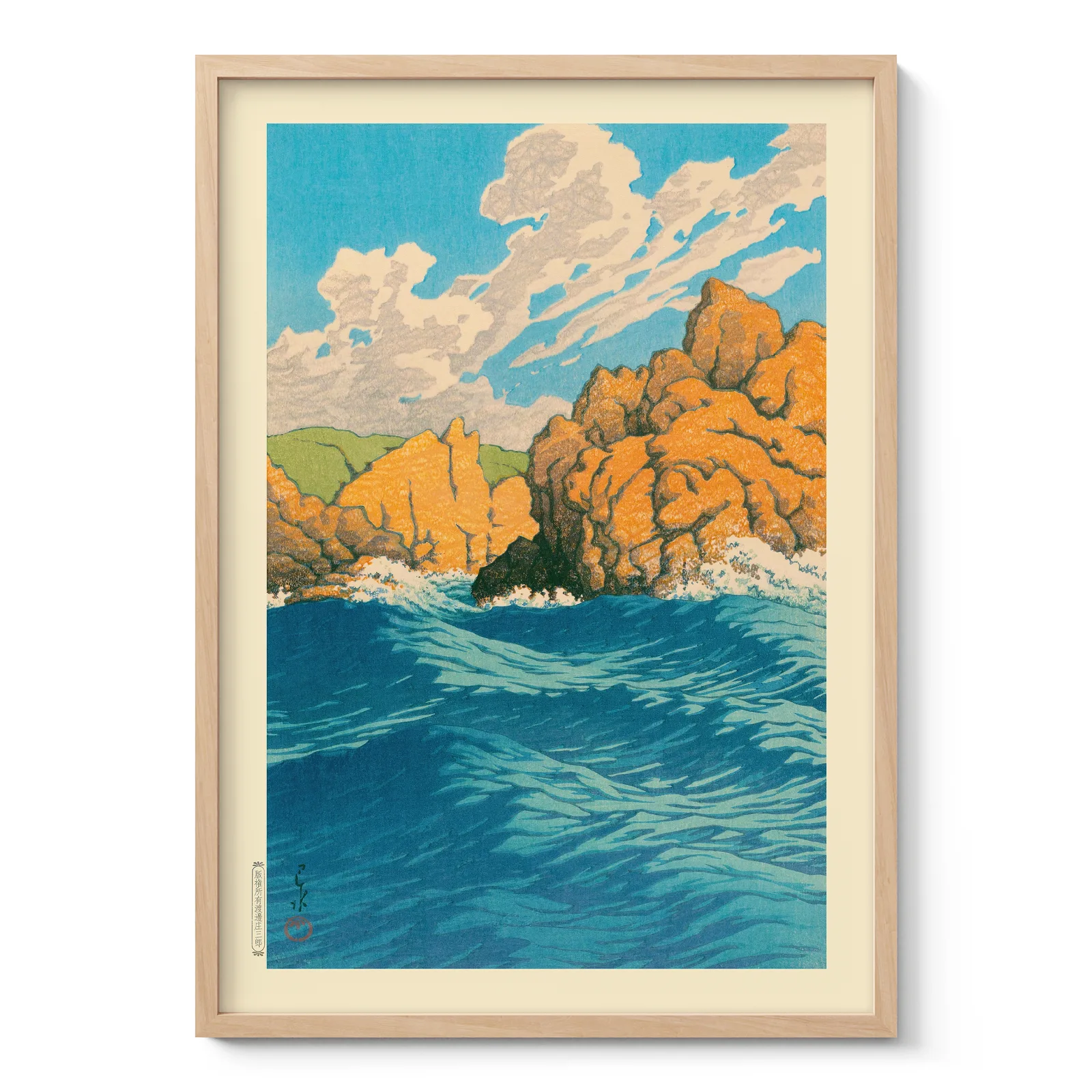
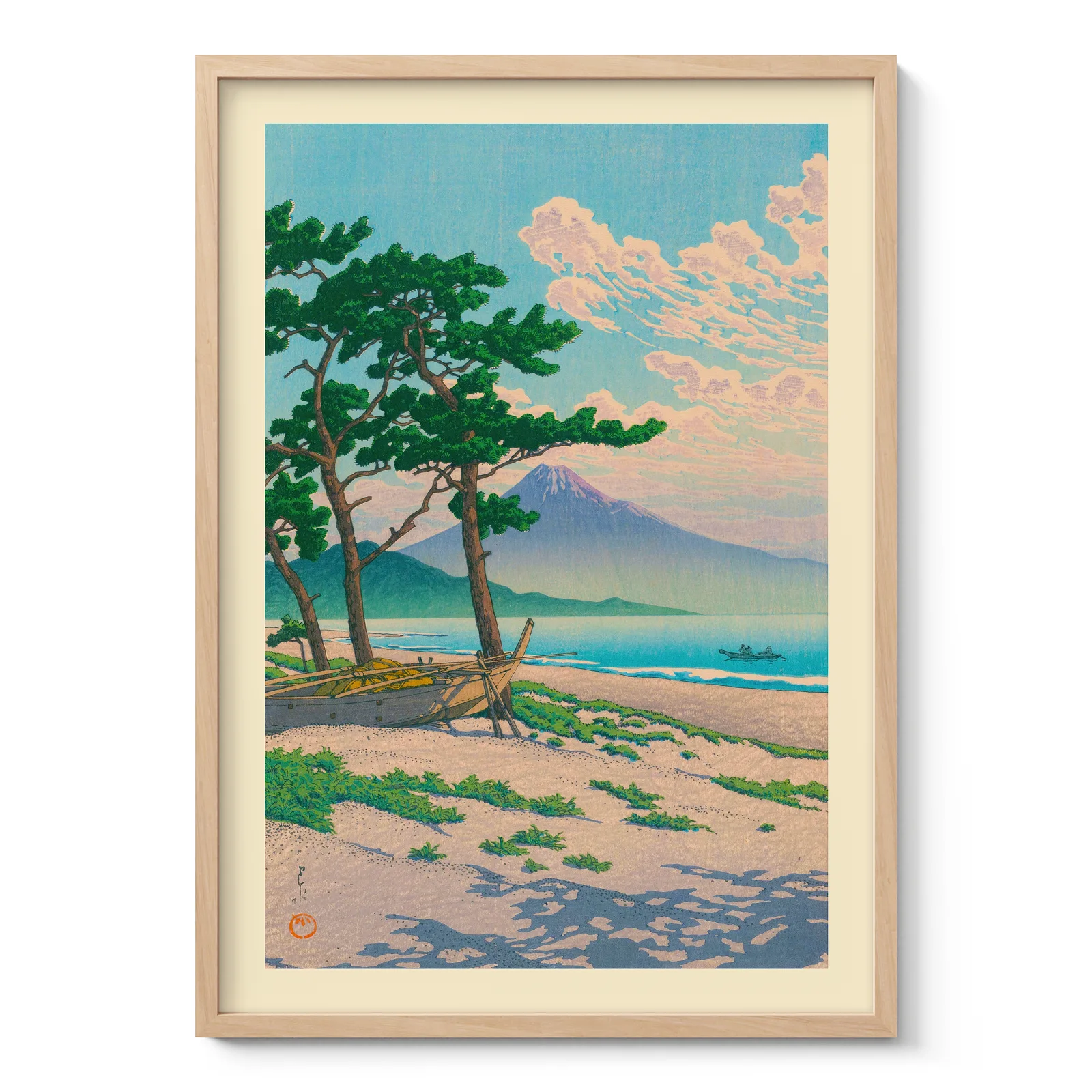
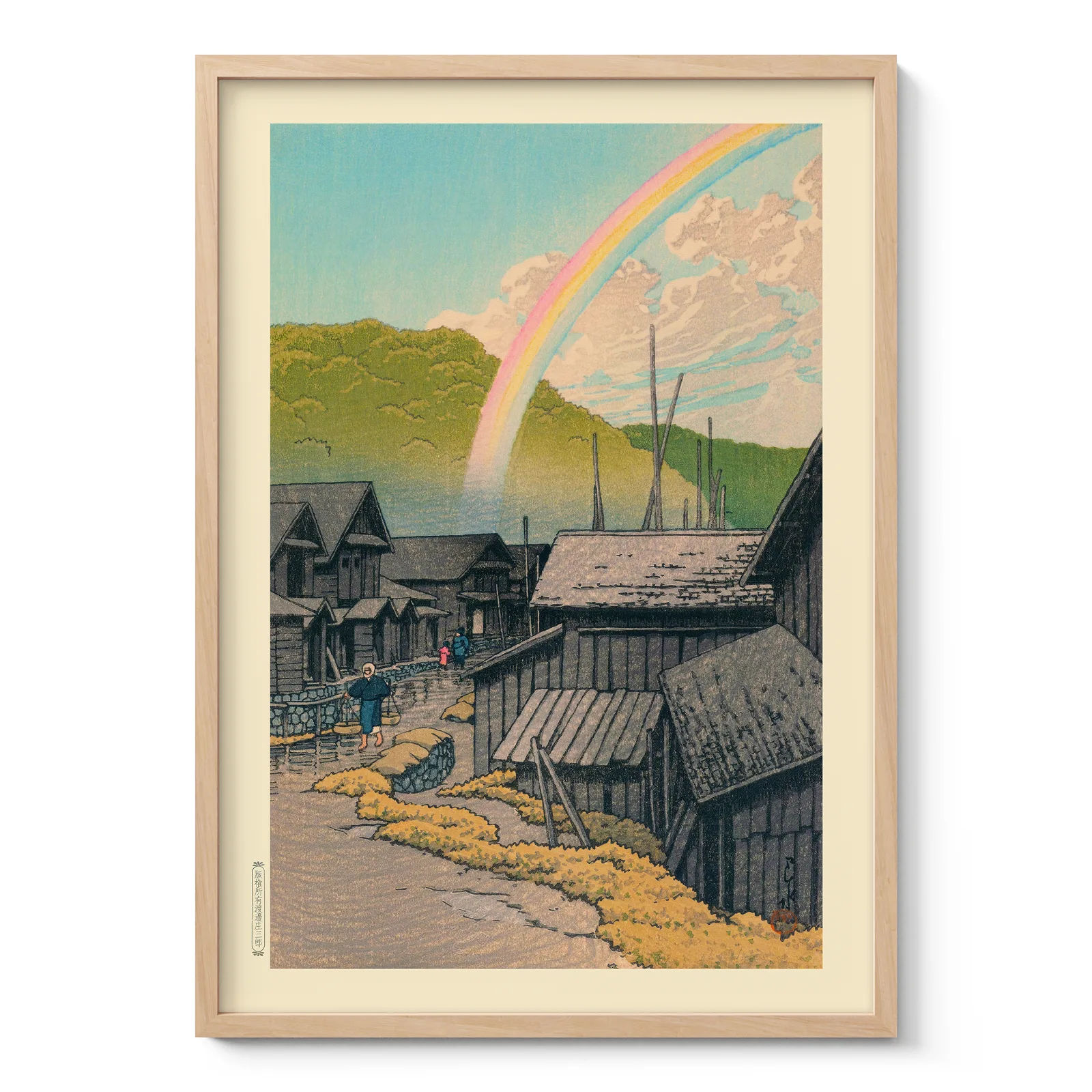
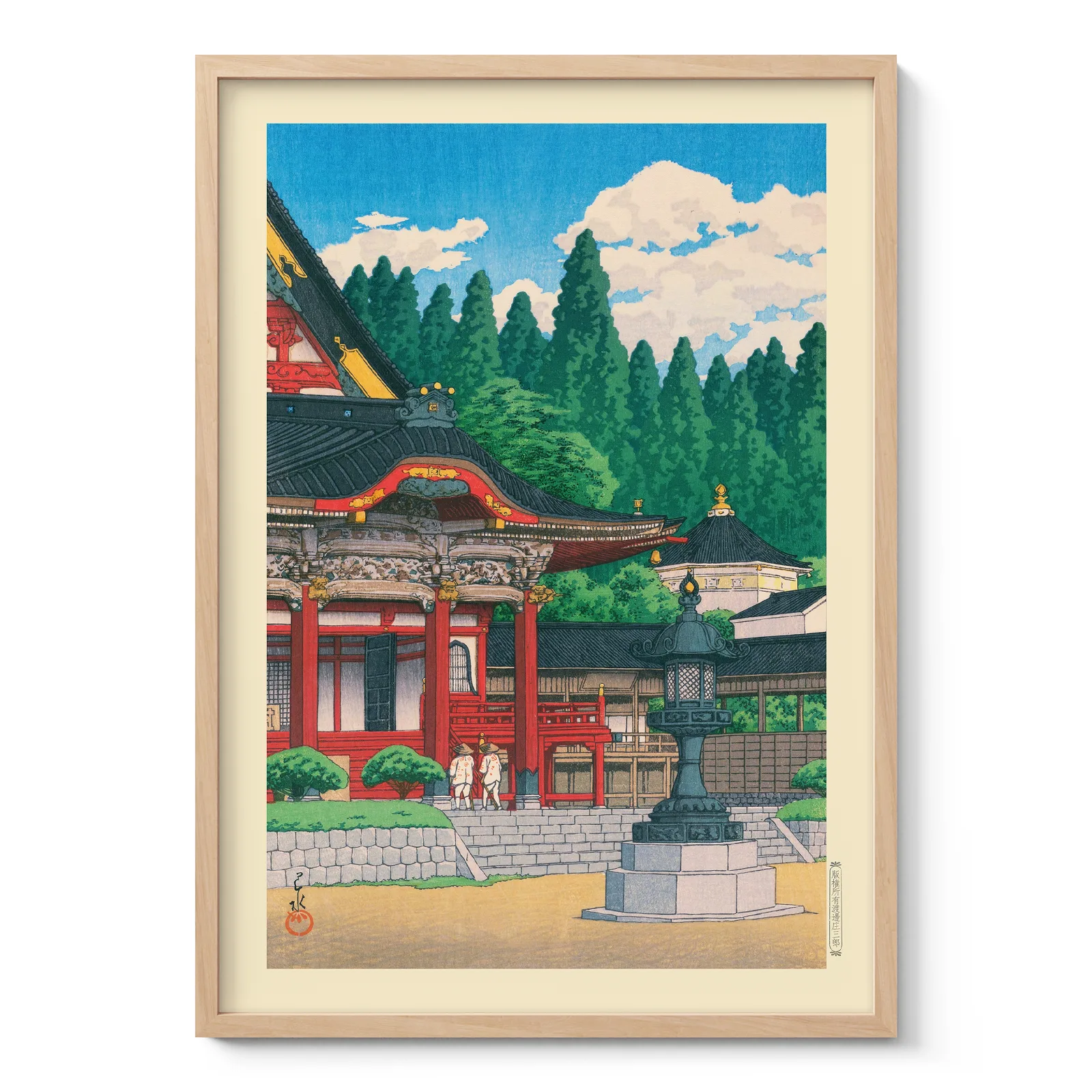
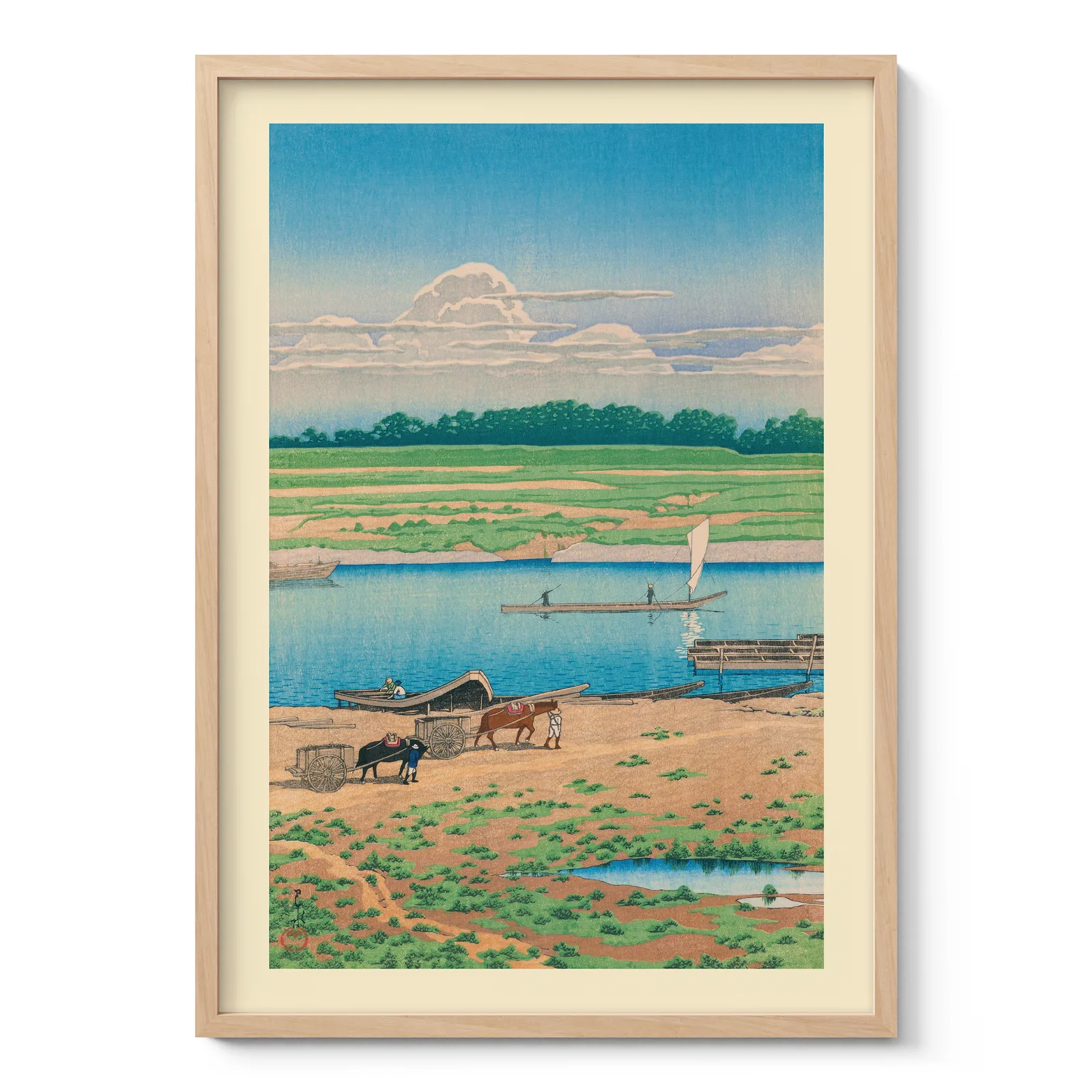
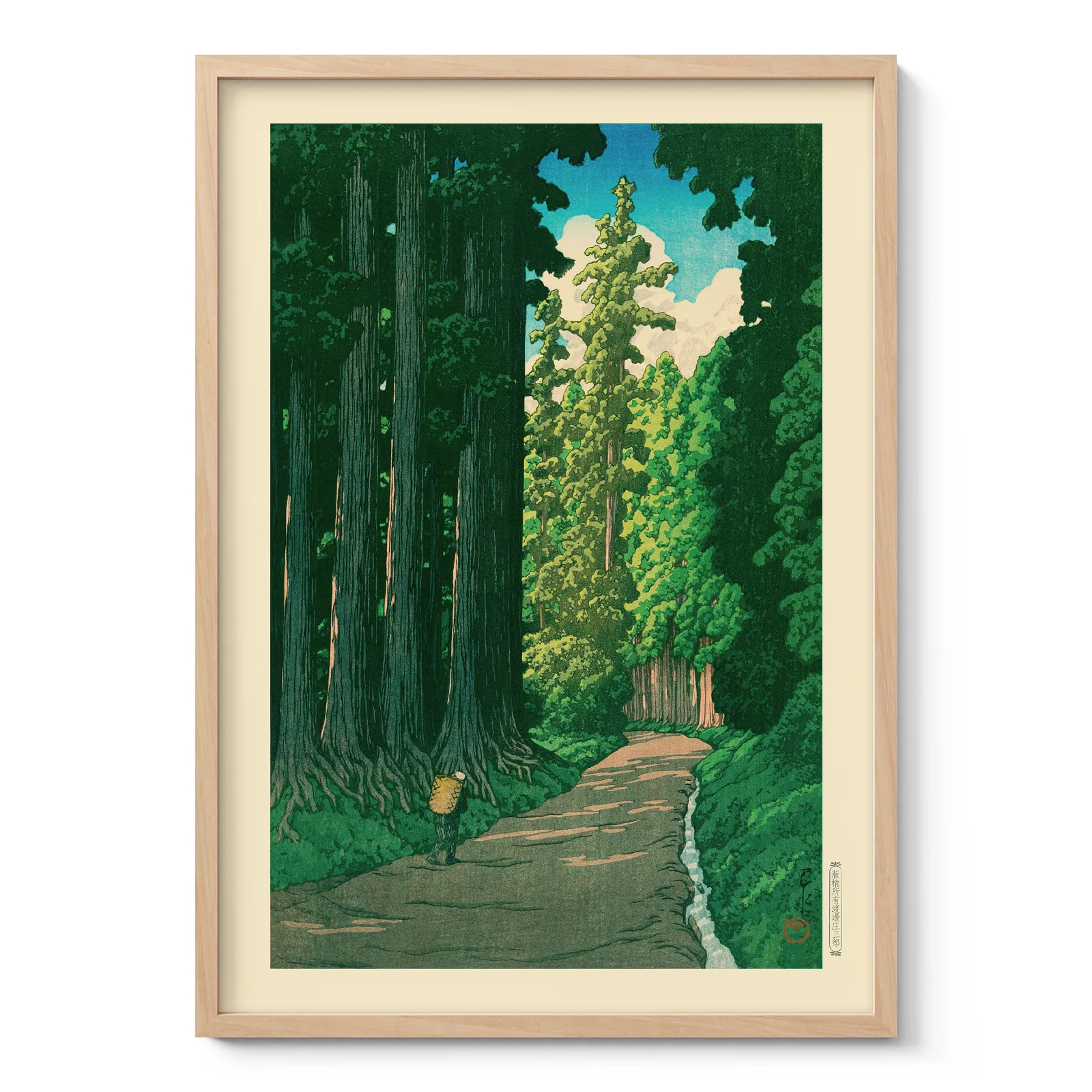
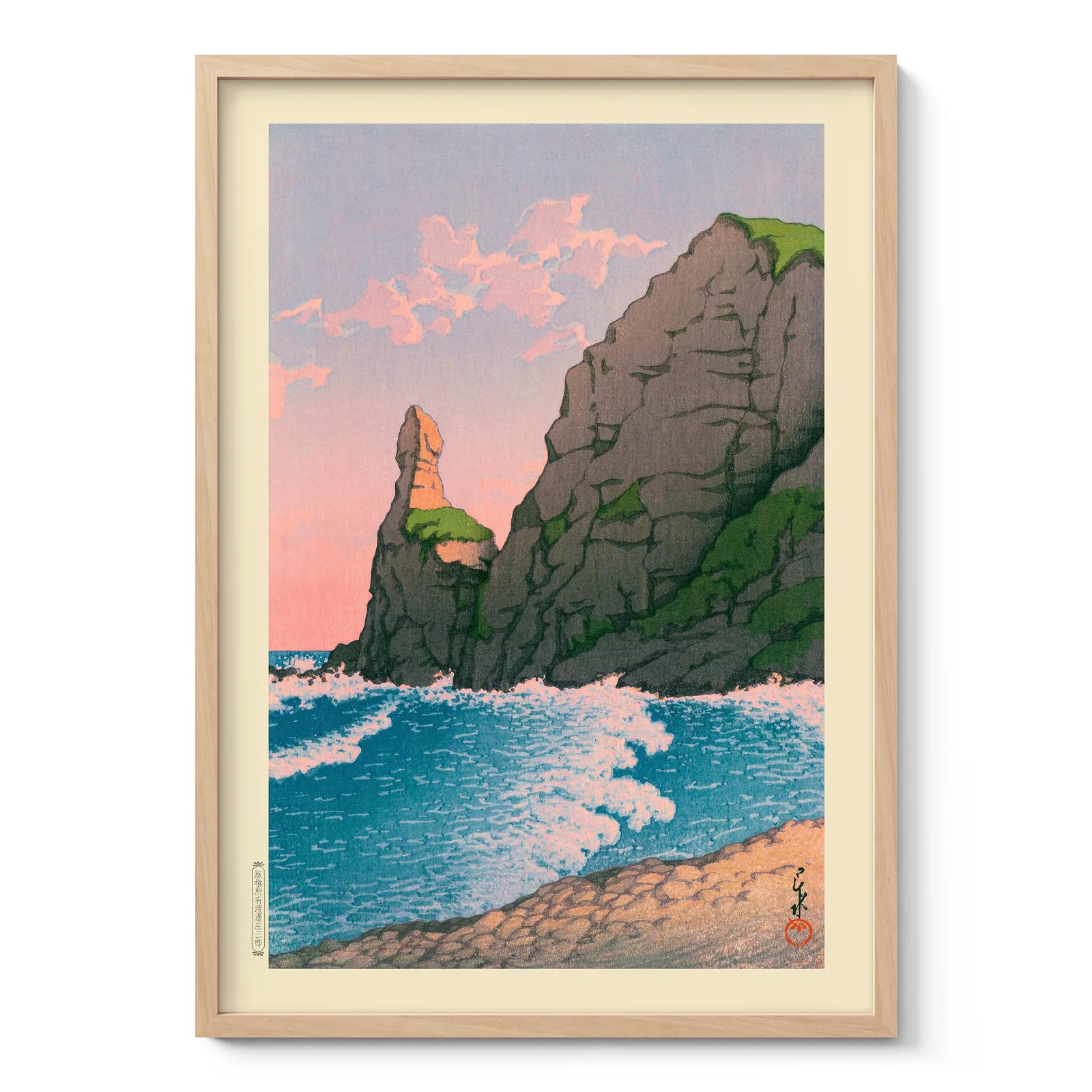
His work often shows temples, shrines, villages, lakes, rivers, mountains, coastal views, snow, rain and moonlight. These scenes feel quiet, but they are never empty. They capture a specific moment in weather, season and light.
Who was Hasui Kawase?
Hasui studied both traditional Japanese art and Western-style painting before developing his own landscape style. His travels across Japan gave him many subjects, from Tokyo streets to remote mountain villages and coastal towns.
Hasui Kawase prints are closely connected with publisher Watanabe Shōzaburō, who helped lead the Shin-hanga revival. In this system, the artist created the design, while skilled engravers and printers translated it into woodblock form. The result depended on teamwork, craftsmanship and careful colour printing.
This collaboration allowed Hasui’s delicate atmosphere to survive in printed form. A rainy street, a snowy temple or a lake at dusk could be printed with subtle tone and depth.
Shin-hanga and Japanese woodblock tradition
Shin-hanga means “new prints.” The movement developed in the early twentieth century and renewed Japanese woodblock printing for a modern audience. It respected older Ukiyo-e traditions but placed more focus on mood, light, natural scenery and painterly effects.
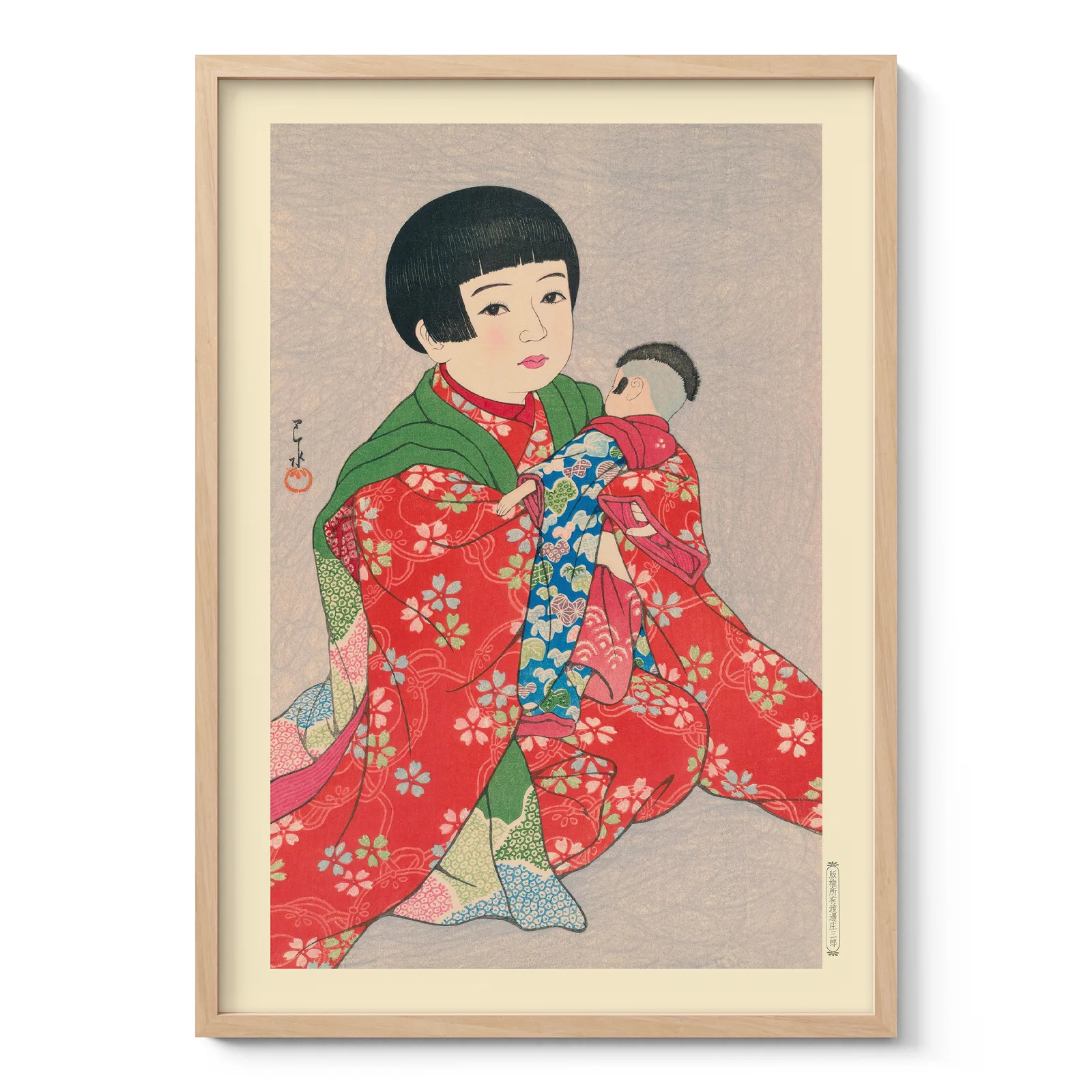
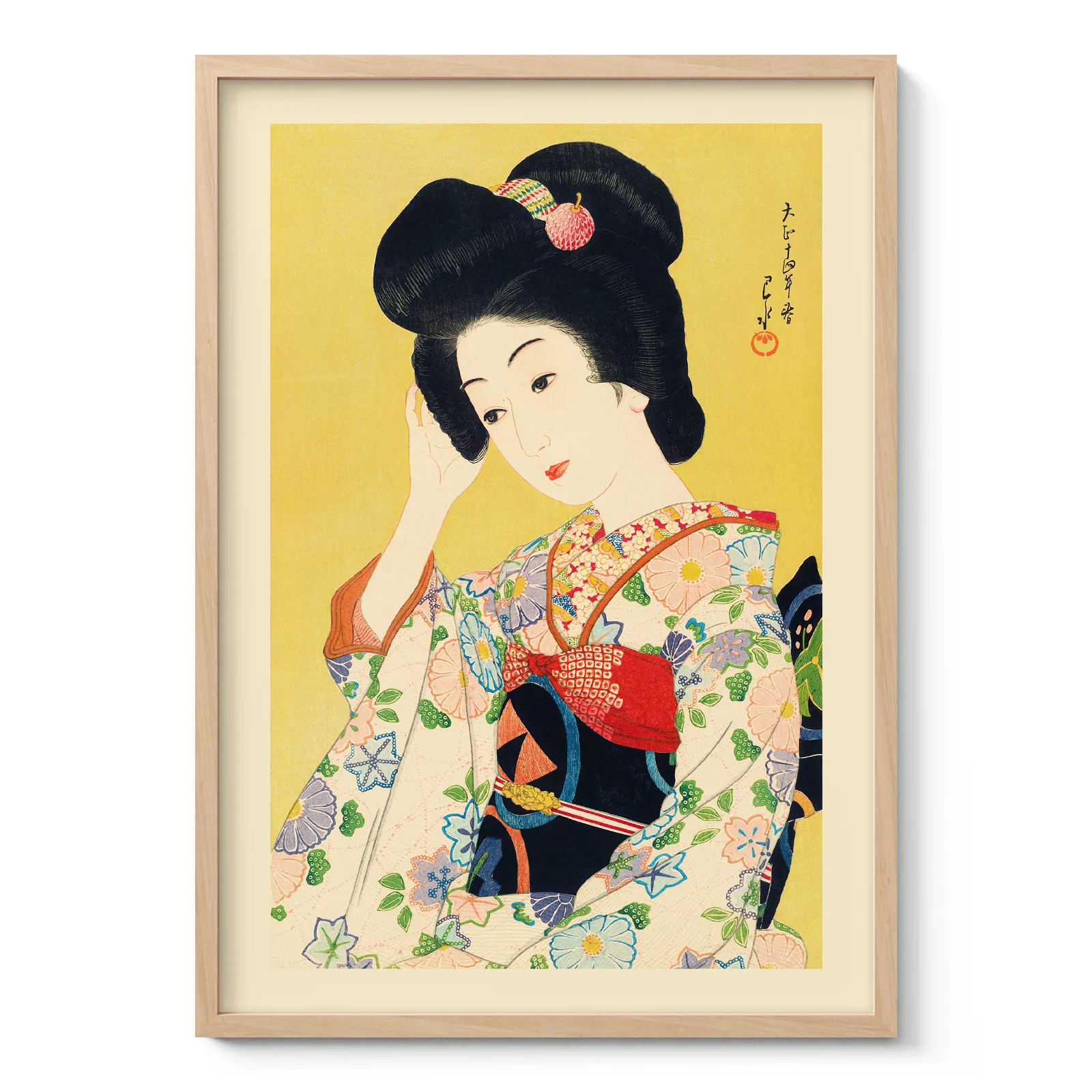
Traditional Ukiyo-e often showed actors, courtesans, famous views and daily life with strong outlines and flat colour. Shin-hanga kept the craft of woodblock printing but often used softer shading, atmospheric perspective and more naturalistic light.
Hasui Kawase prints show this balance very clearly. They feel rooted in traditional Japanese art, yet they also speak to modern ideas of solitude, travel and quiet observation.
Why his landscapes still feel relevant
Hasui’s strength was atmosphere. He could make falling snow feel heavy, rain feel musical and moonlight feel almost silent. Many works include a small human figure, a bridge, a path or a lit window. These details give scale without taking attention away from the landscape.
His art also reflects Japanese aesthetics such as restraint, balance and sensitivity to seasons. This connects naturally with wabi-sabi, where beauty is found in weathering, imperfection and passing time.
Collectors appreciate his work because it represents one of the high points of twentieth-century Japanese prints. Interior designers value it for a different reason: the images bring calm structure to a room without looking plain.
Choosing Hasui Kawase art for interiors
Hasui Kawase prints work especially well in Japandi interiors, where Japanese restraint meets Scandinavian simplicity. Snow scenes suit pale woods, linen fabrics and quiet bedrooms. Rain scenes can add depth to hallways, home offices or reading corners.
Temple and shrine prints bring a reflective mood, making them good for bedrooms, meditation spaces and calm living rooms. Lakes and rivers feel open and balanced, especially above a sofa, desk or console table. Coastal landscapes can work in contemporary interiors when the room needs softness without floral decoration.
For minimalist spaces, choose prints with fewer colours and strong negative space. For more eclectic rooms, Hasui’s landscapes can sit beside vintage Japanese prints, botanical art or travel posters if the tones are connected.
Posters, canvas prints and lasting appeal
A poster is often a strong format for Japanese woodblock prints because it keeps lines, colour areas and small architectural details clear. A museum-quality print can preserve the delicate balance between image and empty space.
A canvas print gives more surface texture and can suit larger walls, offices or living rooms where the artwork needs more presence. Both formats can work well when the subject, scale and room mood are chosen carefully.
Hasui Kawase prints remain appealing because they do not depend on changing interior trends. They offer quiet landscapes, skilled composition and a sensitive view of Japan’s seasons. For a home, they bring more than Japanese wall art. They bring stillness, weather and a small window into a carefully observed world.