



Retro & vintage wall art for homes with character
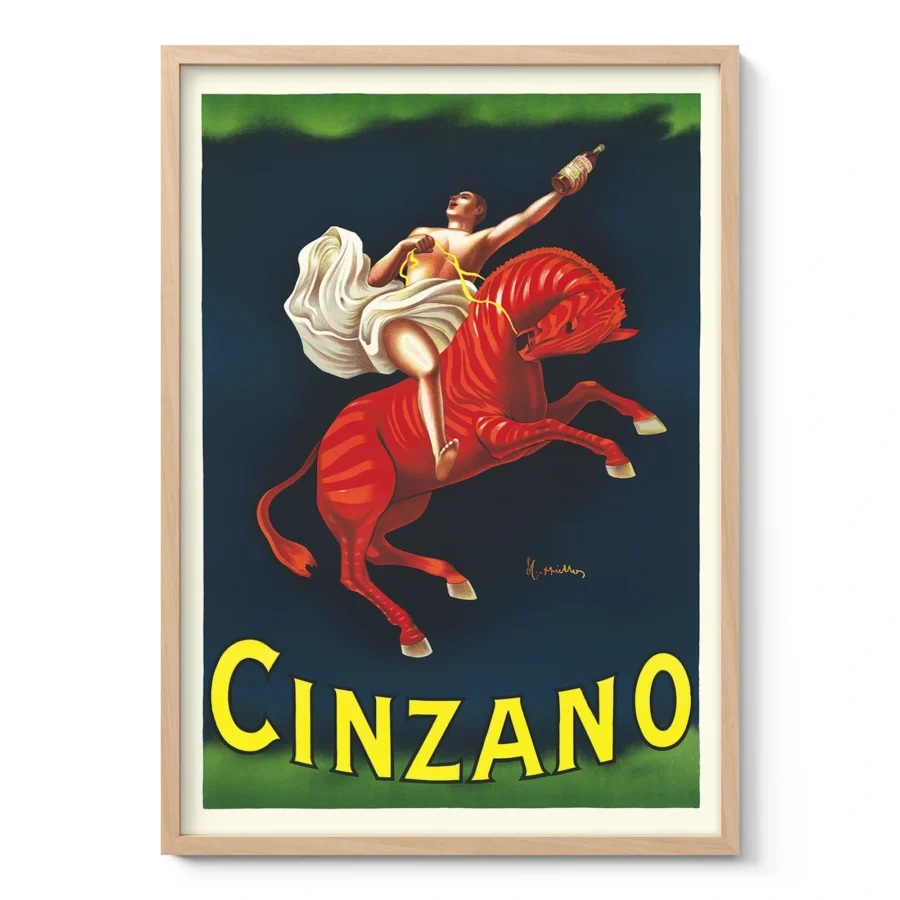
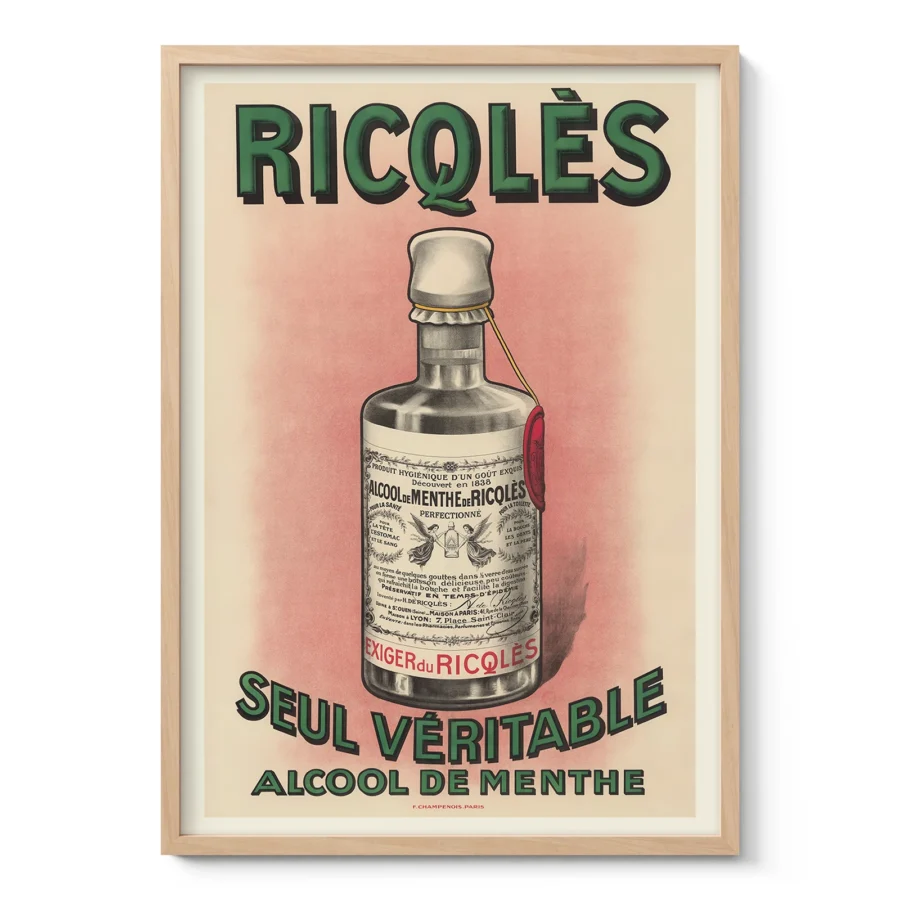
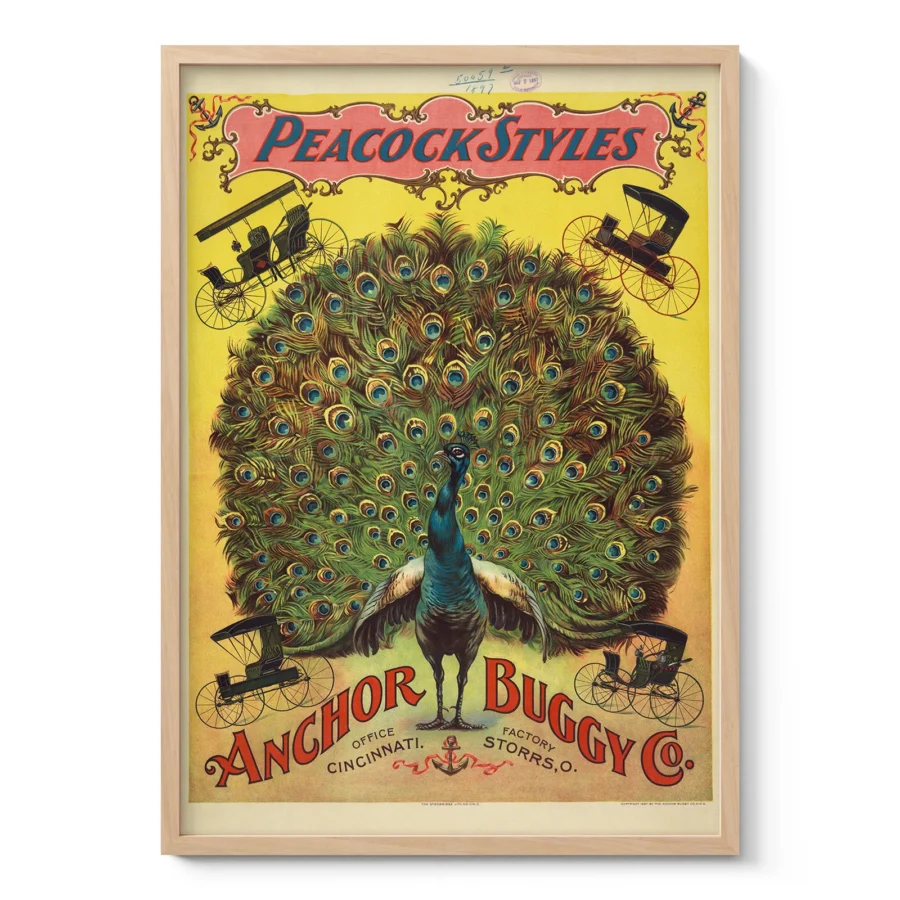
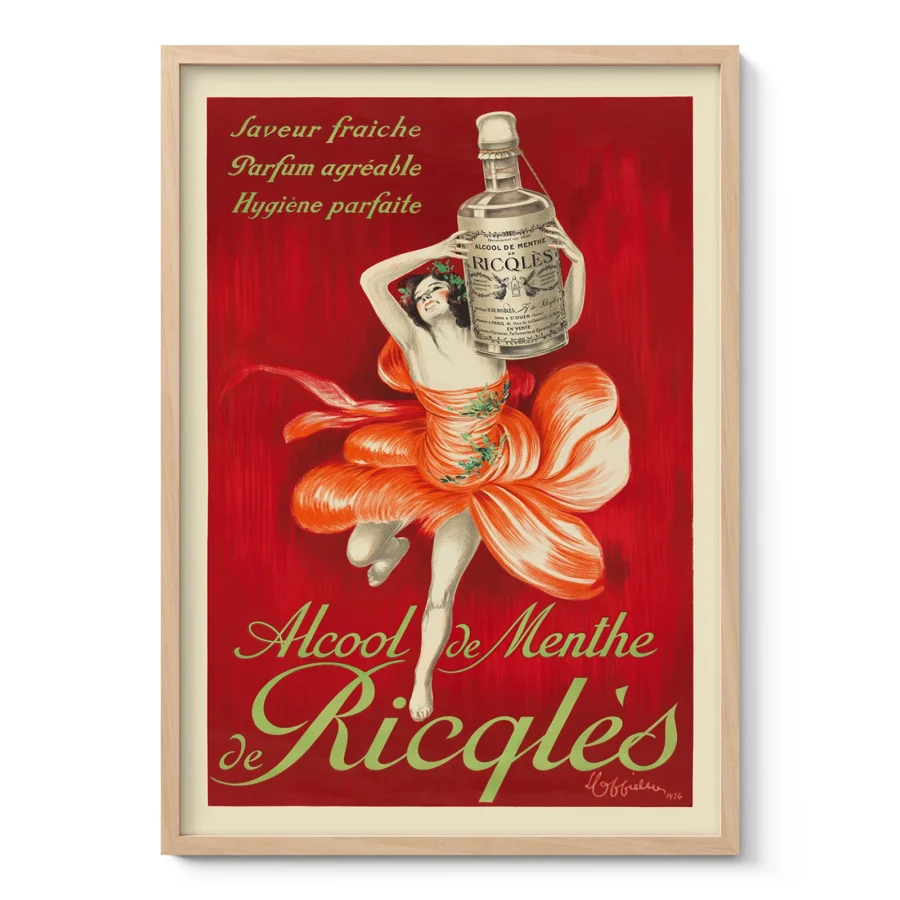
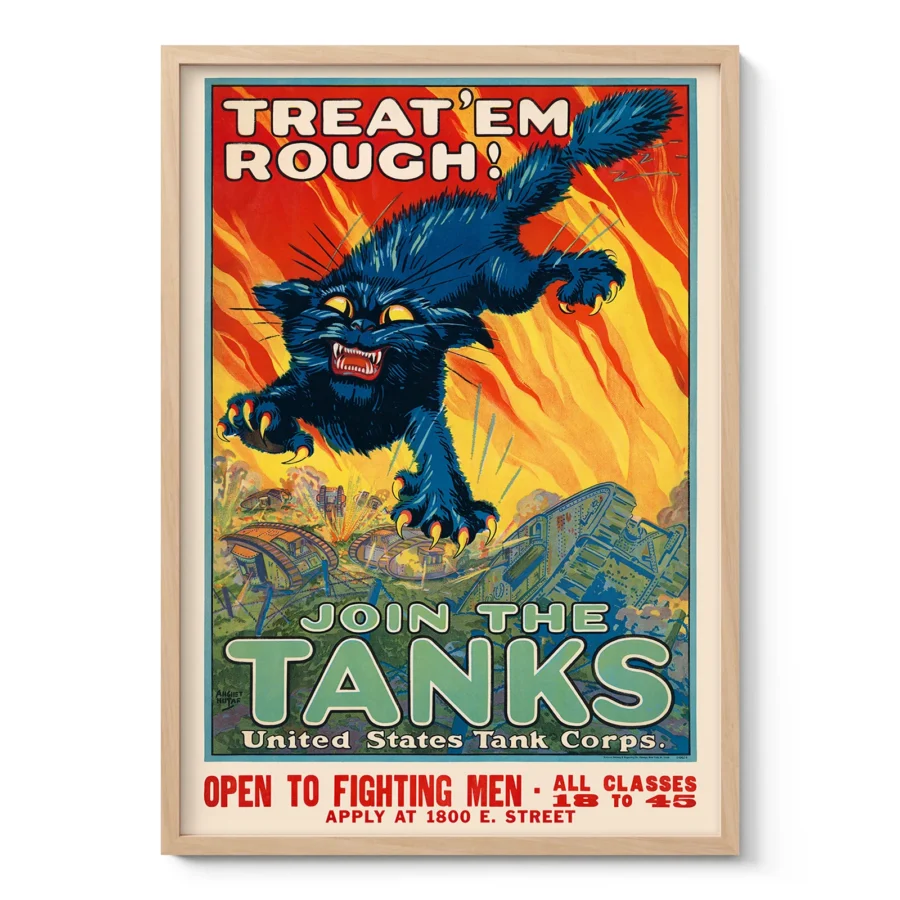
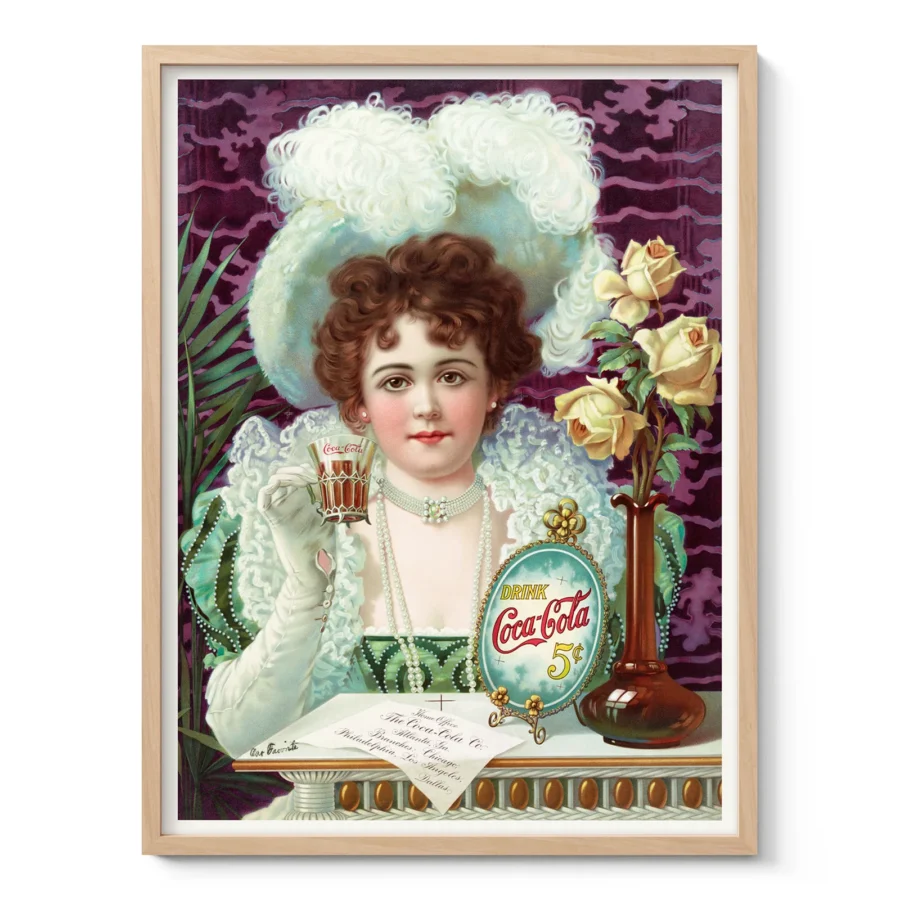
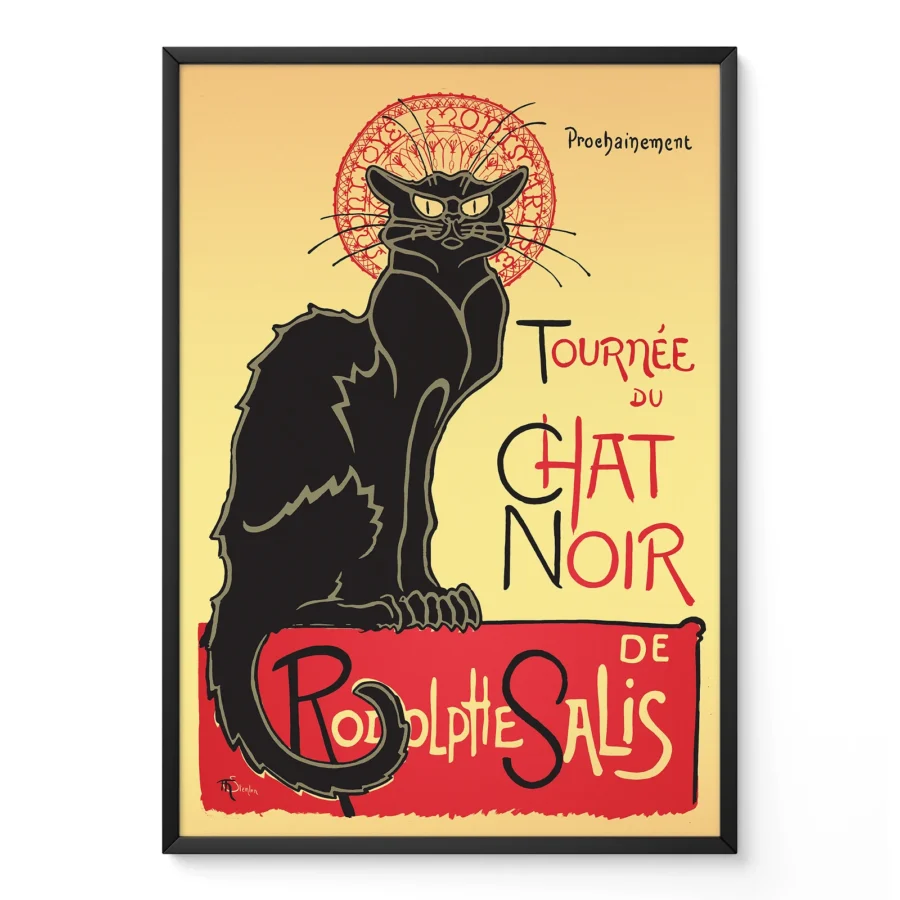
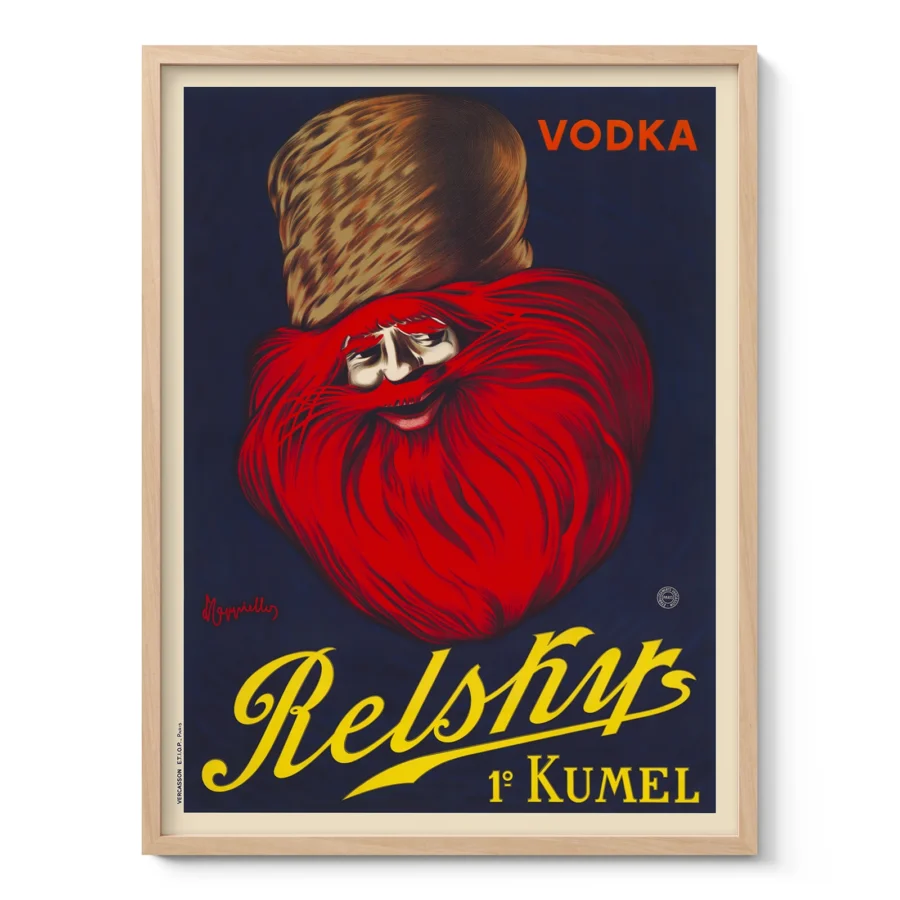
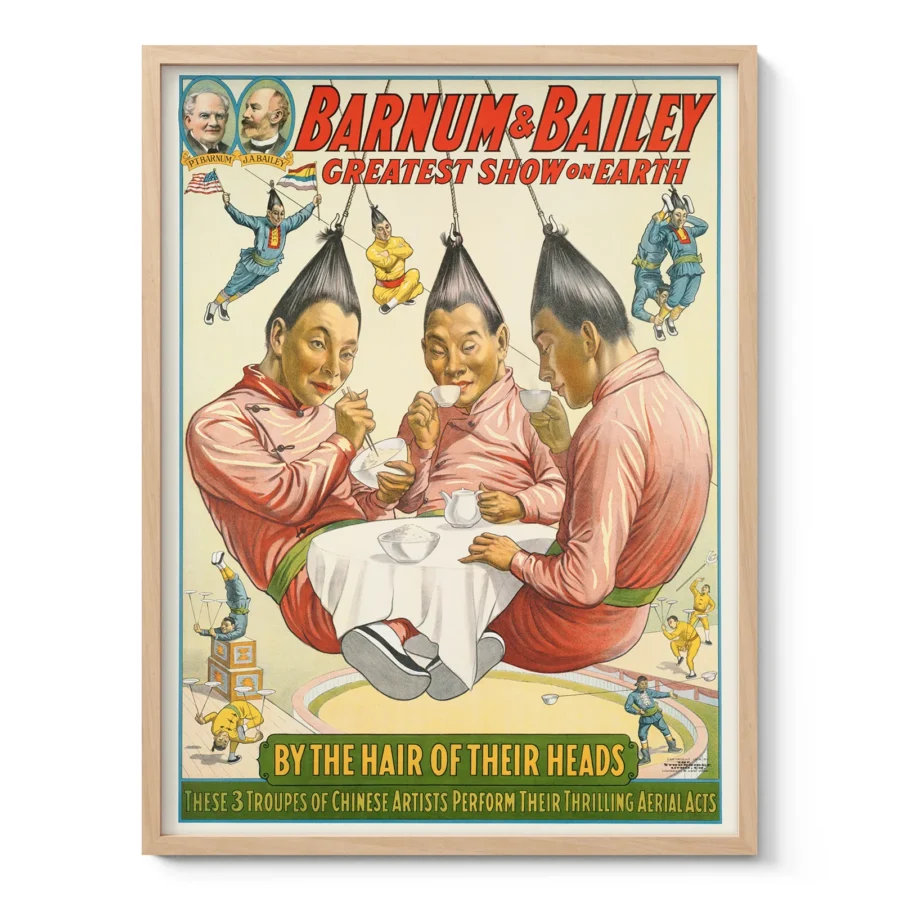
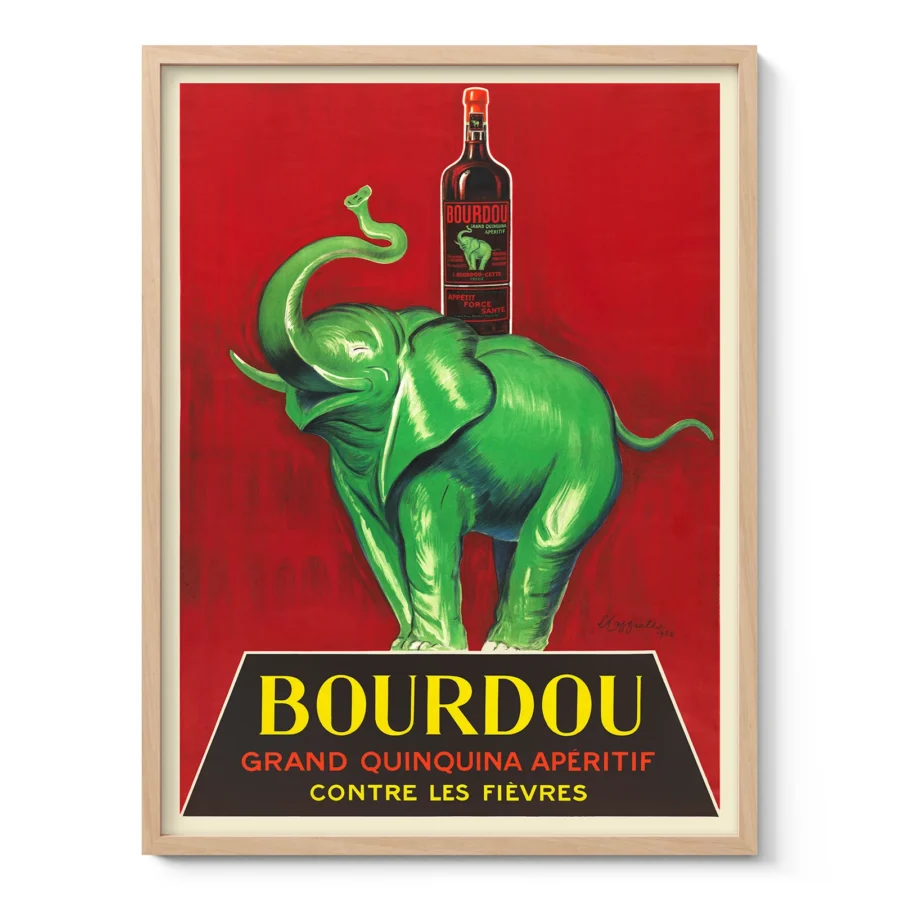
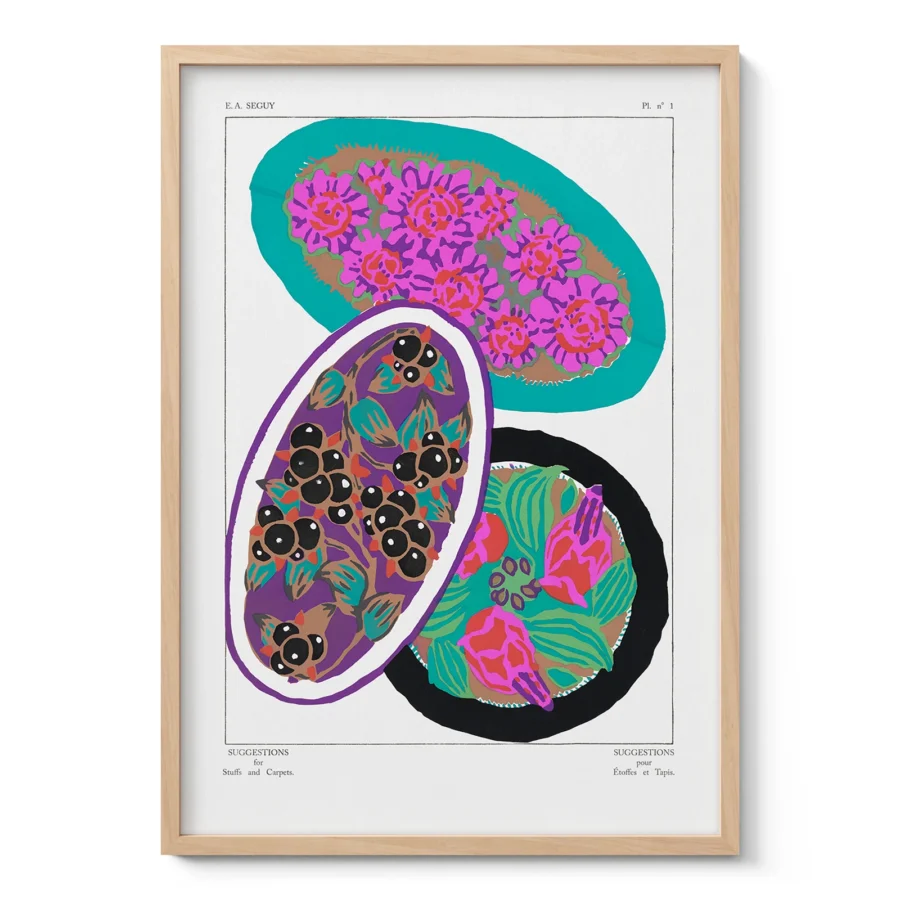
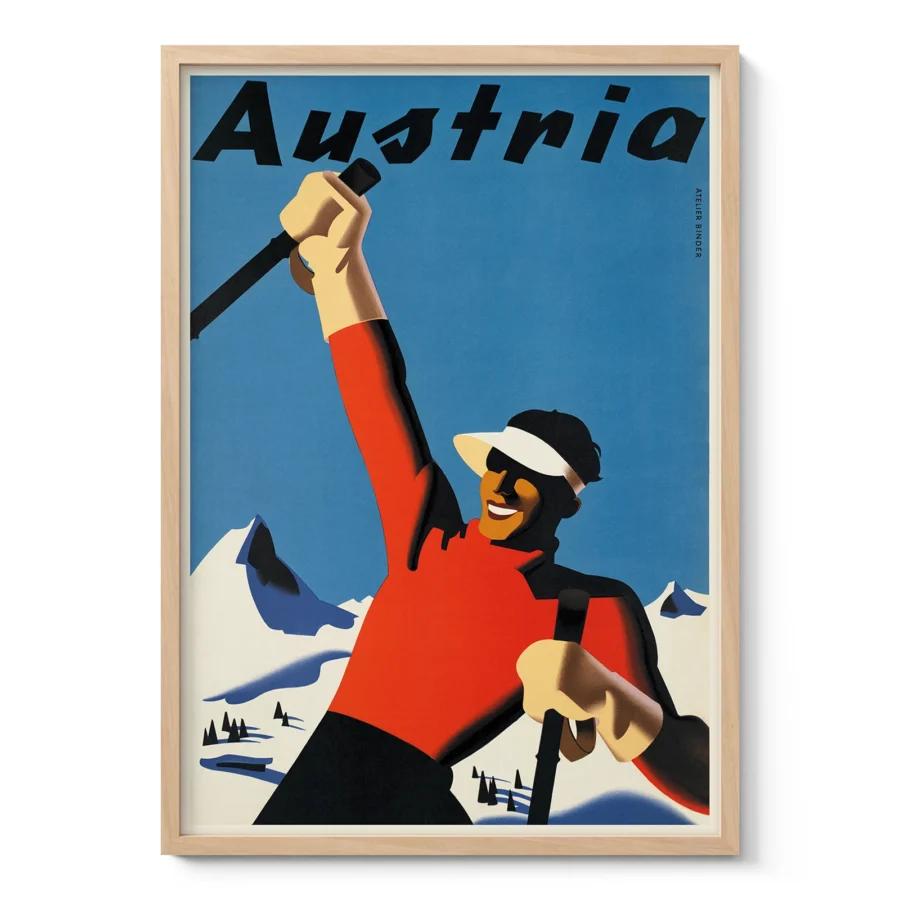
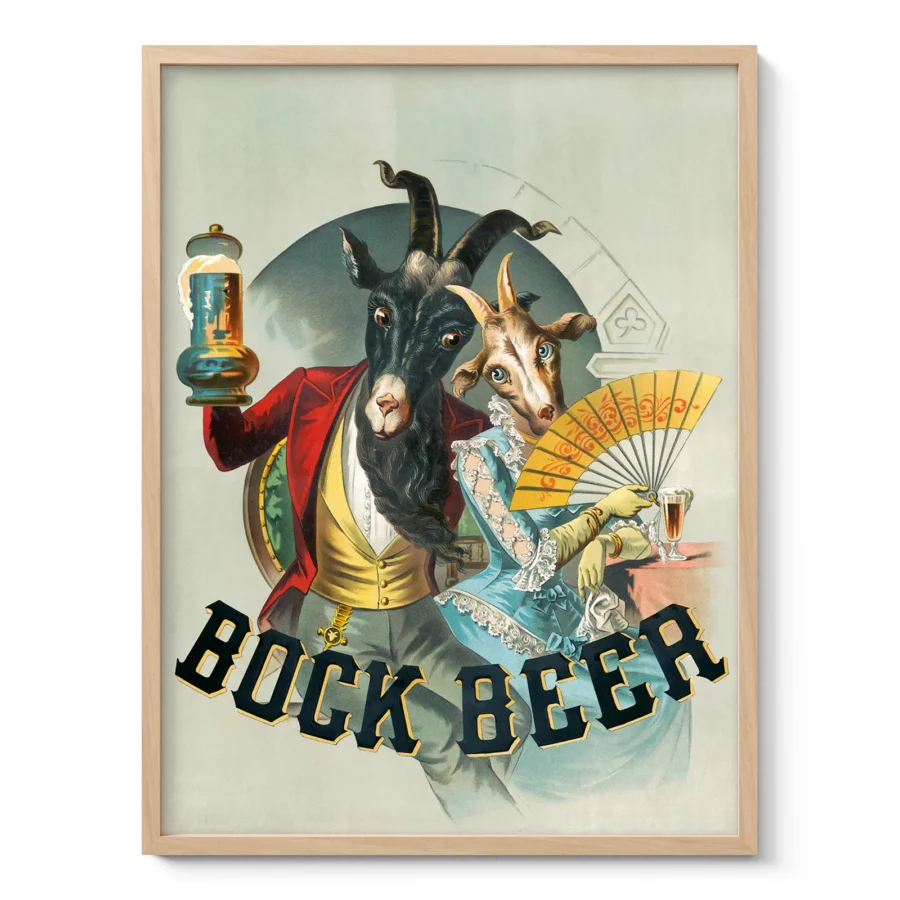
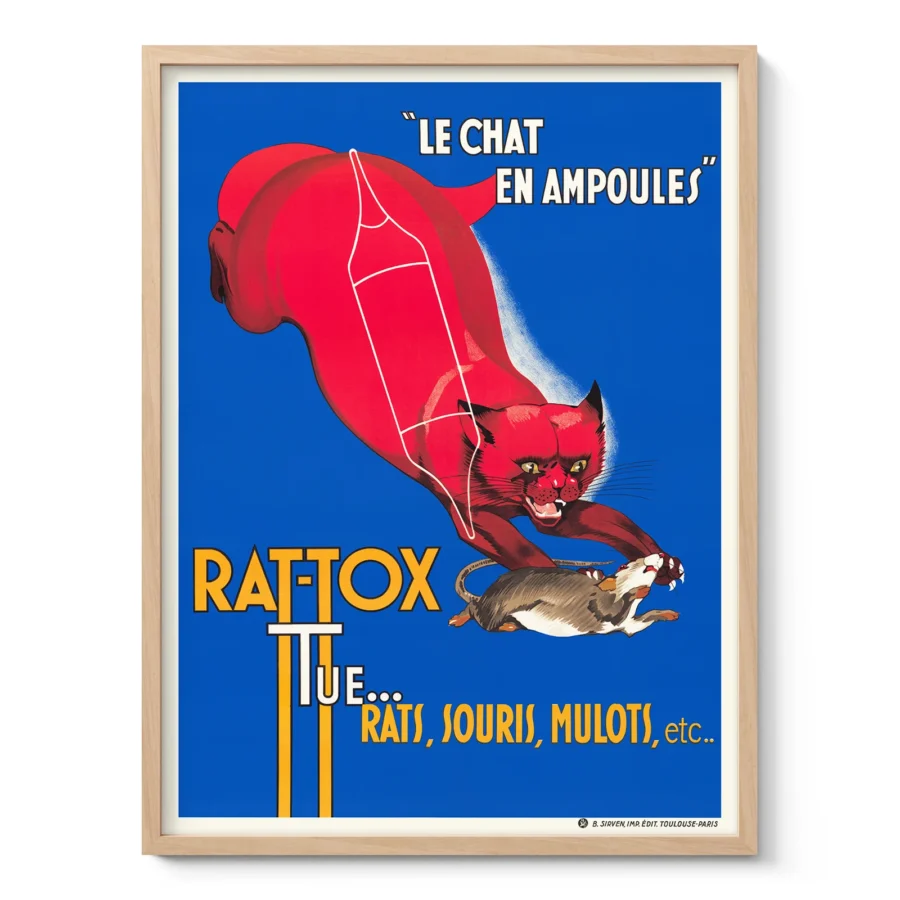
Retro & vintage wall art brings together two closely related styles, but they are not the same. Retro wall art usually refers to designs inspired by the 1950s, 1960s, 1970s and 1980s. It often includes bold colour, playful typography, advertising influence, atomic shapes and graphic layouts.
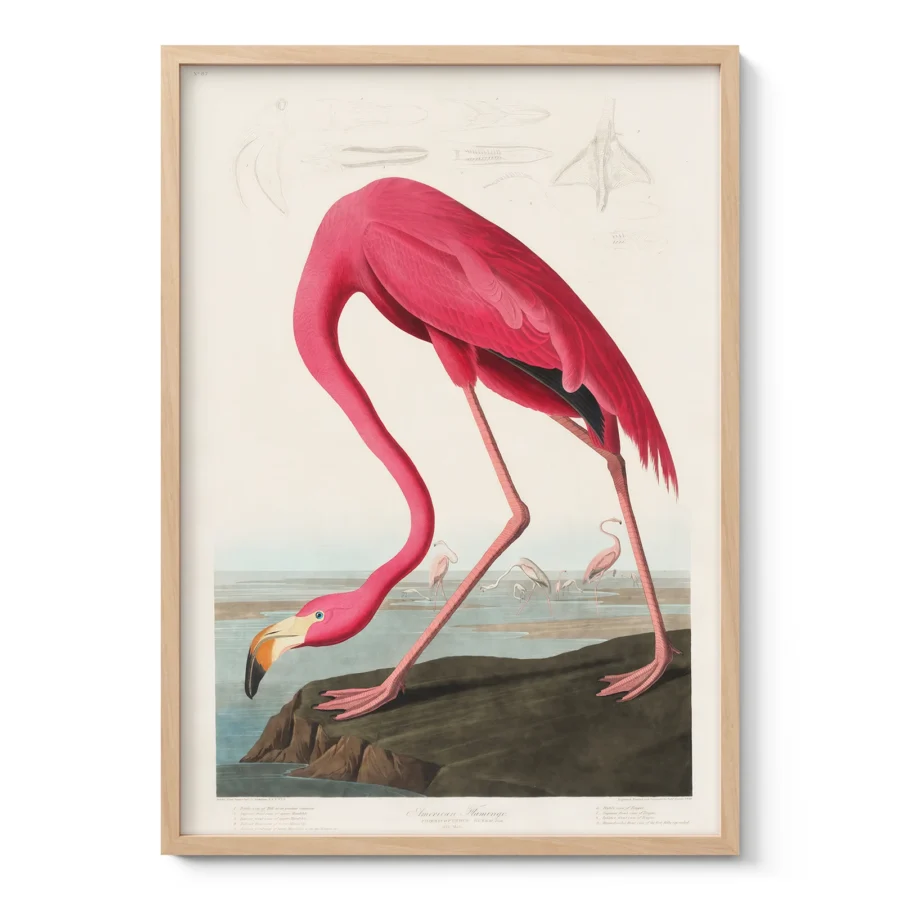
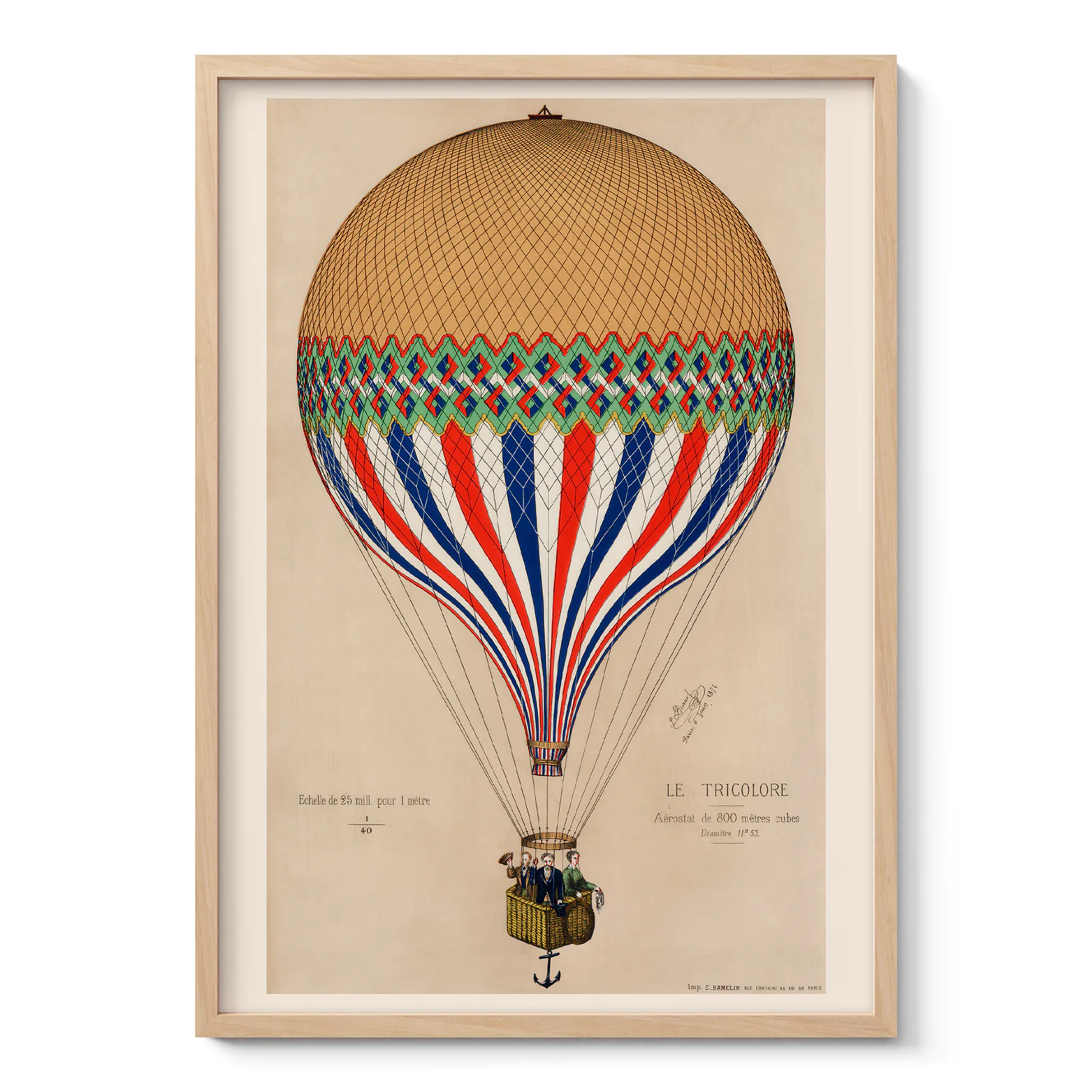
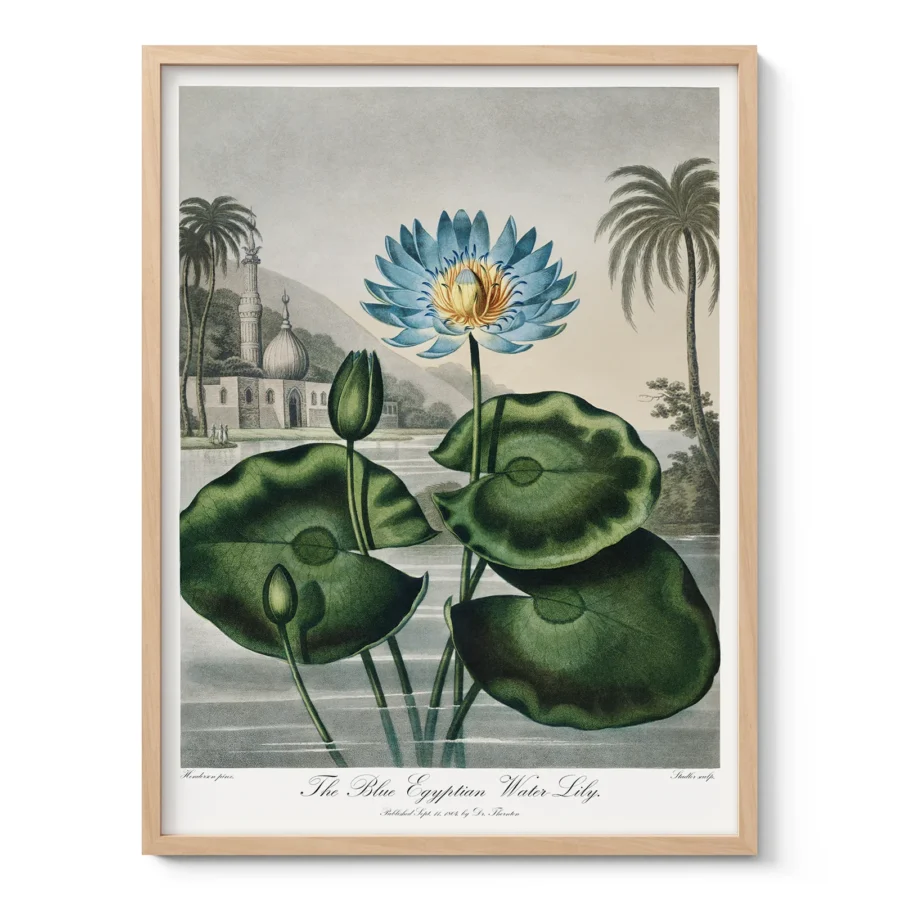
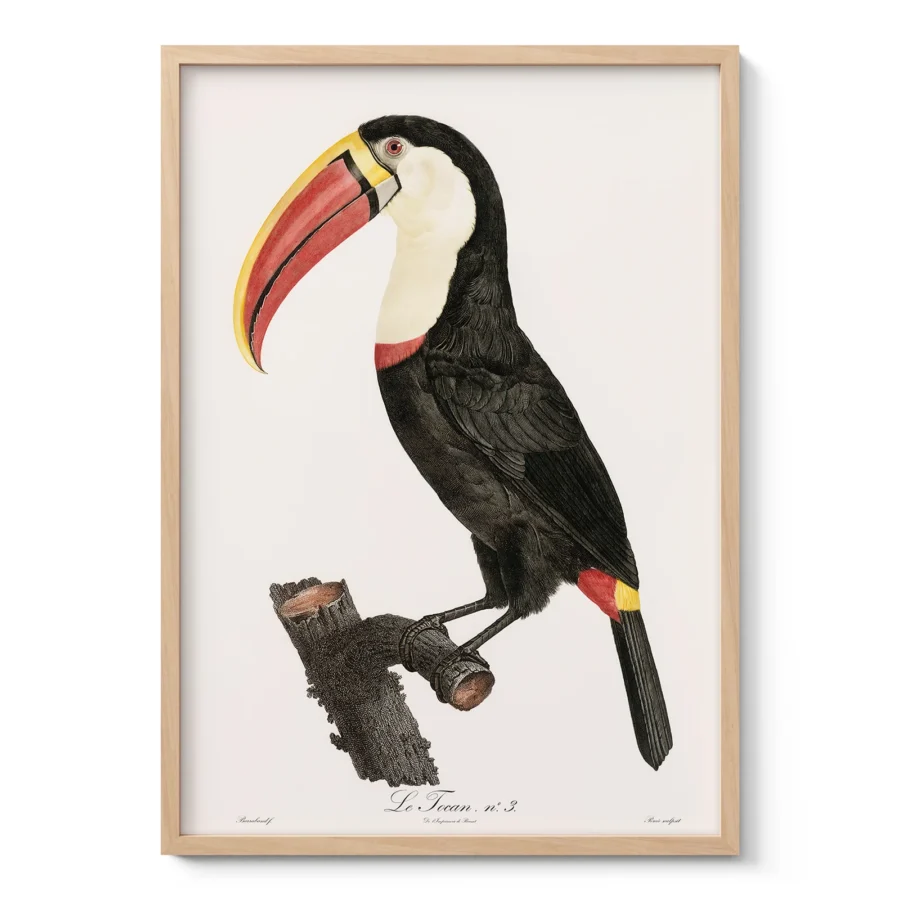
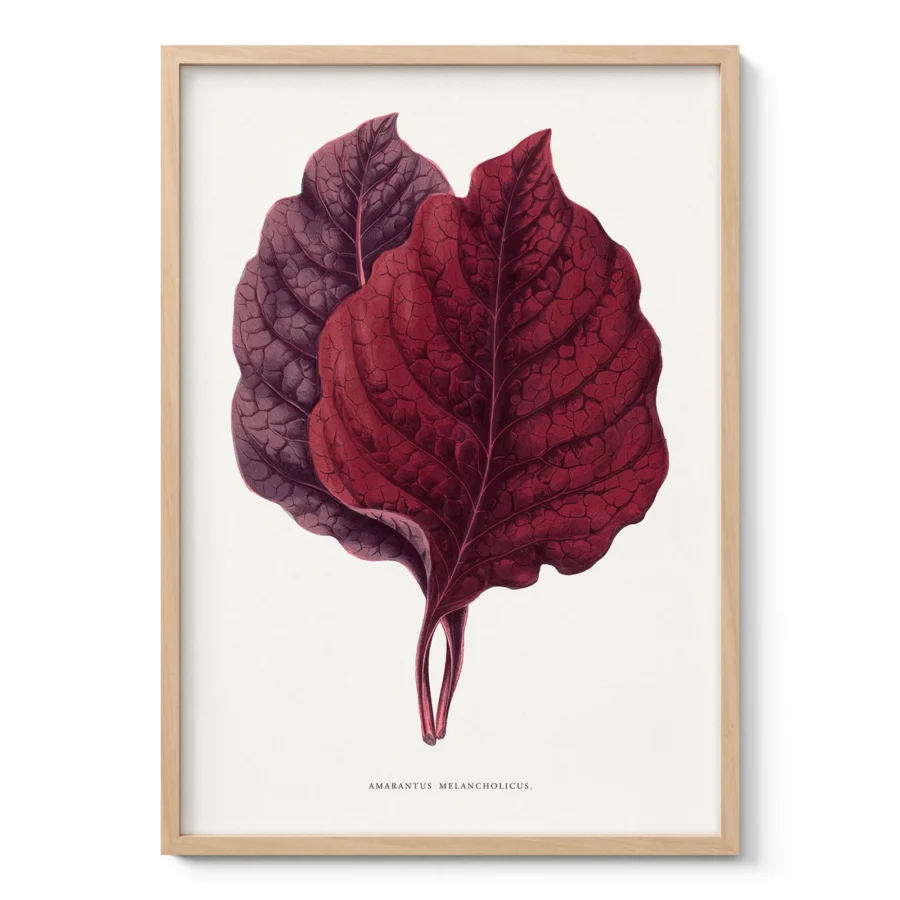
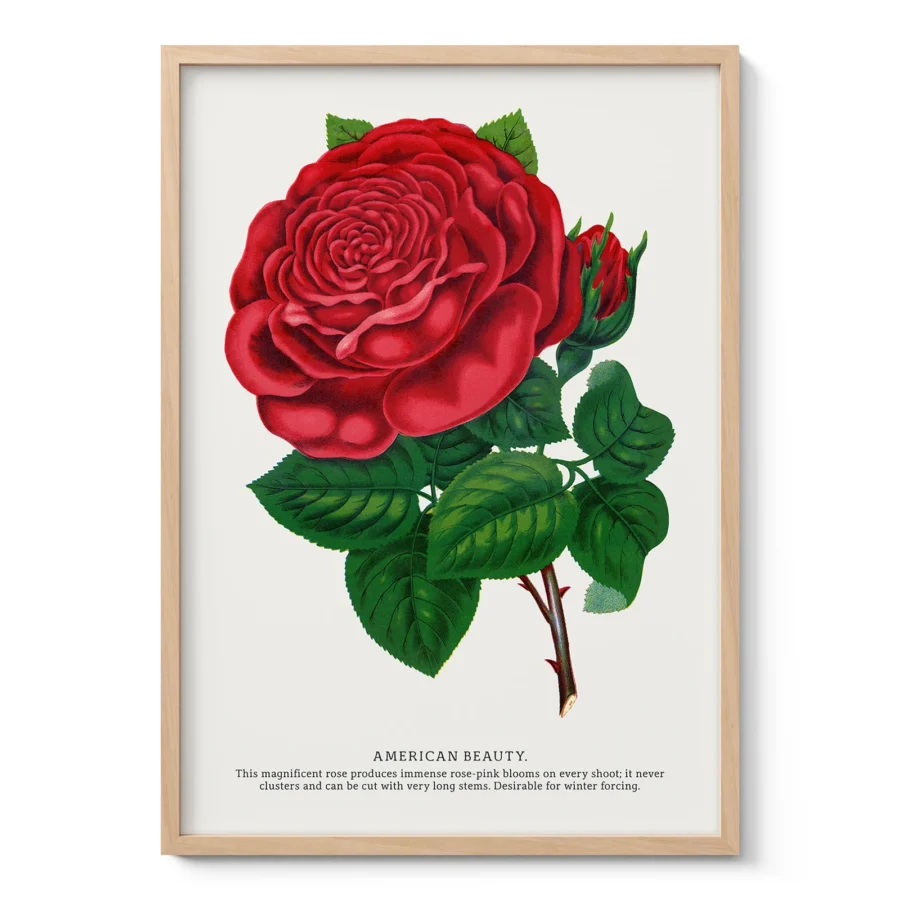
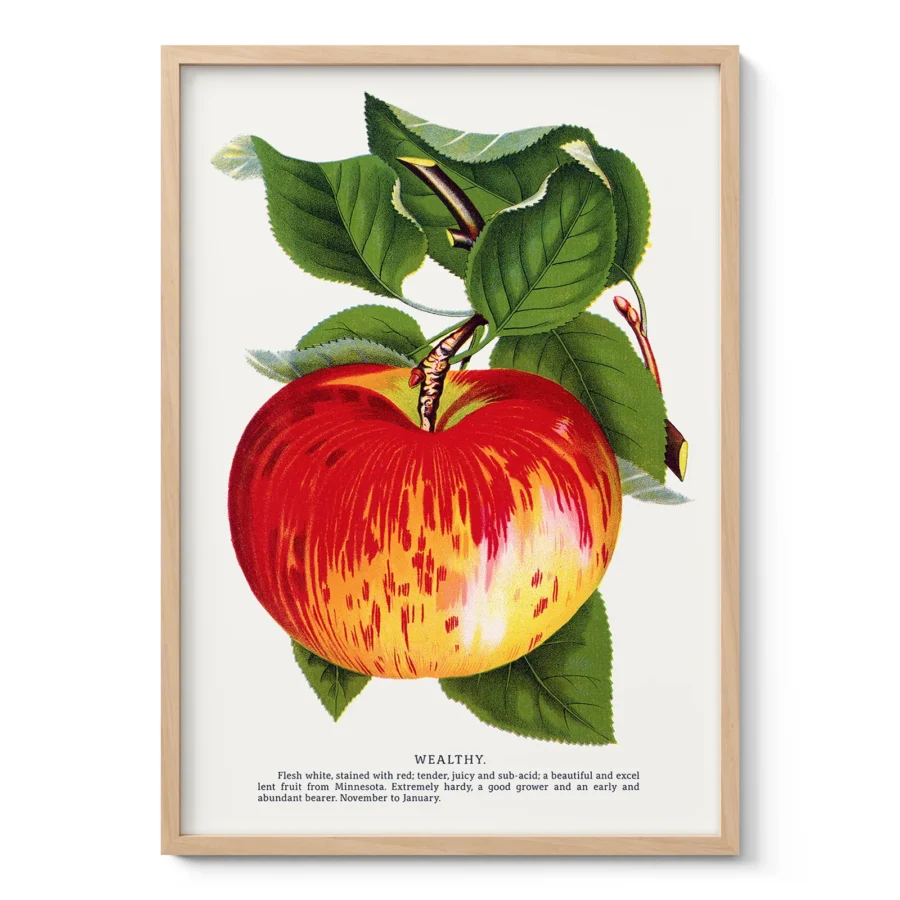
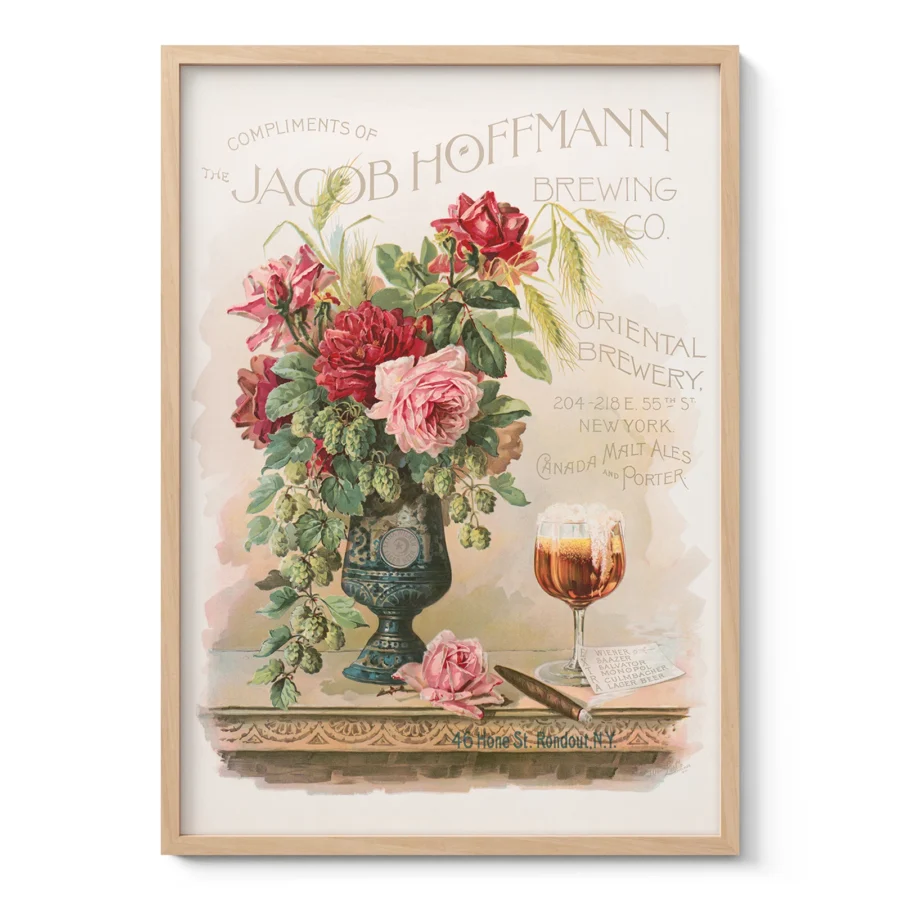
Vintage wall art is usually older in spirit. It includes antique illustrations, botanical prints, historic maps, travel posters, scientific drawings, natural history plates and classic artwork. Together, these styles give a room warmth, memory and visual depth.
Retro and vintage: what is the difference?
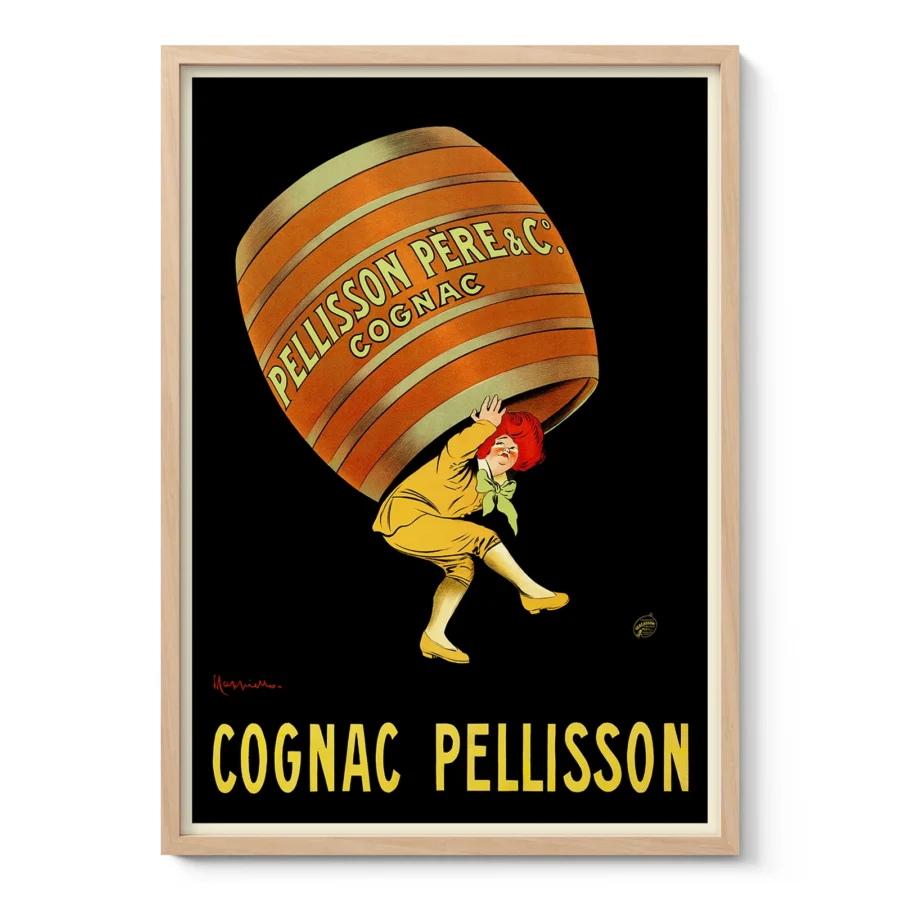
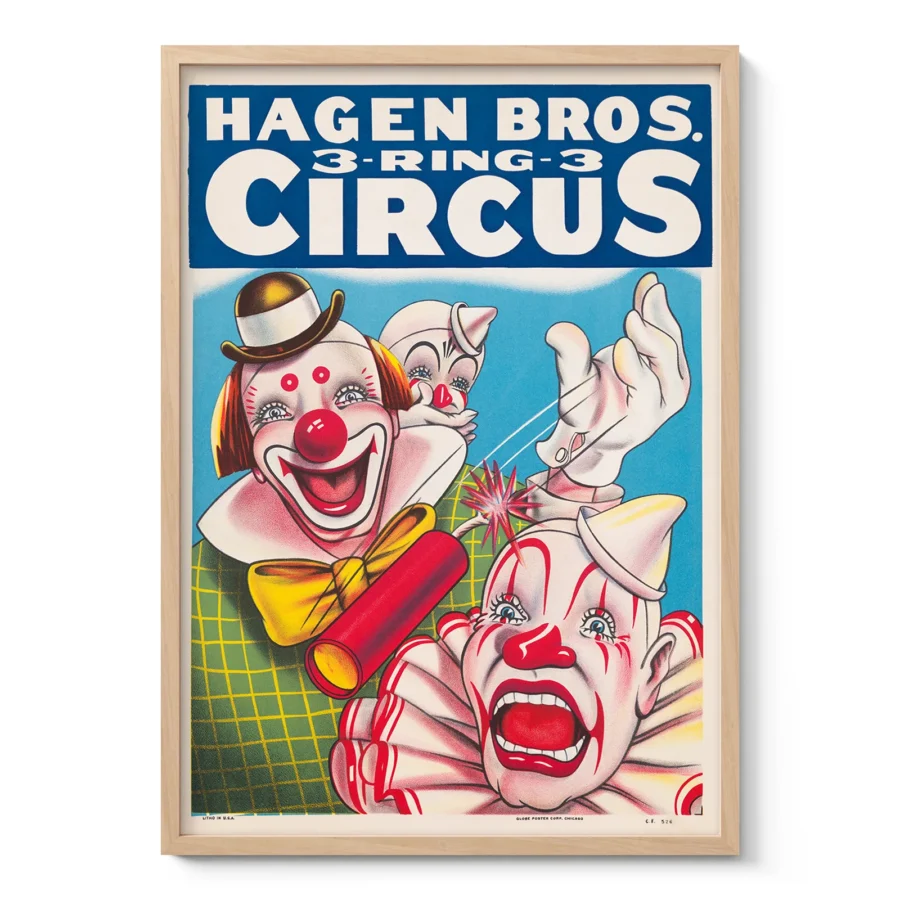
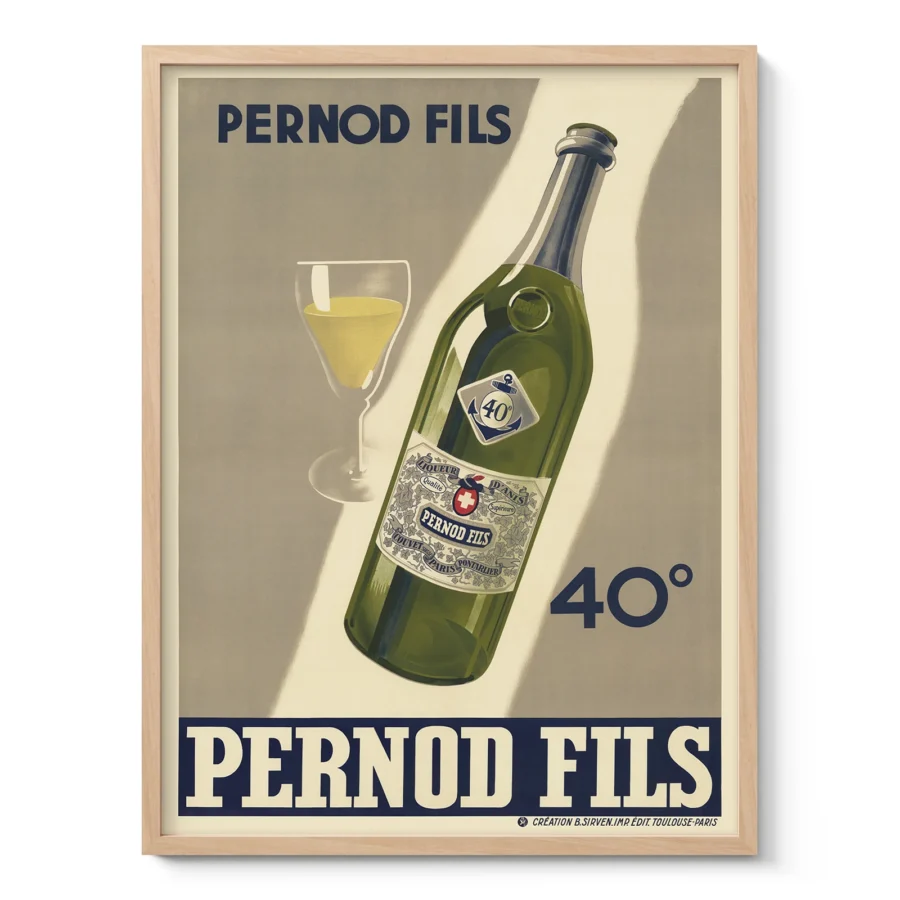
Retro wall art often looks energetic and designed. It reflects periods when advertising, product packaging, magazine graphics and poster design became part of everyday visual culture. Strong lettering, simplified shapes and confident colour combinations are common.
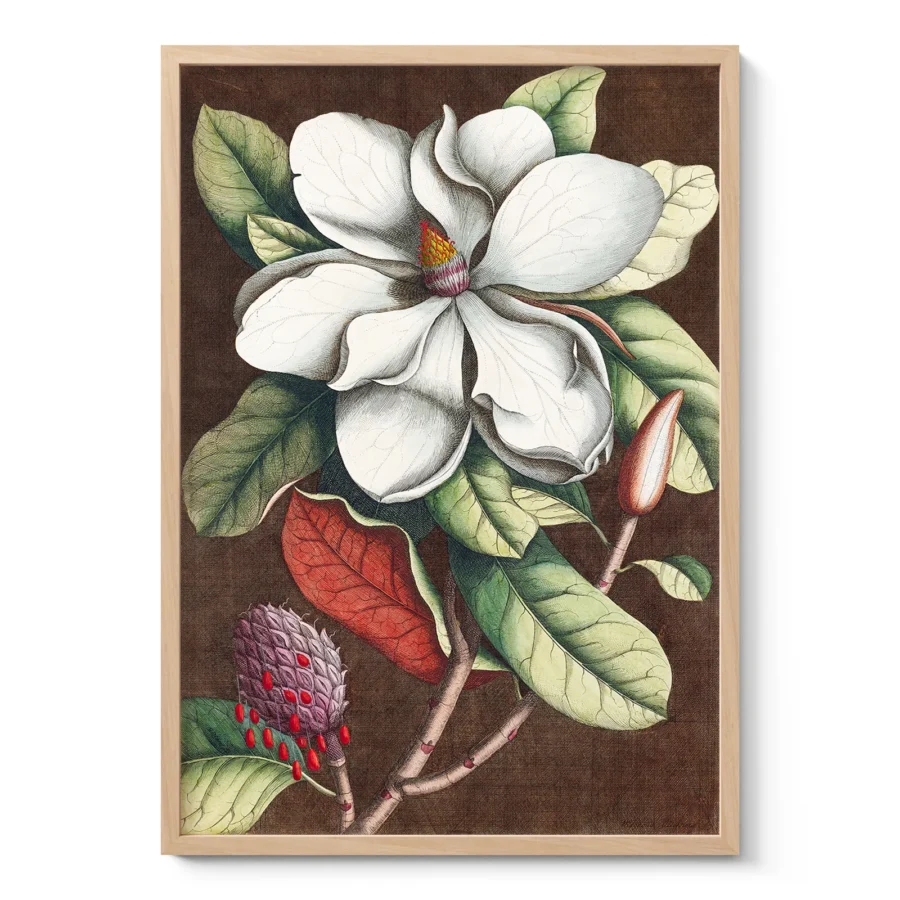
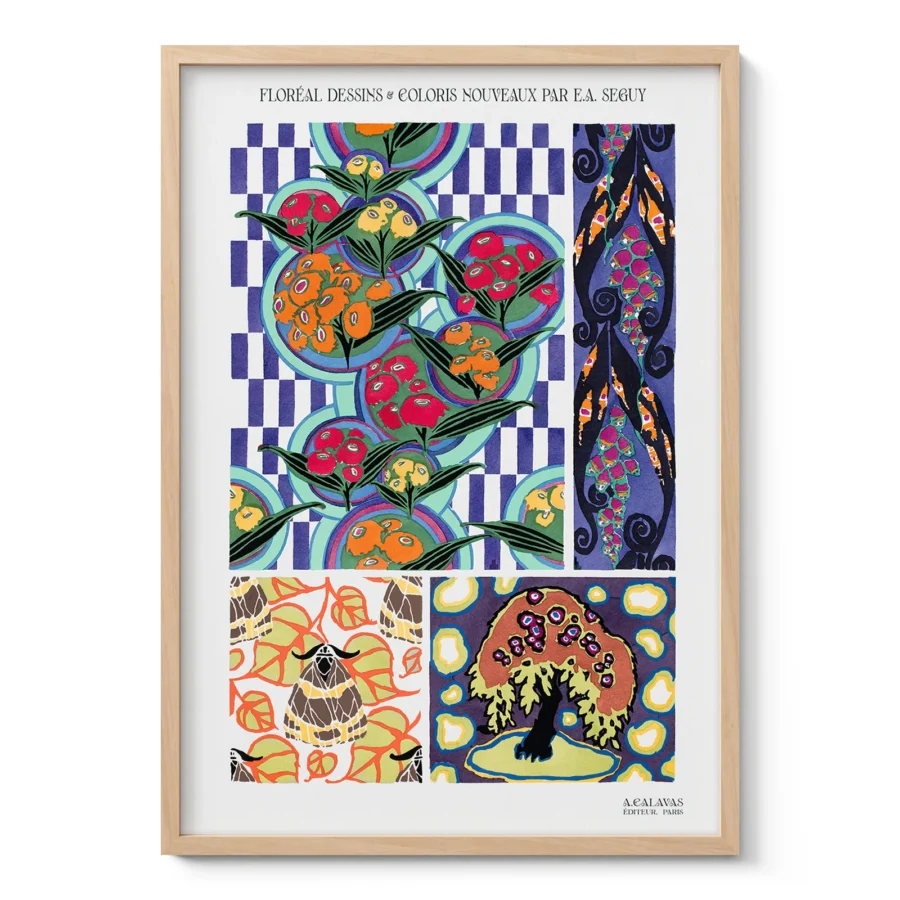
Vintage wall art feels more connected to history, craft and archive material. A botanical print by Pierre-Joseph Redouté, a natural history illustration by Ernst Haeckel or a pattern inspired by William Morris brings a different kind of detail. Japanese masters such as Hokusai and Hasui Kawase also continue to influence interiors through waves, landscapes, temples and seasonal scenes.
The easiest way to choose is by mood. Retro usually adds movement and colour. Vintage often adds softness, detail and heritage.
Why these styles still work today
Retro & vintage wall art remains popular because it does not feel cold or temporary. Many contemporary interiors use clean furniture, plain walls and simple materials. Older artwork can prevent these rooms from feeling too flat.
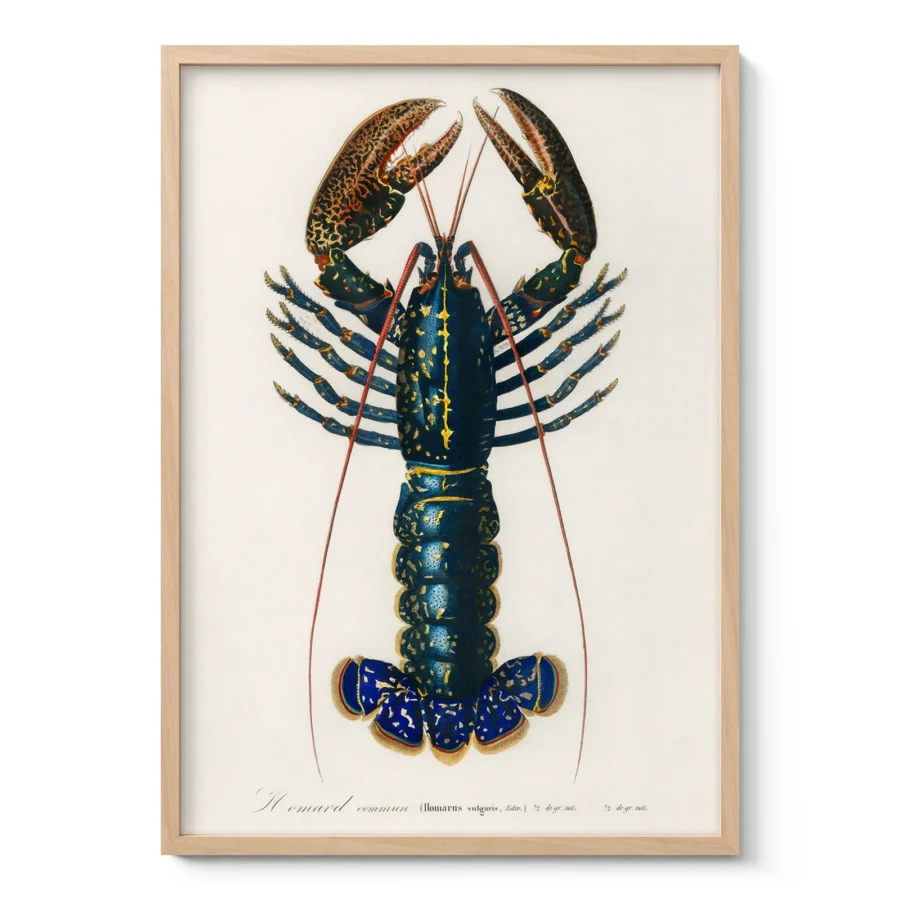
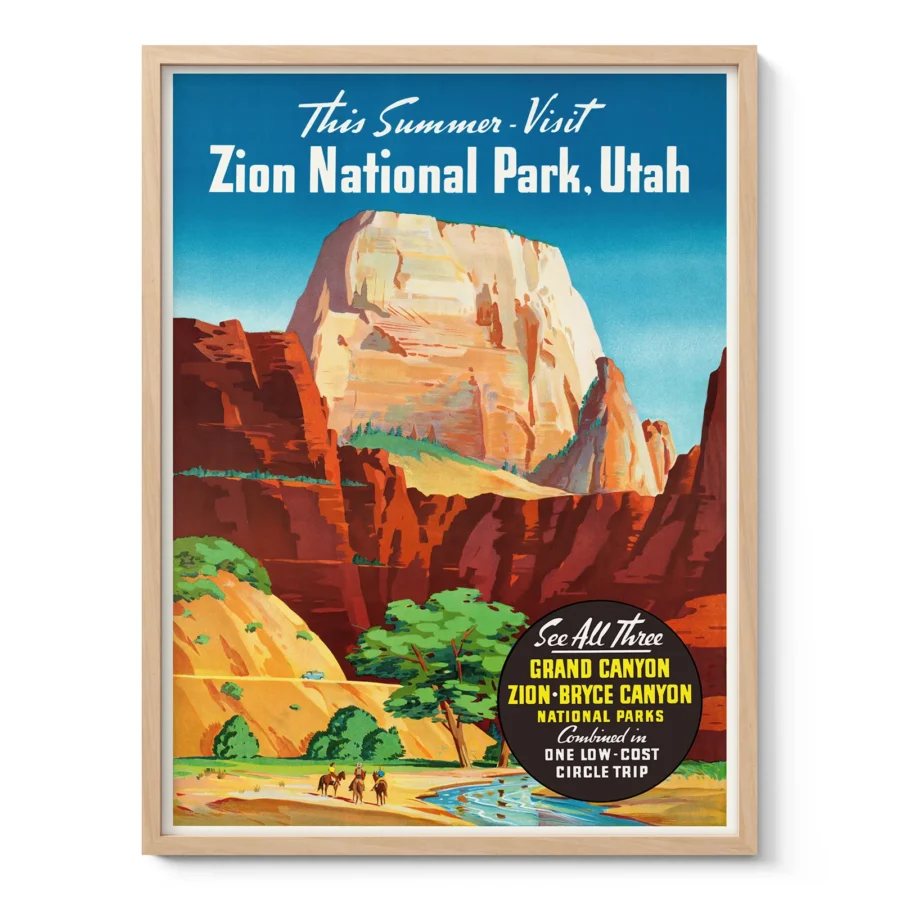
These styles also carry visual memory. A retro travel poster can suggest the optimism of mid-century tourism. A scientific illustration can show the precision of early natural history studies. A vintage map can add curiosity without needing bright colour.
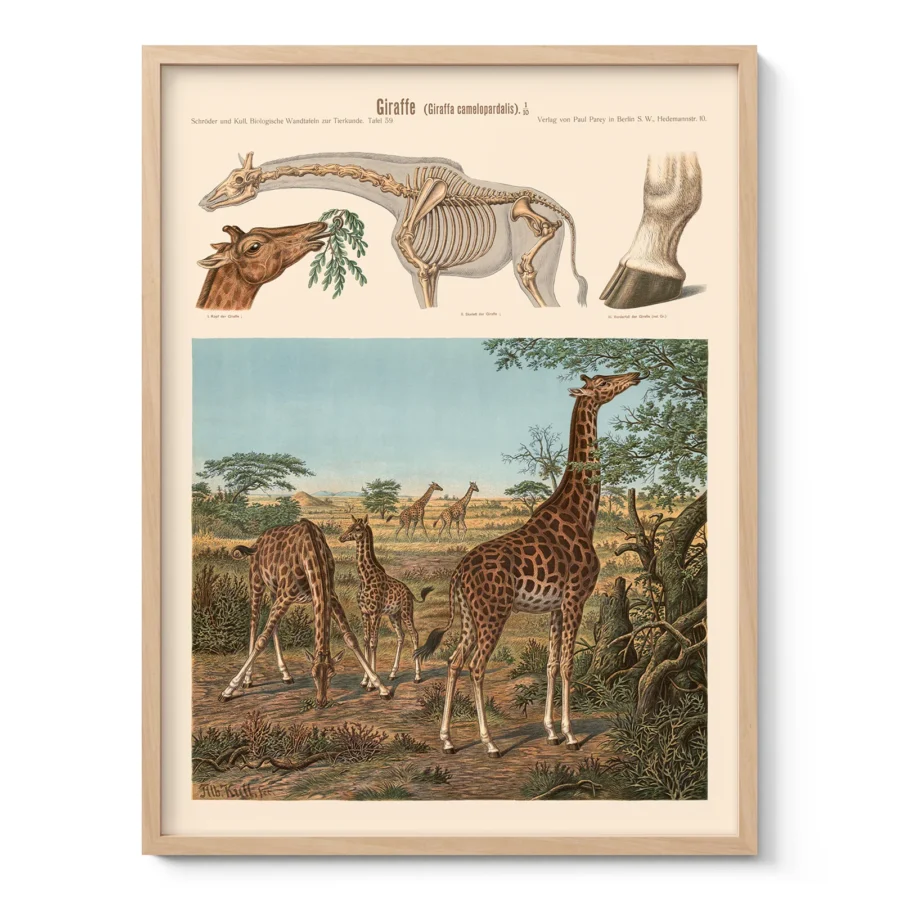
Compared with contemporary wall art, retro and vintage prints often feel more narrative. They may show a place, plant, animal, product, pattern or historic scene. This gives visitors something to notice slowly rather than all at once.
How to style retro and vintage prints
Retro & vintage wall art works well in many interiors, but scale and colour matter. In Scandinavian rooms, choose softer vintage prints, simple landscapes or muted botanical artwork. These pair well with pale wood, linen and calm walls.
Mid-Century Modern interiors can handle stronger retro posters with orange, brown, green, yellow or black. Farmhouse rooms often suit botanical prints, classic artwork, animal illustrations and aged map designs. Industrial interiors work well with vintage advertising, typography, railway posters and darker canvas prints.
Eclectic homes can mix both styles, but the room needs one connecting thread. This can be colour, frame style, subject or period. For example, a Japanese woodblock print, a botanical illustration and a vintage travel poster can work together if they share soft tones or similar framing.
Best rooms for retro & vintage wall art
Living rooms are good places for larger posters or canvas prints, especially above a sofa, sideboard or reading corner. A bold retro print can add energy, while vintage artwork can make the room feel more settled.
Bedrooms usually need calmer subjects. Botanical prints, Japanese landscapes, classic line drawings or soft travel scenes work better than very loud advertising art. Hallways are useful for smaller vintage prints arranged in a simple row, especially maps, flowers or architectural studies.
Home offices and office spaces can benefit from artwork with structure. Historic maps, typography, scientific illustrations and mid-century graphic design add interest without feeling distracting. Retro & vintage wall art can also help professional spaces feel less sterile, especially when the artwork relates to travel, design, nature or culture.
Choosing posters or canvas prints
Posters are a good fit for detailed illustrations, typography, maps and classic advertising art because they keep lines crisp. A museum-quality print can preserve small details that matter in antique illustrations and vintage posters.
Canvas prints can work well for larger pieces, especially landscapes, floral artwork and retro compositions with strong shapes. They add texture and a more substantial presence on open walls.
Retro & vintage wall art is best chosen with the whole room in mind. Look at furniture style, wall colour, lighting and the feeling you want. The right piece should not look random. It should feel as if it has a reason to be there, carrying a small piece of design history into everyday life.