



Famous artists wall art: masterpieces that continue to shape modern interiors
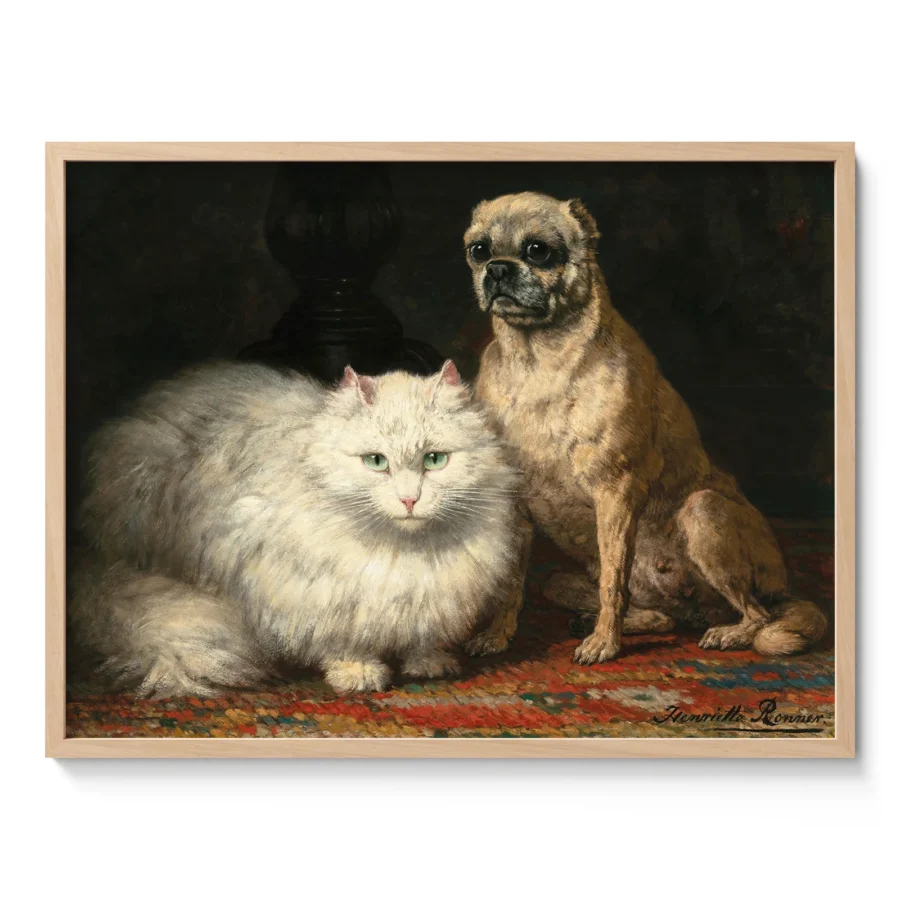
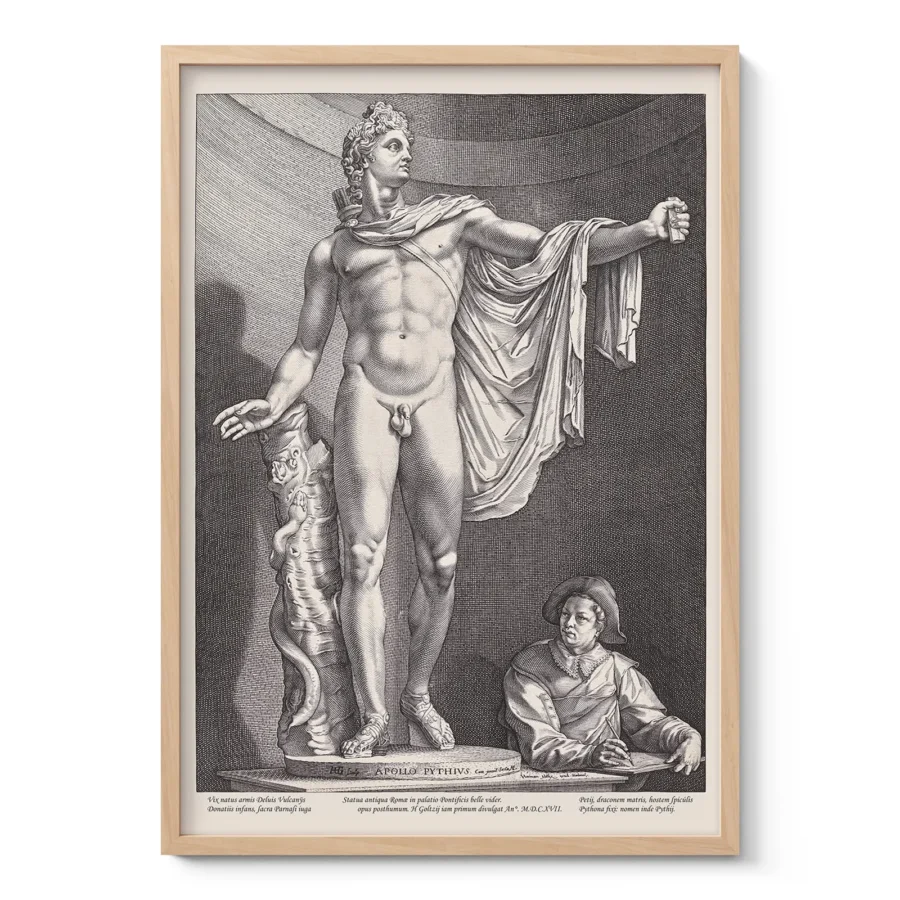
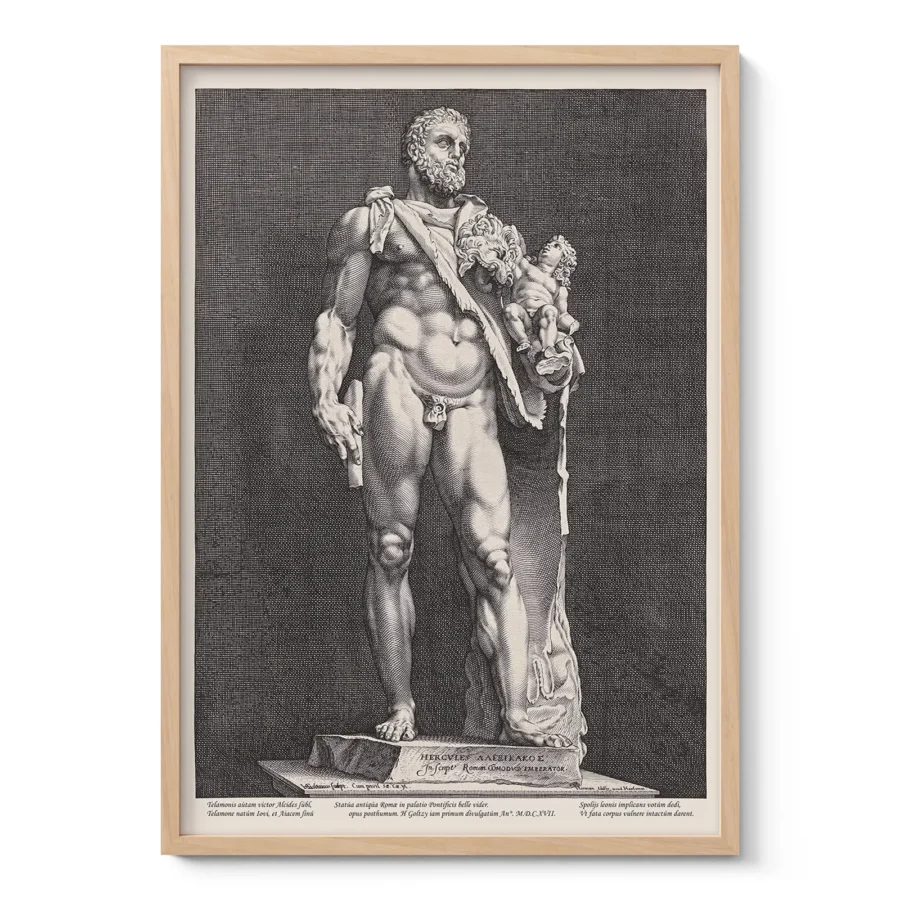
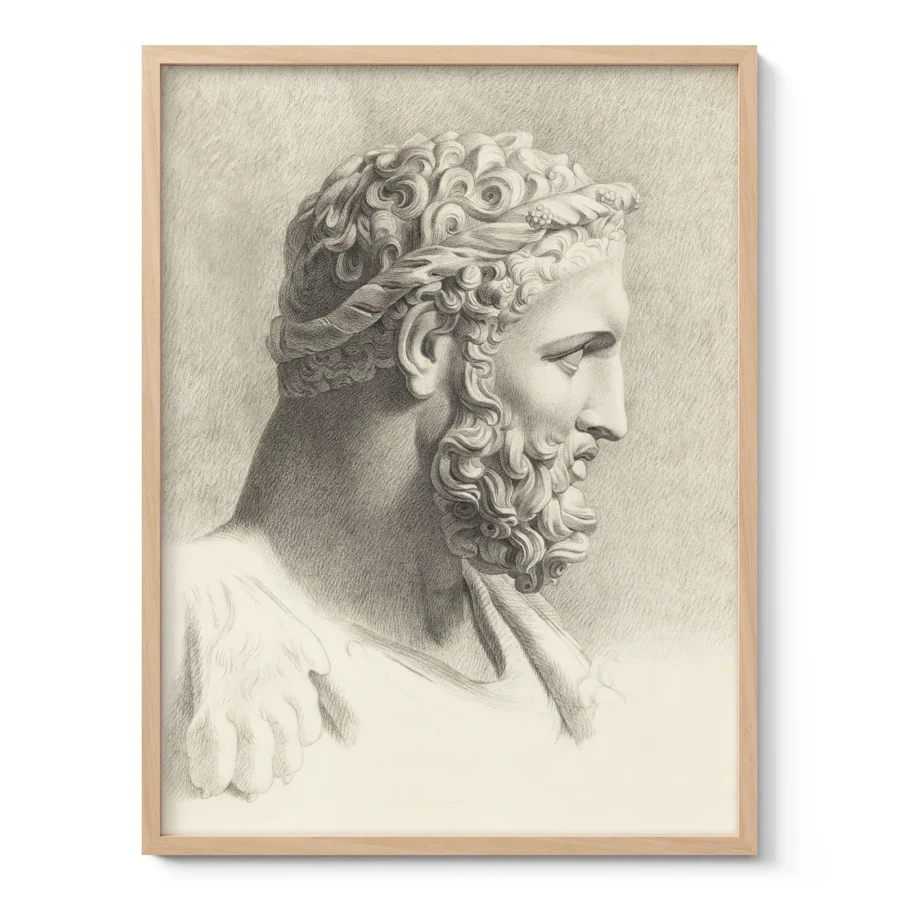
Great works of art never belong to just one period in history. They continue to find new audiences because they speak through colour, composition and ideas that remain meaningful across generations. Today, famous artists wall art allows homeowners to enjoy museum-inspired designs while bringing centuries of artistic achievement into everyday living spaces. Available as posters and canvas prints, these reproductions celebrate artists whose influence still shapes both fine art and interior design.
Why do famous artists still matter?
Every artistic movement reflects the culture and ideas of its time, yet the strongest works continue to feel relevant long after they were created. Impressionism introduced a fresh way of capturing light and atmosphere, while Post-Impressionism explored emotion through colour and expressive brushwork. Art Nouveau embraced flowing decorative lines, the Arts and Crafts Movement celebrated craftsmanship and nature, and modern art challenged traditional ways of seeing the world.
This diversity explains why famous artists wall art appeals to such a wide audience. Rather than choosing a piece simply because the artist is well known, many buyers are drawn to the mood a particular style creates. The artwork becomes part of the room's atmosphere, not simply its decoration.
Exploring different artistic styles
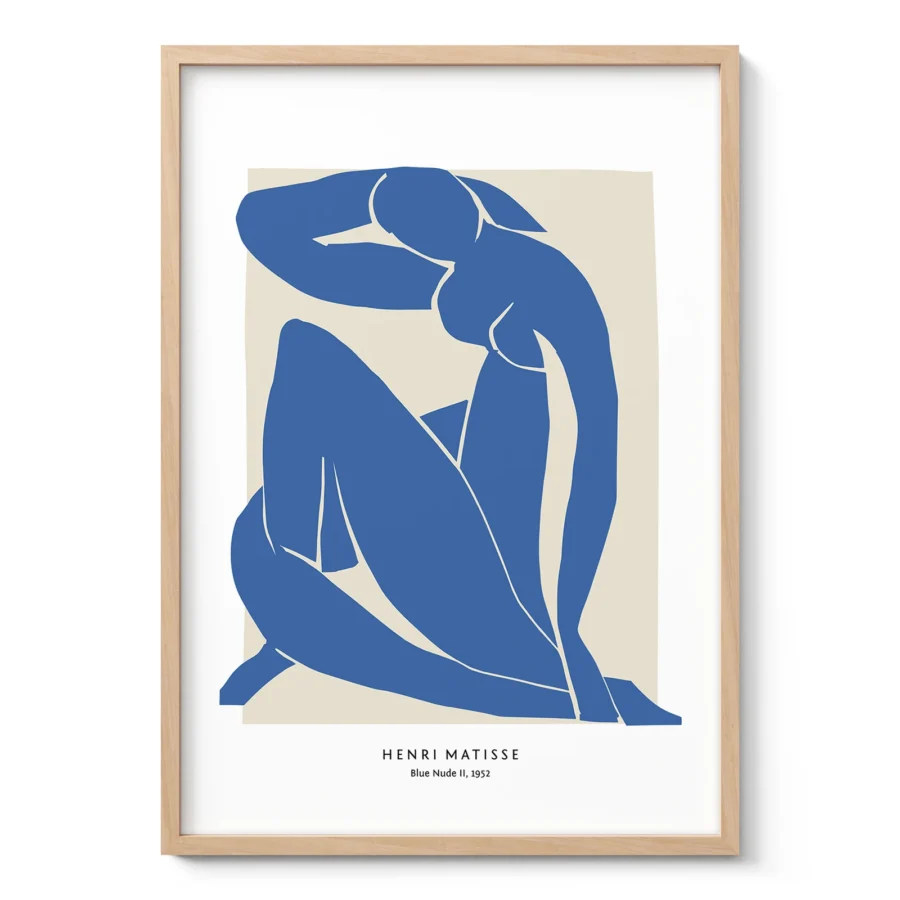
Artists from different periods offer remarkably different visual experiences. Vincent van Gogh's energetic brushstrokes and vivid colours create movement and emotion, while Claude Monet's Impressionist landscapes bring softness and changing light. Henri Matisse reduced forms to expressive colour and flowing shapes, creating compositions that still feel remarkably modern.
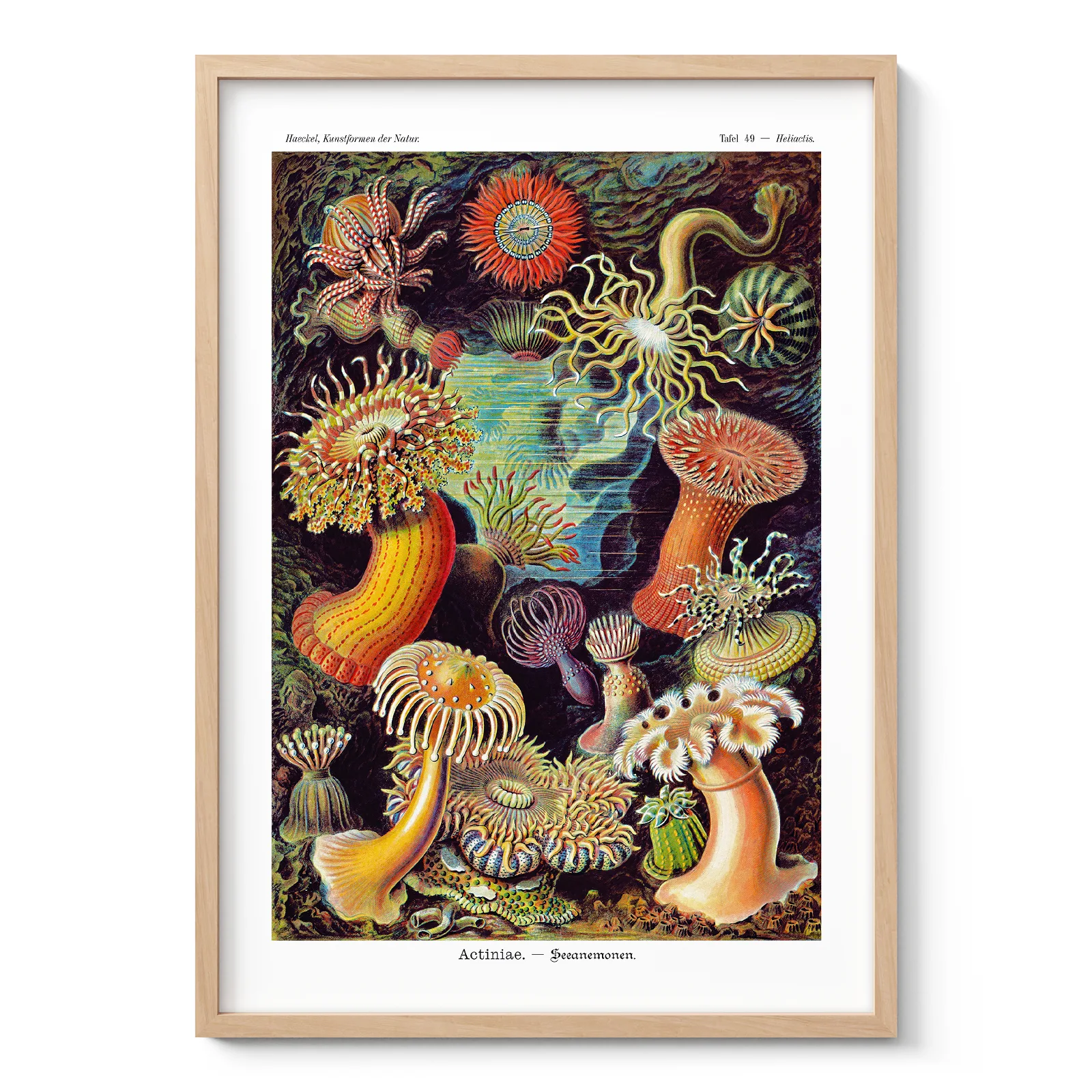
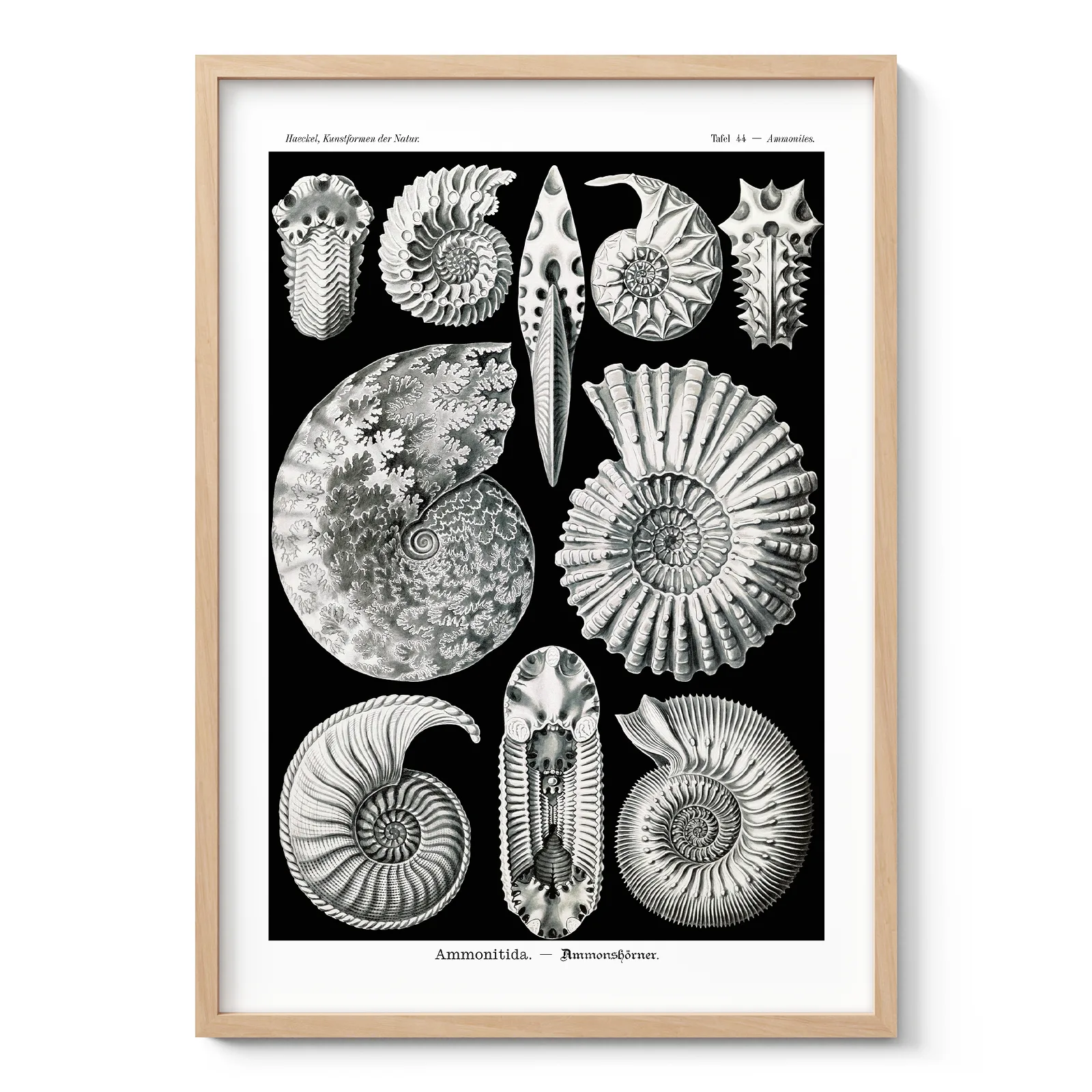
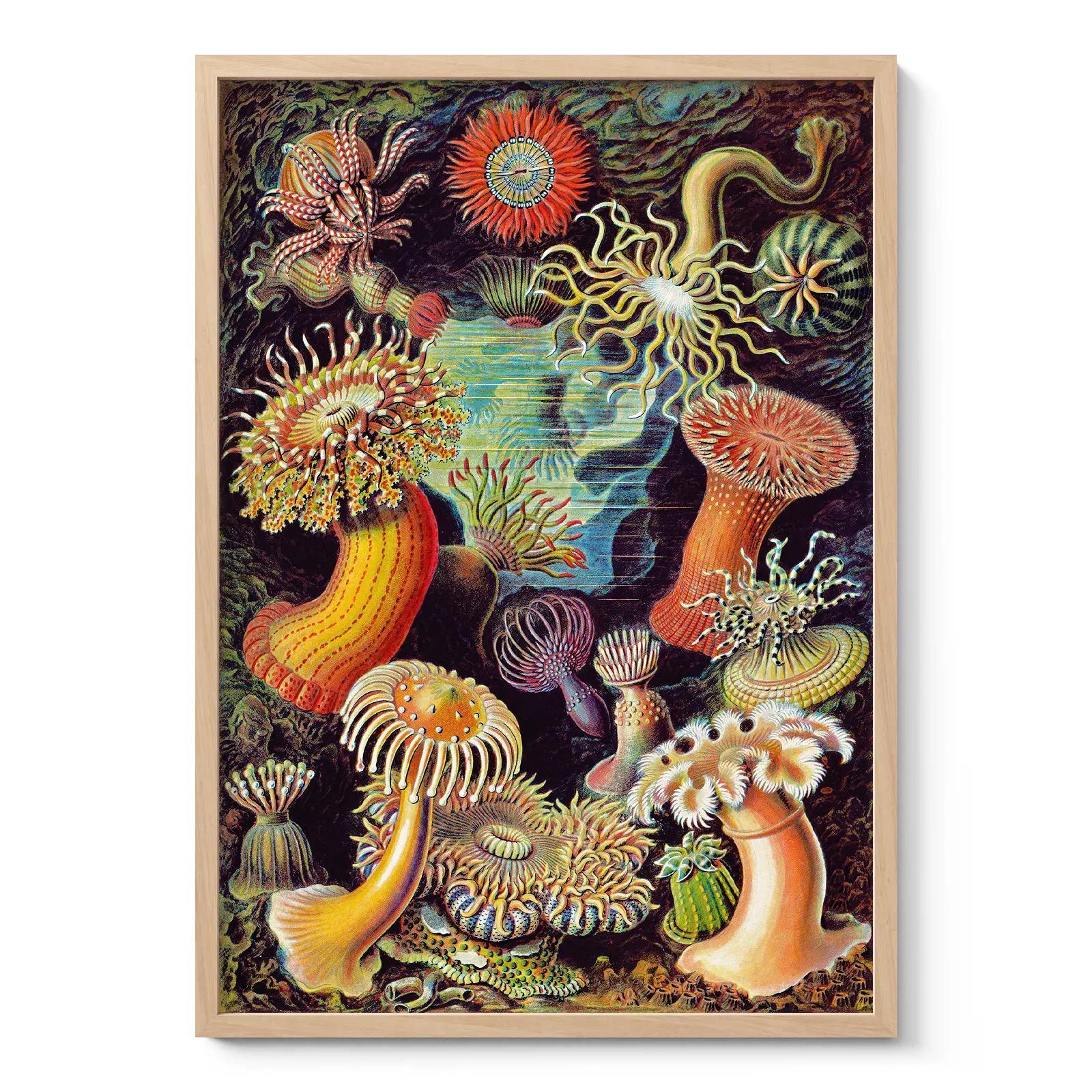
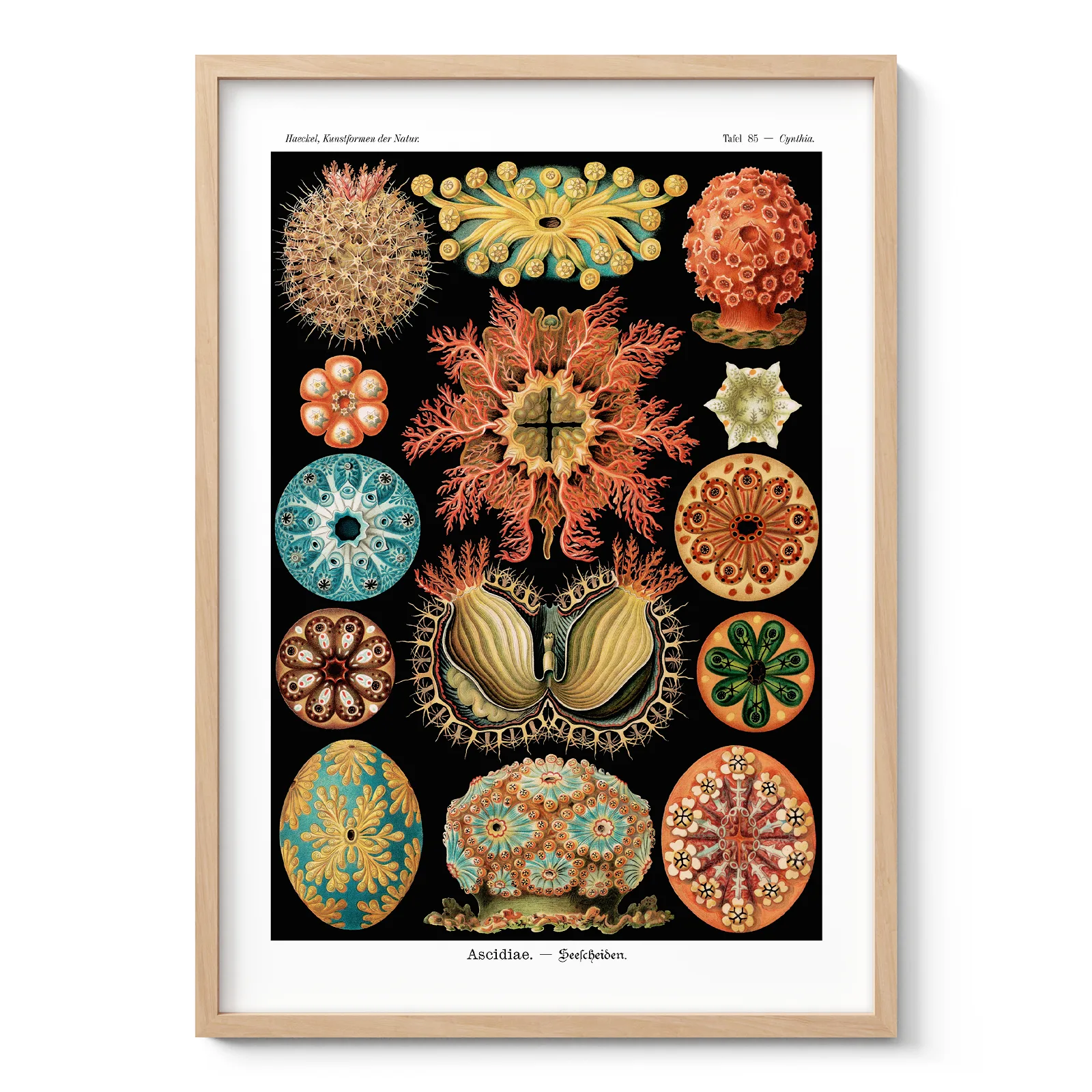
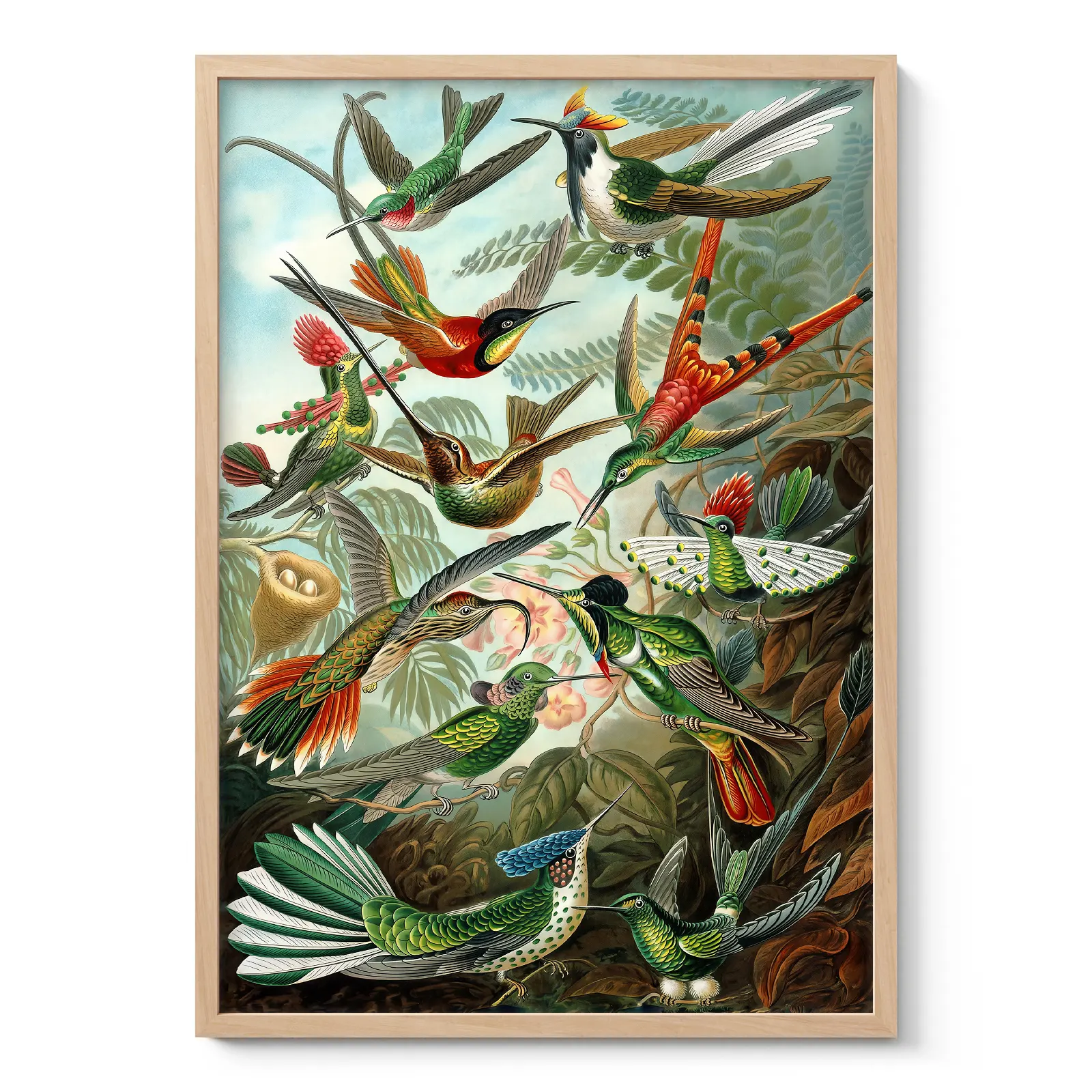
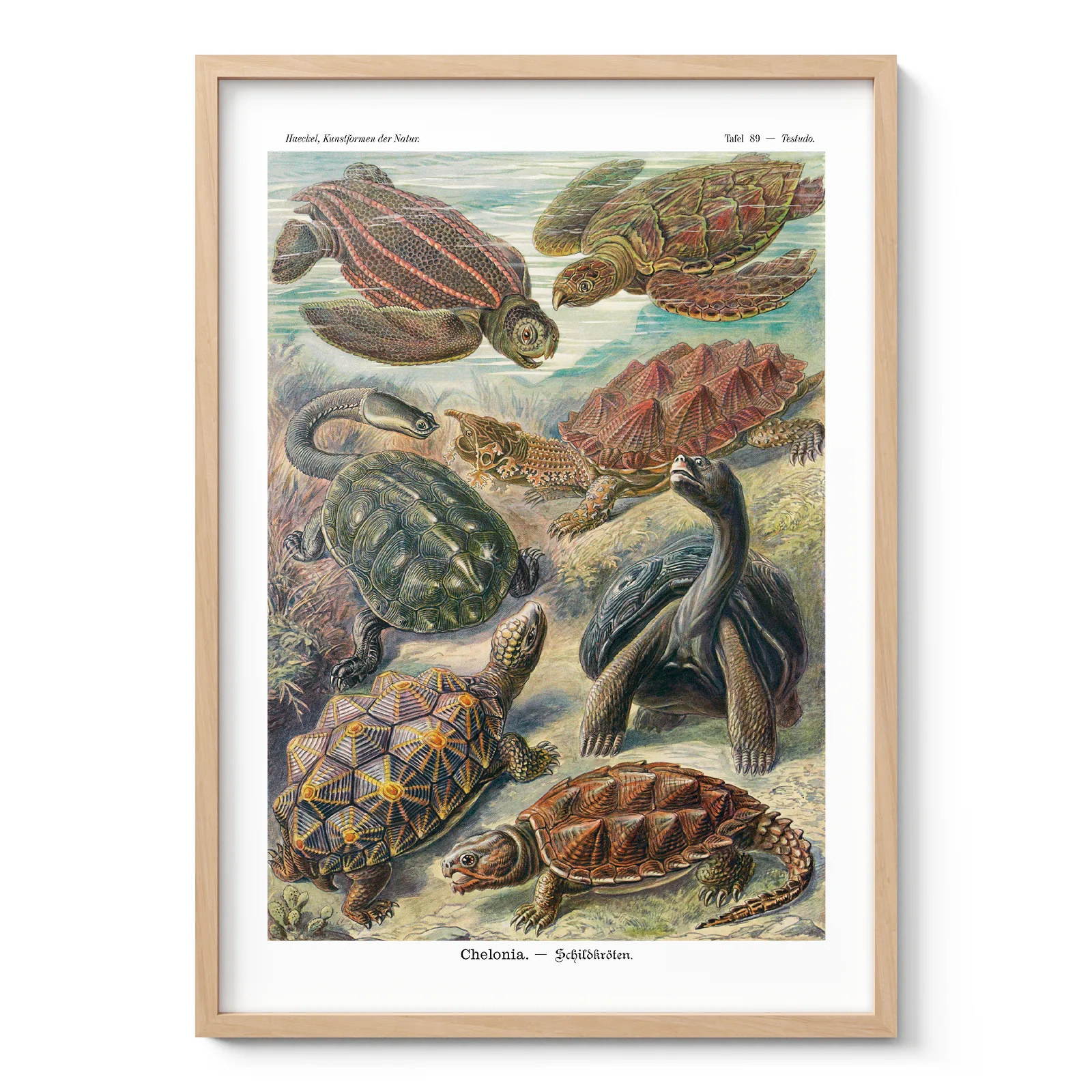
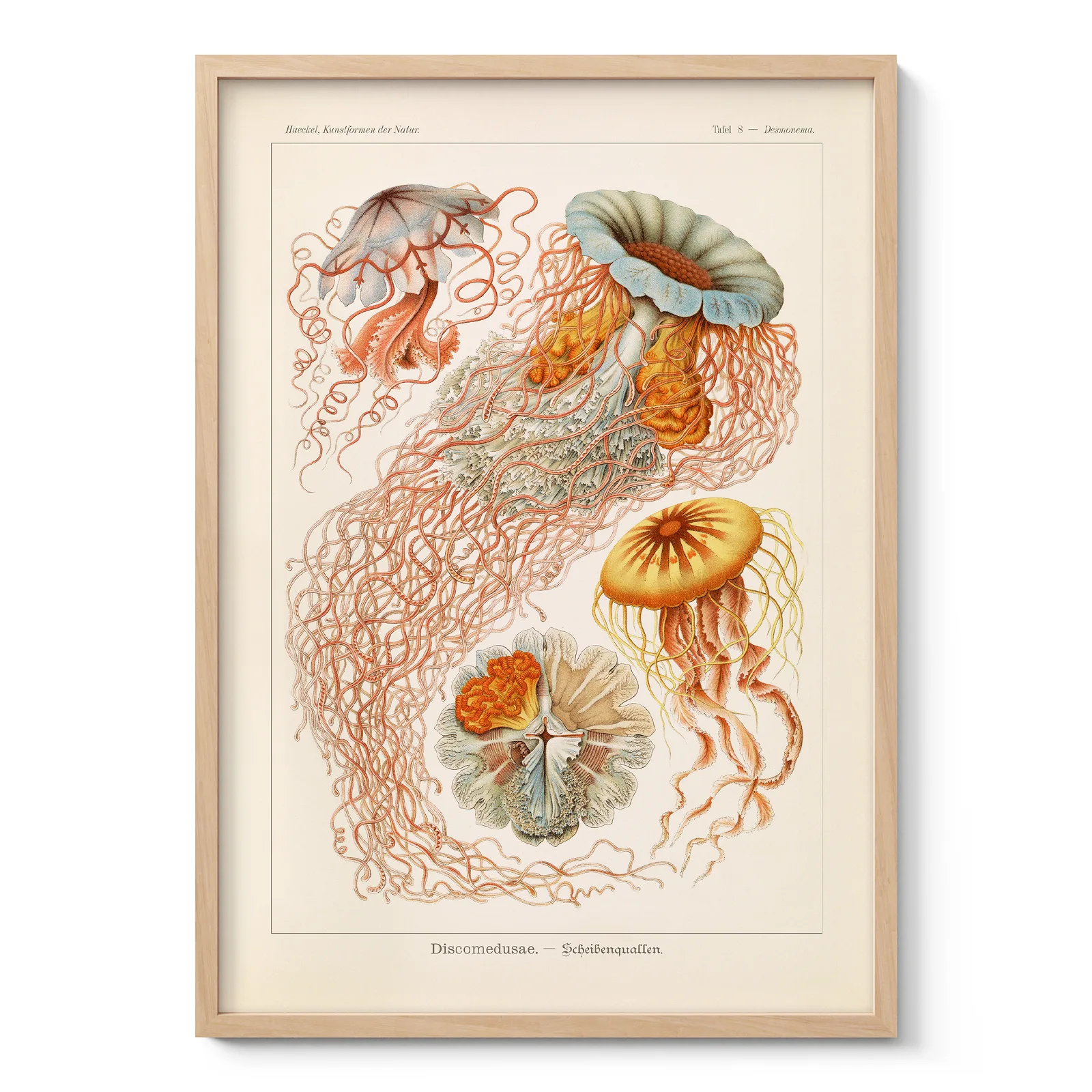
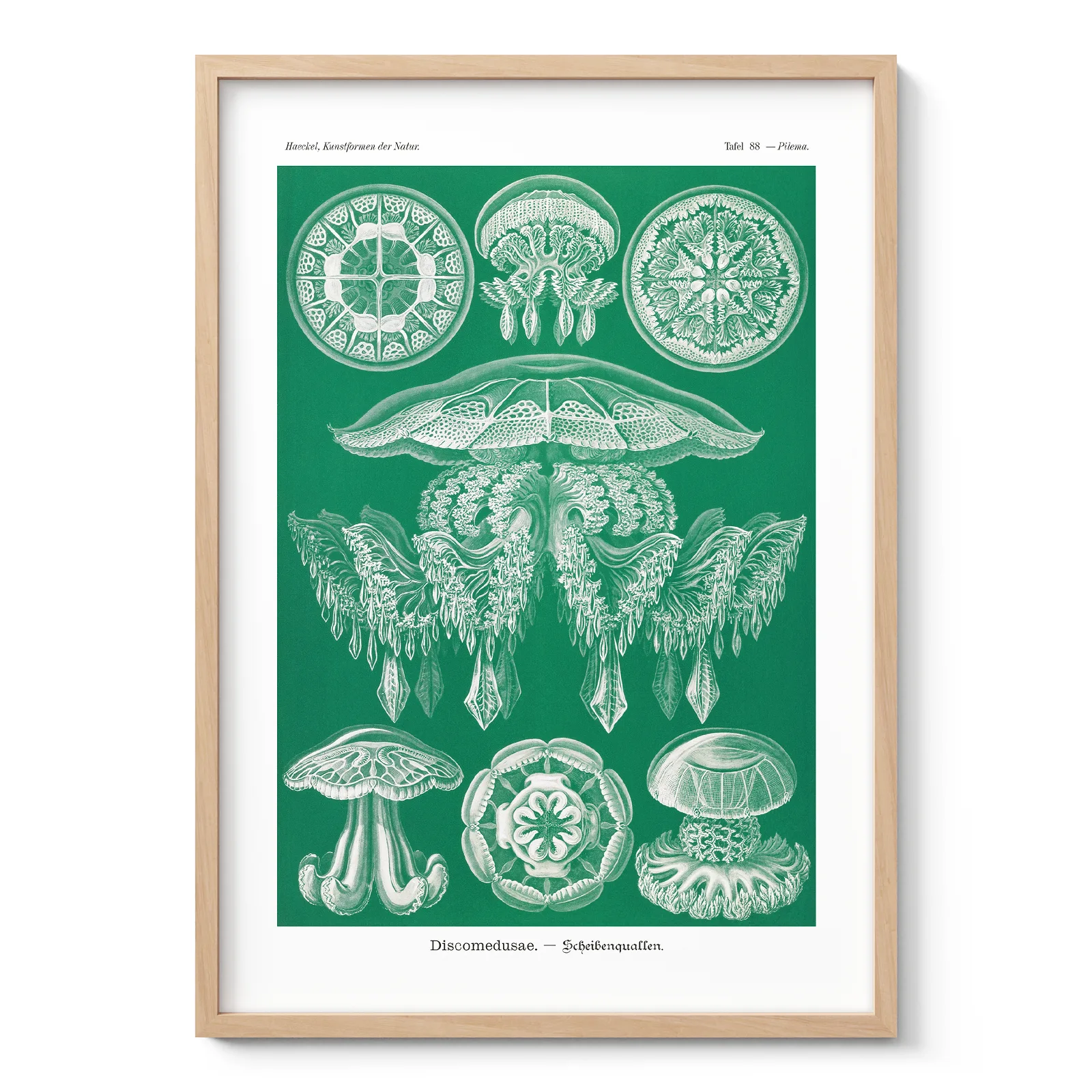
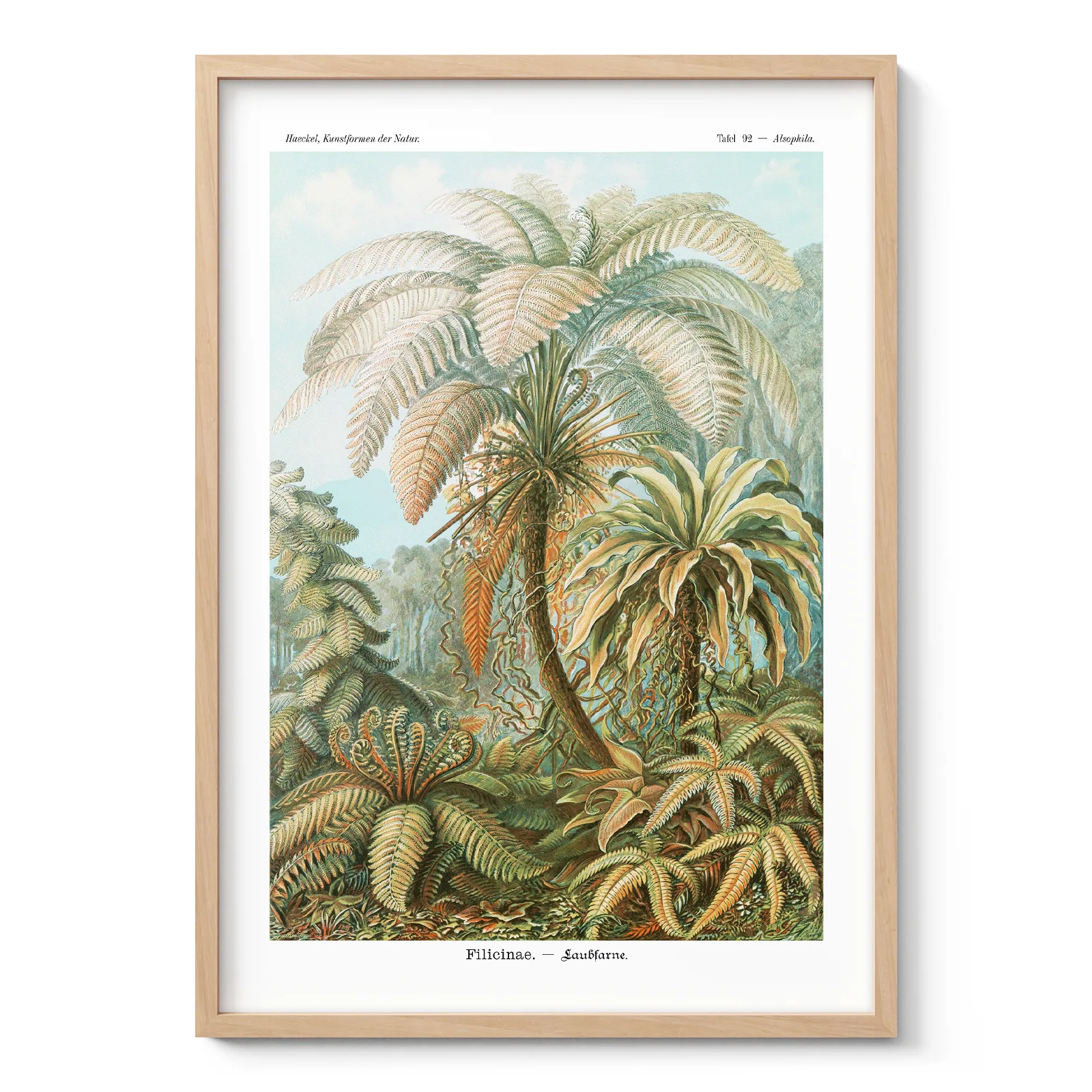
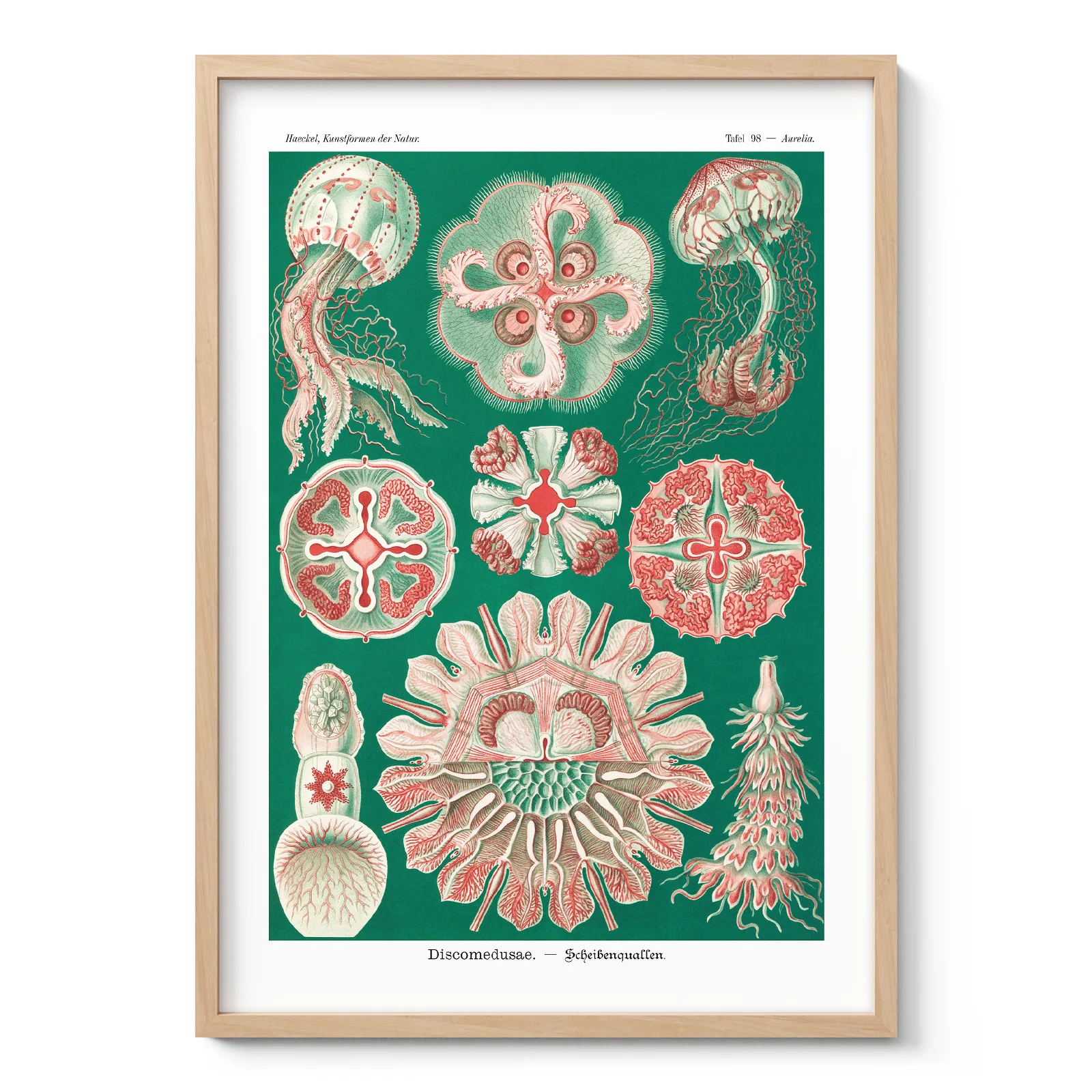
Decorative traditions offer another perspective. William Morris developed richly patterned botanical designs inspired by craftsmanship and nature, while Alphonse Mucha became one of Art Nouveau's defining figures through elegant female portraits surrounded by ornamental detail. Botanical illustration reached extraordinary precision in the work of Pierre-Joseph Redouté and Ernst Haeckel, whose studies of flowers and marine organisms continue to inspire designers today.
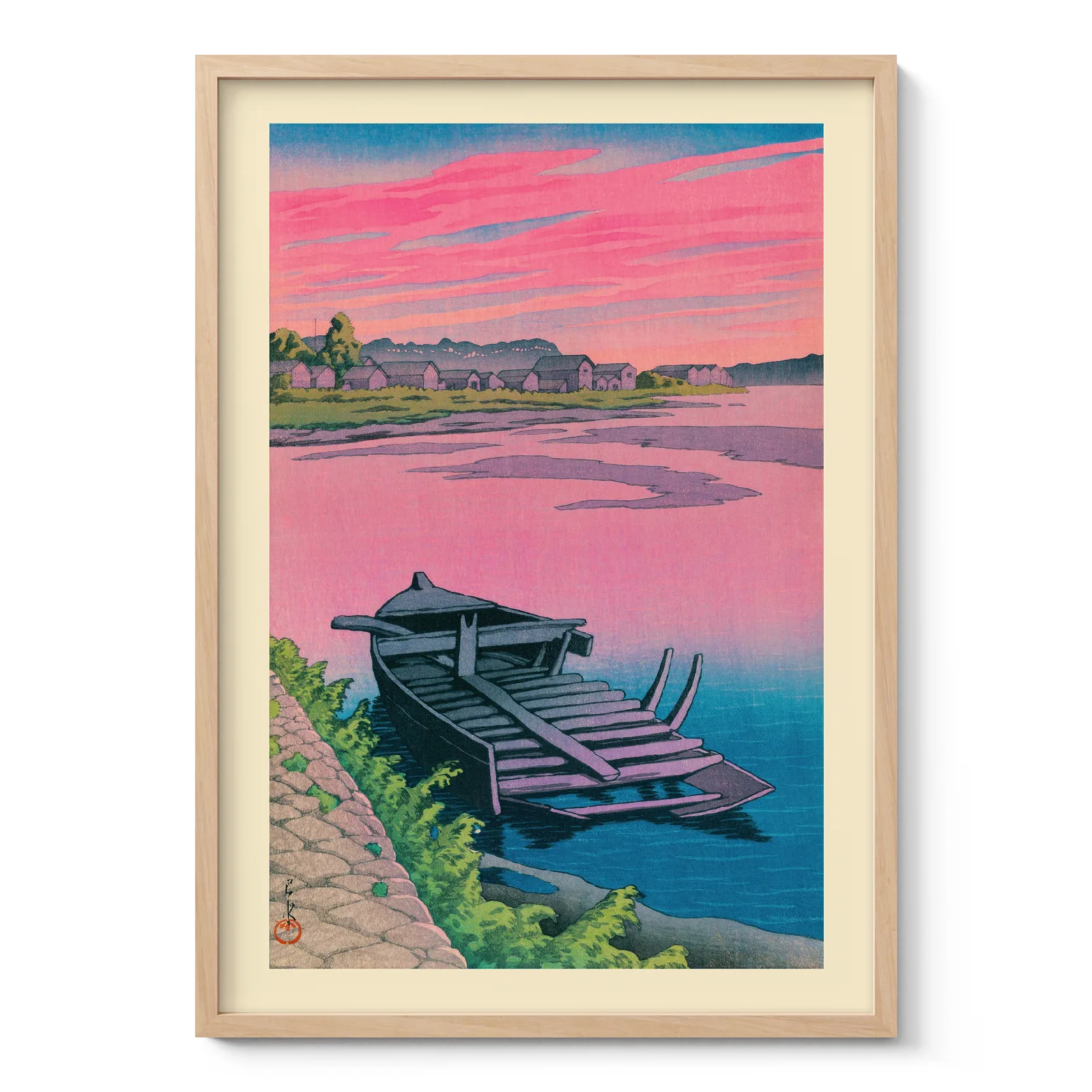
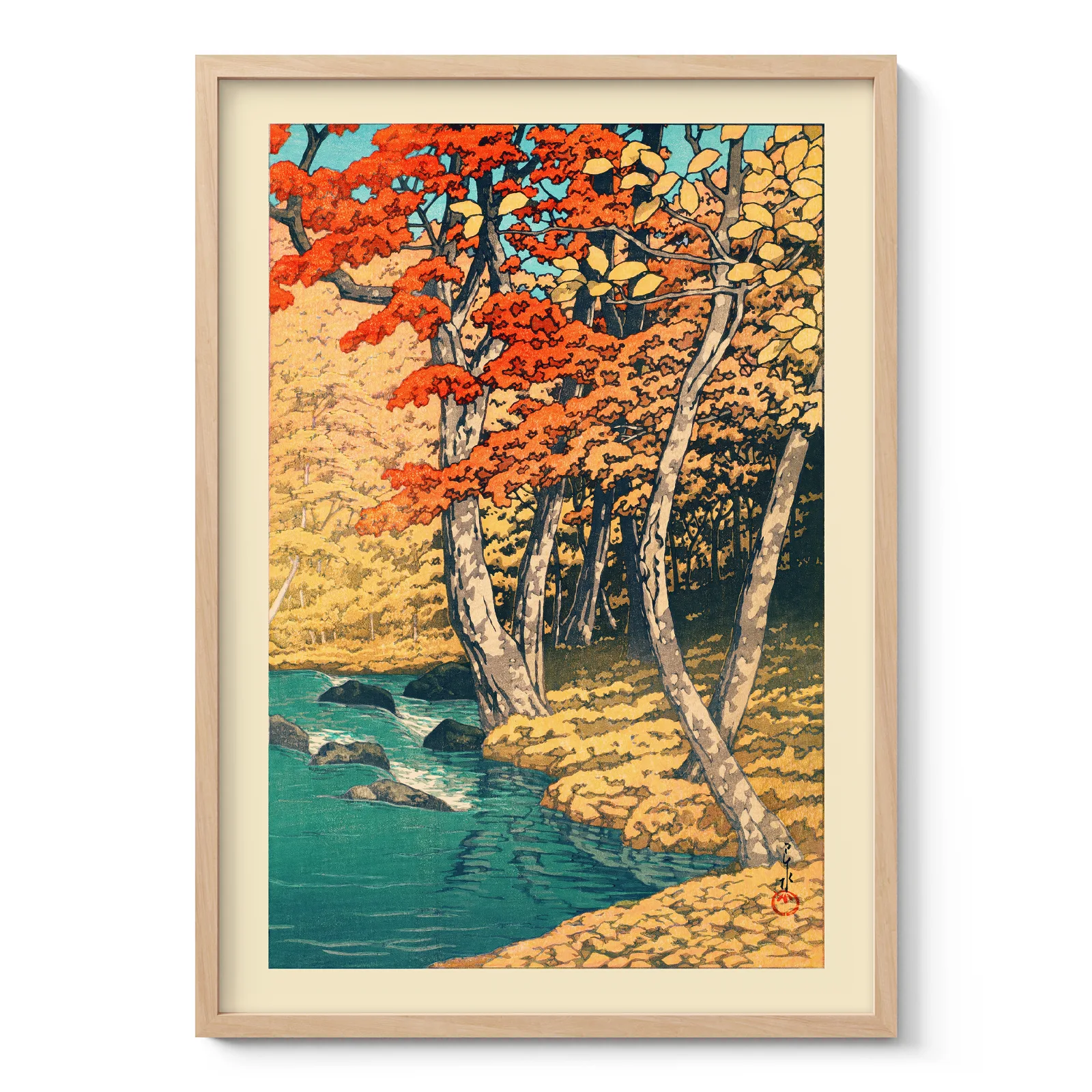
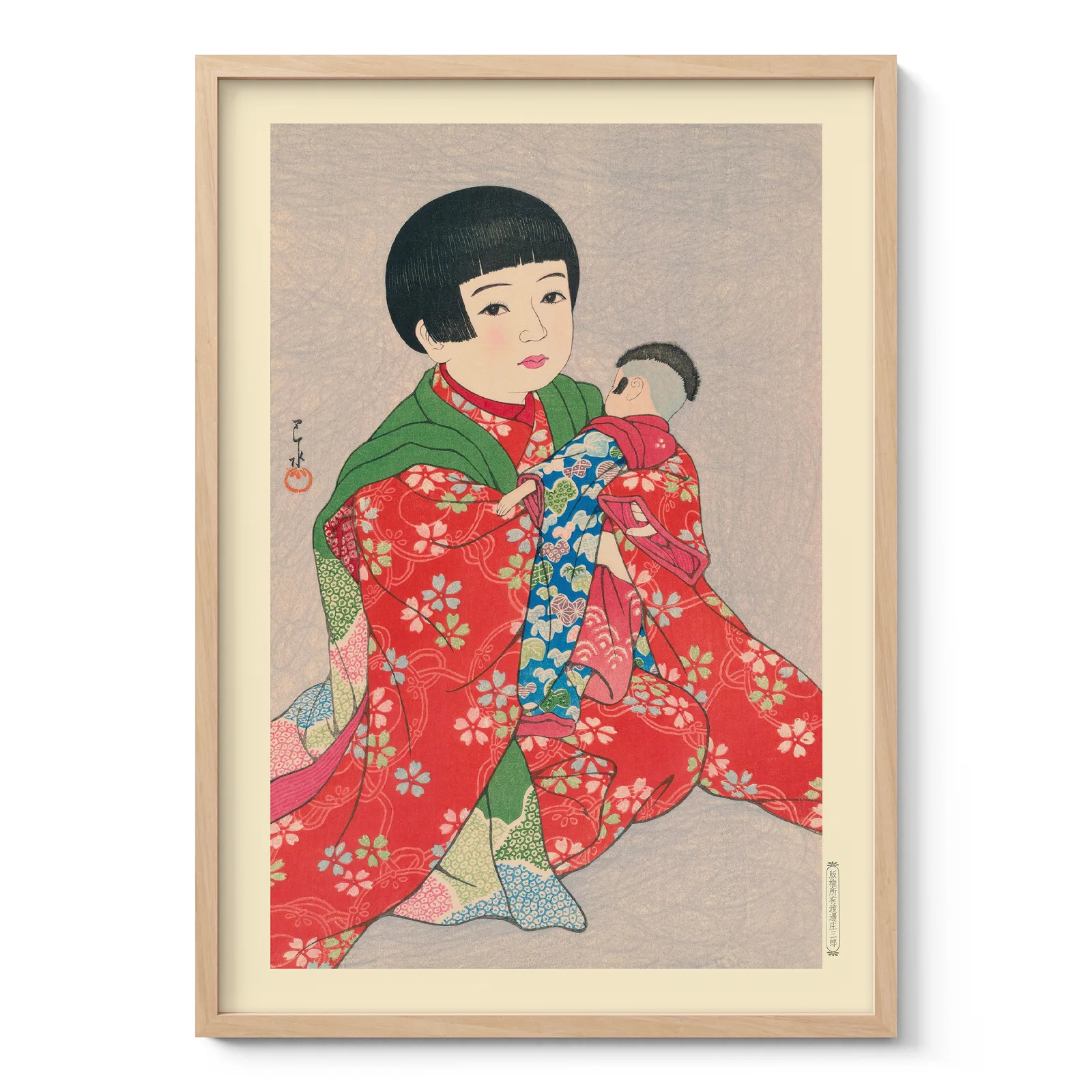
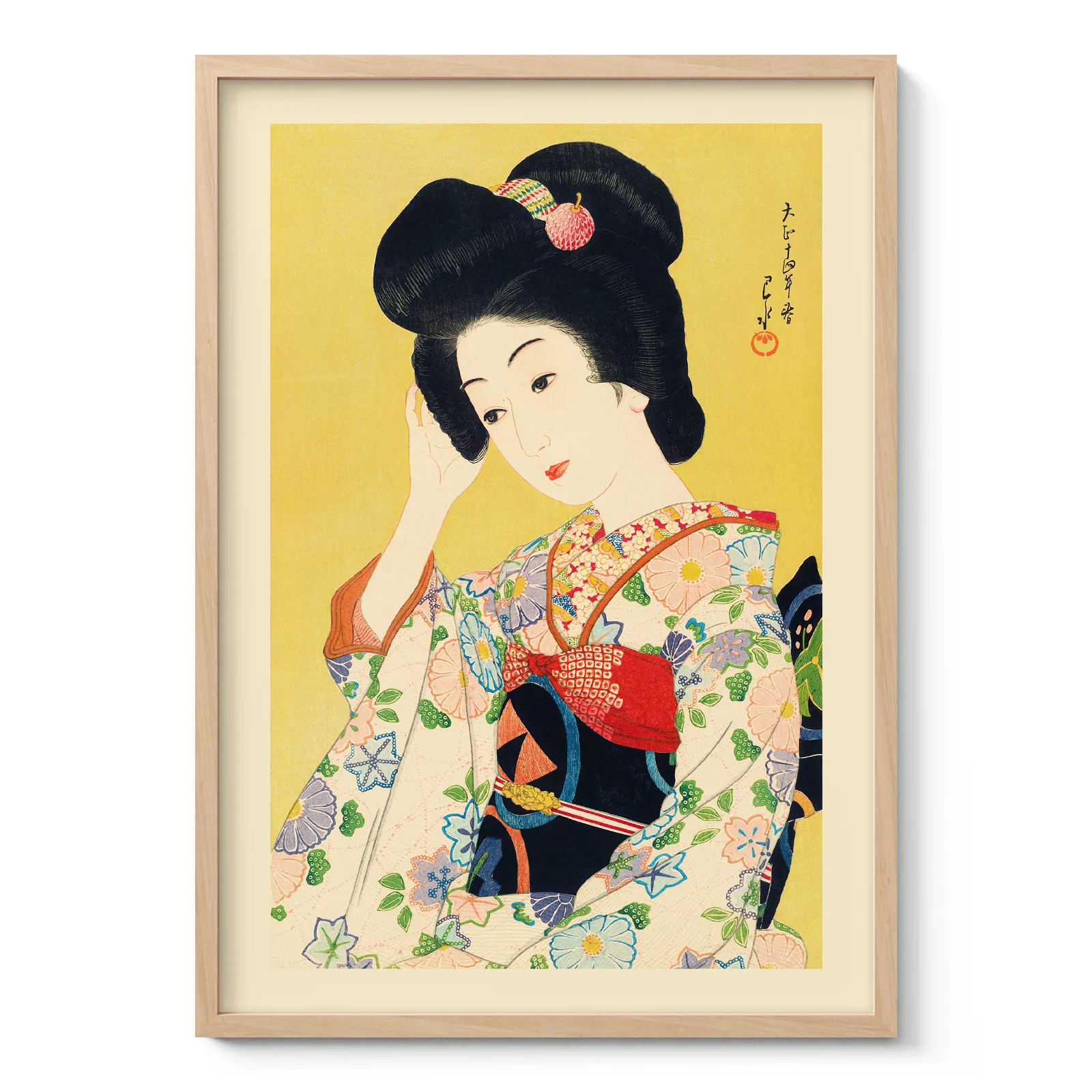
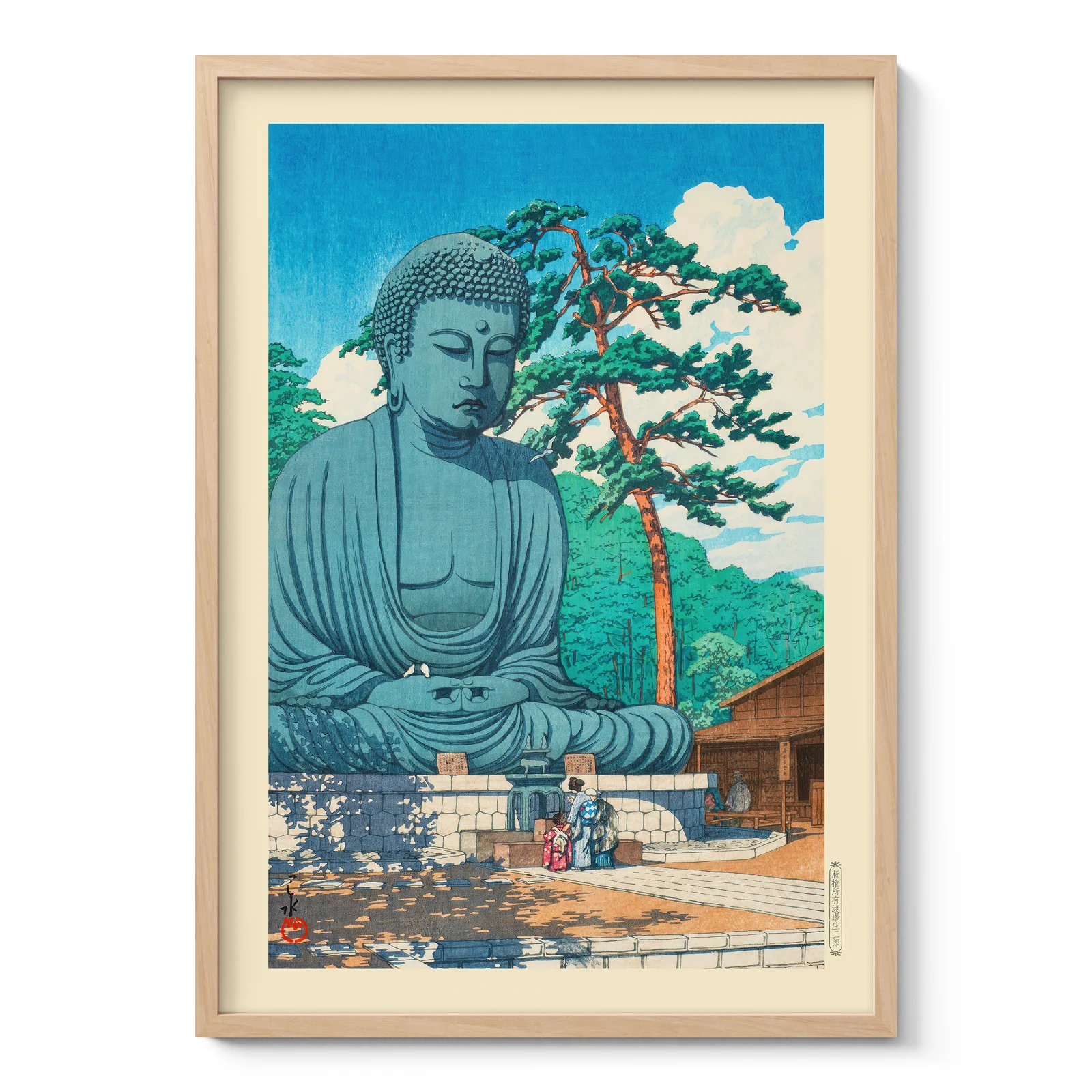
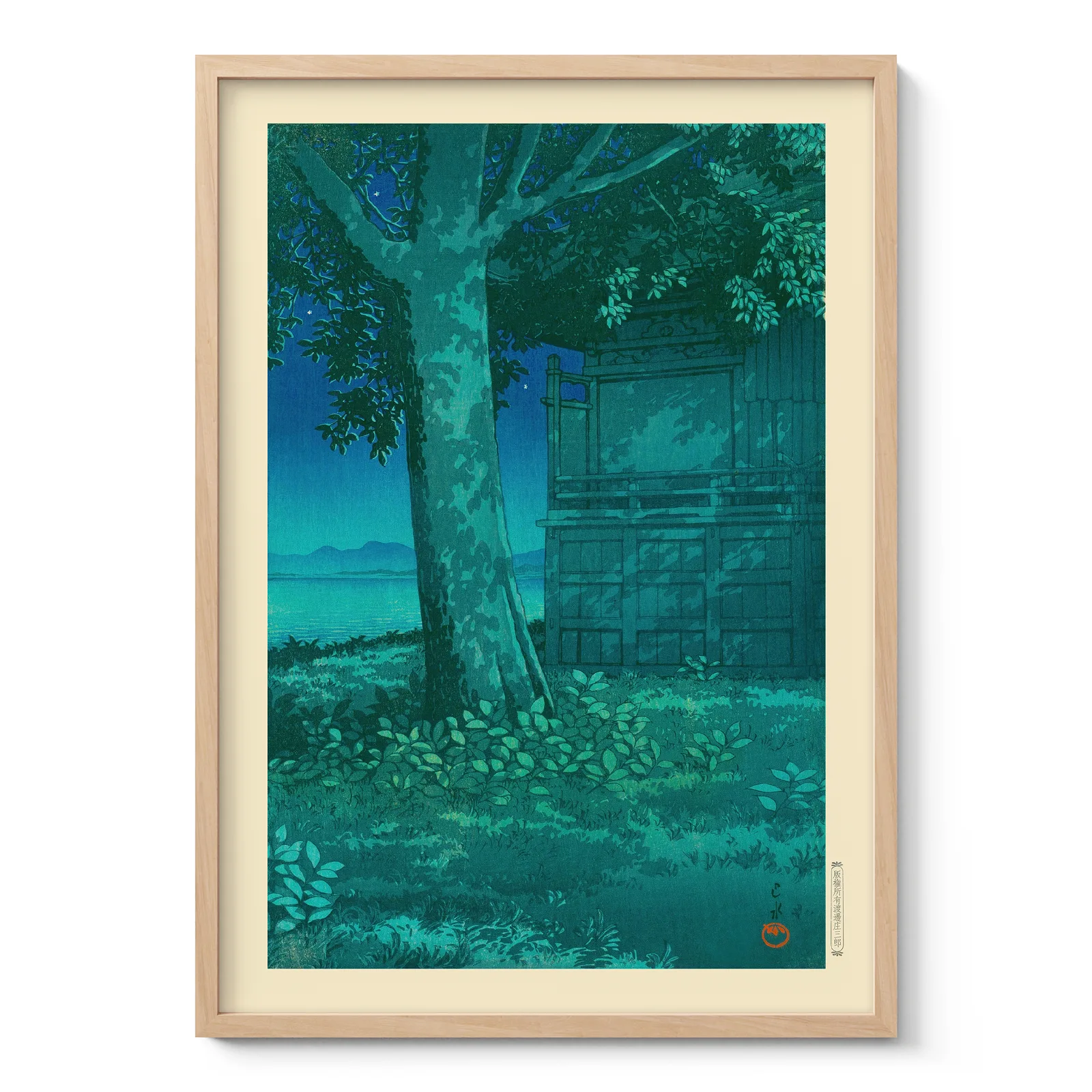
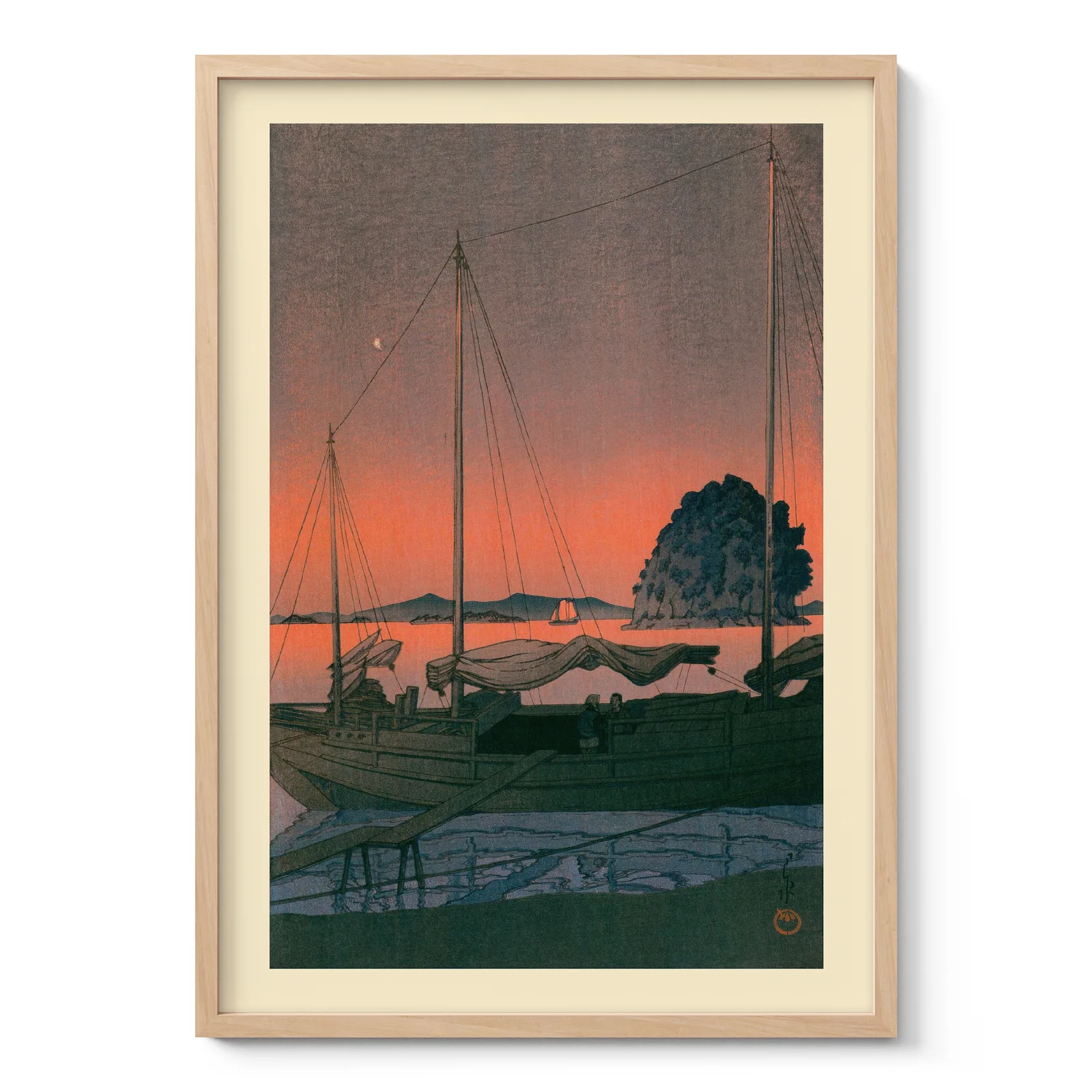
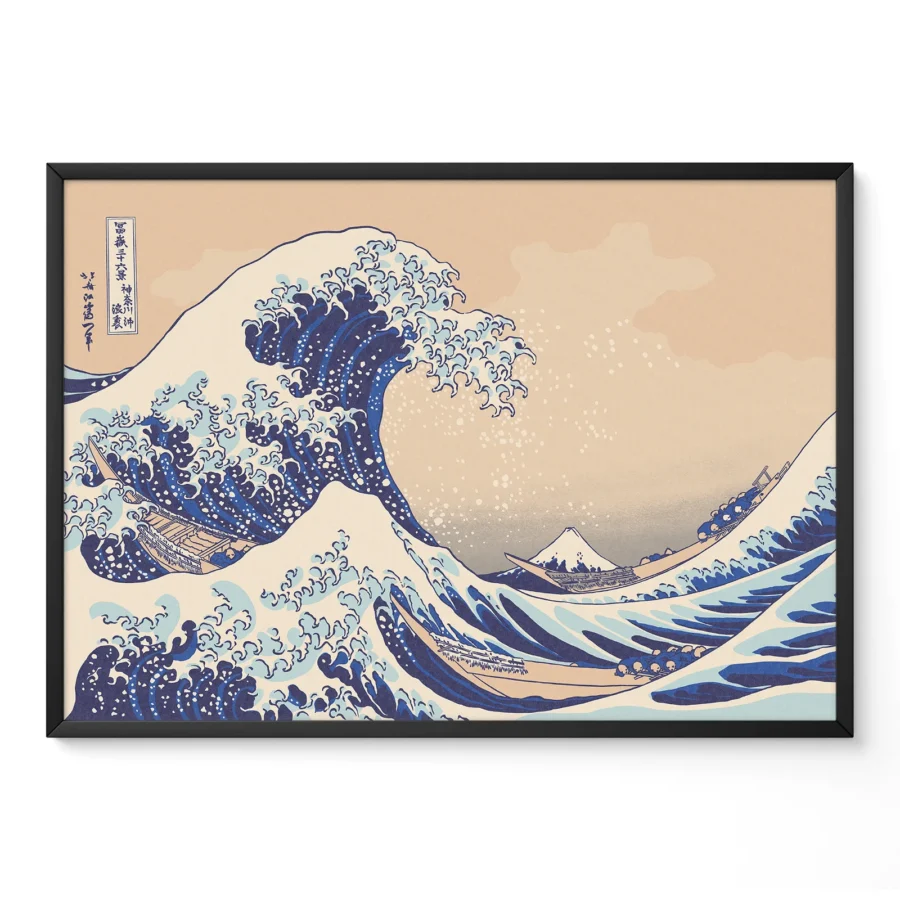
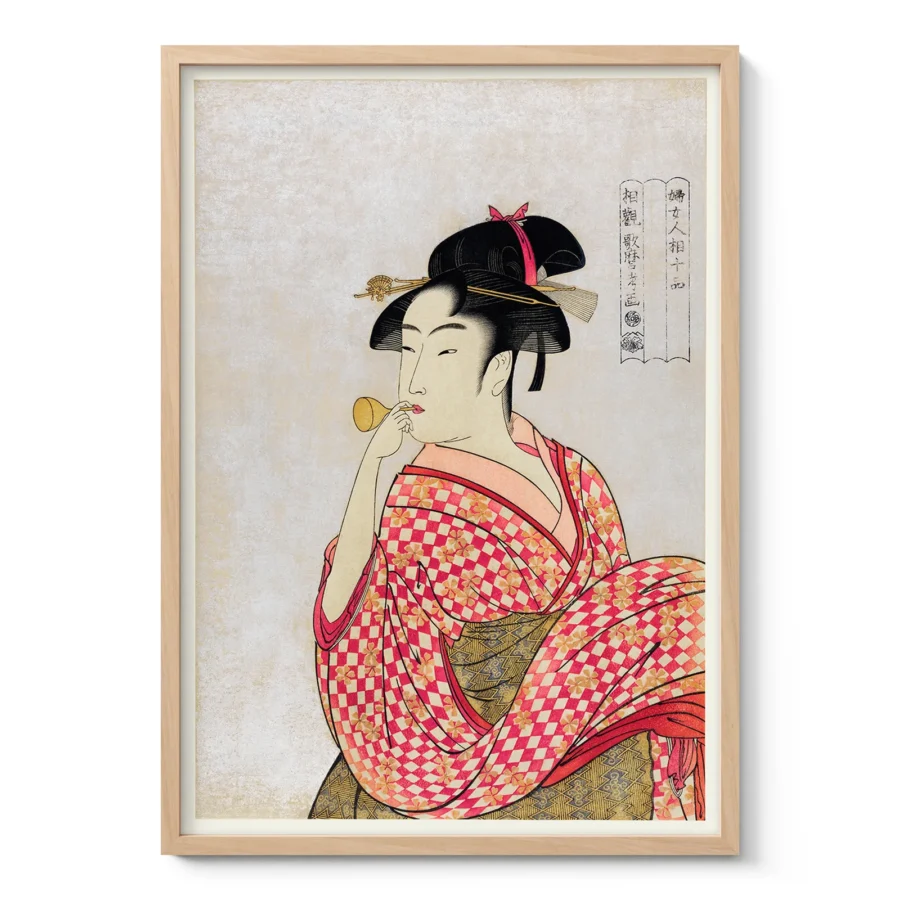
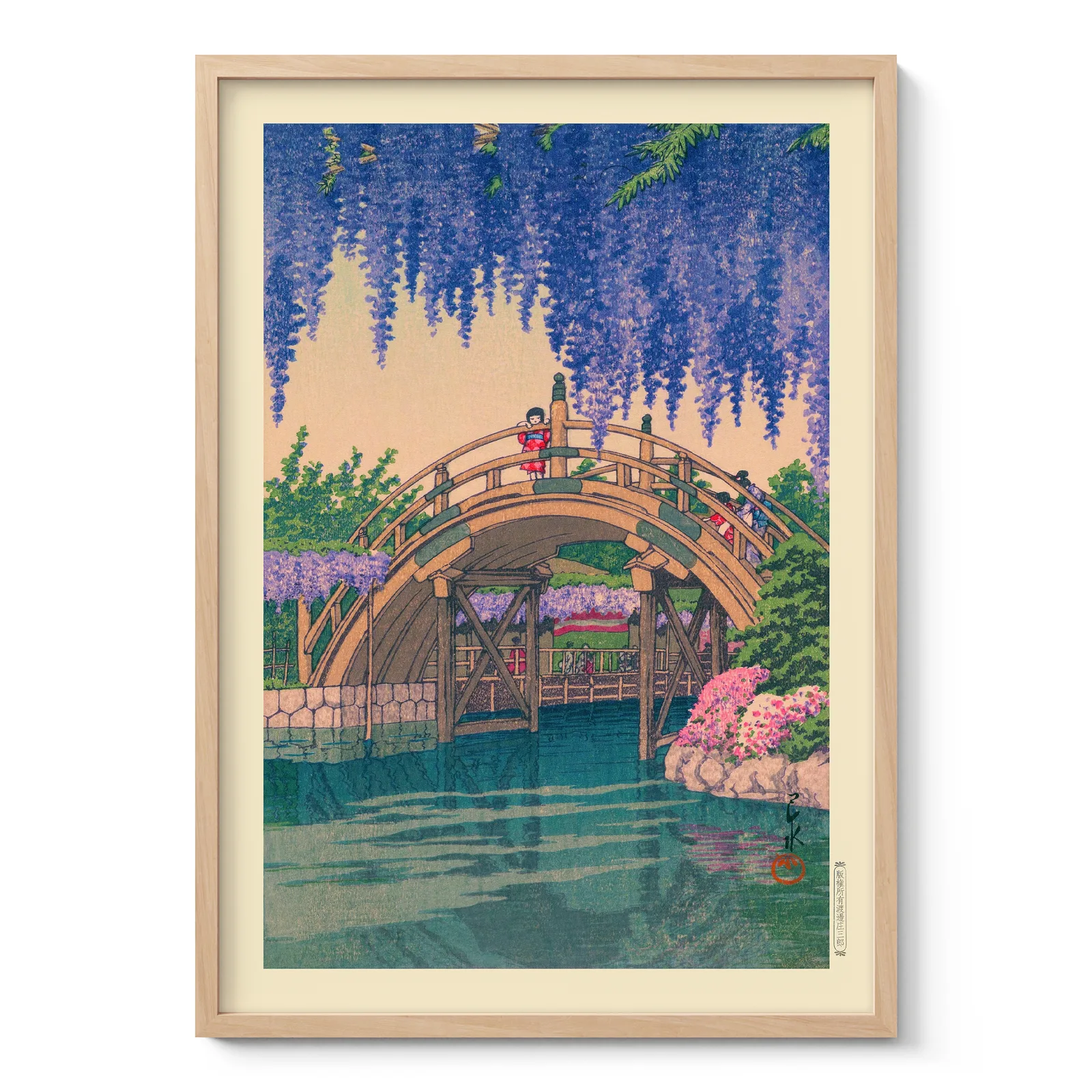
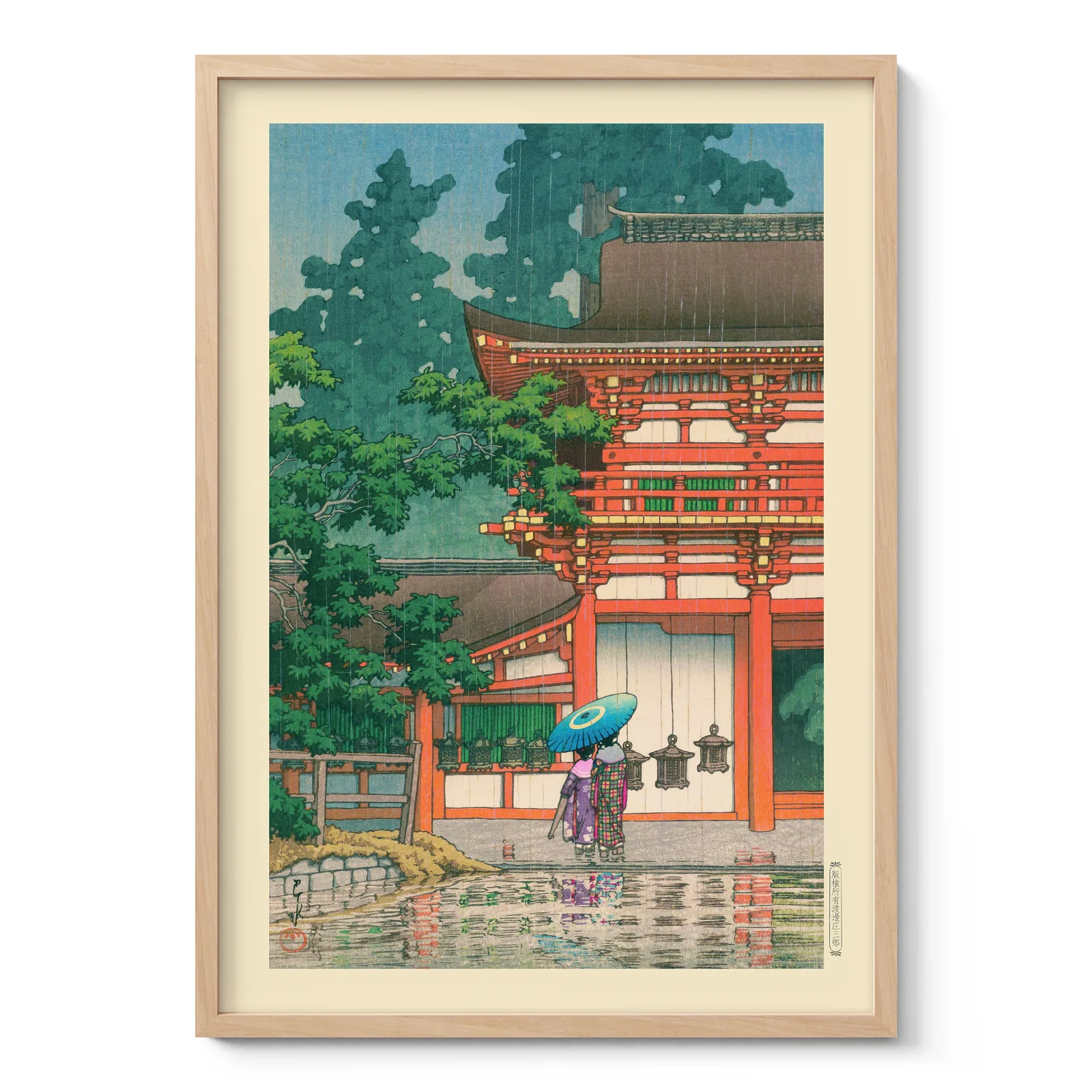
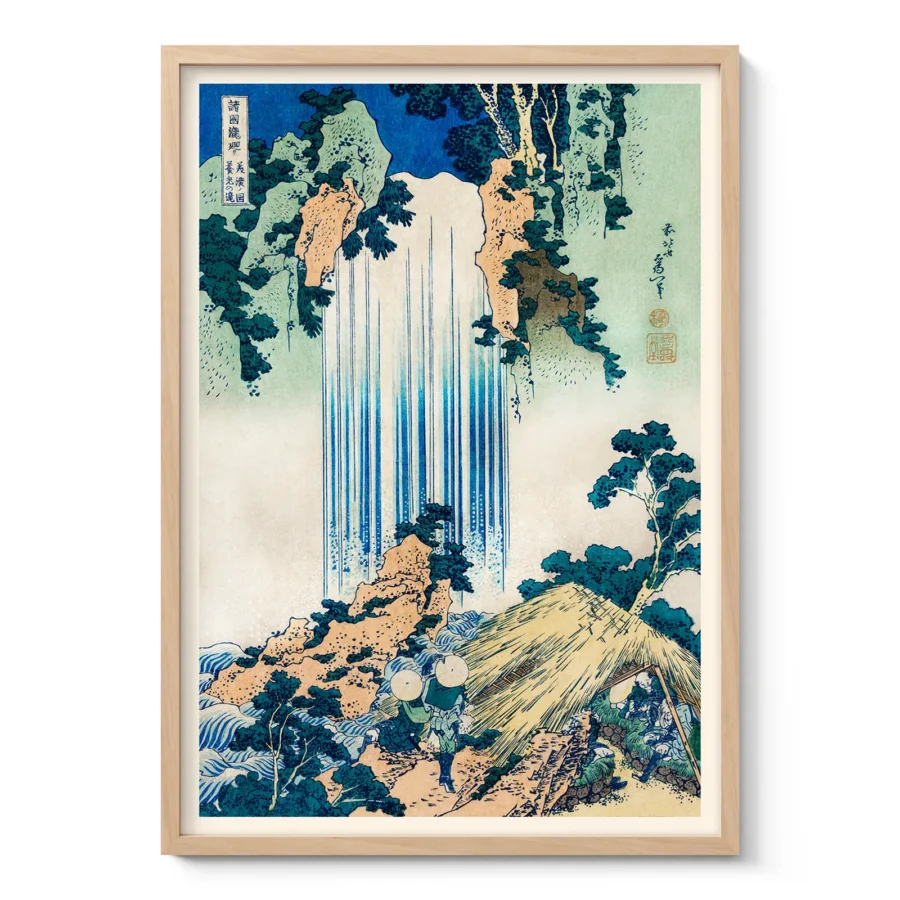
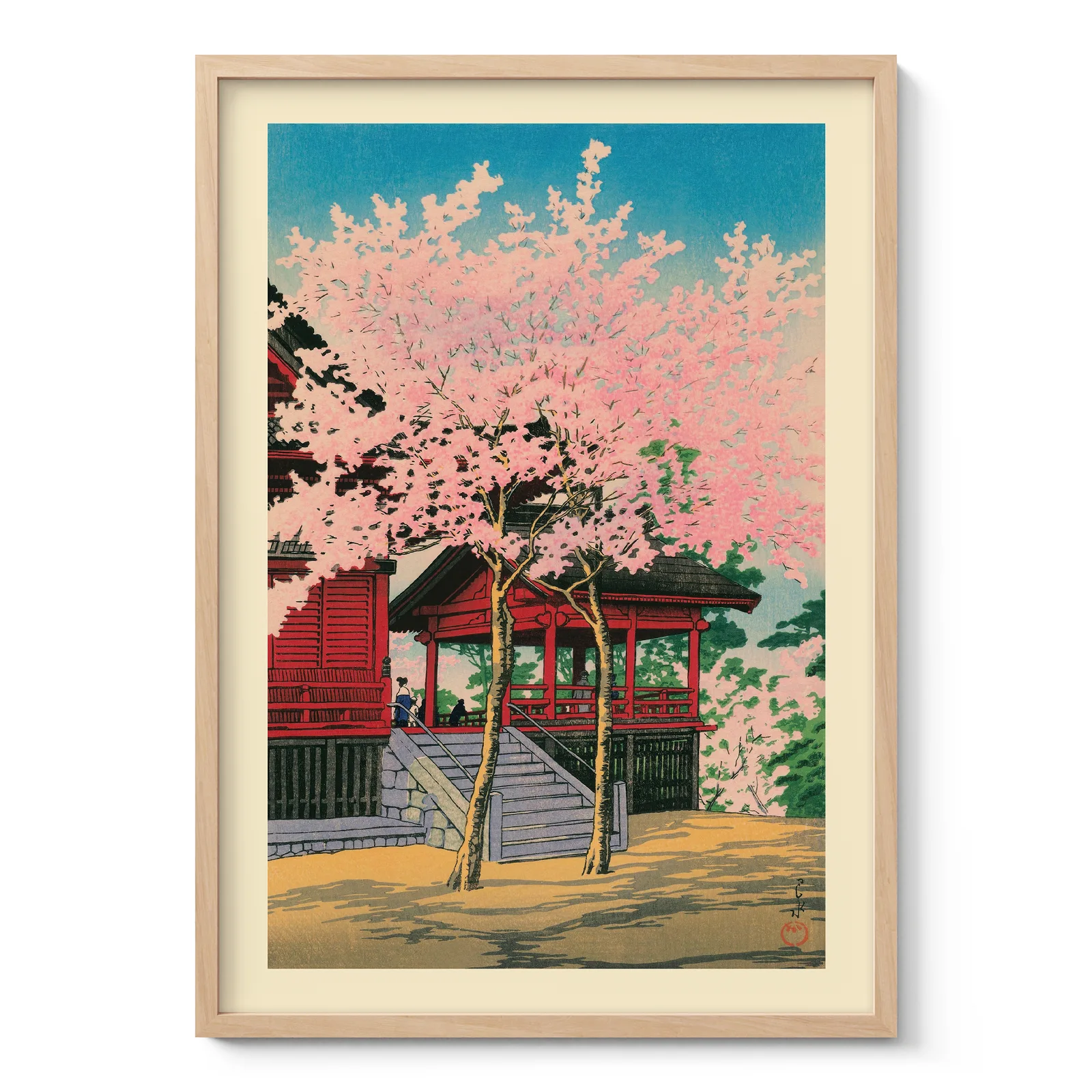
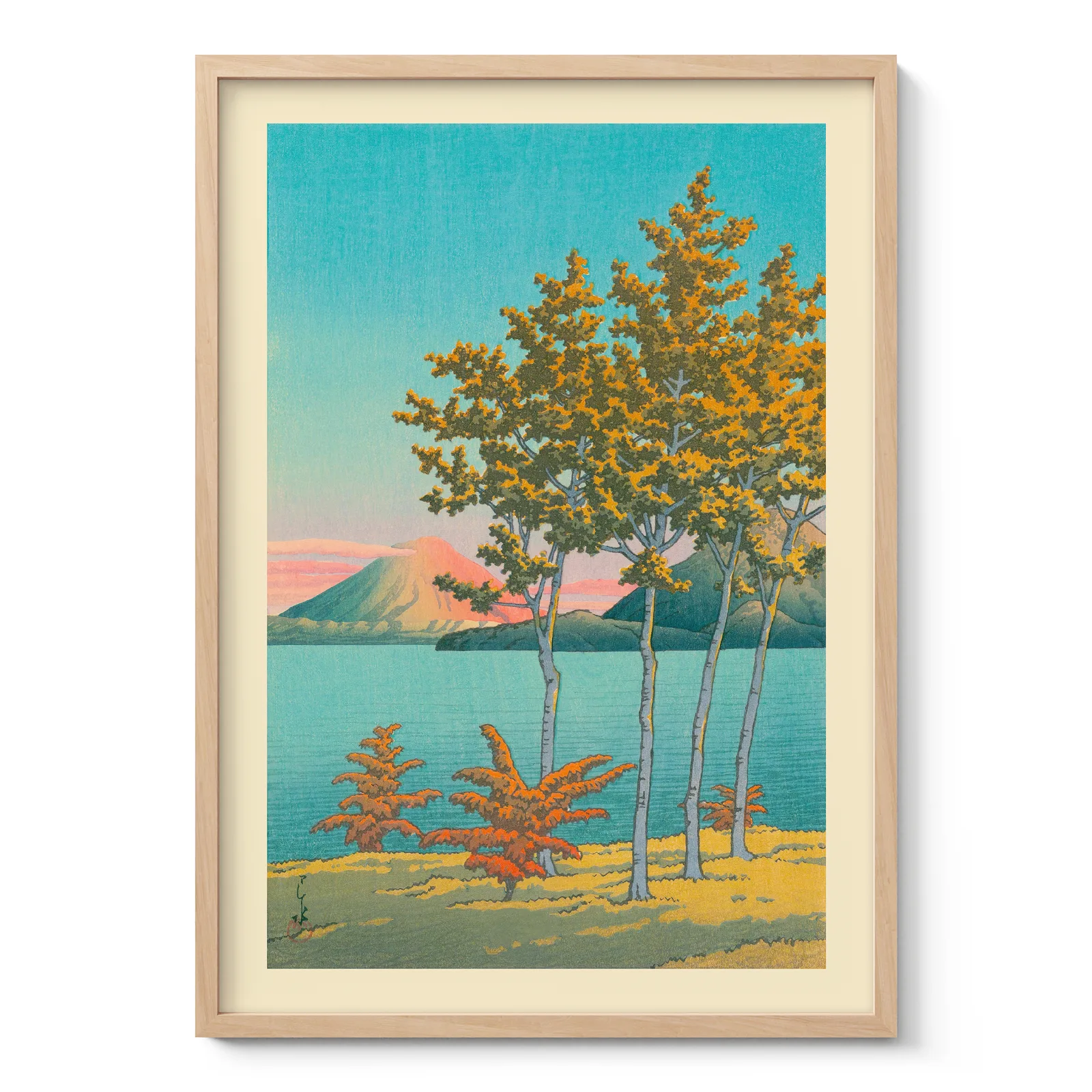
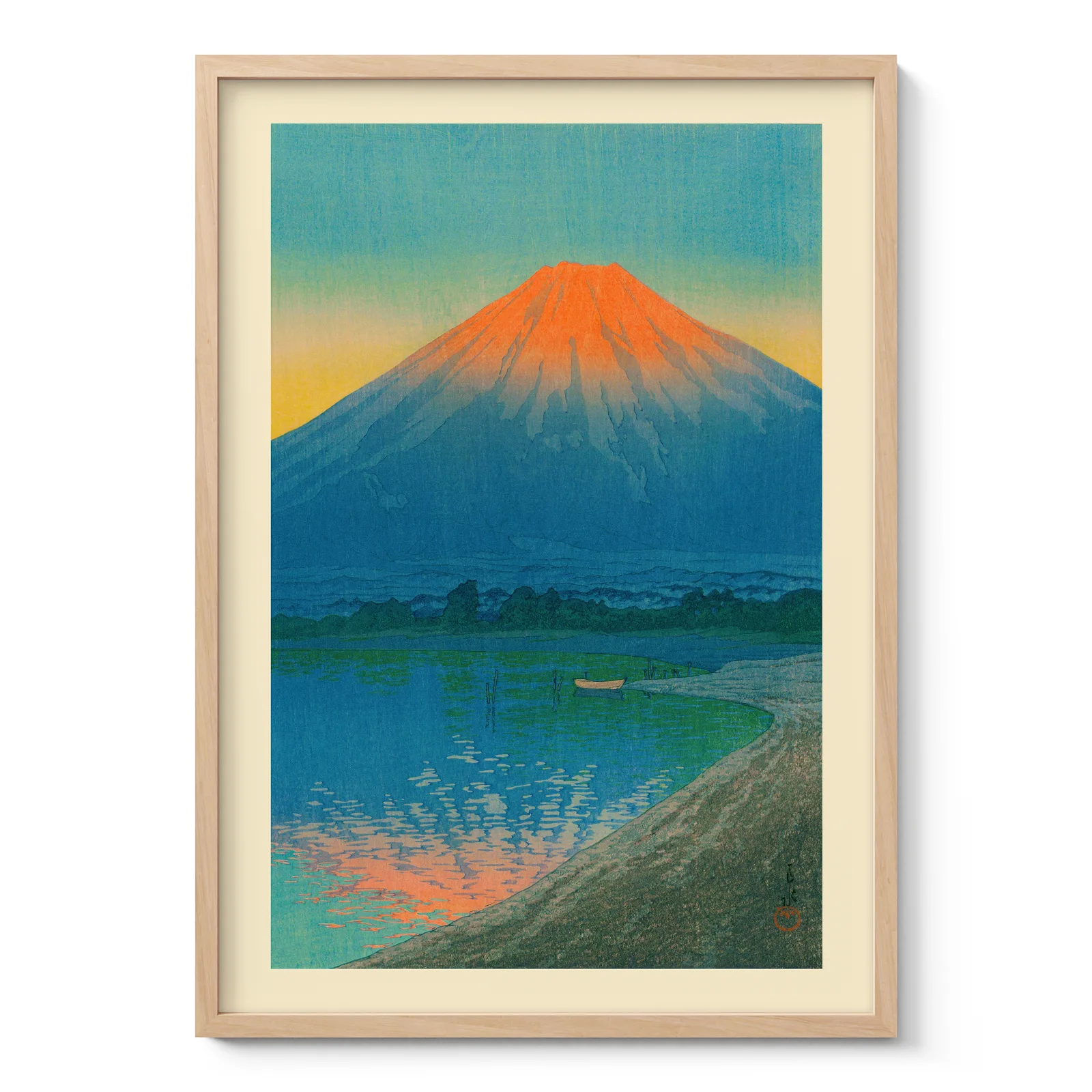
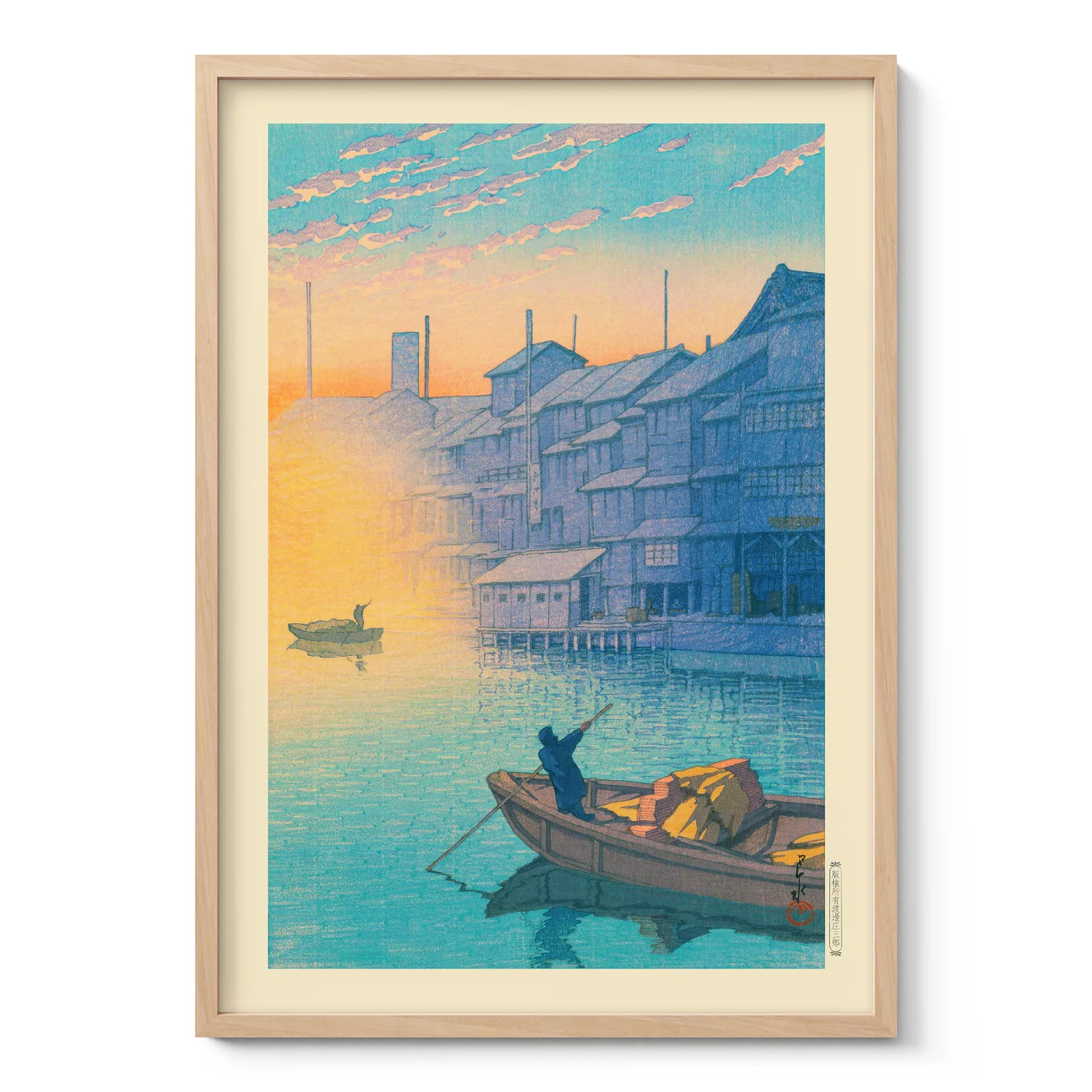
Japanese woodblock prints provide a quieter aesthetic. Katsushika Hokusai captured dramatic waves, mountains and landscapes with bold composition, while Hasui Kawase introduced a more atmospheric vision through rain, snow and peaceful streets. Meanwhile, Hilma af Klint anticipated abstract art decades before it became widely recognised, using geometry, colour and symbolism to create works that still feel surprisingly contemporary.
Together, these artists demonstrate why famous artists wall art offers far more variety than a single artistic style ever could.
Choosing artwork for your interior
Understanding artistic movements often makes choosing wall art easier than selecting by artist alone. Impressionist paintings generally suit Scandinavian interiors because of their natural light and gentle colour transitions. Japanese woodblock prints complement Japandi spaces through balanced composition and quiet simplicity. Matisse's graphic forms and Hilma af Klint's abstract compositions work naturally in Contemporary and Minimalist interiors, while William Morris designs feel at home in Traditional, Cottage and English-inspired spaces.
Mid-Century Modern interiors often welcome expressive colour, making Van Gogh or Matisse strong choices. Eclectic interiors provide freedom to combine different movements, especially when artworks share a similar colour palette. A museum-quality print helps preserve the detail, texture and colour relationships that define each artist's work, whether displayed as a poster or canvas print.
Different rooms also benefit from different subjects. Landscapes encourage relaxation in living rooms and bedrooms, botanical illustration adds calm to home offices, decorative patterns create warmth in dining rooms, and expressive abstract compositions can introduce energy to hallways or office spaces.
Building a gallery wall with famous artists
One of the most rewarding approaches is to combine artists from different periods rather than filling every wall with a single name. A Monet landscape can sit comfortably beside a Morris botanical design if they share complementary colours. Hokusai's clean compositions pair surprisingly well with Matisse's simplified forms, while Redouté's flowers can soften a gallery wall built around modern abstract works.
The strongest gallery walls usually rely on visual balance rather than historical order. Similar frame styles, consistent spacing and a limited colour palette help connect artworks from different centuries into a cohesive display.
For that reason, famous artists wall art remains one of the most enduring categories in home décor. It offers access to masterpieces that continue to influence artists, designers and architects while giving homeowners the freedom to create spaces that reflect both personal taste and the rich history of art. From iconic paintings to lesser-known treasures, famous artists wall art encourages lasting appreciation built on artistic quality rather than changing trends.