



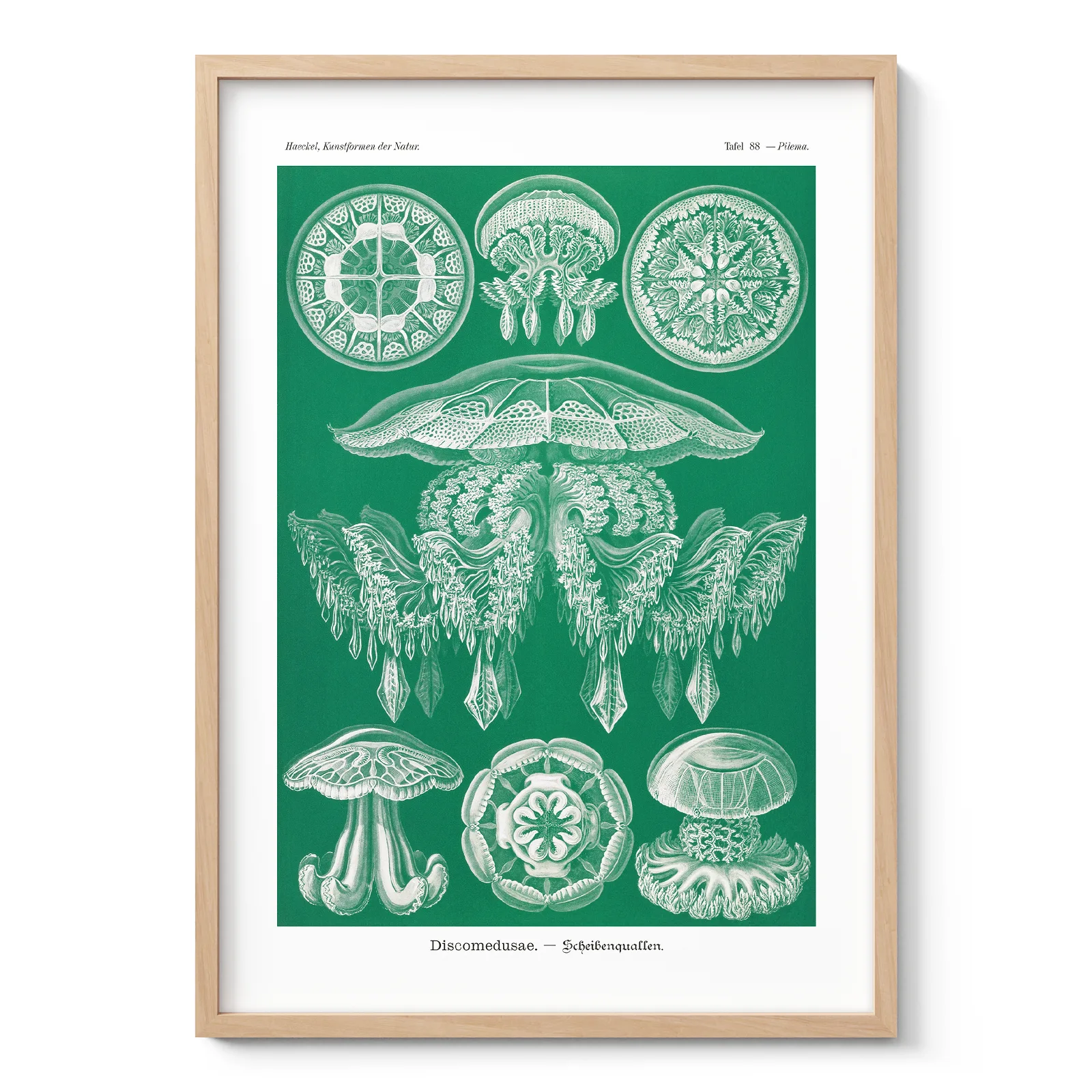
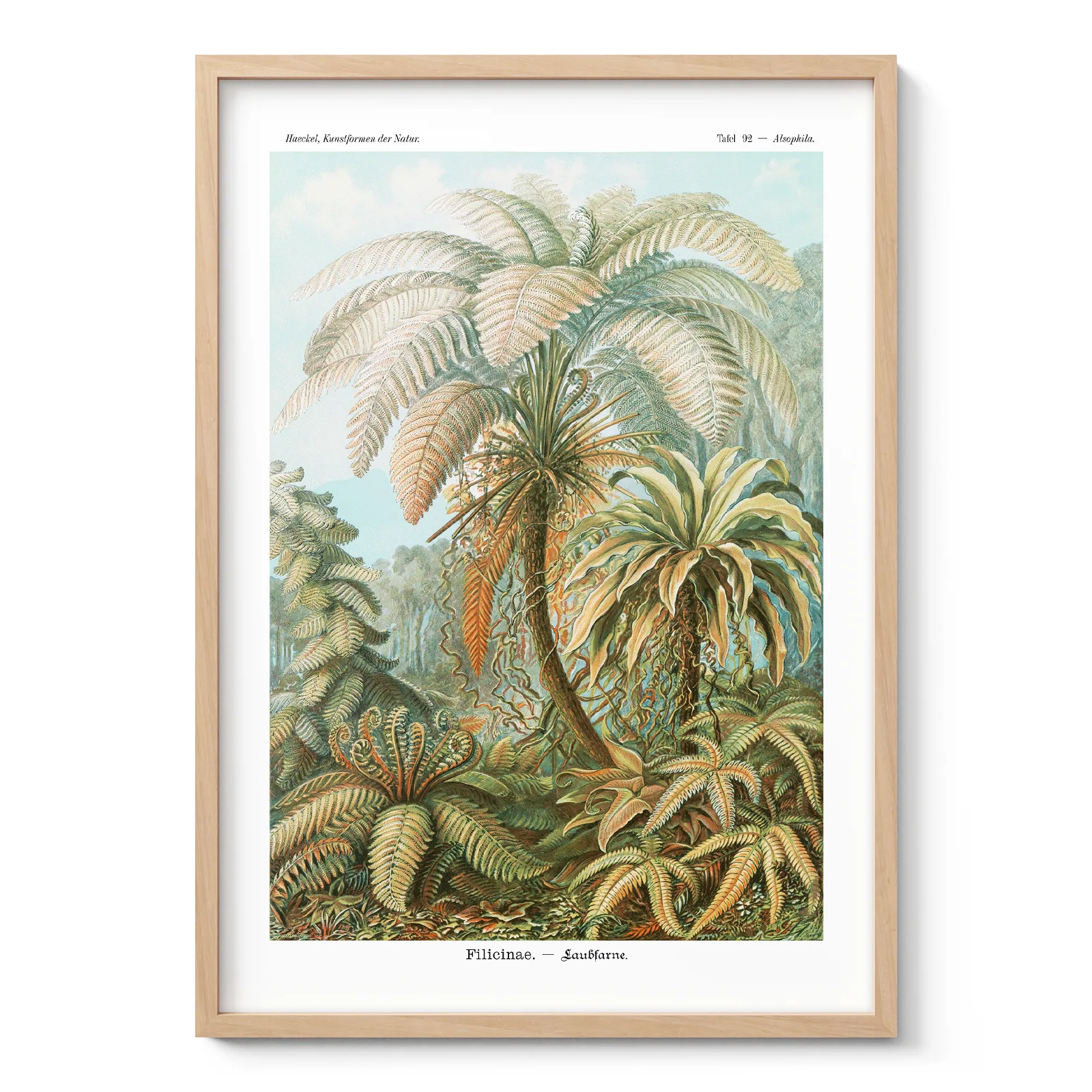
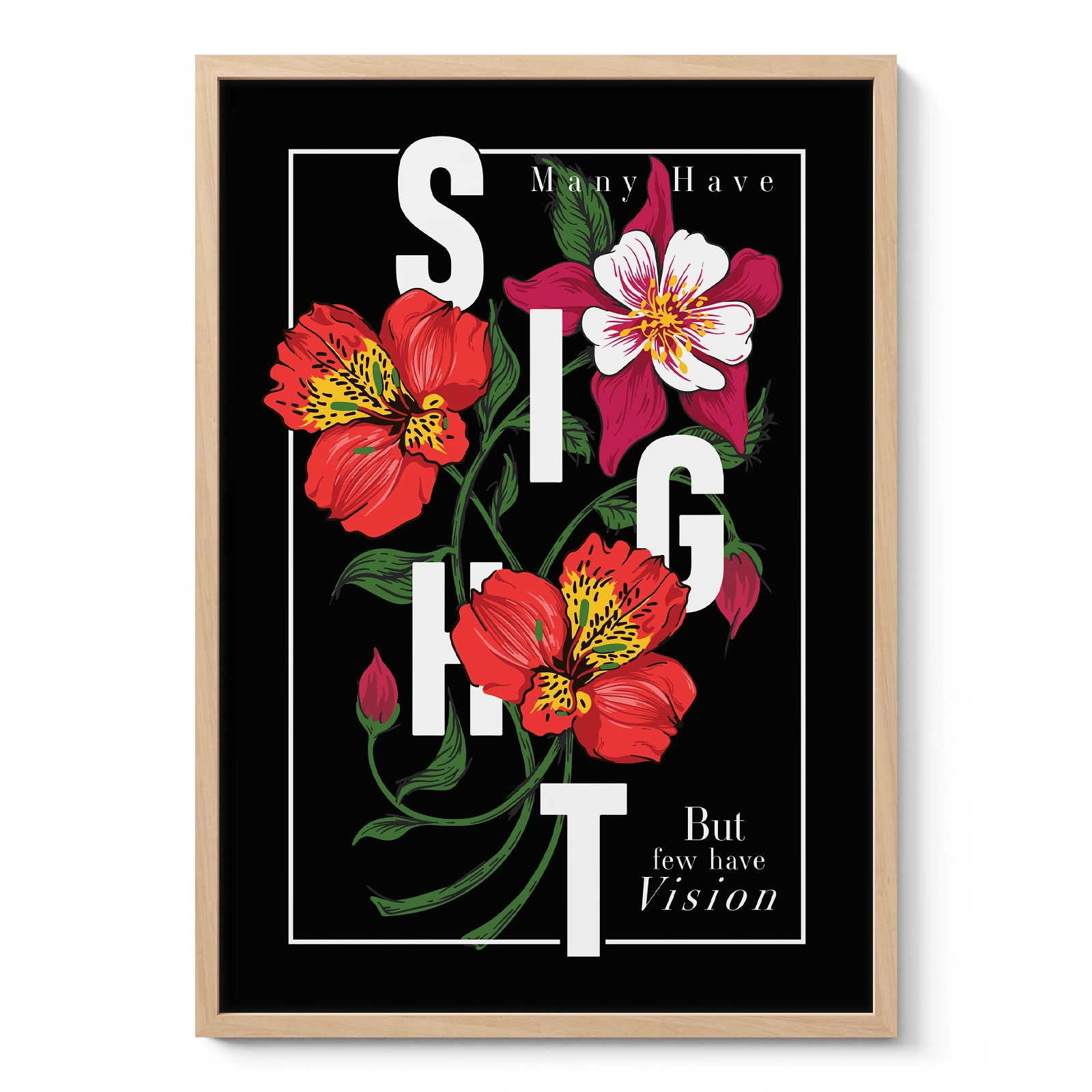
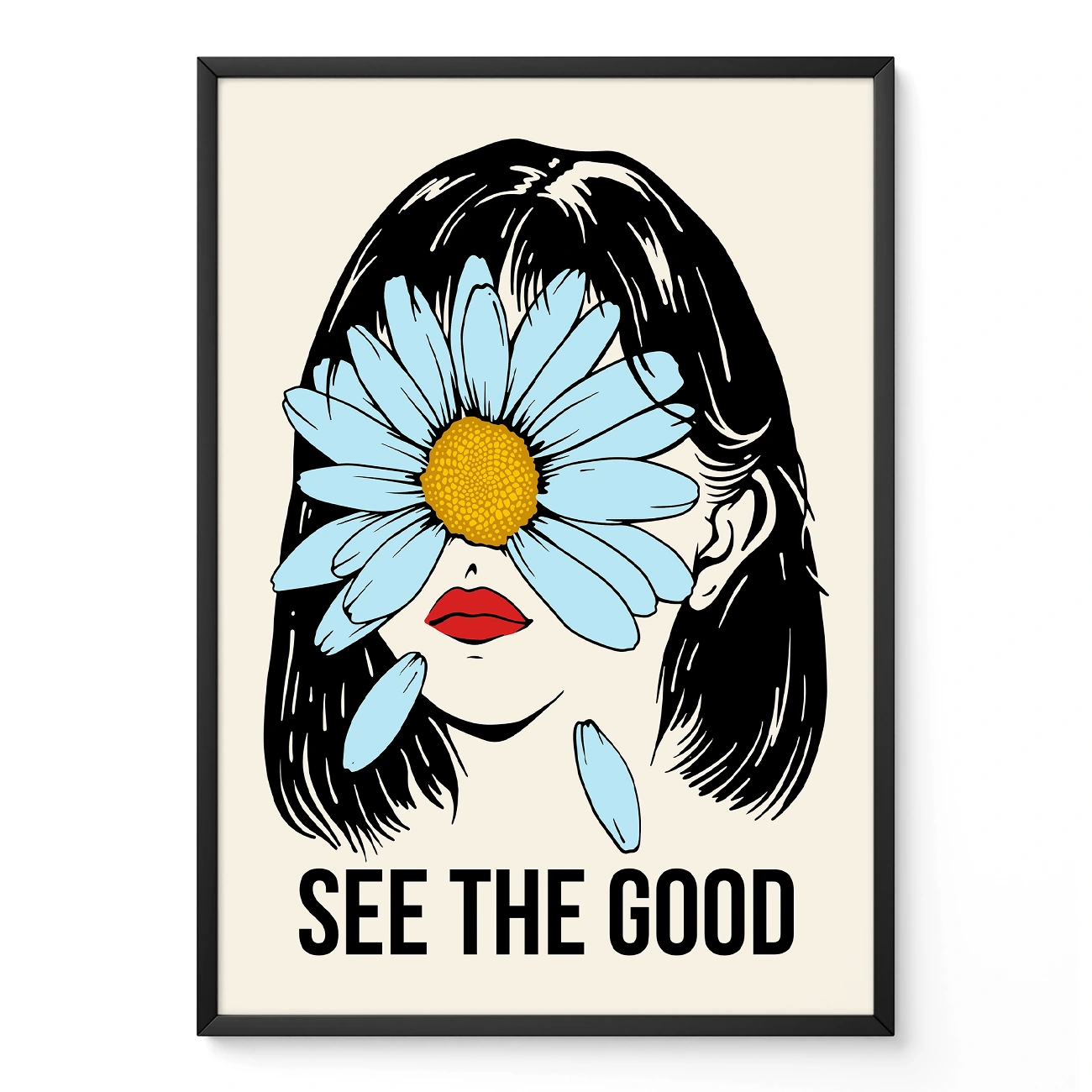
Floral art prints: bringing botanical beauty into every interior
A room can feel balanced for years, yet a single empty wall often leaves it unfinished. The answer is not always a larger sofa, another shelf or a brighter paint colour. Sometimes the missing element is nature itself. Floral art prints introduce colour, rhythm and organic shapes that soften interiors without changing their overall character. Unlike fresh flowers, they remain constant throughout the seasons while offering endless artistic variety, from detailed botanical studies to expressive contemporary paintings.
Flowers tell different stories through art
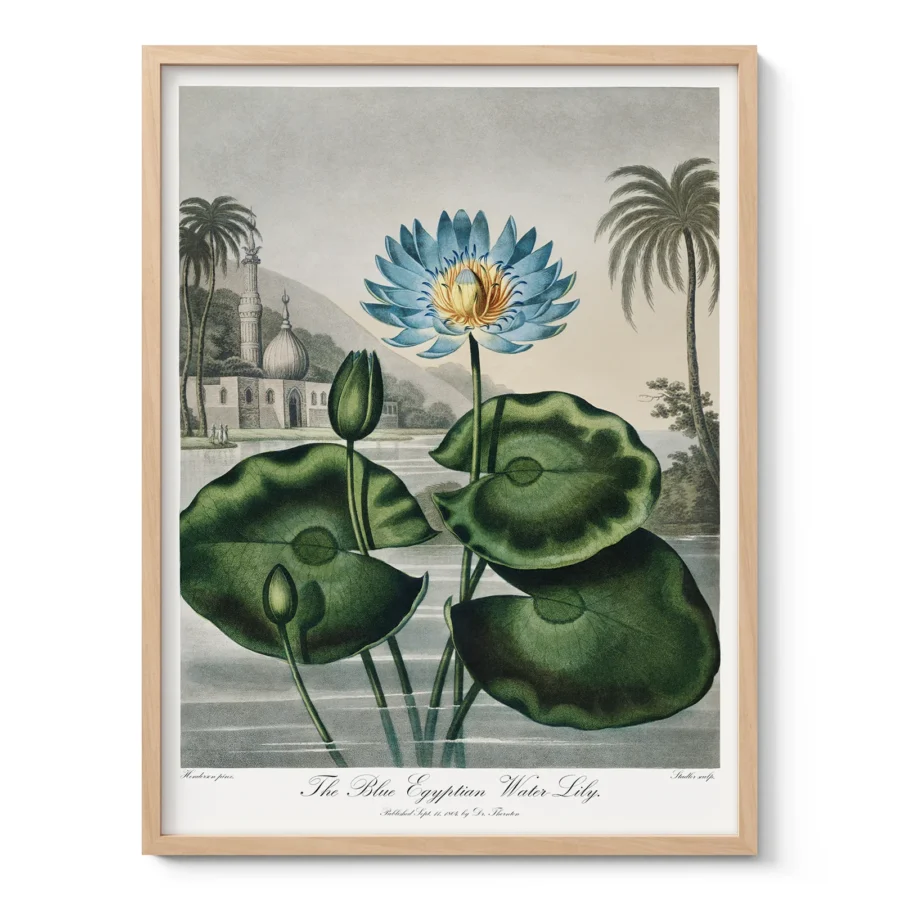
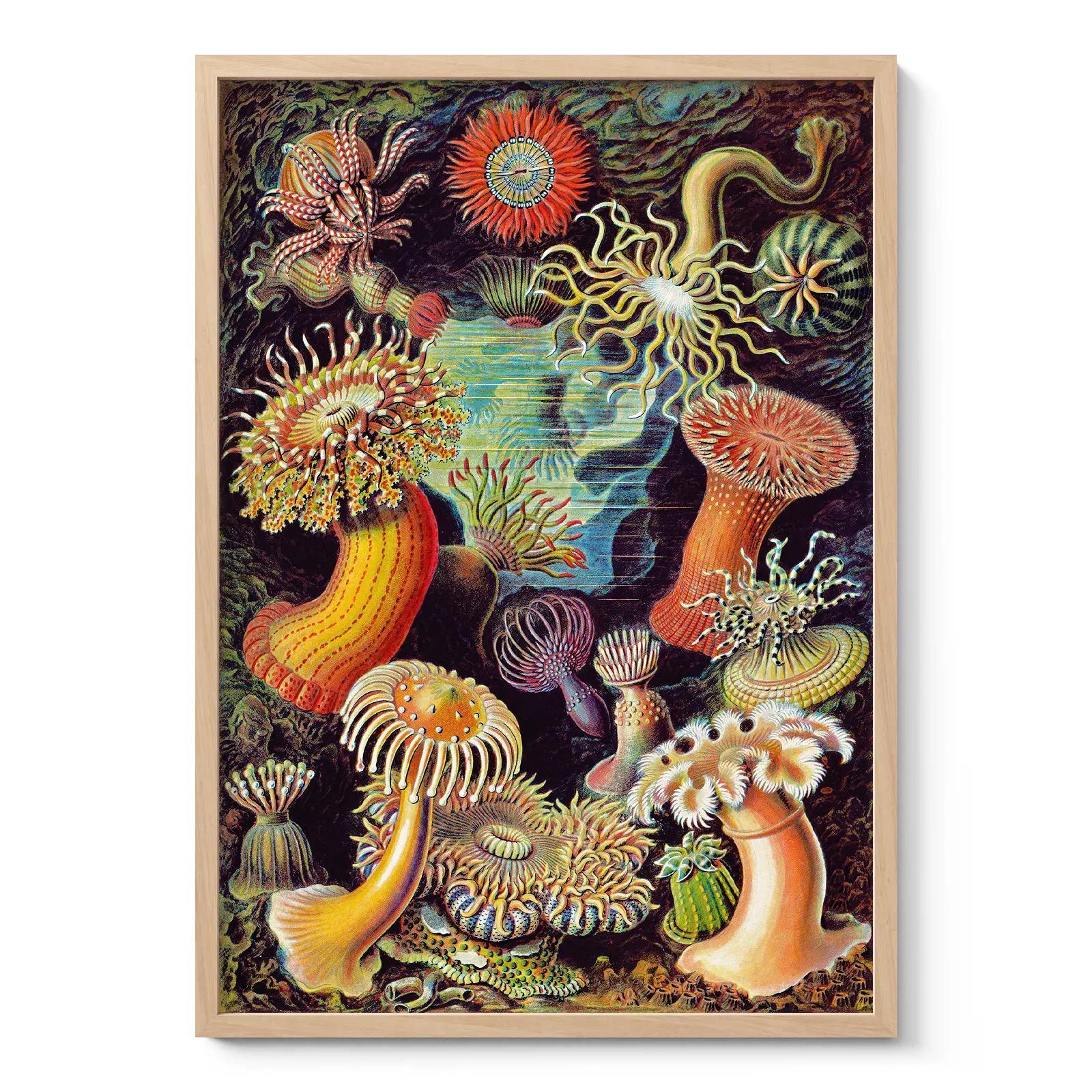
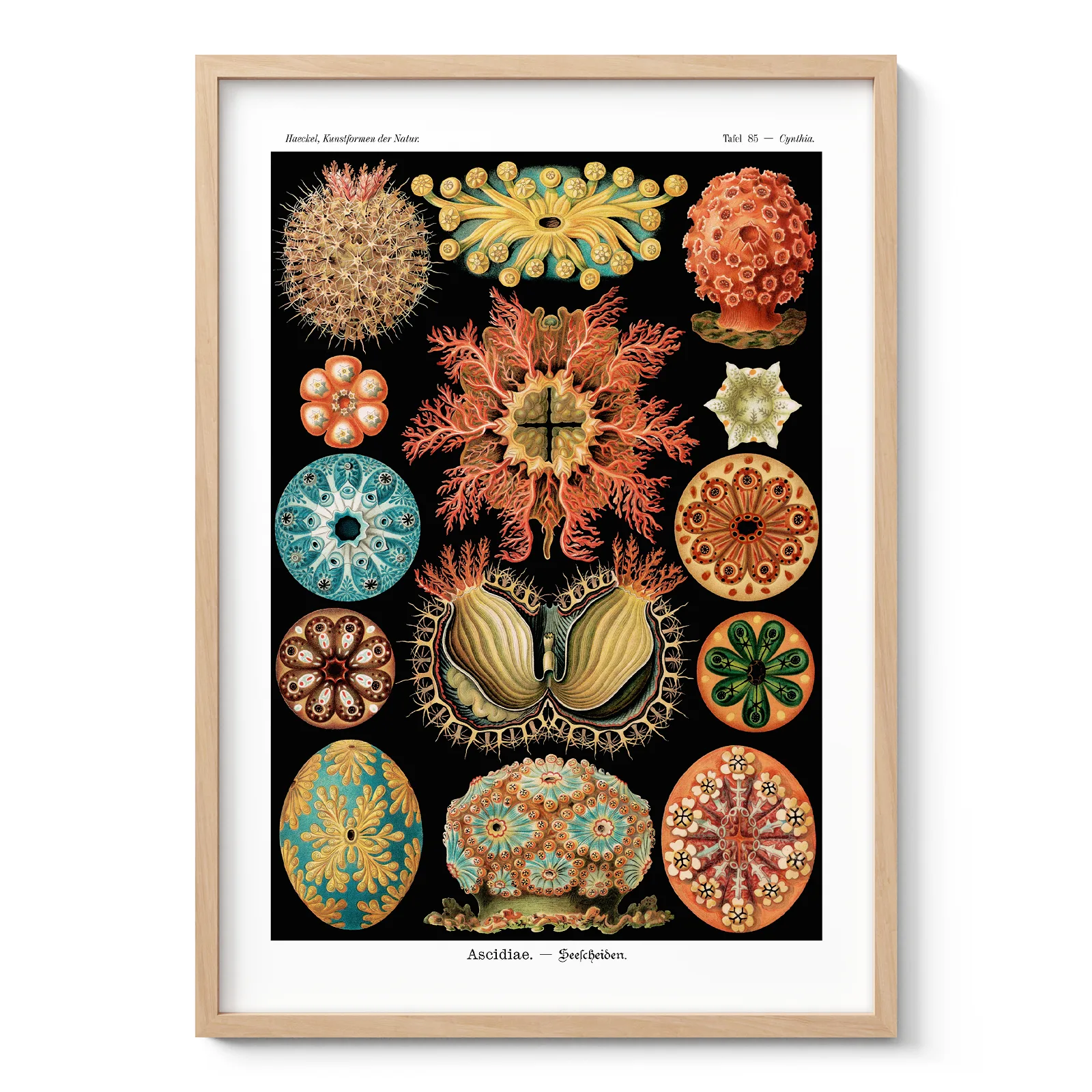
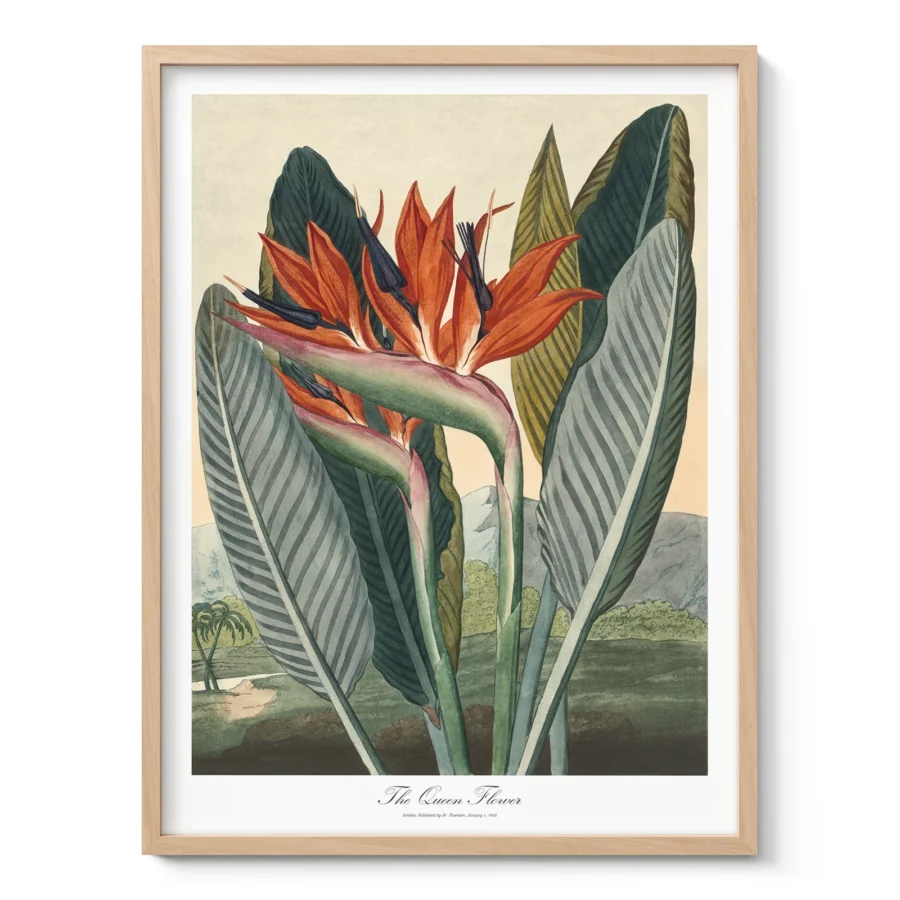
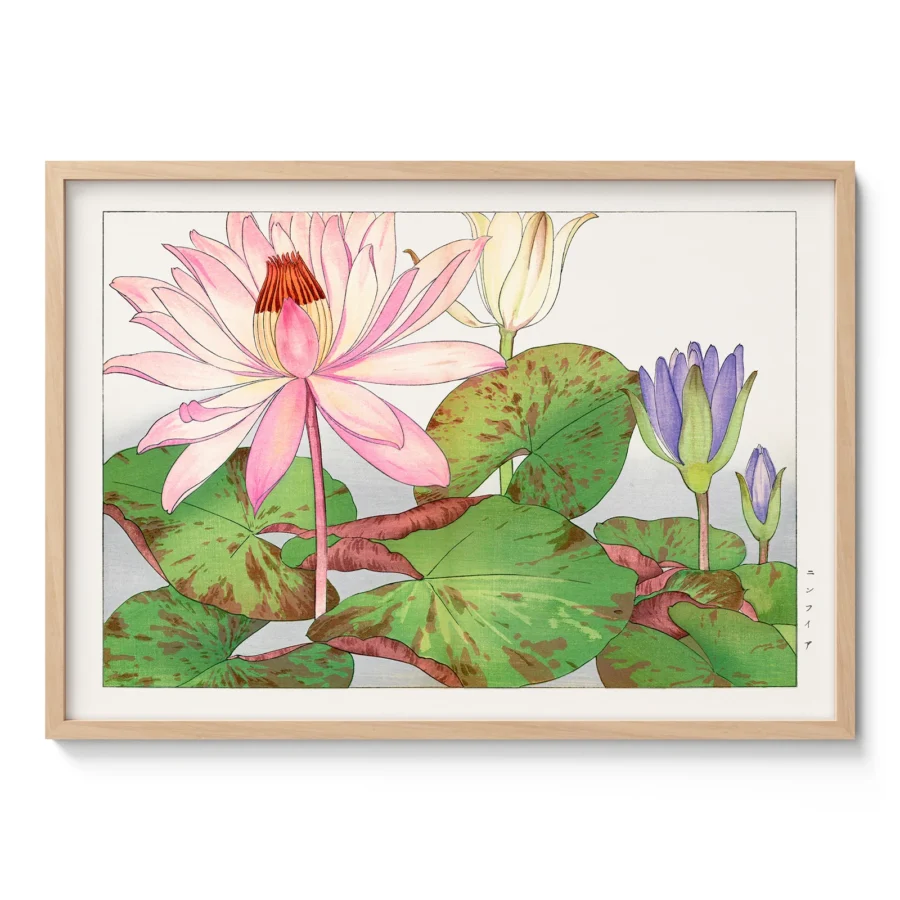
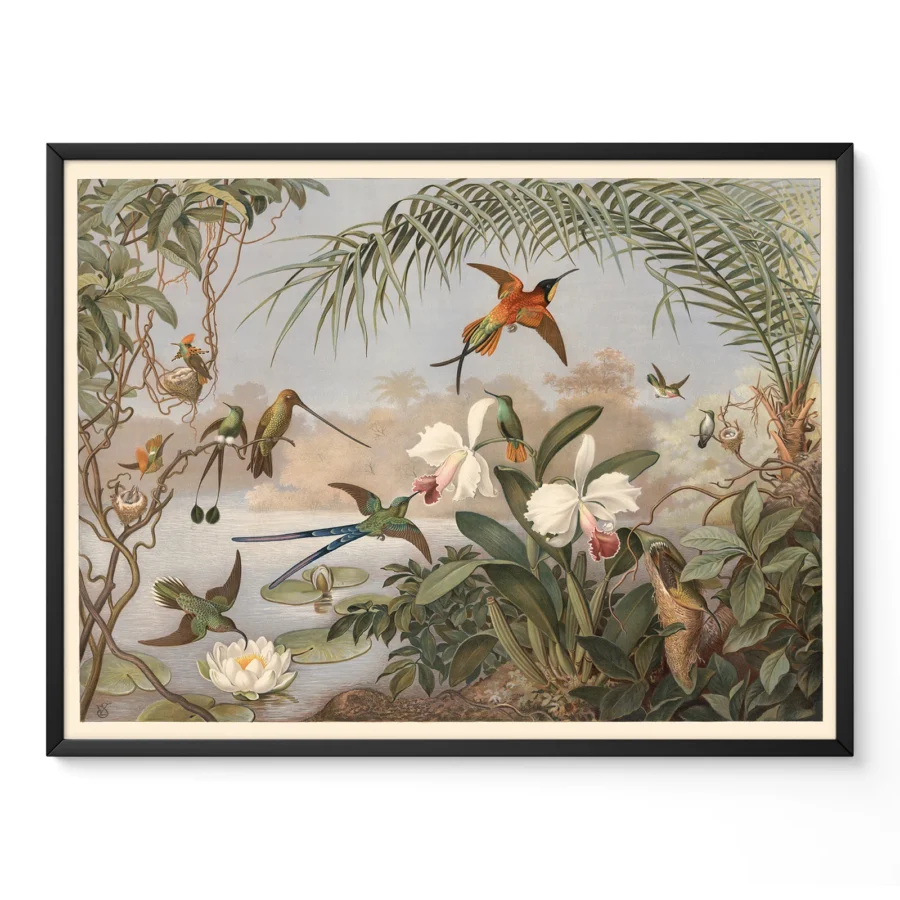
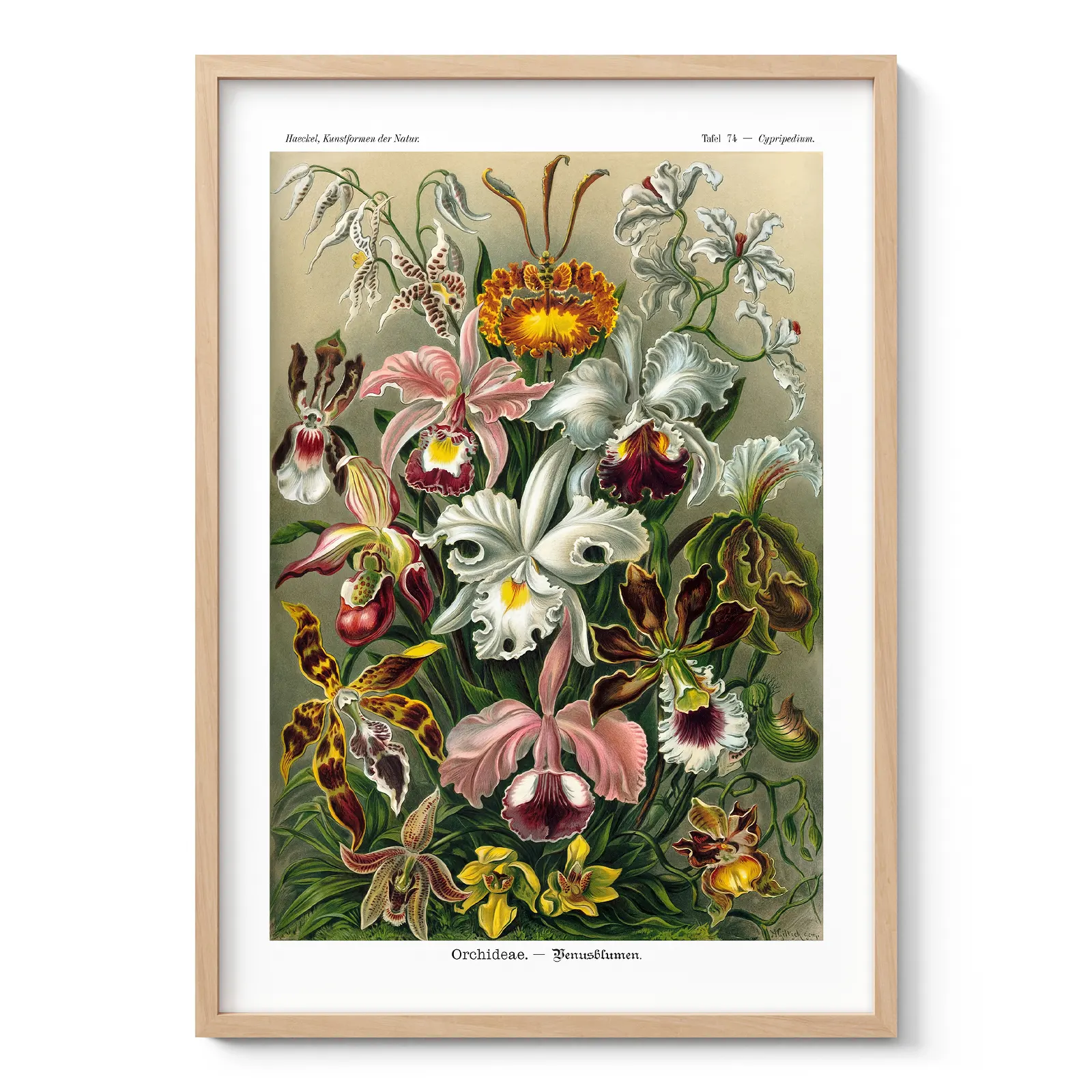
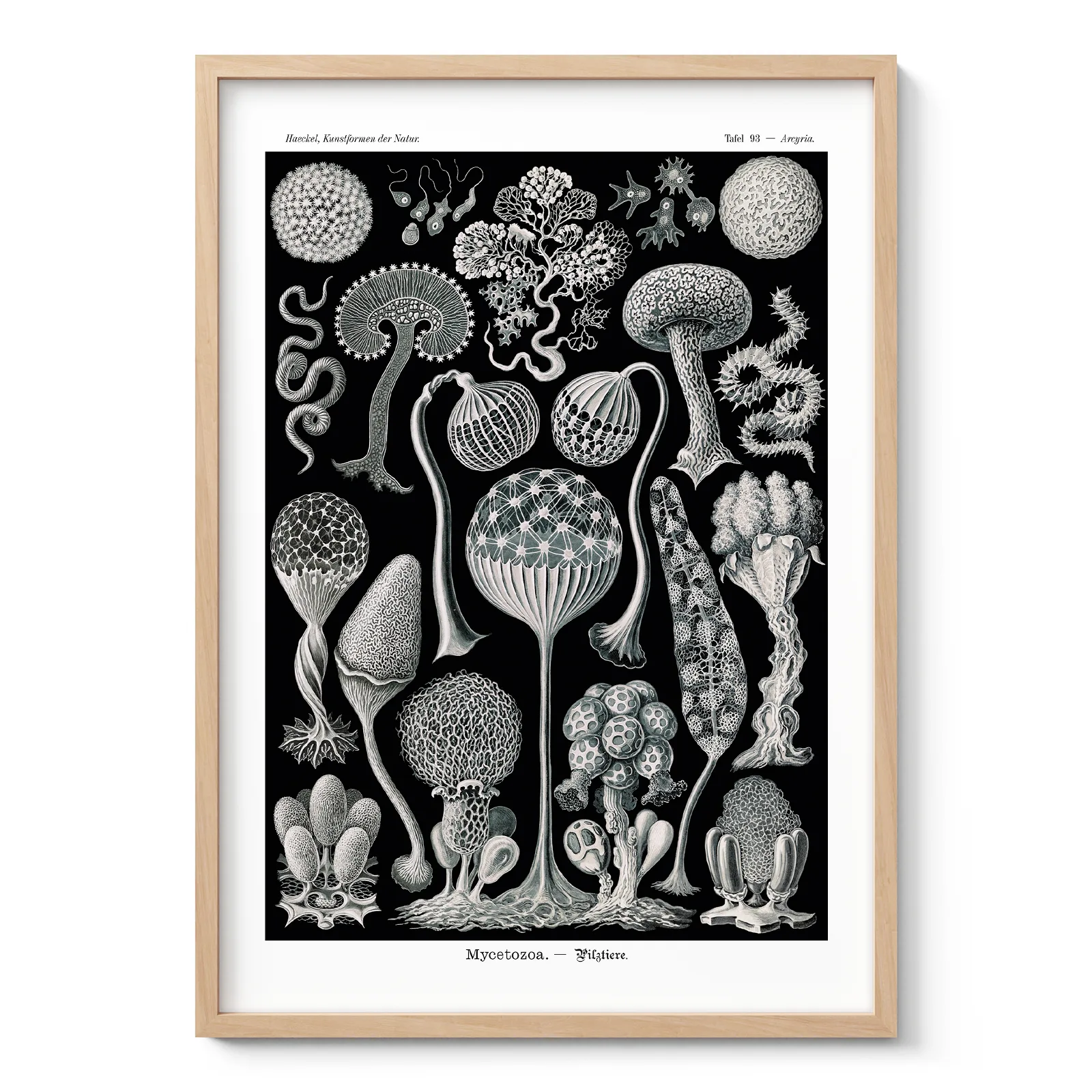
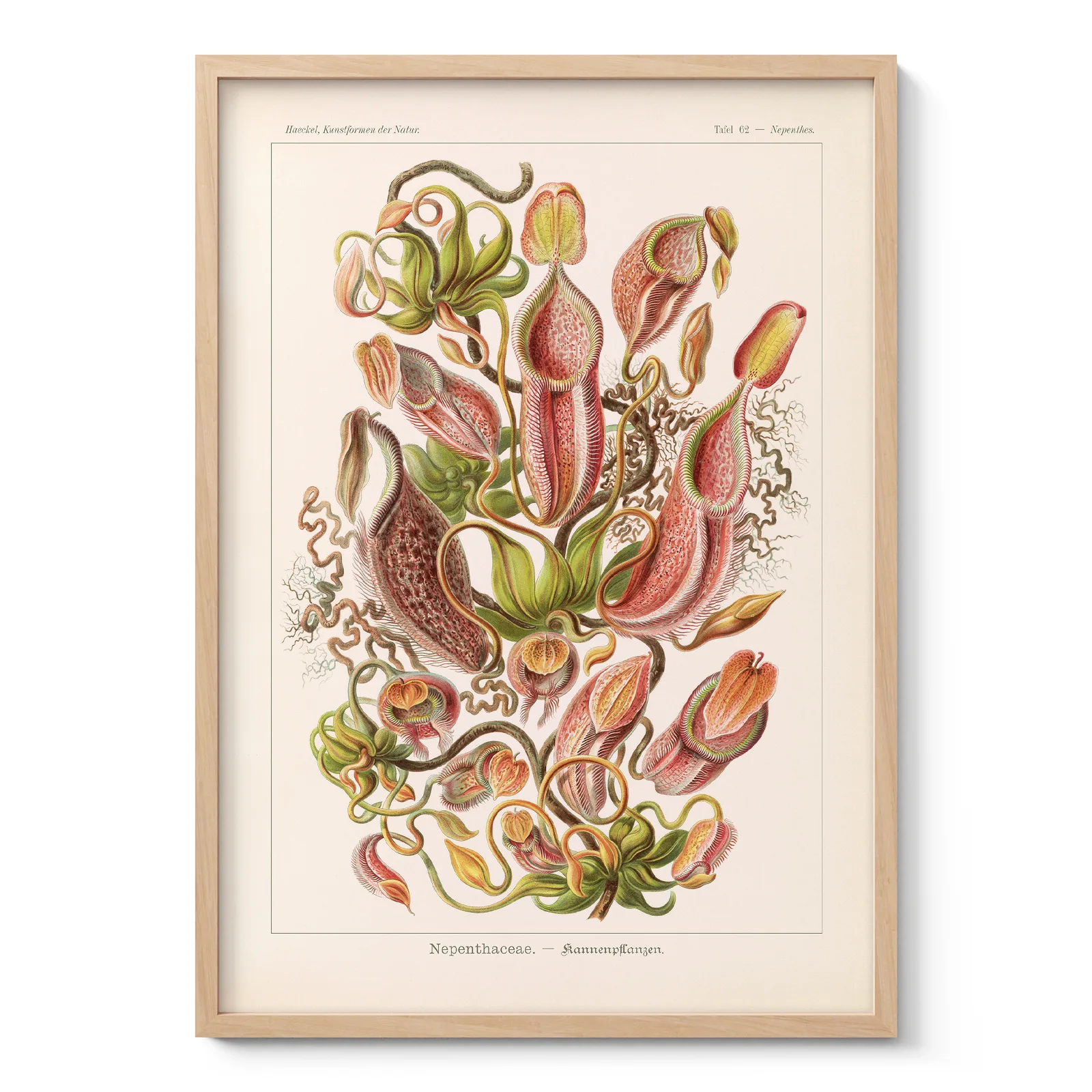
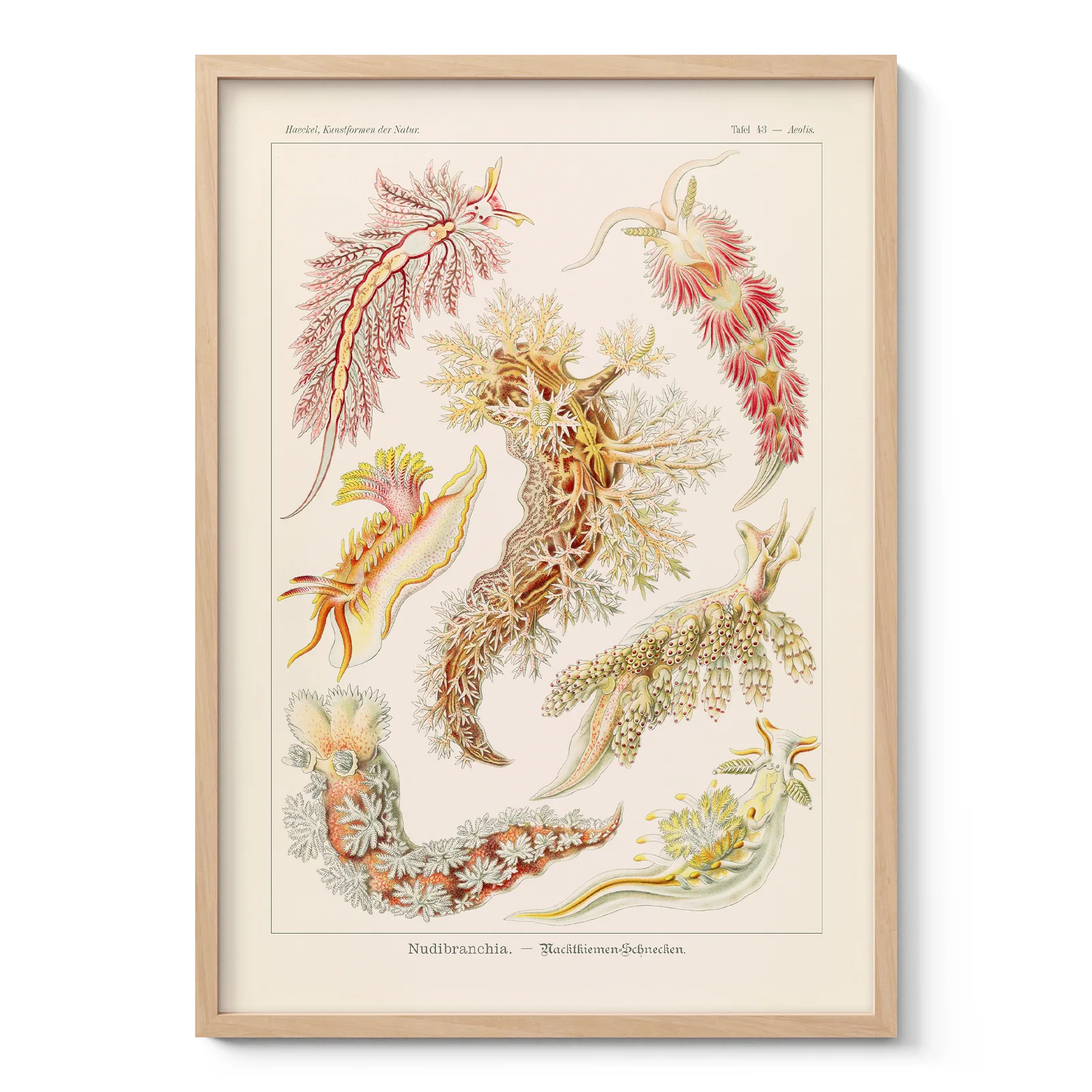
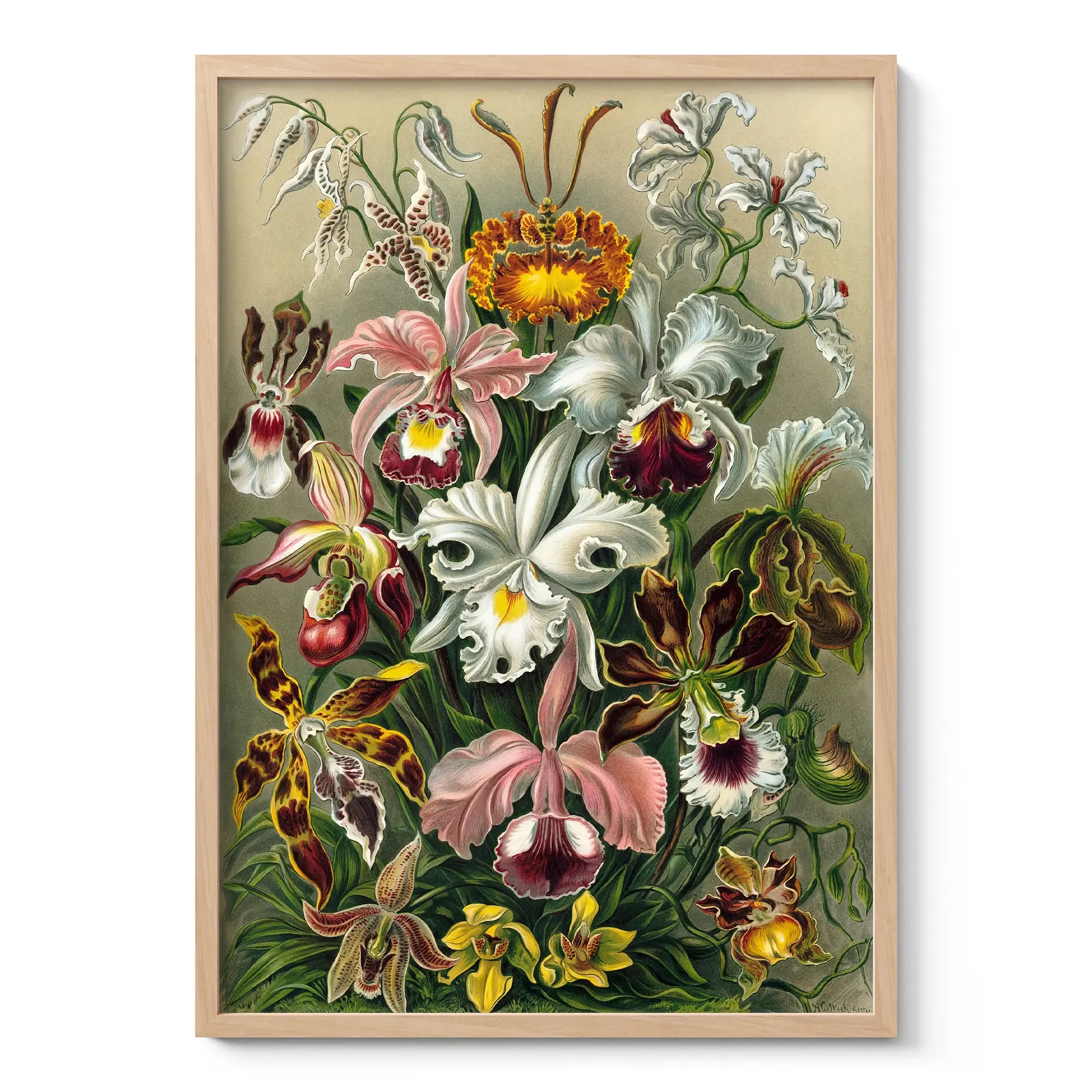
Floral subjects have appeared in art for centuries, but they have never served a single purpose. During the Dutch Golden Age, flower paintings celebrated abundance while quietly reminding viewers that beauty is temporary. Victorian botanical illustration focused on scientific accuracy, documenting plants with extraordinary precision. Later artists became more interested in mood than realism, using blossoms, leaves and stems to explore colour, movement and emotion.
Understanding these traditions helps explain why floral art prints are so diverse today. A botanical illustration by Pierre-Joseph Redouté creates a very different atmosphere from a bold floral composition by Henri Matisse or the expressive blossoms painted by Vincent van Gogh. Choosing between them depends less on the flower itself than on the feeling you want the room to create.
Colour matters more than the flower species
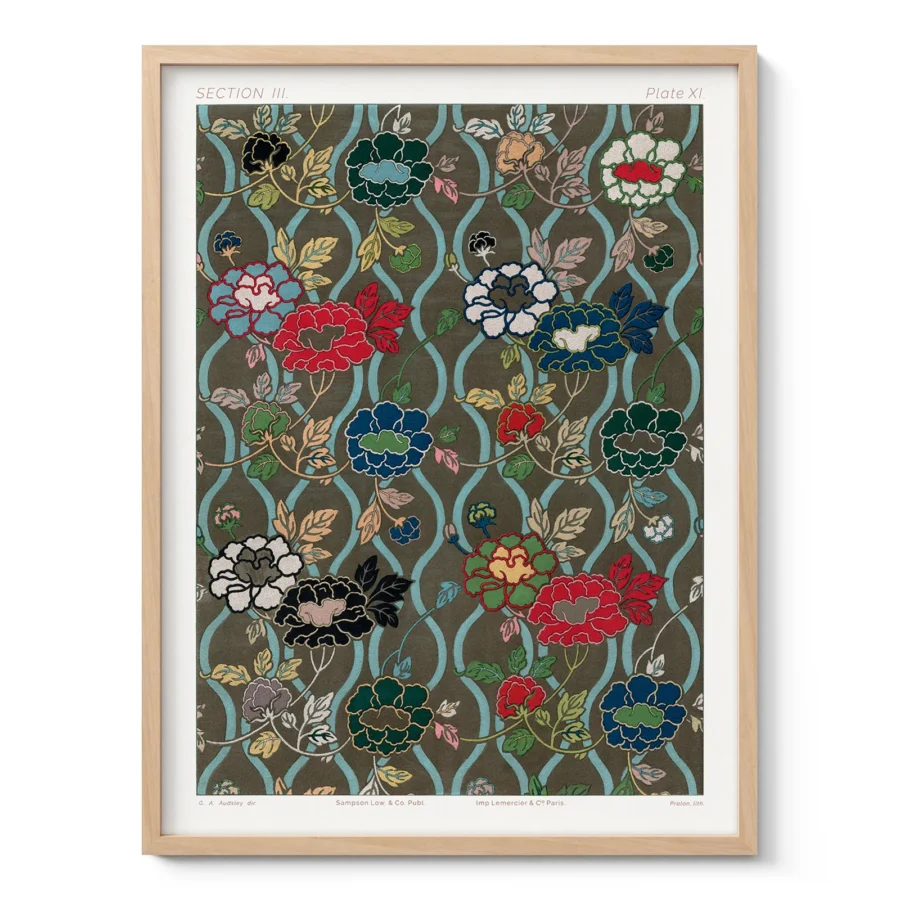
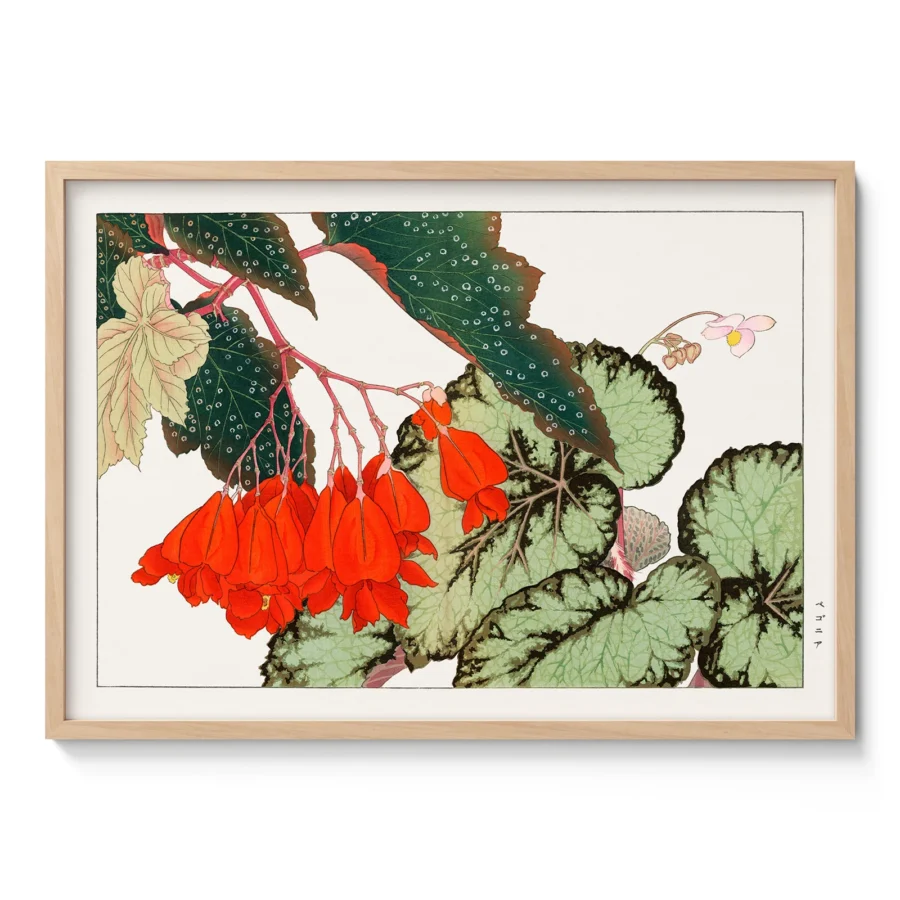
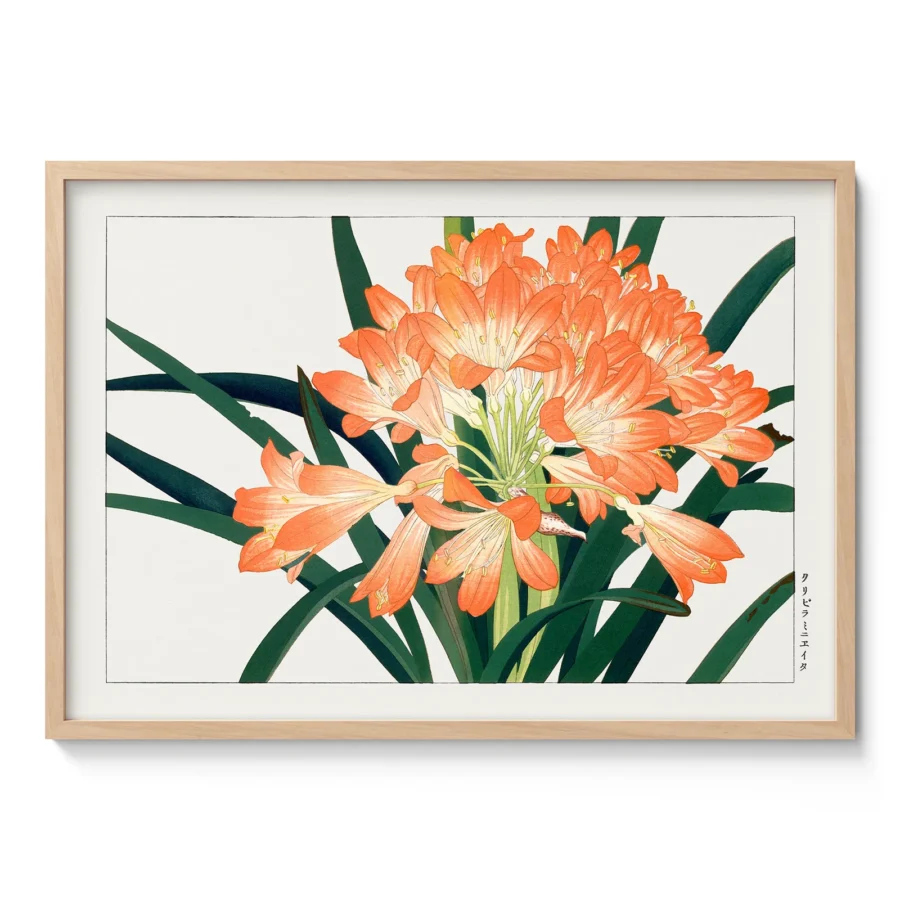
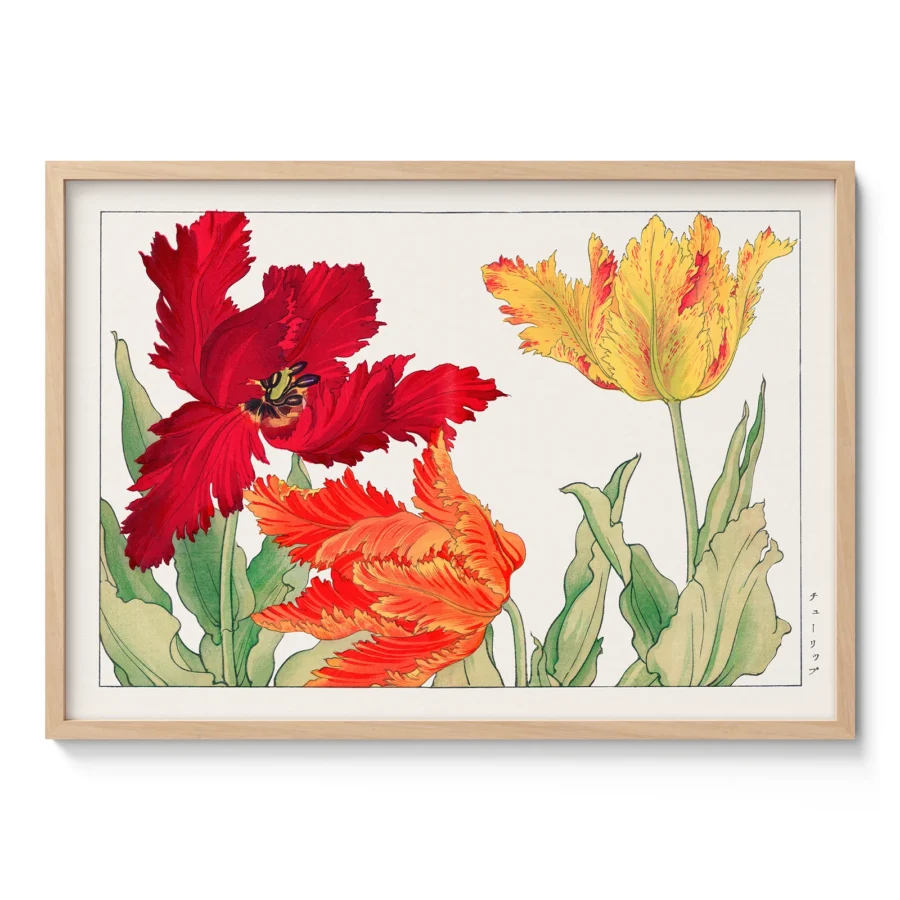
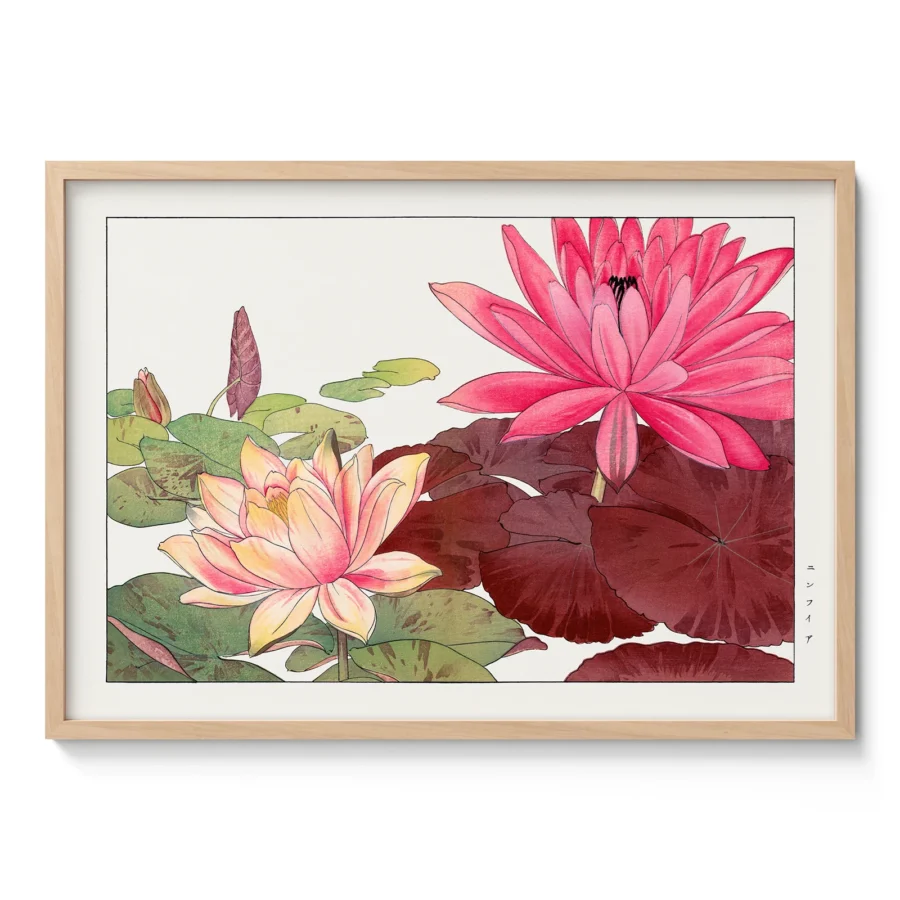
Many buyers search by subject, looking for roses, peonies, wildflowers or poppies. In practice, the colour palette often has a greater influence on the finished interior. Soft cream, sage and pale blue flowers create a calm atmosphere suited to bedrooms and reading spaces. Rich reds, oranges and deep pinks introduce warmth, making them particularly effective in dining rooms or living rooms where people gather.
Large floral compositions naturally become focal points, while smaller botanical prints work well as part of a gallery wall. One useful approach is to repeat colours already found elsewhere in the room rather than matching the flower variety. A blue iris may connect beautifully with cushions or ceramics, even if flowers are absent from the rest of the décor.
This is one reason floral art prints remain versatile across changing interior trends. Their colours often matter more than their botanical identity.
Matching floral styles to interior design
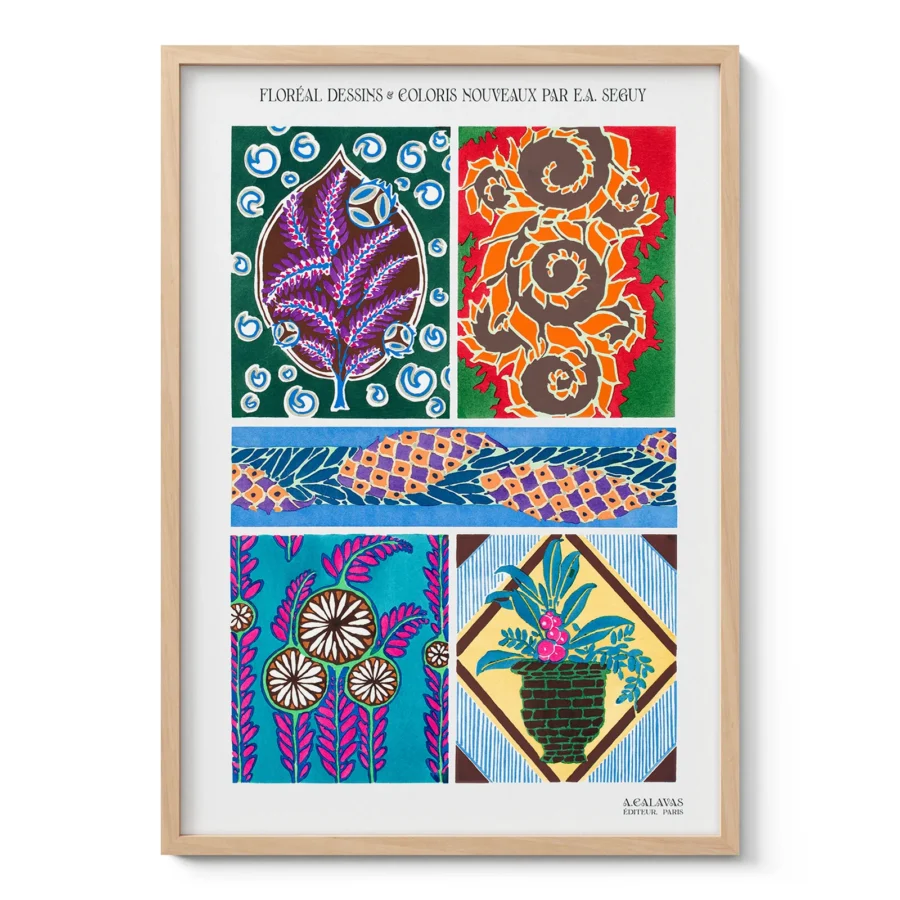
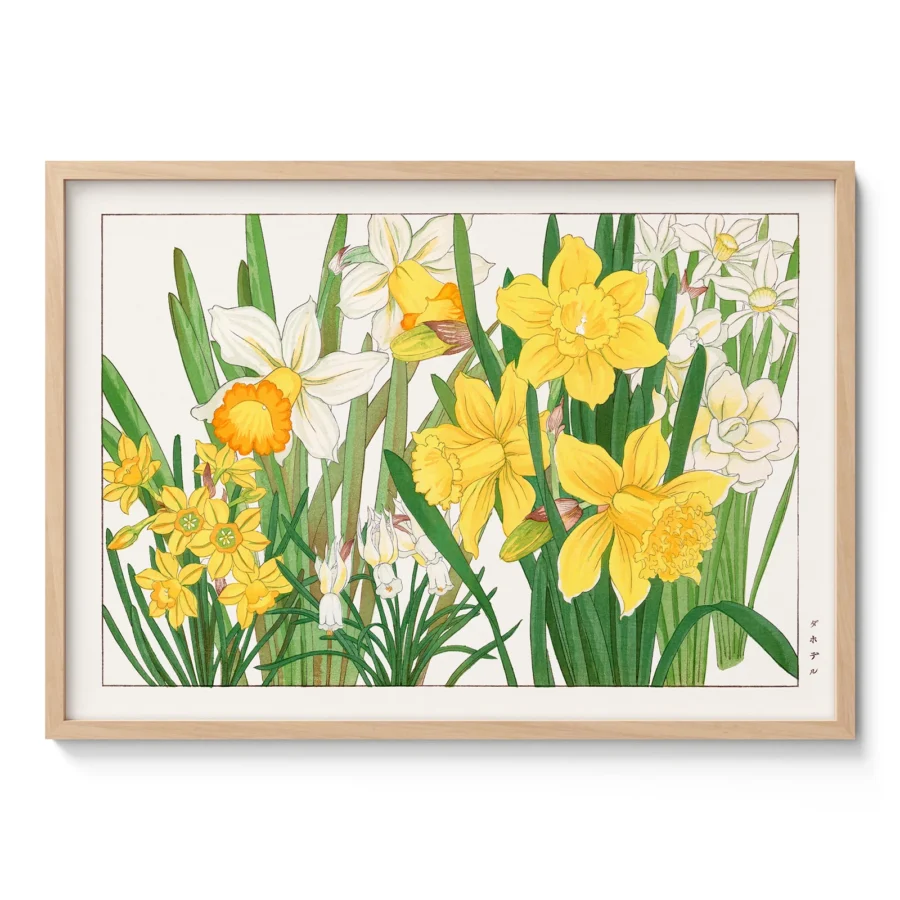
Different artistic styles suit different homes. Detailed botanical illustrations complement Traditional interiors and English Country homes because of their careful observation and heritage character. Loose watercolours fit Scandinavian interiors, where light colours and natural materials dominate. Contemporary homes often benefit from oversized floral paintings with simplified shapes, while Minimalist spaces usually feel stronger with one carefully chosen piece instead of several competing artworks.
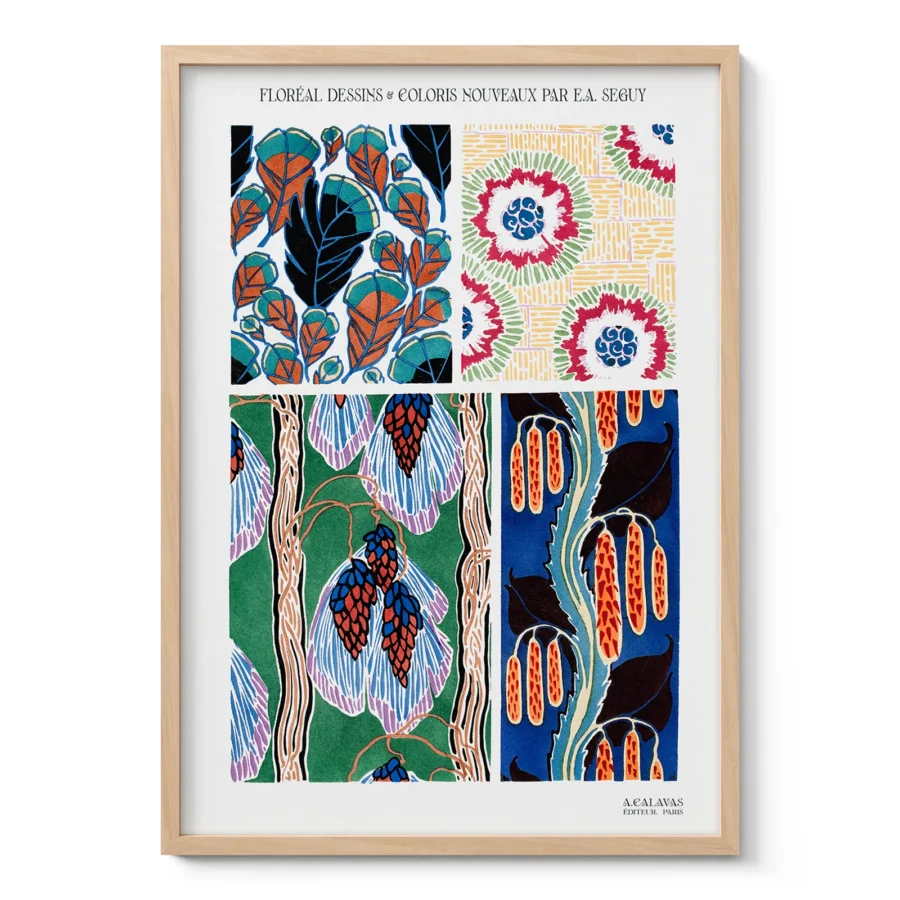
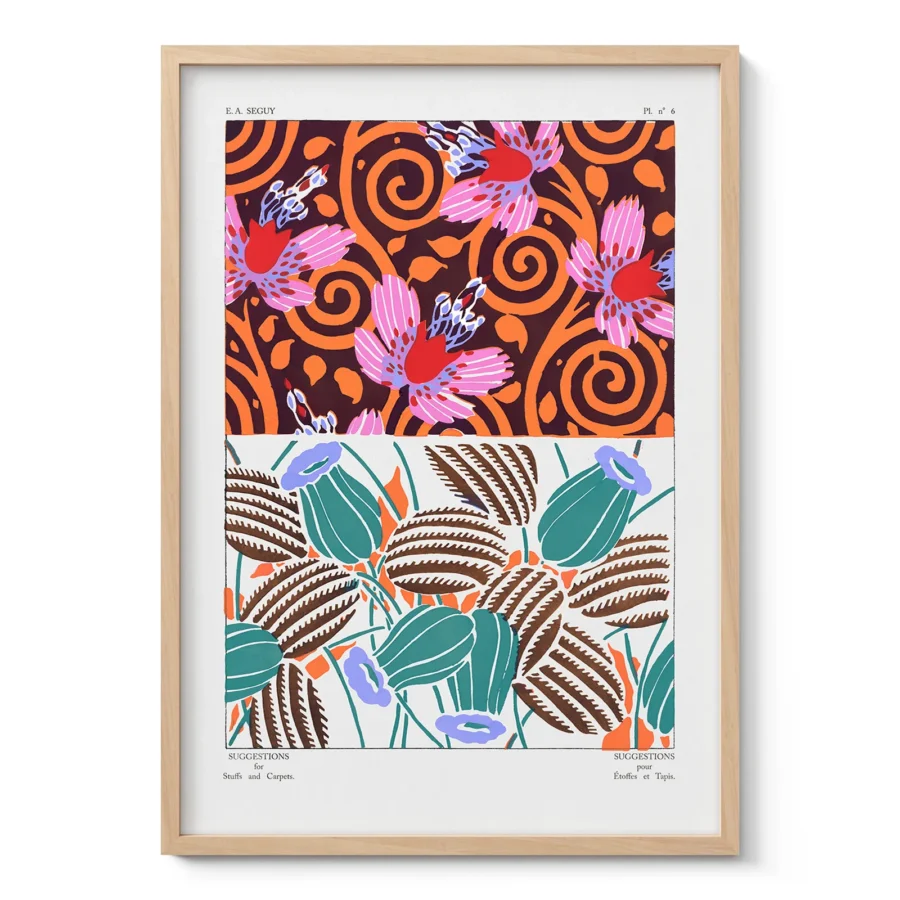
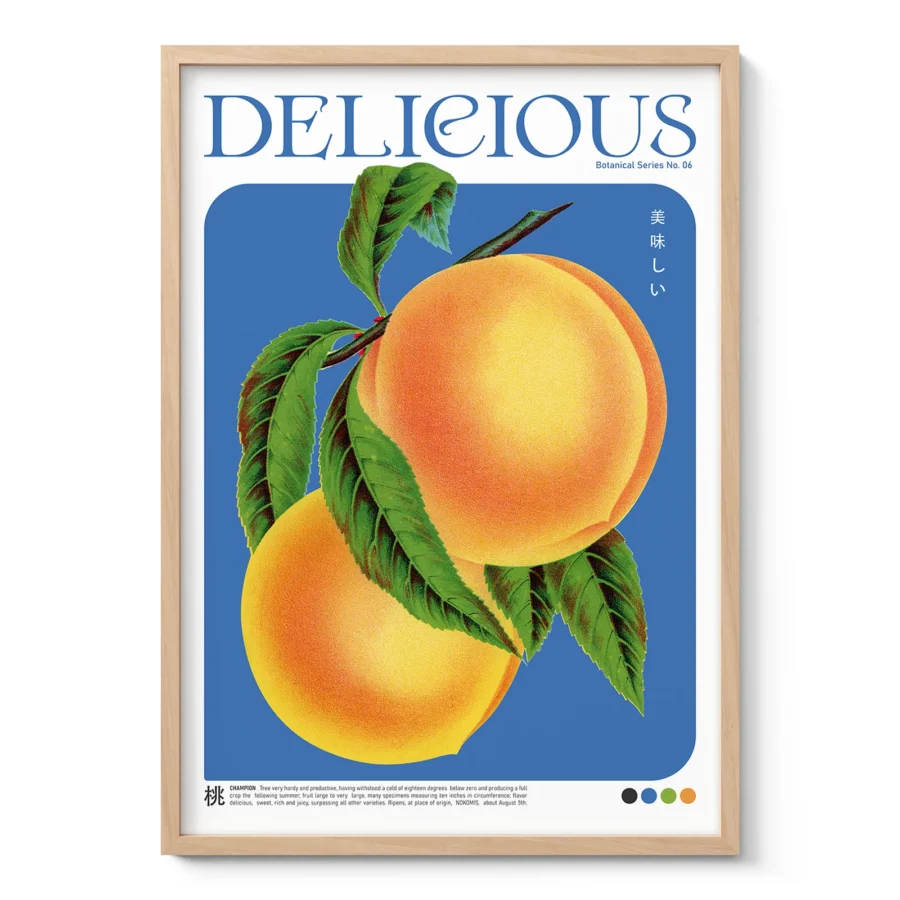
Farmhouse interiors pair naturally with meadow flowers, vintage seed illustrations and cottage garden subjects. Mid-Century Modern rooms often welcome graphic floral forms inspired by twentieth-century design. Eclectic interiors allow greater freedom, mixing vintage botanical posters with abstract flower paintings as long as colour relationships remain consistent.
Posters offer flexibility for seasonal rearrangement or gallery walls, while canvas prints emphasise texture and painterly brushwork. Both formats present floral subjects differently, making scale and surrounding furniture just as important as the artwork itself.
Looking beyond the obvious choices
Many people begin with roses because they are familiar, yet lesser-known plants can create more distinctive interiors. Ferns, eucalyptus, magnolias, thistles and wild grasses often introduce quieter shapes that work particularly well in modern homes. Similarly, vintage herb studies or flowering branches can feel more architectural than traditional bouquets.
It is also worth considering how much background appears in the artwork. Some compositions isolate a single flower against a plain backdrop, while others include landscapes, decorative patterns or still life arrangements. These differences affect how visually busy a room feels, especially in smaller spaces or narrow hallways.
Rather than asking which flower is most popular, it is often more useful to ask how much visual energy the artwork should bring. This perspective leads to choices that remain satisfying long after decorating trends have changed.
Nature has inspired artists for hundreds of years because plants offer endless variation without losing their universal appeal. Today, floral art prints continue that tradition through botanical illustrations, modern paintings and decorative compositions suited to many styles of home. From quiet studies of leaves to colourful garden scenes, floral art prints provide lasting visual interest while allowing each room to develop its own character through colour, composition and the enduring beauty of the natural world.