




Animal wall art: bringing nature's character into everyday interiors
Some rooms feel complete the moment the right artwork finds its place. Animal imagery often has that effect because it connects people with the natural world in a direct and familiar way. Whether inspired by wildlife, birds or marine life, animal wall art offers a wide range of artistic styles that suit both modern and traditional interiors. From detailed scientific illustrations to expressive paintings and minimalist line drawings, animal-themed art can create very different moods while reflecting personal taste.
Why animal art never goes out of style
Animals have appeared in art for thousands of years. Early cave paintings celebrated the creatures that shaped everyday life, while later artists used animals to represent strength, freedom, wisdom or beauty. Today, these subjects remain just as relevant because they combine decorative appeal with emotional connection.
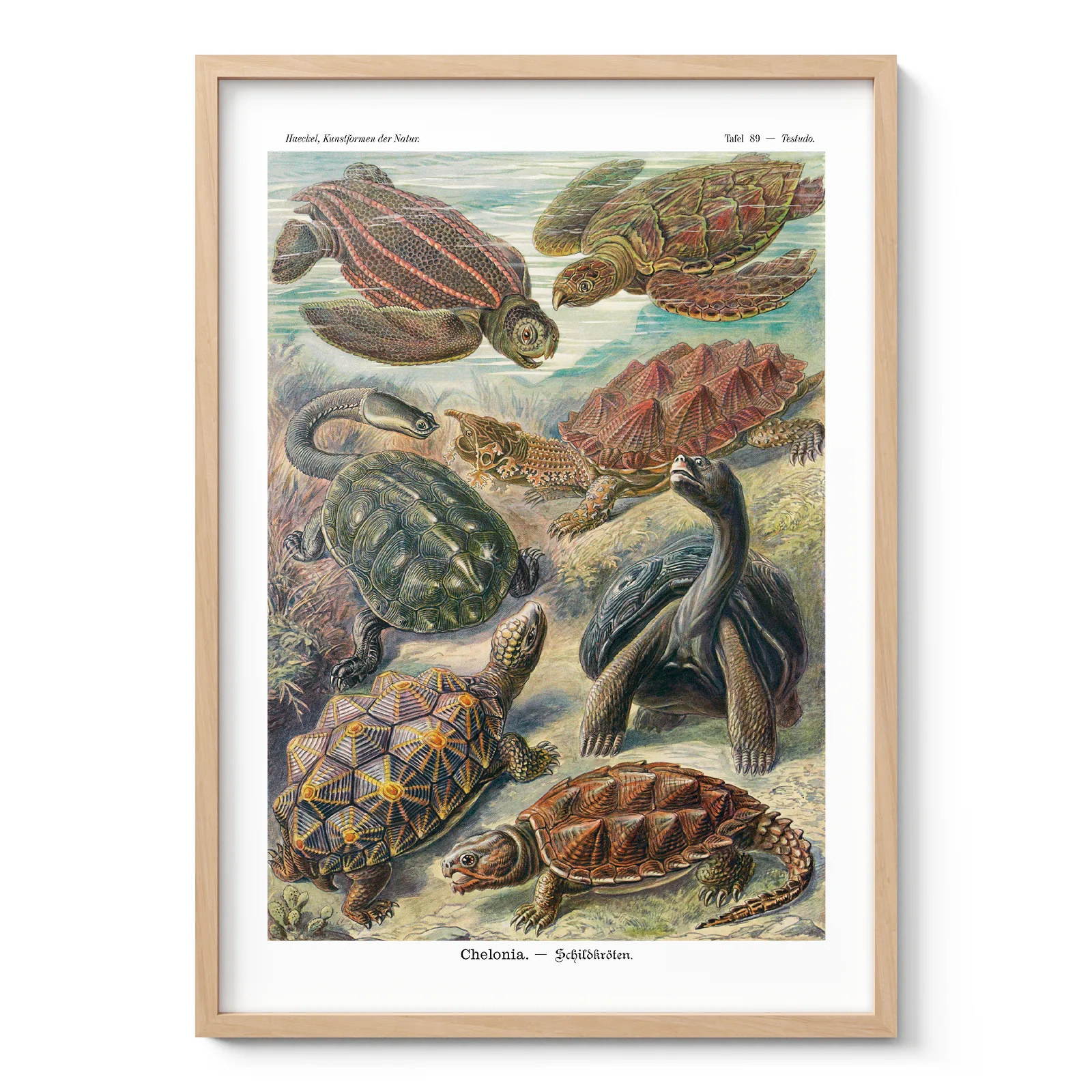
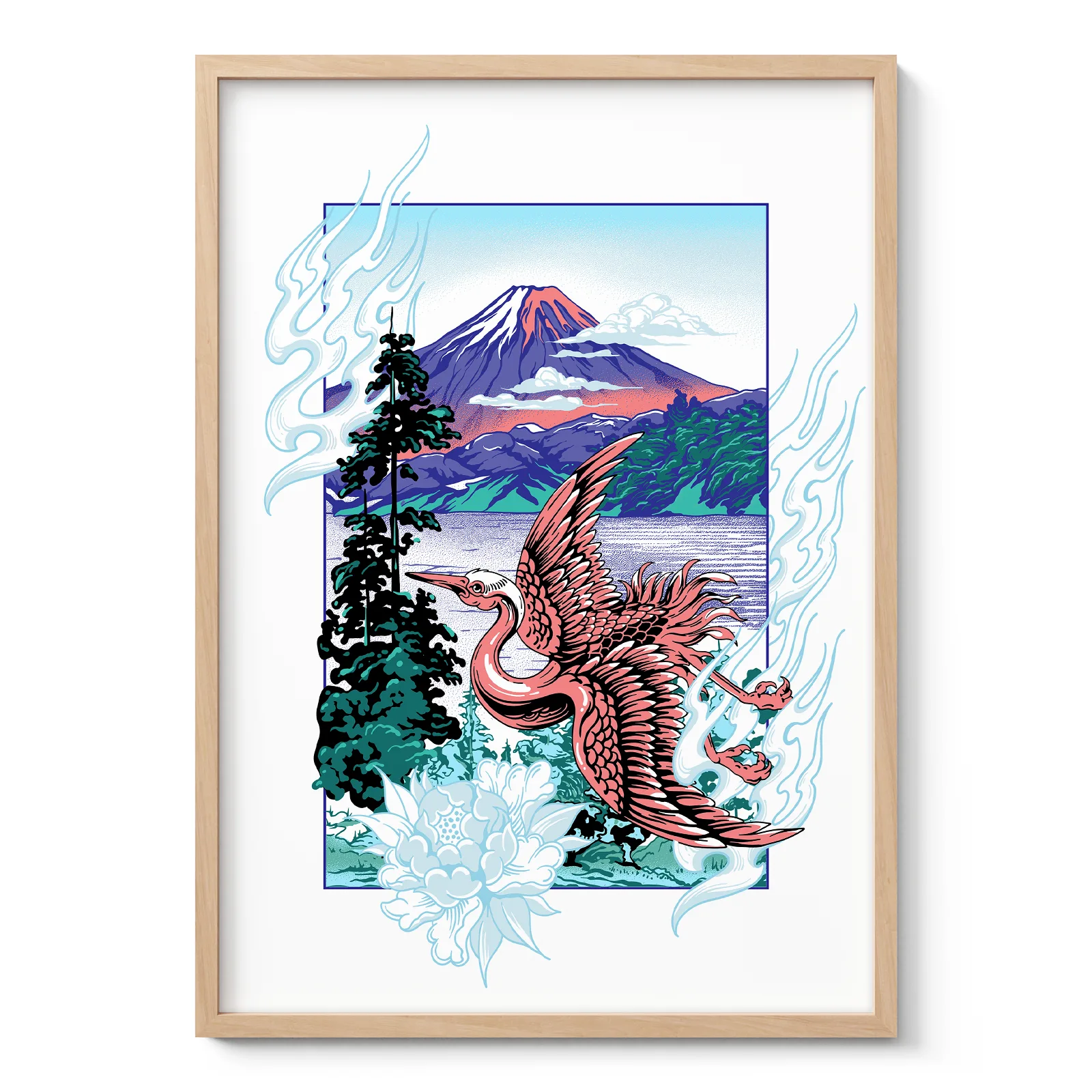
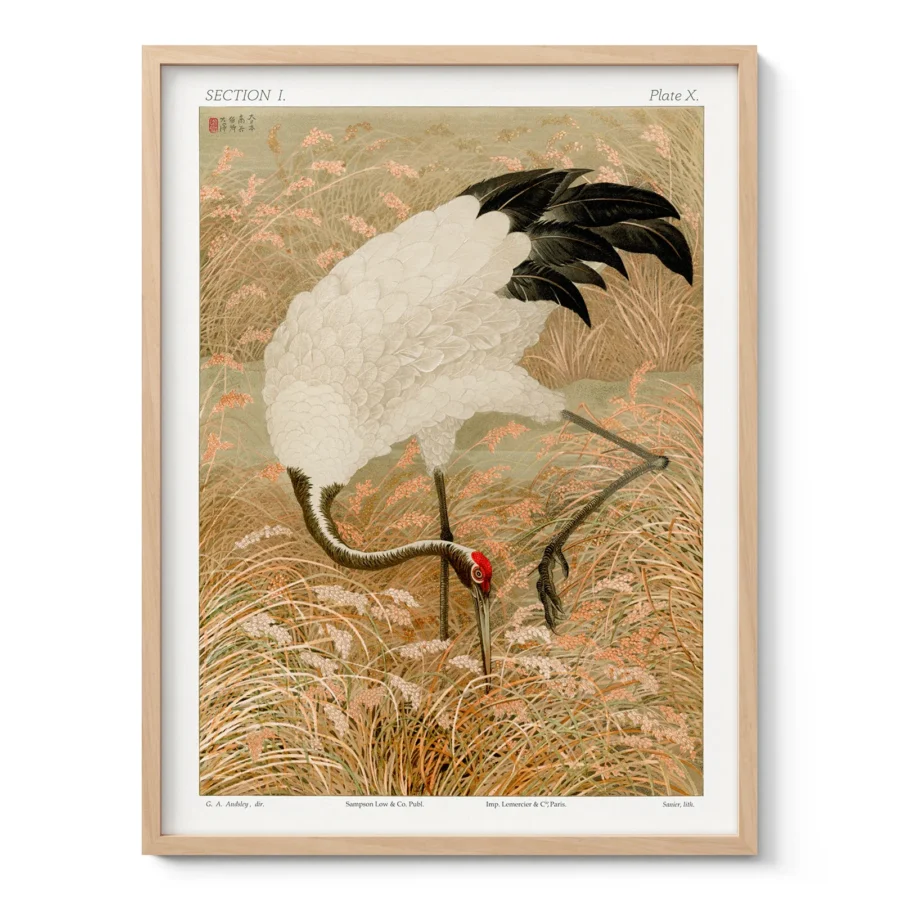
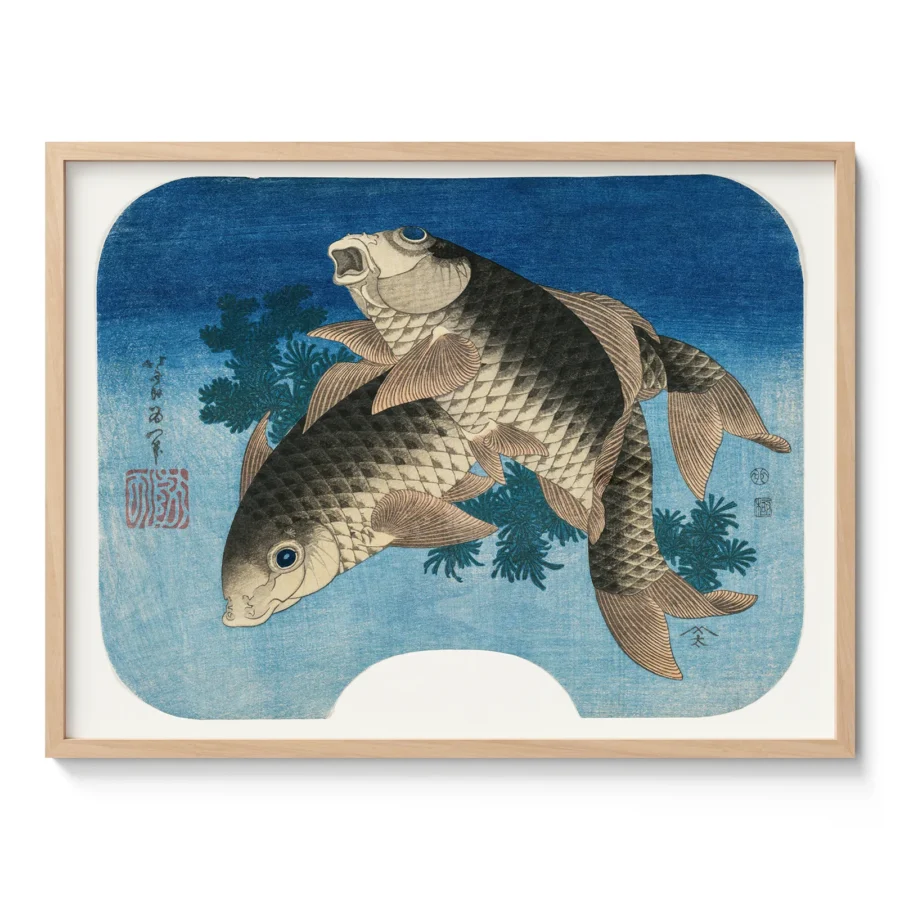
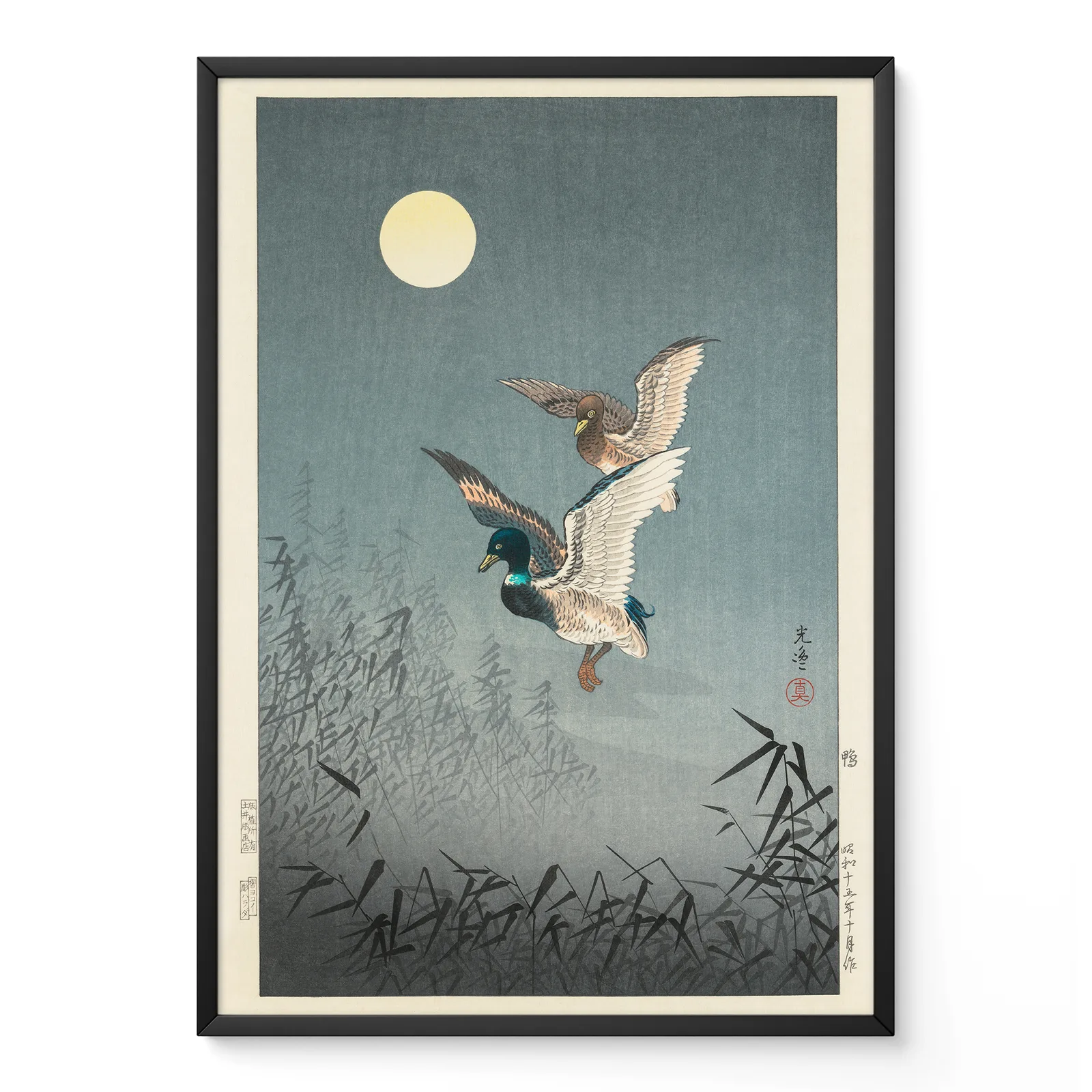
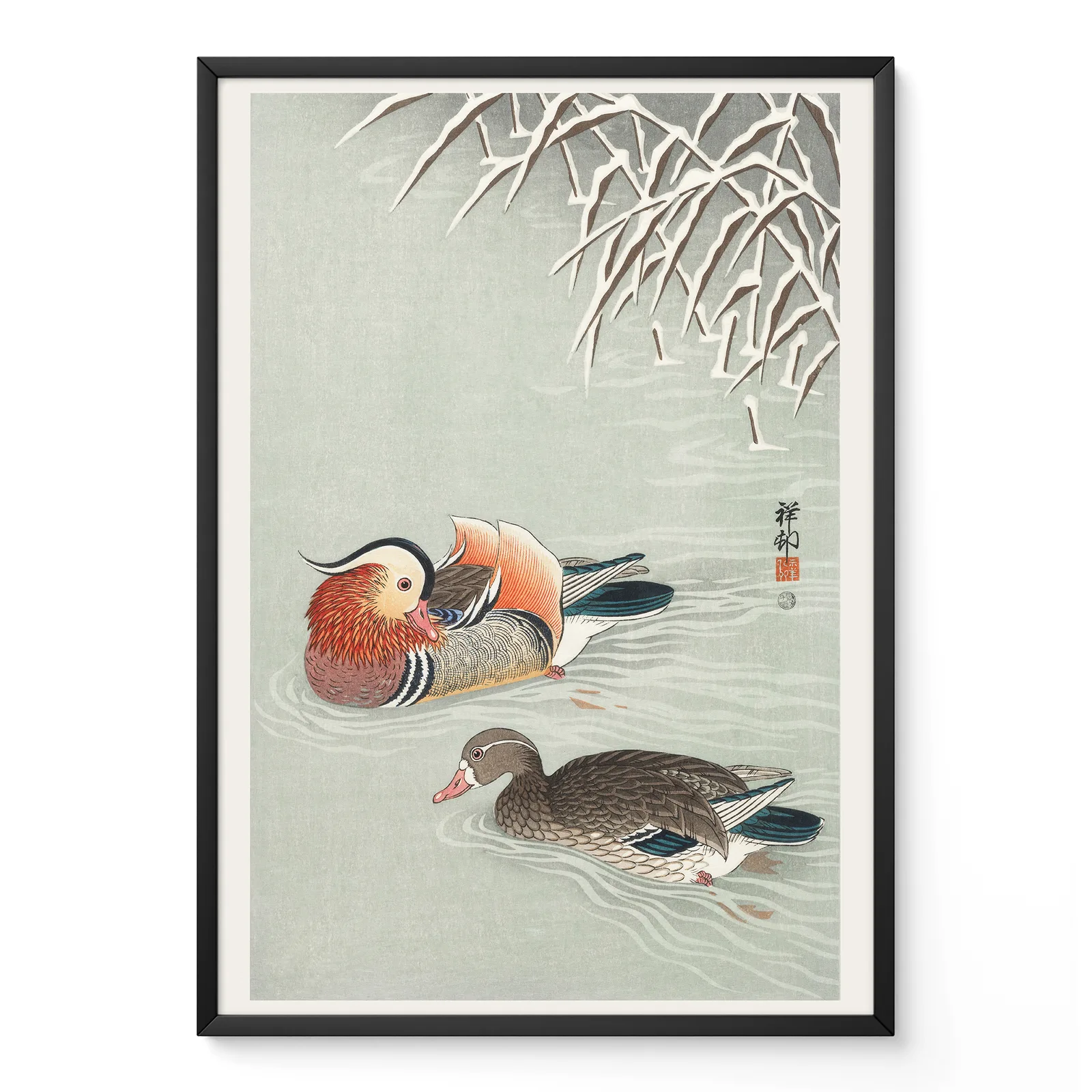
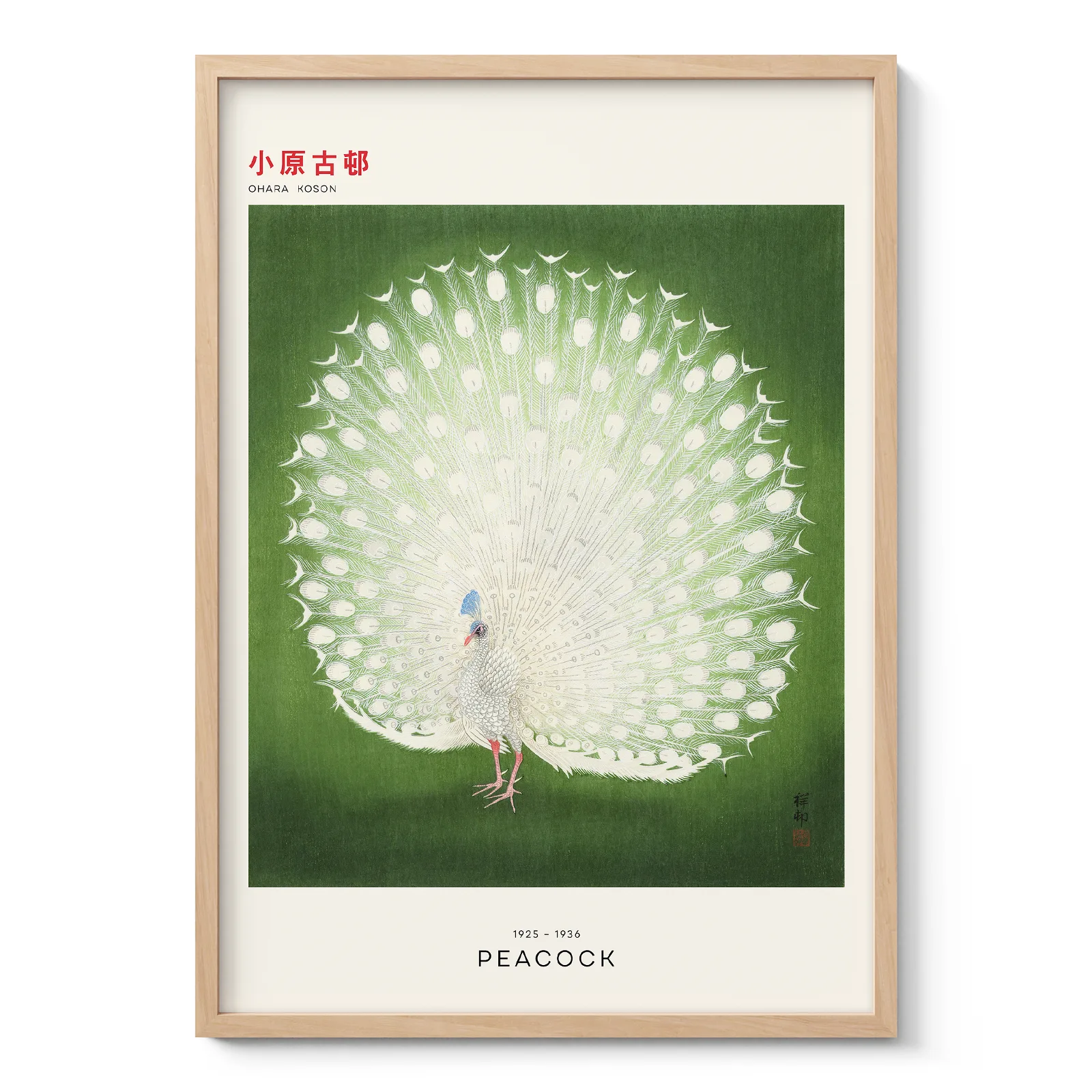
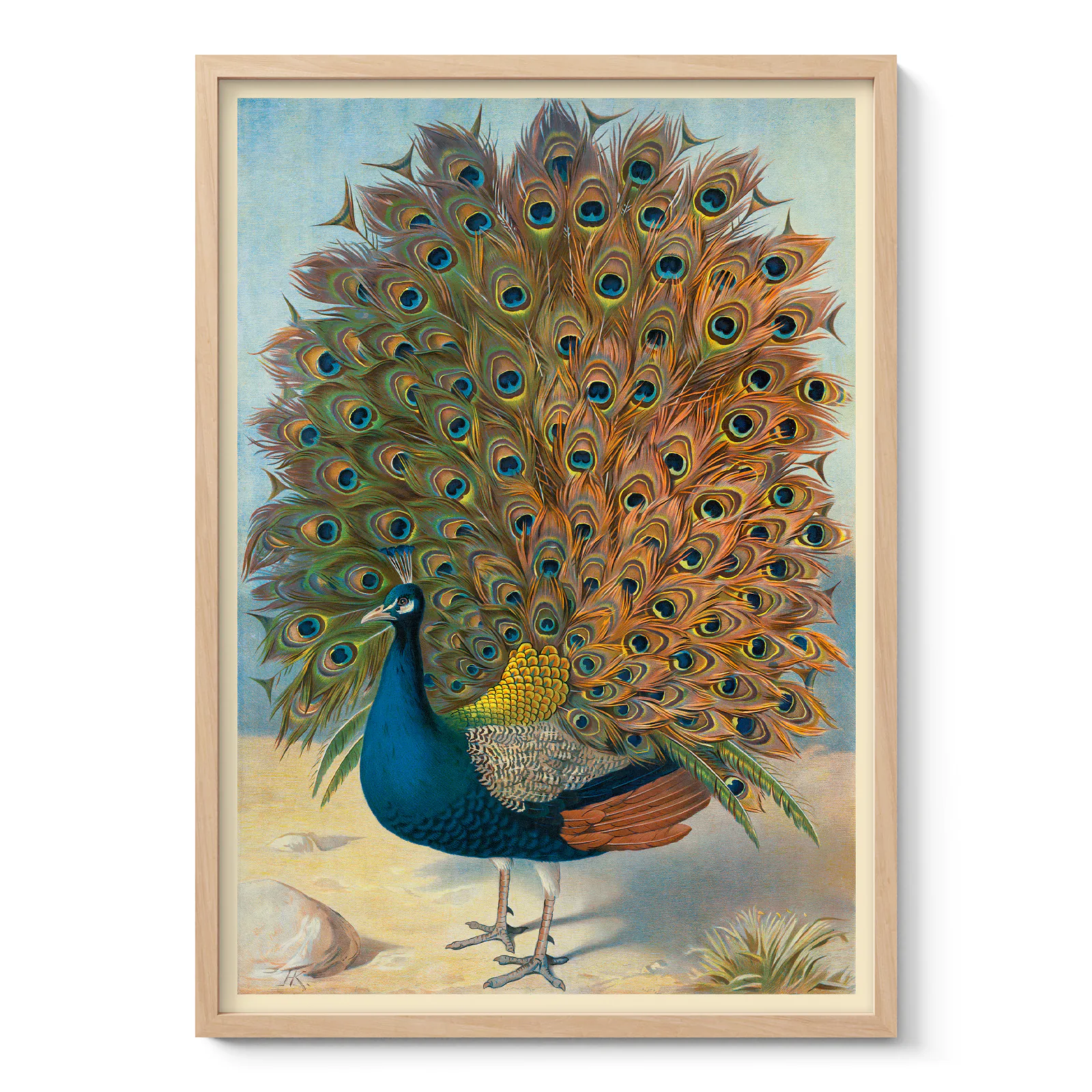
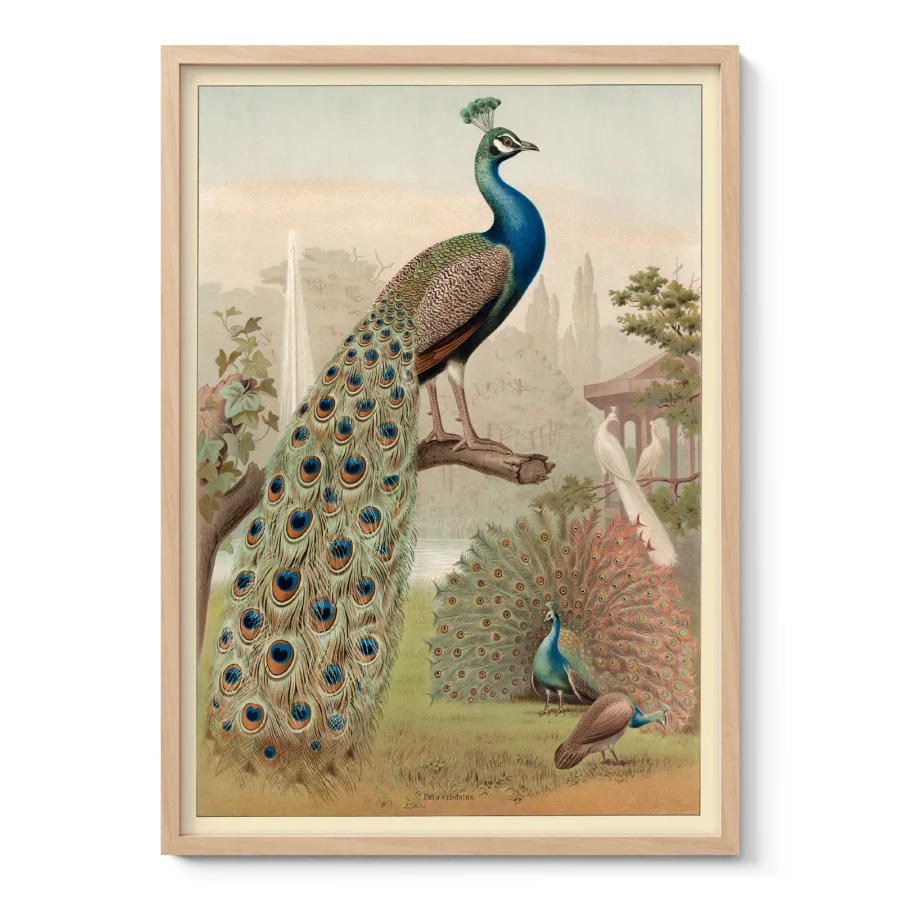
Different species naturally create different atmospheres within a room. Birds often introduce a feeling of openness and movement. Forest animals such as deer, foxes or bears can make a space feel calm and grounded, while tropical wildlife adds energy through bold colours and dramatic forms. Marine subjects, including whales, turtles or coral fish, usually create a peaceful environment inspired by the sea.
This variety explains why animal wall art works across many decorating styles without feeling tied to short-lived trends.
Matching animal art to interior styles
Choosing artwork is not only about selecting a favourite animal. The artistic style often has an even greater influence on the overall appearance of a room.
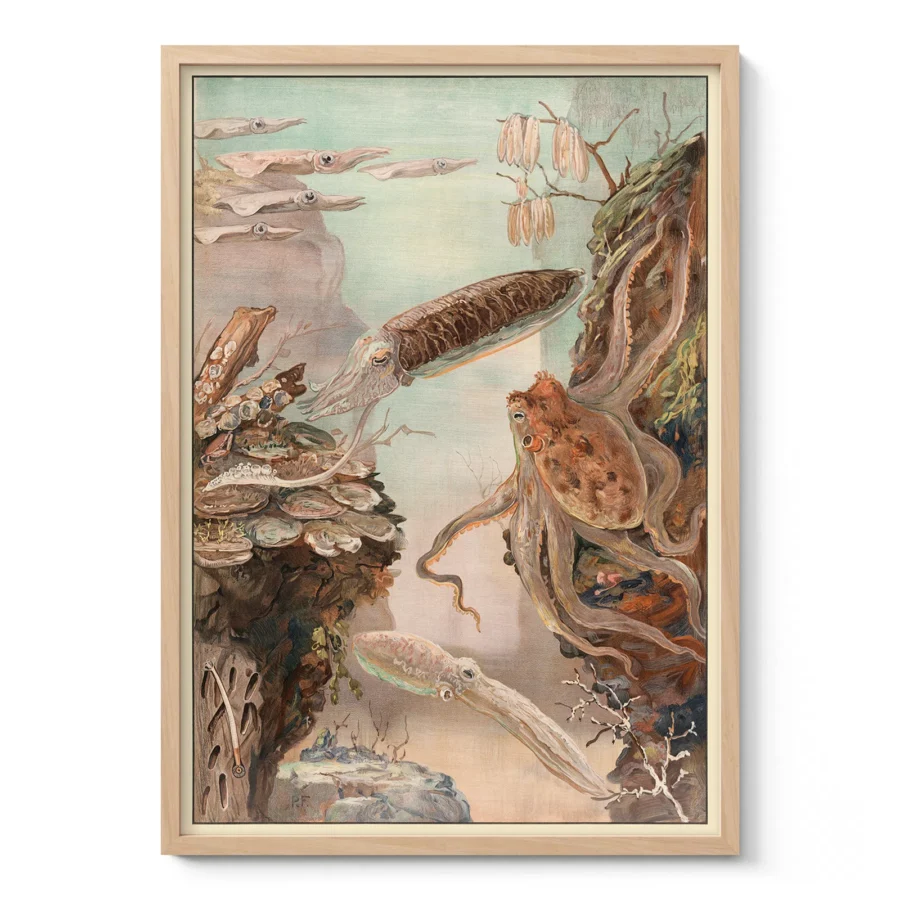
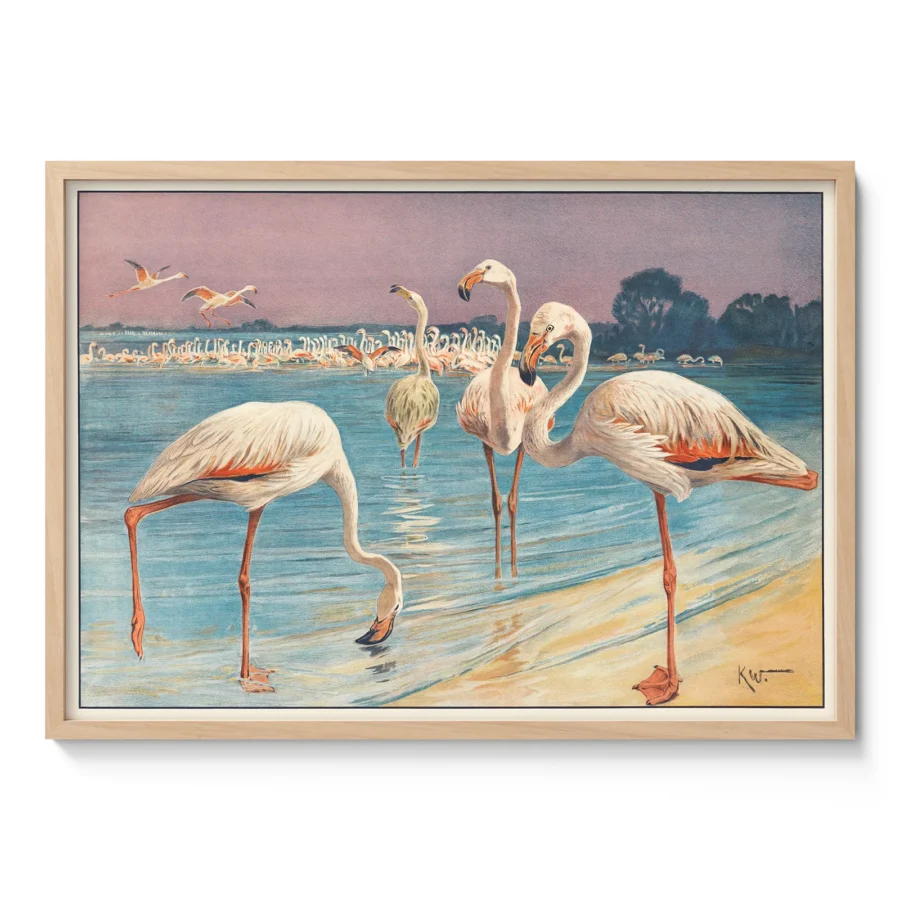
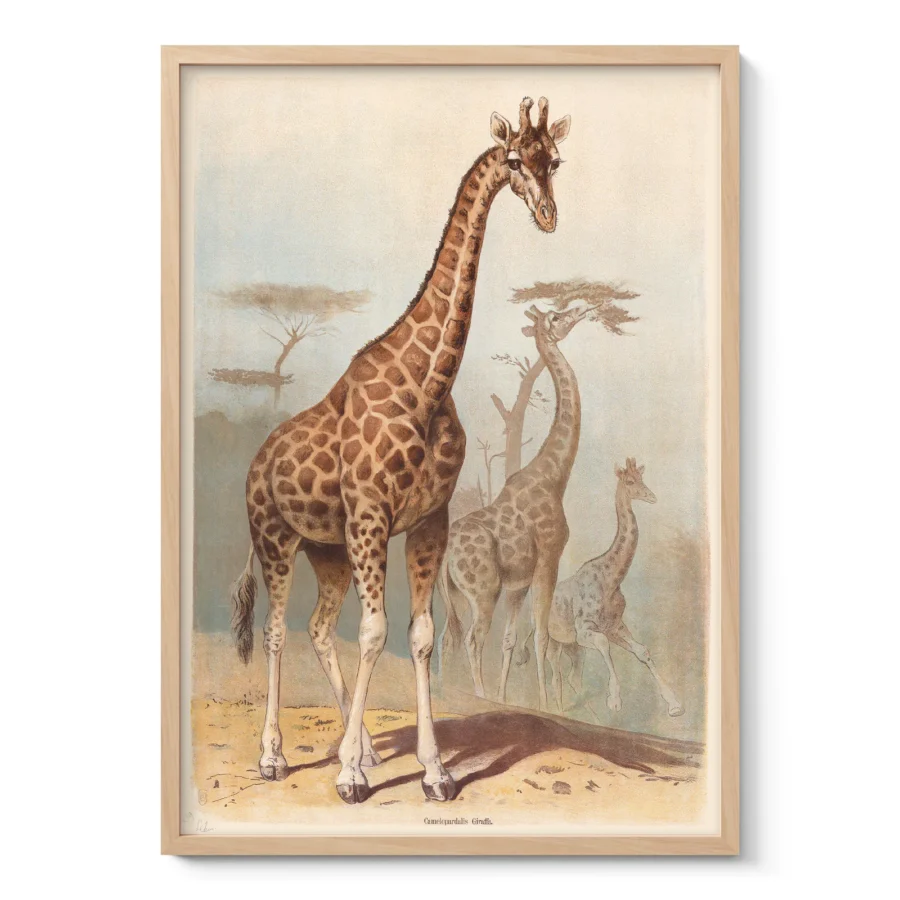
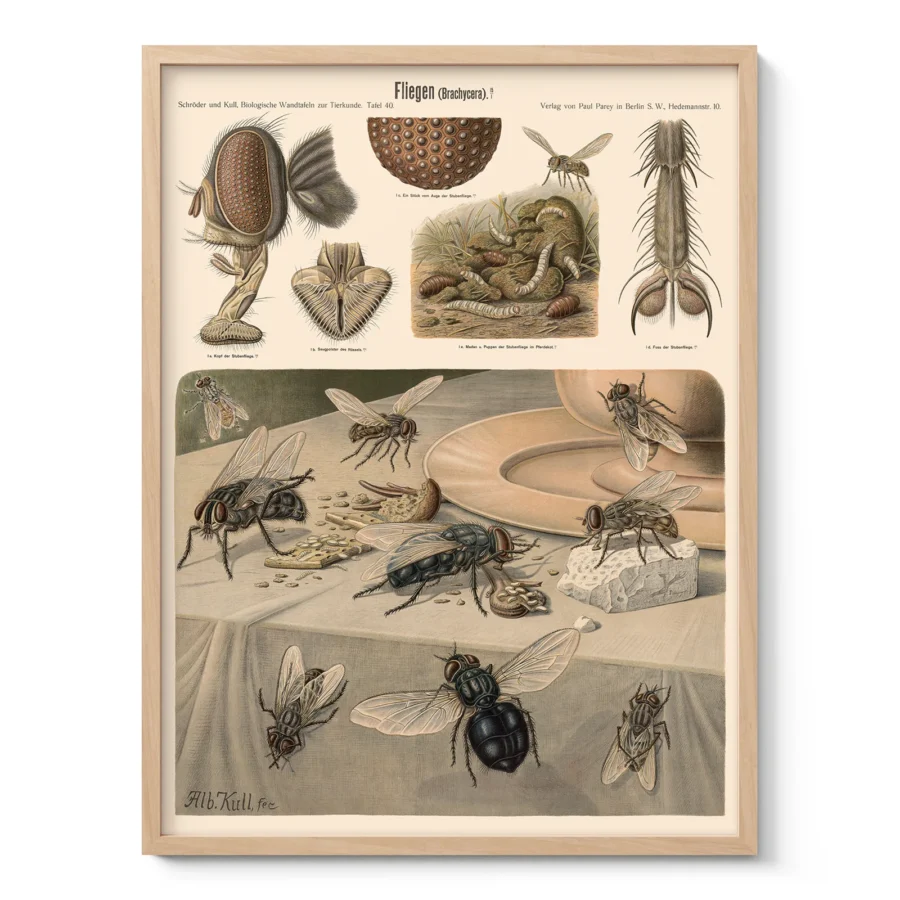
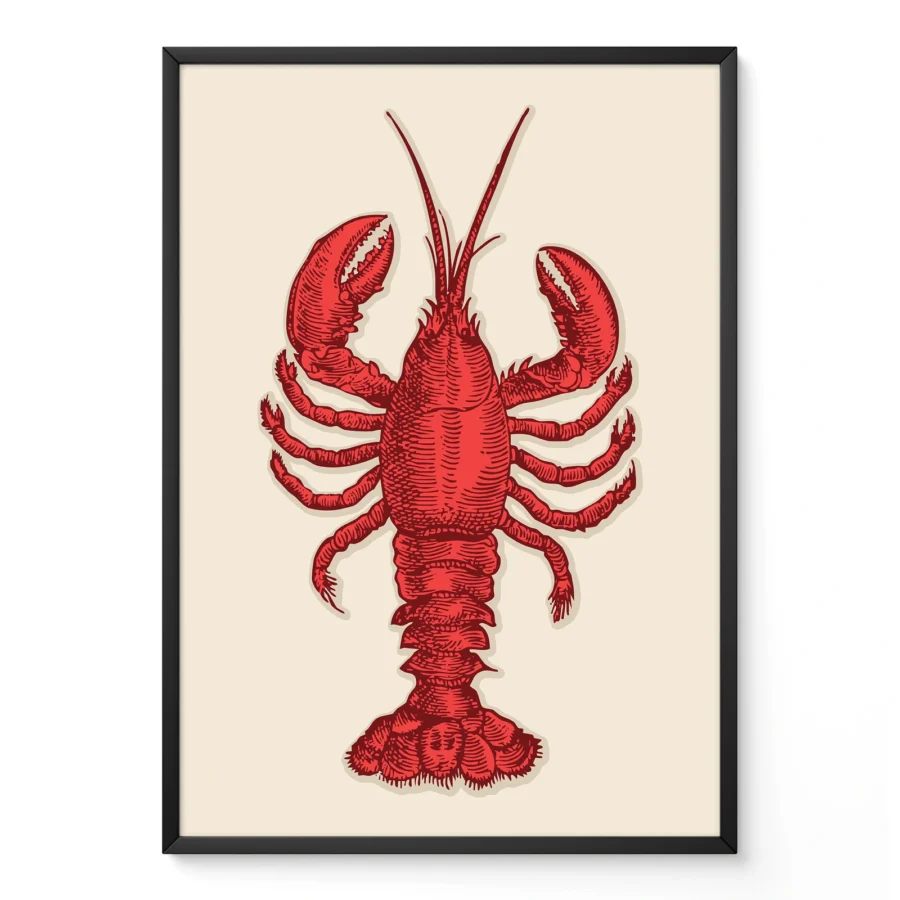
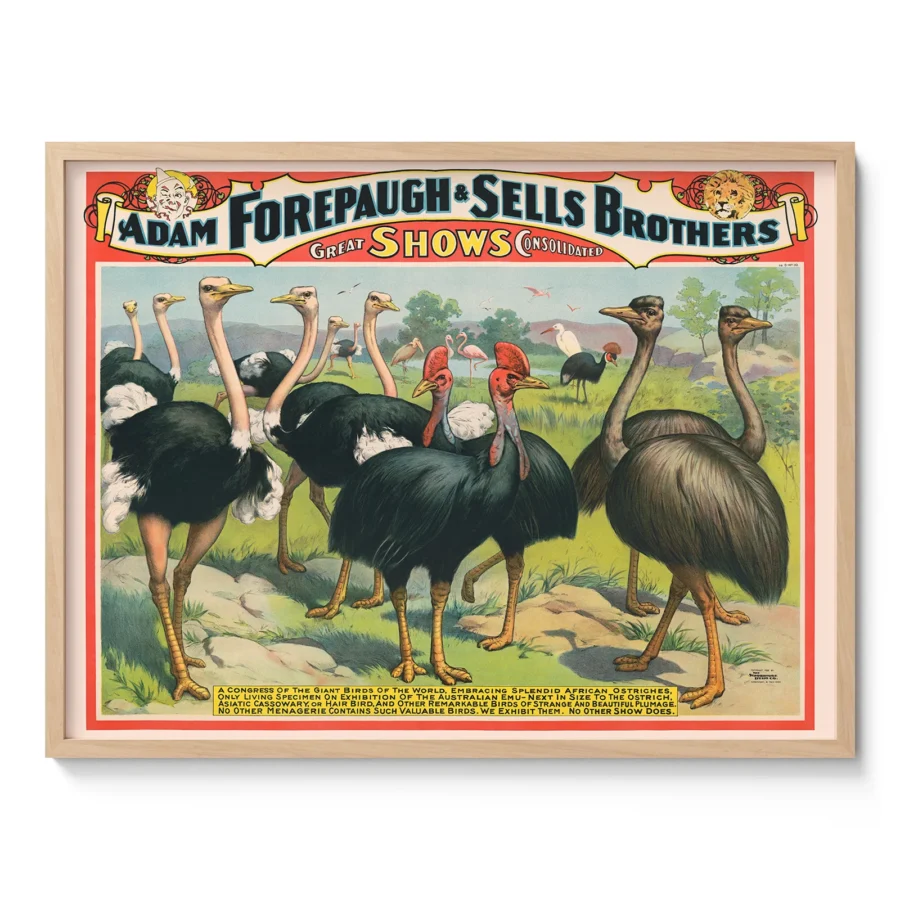
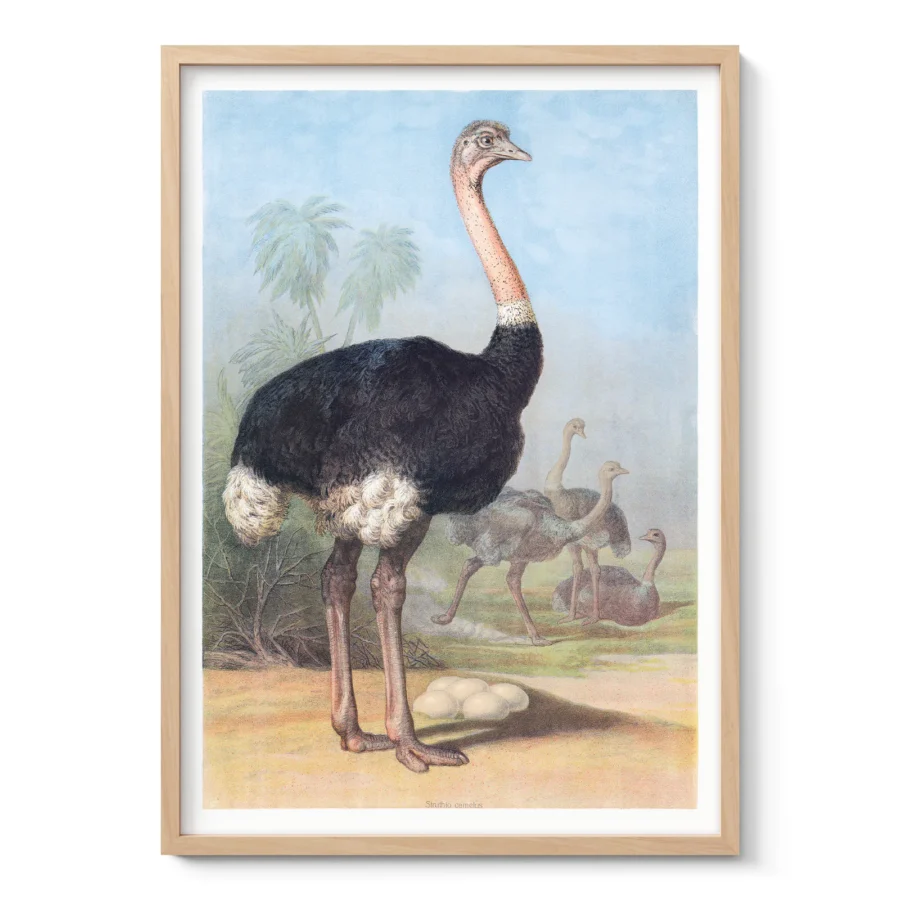
Vintage natural history illustrations work beautifully in classic interiors, home libraries and offices where fine detail complements wood furniture and traditional materials. Watercolour paintings bring softness to Scandinavian spaces, while black-and-white photography pairs naturally with contemporary architecture and minimalist design.
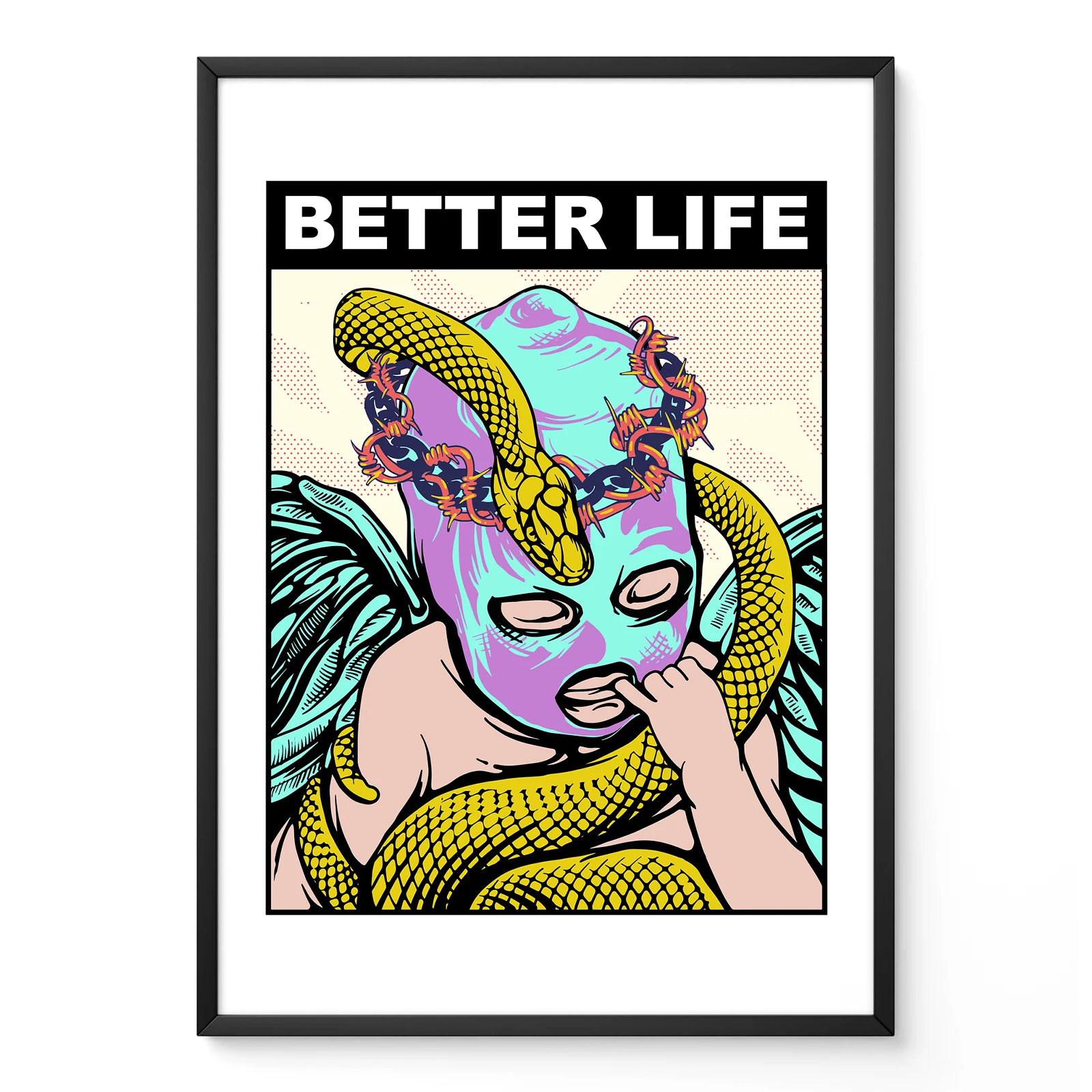
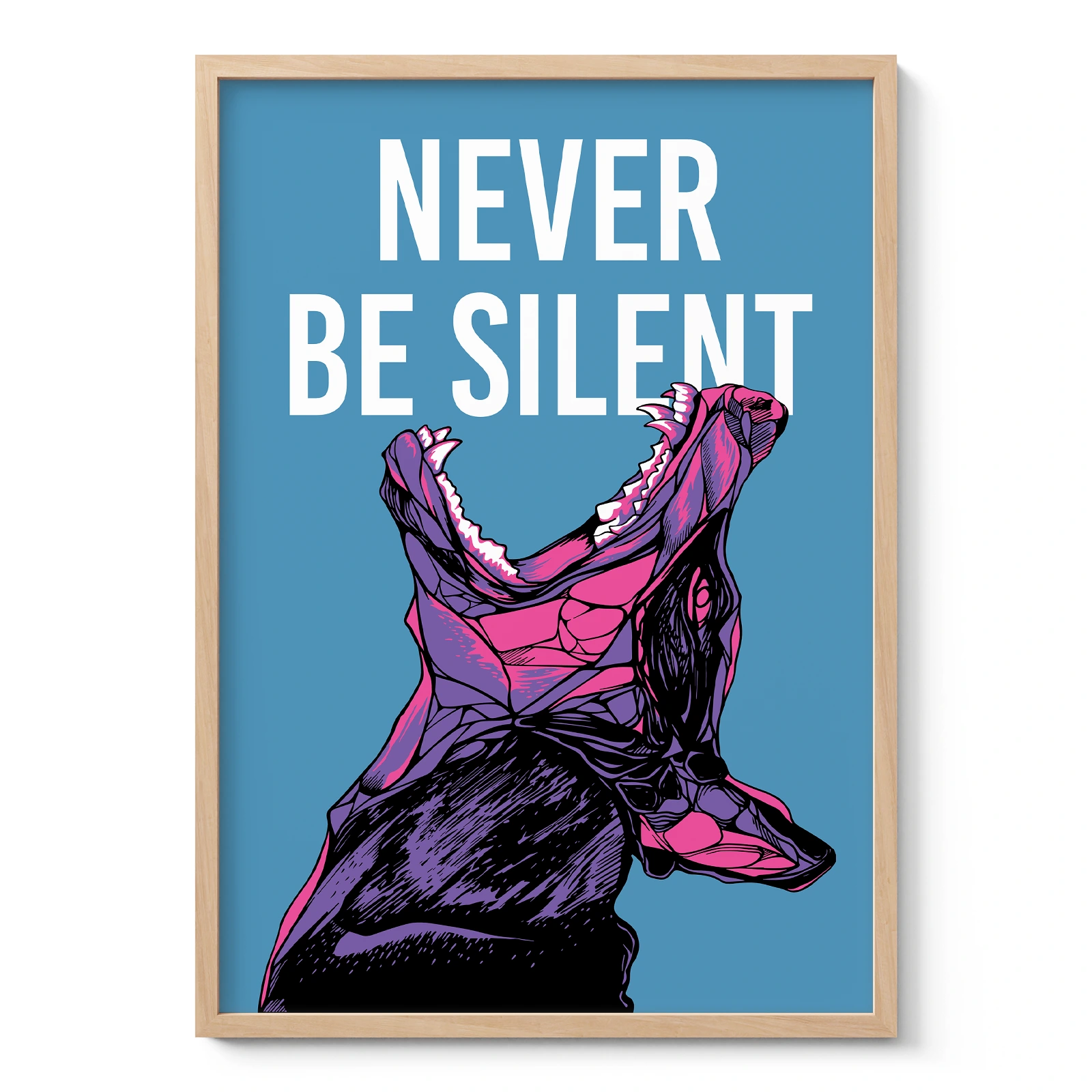
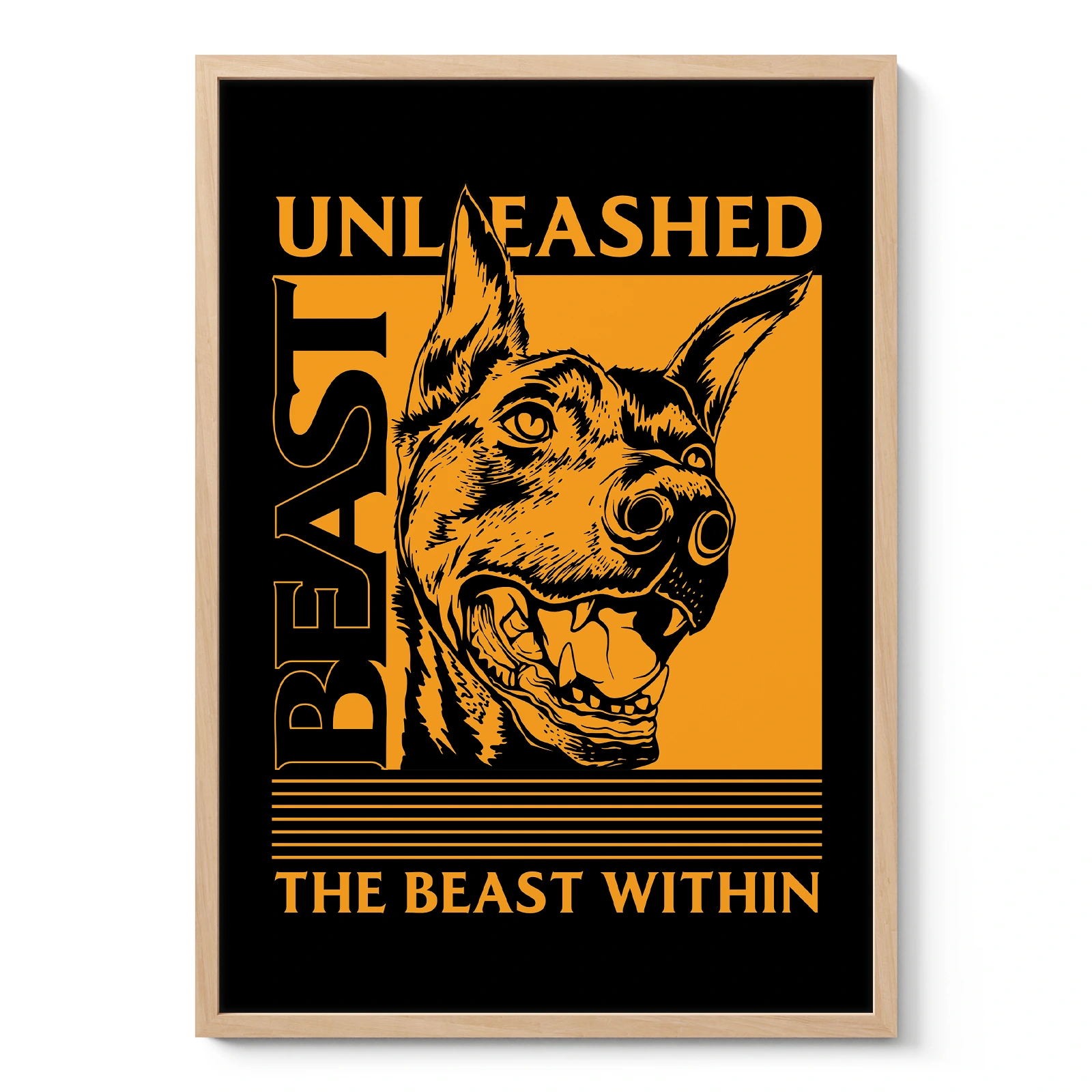
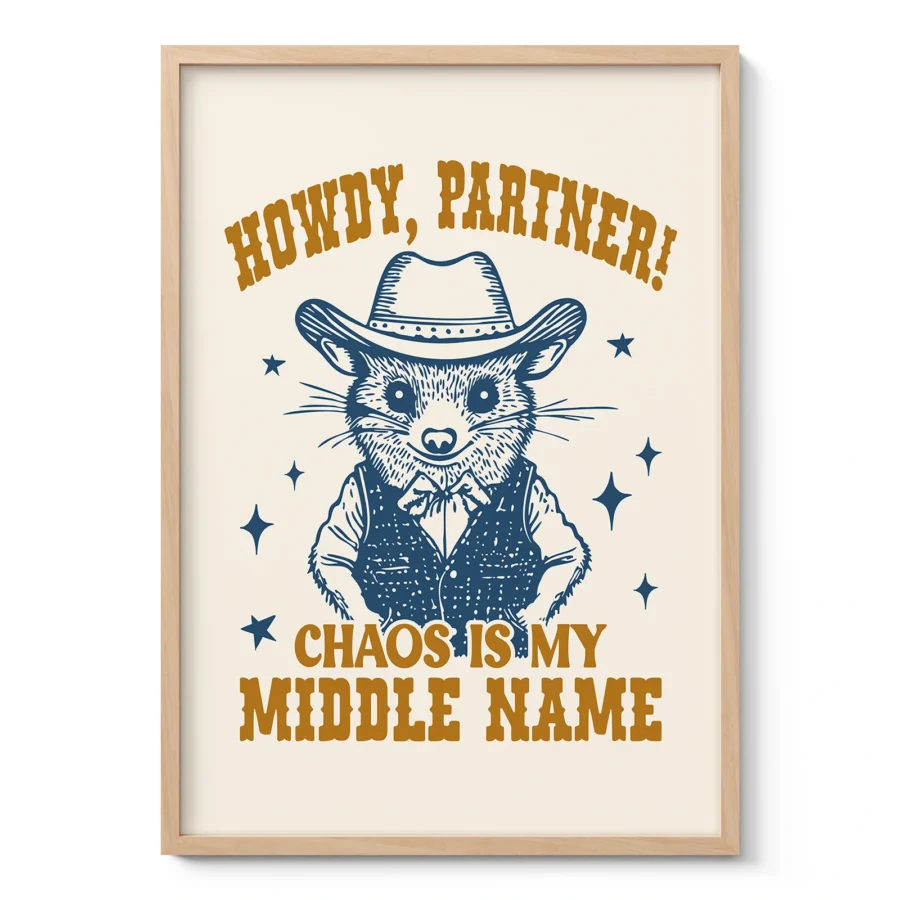
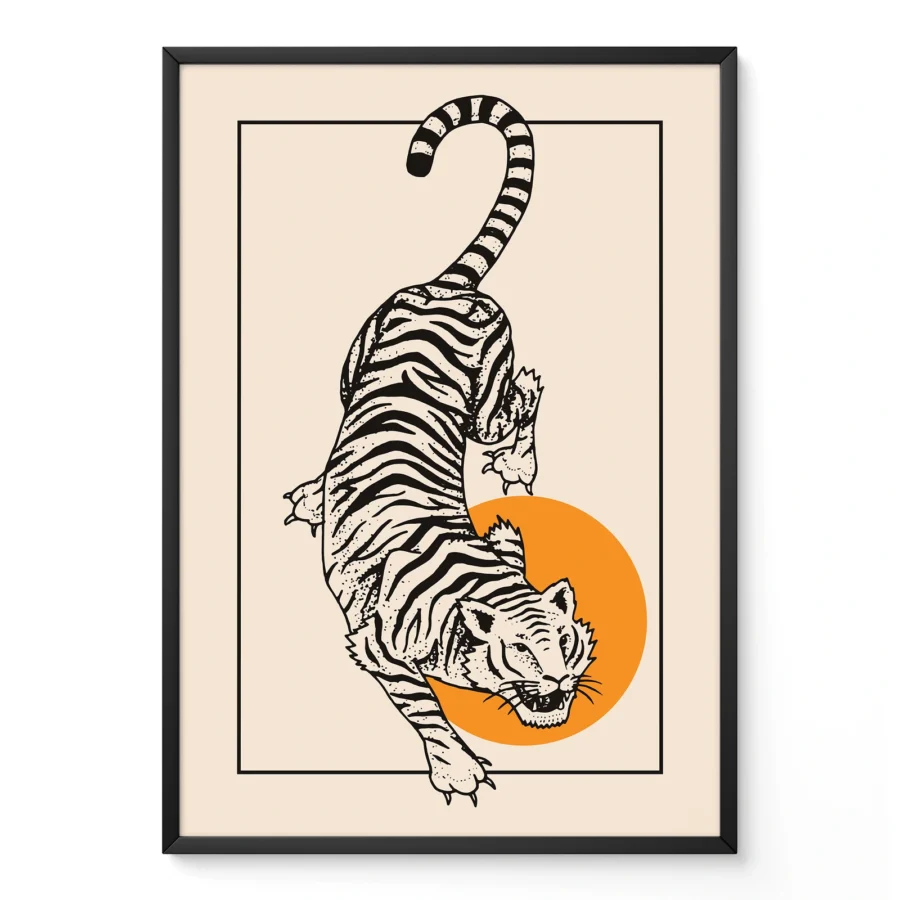
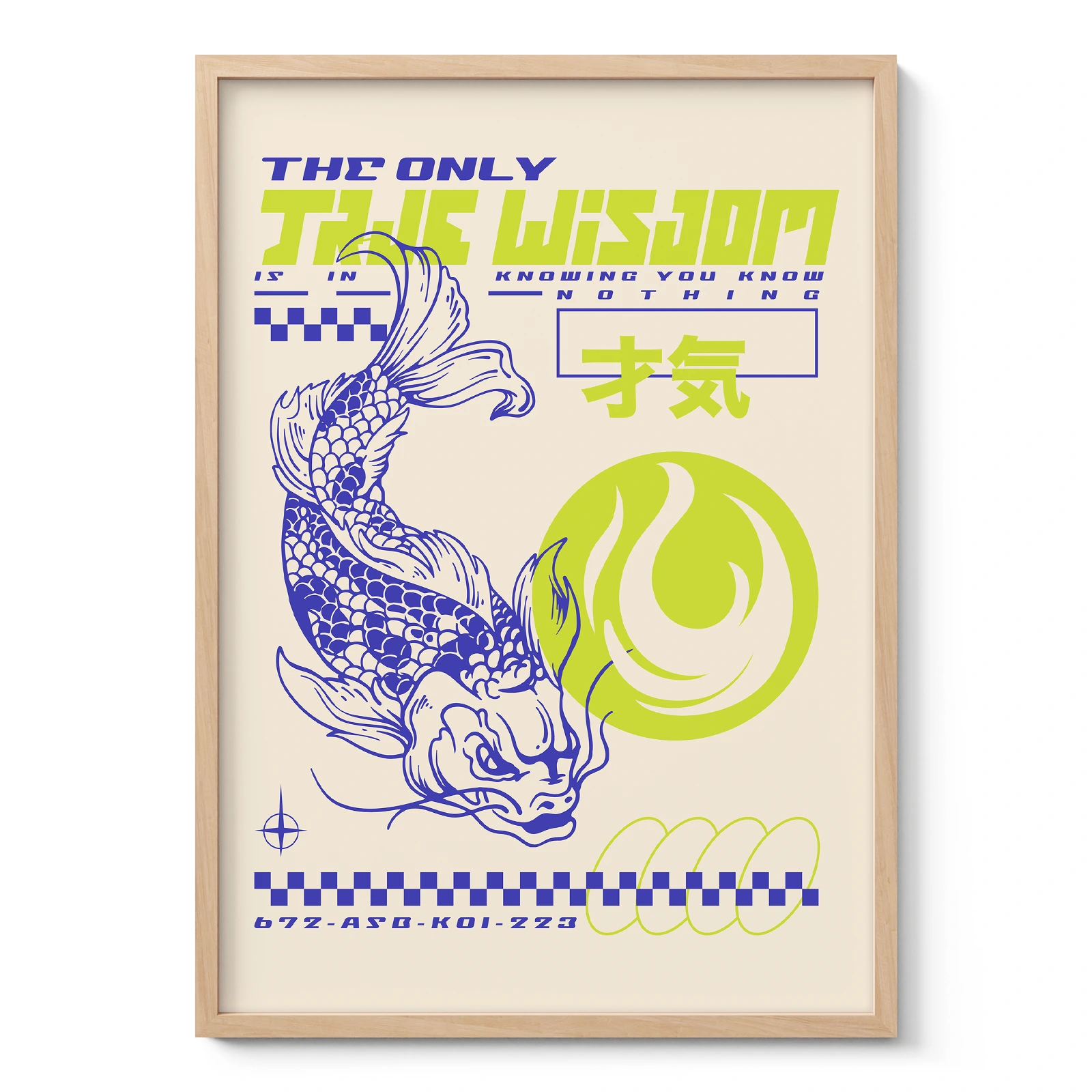
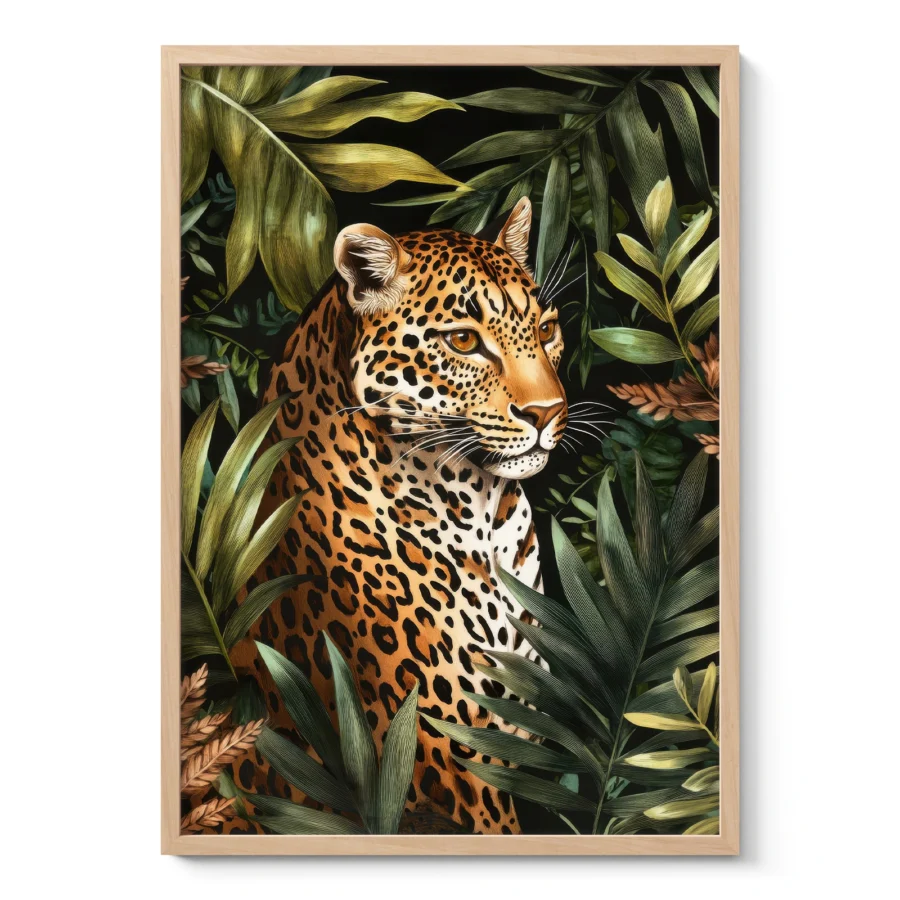
Modern abstract animal interpretations appeal to people who enjoy bold shapes and simplified forms rather than realistic detail. In contrast, highly detailed wildlife paintings reward close viewing, revealing textures, feathers and fur that become more noticeable over time.
Scale also matters. Large animal portraits often become a visual anchor in spacious living rooms, while smaller botanical and wildlife collections can create an attractive gallery wall in hallways, bedrooms or staircases.
Details that influence the overall look
Many people focus first on the subject itself, but composition often has a greater effect on how artwork feels within a room. A close-up portrait of an owl creates a different impression from a landscape showing animals in their natural habitat. One invites attention to expression and texture, while the other introduces depth and a stronger sense of place.
Colour choices are equally important. Neutral tones blend easily into calm interiors, whereas colourful parrots, butterflies or exotic fish can introduce carefully balanced accents without changing the overall design scheme.
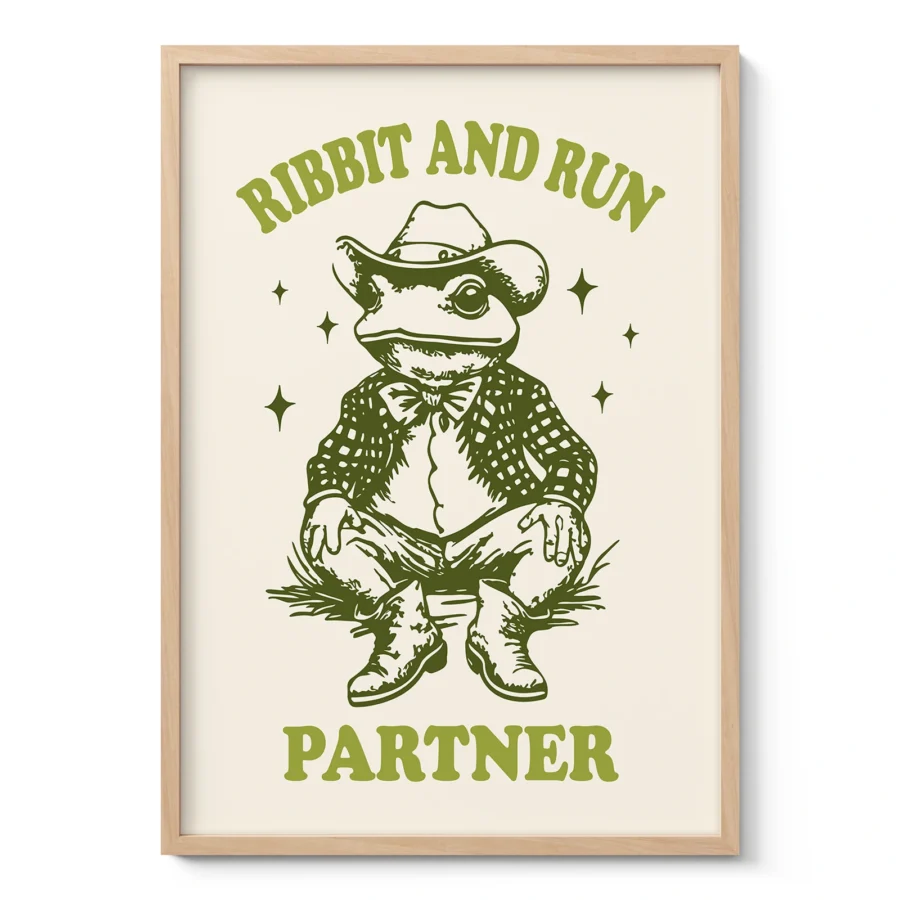
The choice between posters and canvas prints depends largely on the atmosphere you want to achieve. Posters often complement clean, contemporary interiors with crisp detail, while canvas prints soften the image through their textured surface, making many wildlife subjects feel more painterly.
Looking beyond decoration
One reason animal wall art continues to attract collectors and homeowners is its ability to tell stories. Many works celebrate biodiversity, explore the relationship between humans and nature or document species with remarkable scientific accuracy. Historical naturalists combined artistic skill with careful observation, producing illustrations that remain valued by museums, educators and designers alike.
Animal-inspired artwork also encourages closer observation. The curve of antlers, the structure of feathers or the intricate patterns found on insects often reveal remarkable craftsmanship that might be overlooked at first glance. These details give viewers something new to appreciate over time, making the artwork feel rewarding long after it is first displayed.
Because the subject is so broad, animal wall art can evolve with changing tastes without requiring an entirely new decorating style. A collection may begin with a favourite bird or woodland animal and gradually expand to include marine life, botanical studies or expressive contemporary wildlife art. This flexibility allows each interior to develop naturally while maintaining a connection to one of art's most enduring and universally appreciated subjects.