



Why Style With Posters: Enhancing Home Character
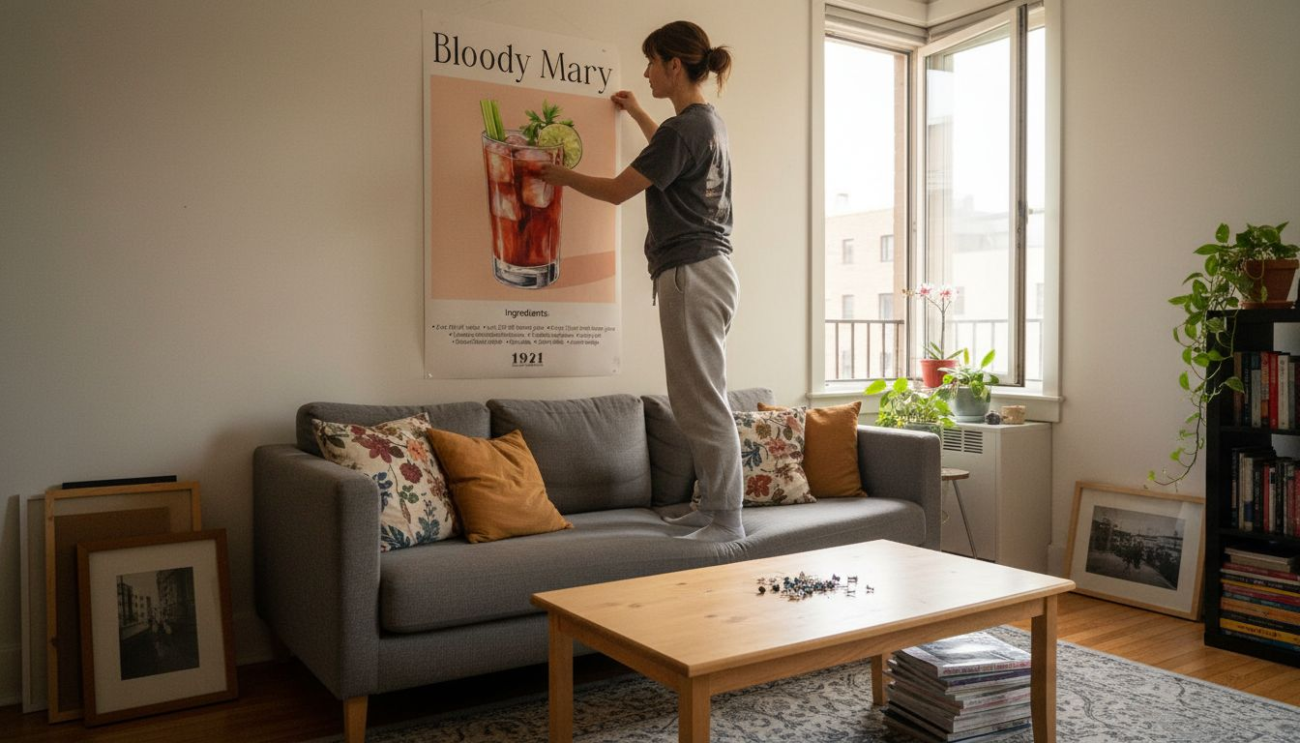
Blank walls can feel cold and anonymous, but choosing the right poster transforms your living space into a reflection of who you are and what you love. Decorating with posters is more than just filling empty spots—it is about embracing powerful instruments of personal identity that speak to your values and interests. Unlike traditional artwork, posters offer an accessible way to express your style, letting you create unique visual narratives and update your space as your taste evolves.
Table of Contents
- What Styling With Posters Means Today
- Popular Poster Styles and Their Impact
- How Posters Transform Living Spaces
- Affordability and Accessibility Compared to Art
- Guidelines for Effective Poster Arrangement
Key Takeaways
| Point | Details |
|---|---|
| Posters as Personal Statements | Posters serve as a powerful medium for expressing personal identity and values in home decor. They allow individuals to reflect their tastes without significant financial investment or permanence. |
| Democratic Accessibility | Unlike original art, posters are affordable and accessible, enabling diverse demographics to engage with art and decorate thoughtfully. They facilitate experimentation with styles and aesthetics. |
| Transformative Power | Posters can dramatically alter the mood and character of a space, commanding attention and acting as focal points that organize the room’s design. They promote flexibility, adapting to evolving interests and life circumstances. |
| Intentional Arrangement | Effective poster arrangement enhances cohesiveness and visual impact. Thoughtful placement and grouping can create a unified narrative that reflects individual personality and interests. |
What Styling With Posters Means Today
Styling with posters has transformed into something far more intentional than simply hanging prints on empty walls. Today, posters function as powerful instruments of personal identity within your home, allowing you to articulate your values, interests, and aesthetic vision without requiring expensive renovations or professional design services. When you choose a poster, you’re not just selecting a decoration. You’re making a statement about who you are and what matters to you. Posters serve as accessible mediums to introduce art within your living spaces, creating spaces that genuinely reflect your personality rather than conforming to generic design trends that feel impersonal and disconnected from your actual life.
The modern approach to poster styling recognizes that posters bridge the gap between art and personal expression in ways that few other décor elements can achieve. A vintage cocktail poster, for instance, tells visitors something different than a Bauhaus-inspired geometric print or a retro animal illustration. The scale, placement, and subject matter of your chosen posters work together to create visual narratives that embody your individual identity. You might hang a large statement piece as a focal point above your sofa, use smaller prints to create a gallery wall that showcases your evolving tastes, or scatter thematic pieces throughout rooms that each hold personal significance. This intentionality transforms your home from a generic living space into a dynamic canvas that shifts with your moods, interests, and life chapters.
What makes poster styling particularly relevant today is its democratic accessibility. Unlike commissioning original artwork or investing in high-end collectibles, ArtMandre’s curated collections allow homeowners and design-conscious young professionals to access quality art at price points that make experimentation possible. You can refresh your space seasonally, try bold color combinations without permanent commitment, and build your collection gradually as your taste evolves. Poster styling also acknowledges contemporary lifestyle realities. Whether you’re renting and cannot paint walls, living in compact urban spaces where square footage demands clever solutions, or simply prefer flexibility over permanence, posters offer freedom. They adapt to your changing circumstances without demanding the permanence or investment of traditional art purchases. This flexibility, combined with the diversity of designs available across retro maps, vintage photography, and thematic collections, means your walls can authentically represent who you are right now, not who you might become.
Pro tip: Start with one or two larger statement posters rather than immediately building an entire gallery wall, then add complementary pieces over time as your vision clarifies and you discover which styles genuinely resonate with your space.
Popular Poster Styles and Their Impact
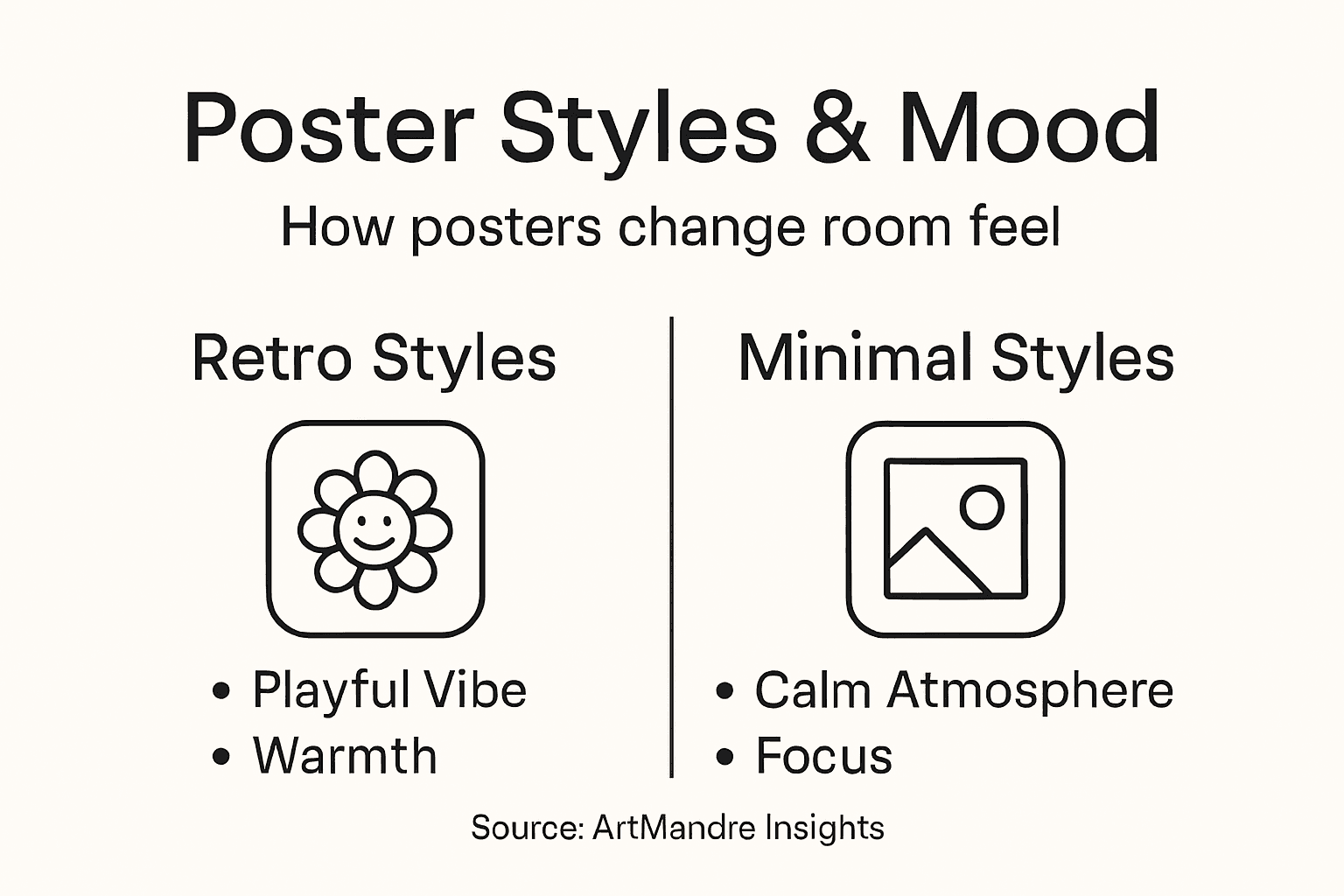
The posters you choose fundamentally shape how your space feels. Different styles trigger distinct emotional responses and communicate different messages about your personality and values. A minimalist geometric poster creates calm and sophistication, while a vintage retro animal illustration brings warmth and playfulness into a room. The visual language of your chosen posters becomes part of your home’s personality, influencing everything from visitor first impressions to how you feel stepping into your own space at the end of a long day. Understanding the major poster styles available lets you make intentional choices rather than grabbing whatever seems nice at the moment.
Retro and vintage styles remain consistently popular choices for homeowners building distinctive interiors. Iconic retro poster styles from the 20th century carry the weight of cultural movements and historical moments, allowing you to tap into nostalgia while making contemporary design statements. Vintage cocktail posters exude sophistication and leisure, retro travel maps suggest adventure and curiosity, and classic animal illustrations add unexpected character and warmth. Beyond vintage aesthetics, minimalist graphics and abstract art have gained significant traction in modern living rooms. These styles provide clean visual simplicity that works well in smaller spaces or as counterbalances to busier décor elements. Photographic prints offer another dimension entirely, grounding spaces in reality and documentary value. The choice between styles isn’t about following trends. It’s about selecting work that engages you emotionally and culturally, creating spaces where the visual narrative aligns with who you actually are.
What makes style selection genuinely powerful is understanding how each choice affects your room’s perceived atmosphere. A gallery wall combining multiple poster styles creates layered meaning and visual interest, suggesting an inhabitant with diverse interests and unconventional taste. A single large statement piece commands attention and establishes a room’s dominant mood. Mixing vintage movie posters with contemporary abstract art introduces productive tension that feels intentional rather than chaotic. The scale, color palette, and subject matter work together. A poster featuring warm, earthy tones creates an entirely different feeling than the same style rendered in cool blues and grays. When you select posters that resonate personally, you’re not just decorating walls. You’re constructing visual conversations about your identity, your interests, and the atmosphere you want to cultivate in your home. ArtMandre’s diverse collections across retro, vintage, modern, and thematic designs mean you can experiment with combinations and find the exact style combination that feels authentically yours.
Pro tip: Group posters by color palette or theme rather than style alone, which creates visual cohesion even when mixing different poster types and helps establish the overall mood you want your space to convey.
Here’s a comparison of popular poster styles and their psychological impact on interiors:
| Poster Style | Emotional Effect | Suggested Placement |
|---|---|---|
| Minimalist Geometric | Creates calm and order | Living room, Home office |
| Vintage Cocktail | Exudes sophistication | Above sofa, Dining area |
| Retro Animal Illustration | Adds warmth and playfulness | Children’s room, Hallway |
| Retro Travel Map | Inspires curiosity | Entryway, Study |
| Modern Abstract | Provides bold focus | Bedroom, Feature wall |
How Posters Transform Living Spaces
Plain walls sit quietly in your home, waiting for something to happen. The moment you hang a poster, everything shifts. That blank wall becomes a conversation starter, a window into your personality, a focal point that organizes the entire room around it. Posters possess a transformative quality that few other décor elements can match. They don’t require structural changes, professional installation, or significant financial investment, yet they deliver dramatic results. A single well-chosen poster can redefine a bedroom’s entire character. A series of them can turn a hallway into a gallery that tells the story of who you are. This transformation happens because posters engage viewers on multiple levels simultaneously. They add color, texture, meaning, and personality to spaces that might otherwise feel generic or incomplete.
The mechanics of this transformation operate on both practical and psychological levels. Large posters command attention and create dramatic focal points that anchor a room’s design, drawing your eye immediately upon entering a space and establishing the visual hierarchy. A vintage cocktail poster above your sofa becomes the centerpiece that every other design element references. A Bauhaus-inspired geometric print in an entryway sets the tone before anyone even steps into your living room. Smaller posters work differently. They offer subtle accents that contribute to harmonious interior balance, filling negative space without overwhelming the room. You might scatter smaller prints throughout a bedroom or create a gallery wall that gradually reveals your varied interests. The scale you choose determines the psychological impact. Go large when you want boldness and confidence. Go smaller when you want layered sophistication and visual breathing room. The beauty of posters lies in their flexibility. You can experiment with placement, swap them seasonally, and completely reinvent your space without permanent commitment.
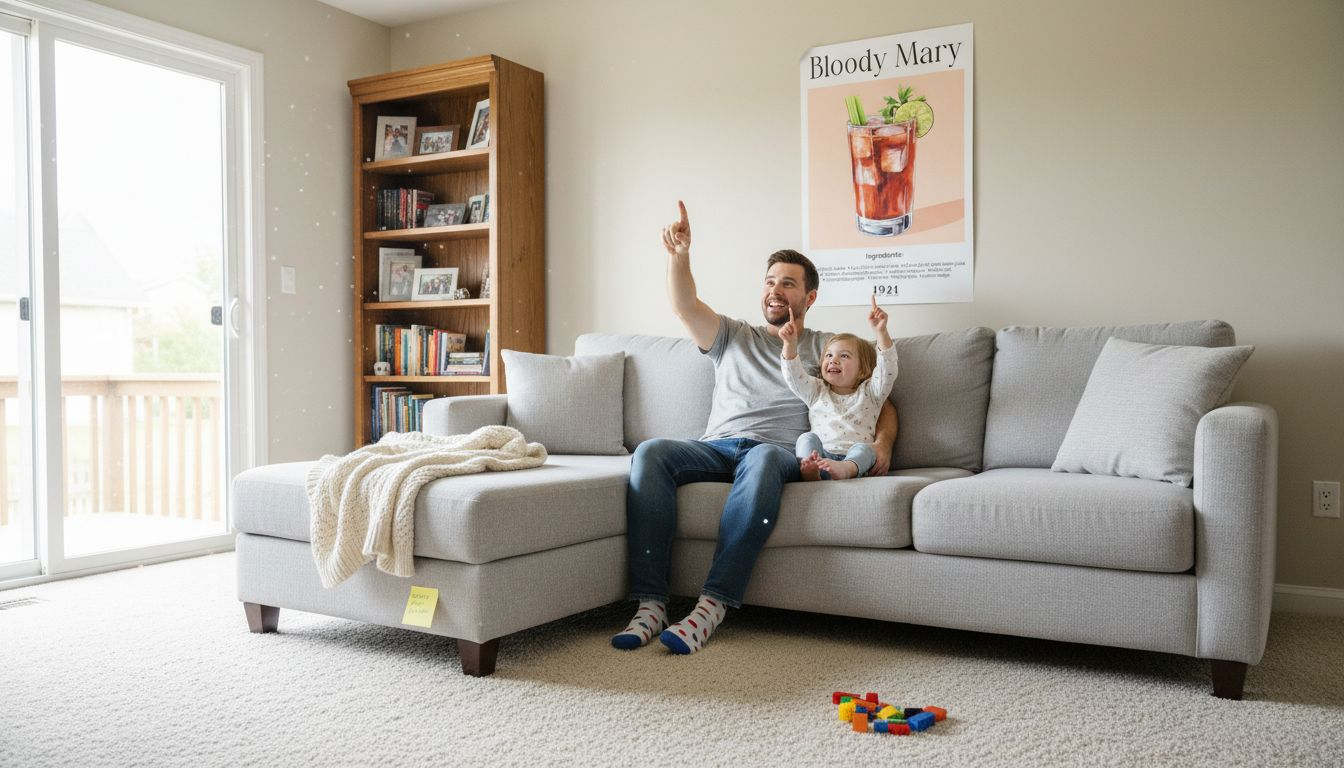
What makes posters genuinely transformative is their ability to evolve with you. Your taste changes. Your life circumstances shift. Your interests develop in unexpected directions. Unlike wallpaper or permanent paint colors, posters allow your spaces to grow and change alongside these transformations. You might hang retro travel maps when you are dreaming of adventure, then swap them for minimalist abstracts when you crave calm. You can refresh your space for different seasons, different moods, different chapters of your life. This flexibility means your home never feels static or outdated. It remains a living document of who you are right now, not who you were five years ago. ArtMandre’s diverse collections enable this kind of intentional evolution. As your design sensibilities mature and your interests expand, you can build and rebuild your collection without starting from scratch. This transformative power extends beyond aesthetics into emotional territory. Spaces adorned with posters you genuinely love feel more inviting, more comfortable, more authentically yours. Guests sense this difference immediately. They notice that your home reflects real choices, real taste, real personality rather than conforming to someone else’s vision of what a home should look like.
Pro tip: Choose your largest poster first and build the rest of your room around it, allowing that statement piece to anchor your color palette and overall design direction and creating intentional cohesion rather than random arrangement.
Affordability and Accessibility Compared to Art
Original art occupies a particular position in home design. It carries prestige, exclusivity, and significant price tags. A modest painting from an emerging artist might cost hundreds of dollars. Established works command thousands. Limited edition prints still require substantial investment. For most homeowners and young professionals, original art remains aspirational rather than accessible. Posters operate in an entirely different economic reality. They democratize interior decoration by making artistic expression available to anyone with a modest budget. You can purchase multiple high-quality posters from ArtMandre for the price of a single original artwork. This price difference doesn’t reflect inferior quality or artistic value. It reflects mass production efficiency and the elimination of exclusivity markups. A vintage cocktail poster or Bauhaus-inspired print delivers genuine artistic merit and aesthetic sophistication without requiring you to choose between art and rent.
The accessibility question extends beyond simple cost comparisons. Mass production and widespread availability allow a broad demographic to engage with art, fundamentally changing who gets to participate in visual culture and interior design. Historically, art ownership signaled wealth and cultural sophistication. Most people simply didn’t have access to original works or the means to commission pieces. Posters shattered this exclusivity. Suddenly, a factory worker in Tokyo and a software engineer in Toronto could both hang beautifully designed prints reflecting their interests and aesthetic preferences. This democratization matters profoundly. It means your financial situation doesn’t determine whether your home reflects your personality and values. A student in a dorm room can create a space as thoughtfully designed and personally expressive as someone with unlimited resources. ArtMandre’s approach aligns perfectly with this philosophy. The curated collections span retro maps, vintage animal illustrations, cocktail posters, and modern designs at price points that make genuine experimentation possible rather than requiring careful consideration of every single purchase.
Beyond affordability lies flexibility that traditional art simply cannot offer. When you invest significantly in a single piece of original art, you commit to it. You live with that choice. You hang it prominently because you need to justify the expense. Posters work differently. Posters can be swapped frequently to suit evolving tastes, allowing dynamic and personalized styling that evolves affordably over time. You can change your entire room’s aesthetic for the cost of a few prints. You might create seasonal variations, swapping warm vintage travel posters for cool minimalist abstracts as the weather shifts. You can follow your evolving interests without guilt or regret. Purchased a poster that no longer resonates? Rotate it out without financial anguish. Discovered a new design aesthetic? Build a new collection without abandoning your previous investment. This affordability combined with flexibility creates a fundamentally different relationship with home design. Your space becomes dynamic rather than static. It grows and changes as you do. The emotional investment in posters differs from traditional art in meaningful ways. Despite their lower cost, posters can have substantial aesthetic significance and emotional value, adding depth without the exclusivity or expense of original artworks. You might love a retro animal illustration more than paintings costing ten times the price. The connection you feel to a design reflects genuine resonance, not financial justification.
Pro tip: Start your poster collection with designs from ArtMandre’s sales events like buy 2 get 1 free offers, which stretch your budget further and let you experiment with multiple styles before committing to permanent displays.
Guidelines for Effective Poster Arrangement
Arranging posters effectively requires intention. You cannot simply scatter them randomly and expect your space to feel cohesive. Thoughtful arrangement transforms a collection of individual prints into a unified design statement. The difference between a room that feels thoughtfully designed and one that feels chaotic often comes down to how posters are positioned and grouped. Scale matters fundamentally. Large posters command visual weight and attention, making them natural focal points around which you can build your arrangement. Smaller posters work differently. They fill space, add layers of meaning, and create visual interest without overwhelming the room. Consider how these different scales interact. A single large vintage map above your desk anchors the space. Smaller thematic prints clustered nearby create depth without competing for attention. Balance keeps arrangements from feeling lopsided or awkward. You don’t need perfect symmetry, but your eye should be able to travel comfortably around the wall without getting stuck in one corner. If you have a large statement poster on the left side, balance it with either a vertical arrangement of smaller prints on the right, or distribute visual weight more gradually across the wall. Thematic consistency ties everything together. Grouping posters by style, color palette, or subject matter enhances cohesiveness. A collection of retro travel maps tells a unified story about your wanderlust. Mixing vintage cocktail posters with botanical prints creates intentional eclecticism rather than random clutter.
Strategic placement considering sightlines and room function elevates your arrangement beyond simply hanging what fits available wall space. Think about where people naturally focus in each room. In a living room, eye level above furniture becomes a natural gathering point. In an entryway, you want posters at the height where visitors will naturally see them as they enter. Bedroom arrangements might emphasize what you see from the bed. Kitchen posters should be positioned for comfortable viewing while standing. Lighting influences effectiveness too. A poster in dim light loses impact no matter how beautiful it is. Position pieces where natural or artificial light will enhance them. Avoid direct sun that causes fading, but ensure enough illumination that details remain visible.
Different arrangement methods work for different spaces and personalities. A gallery wall creates curated visual impact by grouping multiple posters in carefully planned configurations. You might use a grid pattern for organized minimalism, stagger sizes for dynamic interest, or arrange by color for cohesive visual flow. A single statement piece commands attention and works beautifully in spaces where you want dramatic focus without complexity. An asymmetrical cluster feels more organic and personal, suggesting a collection built over time rather than purchased as a matched set. Whatever method you choose, using grids and clusters creates aesthetically pleasing balanced displays that avoid chaotic randomness. Start by laying your posters on the floor or bed before hanging anything. Move them around. Step back. Let your eye adjust. Sketch a rough outline on the wall with painter’s tape to visualize spacing before making permanent holes. This preparation prevents regrettable decisions. Consider framing or mounting options too. Simple frames elevate posters and create visual boundaries that make arrangements feel intentional. Floating frames suggest contemporary sophistication. Canvas wrapping adds texture. Even poster hangers with clips can become design elements when chosen thoughtfully. The mounting method you select communicates something about how you view the work.
Pro tip: Use painter’s tape to outline your exact arrangement on the wall before hanging anything, allowing you to adjust spacing and visual balance without committing to permanent nail holes.
Below is a summary of poster arrangement strategies and their ideal use cases:
| Arrangement Method | Best For | Visual Impact |
|---|---|---|
| Gallery Wall | Eclectic collections | Layered narrative and variety |
| Single Statement Piece | Dramatic focal points | Strong room anchor |
| Asymmetrical Cluster | Organic, personal displays | Informal and collected feel |
| Grid Pattern | Minimalist or structured | Balanced order and unity |
Elevate Your Home Character with Intentional Poster Styling
Many people struggle to bring authentic personality into their living spaces without costly renovations or uncertain art decisions. This article highlights how posters serve as flexible, affordable, and expressive tools that can transform plain walls into meaningful narratives reflecting your unique identity. If you want to avoid generic decor and develop a room that truly feels like you, understanding poster styling basics like thematic grouping, emotional impact, and scale is essential.
Discover how ArtMandre’s curated collections of retro maps, vintage cocktail posters, and Bauhaus-inspired artwork offer you the perfect starting point to build a dynamic, evolving gallery.

Take advantage of promotional offers such as buy 2 get 1 free to experiment with styles without a permanent commitment. Visit ArtMandre to explore new arrivals and hot sellers that bring sophisticated charm and personal meaning to your walls. Transform your space today with art that speaks volumes about who you are.
Frequently Asked Questions
What is the significance of styling with posters in home decor?
Styling with posters allows you to express your personal identity, values, and interests without the need for expensive renovations or professional design. Posters can transform your space into a reflection of who you are, making it more intimate and connected to your experiences.
How do I choose the right posters for my home?
Consider the emotional effects of different poster styles; for instance, minimalist geometric prints create calm, while vintage retro posters evoke warmth and nostalgia. Select posters that resonate with your aesthetic vision and help convey the atmosphere you wish to create in each room.
What are effective strategies for arranging posters?
Effective arrangement strategies include creating a gallery wall with multiple posters, using a single statement piece for dramatic focus, or opting for an asymmetrical cluster for a more personal, organic look. Pay attention to scale, balance, and thematic consistency to achieve a cohesive design.
How can I refresh my space with posters on a budget?
Posters are an affordable alternative to original artwork, allowing you to frequently change your decor without significant financial commitment. Start with a few quality pieces and gradually build your collection as your tastes evolve, experimenting with different styles, colors, and themes.