


Wall Art in Home Decor: Elevating Personal Spaces
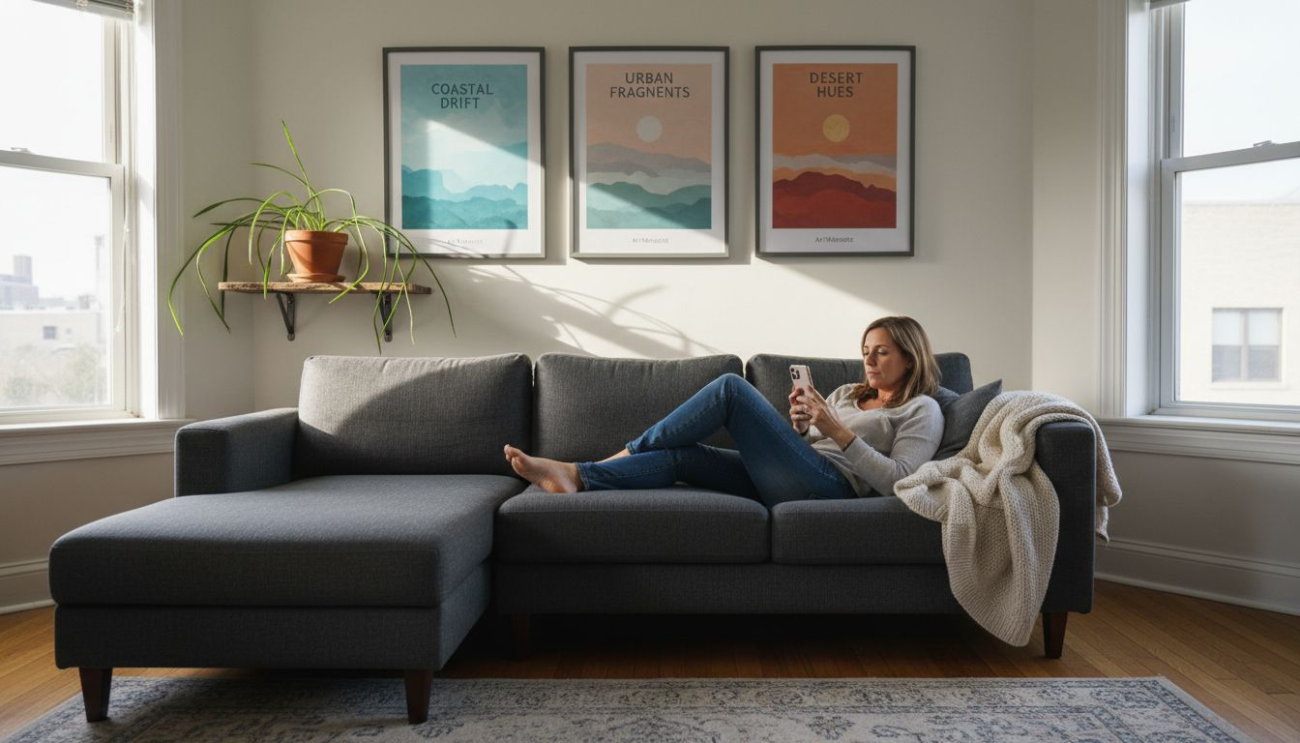
Staring at empty walls in your home can make even the best-designed spaces feel incomplete. For many design-conscious urban homeowners, finding the right wall art is about more than just covering a blank space. Wall art has the unique power to express your personal style and transform a room’s entire vibe, all without a major investment. Whether you aim to spark conversation, showcase your taste, or set a specific mood, this guide helps you choose pieces that turn your home into a true reflection of you.
Table of Contents
- Defining Wall Art And Its Home Decor Value
- Types Of Wall Art For Modern Interiors
- How Wall Art Shapes Mood And Style
- Selecting And Arranging Artwork For Impact
- Common Wall Art Mistakes To Avoid
Key Takeaways
| Point | Details |
|---|---|
| Wall Art as Expression | Wall art serves as a reflection of personal taste and communicates something about the homeowner’s identity. Each piece contributes to the overall atmosphere of the space. |
| Impact on Mood | The color and subject matter of wall art actively shape emotions in a room, influencing how residents and visitors feel. Choosing the right style can create inviting or calming environments. |
| Placement and Proportion | Proper placement and sizing of wall art are crucial for visual balance and impact. Art should occupy a significant portion of wall space to enhance the room’s aesthetic. |
| Avoiding Common Mistakes | To prevent visual chaos, avoid overcrowding walls and ensure art complements existing decor. Consistency in framing and color selection enhances intentionality in design. |
Defining Wall Art and Its Home Decor Value
Wall art goes far beyond simply filling blank spaces. It’s a deliberate design choice that transforms how you experience your home every single day. Wall art encompasses any visual work intended for display on walls, including prints, posters, illustrations, and framed pieces that express your taste and personality. These aren’t throwaway decorations; they’re investments in how your space makes you feel.
Historically, decorative arts including wall art have served as markers of both aesthetic preference and personal values in homes. When you select a piece of wall art, you’re communicating something about yourself to anyone who enters your space. That vintage cocktail poster reflects your appreciation for mid-century design. Those retro animal illustrations signal your connection to nature and nostalgia. The Bauhaus-inspired abstract print demonstrates your understanding of modern design principles. Your walls become a gallery of your identity.
The real value of wall art lies in its power to shape atmosphere and emotion. Wall art directly influences a room’s atmosphere through both artistic and functional qualities, enhancing how residents pursue beauty and experience their living spaces. A carefully chosen piece can completely shift the energy of a room. Dark, moody prints create intimacy in a bedroom. Bright, energetic designs invigorate a workspace. Meaningful imagery in a living room sparks conversation. Beyond aesthetics, wall art fills silence on empty walls, defines spaces within open layouts, and anchors furniture arrangements. It’s both invisible and impossible to ignore.
For design-conscious homeowners like you, wall art represents an affordable way to assert your style without committing to expensive renovations. Unlike paint colors that take months to reconsider or furniture that requires delivery logistics, wall art changes happen instantly. You can swap a piece next month if your taste evolves. That flexibility, combined with the emotional impact a single print can deliver, makes wall art one of the smartest investments you can make in your personal space.
Pro tip: Start by identifying the emotional tone you want each room to convey, then select wall art that reinforces that feeling rather than fighting against your existing decor.
Types of Wall Art for Modern Interiors
Modern interior design offers far more variety than simple framed prints hanging on walls. Today’s homes leverage diverse wall art types including large-scale paintings, gallery walls, accent walls with decorative treatments, fabric hangings, mirrors, murals, and sculptural elements that blend aesthetics with function. Each type serves a different purpose in how your space looks and feels, and understanding your options helps you make intentional choices that match your lifestyle.
Prints and posters remain the most accessible starting point for most homeowners. ArtMandre specializes in curated prints spanning retro animal illustrations, vintage maps, cocktail posters, and Bauhaus-inspired designs that work beautifully in contemporary spaces. These pieces are affordable, easy to hang, and can be swapped whenever your mood shifts. Gallery walls take this concept further by combining multiple prints of varying sizes and styles into a cohesive arrangement that becomes a focal point. Unlike single statements, gallery walls tell a more complex visual story. Vintage maps paired with abstract prints create depth. A cluster of retro illustrations adds personality without feeling chaotic. The key is choosing pieces that complement each other through color, theme, or style.
Beyond traditional prints, textured options expand your possibilities. Fabric hangings and woven wall art add warmth and tactile interest to minimalist spaces. Mirrors serve double duty by reflecting light and creating an illusion of space, essential in smaller apartments. Accent walls using decorative paint or wallpaper provide bold backdrops without requiring a permanent commitment. When exploring modern art decorating tips for urban homes, you’ll discover how layering these elements creates depth. A painted accent wall becomes the canvas, with carefully placed prints in front creating visual rhythm. Sculptural wall elements like mounted shelves or 3D installations add dimension that flat art cannot achieve alone.
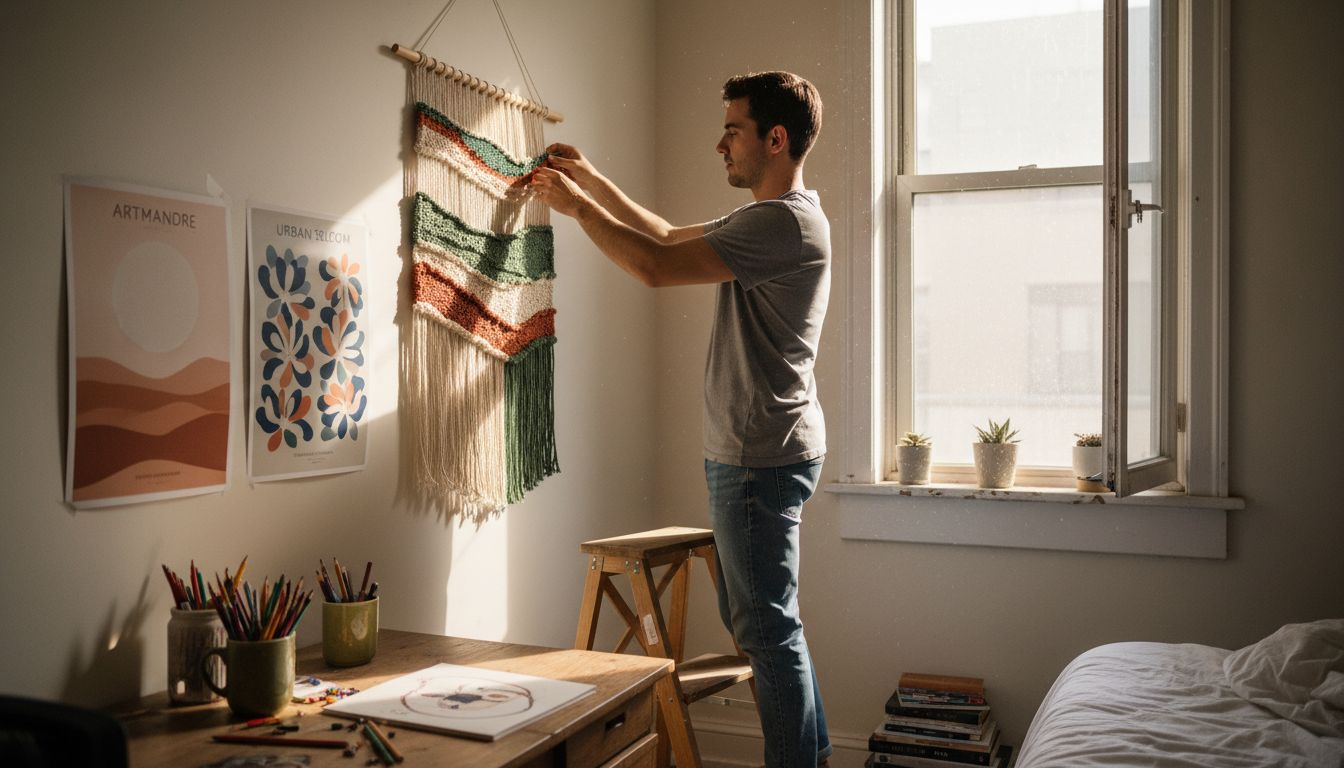
Your choice depends on your space, budget, and personality. Rental apartments benefit from removable prints and temporary options. Living rooms need statement pieces that anchor furniture and spark conversation. Bedrooms thrive with calmer, more personal selections. Start by considering the mood you want, then select the wall art type that best delivers that feeling.
Here’s a look at how different types of wall art contribute to modern home design:
| Wall Art Type | Atmosphere Impact | Best Room/Area | Maintenance Level |
|---|---|---|---|
| Framed Prints | Adds personality, flexible | Living rooms, halls | Dusting, occasional glass cleaning |
| Gallery Walls | Creates a focal point | Large open walls | Regular alignment check |
| Fabric Hangings | Brings warmth, softens space | Bedrooms, reading nooks | Light vacuuming or spot cleaning |
| Mirrors | Expands and brightens | Small spaces, entries | Wipe to prevent smudges |
| Sculptural Elements | Adds dimension, uniqueness | Offices, feature walls | Dusting, stability check |
| Accent Walls | Bold visual statement | Dining rooms, dens | Occasional retouching |
Pro tip: Mix two or three different types of wall art in a single room, such as a large print with smaller framed pieces and a decorative mirror, to create visual interest without overwhelming the space.
How Wall Art Shapes Mood and Style
Your walls are not neutral backdrops. They actively shape how you feel the moment you walk into a room. A bedroom dominated by cool blues and soft pastels invites calm and rest. A home office featuring bold geometric prints energizes your mind for focused work. A living room with warm, earthy tones and vintage imagery creates an inviting atmosphere where people naturally want to linger. This isn’t psychology magic; it’s the direct result of deliberate visual choices that influence your emotional response to a space.
Color is the most immediate tool wall art uses to set mood. Dark, moody prints with deep burgundies, blacks, and charcoals create intimacy and sophistication. Bright, saturated colors in reds, yellows, and oranges inject energy and optimism. Neutral tones provide calm and allow other room elements to shine. But color alone doesn’t determine style. The subject matter matters equally. Retro animal illustrations suggest playfulness and nostalgia, making them perfect for creative spaces or children’s rooms. Vintage maps evoke wanderlust and adventure. Bauhaus-inspired abstract designs communicate modernism and intentional minimalism. Cocktail posters bring a sense of leisure and urban sophistication. When you select art prints that reflect your personality, you’re essentially choosing the version of yourself you want your home to project.
The scale and placement of wall art amplify these effects. A single large statement piece becomes the room’s anchor, drawing the eye and establishing the entire color scheme and mood. Multiple smaller pieces create visual rhythm and complexity, suggesting creativity and curiosity. The height at which art hangs matters too. Pieces centered at eye level feel balanced and intentional. Salon-style gallery walls positioned to fill an entire wall create drama and impact. Corner placements create intimate reading nooks. Your style emerges not just from individual choices but from how these elements work together. Someone drawn to minimalism might choose one oversized geometric print on a blank wall. Someone expressing maximalism might build a dense gallery wall celebrating diverse imagery.
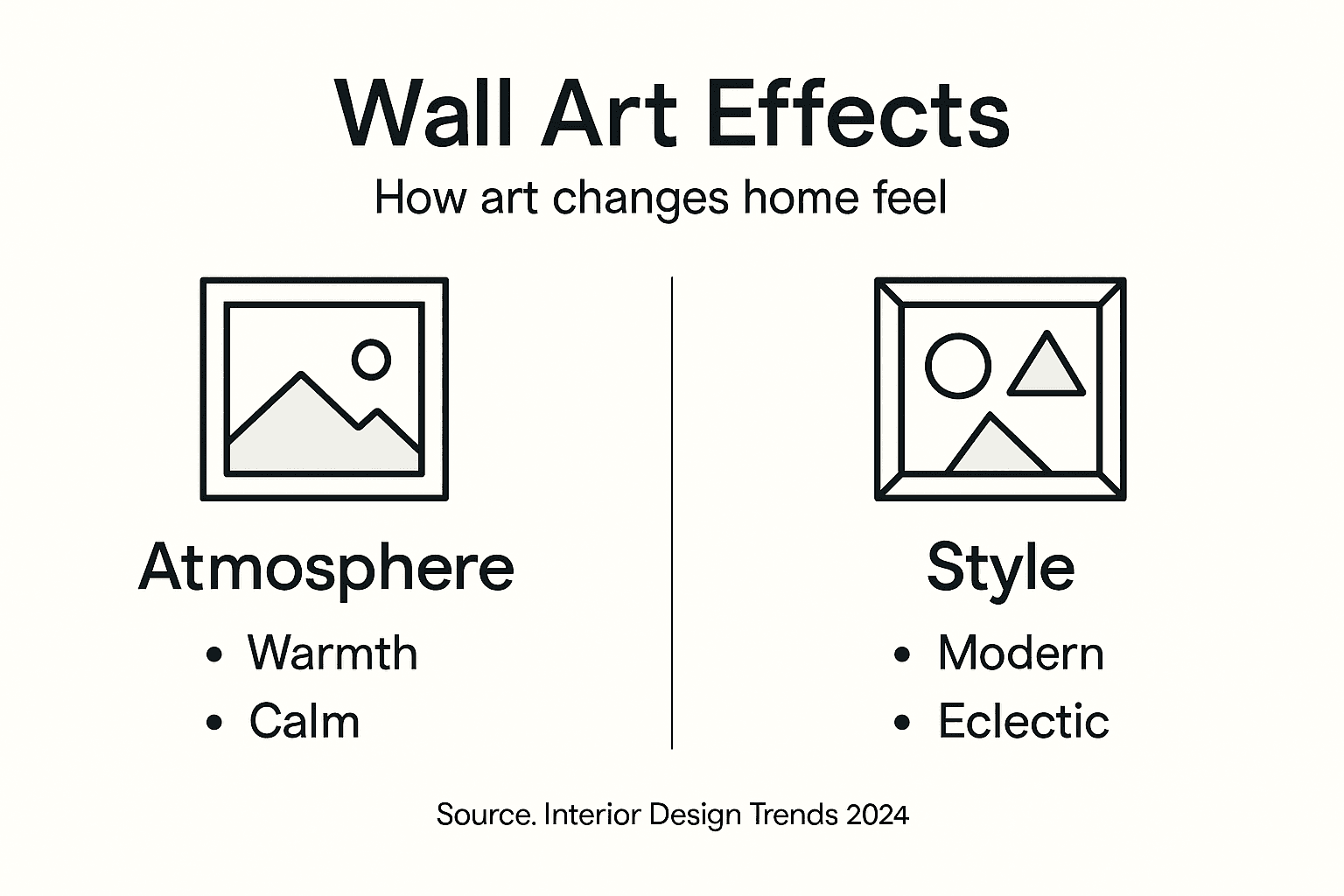
Understanding how specific styles make you feel helps you curate a home that supports your actual life rather than someone else’s aesthetic. Your wall art becomes an extension of your values, interests, and personality.
Compare how wall art choices influence mood and style in various spaces:
| Room Type | Ideal Wall Art Style | Mood Created | Key Consideration |
|---|---|---|---|
| Bedroom | Pastels, calming prints | Relaxed, restful | Avoid overstimulating colors |
| Living Room | Vintage, warm tones | Inviting, social | Balance with furniture scale |
| Home Office | Geometric, bold prints | Energetic, focused | Use energizing color palette |
| Entryway | Statement pieces, mirrors | Welcoming, spacious | Set the home’s tone |
Pro tip: Select one dominant color from your wall art and use it sparingly in your room’s textiles or accessories to create visual harmony that ties your entire design together without feeling repetitive.
Selecting and Arranging Artwork for Impact
Choosing the right artwork starts before you even think about hanging it. Size matters tremendously. A tiny print gets lost on a large living room wall, while an oversized piece overwhelms a narrow hallway. The golden rule is proportion: your artwork should occupy between 50 and 75 percent of the wall space available above furniture. A sofa that spans 8 feet calls for a print or gallery wall roughly 4 to 6 feet wide. This creates visual balance rather than making your art feel like an afterthought. Beyond dimensions, consider your room’s existing palette and furniture style. A Bauhaus-inspired geometric print complements modern, minimalist spaces. Vintage maps and retro animal illustrations work beautifully in eclectic or bohemian rooms. Cocktail posters bring energy to kitchens and entertaining areas. The artwork should enhance what’s already there, not compete with it.
Placement is where many people stumble. Optimal placement at eye level, roughly 57 to 60 inches from the floor, engages viewers immediately and feels intentional. This measurement works whether you’re hanging a single statement piece or arranging a gallery wall. For arrangements above furniture like a sofa or console table, measure the distance from the top of the furniture to the ceiling, then position your art roughly in the middle of that space. Even spacing between multiple pieces creates visual harmony. If you’re building a gallery wall, lay everything out on the floor first to experiment with different configurations. Once you find an arrangement that speaks to you, photograph it and use that as your guide when hanging. This eliminates guesswork and prevents holes in your walls from trial and error.
Consider the best places to hang wall art prints throughout your home based on lighting, traffic patterns, and room function. Bright, energetic pieces thrive in high-traffic areas and spaces where you work. Calming imagery belongs in bedrooms and reading nooks. Think about sight lines: if you spend time at your desk facing a particular wall, that’s prime real estate for a piece that inspires or motivates you. Hallways and entryways deserve statement pieces that set the tone for your entire home. The frames you choose matter too. Consistent framing creates cohesion, while mismatched frames can feel intentionally eclectic or accidentally chaotic depending on execution.
Pro tip: Hang your artwork at least 6 to 8 inches above furniture to create visual separation and prevent the space from feeling cramped or cluttered.
Common Wall Art Mistakes to Avoid
Most people make wall art decisions reactively rather than strategically, and it shows. The most obvious mistake is overcrowding. You walk into a room and every inch of wall space is covered with frames, prints, and decorative objects competing for attention. Nothing becomes the focal point because everything screams for your eye simultaneously. This creates visual chaos instead of intentional design. Start by asking yourself what you actually want people to notice in this room. Is it the artwork or the furniture? The two should work together, not battle each other. Blank space is your friend. It gives art room to breathe and makes each piece more impactful.
Scale and proportion failures destroy otherwise good aesthetic choices. A tiny print on an expansive wall looks timid and lost. An oversized piece in a compact space feels aggressive and claustrophobic. Frame mismatches create unintended visual discord. When you mix styles without purpose, you signal indecision rather than eclecticism. Common mistakes when choosing and displaying art include inconsistent grouping, improper placement height, and neglecting wall dimensions. These errors disrupt room harmony and diminish the emotional effectiveness of your pieces. If you’re building a gallery wall, commit to a cohesive approach. Either all matching frames with varied art, or all matching mats with varied frames. Consistency signals intention.
Color clashes and style misalignment happen when you select art in isolation rather than considering your entire room’s palette and personality. That bold, modern Bauhaus print might clash with your traditional farmhouse decor. A vibrant cocktail poster can overwhelm a minimalist bedroom designed for calm. Incorrect hanging height and style inconsistencies lead to visual misalignment with room function. Always hang art at eye level, roughly 57 to 60 inches from the floor. Lighting matters too. Poor lighting makes even excellent art invisible, especially vintage pieces that benefit from gentle illumination. A well-placed wall sconce or track lighting transforms how your artwork is experienced. Never ignore the purpose of your space either. A bedroom deserves calming imagery. A home office needs pieces that energize or inspire focus. Your art should support the room’s function, not fight against it.
Pro tip: Before hanging anything permanently, use painter’s tape to outline where your art will go, then live with the arrangement for a few days to ensure it feels right in context.
Elevate Your Space with Thoughtful Wall Art from ArtMandre
Choosing the perfect wall art can feel overwhelming when you face the challenges of finding pieces that truly express your personality while complementing your home’s mood and style. This article highlights how thoughtful selection and placement of prints can shape atmosphere, create focus, and reflect your identity. If you struggle with scaling, color harmony, or style consistency, ArtMandre offers a curated collection designed specifically to solve these common dilemmas.

Discover a wide range of retro animal illustrations, vintage maps, cocktail posters, and Bauhaus-inspired artwork all available to buy now from ArtMandre. Take advantage of attractive promotions like buy 2 get 1 free to refresh multiple rooms with ease. Start turning blank walls into personal galleries that bring warmth and meaning to your home. Explore new arrivals and best sellers to find your perfect statement pieces today.
Frequently Asked Questions
What is wall art and its significance in home decor?
Wall art refers to any visual work intended for display on walls, such as prints, posters, and illustrations. It transforms spaces and reflects personal taste and values, enhancing the emotional impact of a home.
How does wall art influence the mood of a room?
Wall art shapes mood through color and subject matter. For example, calming colors are ideal for bedrooms, while bold prints can energize a home office. The right piece can set the desired atmosphere for any space.
What are some different types of wall art?
Types of wall art include framed prints, gallery walls, fabric hangings, mirrors, mural designs, and sculptural pieces. Each type serves a unique purpose in design and can contribute to a room’s overall aesthetic.
How do I properly select and arrange wall art for impact?
When selecting wall art, consider size, scale, and room function. Art should occupy 50 to 75% of the wall space above furniture. Arrange pieces at eye level around furniture and ensure spacing is even for a cohesive look.