



William Morris prints: nature, craftsmanship and enduring design
William Morris believed that everyday objects should be both useful and beautiful. That idea shaped an entire design movement and continues to influence homes around the world. Today, William Morris prints are admired for their rich botanical patterns, careful craftsmanship and lasting appeal. Inspired by nature rather than passing fashions, his decorative designs feel just as relevant in modern interiors as they did in the nineteenth century.
Who was William Morris?
William Morris was an English designer, writer, craftsman and one of the leading figures of the Arts and Crafts Movement. During the Victorian era, industrial manufacturing was producing inexpensive decorative goods in large quantities, often with little attention to quality or design. Morris argued that skilled craftsmanship and thoughtful design created objects with greater value, both practical and artistic.
His work extended far beyond wallpaper. He designed textiles, stained glass, furniture, books and decorative fabrics, believing that every element of a home deserved the same level of care. Rather than separating fine art from everyday life, Morris saw decoration as something that should enrich ordinary surroundings through harmony, balance and honest workmanship.
Why his patterns still feel fresh
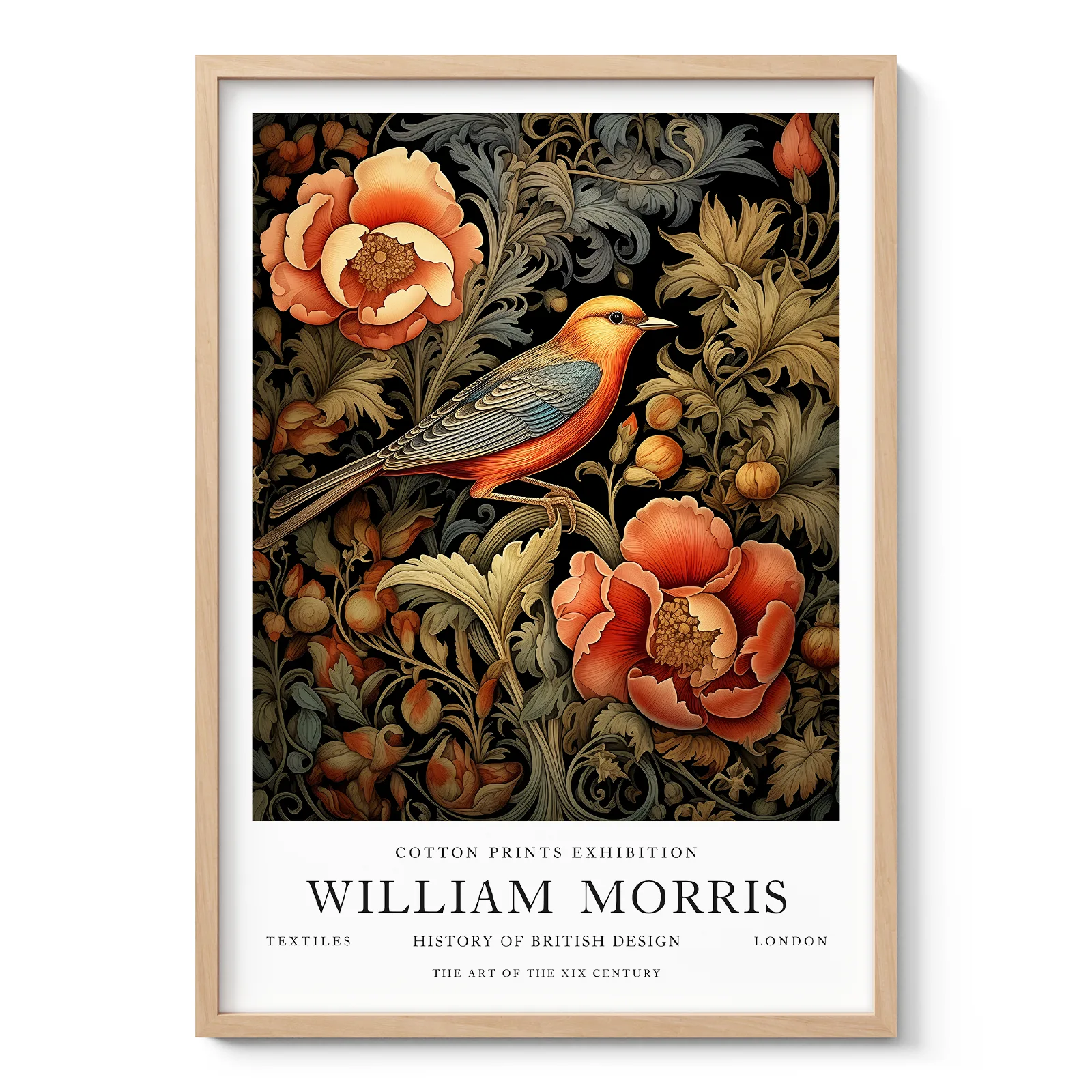
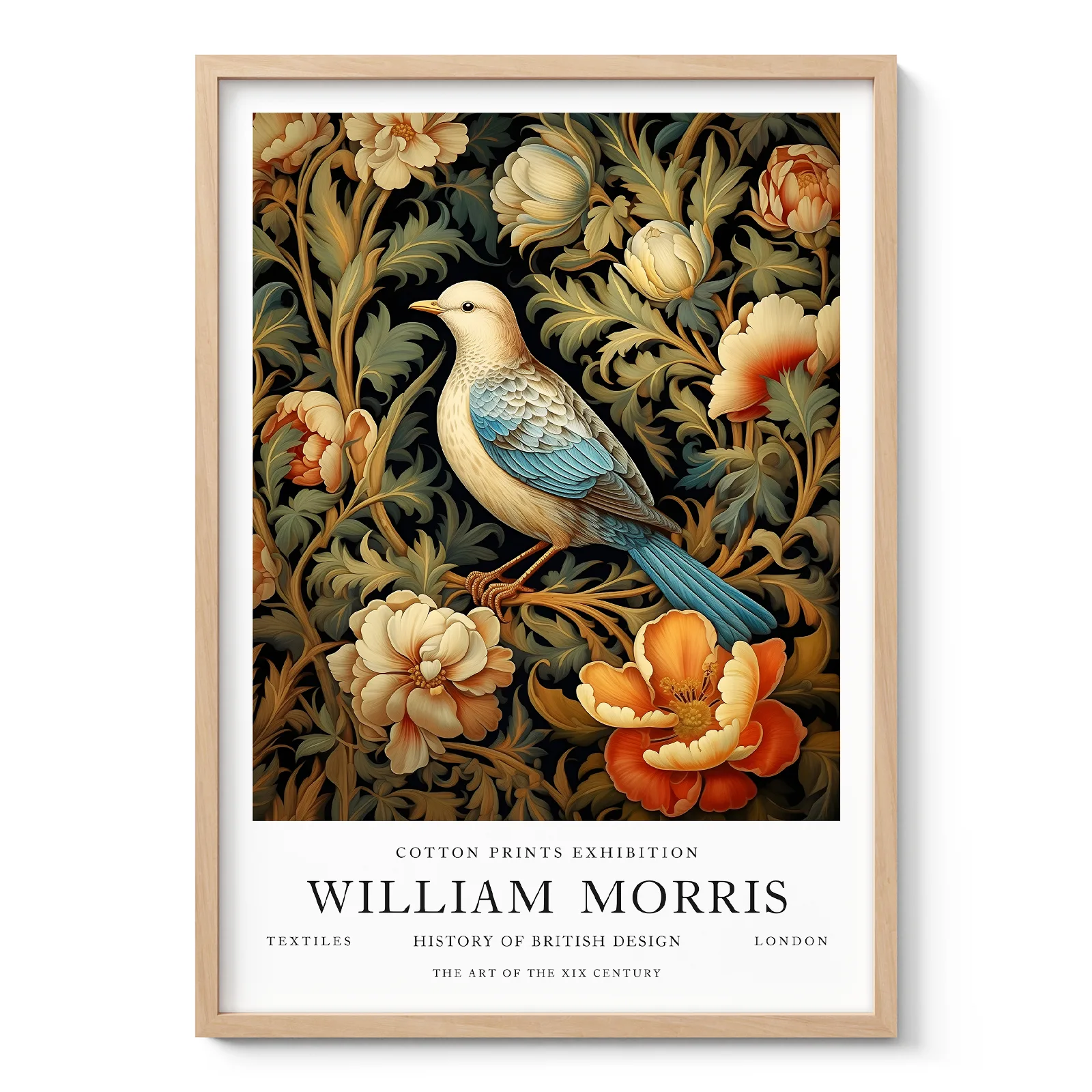
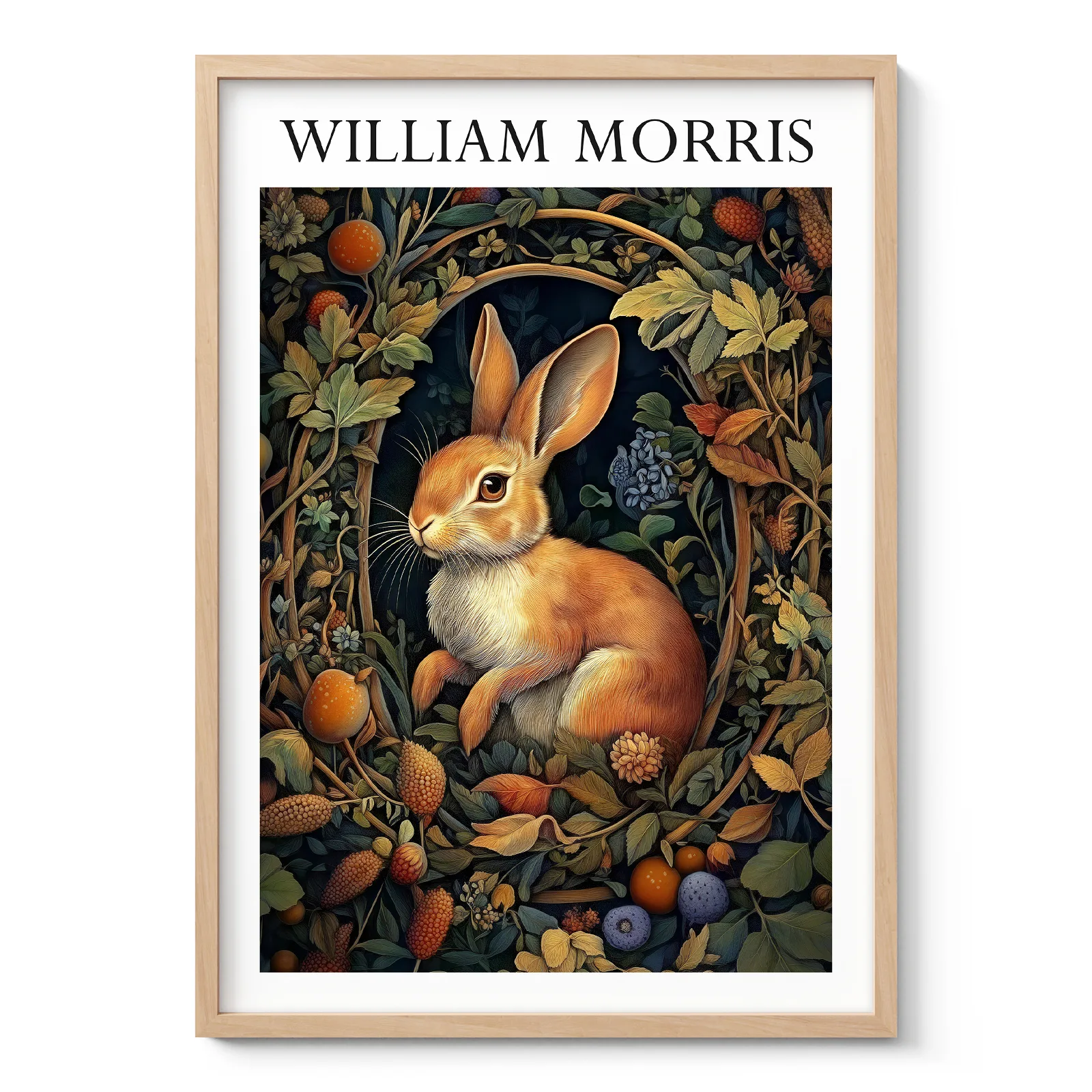
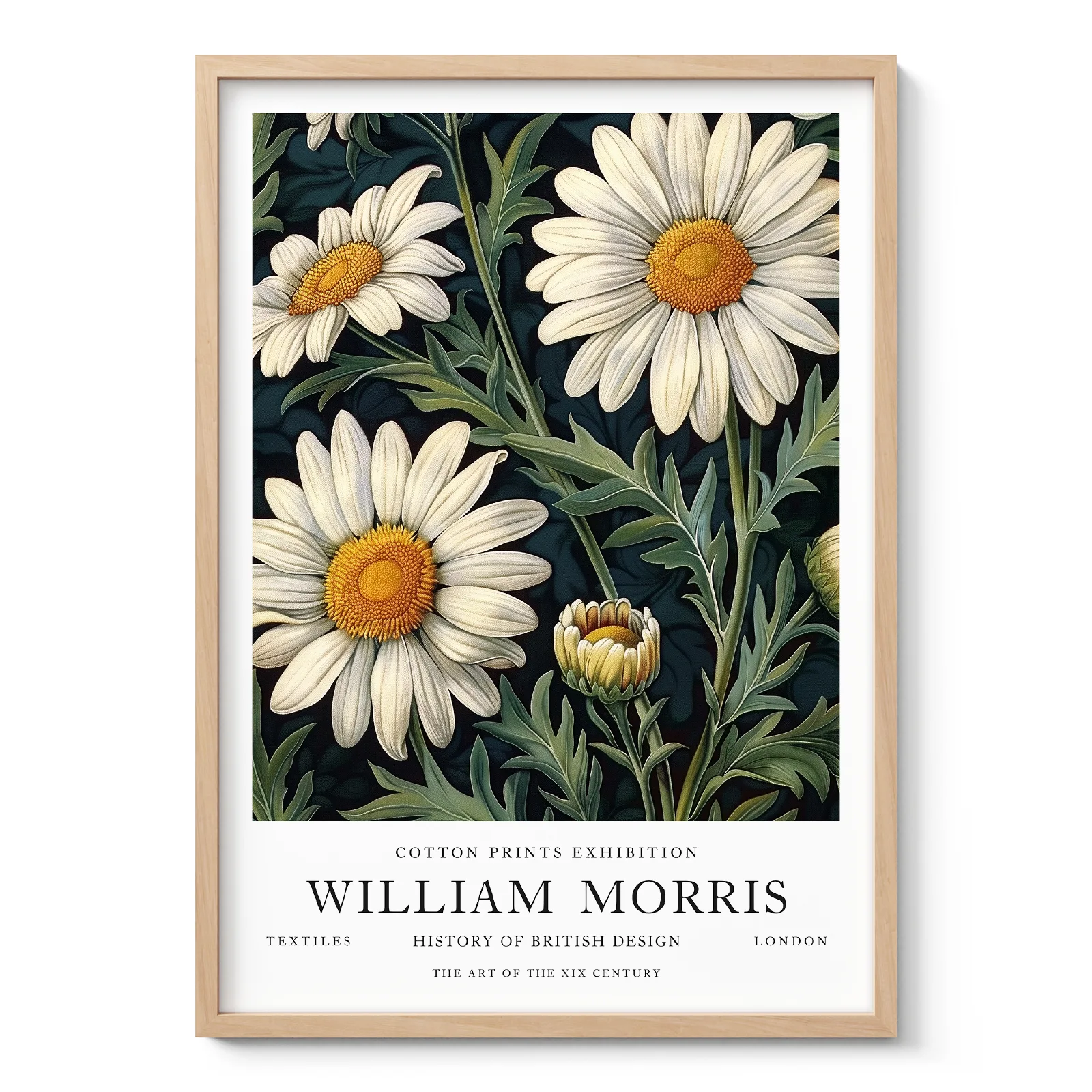
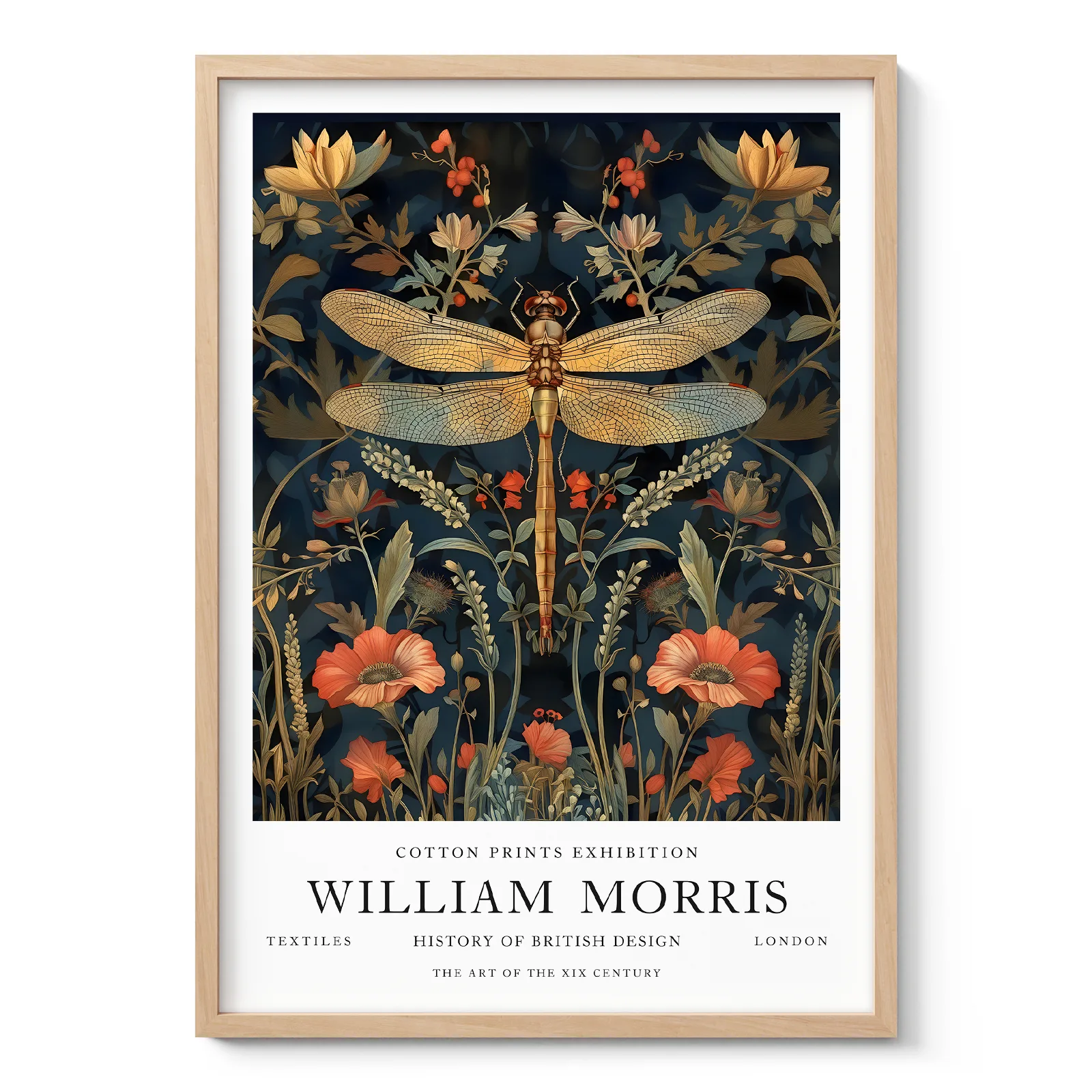
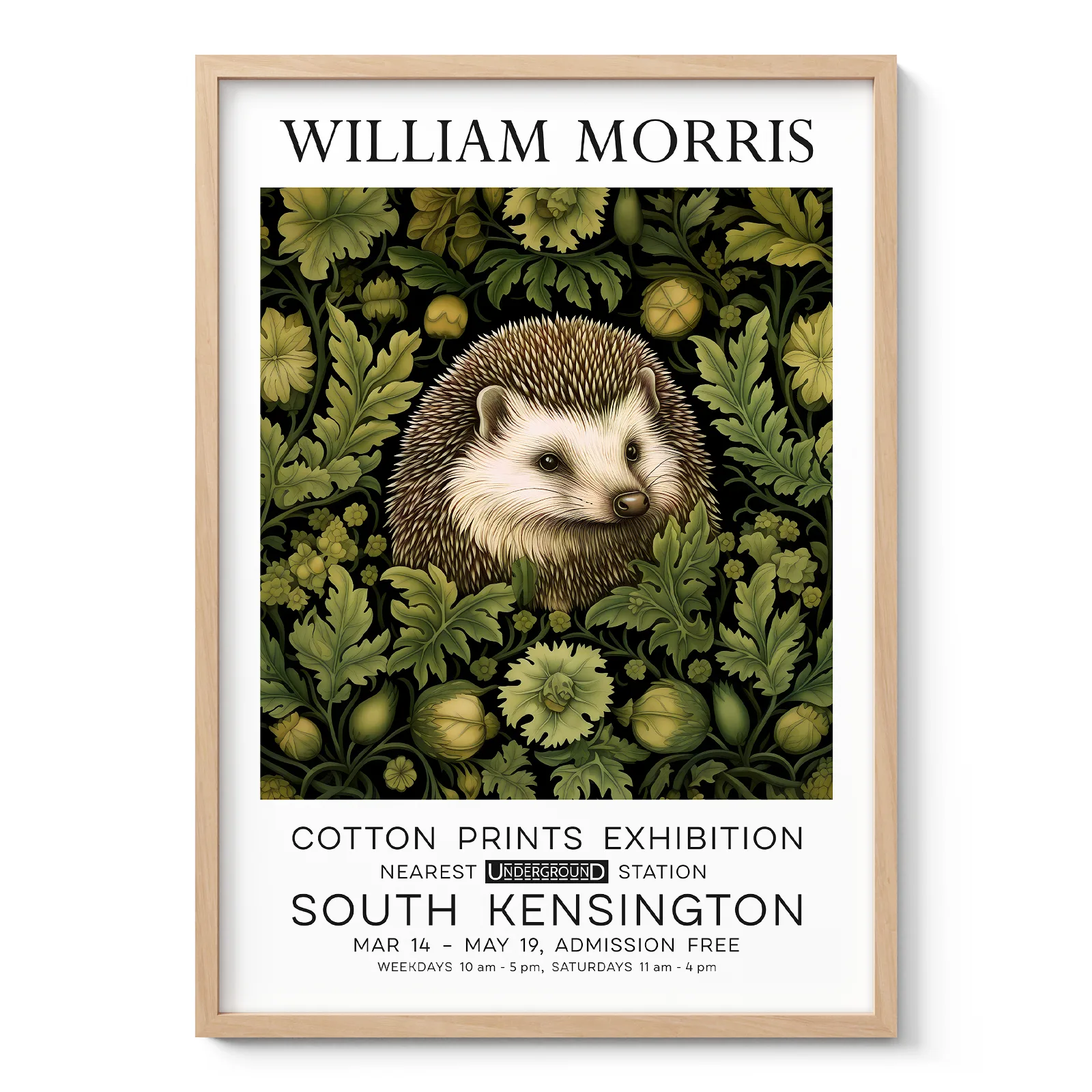
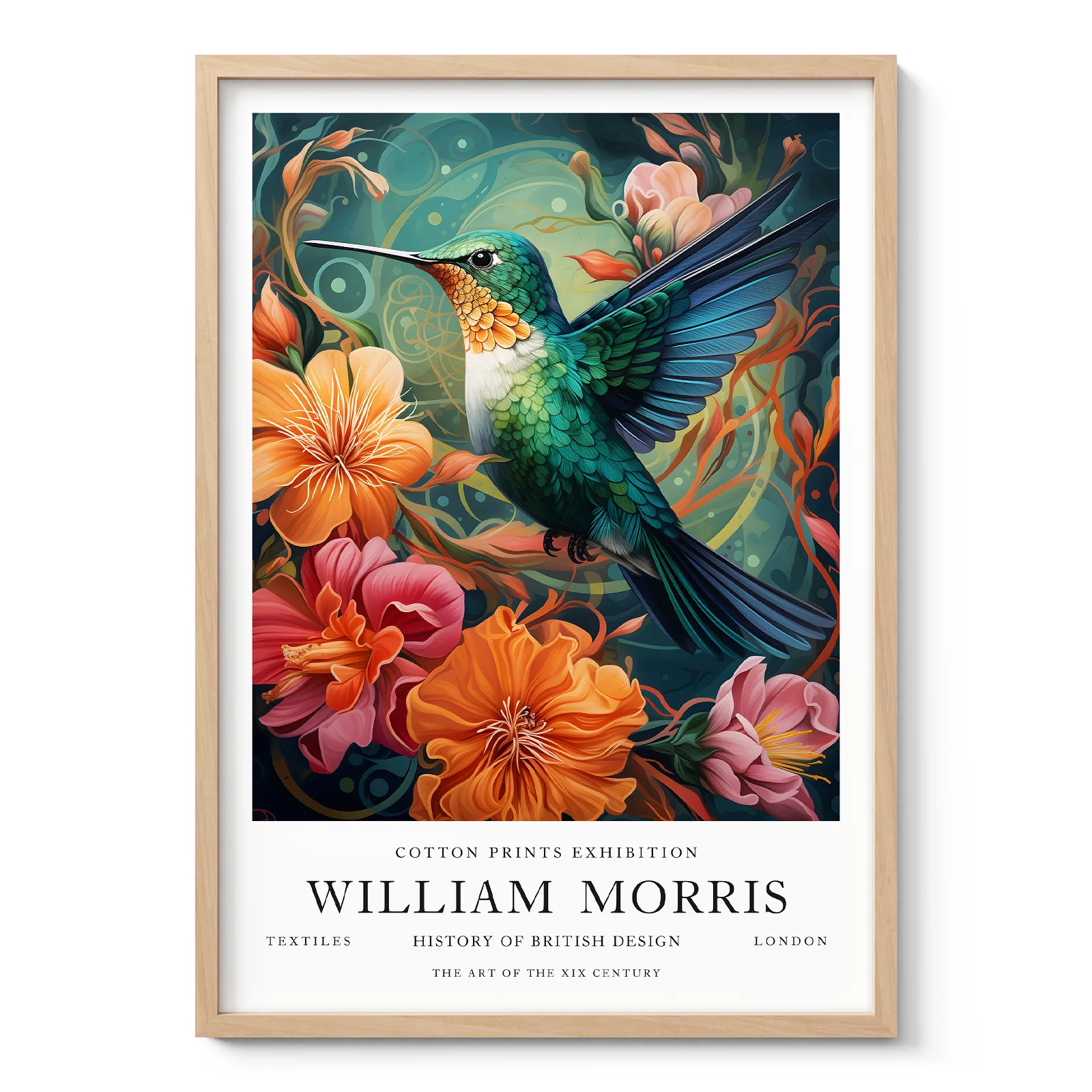
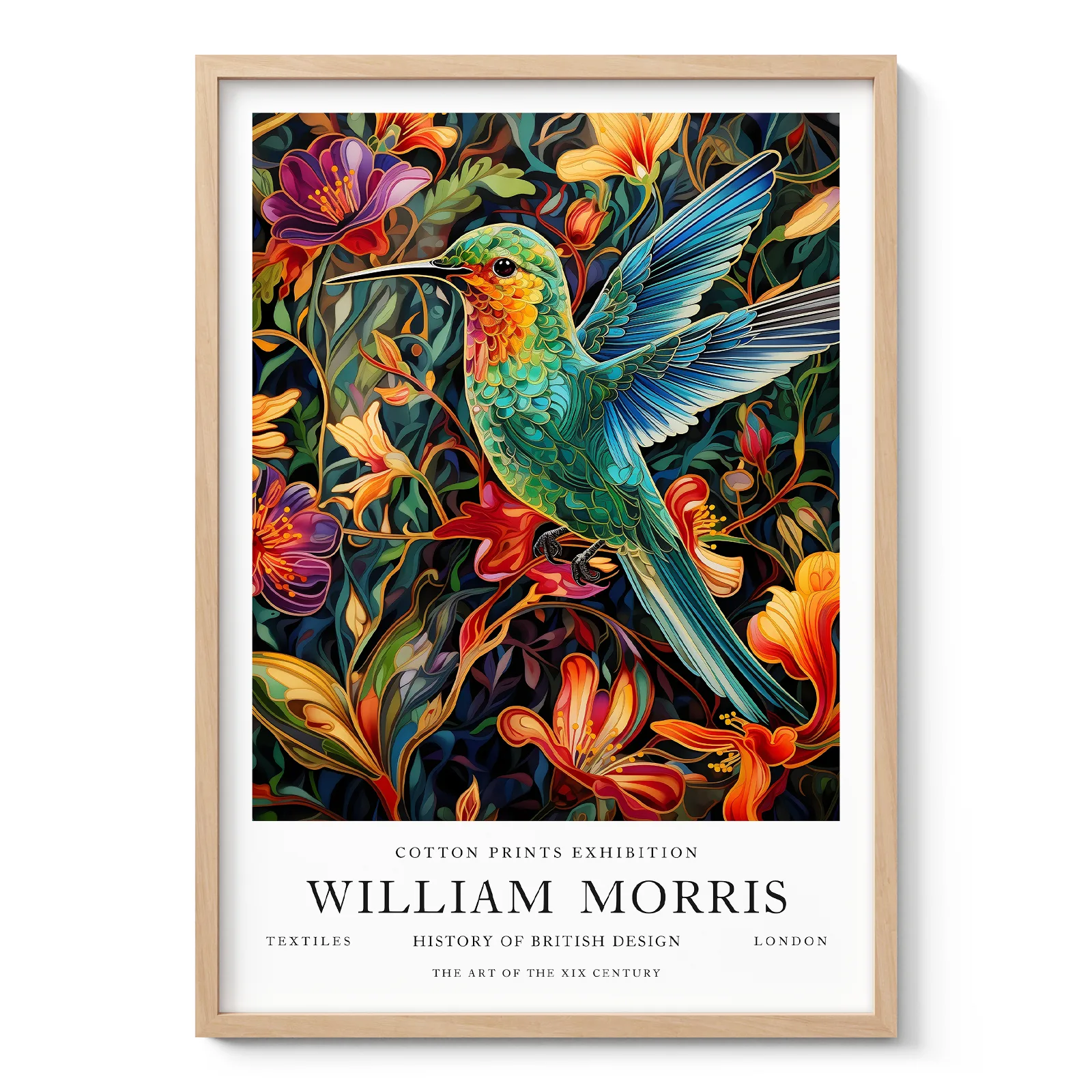
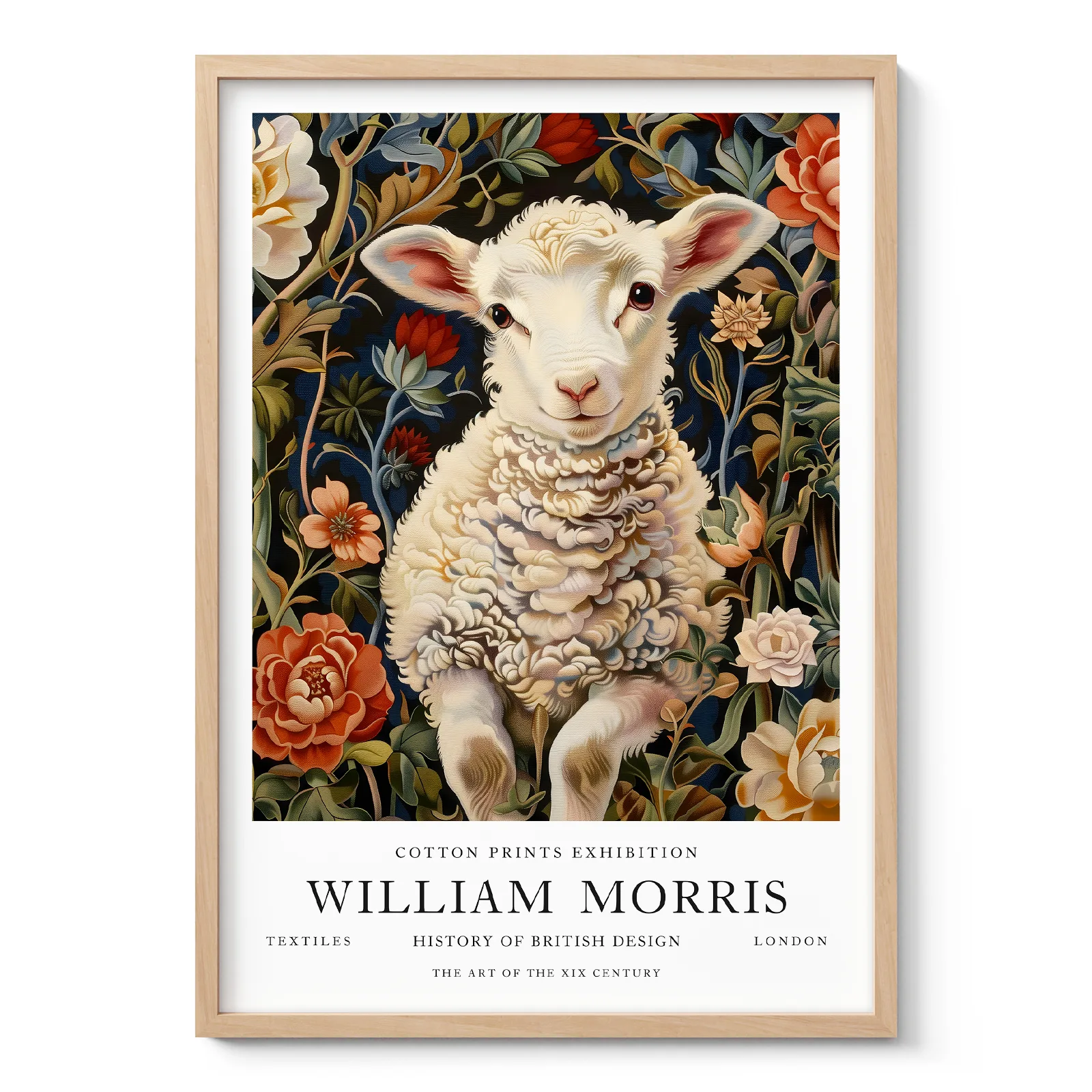
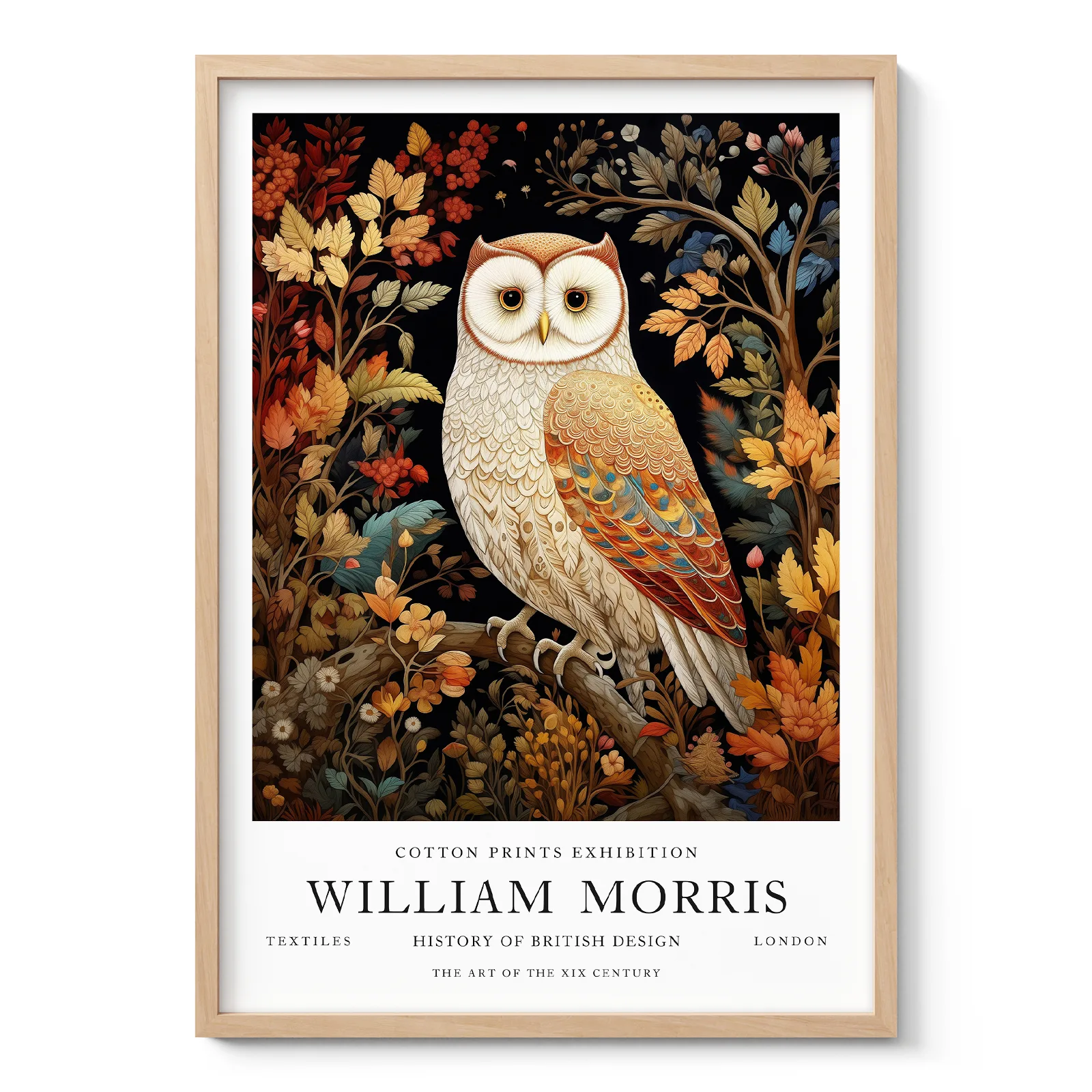
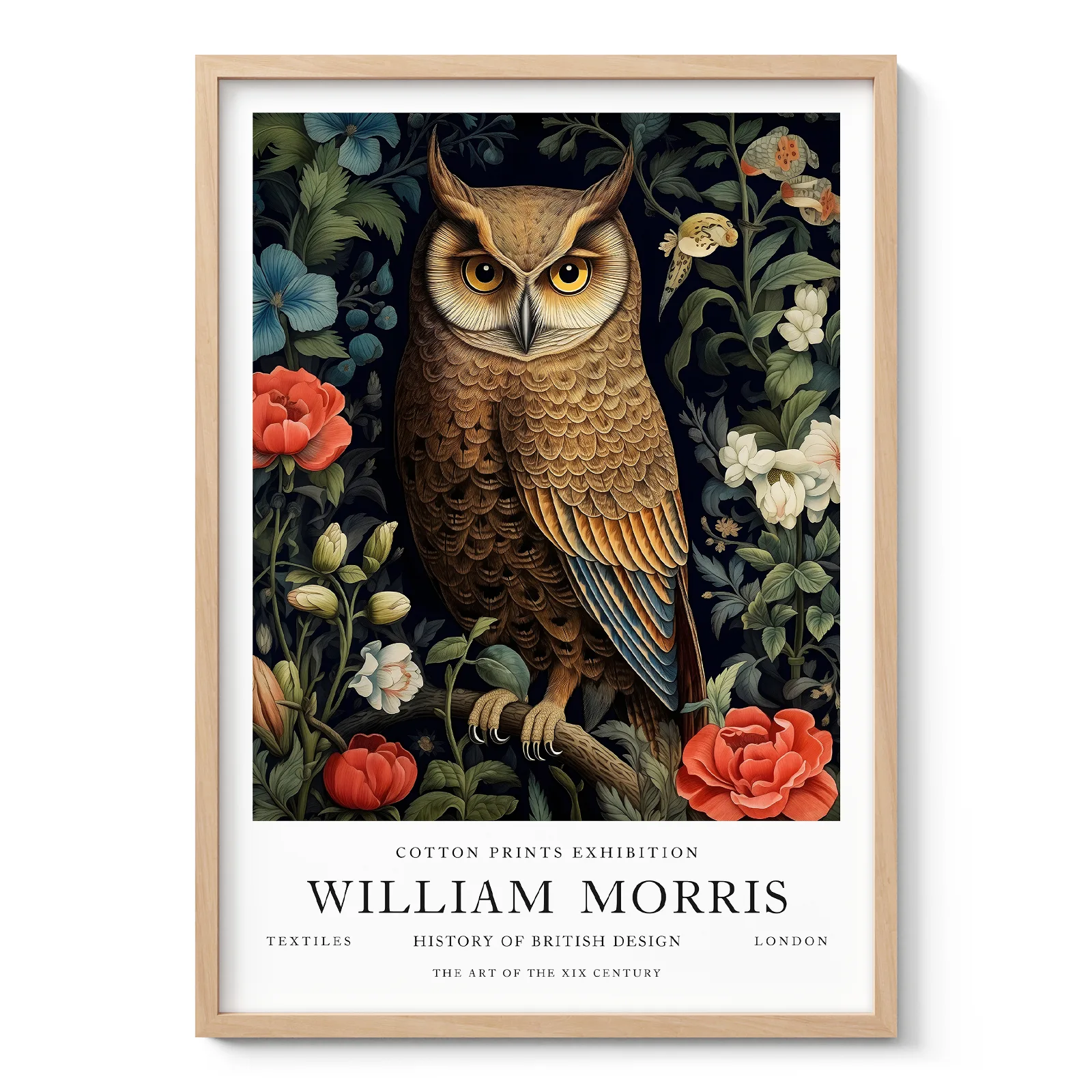
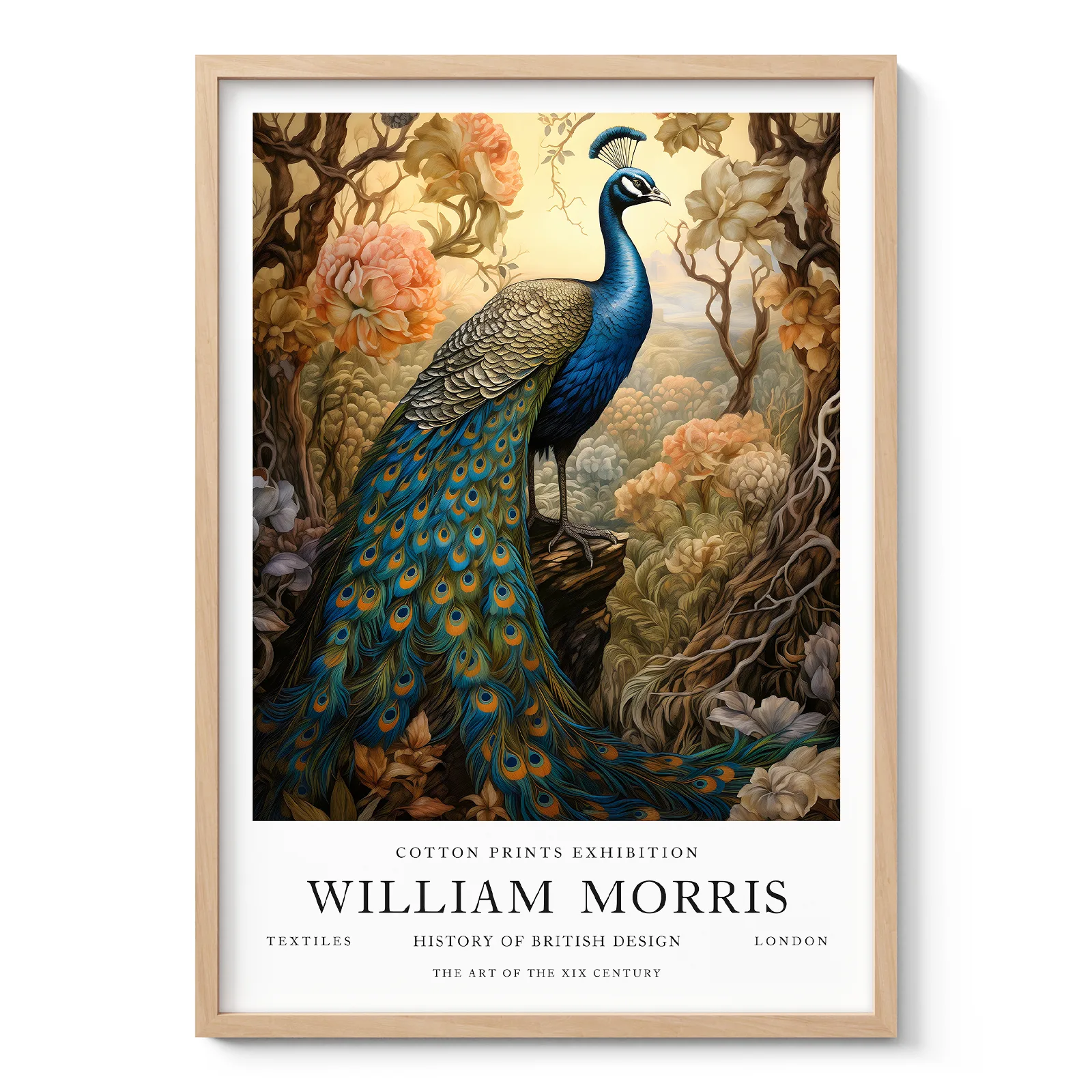
Nature was Morris's greatest source of inspiration. Flowers, leaves, vines, foliage and birds appear throughout his work, arranged into repeating ornamental patterns that feel organised without becoming rigid. Instead of copying plants exactly as they appear in nature, he studied their structure and transformed them into decorative compositions with flowing rhythm.
This thoughtful approach explains why William Morris prints remain so popular. Designs such as Strawberry Thief, Willow Boughs and Fruit have become classics, yet many collectors also appreciate lesser-known wallpapers and textile patterns that reveal the same attention to detail. Repeating motifs encourage the eye to travel naturally across the composition, creating a sense of calm rather than a single dramatic focal point.
His decorative style also influenced later movements, including Art Nouveau, although the two are not identical. While Art Nouveau often embraces flowing asymmetry and stylised curves, Morris preferred balanced structures rooted in careful observation of the natural world. His work also shares qualities with botanical illustration, though its purpose was decorative rather than scientific.
Why wallpaper designs work so well as wall art
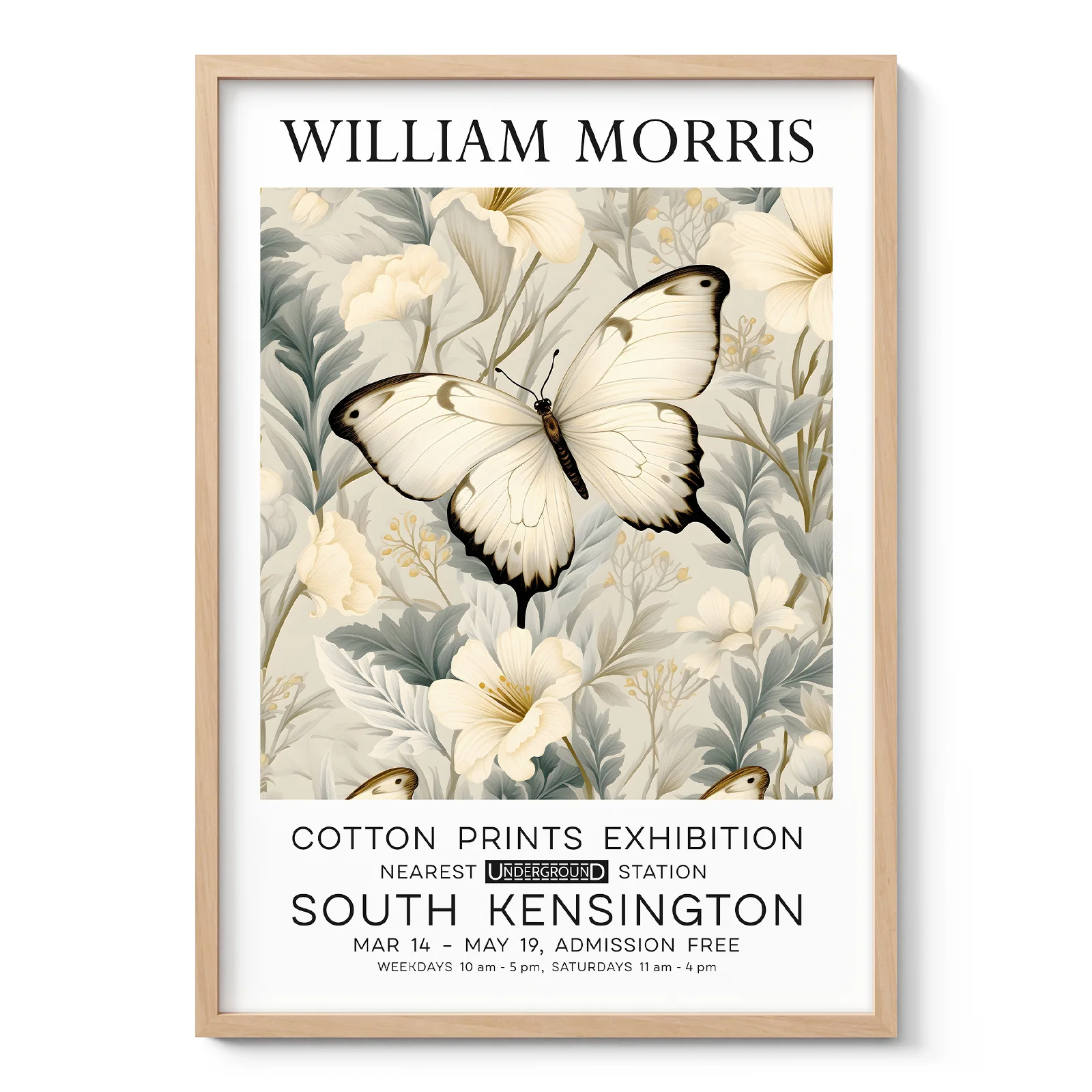
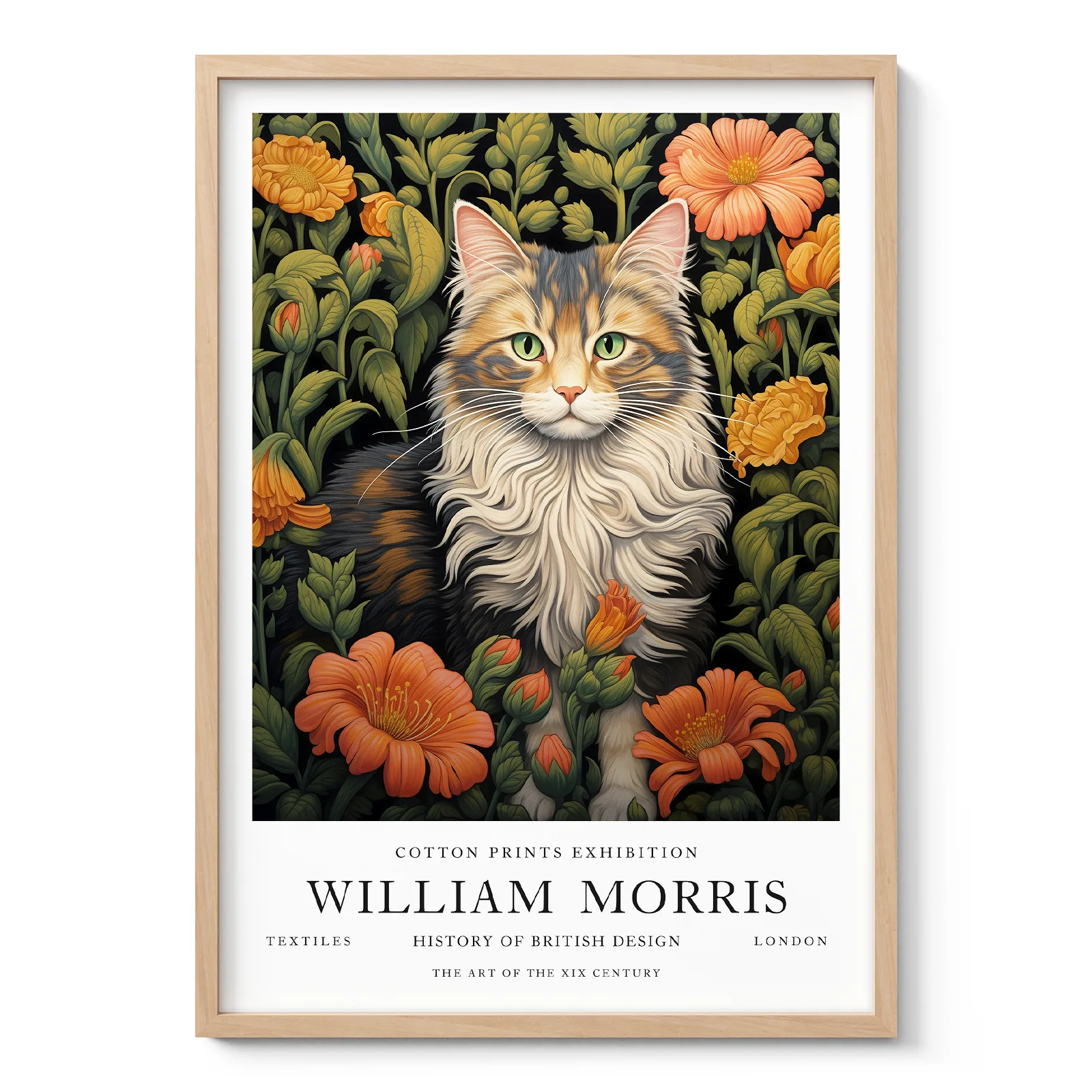
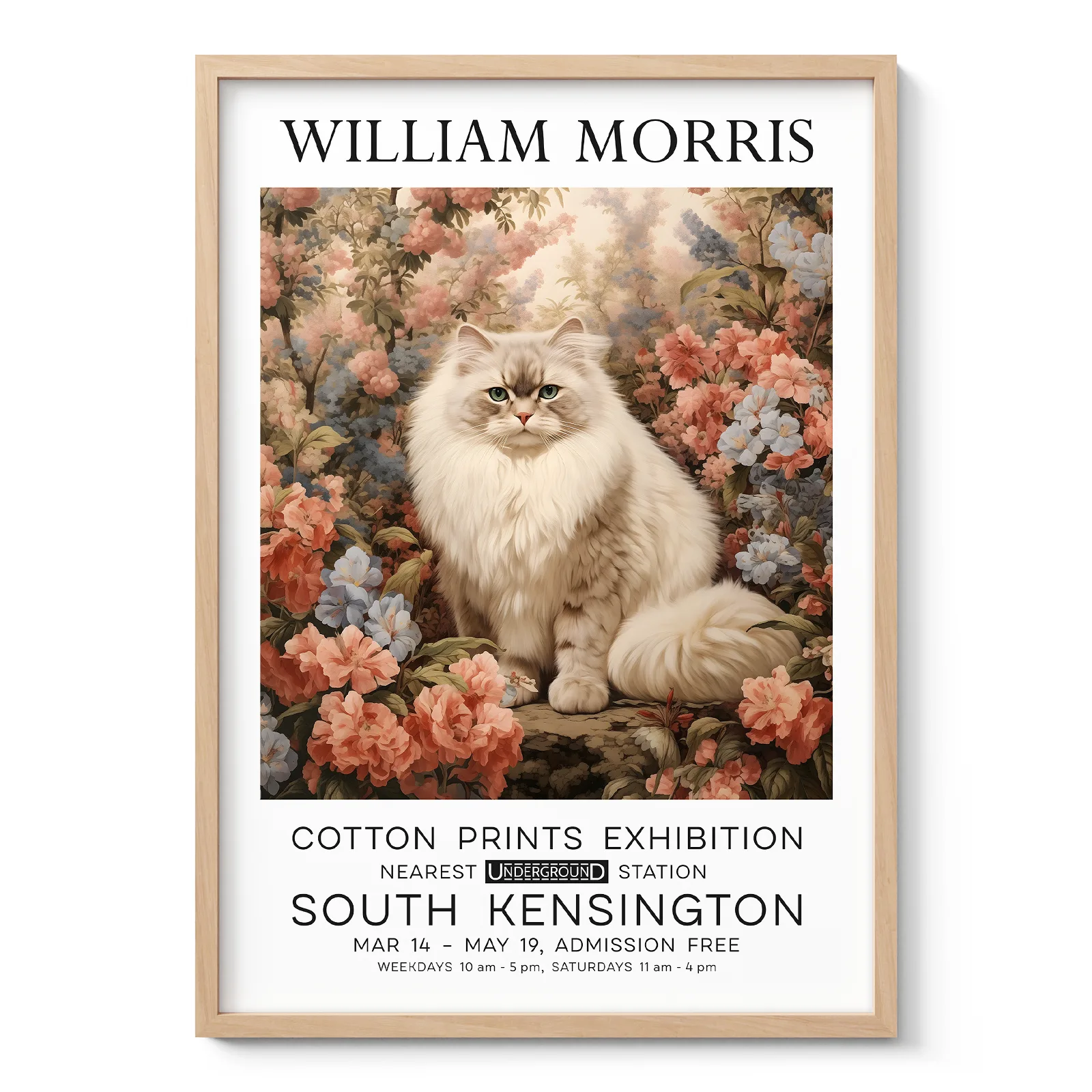
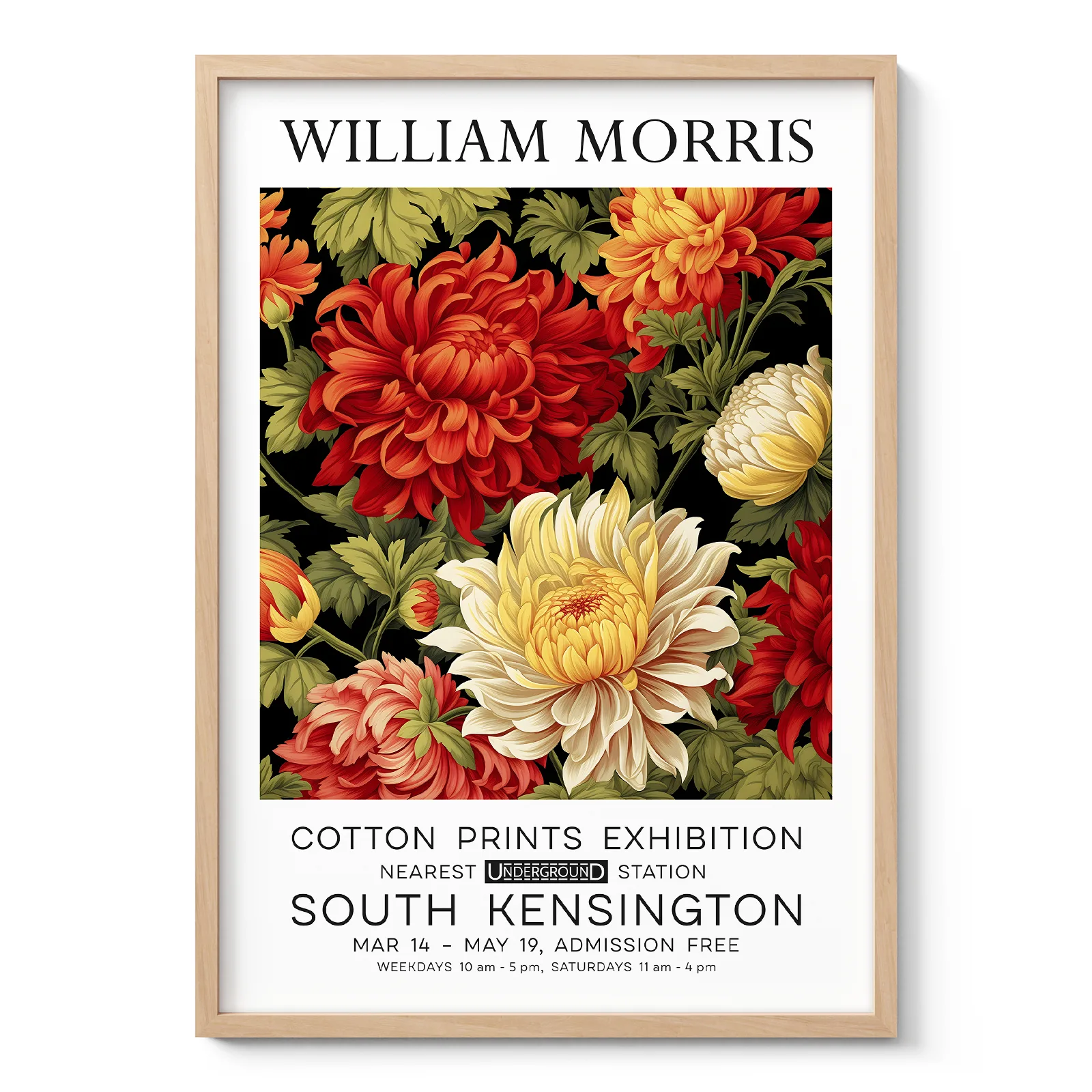
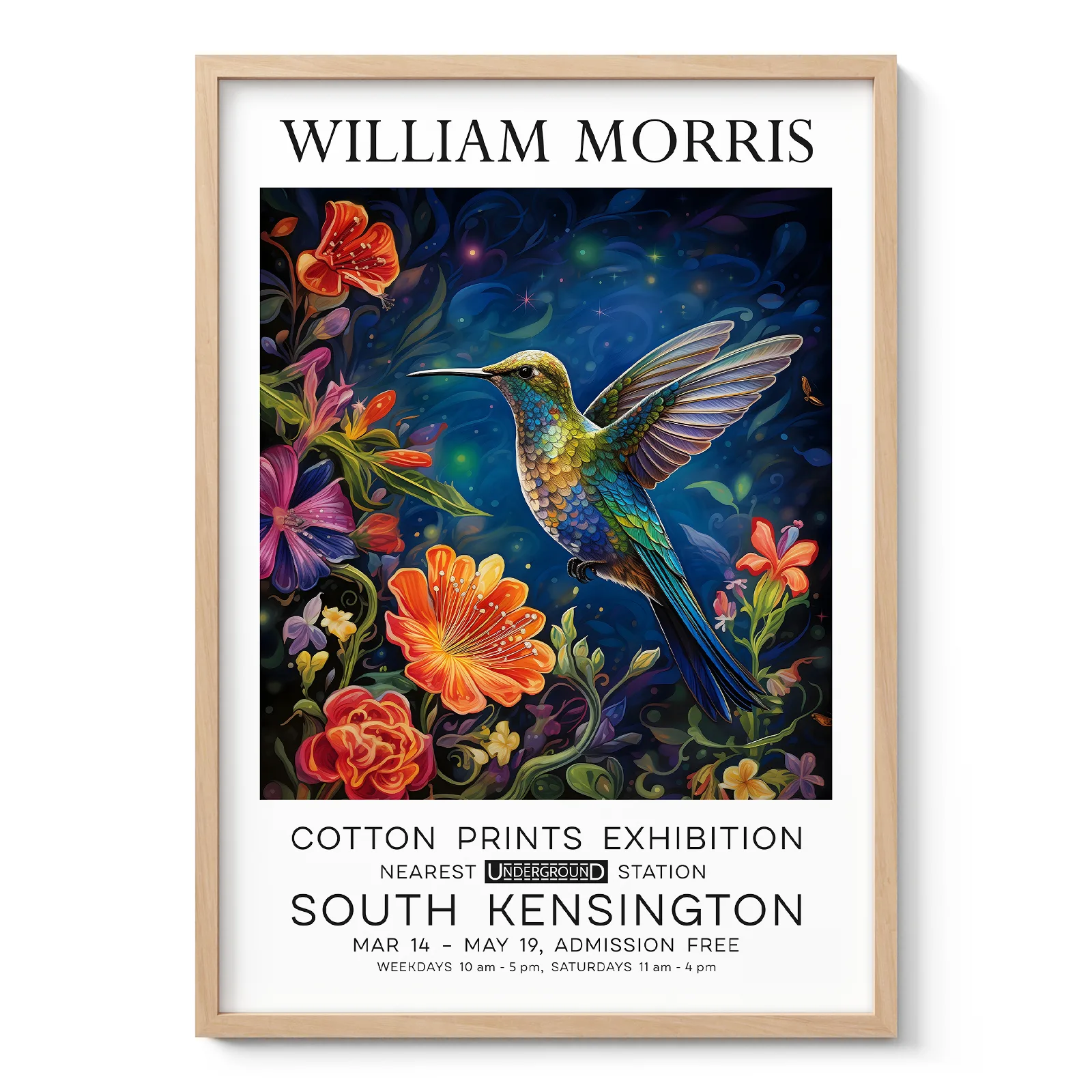
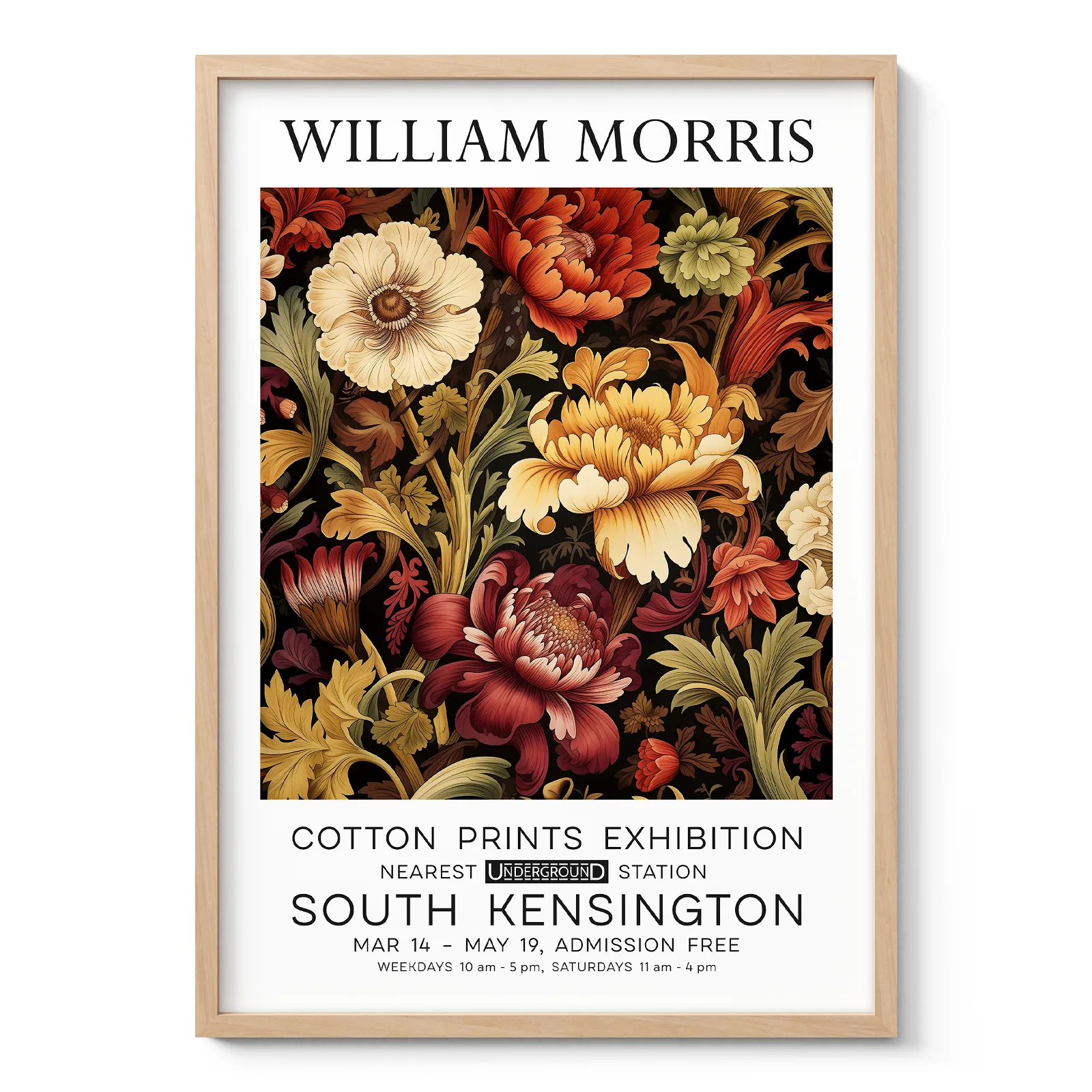
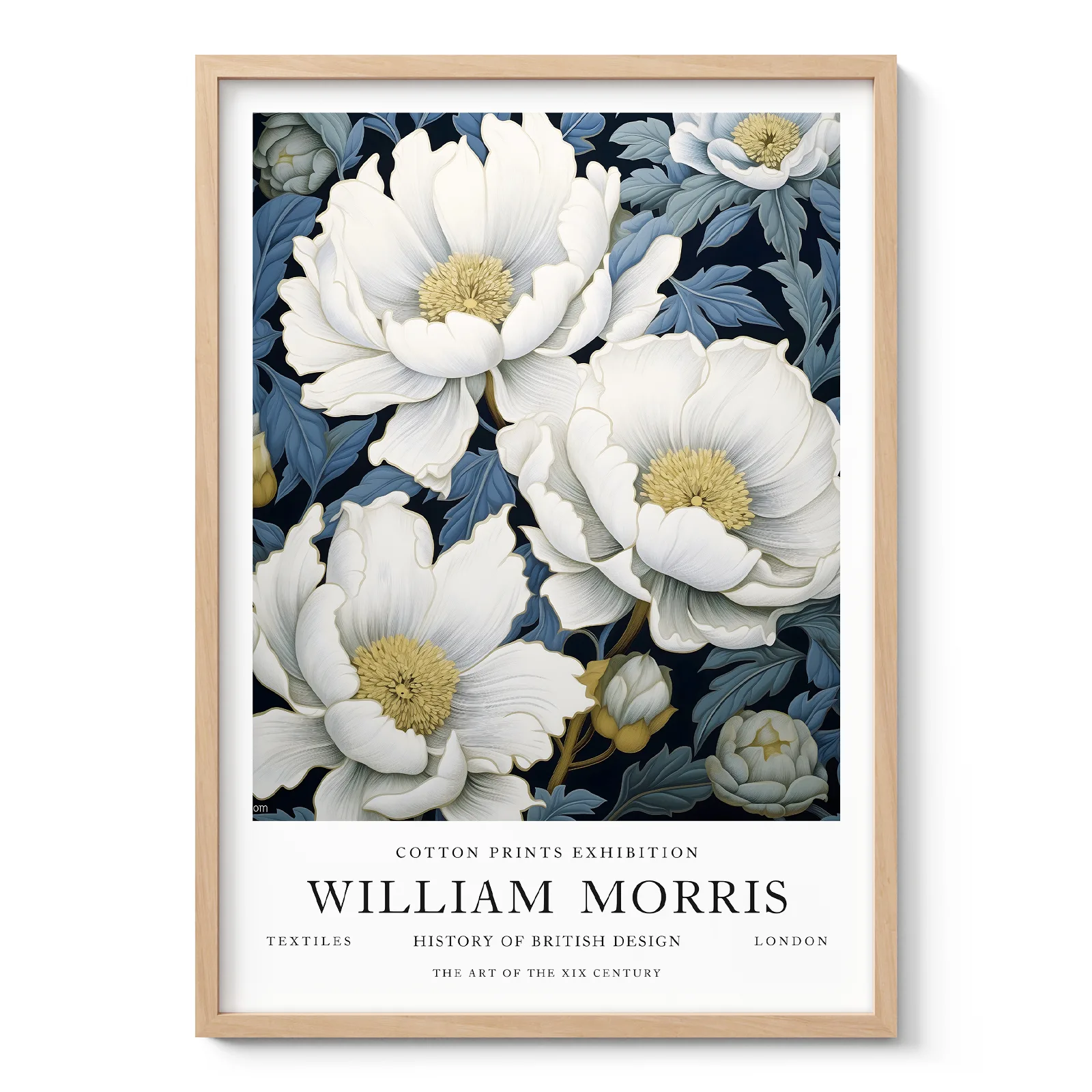
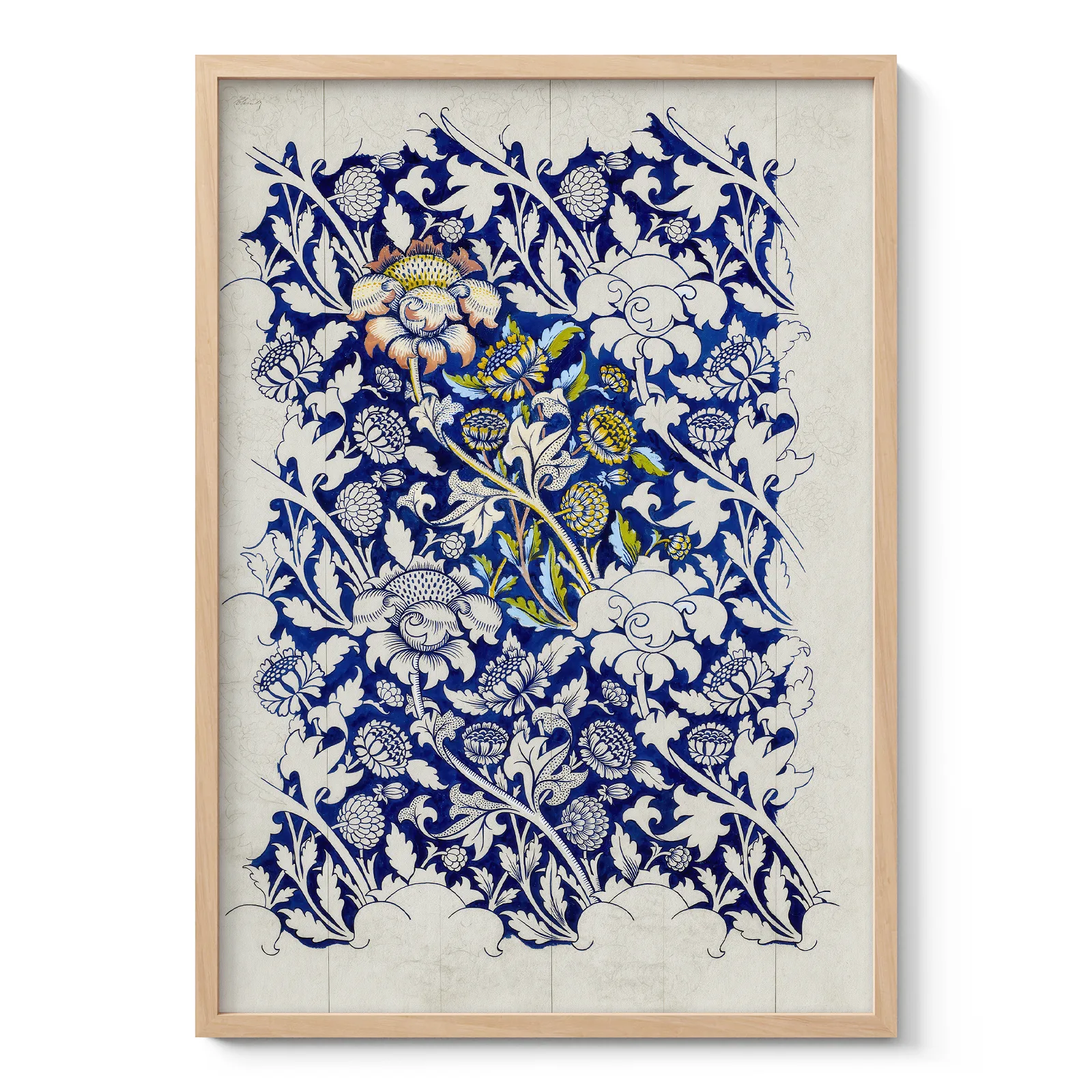
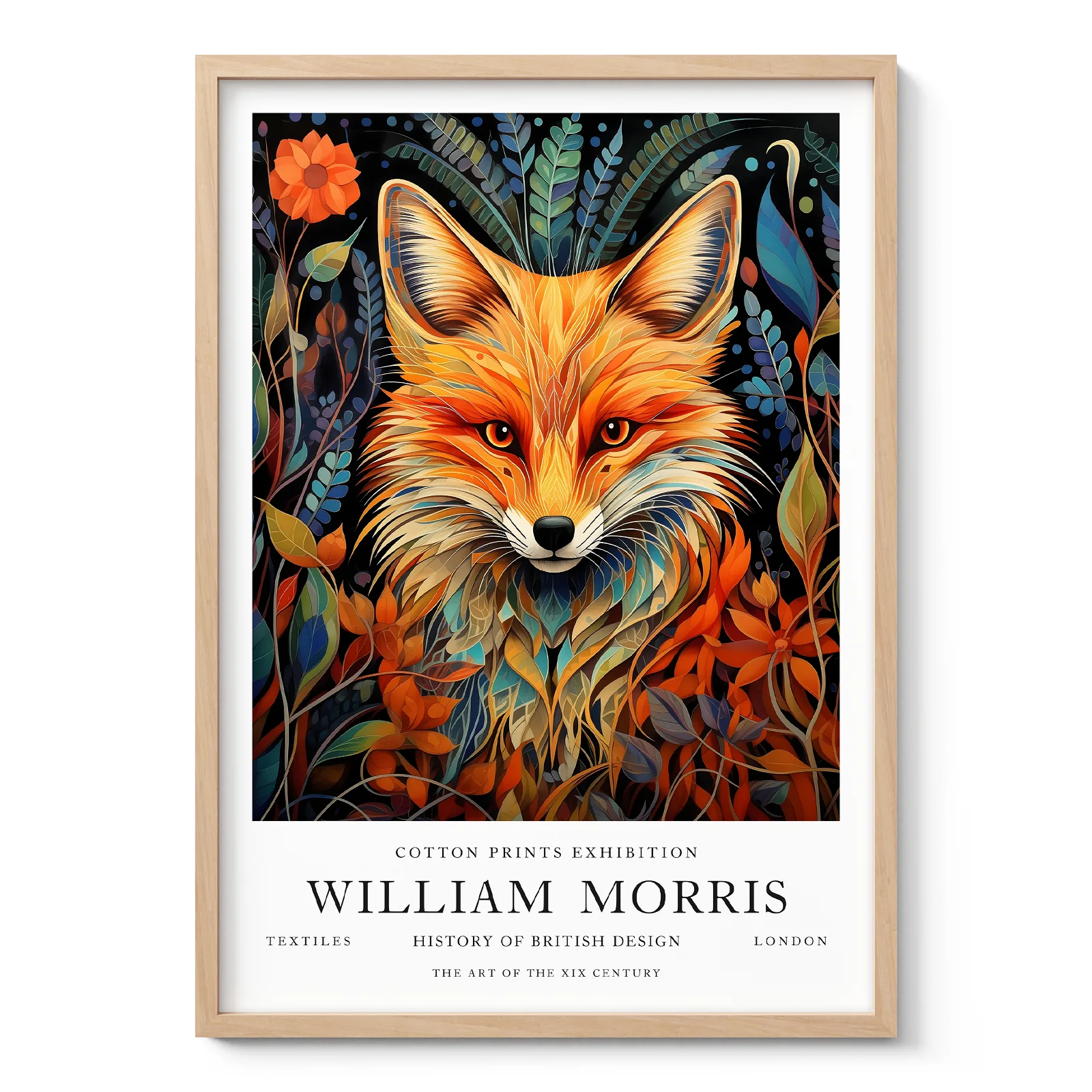
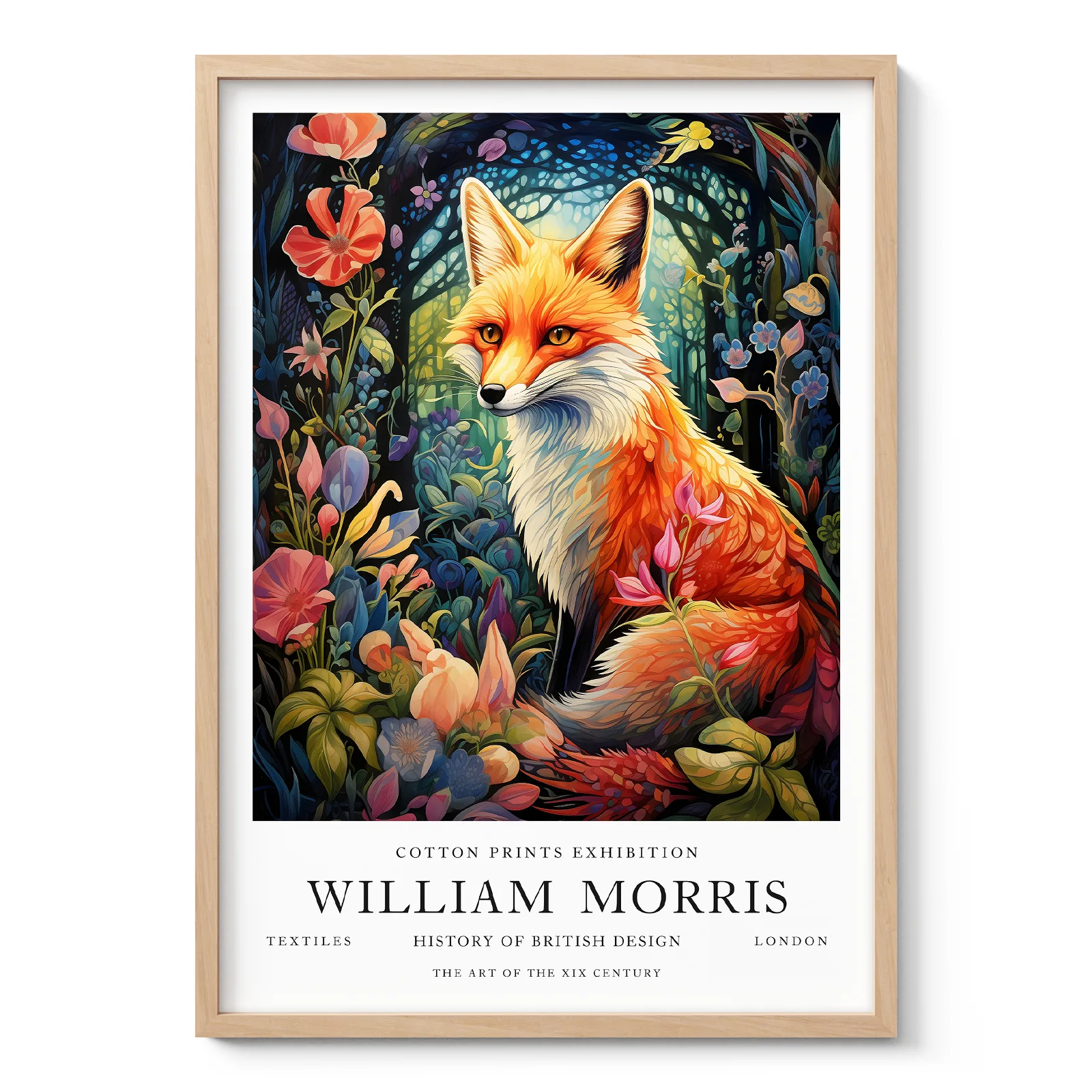
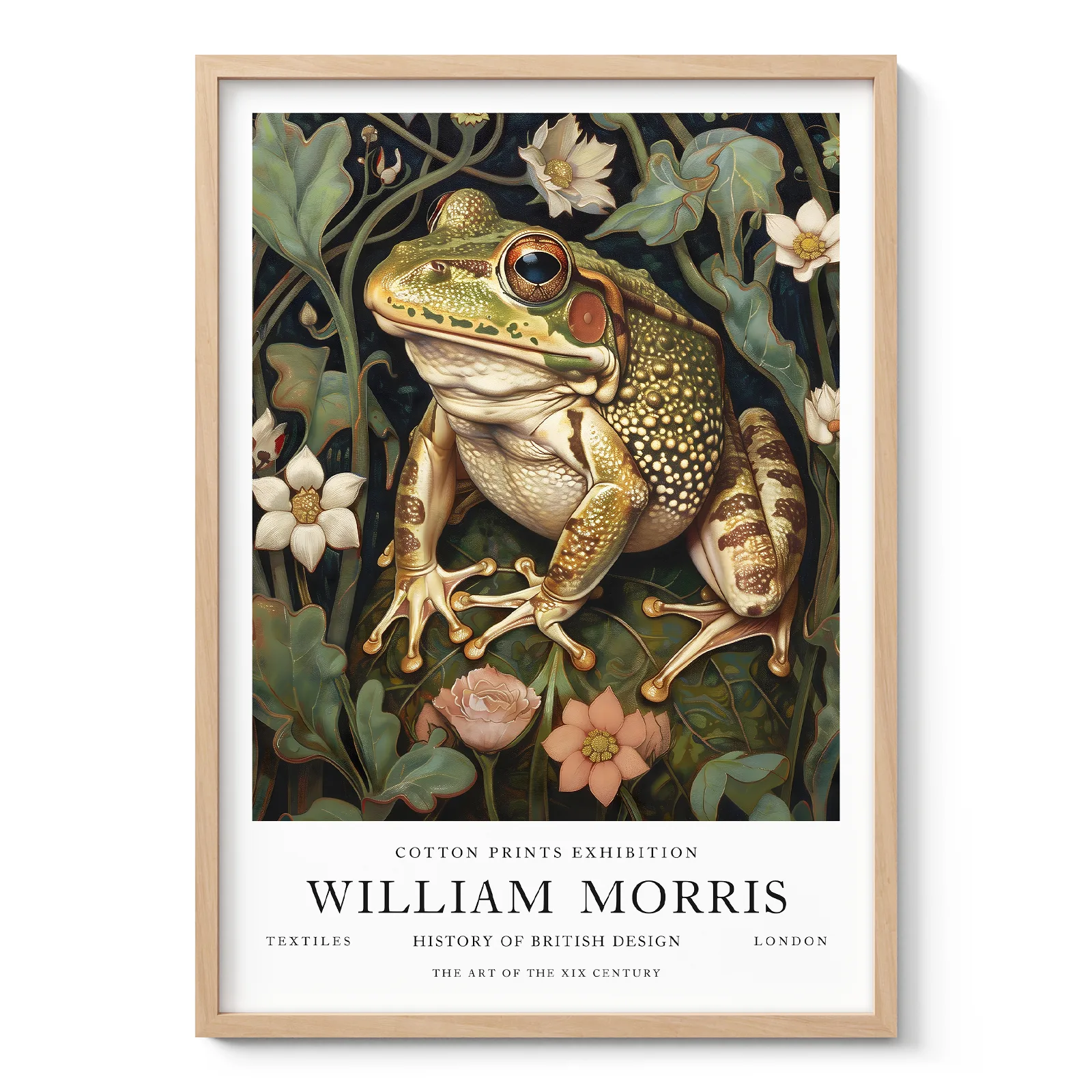
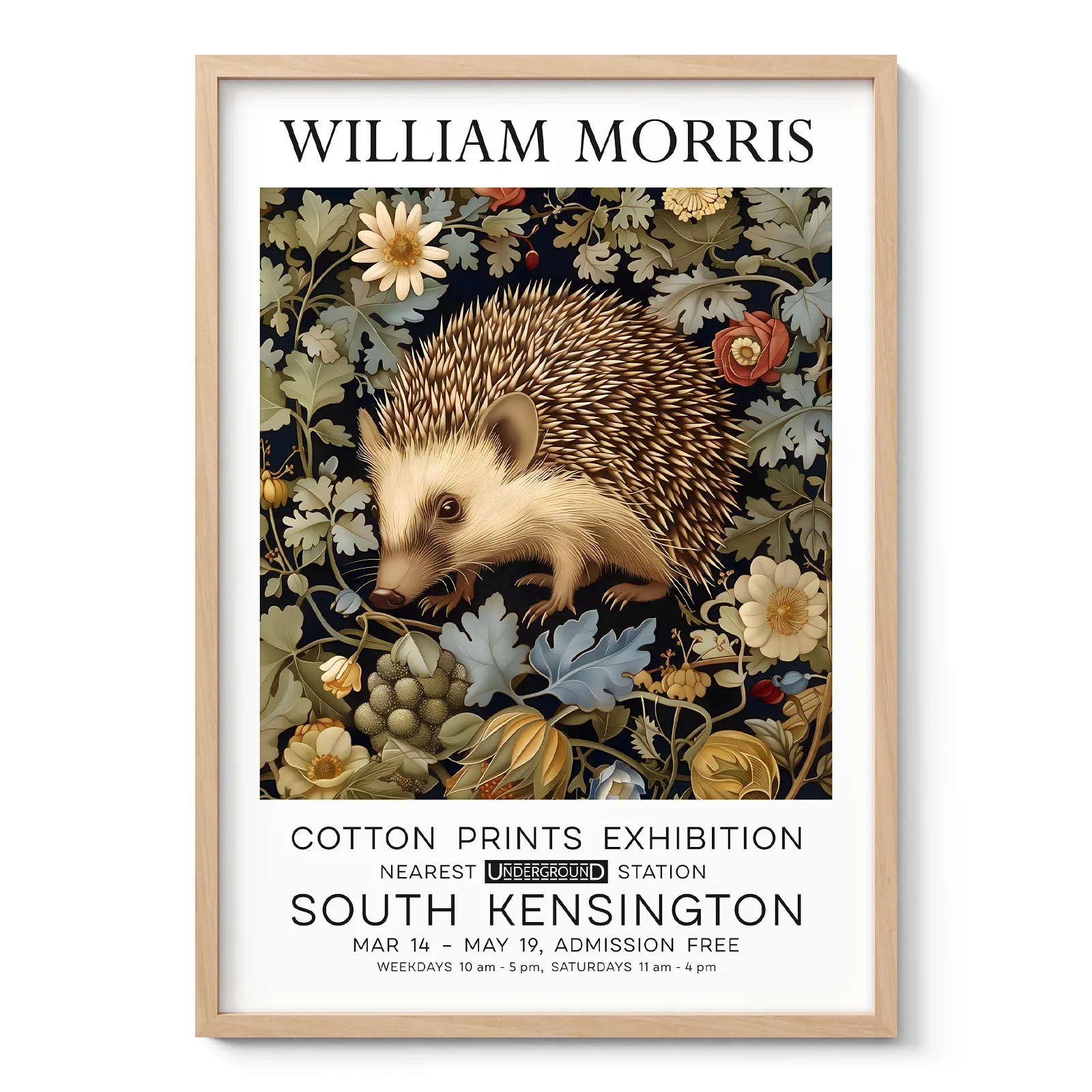
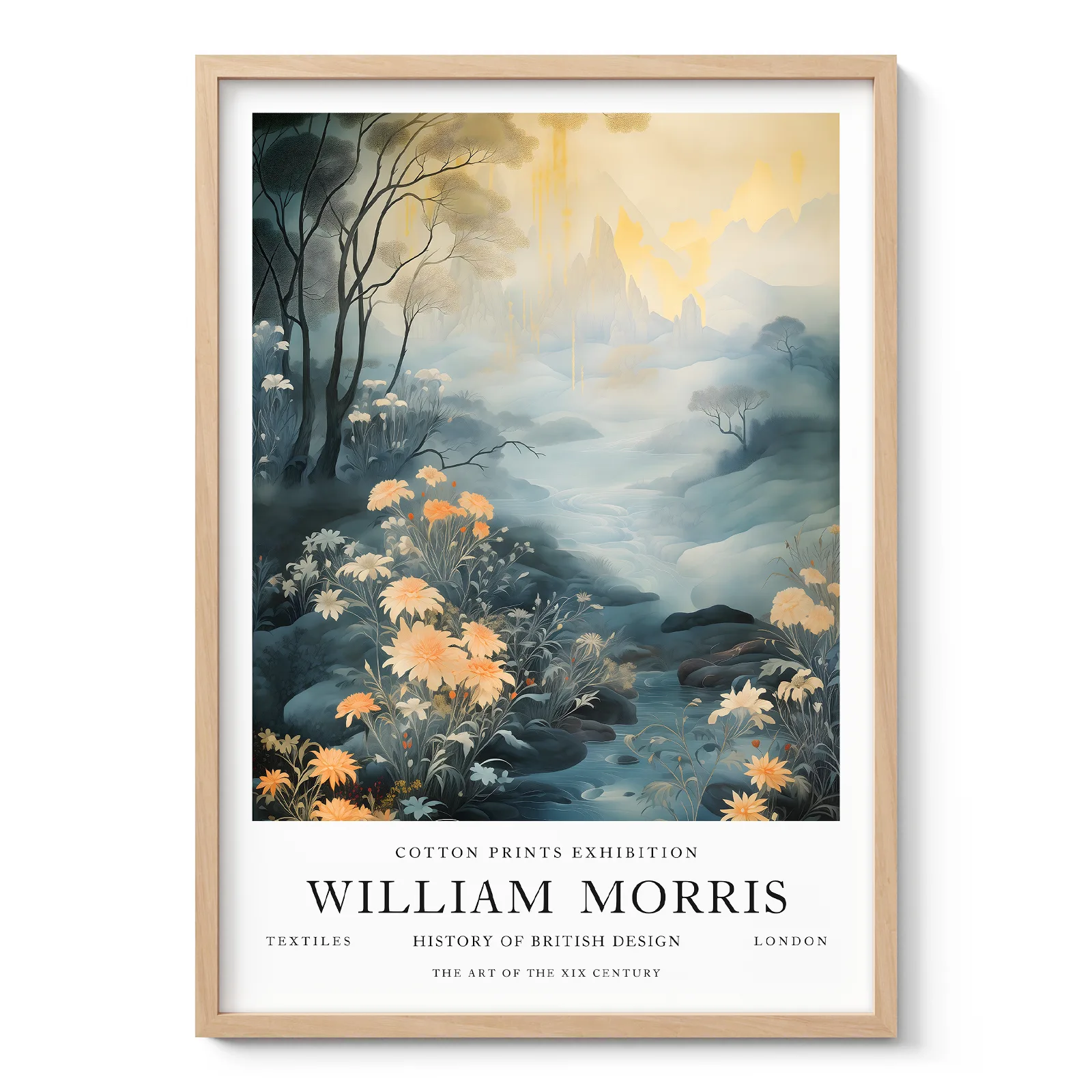
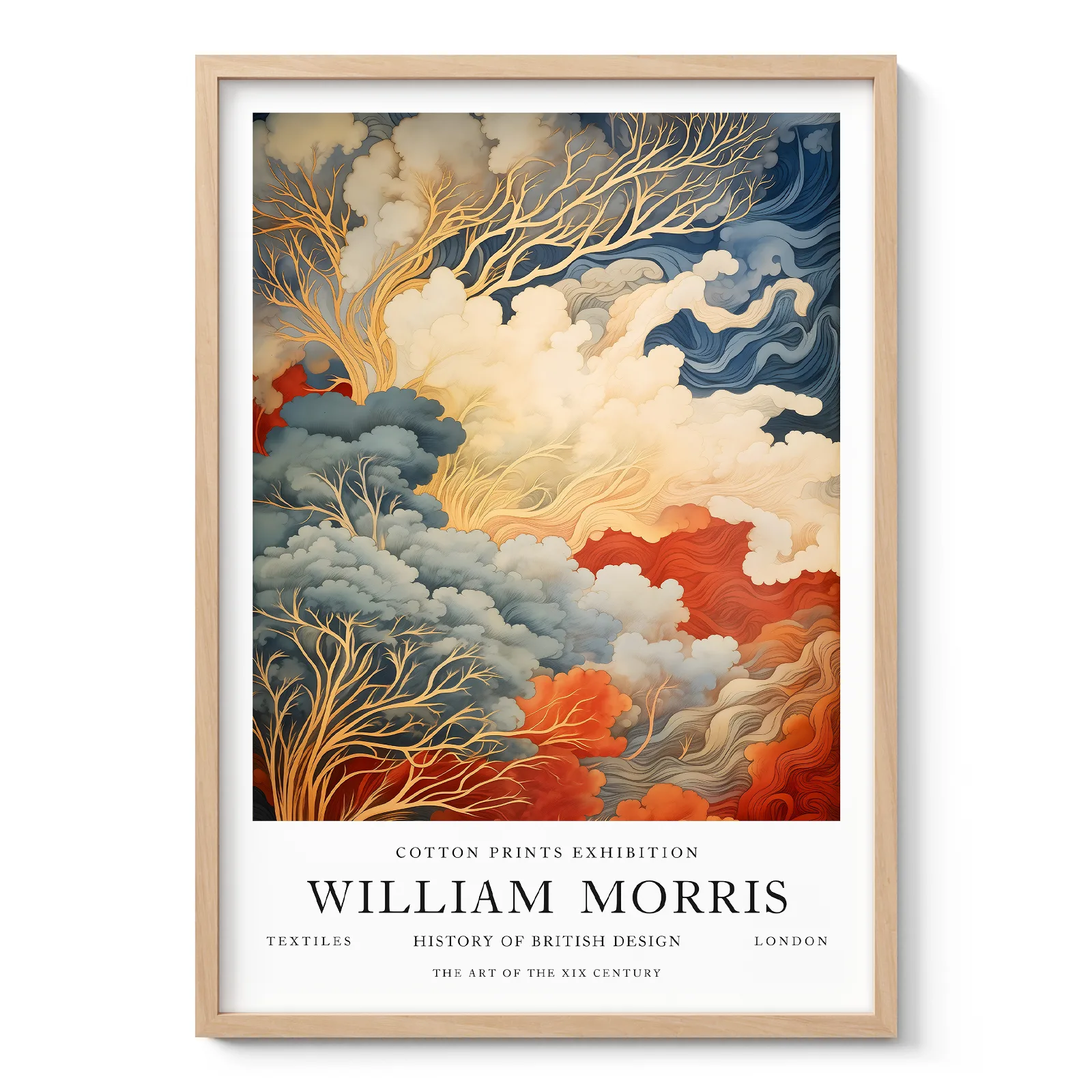
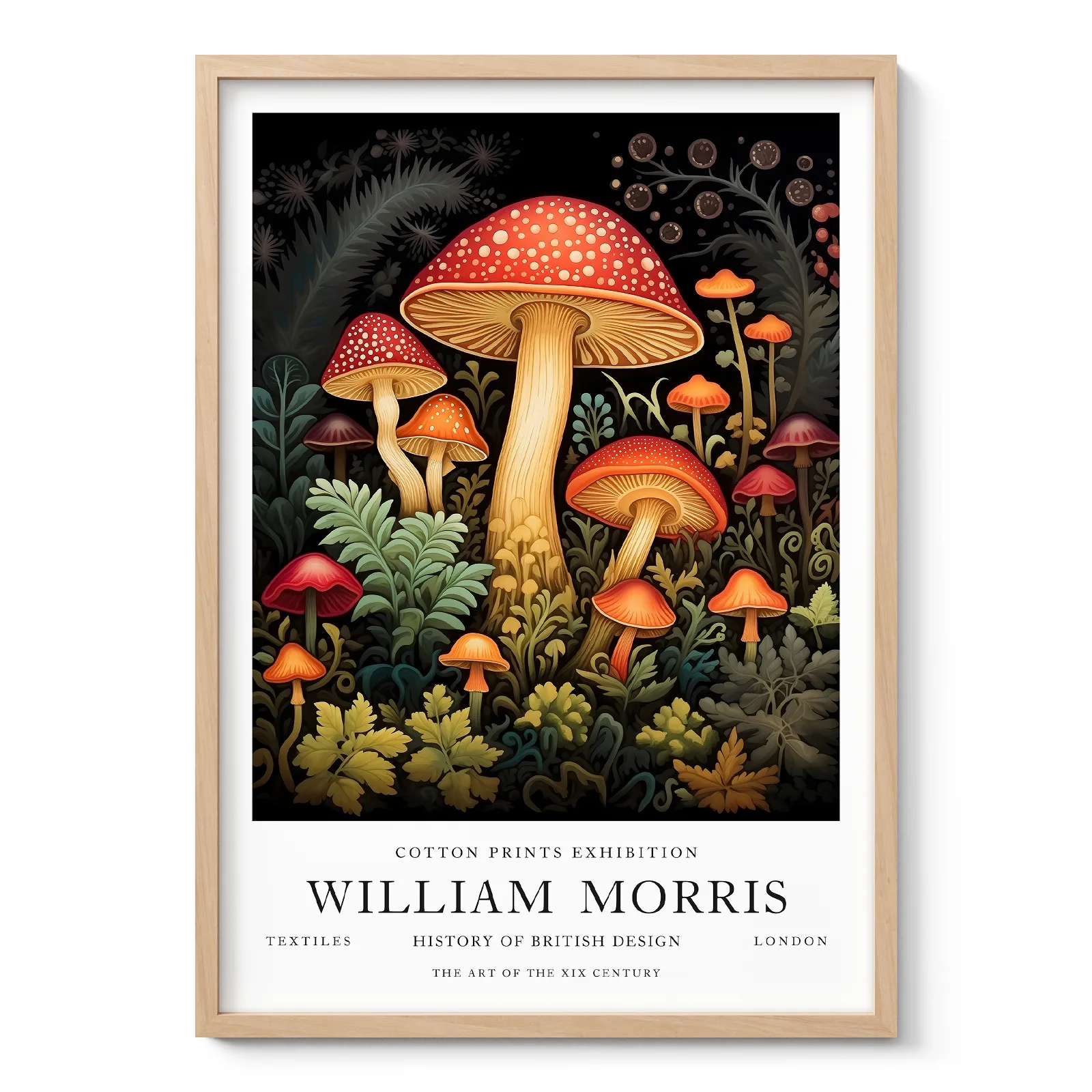
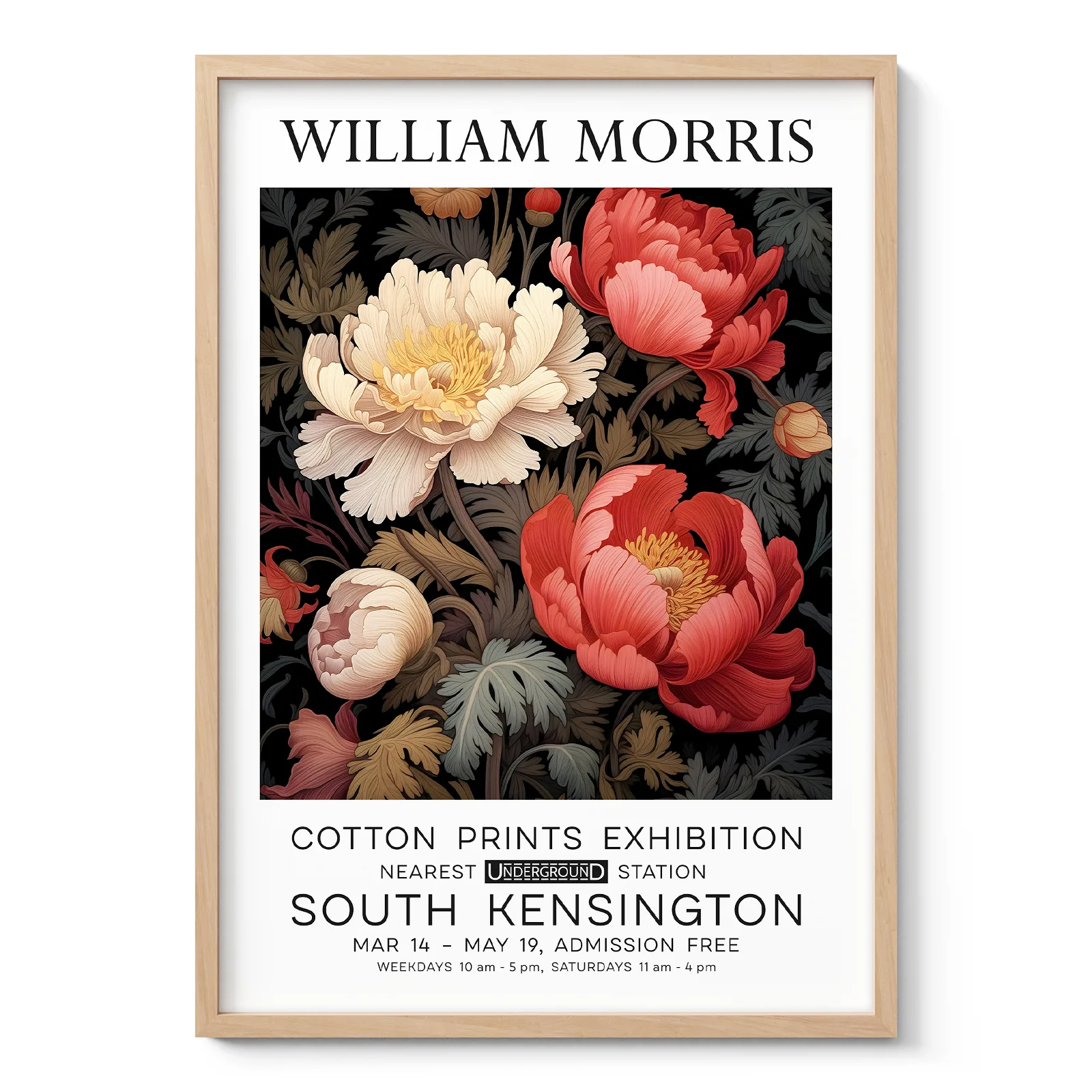
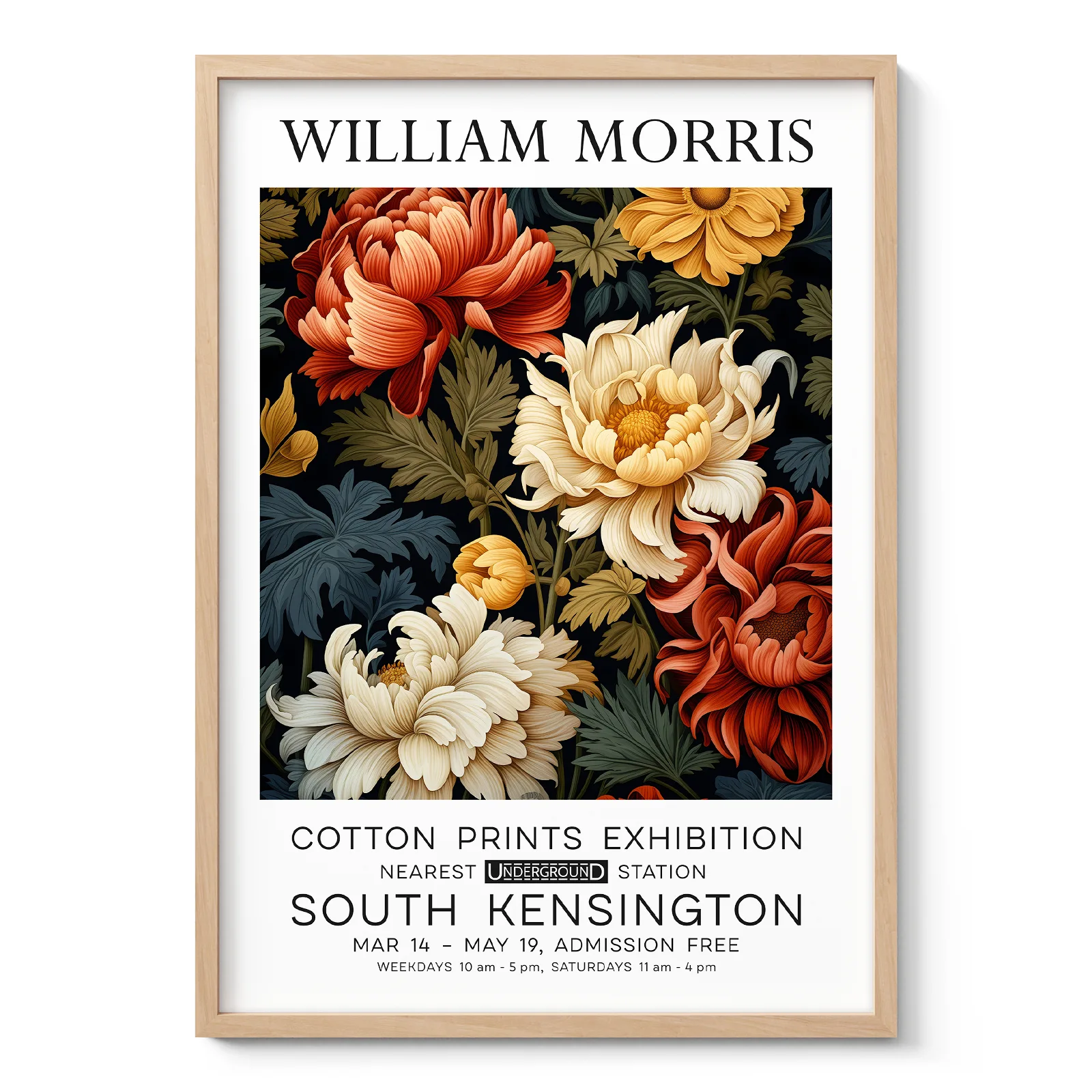
Many people first encounter Morris through wallpaper, yet his repeating patterns translate remarkably well into posters and canvas prints. Removing a section from a larger wallpaper design allows individual details to stand out. Birds become more noticeable, flowers gain greater presence, and intricate leaf patterns can be appreciated without covering an entire room.
This makes William Morris prints suitable for many interior styles. Cottage and English Country homes naturally complement heritage-inspired botanical designs, while Farmhouse interiors often pair beautifully with warm floral patterns and woodland birds. Scandinavian spaces benefit from quieter foliage designs with restrained colour palettes, and Contemporary interiors often use a single decorative print to introduce texture without overwhelming the room. Eclectic interiors comfortably combine Morris's Victorian design with modern furniture and simple architectural details.
Choosing the right design for each room
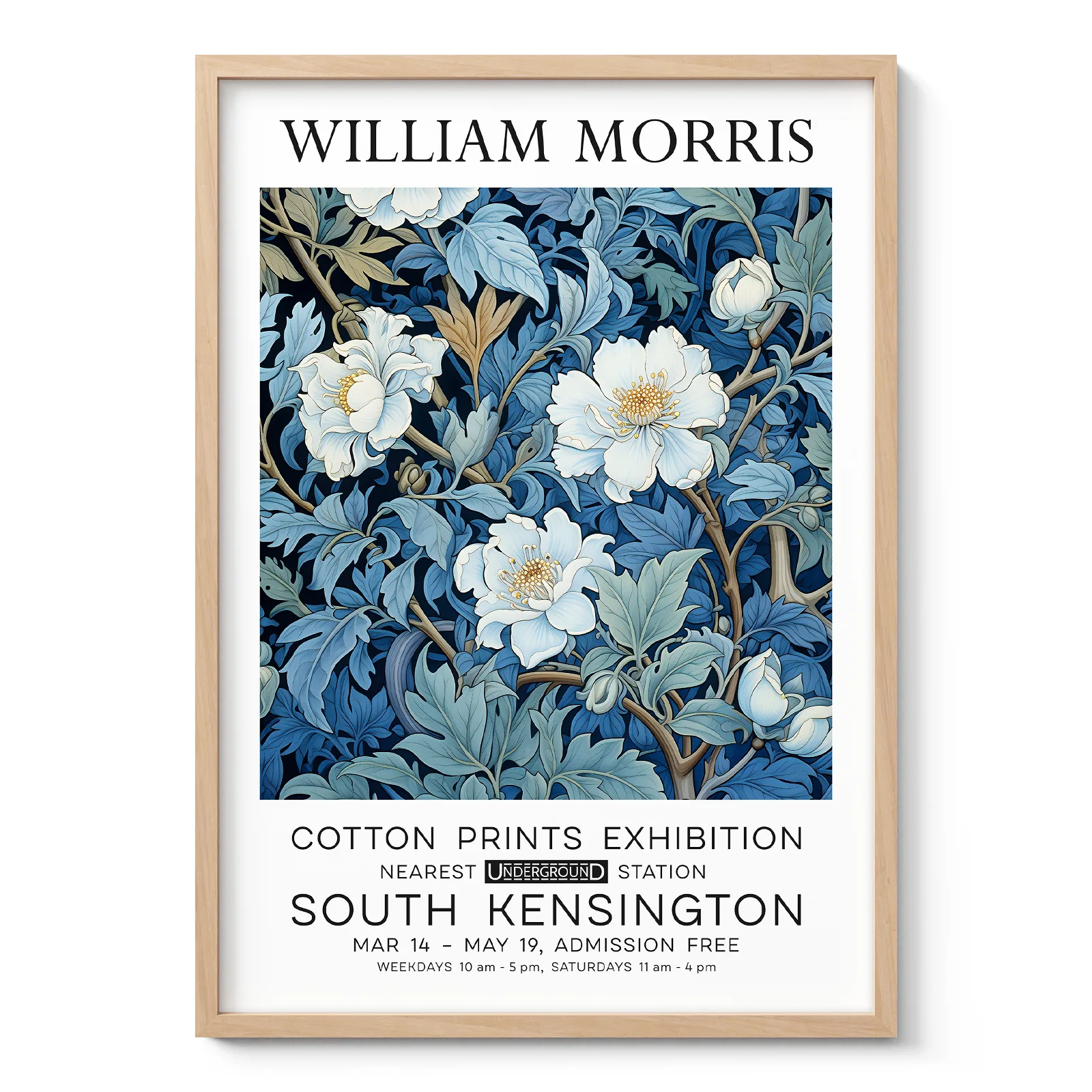
Different Morris patterns create different moods, making room selection worth considering. Dense botanical prints with rich greens, reds and blues work well in dining rooms and living rooms where visual depth adds warmth. Softer leaf patterns can create a peaceful atmosphere in bedrooms, while symmetrical floral designs often suit hallways by providing interest without feeling busy.
Home offices can benefit from foliage-based compositions that introduce natural forms without distracting from work. Smaller posters may fit narrow spaces, while larger canvas prints allow complex ornamental patterns to be appreciated from a distance. Choosing a museum-quality print helps preserve the fine line work and layered colours that give Morris's designs their distinctive character.
A lasting influence on decorative design
The ideas William Morris championed continue to shape wallpaper design, textile design and interior décor today. His emphasis on craftsmanship, balanced composition and nature-inspired art remains relevant because these qualities do not depend on changing trends. Designers still borrow his approach to pattern, colour and repetition, while homeowners continue to appreciate the quiet richness his work brings to everyday spaces.
For that reason, William Morris prints remain among the most enduring forms of decorative wall art. They connect art, history and thoughtful design, offering patterns that reward closer attention while fitting comfortably into a wide range of homes. From iconic masterpieces to overlooked decorative studies, William Morris prints continue to reflect a vision of beauty rooted in craftsmanship, nature and lasting design.