





Travel wall art for homes inspired by adventure
Travel often leaves us with vivid memories that refuse to stay inside photo albums. A narrow street in Lisbon, the quiet symmetry of a Japanese garden or the changing colours of the Alps can become part of daily life when interpreted through carefully chosen artwork. Rather than serving as souvenirs alone, travel wall art captures the atmosphere of a destination and turns it into a lasting visual experience that fits naturally into contemporary interiors.
Places that shape the character of a room
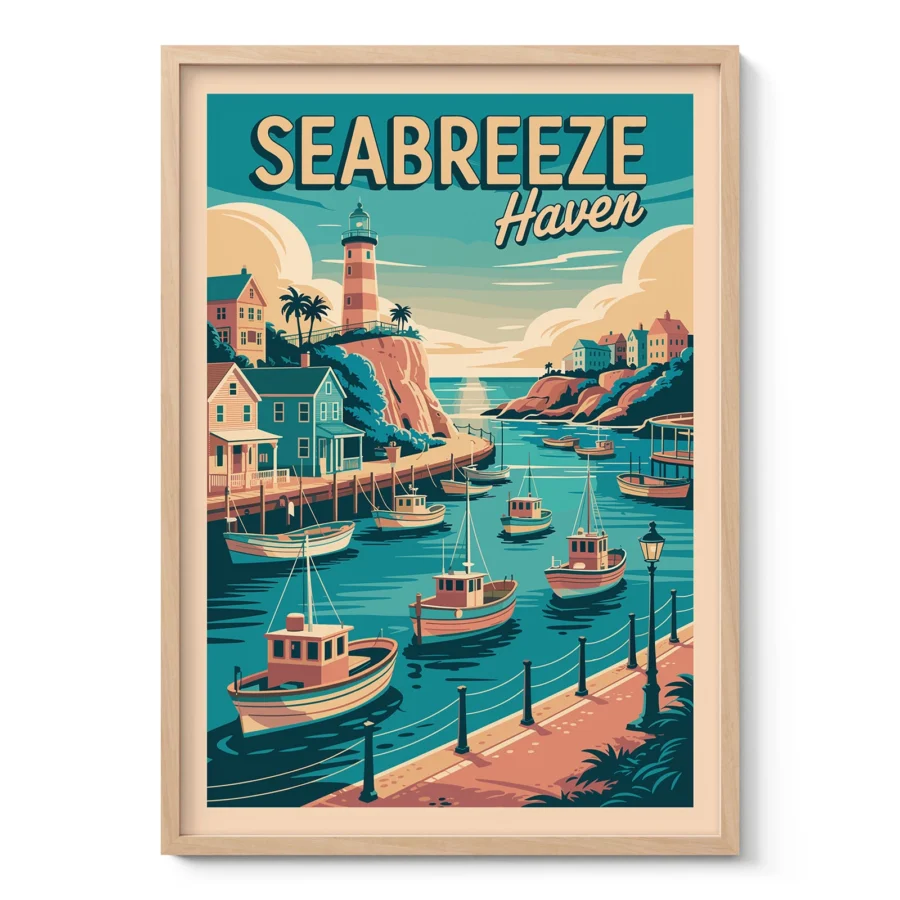
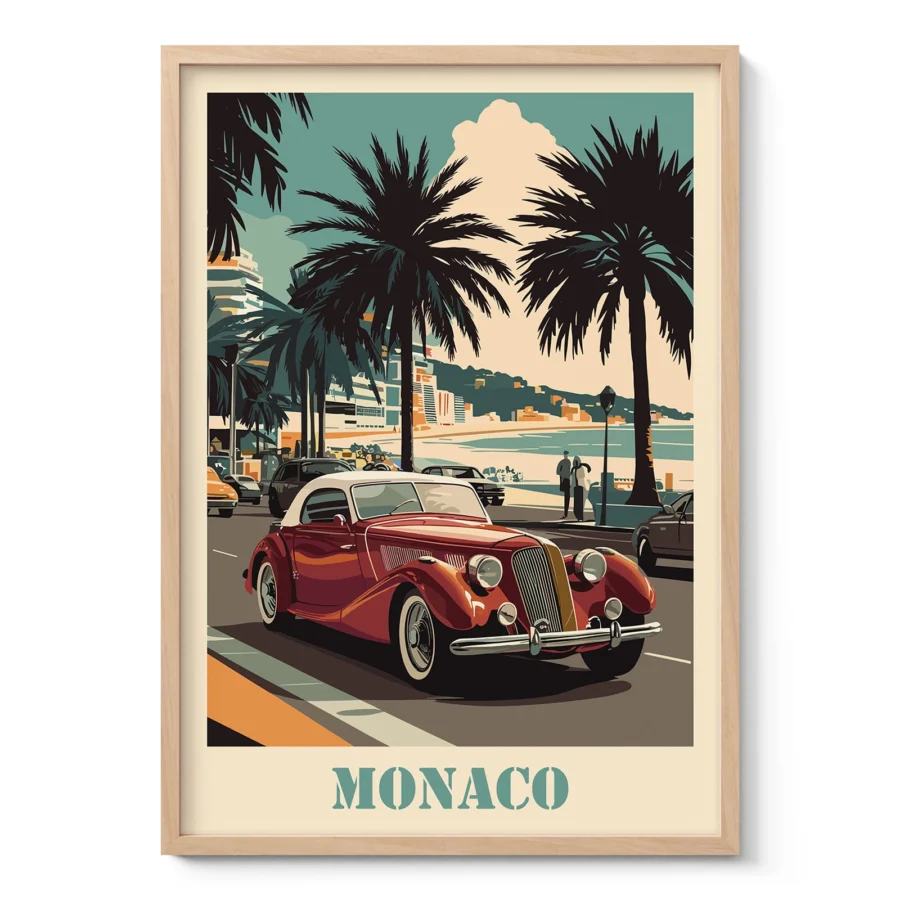
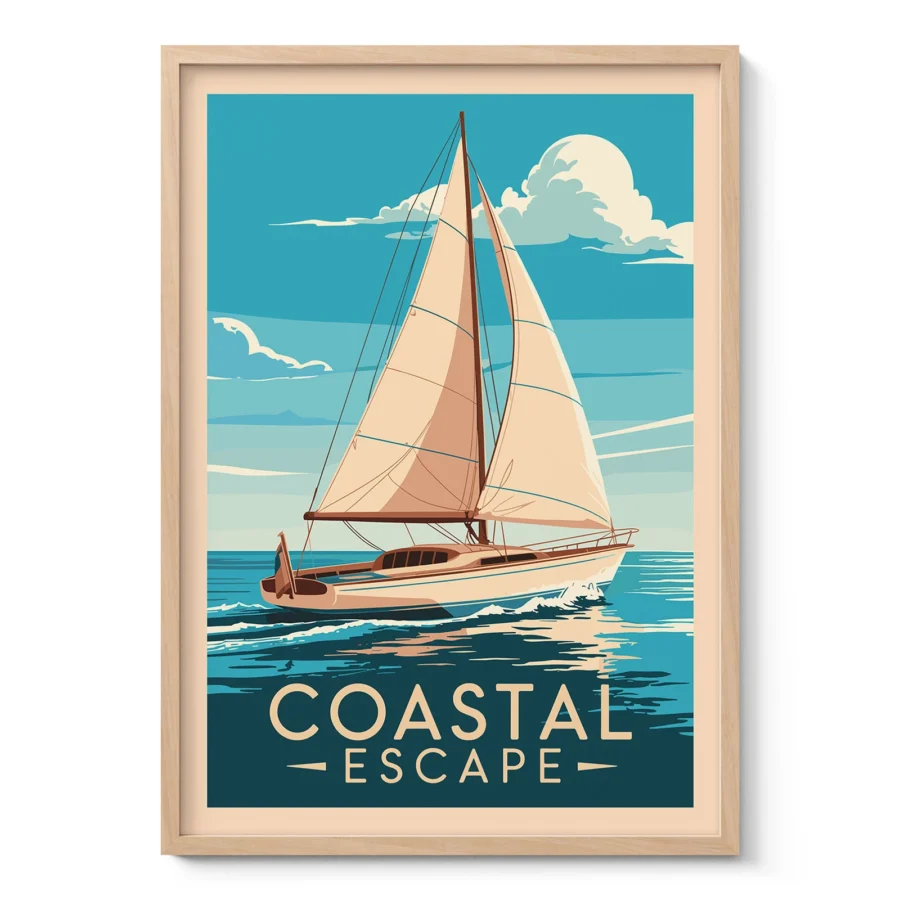
Some destinations are recognised instantly, while others appeal because they feel personal and unexpected. City skylines create a structured, architectural look that works well in home offices, dining rooms and modern apartments. Coastal landscapes introduce openness through wide horizons and soft colours, making them particularly suitable for bedrooms or spaces designed for relaxation.
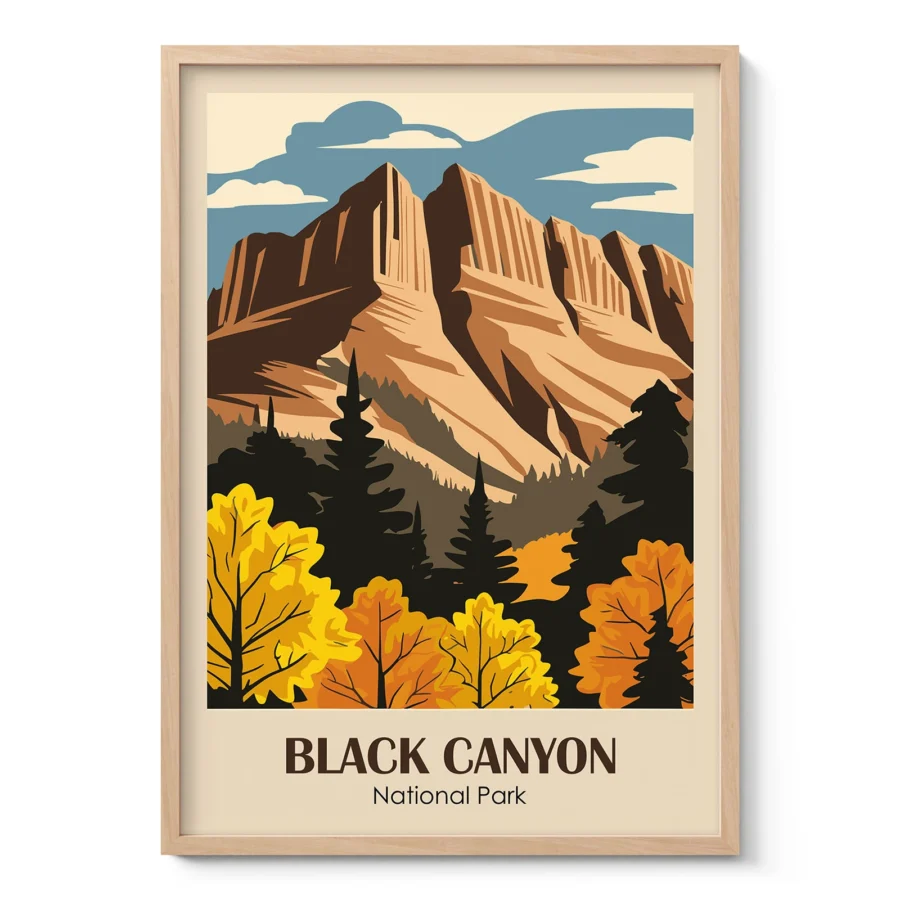
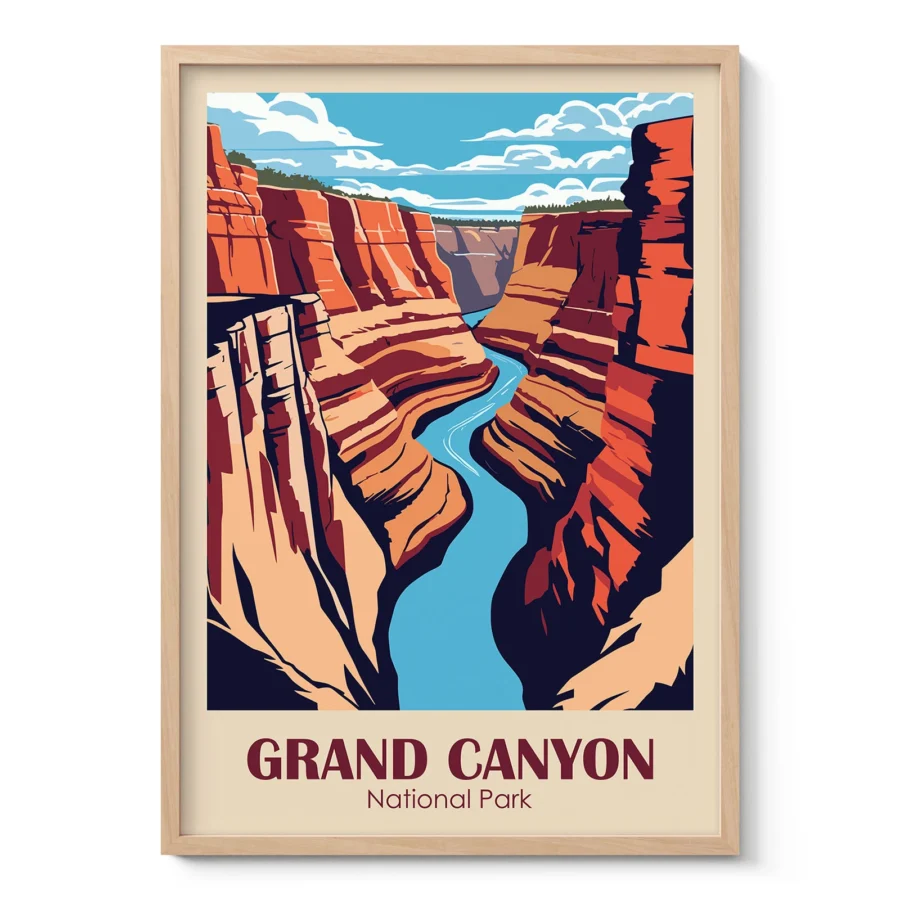
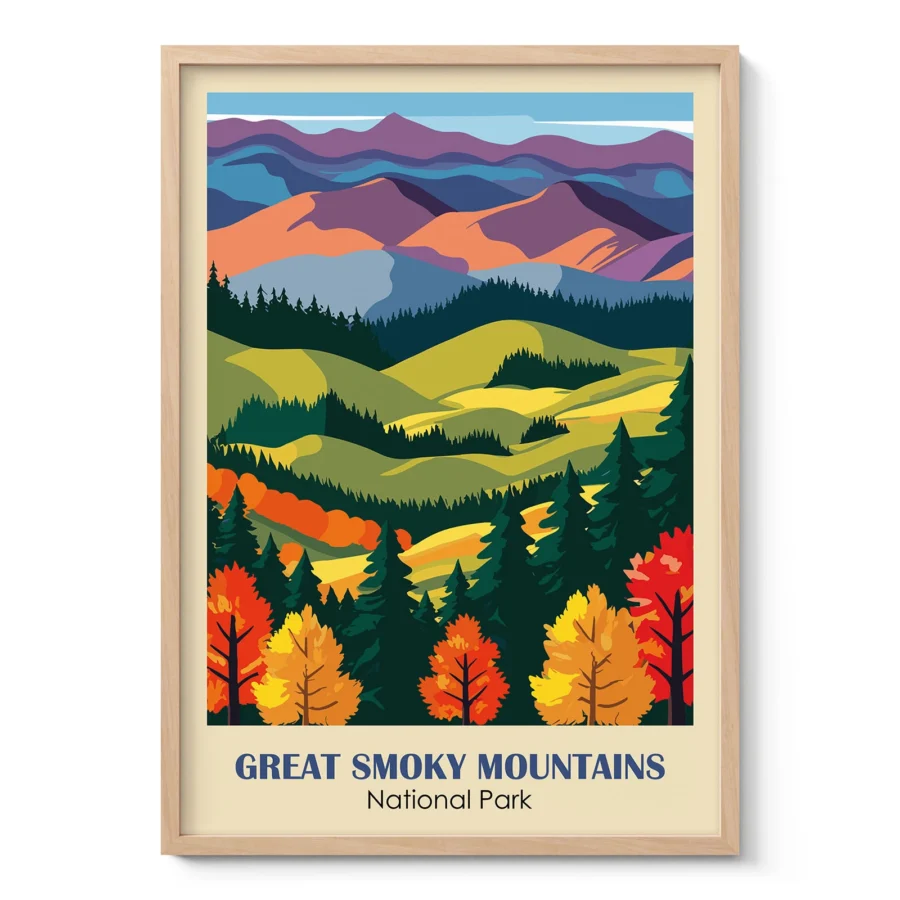
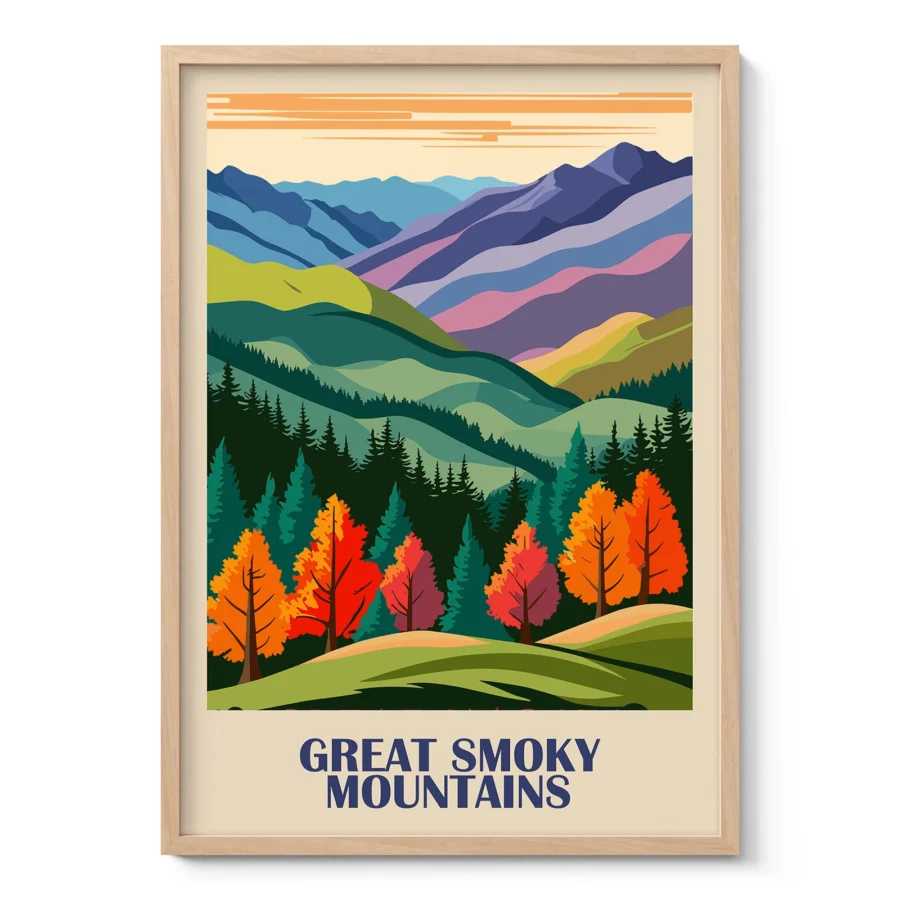
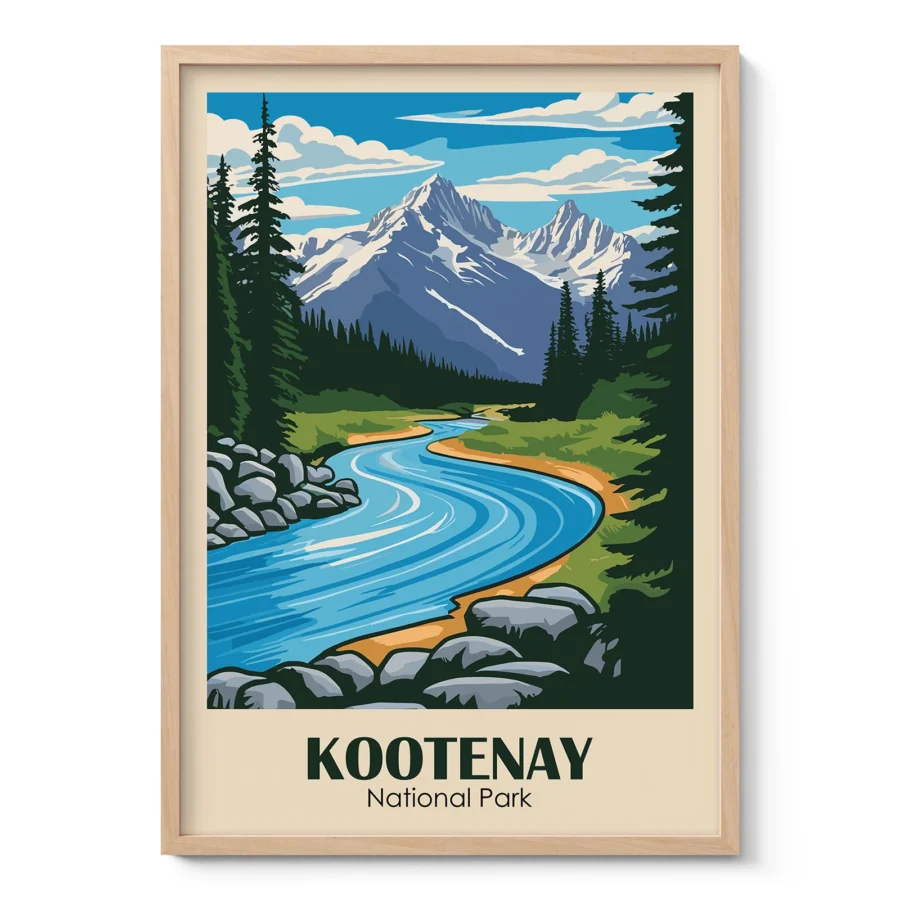
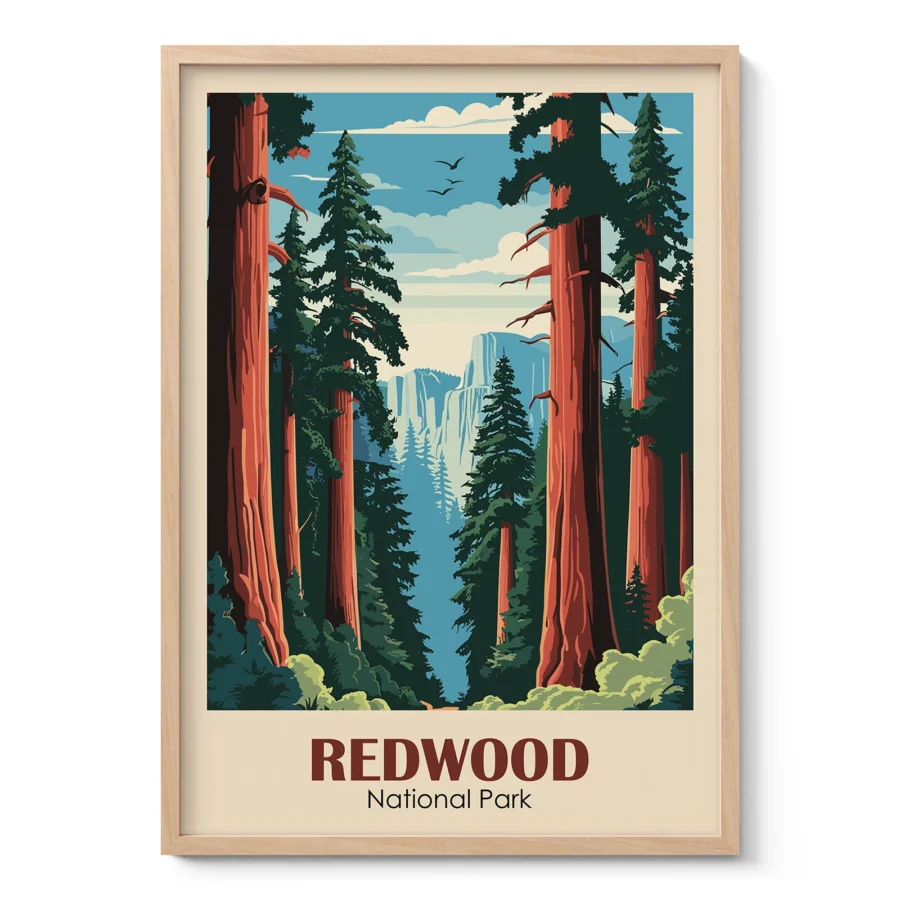
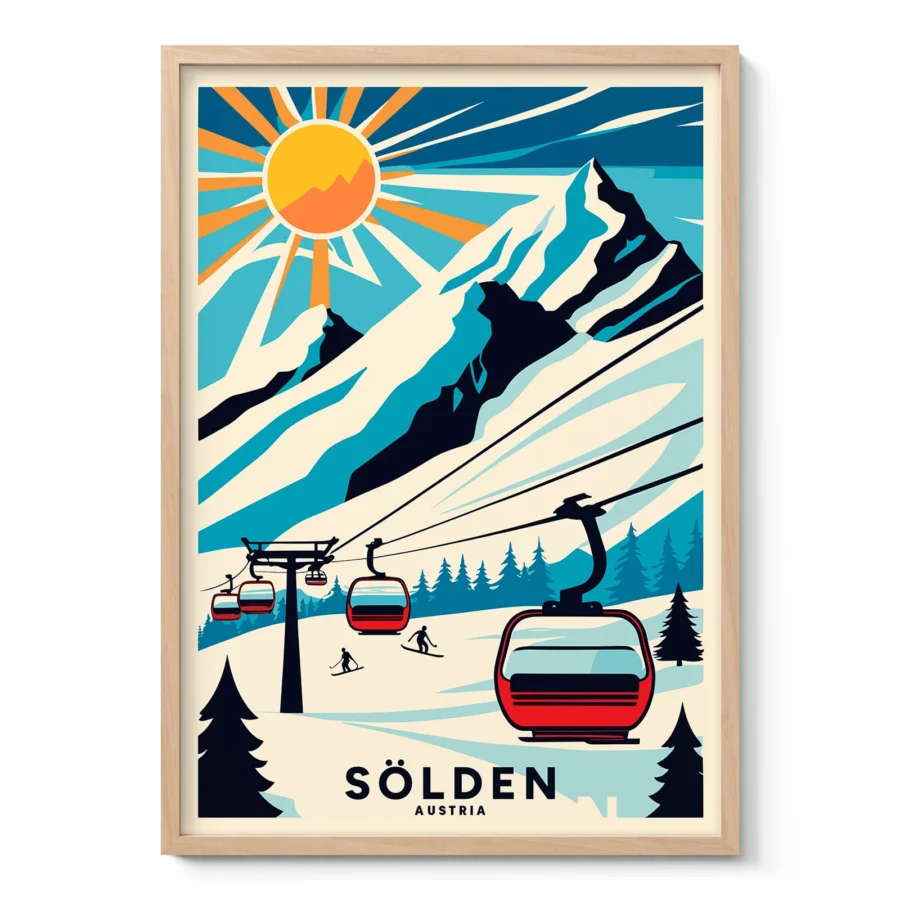
Mountain scenes bring depth through changing light, layered peaks and seasonal textures. Historic streets, cafés and hidden villages offer a different mood, encouraging closer viewing thanks to their architectural details and everyday moments. This variety explains why travel wall art attracts people who enjoy design just as much as those who love exploring new countries.
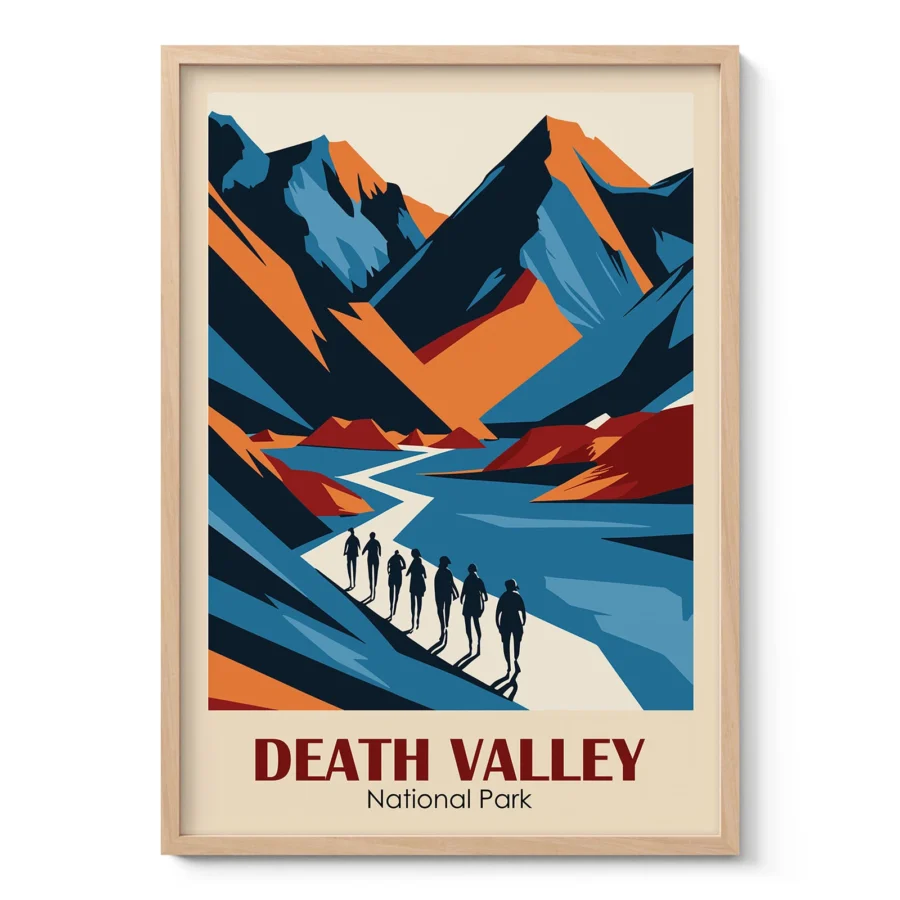
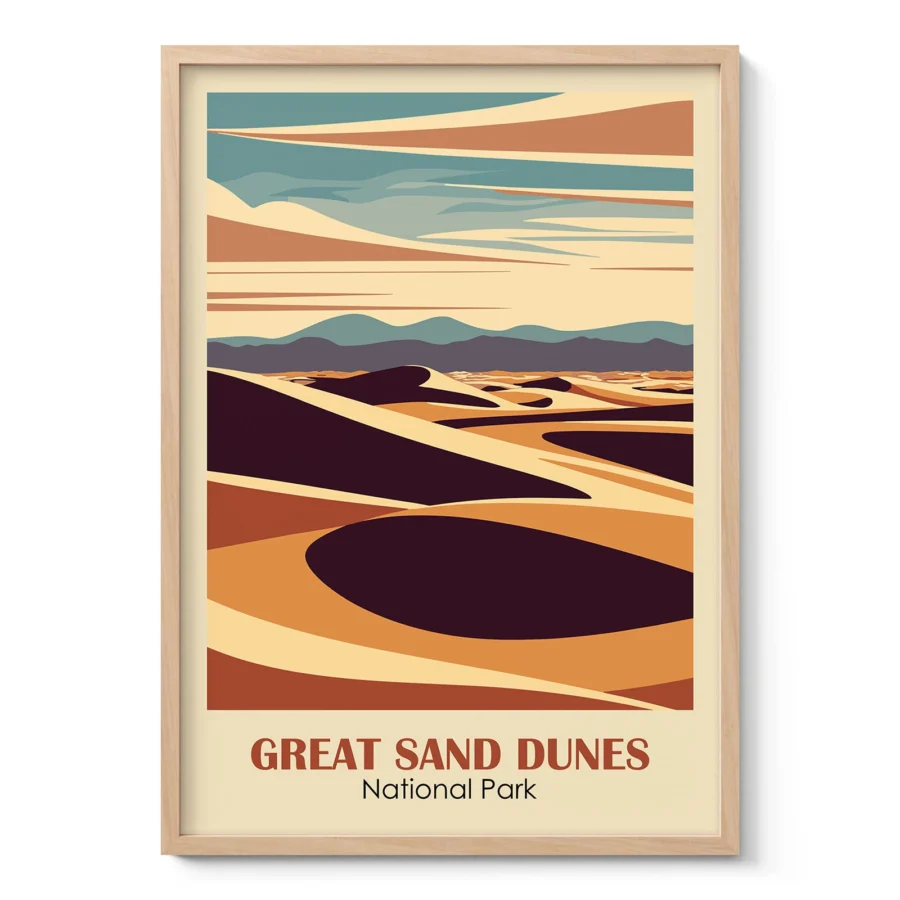
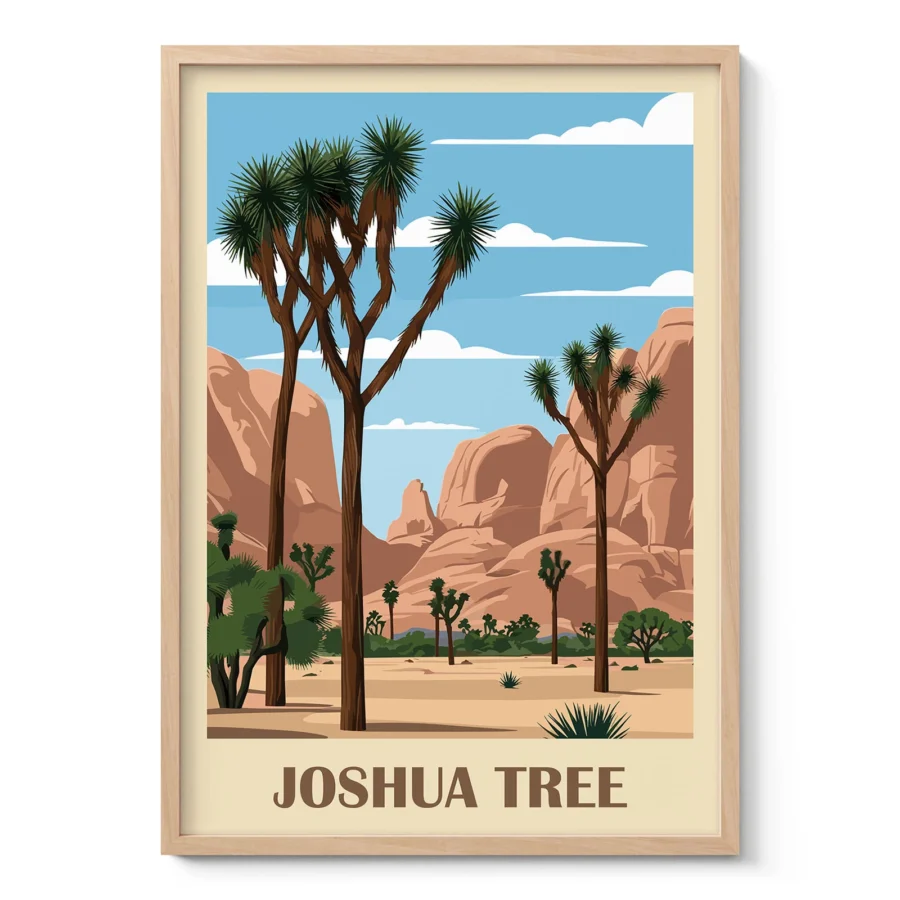
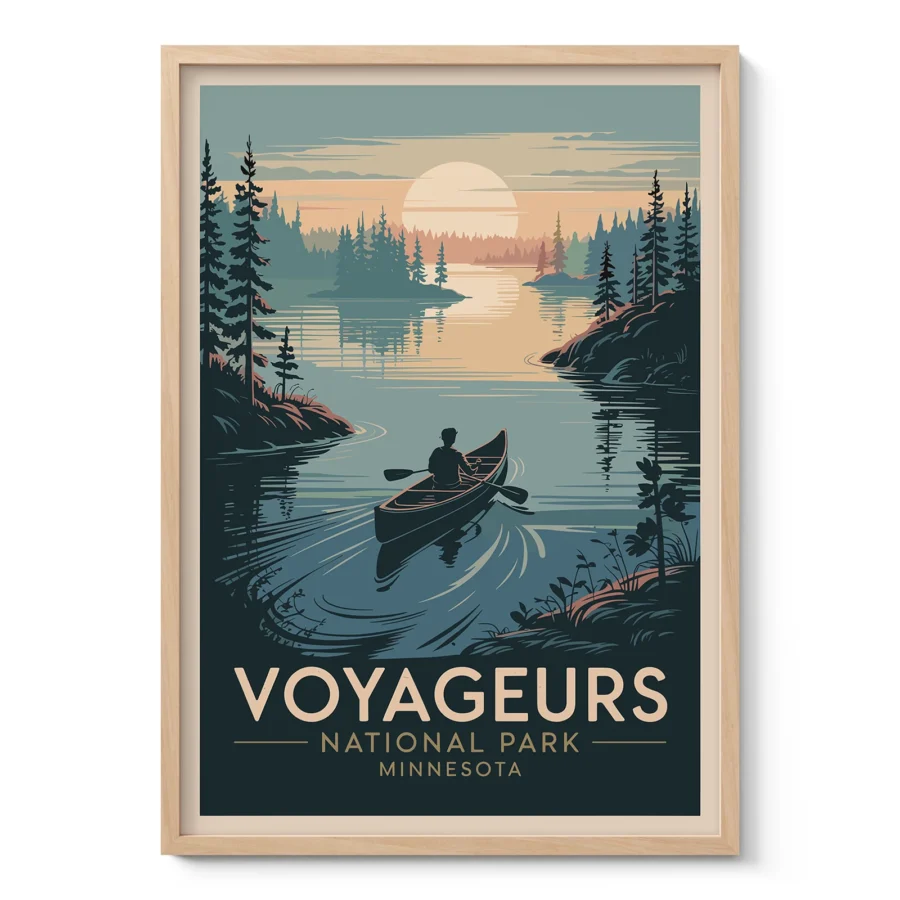
An overlooked consideration is the pace suggested by the image. Busy markets, rail stations and city intersections create movement, while quiet lakes, forests and desert landscapes naturally slow the visual rhythm of a room.
Why artistic style can matter more than the destination
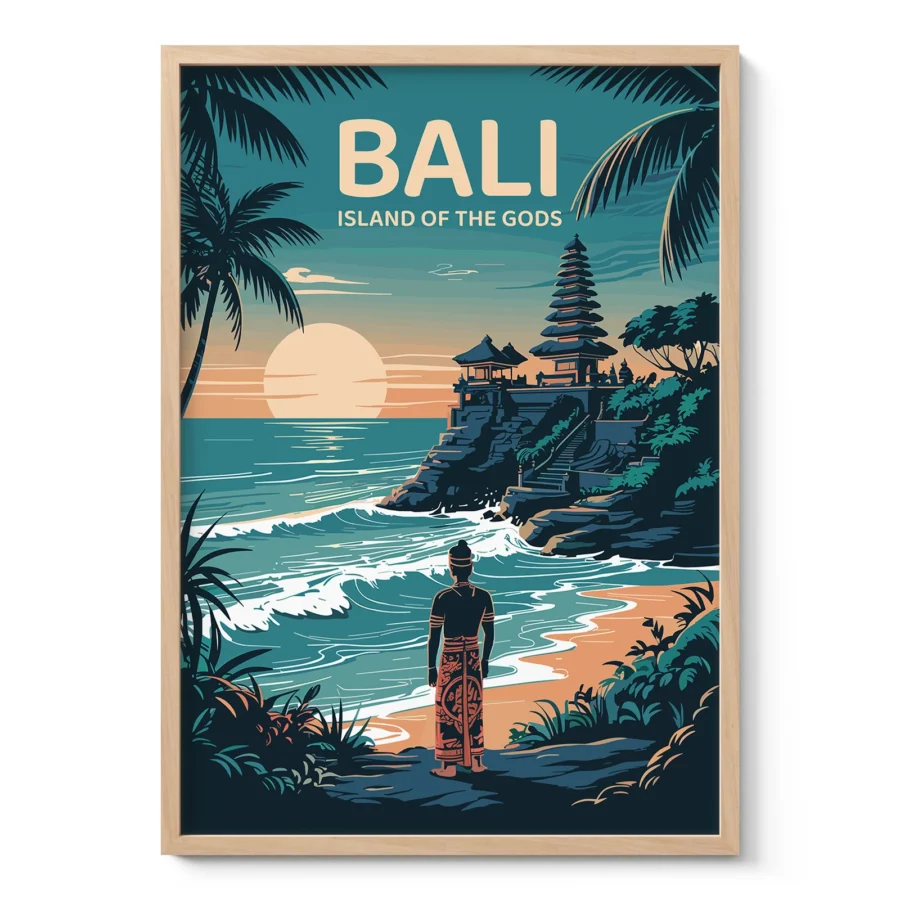
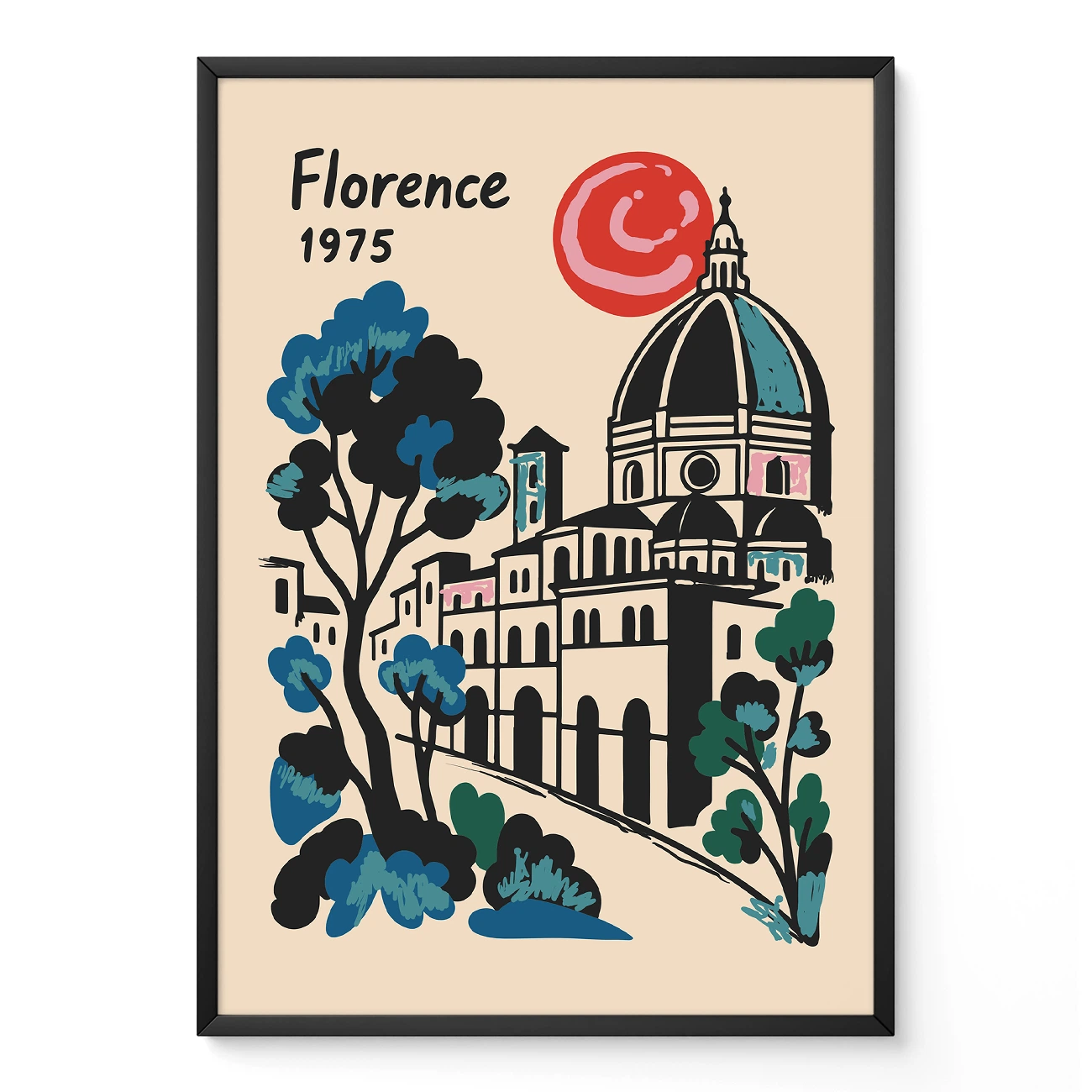
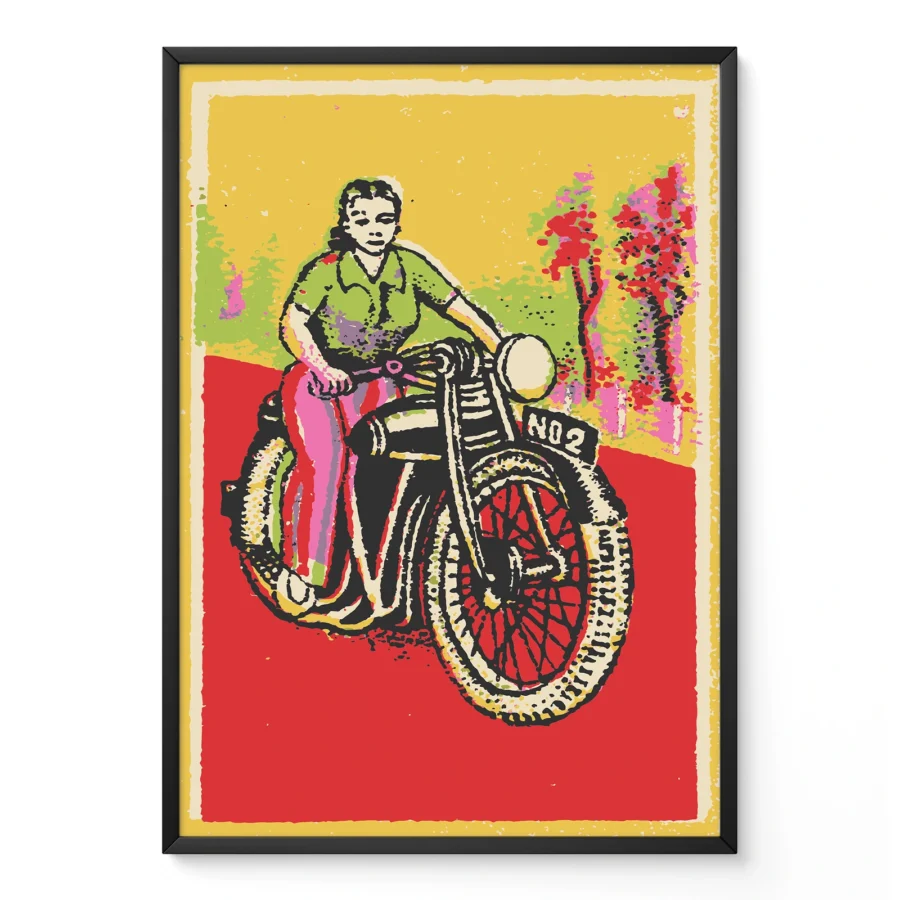
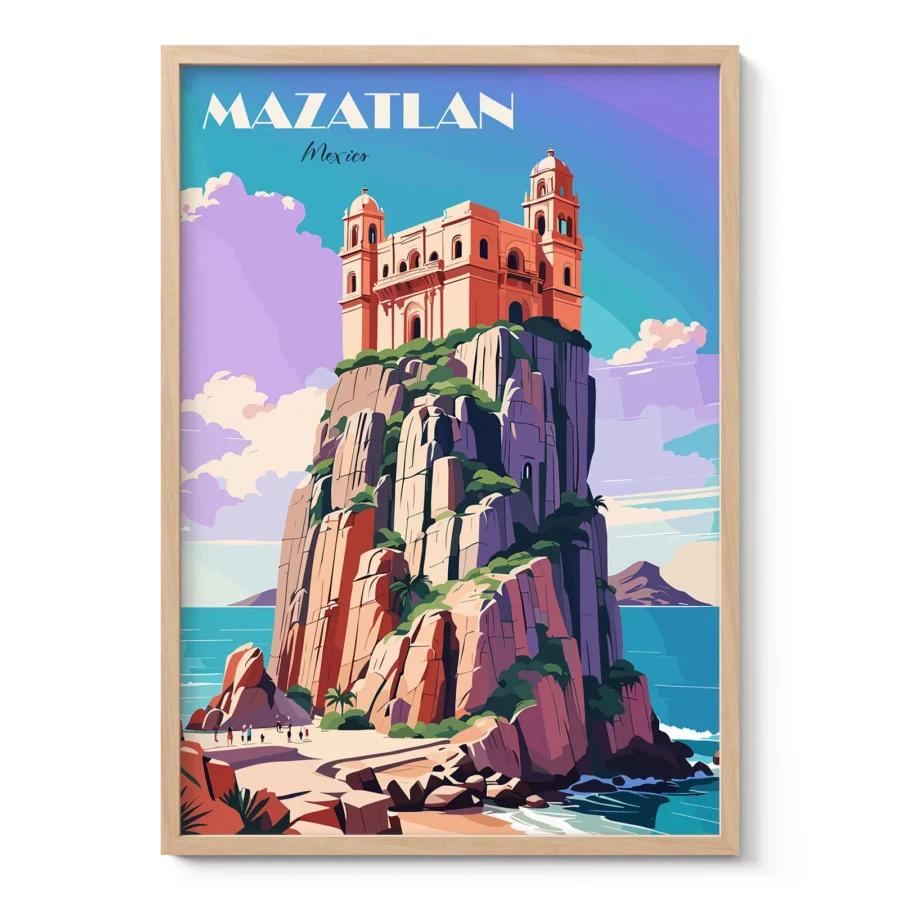
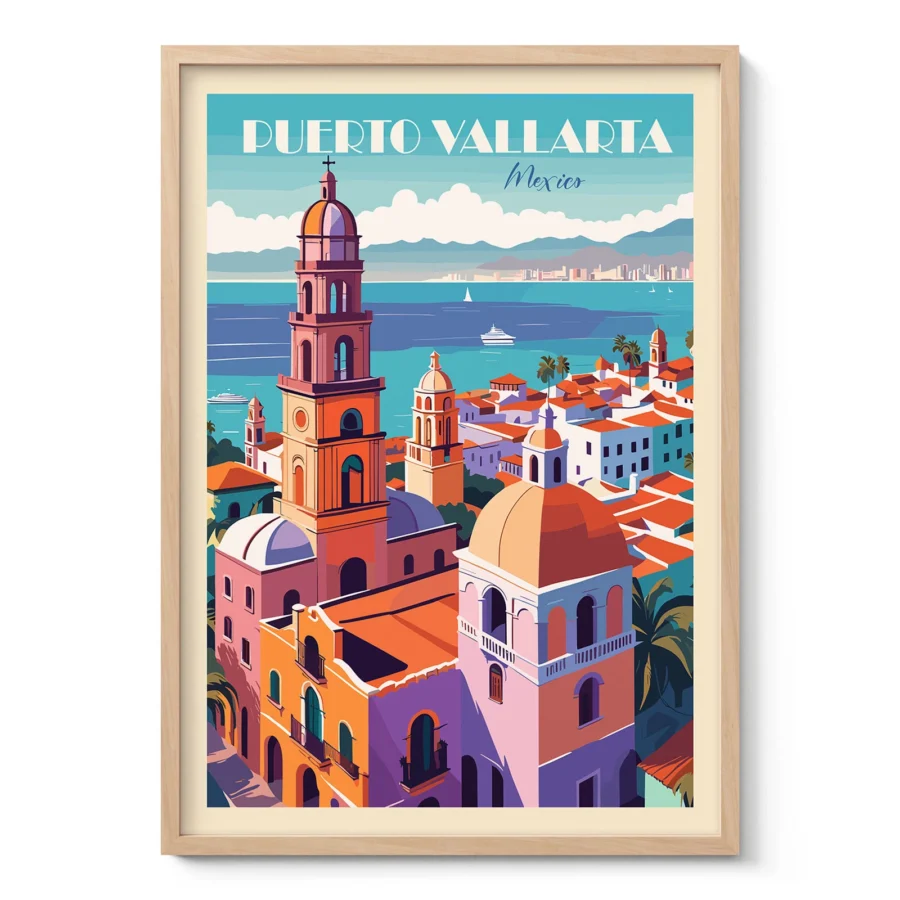
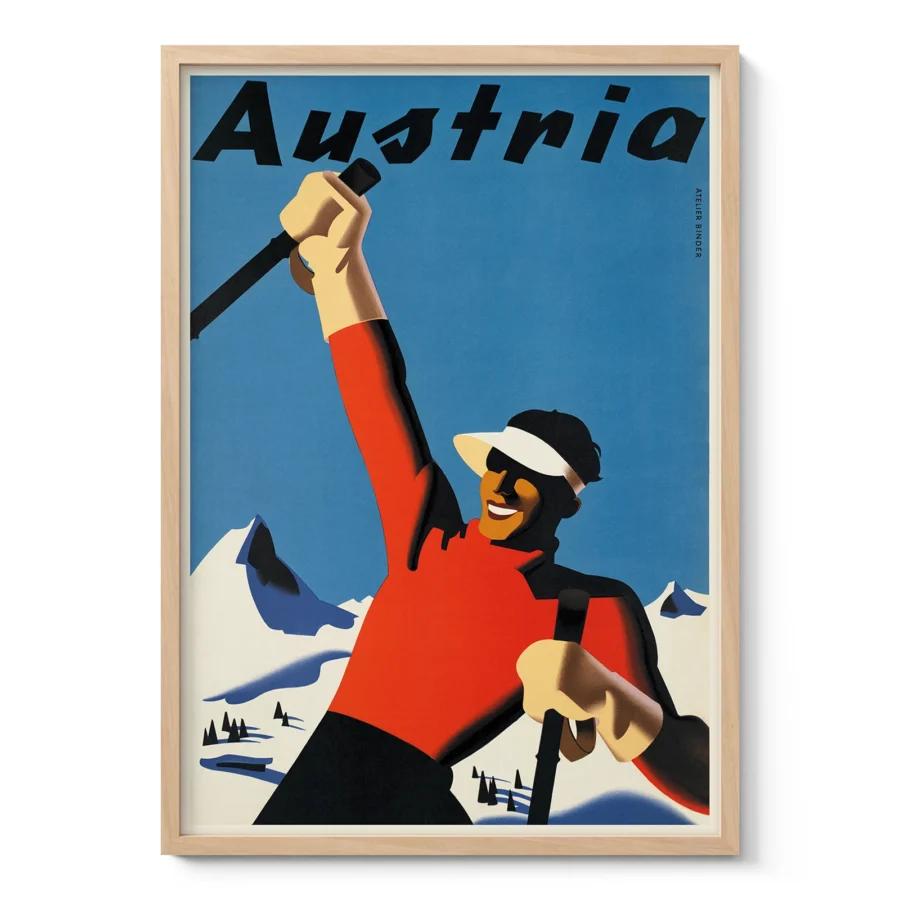
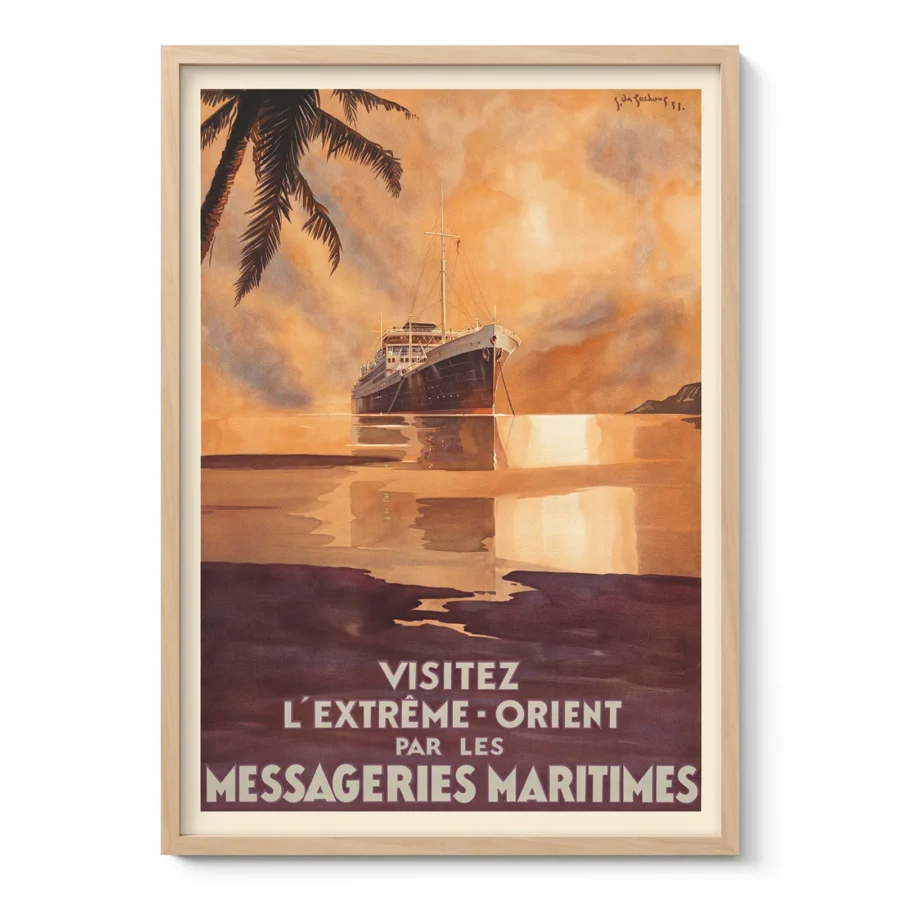
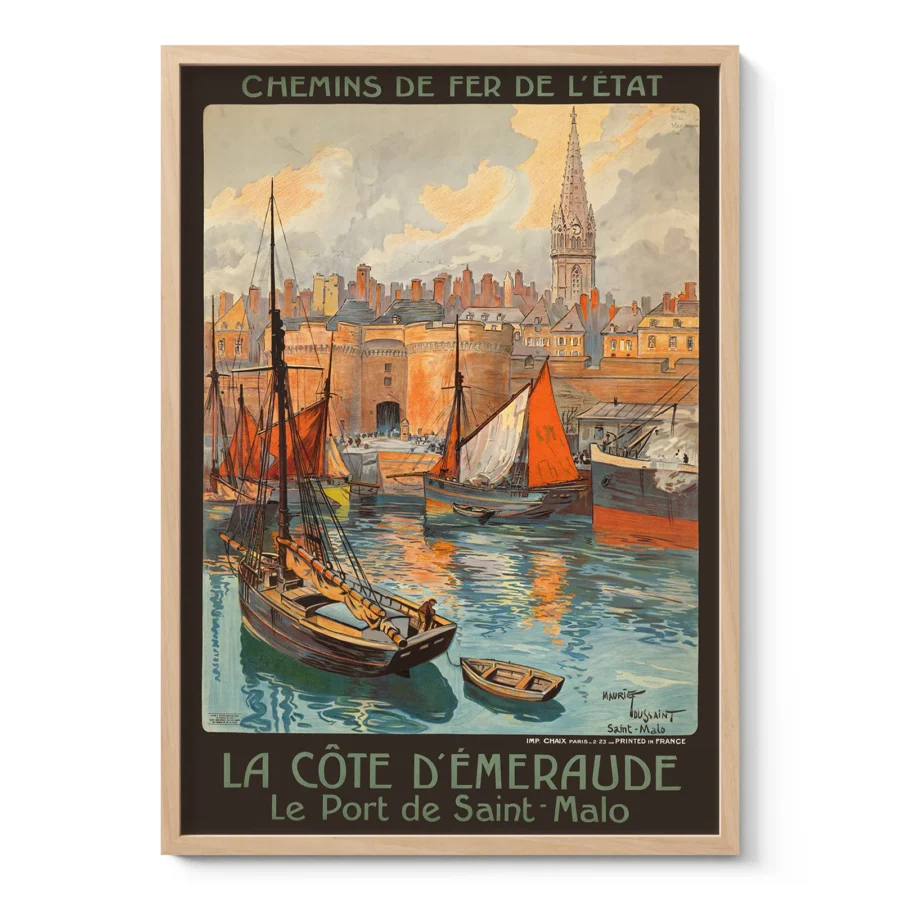
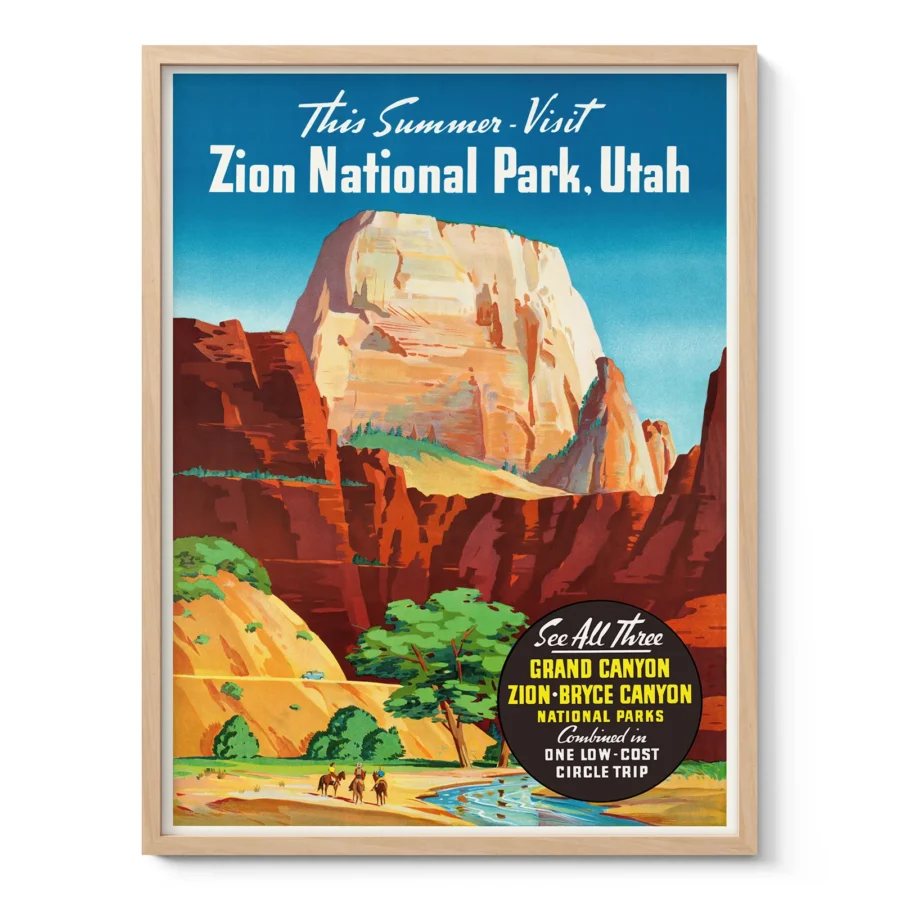
Many buyers focus first on the location, but the artistic interpretation often has an even greater influence on the finished interior. A vintage travel poster relies on bold typography, simplified shapes and rich colour blocks inspired by early twentieth-century tourism campaigns. These pieces pair comfortably with mid-century furniture, industrial interiors and eclectic spaces.
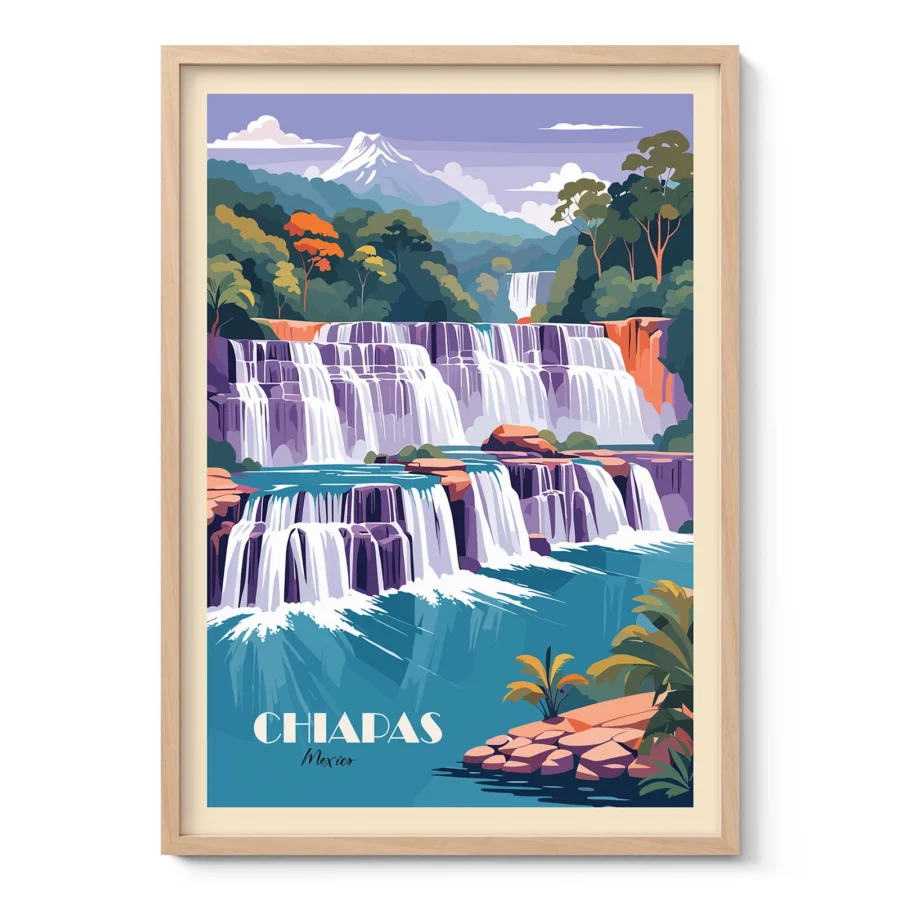
Photography, by contrast, preserves natural light and fine architectural details. Watercolour illustrations soften famous landmarks, while minimalist graphic prints reduce cities and landscapes to essential forms, making them suitable for Scandinavian and contemporary homes.
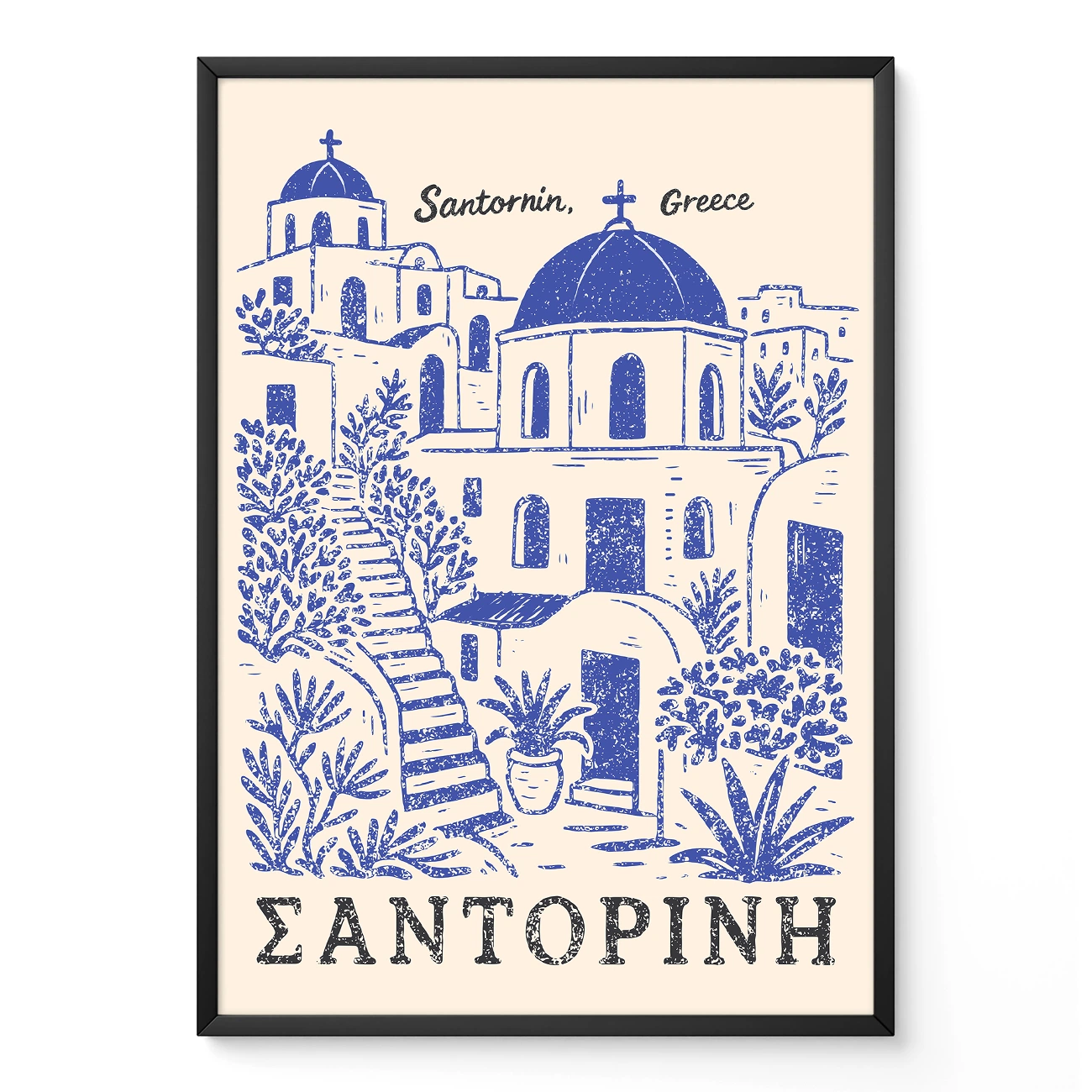
This is also where posters and canvas prints begin to serve different purposes. Posters often highlight crisp lines and graphic compositions, making them ideal for gallery walls or mixed art collections. Canvas prints introduce texture that complements painted landscapes, coastal scenes and expressive artwork with visible brushwork. Understanding this difference helps buyers choose the medium that best suits both the artwork and the room.
Build a collection around the way you travel
Many people unknowingly select destinations instead of emotions. A person who enjoys long train journeys may naturally prefer railway stations, vintage locomotives or panoramic countryside views. Someone drawn to coastal holidays often responds more strongly to harbours, sailboats and expansive ocean scenes than to famous monuments.
Thinking this way creates a collection that feels connected rather than random. Combining several destinations linked by colour palette, architectural style or climate usually produces a more balanced wall than displaying unrelated landmarks simply because they are well known.
Another practical detail is scale. Highly detailed city illustrations invite close viewing and work best where people naturally spend time nearby, such as hallways or reading corners. Simpler landscapes with broad skies and open water remain visually effective even when viewed across larger living spaces. This thoughtful approach makes travel wall art feel intentional rather than decorative for its own sake.
From vintage tourism posters to modern interiors
Travel-inspired art has existed for centuries. Early landscape paintings documented regions that few people could visit. Later, illustrated travel books and railway posters encouraged tourism while introducing distinctive artistic styles that remain influential today. Mid-century travel advertising, in particular, combined graphic design with romantic ideas of exploration, creating imagery that continues to inspire collectors and interior designers.
Today, travel wall art draws from this rich heritage while embracing contemporary photography, digital illustration and museum-quality reproductions. As a result, buyers can combine historic travel posters with modern city photography without creating visual contrast, provided the colour relationships remain consistent.
One final consideration is framing. Black frames emphasise architectural photography and monochrome city scenes. Natural wood complements landscapes, botanical surroundings and vintage travel illustrations. White frames allow colourful destinations to remain the main focus without competing for attention.
Rather than filling every wall with famous landmarks, a carefully selected collection of travel wall art often feels more meaningful when it reflects personal interests, favourite landscapes and memorable journeys. The result is an interior with greater visual cohesion, where every poster or canvas print recalls a place, a mood or a story worth remembering.