

Blog
How to Choose Art Prints for Stylish Spaces Easily
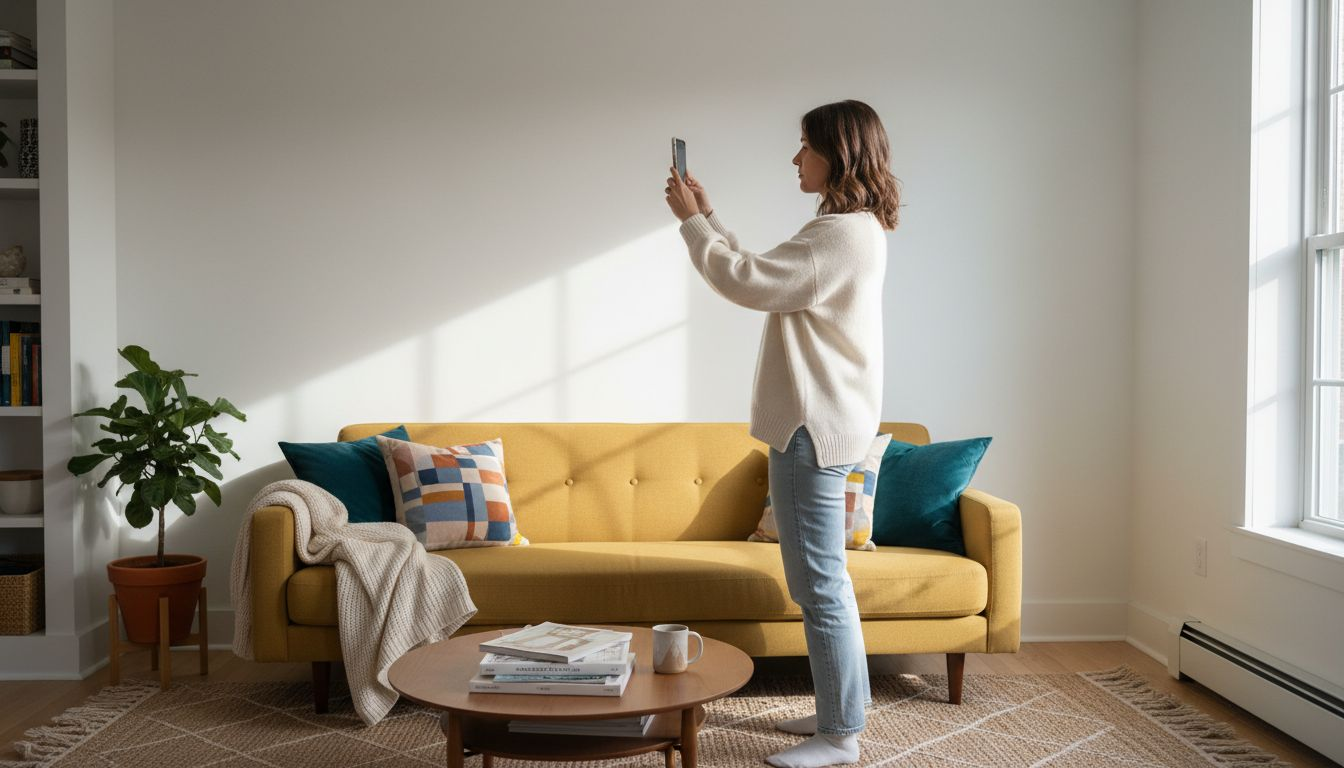
Redecorating a home often brings the challenge of blending personal style with thoughtful design. Many North American and European homeowners want their walls to showcase art that feels both unique and connected to their daily lives. Strategic art selection starts with understanding your own space and striking a balance between visual interest and harmony, guiding every step from measuring walls to finding prints that truly resonate with your style.
Table of Contents
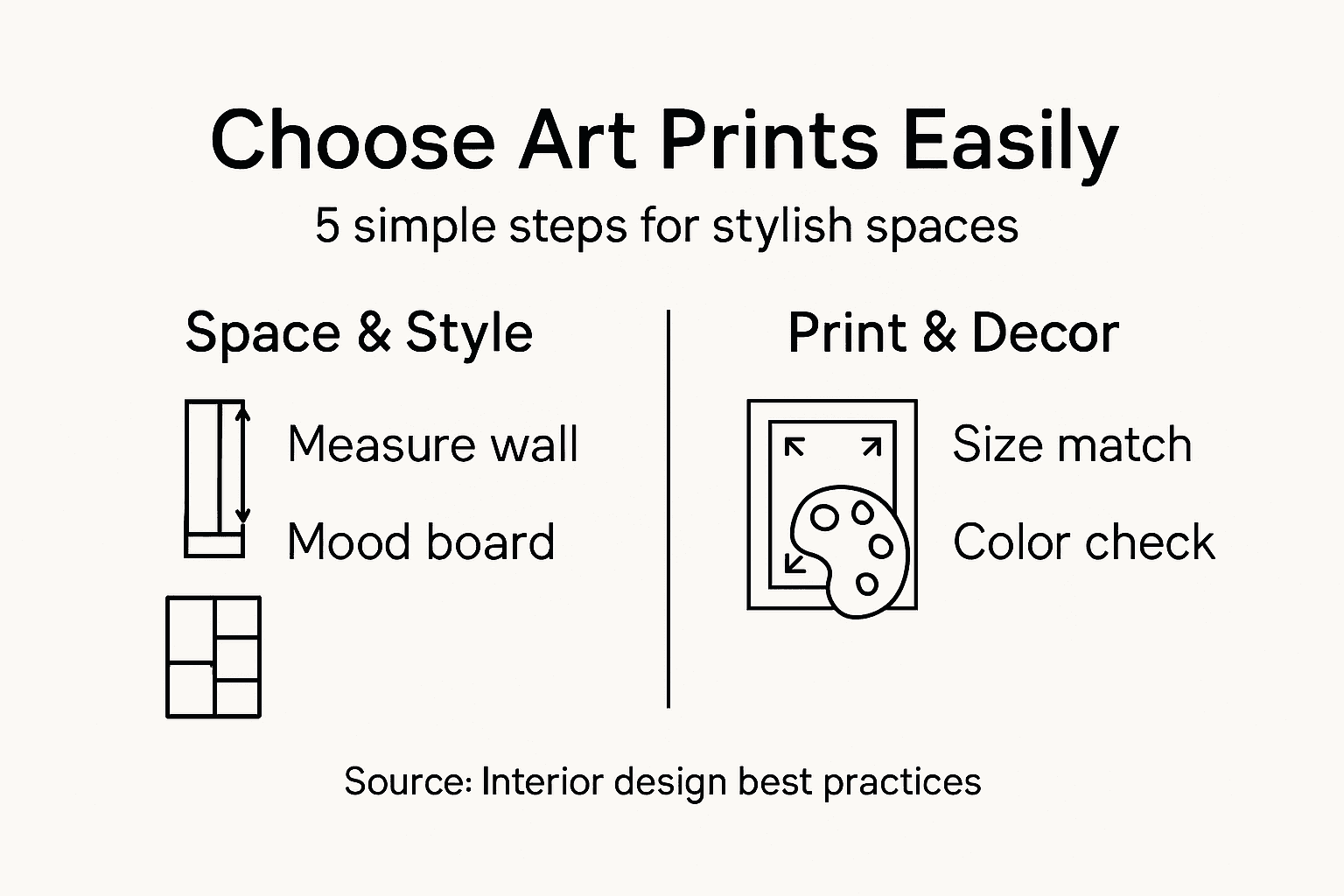
- Step 1: Assess Your Space And Wall Dimensions
- Step 2: Define Your Style And Preferred Themes
- Step 3: Select Prints To Complement Existing Decor
- Step 4: Pick The Right Print Sizes And Orientations
- Step 5: Verify Colors And Finish For Harmony
Quick Overview
| Key Insight | Explanation |
|---|---|
| 1. Measure your wall dimensions | Accurate measurements prevent overcrowding and ensure chosen prints fit perfectly. Focus on width, height, furniture, and lighting. |
| 2. Define your artistic style | Curate art that reflects your personal aesthetic and emotional connections for a cohesive decor experience. |
| 3. Select complementary prints | Choose prints that align with your existing decor’s style, colors, and proportions for visual harmony. |
| 4. Consider print sizes and orientations | Different sizes/positions affect room impact; mix orientations for a balanced visual narrative. |
| 5. Match colors and finishes | Harmonize print colors and finishes with your interior palette to create a cohesive aesthetic appeal. |
Step 1: Assess your space and wall dimensions
Choosing the perfect art prints begins with understanding the unique canvas of your living space. Before selecting any artwork, you need to conduct a strategic measurement and assessment of your walls to ensure harmonious placement and visual impact.
Start by measuring the width and height of the wall space where you plan to display art. Use a metal tape measure for precision, recording exact dimensions. Measuring wall dimensions carefully helps prevent overcrowding and ensures your prints will fit beautifully. Consider these key factors:
- Wall width from corner to corner
- Ceiling height affecting vertical placement
- Furniture positioning that might impact art placement
- Natural lighting conditions that could affect art visibility
Take time to visually map out potential art arrangements. Professional designers recommend creating mock layouts using painter’s tape or paper templates to simulate how prints will look before making final decisions. This technique allows you to experiment with different configurations and understand how art will interact with your existing room design.
Spatial awareness is crucial: Your art should enhance the room, not compete with its existing elements.
Pay attention to the positive and negative space in your room. Not every wall requires art, and strategic placement can dramatically transform a room’s aesthetic. Some walls might benefit from a single statement piece, while others could accommodate a gallery-style arrangement.
Pro tip: Photograph your wall space and use digital editing tools or art placement apps to preview potential print arrangements before purchasing.
Step 2: Define your style and preferred themes
Selecting art prints is more than just choosing visually appealing images – it’s about curating a collection that genuinely reflects your personal aesthetic and emotional landscape. Understanding your unique artistic preferences will help you create a meaningful and cohesive home decor experience.
Understanding art style and themes involves exploring various artistic dimensions that resonate with your personality. Consider these key aspects when defining your preferred artistic approach:
- Personal narratives that inspire you
- Emotional connections to specific visual styles
- Cultural backgrounds influencing your aesthetic
- Color palettes that energize or calm your space
- Life experiences that shape your artistic taste
Art themes can range widely from abstract expressions to realistic representations. Some people are drawn to landscapes that evoke tranquility, while others prefer urban scenes that capture dynamic energy. Explore diverse thematic categories like:
- Nature and wildlife
- Urban landscapes
- Minimalist geometric designs
- Vintage and retro illustrations
- Cultural and historical representations
Your art collection should tell a story that is uniquely yours, reflecting your inner world and personal journey.
Professional designers recommend creating a mood board or digital collection to visualize how different artistic themes might complement your living space. Pay attention to the emotional response certain styles evoke and how they interact with your existing decor.
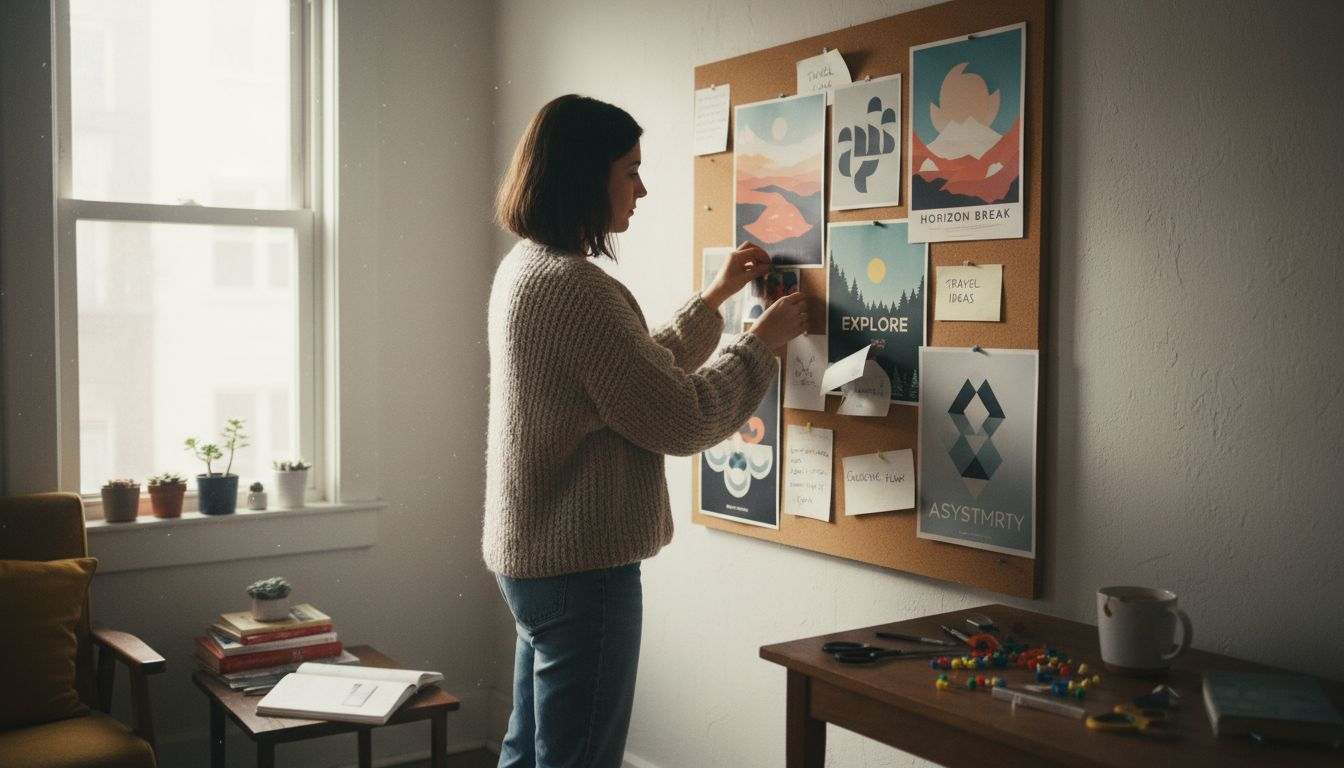
Pro tip: Create a digital folder or Pinterest board to collect art images that consistently attract your attention, helping you identify your true aesthetic preferences.
Step 3: Select prints to complement existing decor
Selecting art prints is a strategic process of harmonizing visual elements to create a cohesive and engaging living space. Your goal is to choose pieces that not only stand out but also seamlessly integrate with your current interior design.
Selecting works that enhance environment requires careful consideration of your existing decor’s color palette, style, and overall aesthetic. Consider these critical elements when matching art prints:
- Color coordination with existing furniture and walls
- Style alignment with room’s design theme
- Scale and proportion of artwork relative to space
- Texture and visual weight of prints
- Emotional resonance with room’s intended atmosphere
Understand the fundamental principles of visual harmony. Different design styles require unique approaches:
- Modern minimalist spaces benefit from clean, geometric prints
- Traditional rooms work well with classic or realistic artwork
- Eclectic interiors can handle more experimental and diverse print selections
- Neutral color schemes provide flexibility for bold artistic statements
- Vibrant environments might need more subdued print selections
The perfect art print doesn’t compete with your decor – it completes it.
Professional designers recommend creating a visual dialogue between your artwork and existing design elements. Look for subtle connections in color, mood, or conceptual themes that will help your prints feel intentionally placed.
Pro tip: Use painter’s tape to mock up print placements and experiment with different arrangements before making final hanging decisions.
Step 4: Pick the right print sizes and orientations
Selecting the perfect print size and orientation can transform a plain wall into a stunning visual narrative. Your goal is to choose artwork that not only fits physically but also creates the right visual impact for your specific space.
Standard print size considerations help ensure your artwork looks intentional and professionally displayed. Understanding print dimensions involves more than simple measurement – it requires strategic visual planning.
Consider these key factors when selecting print sizes:
- Wall space dimensions proportional to artwork
- Furniture placement affecting print positioning
- Ceiling height influencing vertical arrangements
- Room traffic flow and visual breathing room
- Viewing distance from primary seating areas
Art print orientations can dramatically change a room’s aesthetic:
Here’s how print orientation and size affect room appearance:
| Orientation/Size | Best Placement | Visual Effect |
|---|---|---|
| Landscape (wide) | Above sofas or long furniture | Makes walls appear wider |
| Portrait (tall) | On narrow wall spaces | Adds height and drama |
| Square | Between windows or above tables | Creates balanced symmetry |
| Large Statement | Main feature wall | Draws instant attention |
| Small/Grouped Prints | Gallery wall or hallway | Adds visual variety, depth |
- Landscape prints work well above long furniture pieces
- Portrait prints add height and drama to narrow walls
- Square prints create balanced, symmetrical looks
- Vertical arrangements make ceilings appear higher
- Horizontal arrangements can visually expand narrow spaces
Size and orientation are not just measurements – they’re storytelling tools for your space.
Professional designers recommend creating visual balance by mixing print sizes and orientations. A gallery wall might combine multiple print sizes, while a minimalist approach could feature one large statement piece.
Pro tip: Use painter’s tape to create exact print size outlines on your wall, helping you visualize the final arrangement before making any purchases.
Step 5: Verify colors and finish for harmony
Creating a visually harmonious art print collection requires more than randomly selecting appealing images. Your goal is to craft a color palette and print finish that seamlessly integrates with your existing interior design and creates a cohesive visual experience.
Color harmony principles reveal the nuanced art of selecting prints that complement your space. Understanding color interactions is key to achieving a sophisticated and balanced aesthetic.
Consider these critical color and finish selection strategies:
- Color temperature matching room’s existing palette
- Saturation levels that create visual interest
- Print finish reflecting room’s overall style
- Tonal variations preventing monotony
- Contrast and depth enhancing visual appeal
Explore different print finish options that enhance your artwork:
Here’s a quick reference for matching print finishes to interior styles:
| Print Finish | Ideal Room Style | Visual Impact |
|---|---|---|
| Matte | Cozy, soft interiors | Subtle and low-reflection |
| Glossy | Modern, high-contrast | Sharp and vivid colors |
| Metallic | Minimalist, chic | Adds subtle shine, dimension |
| Canvas | Rustic, relaxed spaces | Provides texture, warmth |
| Framed Prints | Formal, classic rooms | Structured and polished look |
- Matte finishes for soft, subtle environments
- Glossy prints for modern, high-contrast spaces
- Metallic finishes adding dimension to minimalist rooms
- Canvas prints creating textural depth
- Framed prints providing structured elegance
Color is a language that speaks without words, transforming spaces through subtle visual dialogues.
Professional designers recommend creating a color mood board to test potential print combinations. This allows you to experiment with different color relationships and finishes before making final selections.
Pro tip: Use natural and artificial lighting to preview print colors, as different light conditions can dramatically alter color perception.
Elevate Your Space with the Perfect Art Prints Today
Choosing art prints can feel overwhelming when faced with measurements, color harmony, and style choices. This article highlights how vital it is to consider factors like wall dimensions, print sizes, and decor harmony before making your selection. Many people struggle to find prints that truly complement their room rather than clash with existing elements. At artmandre.com, we understand these challenges and offer a curated collection that makes stylish decorating simpler and more inspiring.

Discover a wide variety of retro, vintage, modern, and thematic art prints ready to fit your unique space and style. Whether you need a bold statement piece or a cohesive set to create a gallery wall, our easy-to-browse selections and special promotions like buy 2 get 1 free let you experiment freely and transform your living area with confidence. Start your art journey now by visiting artmandre.com and explore how each print can bring harmony and personality to your home. Don’t wait to make your walls speak your style—shop our collection and enjoy stunning art that fits perfectly.
Frequently Asked Questions
How do I measure my wall space for art prints?
To measure your wall space accurately, use a metal tape measure to determine the width and height of the area where you want to display art. Record these dimensions to ensure your prints will fit beautifully and enhance the room’s aesthetic.
What should I consider when defining my art style and themes?
Consider aspects like personal narratives, emotional connections, and cultural backgrounds that influence your aesthetic. Create a mood board to visualize these elements together and help identify a cohesive style that resonates with your preferences.
How can I select art prints that complement my existing decor?
Choose art prints that align in color and style with your current furniture and overall room theme. Analyze the emotional resonance of your selections to ensure they enhance the atmosphere of your living space.
What factors should I keep in mind when picking print sizes and orientations?
Consider the dimensions of your wall space, furniture placement, and the viewing distance from primary seating areas. Use painter’s tape to mock up the size and orientation of your prints to visualize how they will look before making a purchase.
How do I verify colors and finishes for my art prints?
Check that the colors of the art prints match the temperature and saturation levels of your room’s palette. Experiment with different print finishes, such as matte or glossy, to find combinations that create visual harmony in your space.