

Blog
Why Choose Art Prints: Style, Value, and Impact
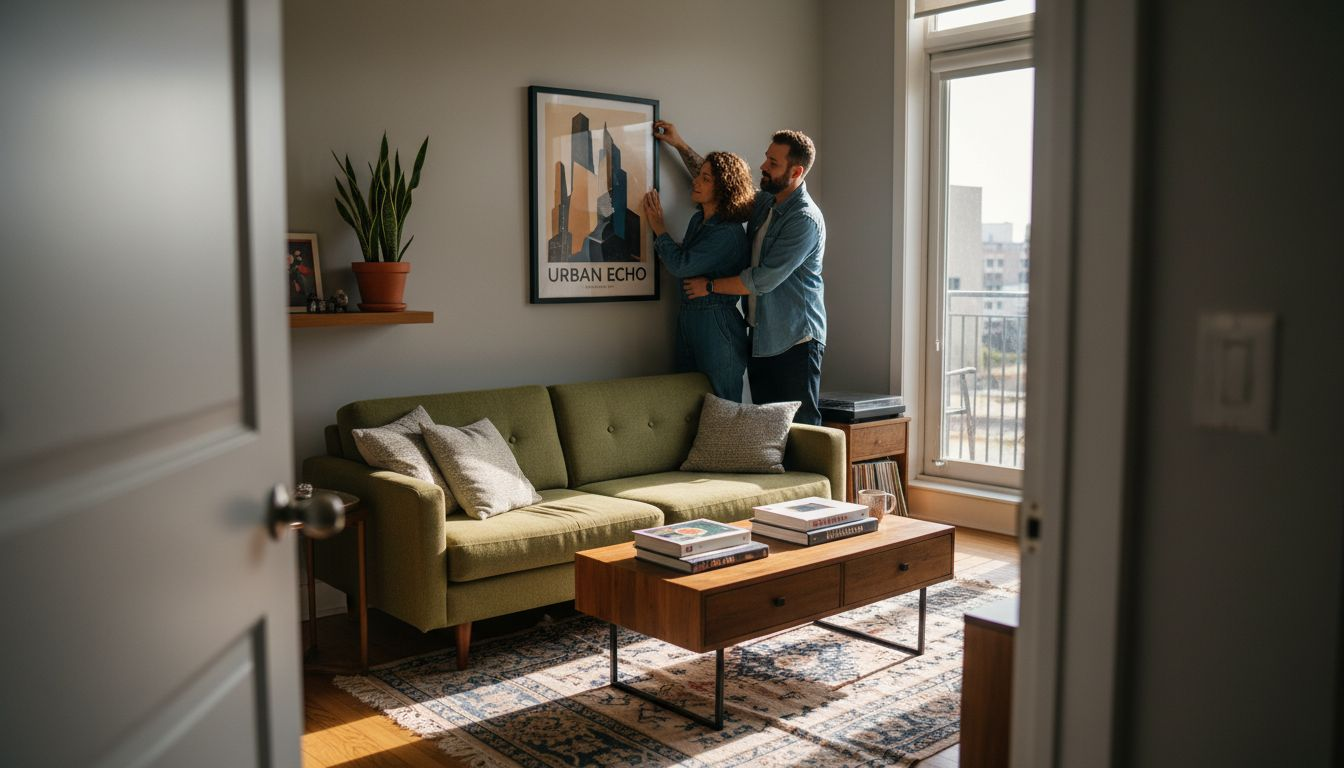
Finding the right balance between style and affordability can feel challenging when adding personality to your urban apartment or loft. Retro and vintage art prints offer a smart way to create a curated atmosphere without overspending on original artwork. By choosing high-quality art prints, you can enjoy museum-quality visual impact while expressing your individual story in a modern space that stands out from the ordinary.
Table of Contents
- Art Prints Defined: Reproductions and Myths
- Popular Art Print Styles and Themes
- How Art Prints Transform Living Spaces
- Affordability and Accessibility Advantages
- Comparing Art Prints to Originals
- Common Mistakes When Buying Art Prints
Key Takeaways
| Point | Details |
|---|---|
| Understanding Art Prints | Art prints offer affordable access to high-quality reproductions, allowing consumers to enjoy art without exorbitant costs. |
| Quality Assessment | When selecting art prints, ensure to evaluate print quality, such as resolution and materials, to ensure long-term satisfaction. |
| Emotional Impact | Art prints not only enhance aesthetic appeal but also influence emotional well-being and personal expression within living spaces. |
| Avoiding Common Pitfalls | Be cautious of factors like authenticity and print quality to make informed purchases and avoid regrettable decisions. |
Art Prints Defined: Reproductions and Myths
Art prints represent carefully crafted reproductions of original artworks, designed to make art accessible and affordable for design-conscious consumers. Unlike original paintings, these prints provide an opportunity to enjoy compelling visual aesthetics without investing thousands of dollars in a single piece.
At their core, art prints involve sophisticated reproduction techniques that capture the essence of the original artwork with remarkable precision. The process typically involves several key methods:
- Giclee printing: High-quality digital reproduction using archival inks
- Screen printing: Traditional technique creating vibrant, layered colors
- Lithography: Classic method using stone or metal plates for image transfer
- Digital printing: Modern technique enabling mass production with consistent quality
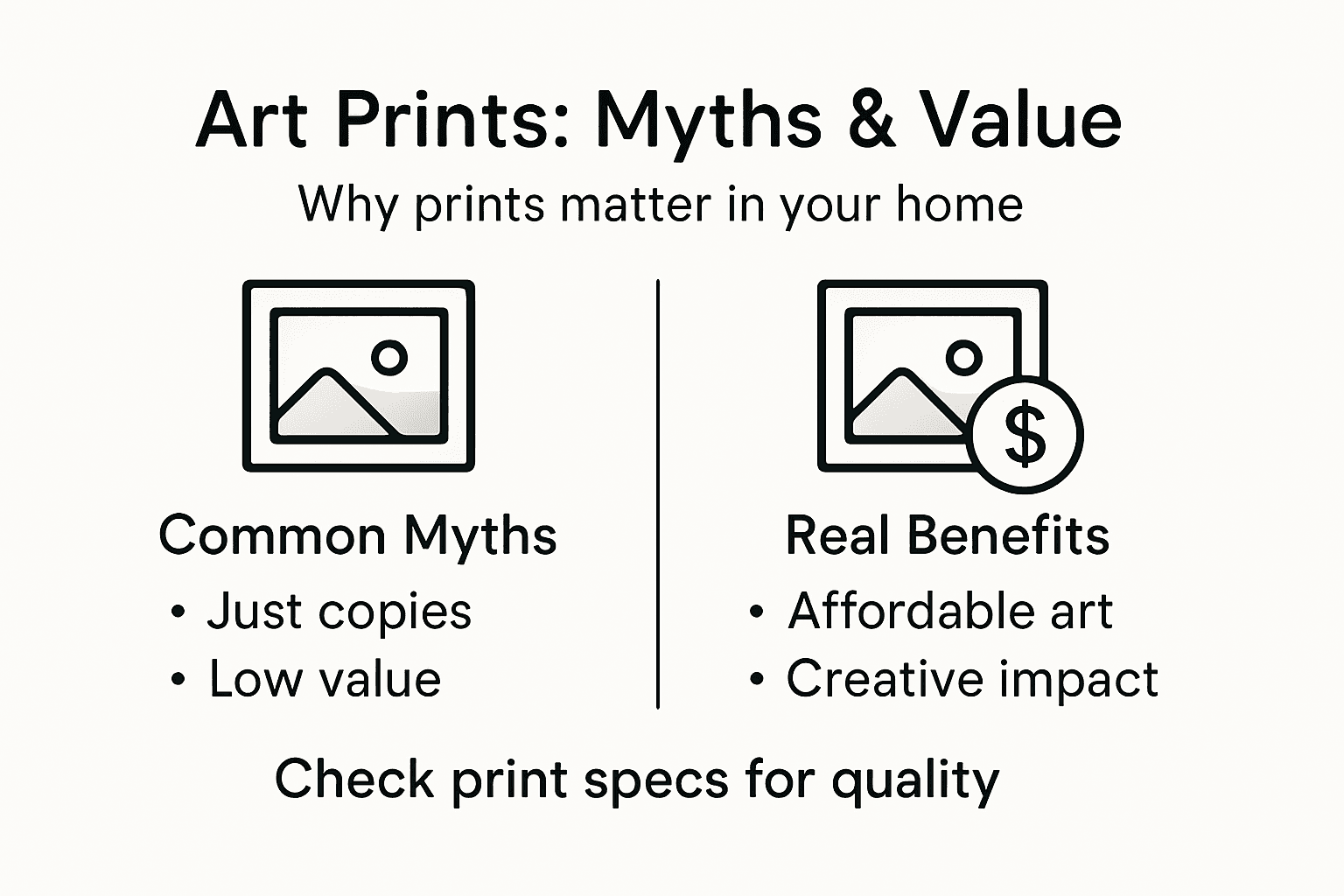
Contrary to popular misconceptions, art prints are not mere cheap copies but legitimate artistic expressions. Limited edition art prints represent particularly valuable collectible items, often numbered and signed by artists, which can appreciate in value over time.
Many consumers mistakenly believe art prints lack authenticity or artistic merit. However, professional art prints require sophisticated technical skills, precise color matching, and high-grade materials to reproduce an artwork’s original visual impact. Professional printmakers invest significant expertise in creating museum-quality reproductions that honor the original artist’s vision.
Here’s a concise comparison of popular art print production methods and their unique characteristics:
| Method | Visual Impact | Common Uses |
|---|---|---|
| Giclee Printing | High color accuracy | Fine art reproductions |
| Screen Printing | Bold, layered colors | Posters, limited editions |
| Lithography | Detailed, rich texture | Classic prints, vintage art |
| Digital Printing | Consistent mass production | Affordable prints, custom designs |
Key Characteristics of Quality Art Prints:
- Archival-grade paper selections
- Precise color calibration
- Limited edition numbering
- Artist authentication
- Archival ink technologies
Pro tip: When selecting art prints, examine the printing technique, paper quality, and edition size to ensure you’re investing in a genuine, high-quality reproduction.
Popular Art Print Styles and Themes
Art prints have evolved into a diverse landscape of styles and themes, offering design-conscious consumers an expansive range of visual expressions. Art print techniques demonstrate remarkable diversity, from traditional methods to contemporary digital innovations that cater to varied aesthetic preferences.
Traditional art print styles encompass several distinctive techniques that have shaped artistic reproduction for centuries:
- Woodcuts: Ancient technique creating bold, graphic visual textures
- Lithography: Chemical-based method producing intricate detailed images
- Screen printing: Layer-based technique generating vibrant, saturated colors
- Etching: Metal plate method creating fine, delicate line work
- Digital giclée: Modern high-resolution printing providing museum-quality reproductions
Contemporary art print themes reflect an exciting blend of cultural influences, personal expression, and design trends. Popular categories include:
- Minimalist geometric designs
- Nature and botanical illustrations
- Urban landscape photography
- Abstract expressionist compositions
- Vintage travel and movie poster aesthetics
- Retro scientific and architectural diagrams
Digital technologies have revolutionized art print production, enabling unprecedented color accuracy and material versatility. Artists and printmakers now utilize advanced techniques like archival inkjet printing and precision color calibration to create museum-quality reproductions that capture subtle nuances of original artworks.
Modern art prints bridge the gap between accessibility and artistic authenticity, allowing consumers to own high-quality visual representations of compelling artistic visions.
Emerging Art Print Trends:
- Sustainable and eco-friendly printing materials
- Limited edition numbered prints
- Customizable sizing and framing options
- Multicultural and global design influences
- Crossover between digital and traditional art techniques
Pro tip: When exploring art print styles, consider how the printing technique and material will complement your existing decor and personal aesthetic preferences.
How Art Prints Transform Living Spaces
Art prints are far more than decorative elements; they are powerful tools for personal expression and spatial transformation. Art’s role in living spaces extends beyond aesthetic enhancement, creating profound psychological and emotional impacts that redefine how we experience our environments.
The transformative power of art prints manifests through several key dimensions:
- Emotional Atmosphere: Curating specific moods and feelings
- Personal Narrative: Reflecting individual identity and experiences
- Visual Dynamics: Creating focal points and spatial balance
- Psychological Well-being: Stimulating positive mental states
- Design Flexibility: Adaptable to multiple interior styles
Psychologically, art prints function as visual anchors that communicate personal stories and emotional landscapes. Different styles and themes can dramatically alter room perception – minimalist geometric prints create a sense of order and calm, while vibrant abstract compositions inject energy and dynamism into living spaces.
Art prints are not merely decorations, but conversations between personal identity and spatial design, transforming blank walls into narratives of individual expression.
Strategic art print placement can fundamentally reshape spatial perception:
- Large statement pieces create visual depth
- Gallery walls generate dynamic visual interest
- Thematic collections establish cohesive design languages
- Varied frame styles introduce textural complexity
- Strategically positioned prints can make rooms feel larger or more intimate
Psychological Benefits of Art Print Curation:
The following table summarizes how different art print styles influence interior design goals:
| Style | Mood Created | Room Placement Ideas |
|---|---|---|
| Minimalist Geometry | Calm, orderly | Office, modern living room |
| Botanical/Nature | Fresh, relaxing | Bedroom, sunroom |
| Urban Photography | Energetic, dynamic | Hallway, loft apartment |
| Abstract Expression | Vibrant, creative | Studio, lounge area |
- Reduces stress and anxiety
- Enhances cognitive stimulation
- Promotes personal creative expression
- Improves overall living space satisfaction
- Creates conversational focal points
Pro tip: Select art prints that resonate with your emotional state and design aesthetic, allowing them to serve as both decorative elements and personal narrative tools.

Affordability and Accessibility Advantages
Art prints democratize art ownership by providing an affordable alternative to original artworks, making high-quality visual experiences accessible to a broader audience. Art print investment represents a strategic approach for design-conscious consumers seeking to elevate their living spaces without exhausting their financial resources.
The economic advantages of art prints extend across multiple dimensions:
- Cost-Effective Aesthetics: Significantly lower price points compared to original artworks
- Diverse Price Ranges: Options available for every budget
- Flexibility in Collecting: Ability to rotate and update art collections frequently
- Low-Risk Investment: Minimal financial commitment with potential aesthetic returns
- Quality Reproduction: Professional-grade prints matching original artwork’s visual impact
Modern digital printing technologies have revolutionized art accessibility, enabling precise color reproduction and archival-quality prints at surprisingly affordable price points. This technological advancement means consumers can now acquire museum-quality reproductions that capture the essence of original artworks with remarkable fidelity.
Art prints transform financial limitations from barriers into opportunities for creative expression and personal style.
Economic Benefits of Choosing Art Prints:
- Lower initial investment compared to original artworks
- Multiple purchasing options
- Easy replacement and collection rotation
- Minimal storage and maintenance costs
- High visual impact relative to cost
Comparative Price Perspectives:
- Original painting: $500-$50,000
- Limited edition print: $50-$500
- Mass-produced art print: $20-$150
Pro tip: Consider purchasing art prints during promotional periods or from emerging artists to maximize value and build a unique, budget-friendly art collection.
Comparing Art Prints to Originals
Understanding the nuanced differences between art prints and original paintings helps consumers make informed collecting decisions. Art prints versus original paintings represent two distinct approaches to artistic appreciation, each offering unique value propositions for design-conscious collectors.
Key distinguishing characteristics between art prints and original artworks include:
- Production Method: Hand-created versus technologically reproduced
- Uniqueness: Singular piece versus multiple potential reproductions
- Texture: Physical brushstrokes versus flat surface representation
- Value Potential: Direct artistic investment versus accessible reproduction
- Price Range: Substantial investment versus affordable acquisition
Original paintings represent singular artistic expressions with inherent tactile and visual complexity. Artists invest considerable time creating unique works featuring dimensional brushstrokes, subtle color variations, and distinctive textural qualities that cannot be completely replicated through printing technologies.
Art prints democratize artistic experiences, transforming exclusive original artwork into accessible visual narratives for broader audiences.
Comparative Analysis:
- Original Paintings:
- Unique, one-of-a-kind artwork
- Higher financial investment
- Direct artist connection
- Complex physical textures
- Potential significant appreciation
- Art Prints:
- Reproducible artistic representations
- More affordable price points
- Consistent color reproduction
- Widely accessible
- Multiple ownership possibilities
Financial and Aesthetic Considerations:
- Original painting value range: $500-$50,000
- Limited edition print value range: $50-$500
- Mass-produced print value range: $20-$150
Pro tip: Consider your collection goals – whether prioritizing unique artistic investment or creating versatile, affordable visual experiences.
Common Mistakes When Buying Art Prints
Navigating the art print marketplace requires careful consideration to avoid costly and disappointing purchases. Essential art print buying tips can help design-conscious consumers make informed decisions and build meaningful art collections.
Most common mistakes when purchasing art prints include:
- Ignoring Print Quality: Overlooking resolution and color accuracy
- Skipping Authenticity Verification: Failing to confirm print provenance
- Disregarding Framing Requirements: Buying prints without considering display needs
- Impulse Purchasing: Buying without understanding personal aesthetic
- Neglecting Size Considerations: Selecting prints inappropriate for space
Quality assessment involves multiple critical dimensions beyond visual appeal. Consumers should carefully examine print resolution, paper type, ink quality, and production technique to ensure long-term satisfaction and aesthetic value.
Smart art print purchasing involves more than visual attraction – it requires strategic understanding of technical and aesthetic nuances.
Red Flags in Art Print Selection:
- Suspiciously low pricing
- Lack of artist or production information
- Unclear reproduction details
- Missing certification documentation
- Vague printing technique descriptions
Technical Evaluation Checklist:
- Archival ink quality
- Paper weight and texture
- Color accuracy
- Print resolution
- Limited edition verification
Pro tip: Request detailed print specifications and authenticity documentation before finalizing your art print purchase.
Discover Affordable Style and Lasting Impact with Art Prints
Are you ready to transform your living space with high-quality art prints that combine style, value, and emotional connection? This article highlights the challenge of finding authentic and visually striking art prints that fit your design goals without breaking the bank. At artmandre.com, we specialize in curated art prints featuring retro, vintage, modern, and thematic designs that allow you to express your personal story while enhancing any room’s atmosphere.

Explore our carefully selected collection, including unique posters like vintage maps and Bauhaus-inspired artwork, that offer museum-quality reproduction, limited edition options, and stunning printing techniques all at accessible prices. Take advantage of our exciting promotions like buy 2 get 1 free and discover how investing in thoughtful art prints can elevate your home decor and create meaningful visual narratives. Start browsing now at artmandre.com and redefine your space with art that speaks to you.
Frequently Asked Questions
What are art prints, and how do they differ from original artworks?
Art prints are high-quality reproductions of original artworks created using various printing techniques. Unlike original artworks, which are one-of-a-kind pieces crafted by an artist, art prints can be produced in multiple copies, offering a more affordable and accessible option for collectors.
What printing methods are commonly used for art prints?
Common printing methods for art prints include giclee printing, screen printing, lithography, and digital printing. Each technique provides unique visual characteristics and is suitable for different art styles and applications.
Are limited edition art prints worth investing in?
Yes, limited edition art prints can be valuable investments, as they are often numbered and signed by the artist. Their scarcity can lead to appreciation in value over time, making them collectible items for art enthusiasts.
How can I enhance my living space with art prints?
Art prints can transform spaces by reflecting personal narratives, creating emotional atmospheres, and serving as focal points. Strategically placing art prints, such as creating gallery walls or using large statement pieces, can significantly enhance the design and feel of your home.