
Blog
Japanese Art Print Trends for Home Decor
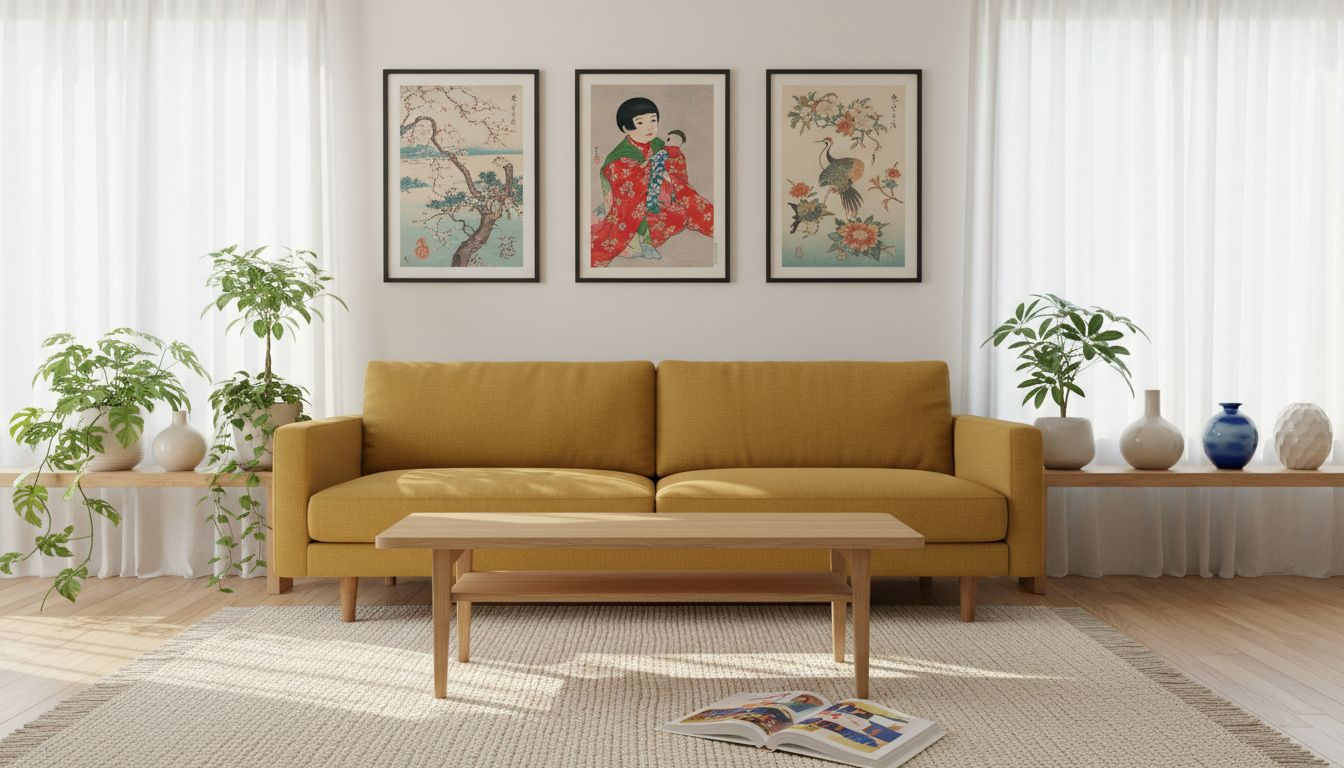
Finding artwork that combines history, meaning, and visual impact can be a challenge for collectors and interior decorators seeking something unique for their spaces. Japanese art prints offer more than eye-catching motifs—they embody centuries of cultural tradition, from the spiritual roots of Buddhist and Shinto practices to the celebrated elegance of ukiyo-e woodblock prints. Choosing these pieces for your home introduces both timeless sophistication and authentic storytelling that align with contemporary design trends and infuse any interior with genuine cultural significance.
Table of Contents
- Japanese Art Print Origins And Meaning
- Major Styles And Printmaking Techniques
- Notable Artists And Influential Movements
- Collecting Japanese Prints For Interiors
- Preserving, Displaying, And Common Pitfalls
Key Takeaways
| Point | Details |
|---|---|
| Origins of Japanese Printmaking | Japanese printmaking began in the 8th century and evolved into the ukiyo-e style during the Edo period, reflecting urban culture and spiritual traditions. |
| Significance of Themes | Japanese prints often illustrate themes such as natural beauty, kabuki theatre, and mythological narratives, offering a glimpse into cultural values and aesthetics. |
| Printmaking Techniques | Authentic Japanese prints utilise traditional woodblock techniques with multiple skilled artisans involved, ensuring high-quality craftsmanship and cultural integrity. |
| Collecting with Purpose | When building a collection, focus on personal appeal and authenticity by understanding key factors like artist reputation, print condition, and provenance. |
Japanese art print origins and meaning
Japanese art prints represent centuries of cultural expression, blending spiritual traditions with everyday observations. These works emerged from a fascinating history that shapes how we appreciate them in modern homes today.
The foundations of Japanese printmaking
Japanese printmaking originated in the 8th century with Buddhist texts, evolving gradually into the distinctive art form we recognise today. The real transformation happened during the Edo period, when artisans developed intricate, colourful woodblock prints called ukiyo-e, meaning “pictures of the floating world.”
This period marked a shift from religious texts to depicting urban culture, kabuki actors, landscapes, and folklore. The technique became so refined that Japanese printmaking traditions influenced Western art movements centuries later.
Understanding ukiyo-e and mokuhanga
Ukiyo-e woodblock prints captured the essence of Japanese society during the Edo and Meiji periods. Artists created these works using mokuhanga, the traditional woodblock technique celebrated for exceptional craftsmanship and natural materials.
The process required:
- Carving intricate designs into wooden blocks with precision tools
- Applying natural pigments and inks to each block separately
- Hand-pressing paper onto the prepared blocks
- Combining multiple blocks to create multi-coloured images
Each print represented hours of skilled labour, making them valuable cultural artefacts rather than mass-produced commodities.
What Japanese prints reveal about culture
These prints tell stories about Japanese society, spirituality, and aesthetics. Buddhist and Shinto spiritual influences shaped the subjects and composition of artworks, reflecting deep respect for nature and harmony.
Common themes include:
- Mountain landscapes and seasonal changes
- Cherry blossoms and water scenes
- Kabuki theatre performers and portraits
- Daily life in bustling towns
- Mythological and folklore narratives
When you display Japanese prints in your home, you’re not simply hanging decoration—you’re inviting centuries of artistic tradition and cultural meaning into your space.
Why this matters for your décor
Understanding the origins helps you appreciate why these prints work beautifully in contemporary interiors. The balance, composition, and colour harmony reflect principles that remain relevant today.
When selecting Japanese art prints from ArtMandre, you’re choosing pieces with genuine cultural significance alongside aesthetic appeal. The historical depth adds authenticity that mass-produced décor cannot replicate.
Japanese prints merge artistic mastery with cultural storytelling—each piece carries meaning beyond its visual beauty.
Pro tip: Research the specific subject matter of any Japanese print before purchasing; understanding whether it depicts a landscape, portrait, or seasonal scene helps you select works that align with your interior design vision and personal taste.
Major styles and printmaking techniques
Japanese printmaking evolved through three distinct movements, each with unique aesthetics and methods. Understanding these styles helps you recognise what you’re looking at when selecting prints for your home.
Three major printmaking movements
Japanese printmaking includes Ukiyo-e, Shin-Hanga, and Sosaku-Hanga, each representing different artistic philosophies. Ukiyo-e refers to woodblock prints from the Edo period showing urban culture and landscapes with vibrant multi-colour printing.
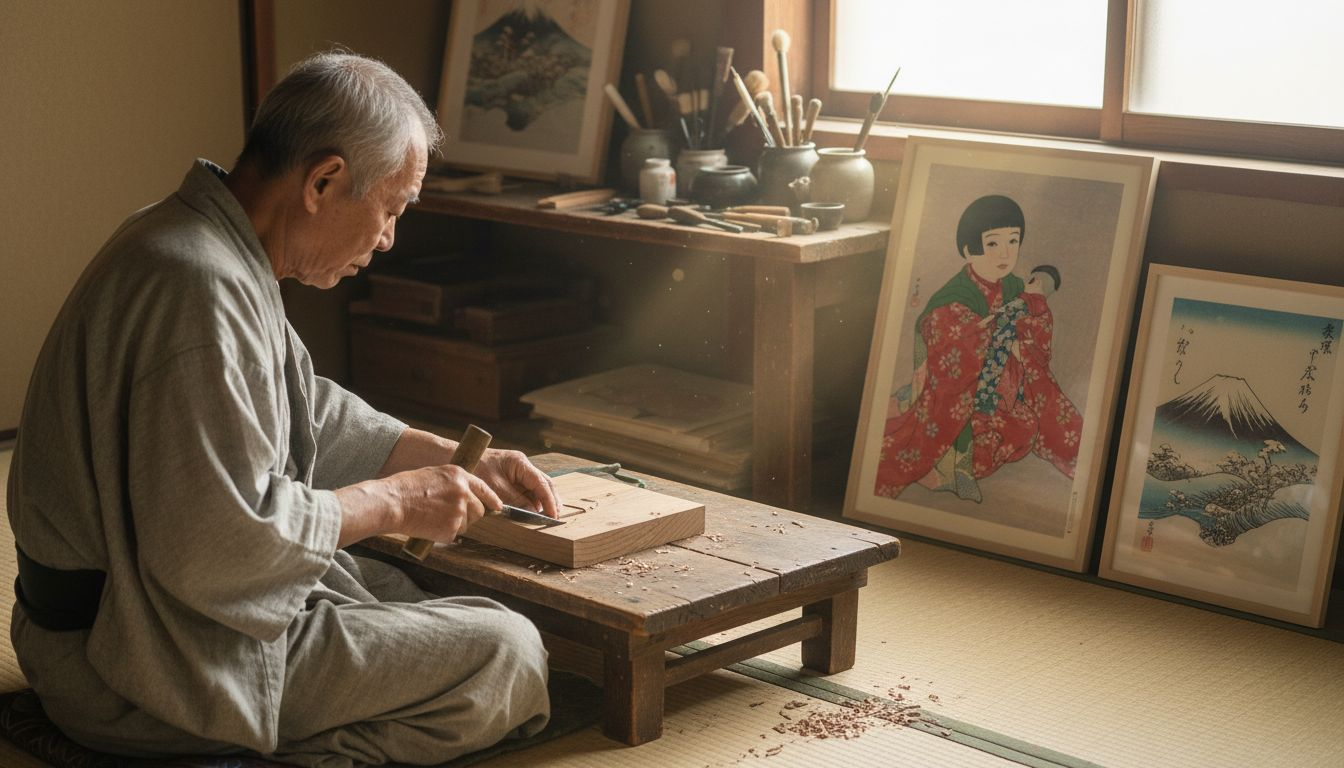
Shin-Hanga revived traditional woodblock techniques by blending them with Western naturalism, creating a bridge between historical and modern aesthetics. Sosaku-Hanga emphasised artist-made prints with complete creative freedom, allowing individual artists to control every stage of production.
Each movement developed distinct visual characteristics that remain recognisable in contemporary Japanese art prints available through ArtMandre.
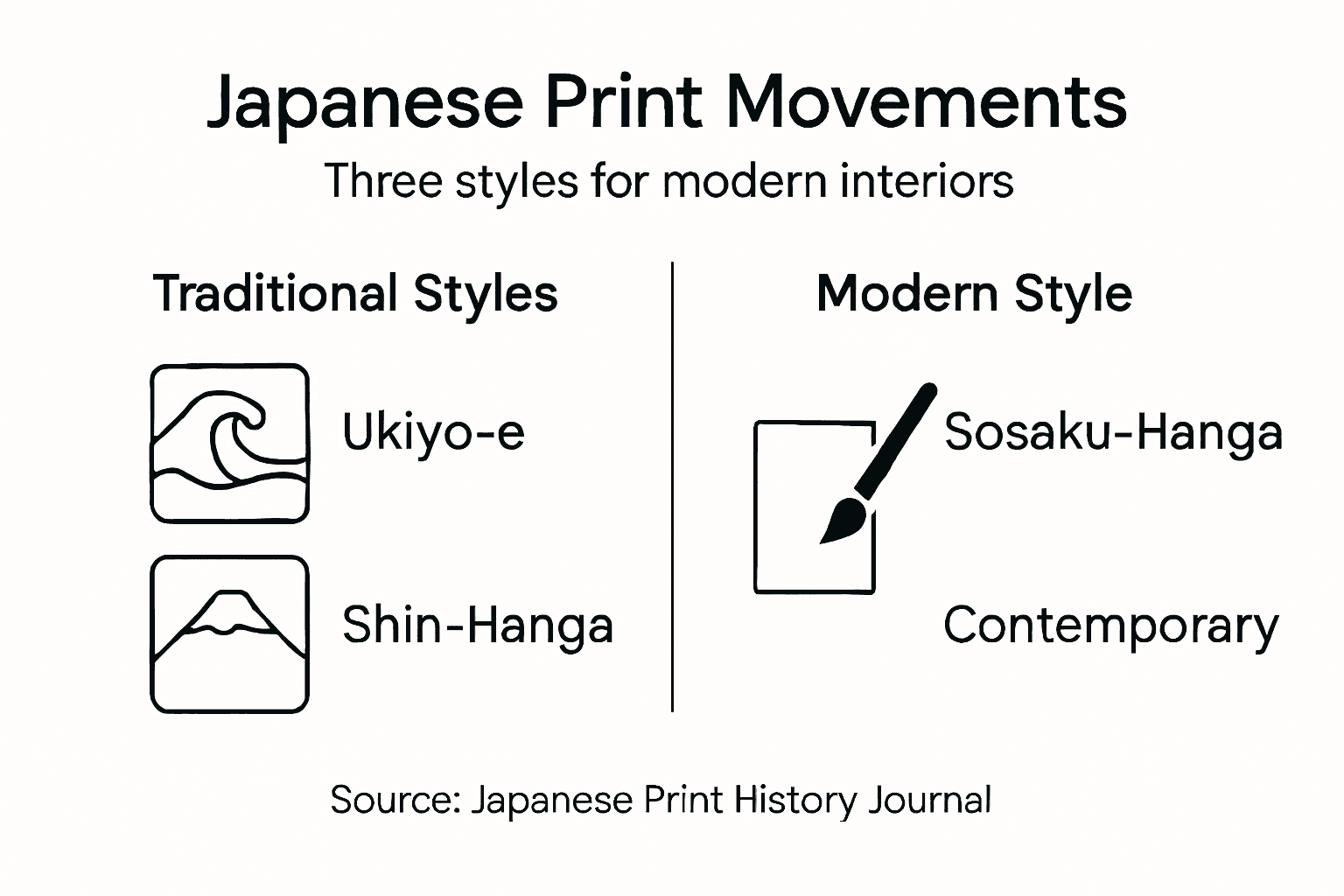
Here’s how the major Japanese printmaking movements differ at a glance:
| Movement | Era | Artistic Focus | Notable Characteristics |
|---|---|---|---|
| Ukiyo-e | Edo (17th–19th c.) | Urban culture and landscapes | Multi-block colour printing |
| Shin-Hanga | Early 20th century | Revival with Western influence | Emphasis on light, perspective |
| Sosaku-Hanga | 20th century on | Artist-led creative freedom | Individual expression, small runs |
The woodblock printing process
Traditional Japanese printmaking relies on woodblock printing with carefully selected cherry wood for durable, detailed blocks. The process requires specialised carving tools and remarkable precision to create the intricate designs.
Japanese woodblock techniques involve collaboration between four skilled professionals:
- Artist creates the original design vision
- Engraver carves the wooden blocks with precision
- Printer applies inks and colours accurately
- Publisher oversees production and distribution
This collaborative approach ensures quality control and artistic integrity throughout the creation process.
Specialised printing techniques
Mastering texture and visual effects requires advanced methods beyond basic block printing. Several distinctive techniques create the signature appearance of authentic Japanese prints.
Key techniques include:
- Bokashi (gradient printing) creates smooth colour transitions
- Kira-e (mica dust application) adds shimmering effects
- Karazuri (blind embossing) produces raised, textured areas without ink
- Kentô (precise registration) ensures perfect colour alignment across multiple blocks
- Baren hand rubbing transfers ink with controlled, even pressure
These methods transform simple wooden blocks into masterpieces of colour, texture, and depth.
Recognising quality in Japanese prints
Understanding the production process helps you evaluate print quality. Hand-carved blocks and hand-printed surfaces show subtle variations that distinguish authentic work from mechanical reproductions.
Colour layering demonstrates technical skill; registration accuracy reveals the printer’s precision. Natural pigments and quality paper affect both appearance and longevity.
Traditional Japanese printmaking combines artistic vision with technical mastery—both elements are essential for creating works that endure.
Pro tip: When examining Japanese prints, look closely at colour registration (how cleanly the colours meet), texture depth, and paper quality; these details reveal whether you’re viewing authentic traditional techniques or modern reproductions.
Notable artists and influential movements
Japanese art history features visionary artists whose works shaped printmaking for centuries. Their contributions transformed how we perceive and collect these pieces today.
Masters of the Edo period
The Edo period produced legendary artists whose innovations defined ukiyo-e aesthetics. Katsushika Hokusai revolutionised landscape printing with dynamic compositions and bold perspectives that influenced European artists decades later.
Utagawa Hiroshige mastered atmospheric effects through colour layering, creating serene landscapes that remain iconic. Kitagawa Utamaro specialised in character portraits with extraordinary psychological depth, capturing the essence of kabuki performers and courtesans.
These artists elevated woodblock printing from commercial craft to fine art through relentless technical experimentation.
The shift towards modernism
Shin-Hanga artists bridged traditional and Western artistic movements during the early twentieth century. Kawase Hasui combined Japanese compositional principles with Western perspective techniques, creating works that appealed to international collectors.
This movement demonstrated how Japanese artistic traditions could evolve without losing cultural authenticity. Artists began experimenting with dramatic lighting, unusual viewpoints, and seasonal themes that resonated with modern sensibilities.
Contemporary artistic directions
Modern Japanese printmakers continue expanding the boundaries of their craft. Sosaku-Hanga artists emphasise individual expression and complete artistic control over the entire production process.
Key characteristics of contemporary practice include:
- Experimental colour combinations beyond traditional palettes
- Fusion of classical techniques with modern subject matter
- Smaller edition runs emphasising exclusivity
- Direct artist involvement from conception to final print
- Integration of personal vision over commercial appeal
These developments make contemporary Japanese prints particularly appealing to collectors seeking authentic artistic expression.
Why these artists matter for your collection
Knowing artist histories helps you appreciate the work’s cultural significance and artistic merit. Prints from established masters command higher value and prestige in any collection.
When selecting Japanese art prints from ArtMandre, understanding the artist’s movement and style enables you to choose pieces that align with your interior aesthetic and collecting philosophy.
Master artists transformed woodblock printing into a legitimate fine art form through innovation, technical mastery, and unwavering commitment to their craft.
Pro tip: Research the artist and movement behind any Japanese print you purchase; prints from recognised artists or significant periods appreciate in value over time and hold greater cultural and aesthetic significance in your home.
Collecting Japanese prints for interiors
Building a Japanese print collection transforms your home whilst connecting you to centuries of artistic tradition. The process combines aesthetic pleasure with informed decision-making about value and authenticity.
Starting your collection with purpose
Beginning collectors should focus on personal appeal before investment potential. Your collection should reflect your taste and complement your interior spaces authentically.
Consider what draws you visually—landscapes, portraits, seasonal themes, or abstract compositions. Establishing this foundation helps you develop a cohesive collection rather than accumulating random pieces.
Key factors for selecting authentic prints
Japanese print condition and authenticity significantly impact both aesthetic value and long-term worth. Understanding the differences between original works and reproductions prevents costly mistakes.
Evaluate these essential criteria:
- Artist reputation influences cultural significance and collectibility
- Rarity of the piece affects exclusivity and appeal
- Print condition determines visual impact and preservation quality
- Historical period establishes artistic and monetary value
- Provenance documentation confirms authenticity and ownership history
Original woodblock prints display subtle variations from hand-printing that reproductions cannot replicate.
Distinguishing originals from reproductions
Authentic Japanese woodblock prints show characteristic marks of traditional production methods. Hand-carved wood grain patterns, natural pigment variations, and uneven ink application reveal genuine craftsmanship.
Learning about reproduction techniques helps you identify modern copies. Reproductions often display uniform colour application, machine-precision registration, and synthetic paper textures.
Ask sellers for documentation proving authenticity and provenance before purchasing significant pieces.
Building a cohesive interior collection
Japanese prints enhance interiors when thoughtfully curated and displayed. Consider how individual pieces relate to your room’s colour palette, lighting, and existing décor.
Display strategies include:
- Grouping prints by theme or artist for visual harmony
- Creating gallery walls with complementary framing
- Spacing prints intentionally to avoid overcrowding
- Using appropriate lighting to showcase colours and detail
- Rotating seasonal prints to refresh your space
Through ArtMandre, you’ll find carefully selected prints that work beautifully in modern interiors.
Caring for your collection long-term
Proper maintenance preserves both aesthetic beauty and monetary value. Environmental conditions directly affect print longevity and appearance.
Responsible collectors balance acquiring pieces they love with maintaining them properly—proper care ensures your collection enriches your home for decades.
Pro tip: Store and display prints away from direct sunlight, humidity extremes, and temperature fluctuations; use acid-free mats and UV-protective glass to prevent deterioration whilst maintaining visual impact in your home.
Preserving, displaying, and common pitfalls
Japanese prints demand careful handling to maintain their beauty and value over decades. Understanding preservation basics prevents irreversible damage that diminishes both aesthetic appeal and collectibility.
Creating optimal display conditions
Japanese woodblock print preservation requires controlling three critical environmental factors. Light, humidity, and temperature fluctuations pose the greatest threats to paper integrity and pigment stability.
Maintain these conditions for your prints:
- Humidity levels around 50 percent prevent mould and insect damage
- Temperature stability between 18–21 degrees Celsius protects paper fibres
- UV-filter glazing blocks damaging light whilst preserving visibility
- Indirect display away from windows prevents colour fading
- Rotation strategy allows prints to rest from light exposure regularly
These measures work together to extend your prints’ longevity significantly.
This summary shows core preservation priorities for Japanese prints:
| Preservation Aspect | Why It Matters | Best Practice |
|---|---|---|
| Humidity Control | Prevents mould and insect damage | Keep around 50 percent |
| Temperature Stability | Protects paper fibres | 18–21°C, avoid fluctuations |
| UV Protection | Guards against colour fading | Use UV-filter glazing |
| Acid-Free Materials | Stops paper and pigment degradation | Acid-free mats, proper storage |
Framing and storage essentials
Proper framing protects prints whilst enhancing their visual presentation. Acidic materials slowly damage paper and pigments over time, making archival quality non-negotiable.
When framing Japanese prints:
- Use acid-free mats and backing materials exclusively
- Include conservation-grade glass with UV protection
- Preserve all original margins for authenticity and valuation
- Avoid direct contact between print and glass using spacers
- Consult professional framers experienced with Japanese art
For storage, keep prints flat in acid-free folders within climate-controlled spaces away from bathrooms and kitchens.
Avoiding common preservation mistakes
Japanese print storage challenges arise when collectors overlook environmental hazards. High humidity creates perfect conditions for mould and insect infestations that damage prints irreparably.
Damaging practices to avoid:
- Hanging prints in bathrooms or kitchens with moisture exposure
- Using standard glass instead of UV-protective alternatives
- Framing with acidic cardboard or non-archival materials
- Displaying prints in direct sunlight or near heat sources
- Neglecting regular inspections for pest activity or environmental damage
- Storing prints vertically, which strains paper fibres and creases margins
One overlooked mistake destroys prints faster than years of minor neglect combined.
Regular maintenance routines
Inspect your collection quarterly for early signs of deterioration. Catching problems early prevents cascading damage that compounds over time.
Check for mould spots, insect activity, colour fading, or paper brittleness. Photograph your prints for documentation and insurance purposes before environmental issues occur.
Proper preservation transforms Japanese prints into lasting heirlooms rather than temporary décor—investment in care pays dividends across generations.
Pro tip: Maintain a climate log documenting humidity and temperature readings monthly; this data proves invaluable if environmental damage occurs and helps you identify exactly when preservation standards slipped.
Elevate Your Home Decor with Timeless Japanese Art Prints
Japanese art prints offer more than just visual beauty. They bring the harmony, cultural depth, and meticulous craftsmanship of centuries-old traditions right into your living space. If you have ever struggled to find meaningful art that balances aesthetic appeal with authentic cultural stories then exploring authentic ukiyo-e or Sosaku-Hanga inspired prints can transform your home atmosphere.

Discover a carefully curated collection designed to celebrate these artistic legacies while fitting perfectly into modern interiors. Whether you seek serene landscapes, dramatic portraits, or intricate textures mastered by legendary Japanese artists, ArtMandre provides a unique opportunity to own genuine prints that enrich your décor and reflect your personal taste. Start your journey by exploring our diverse selections, learn styling tips on the blog, and take advantage of exclusive offers to build your collection today. Embrace meaningful art now and make your home truly exceptional.
Frequently Asked Questions
What are the key characteristics of Japanese art prints?
Japanese art prints are known for their intricate designs, vibrant colours, and use of natural materials. They often depict themes from nature, urban life, and spiritual traditions, capturing the essence of Japanese culture.
How can I incorporate Japanese art prints into my home decor?
To incorporate Japanese art prints into your home decor, consider creating a gallery wall, selecting prints that complement your existing colour scheme, and using appropriate framing to enhance their visual appeal. Displaying prints in groups based on themes or artists can also create visual harmony.
What are the different styles of Japanese art prints?
The main styles of Japanese art prints include Ukiyo-e, which focuses on urban culture and landscapes, Shin-Hanga, which bridges traditional and Western influences, and Sosaku-Hanga, emphasising artist-led production and personal expression. Each style has distinct aesthetic qualities that can add unique character to your decor.
How do I properly care for Japanese art prints?
To properly care for Japanese art prints, store them flat in acid-free materials, frame them with UV-protective glass, and maintain a stable environment with controlled humidity and temperature. Regularly check for signs of damage and avoid displaying them in direct sunlight to ensure their longevity.