
Blog
Fish Posters: 72% Prefer Matte Prints for Stylish Decor
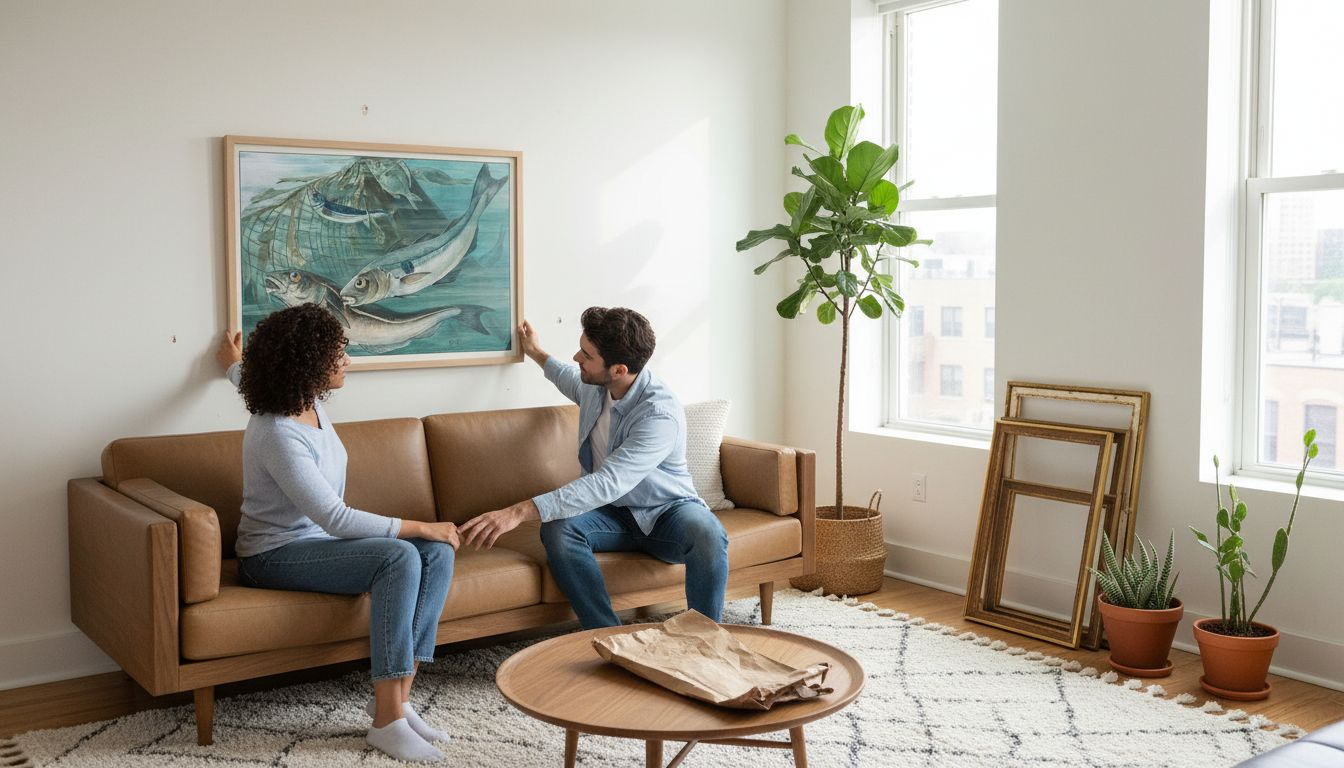
Think fish posters are only for beach houses? Think again. They fit perfectly in modern and vintage homes alike. Studies show that over 60% of non-coastal homeowners use fish-themed art to bring natural elements into their living spaces. This guide will help you select fish posters that balance style, quality, and budget while transforming your walls into captivating focal points.
Table of Contents
- Understanding Fish Poster Styles: Vintage Vs. Modern
- Material And Print Quality: What Makes A Fish Poster Last?
- Pricing And Affordability: Budgeting For Your Fish Poster
- Integrating Fish Posters Into Your Living Space
- Common Misconceptions About Fish-Themed Wall Art
- How To Purchase And Preserve Your Fish Poster
- Discover Stunning Fish Poster Collections At ArtMandre
Key Takeaways
| Point | Details |
|---|---|
| Style Versatility | Vintage fish posters offer nostalgic appeal with muted tones, while modern designs feature bold colors for contemporary spaces. |
| Print Quality Matters | Giclée prints last 75 years and matte thick paper is preferred by 72% of art buyers for superior visual impact. |
| Affordable Options | Fish posters range from $10 to $50, with promotions reducing costs by up to one-third. |
| Biophilic Benefits | Fish-themed wall art supports biophilic design principles, creating calming natural atmospheres in any room. |
| Preservation Tips | UV-protective framing reduces fading by 50%, extending the lifespan and vibrancy of your posters. |
Understanding Fish Poster Styles: Vintage vs. Modern
Choosing between vintage and modern fish posters depends on your interior aesthetic and personal preferences. Each style carries distinct visual characteristics that complement different decor themes.
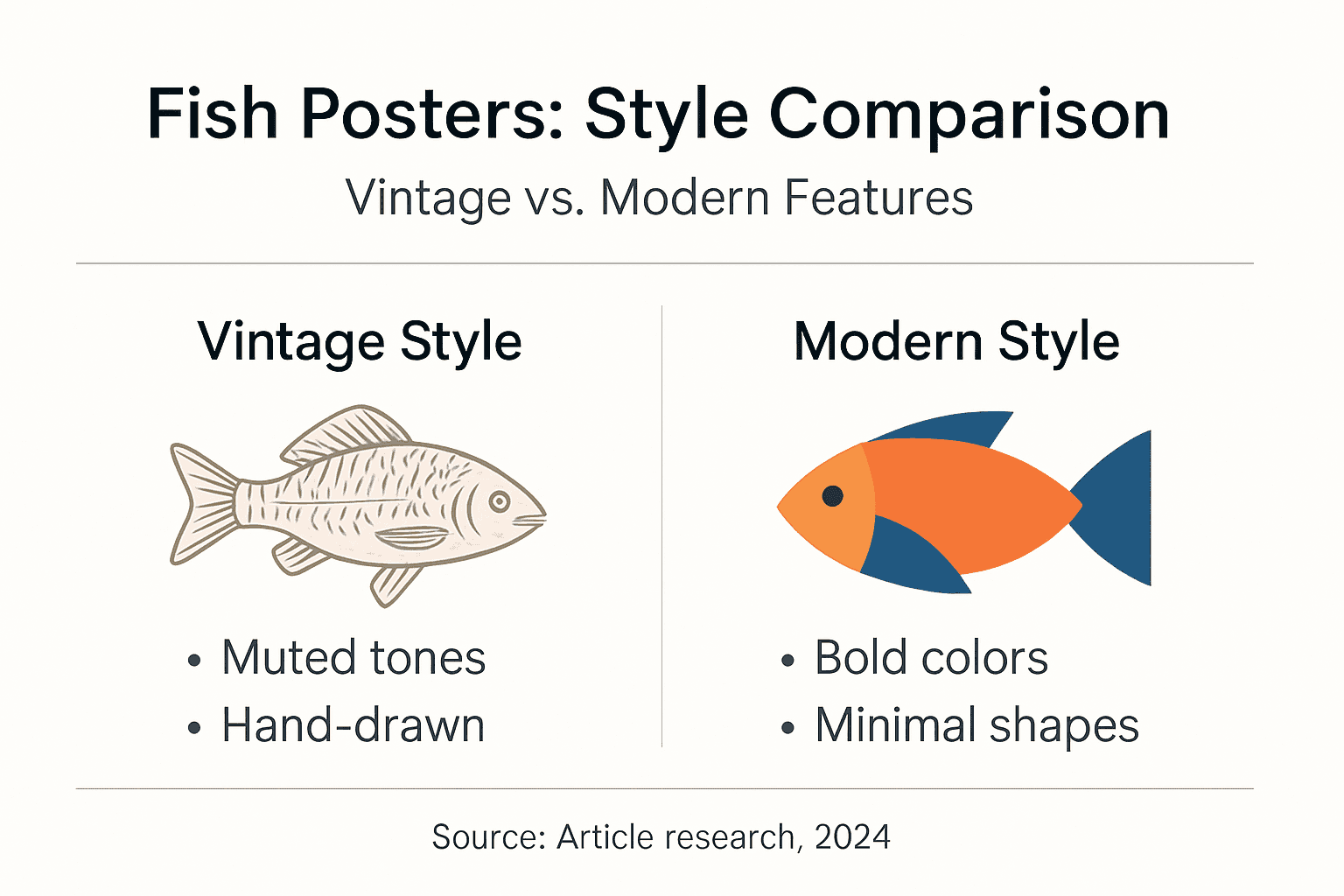
Vintage fish posters typically feature muted color palettes, detailed hand-drawn illustrations, and a nostalgic appeal reminiscent of early 20th-century scientific diagrams or market advertisements. These designs work beautifully in mid-century modern spaces, eclectic interiors, or rooms with warm wood tones and antique accents. The subdued colors create a sophisticated, timeless look that feels both educational and artistic.
Modern fish posters embrace bold colors, geometric shapes, and minimalist compositions. They suit contemporary homes with clean lines, neutral walls, and Scandinavian or industrial design elements. Japanese vintage posters demonstrate how vintage aesthetics can enhance modern interiors, proving that style boundaries are flexible.
Style Comparison:
| Feature | Vintage Style | Modern Style |
|---|---|---|
| Color Palette | Muted, earthy tones | Bold, saturated hues |
| Illustration | Detailed, hand-drawn | Simplified, geometric |
| Best Decor Match | Mid-century, eclectic | Minimalist, contemporary |
| Emotional Feel | Nostalgic, educational | Fresh, energetic |
Choosing vintage posters requires understanding how color and composition interact with your existing furniture and lighting. Vintage pieces add character to neutral spaces, while modern designs provide striking contrast in traditional settings.
Key Considerations:
- Match poster colors to existing accent pieces like cushions or rugs
- Consider the room’s natural light when selecting color intensity
- Balance detailed vintage prints with simpler furniture to avoid visual clutter
- Use modern geometric fish art to anchor minimalist gallery walls
Material and Print Quality: What Makes a Fish Poster Last?
Print technology and materials directly impact how long your fish poster maintains its beauty. Understanding these factors helps you make informed purchasing decisions.
Giclée prints use archival inks and museum-quality processes that offer 75 years of colorfastness, far exceeding standard inkjet prints. While inkjet printing is more affordable, colors may fade within 10 years without proper protection. This longevity difference matters most for homeowners planning permanent installations.
Paper finish significantly affects visual appeal and durability. Matte thick paper is preferred by 72% of art buyers because it reduces glare, feels substantial, and showcases fine details without reflective distractions. Glossy finishes work well for vibrant modern designs but can create unwanted reflections in bright rooms.
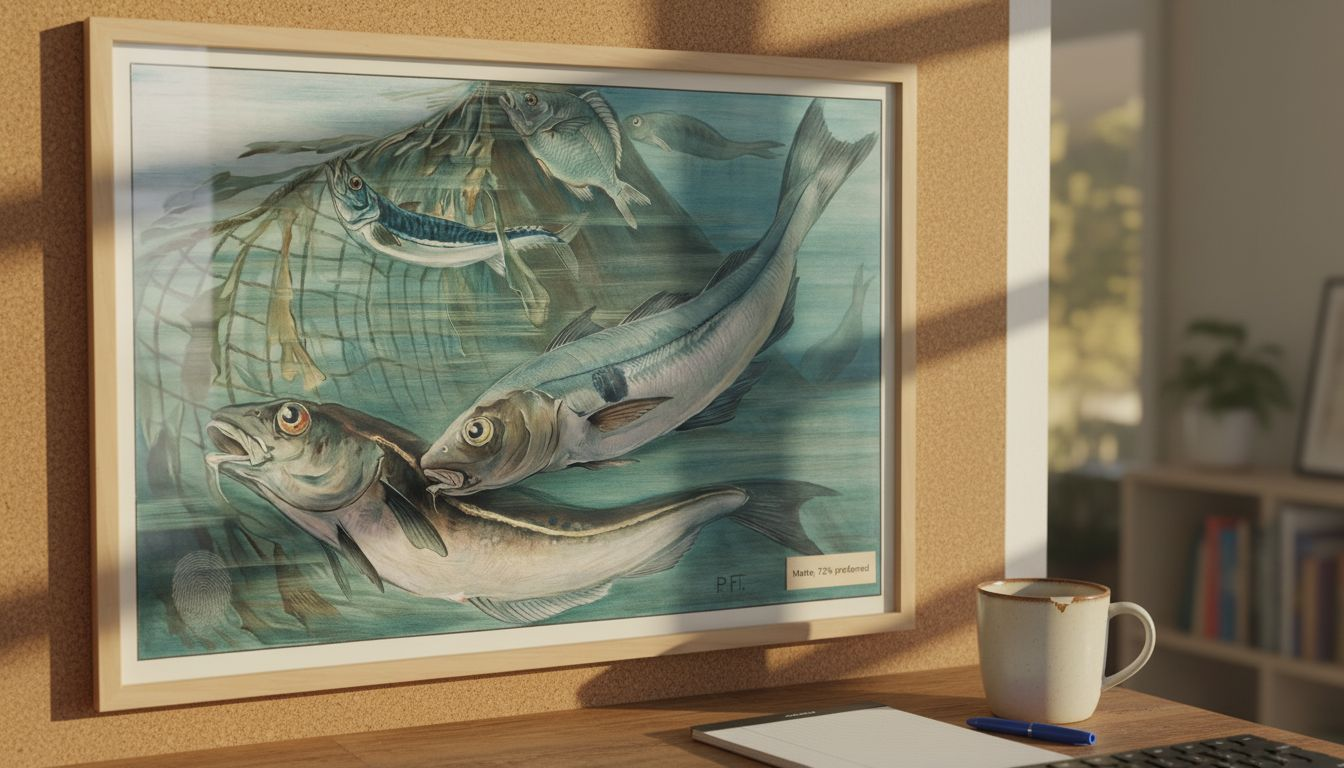
Framing choices protect your investment. UV-protective glass reduces fading by 50% and costs only slightly more than standard glass. This upgrade becomes essential for posters displayed in sunny rooms or near windows.
Quality Factors to Evaluate:
- Print method: giclée for longevity, inkjet for budget options
- Paper weight: 200 GSM or higher for premium feel
- Finish: matte for classic look, glossy for modern vibrancy
- Frame quality: solid wood or metal with proper backing support
Modern poster materials have evolved to balance affordability with durability, making high-quality prints accessible to renters and homeowners alike.
Pro Tip: When comparing print quality, check if the seller specifies ink type and paper GSM. Vague descriptions like “premium quality” often hide inferior materials. Always verify framing options include UV protection if you’re investing in giclée prints.
Pricing and Affordability: Budgeting for Your Fish Poster
Understanding price ranges helps you maximize value without compromising style. Fish poster costs vary based on size, materials, and production methods.
Typical pricing falls between $10 and $50 for standard sizes. Smaller prints around 12×16 inches cost $10 to $20, while larger 24×36 inch posters range from $30 to $50. Giclée prints command premium prices but deliver superior color accuracy and longevity. Artist reputation and limited editions also influence cost.
Price Breakdown by Size:
| Size | Standard Print | Giclée Print | With Framing |
|---|---|---|---|
| 12×16 inches | $10-$15 | $20-$30 | $35-$50 |
| 18×24 inches | $15-$25 | $30-$45 | $50-$75 |
| 24×36 inches | $25-$40 | $45-$70 | $75-$120 |
The 18×24 inch format offers the best value-to-impact ratio, providing substantial visual presence without overwhelming smaller rooms. This size fits standard frame dimensions, reducing custom framing costs.
Budget Optimization Strategies:
- Start with one statement piece rather than multiple smaller prints
- Purchase during promotional periods to maximize savings
- Buy unframed prints and source frames locally for cost control
- Consider standard sizes to avoid custom framing premiums
- Invest in giclée for permanent installations, inkjet for temporary displays
Renters benefit from smaller, more affordable prints that are easy to transport during moves. Homeowners can justify investing in larger giclée pieces that become lasting decor elements. Affordable fish posters demonstrate how budget-friendly options still deliver impressive visual impact.
Pro Tip: Calculate total cost including framing before purchasing. An unframed $15 print becomes a $50 investment after professional framing. Buying pre-framed options during sales often costs less than DIY framing.
Integrating Fish Posters into Your Living Space
Proper placement and coordination transform fish posters from simple wall art into cohesive design elements that elevate your entire space.
Size selection depends on wall dimensions and viewing distance. The 18×24 inch format dominates residential purchases because it scales well in bedrooms, kitchens, and home offices without requiring large empty walls. Larger 24×36 inch prints work best above sofas or in dining rooms where viewing distance exceeds six feet.
Fish posters support biophilic design principles by connecting indoor spaces with natural elements. Research shows that using thematic fish posters can enhance room ambiance by facilitating a tranquil atmosphere aligned with these principles. This psychological benefit explains why fish art appeals across coastal and inland homes equally.
Vintage fish prints complement eclectic interiors featuring mixed wood tones, leather accents, and warm lighting. Position them in reading nooks, libraries, or kitchen dining areas where their educational aesthetic feels purposeful. Modern geometric fish designs enhance minimalist spaces with neutral palettes, serving as colorful focal points that energize otherwise subdued rooms.
Placement Best Practices:
- Hang posters at eye level, typically 57 to 60 inches from floor to center
- Create gallery walls with odd-numbered groupings for visual balance
- Position fish art opposite windows to avoid direct sunlight exposure
- Coordinate frame colors with existing furniture finishes
- Use fish themes in bathrooms, kitchens, and dining rooms where aquatic motifs feel natural
“Incorporating natural imagery like fish posters into interior design reduces stress and improves mood by satisfying our innate need for connection with nature, even in urban environments.”
Decor integration with fish posters becomes easier when you consider the room’s existing color scheme and style. Pull accent colors from the poster into throw pillows, rugs, or table accessories to create visual cohesion.
Renters should use removable hanging strips to avoid wall damage, while homeowners can invest in professional installation for heavier framed pieces. Both groups benefit from treating fish art as adaptable decor that moves between rooms as needs change.
Common Misconceptions About Fish-Themed Wall Art
Several myths prevent buyers from fully appreciating fish poster versatility. Clearing these misconceptions opens new decorating possibilities.
1. Fish Posters Only Suit Nautical or Coastal Themes
This widespread belief ignores how vintage scientific illustrations and modern abstract fish designs function in diverse interiors. Fish posters work equally well in urban lofts, farmhouse kitchens, and contemporary apartments. The key is matching style rather than theme. A minimalist geometric fish print fits a Scandinavian bedroom perfectly, while detailed vintage species charts enhance traditional study rooms.
2. Higher Prices Always Mean Better Quality
Price reflects multiple factors beyond quality, including artist reputation, limited edition status, and retailer markup. A $15 giclée print from a direct seller often surpasses a $40 standard inkjet from a premium brand. Evaluate specific quality markers like paper GSM, ink type, and print method rather than assuming price indicates superiority.
3. Inexpensive Posters Don’t Need Protective Framing
This costly mistake leads to premature fading regardless of print cost. Even affordable prints deserve UV-protective glass if displayed in sunlit rooms. The $10 difference in framing costs preserves your poster’s appearance for decades, making protection worthwhile for any print you plan to display long-term.
4. Fish Art Feels Too Literal or Educational
Modern fish posters embrace abstract interpretations, watercolor styles, and artistic license that prioritize aesthetics over scientific accuracy. These designs function as pure art rather than educational displays, appealing to sophisticated tastes without feeling overly thematic.
5. Matching Multiple Fish Posters Creates Visual Chaos
Well-curated gallery walls featuring varied fish species create dynamic visual interest when unified by consistent framing and color palettes. The variety adds depth rather than confusion when thoughtfully arranged.
These misconceptions limit creative possibilities and prevent buyers from discovering how fish-themed art enhances their specific decor needs.
How to Purchase and Preserve Your Fish Poster
A systematic approach ensures you select, frame, and maintain fish posters that deliver lasting satisfaction.
Step-by-Step Buying Guide:
1. Assess Your Decor Style
Identify whether your space leans vintage, modern, eclectic, or minimalist. This determines which fish poster style integrates seamlessly. Photograph your room to evaluate colors and identify accent opportunities.
2. Determine Size Requirements
Measure available wall space and furniture dimensions. Allow 6 to 12 inches of space above furniture when hanging posters. Visualize scale using painter’s tape outlines before purchasing.
3. Evaluate Quality Specifications
Verify print method, paper weight, and ink type. Prioritize giclée for permanent displays and inkjet for experimental or temporary arrangements. Check if framing includes UV protection.
4. Calculate Total Investment
Add framing, shipping, and any customization costs to the base price. Compare total costs across sellers rather than just print prices. Factor in promotional offers like buy 2 get 1 free deals.
5. Plan Preservation Strategy
Frame fish posters with UV-protective glass to reduce color fading by approximately 50%, preserving vibrancy and extending display lifespan indoors. Position away from direct sunlight and high-humidity areas like bathrooms without ventilation.
Maintenance Guidelines:
- Dust frames monthly with microfiber cloths to prevent buildup
- Rotate posters annually if displayed in bright rooms to ensure even aging
- Inspect hanging hardware twice yearly to prevent falls
- Store unused prints flat in acid-free sleeves away from moisture
- Avoid cleaning glass with ammonia-based products that can damage frames
Art hanging tips provide additional guidance on proper installation techniques that protect walls and artwork.
Renters should invest in quality prints with removable hanging solutions, allowing them to take cherished pieces to new homes. Homeowners can commit to permanent installations using professional-grade hardware and custom framing.
Pro Tip: Before finalizing your purchase, confirm the seller’s return policy and shipping protection. Quality retailers guarantee satisfaction and ship with rigid backing to prevent damage during transit.
Discover Stunning Fish Poster Collections at ArtMandre
Elevate your living space with carefully curated fish-themed wall art that balances affordability and sophisticated design. ArtMandre offers exclusive vintage and modern fish poster collections that complement any interior aesthetic, from mid-century charm to contemporary minimalism.

Explore expert guidance on selecting perfect pieces for your home through our guide to choosing vintage posters, discover modern art decorating tips tailored for urban living, or find inspiration with wall art ideas perfect for rental spaces. Benefit from periodic promotions and affordable options designed to transform your walls into captivating focal points.
Frequently Asked Questions
What Poster Size Works Best for Small Rooms?
The 18×24 inch format provides substantial visual impact without overwhelming compact spaces like bedrooms or home offices. For very small rooms under 100 square feet, consider 12×16 inch prints arranged in pairs or trios to create interest without dominating limited wall space.
How Can I Identify Authentic Giclée Prints?
Authentic giclée prints specify archival pigment-based inks, high-resolution output at 300 DPI or higher, and museum-quality paper with stated GSM weight. Sellers should provide certificates of authenticity for limited editions, and the print surface should show no visible dot patterns when examined closely.
Are Matte or Glossy Prints Better for Different Decor Styles?
Matte finishes suit traditional, vintage, and minimalist interiors by reducing glare and emphasizing artistic detail. Glossy finishes enhance modern and contemporary spaces where vibrant colors and reflective surfaces complement existing design elements like metal fixtures and glass accents.
What Framing Options Work Best for Renters?
Lightweight frames with removable adhesive hanging strips or tension rods prevent wall damage while providing secure display options. Choose standard frame sizes to maximize affordability and portability, making future moves easier without sacrificing professional presentation.
How Much Light Exposure Can Posters Tolerate Before Fading?
Without UV protection, posters exposed to direct sunlight fade noticeably within 6 to 12 months. UV-protective glass extends this timeline to several years by filtering harmful wavelengths. Position posters away from south-facing windows or use curtains to limit daily sun exposure to under 4 hours.