
Blog
What Is Retro Wall Art and Its Decor Power
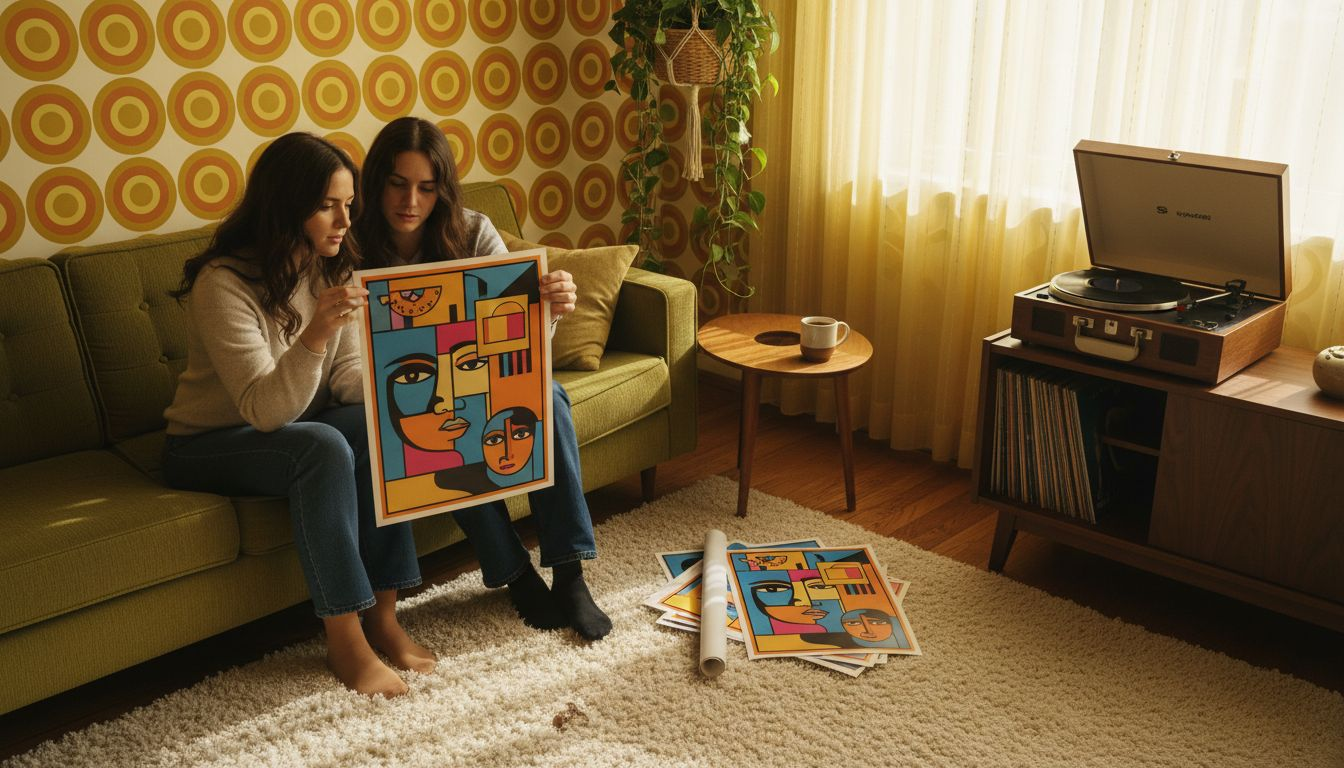
Finding art that brings both nostalgia and fresh style into your space can feel challenging when so many choices look the same or cost too much. For urban homeowners, retro wall art offers a vibrant visual connection to the past, capturing the spirit of celebrated eras through bold colors and memorable graphics. With each piece, you can transform your home into a modern showcase that reflects personal stories and cultural memory without breaking the bank.
Table of Contents
- Defining Retro Wall Art and Its Origins
- Popular Styles and Iconic Motifs Explained
- Influence on Modern Interior Decorating Trends
- Recognizing Authentic Retro Prints and Designs
- Common Pitfalls When Choosing Retro Wall Art
Key Takeaways
| Point | Details |
|---|---|
| Understanding Retro Wall Art | Retro wall art blends historical aesthetics with contemporary design, resonating emotionally with viewers. |
| Incorporating into Modern Interiors | It enhances modern spaces by adding personality and storytelling through artistic choices. |
| Authenticity Matters | Authentic retro prints require careful examination of their typography, texture, and historical context to ensure value. |
| Avoiding Common Mistakes | Pay attention to scale, color coordination, and personal connection to avoid visual disharmony in art selection. |
Defining Retro Wall Art and Its Origins
Retro wall art represents a vibrant aesthetic journey that captures the visual essence of past decades, transforming nostalgic memories into contemporary design statements. Emerging as a significant cultural phenomenon post-World War II, retro art transcends mere reproduction, blending historical appreciation with innovative artistic expression.
At its core, retro wall art is characterized by design elements that deliberately evoke specific historical periods, typically spanning the mid-20th century from the 1940s through the 1980s. These artistic representations capture the graphic styles, color palettes, and visual motifs that defined earlier eras, creating a powerful emotional connection between viewers and historical design sensibilities. Unlike pure vintage reproductions, retro art reinterprets historical aesthetics through a contemporary lens, allowing modern spaces to incorporate nostalgic elements with creative freedom.
The origins of retro wall art are deeply rooted in postwar cultural shifts, where designers and artists began reimagining historical design languages as commentary on contemporary experiences. This artistic movement emerged from a complex interplay of nostalgia, cultural memory, and creative reinterpretation. By extracting visual elements from specific time periods and recontextualizing them, retro wall art creates a unique dialogue between past and present design philosophies.
Pro Tip: When selecting retro wall art, focus on pieces that resonate personally with your aesthetic sensibilities and complement your existing decor, rather than strictly adhering to period-perfect authenticity.
Popular Styles and Iconic Motifs Explained
Retro wall art encompasses a rich tapestry of visual styles that capture the spirit of mid-20th century design, with each decade offering its unique aesthetic signature. Retro illustration styles typically feature bold graphic elements that transform nostalgic imagery into contemporary artistic statements. These designs are characterized by distinctive visual languages that reflect the cultural and technological zeitgeist of their respective eras.
The 1960s introduced vibrant pop art and psychedelic designs, marked by electric color palettes and fluid, dynamic patterns. Artists during this period experimented with bold geometric shapes, creating visually striking compositions that challenged traditional design conventions. Key motifs included cosmic patterns, abstract representations of technology, and stylized human figures that captured the era’s revolutionary spirit. The 70s shifted towards earthy color schemes and simplified shapes, incorporating hippie-inspired graphics that emphasized organic forms and natural color gradients.
The 1980s brought an entirely different visual approach, characterized by neon colors, sharp geometric abstractions, and the iconic Memphis design movement. Graphic design trends during this period embraced bold, unconventional color combinations and playful visual elements that rejected the minimalist aesthetics of previous decades. Tropical patterns, digital-inspired graphics, and high-contrast designs became hallmarks of this dynamic design era, reflecting the technological optimism and cultural exuberance of the time.
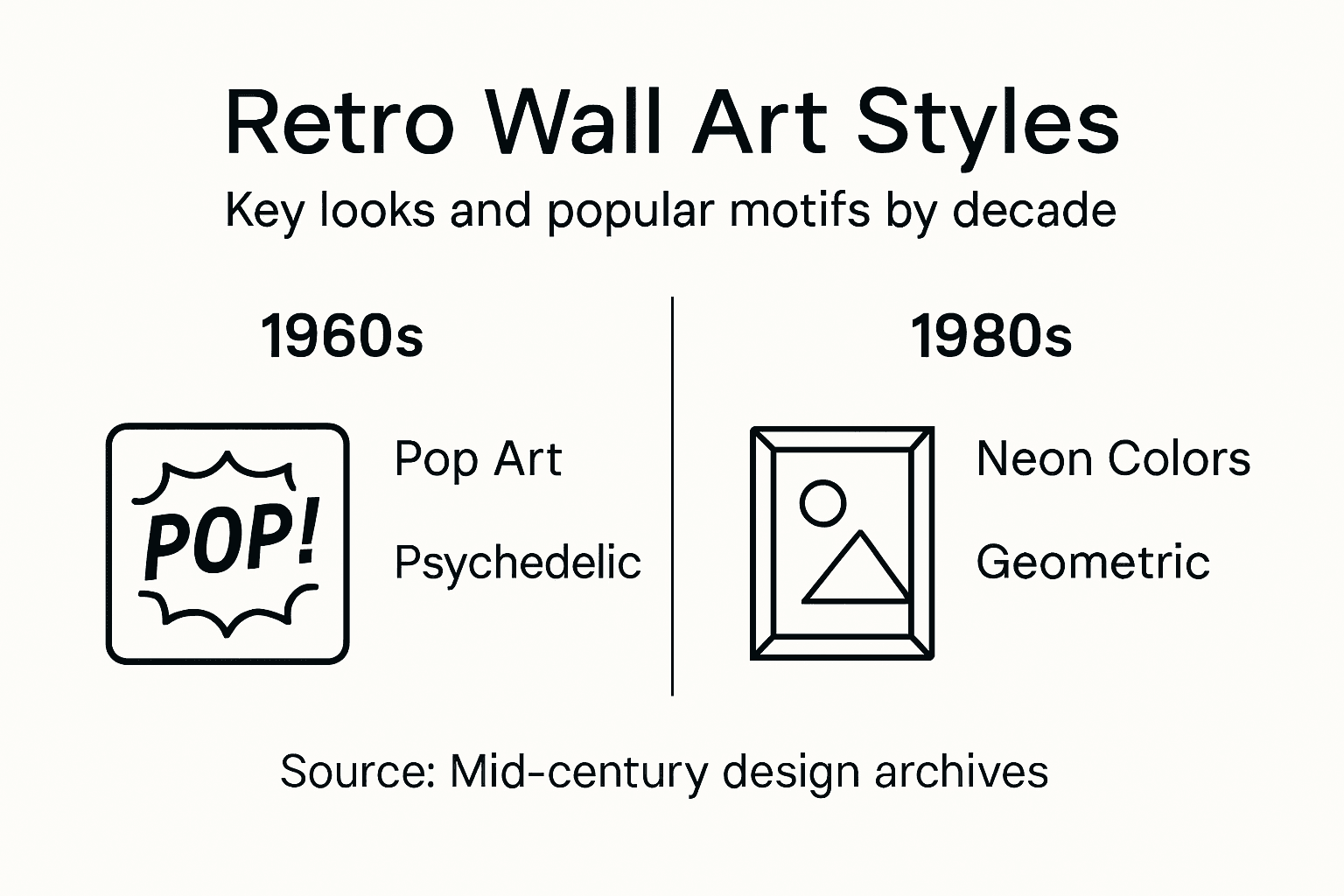
Pro Tip: When curating retro wall art, mix pieces from different decades to create a dynamic, layered visual narrative that reflects your personal design sensibilities.
Here’s a quick comparison of three major retro art decades and their most distinctive artistic traits:
| Decade | Graphic Styles | Color Palette | Common Motifs |
|---|---|---|---|
| 1960s | Pop art, psychedelic | Electric, vibrant | Cosmic, tech, abstract |
| 1970s | Hippie, earthy forms | Earthy, muted tones | Organic, gradients |
| 1980s | Memphis, neon, digital | Neon, bold contrasts | Geometric, tropical, tech |
Influence on Modern Interior Decorating Trends
Retro wall art has emerged as a transformative force in contemporary interior design, breathing new life into modern living spaces with its unique blend of nostalgia and aesthetic sophistication. Vintage design elements have revolutionized how homeowners approach room styling, creating depth and character through carefully curated artistic choices that transcend traditional decorating boundaries.
The integration of retro wall art into modern interiors goes beyond mere decoration, serving as a powerful storytelling medium that connects personal spaces with historical design narratives. Clean lines, geometric shapes, and bold color palettes characteristic of mid-century modern aesthetics allow these art pieces to seamlessly bridge different design eras. This approach enables contemporary spaces to feel simultaneously timeless and current, with retro elements adding warmth and personality to minimalist environments.
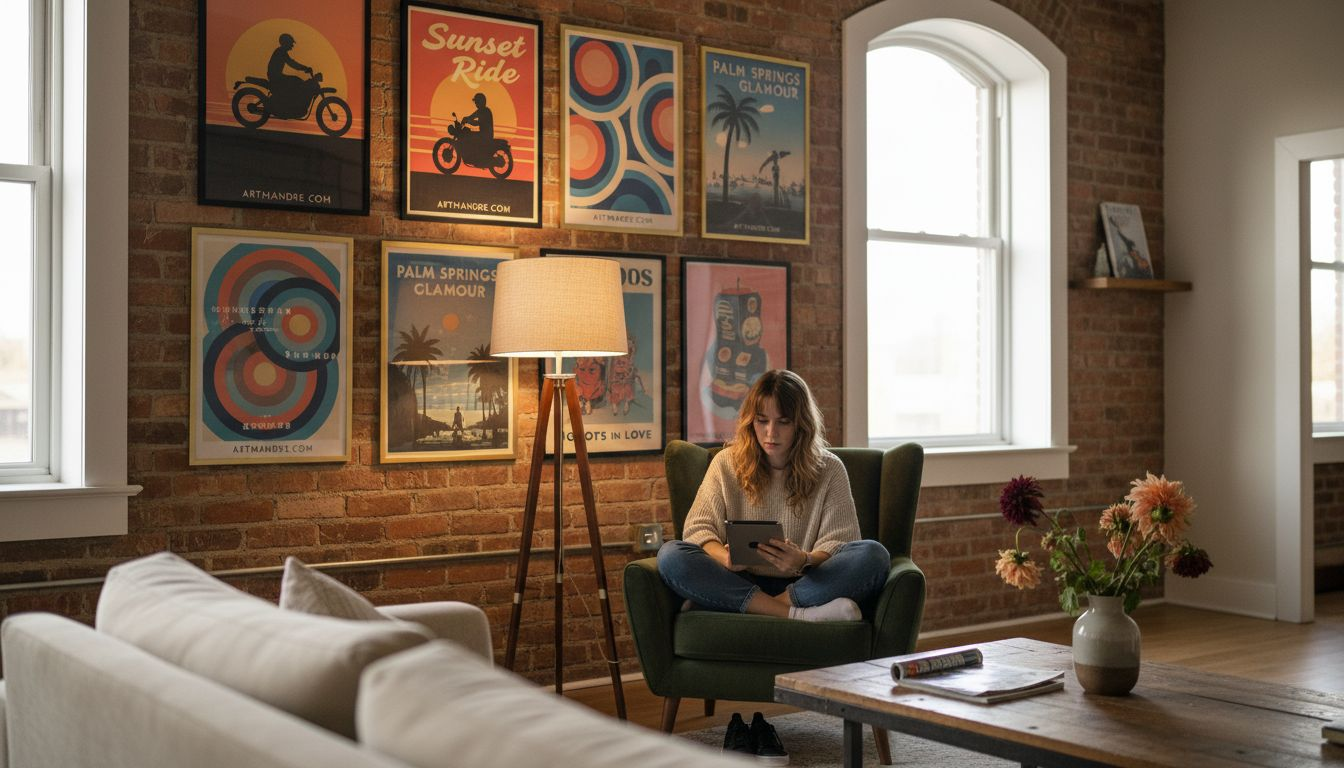
Interior designers and homeowners are increasingly leveraging retro art’s nostalgic qualities to create eclectic, personalized living spaces. The art form provides a unique opportunity to introduce visual interest through pieces that evoke emotional connections while maintaining a sophisticated design language. Whether it’s a vintage travel poster, a mid-century geometric print, or a psychedelic illustration, retro wall art allows individuals to express their personal style and create spaces that tell a compelling visual story.
Pro Tip: When incorporating retro wall art, balance bold statement pieces with neutral backgrounds to create visual harmony and prevent overwhelming your space.
Recognizing Authentic Retro Prints and Designs
Authenticity is the cornerstone of valuable retro art, distinguishing genuine historical pieces from modern reproductions. Identifying antique printing processes requires a keen eye and understanding of technical nuances that reveal a print’s true origins. Collectors and art enthusiasts must develop a sophisticated approach to examining visual and tactile characteristics that distinguish original works from contemporary recreations.
The forensic examination of retro prints involves analyzing multiple critical elements. Surface texture becomes a primary indicator of authenticity, with original prints displaying unique microscopic details that modern digital reproductions cannot perfectly replicate. Experts look for specific markers such as paper quality, printing technique variations, color saturation, and subtle imperfections that communicate a piece’s historical provenance. Lithographic prints, screen prints, and offset prints each possess distinctive characteristics that trained eyes can readily recognize.
Technical documentation and provenance play crucial roles in verifying retro art’s authenticity. Original prints often feature artist signatures, edition numbers, and specific printing marks that provide verifiable historical context. Contemporary collectors should pay attention to paper aging, ink composition, and printing method consistency. Some key authentication strategies include examining print edges, understanding original production techniques, and researching the specific artistic movements and printing technologies prevalent during the artwork’s supposed era.
Pro Tip: Invest in a high-quality magnifying glass to closely inspect print details, and always request comprehensive documentation when purchasing vintage art pieces.
To help you spot genuine retro prints, consider these key authentication factors:
| Print Type | Signature Clues | Tactile Features | Era Markers |
|---|---|---|---|
| Lithograph | Artist signature | Textured paper surface | Ink layering, dated marks |
| Screen print | Edition numbers | Raised ink, color edges | Limited runs, vivid tones |
| Offset print | Printing marks | Smooth paper, flat colors | Machine cut edges, labels |
Common Pitfalls When Choosing Retro Wall Art
Selecting the perfect retro wall art requires more than just aesthetic appreciation. Common mistakes in wall art selection can transform a potentially stunning design statement into a decorative disaster. Homeowners often underestimate the complexity of integrating vintage pieces into contemporary spaces, leading to visual disharmony and design mishaps that can compromise the entire room’s aesthetic.
One of the most critical errors is neglecting scale and proportion. Retro wall art that appears too small becomes lost on expansive walls, while oversized pieces can overwhelm a space and create visual chaos. Color coordination presents another significant challenge. Selecting artwork with color palettes that clash with existing room decor can disrupt the entire design scheme. Collectors must carefully consider how the artwork’s hues interact with furniture, wall colors, and overall room ambiance.
Beyond visual considerations, wall art selection mistakes often stem from prioritizing trends over personal connection. Mass-produced retro prints that lack uniqueness or emotional resonance can make a space feel impersonal and generic. Thoughtful art selection involves understanding the piece’s narrative, its relationship to the room’s function, and how it reflects the inhabitant’s individual style and personality. Lighting plays a crucial role as well, with improper illumination potentially diminishing the artwork’s visual impact and historical significance.
Pro Tip: Create a digital mockup of your space before purchasing retro wall art to visualize how the piece will interact with your existing decor and lighting conditions.
Discover Retro Wall Art That Transforms Your Space With Personal Style
Choosing the right retro wall art can feel overwhelming with concerns about authenticity, color balance, and making a meaningful design statement. Whether you want to evoke the vibrant energy of 1960s pop art or the sleek geometry of 1980s Memphis style, the challenge lies in finding pieces that resonate emotionally and blend flawlessly into your home decor. At ArtMandre.com, we understand these challenges and offer a curated collection of retro prints designed to bridge nostalgia with modern aesthetics.

Experience the power of retro wall art to tell your unique story with artwork that complements your space and style. Explore new arrivals and hot sellers featuring cocktail posters, vintage maps, Bauhaus-inspired designs, and more. Take advantage of our special offers like buy 2 get 1 free to effortlessly build a gallery wall that captures the essence of your personality. Start your interior transformation today by visiting ArtMandre.com and bring authentic retro charm home now.
Frequently Asked Questions
What defines retro wall art?
Retro wall art is characterized by design elements that evoke specific historical periods, primarily from the mid-20th century (1940s to 1980s), blending nostalgia with contemporary artistic expression.
How can retro wall art enhance modern interior design?
Retro wall art breathes new life into contemporary interiors by creating a unique storytelling medium that connects personal spaces with historical design narratives, adding warmth and character universally.
What are some common styles and motifs found in retro wall art?
Common styles include pop art and psychedelic designs from the 1960s, earthy and simplified shapes from the 1970s, and neon colors with geometric abstractions from the 1980s, each reflecting the cultural spirit of its time.
How can I ensure the authenticity of retro wall art pieces?
To ensure authenticity, check for artist signatures, edition numbers, and examine the printing techniques and materials used, as original prints exhibit unique textures and markings not found in reproductions.