
Blog
What Is Retro Art and Why It Transforms Spaces
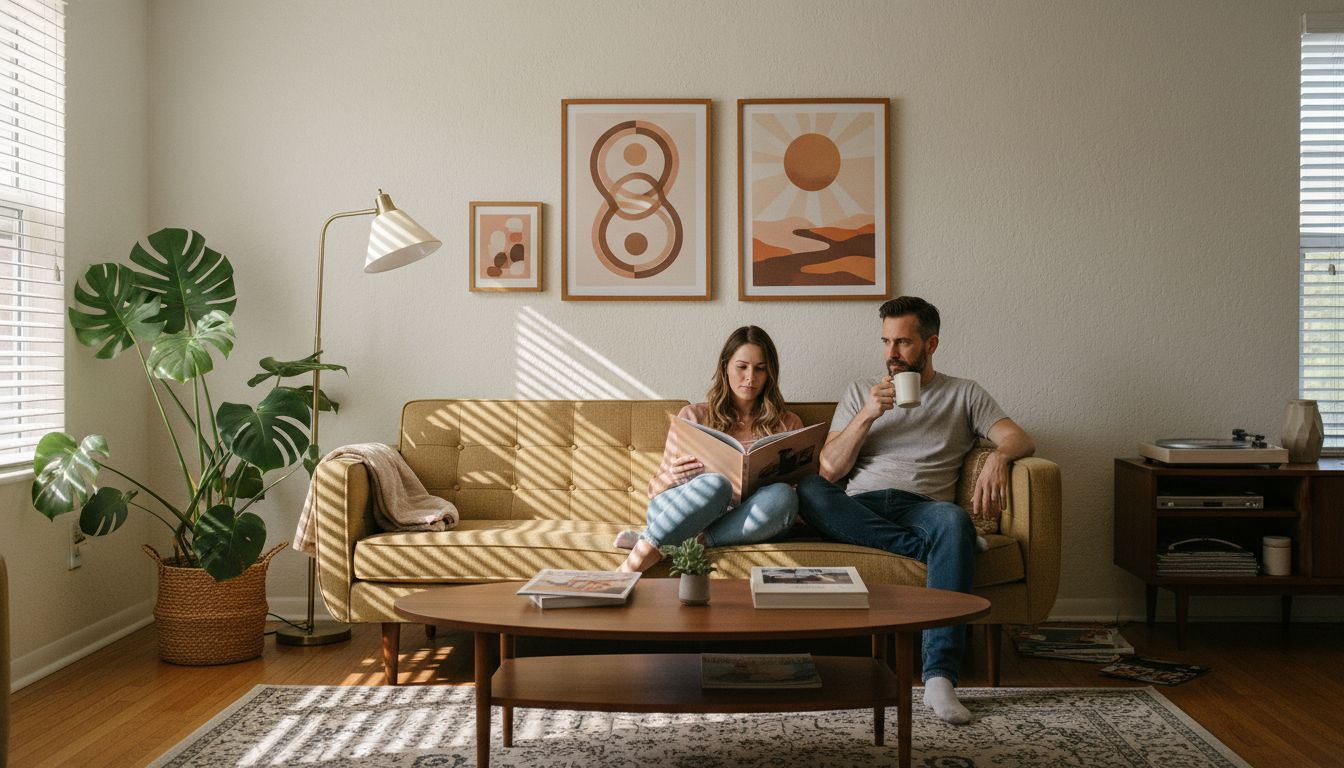
Stepping into a new apartment or home in New York or Los Angeles, you want every piece on the wall to spark personality and conversation. For those craving more than generic décor, retro art offers a bold way to highlight your unique style while capturing the charm of earlier eras. Retro prints combine history, nostalgia, and playful design, letting you create a space that feels both modern and comfortably familiar. Discover how the right retro artwork can turn any urban living area into a dynamic reflection of your taste.
Table of Contents
- Retro Art Defined and Common Misconceptions
- Popular Styles and Visual Elements Explained
- From Cocktails to Maps: Iconic Retro Art Themes
- How Retro Art Elevates Interior Design
- Buying Retro Art Prints: Must-Know Tips
Key Takeaways
| Point | Details |
|---|---|
| Retro Art as Cultural Commentary | Retro art is more than an aesthetic trend; it’s a nuanced dialogue that blends nostalgia with critical distance, inviting viewers to reassess their connections to past styles. |
| Distinctive Styles Reflecting Eras | Each decade in retro art presents unique signature visuals and emotional impacts, enhancing interior design through nostalgic themes and playful historical references. |
| Incorporating Retro Art | When choosing retro art for interior spaces, select pieces that balance historical elements with modern sensibilities to create engaging narratives and visual interest. |
| Considerations When Buying | Authenticity is crucial in acquiring retro art prints; always verify provenance, print quality, and condition to ensure a meaningful investment. |
Retro Art Defined and Common Misconceptions
Retro art represents more than just an aesthetic trend – it’s a nuanced cultural conversation about memory, nostalgia, and reimagining historical styles. While many people mistakenly believe retro art simply means old-looking artwork, it’s actually a sophisticated artistic reinterpretation of past styles.
At its core, retro art is characterized by several key attributes:
- Conscious imitation of styles from recent historical periods
- Playful engagement with cultural memory
- Deliberate blend of nostalgia and critical distance
- Ironic reinterpretation of past design trends
Contrary to popular misconception, retro art isn’t about exact reproduction. Retro style involves a critical, often humorous reimagining of historical aesthetic elements. It challenges viewers to reconsider their relationship with past cultural artifacts by presenting familiar designs through a contemporary lens.
The psychological appeal of retro art lies in its ability to evoke emotional connections while maintaining a sense of detachment. It allows people to experience nostalgia without becoming overly sentimental, creating a unique visual experience that resonates across generations.
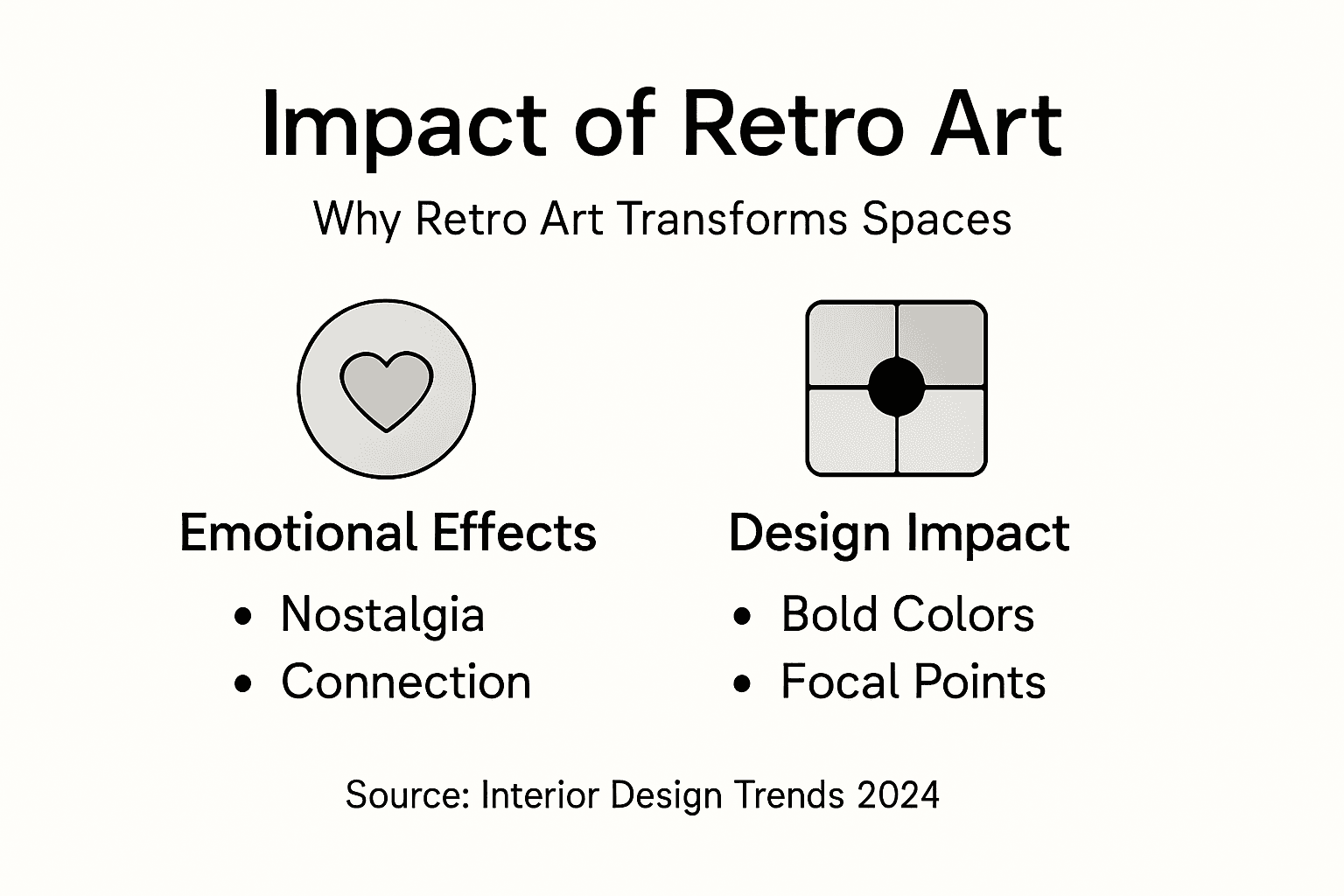
Pro tip: When selecting retro art for your space, look for pieces that balance recognizable historical elements with a modern, slightly ironic twist.
Popular Styles and Visual Elements Explained
Retro art encompasses a fascinating range of visual styles that capture the essence of different historical periods. Distinctive design elements from past decades reveal a complex narrative of cultural memory and artistic reinterpretation.
The most prominent retro styles are characterized by decade-specific visual signatures:
- 70s Retro: Earthy color palettes with warm browns, oranges, and greens
- 80s Retro: Bold geometric shapes, neon colors, and high-contrast designs
- 90s Retro: Minimalist grunge aesthetics, glitch textures, and muted color schemes
- Mid-Century Modern: Clean lines, organic curves, and functional design elements
Each era brings its unique visual language, transforming nostalgic memories into contemporary artistic expressions. The 70s style often features psychedelic patterns and organic shapes, while 80s design embraces technological optimism through sharp geometric forms and vibrant color combinations.
Modern retro art isn’t about exact historical reproduction, but rather a nuanced dialogue between past and present. Artists and designers skillfully blend recognizable historical motifs with contemporary sensibilities, creating pieces that feel both familiar and innovative.
Here’s a comparative view of how major retro art styles differ in their design impact and psychological appeal:
| Era & Style | Signature Visuals | Emotional Effect | Interior Design Impact |
|---|---|---|---|
| 70s Retro | Psychedelic shapes, earth tones | Warm nostalgia, relaxed mood | Adds organic feel to rooms |
| 80s Retro | Neon colors, geometric forms | Energizing, playful vibe | Creates a bold, lively centerpiece |
| 90s Retro | Grunge, glitch textures | Edgy, understated cool | Offers minimalist accent |
| Mid-Century Modern | Clean lines, soft curves | Calm, sophisticated memory | Enhances spaces with timeless style |
Pro tip: When incorporating retro art into your space, choose pieces that resonate with your personal aesthetic while maintaining a sense of playful historical dialogue.
From Cocktails to Maps: Iconic Retro Art Themes
Retro art captures the imagination through timeless cultural touchstones and everyday objects that transport viewers to memorable moments in history. These iconic themes serve as visual narratives that bridge past and present, transforming ordinary spaces into extraordinary experiences.
The most celebrated retro art themes include:
- Vintage Cocktail Culture: Stylized bar scenes, classic drink illustrations
- Cartographic Art: Nostalgic maps featuring mid-century design aesthetics
- Travel Poster Imagery: Romanticized destinations with bold graphic styles
- Technological Nostalgia: Vintage electronics, arcade game motifs
- Lifestyle Snapshots: Mid-century domestic scenes and advertising graphics
Each theme represents a unique slice of cultural memory. Cocktail art, for instance, evokes the sophisticated lounge culture of the 1950s, while vintage map illustrations capture the sense of exploration and possibility that defined mid-20th century design.
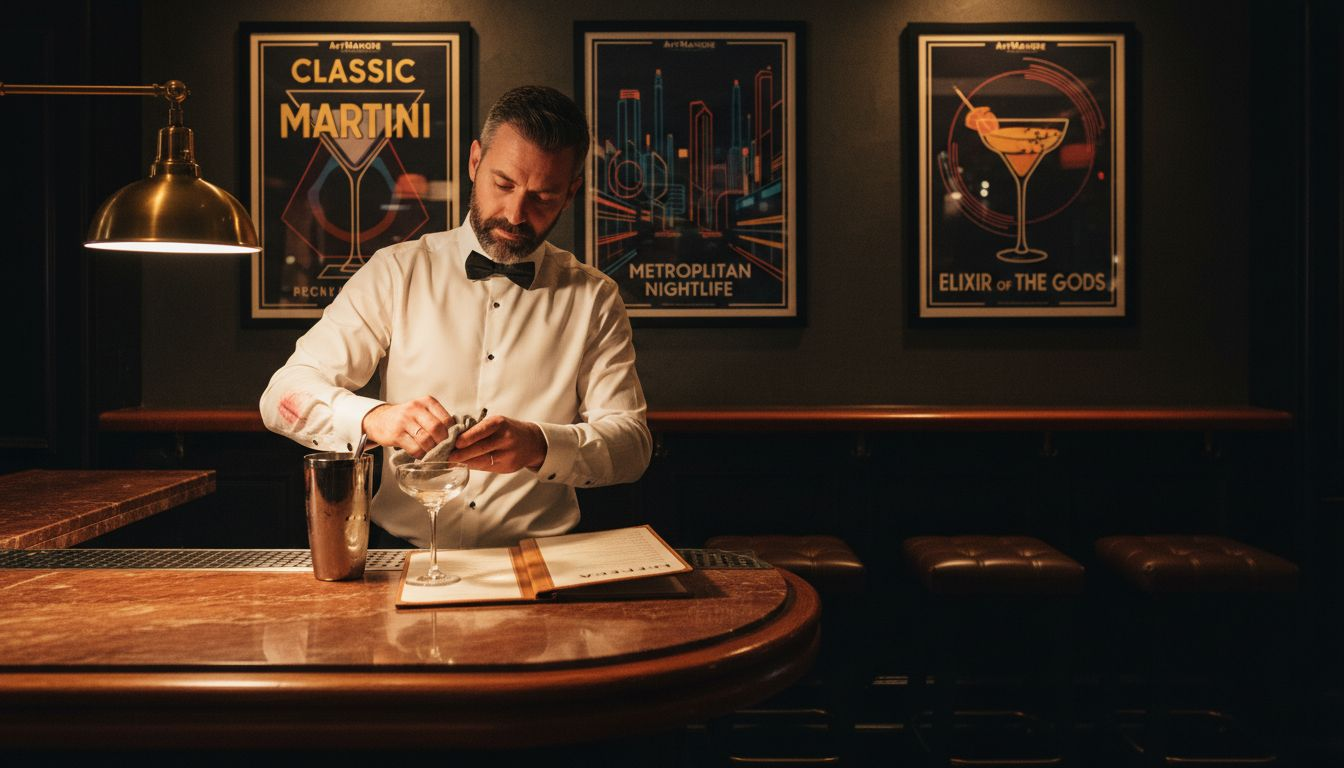
Modern artists reimagine these themes not as mere replicas, but as complex cultural commentaries that blend historical aesthetics with contemporary sensibilities. The result is a rich visual language that speaks to our collective memory while remaining fresh and engaging.
Pro tip: Mix different retro themes in your space to create a dynamic, conversation-starting visual narrative that reflects multiple historical periods.
How Retro Art Elevates Interior Design
Retro art transforms interior spaces by introducing rich storytelling and emotional depth beyond mere decoration. These carefully curated pieces serve as visual anchors that inject personality, nostalgia, and dynamic energy into living environments.
Retro art elevates interior design through several key strategies:
- Color Psychology: Vintage color palettes that create mood and atmosphere
- Narrative Elements: Artwork that sparks conversation and personal reflection
- Textural Interest: Graphic styles that add visual complexity to spaces
- Cultural Commentary: Pieces that reflect historical perspectives and societal shifts
- Emotional Resonance: Design elements that evoke memories and personal connections
The strategic placement of retro art can dramatically transform a room’s aesthetic. A well-chosen vintage poster or mid-century illustration can serve as a focal point, drawing the eye and establishing a sophisticated design narrative that bridges contemporary living with historical charm.
Modern interior designers recognize retro art as more than nostalgic decoration. It’s a powerful design language that communicates personal style, cultural awareness, and an appreciation for design history. By thoughtfully incorporating these pieces, homeowners can create spaces that are both intellectually engaging and visually stunning.
Pro tip: Mix vintage art pieces from different decades to create a curated, eclectic look that tells a unique visual story.
Buying Retro Art Prints: Must-Know Tips
Navigating the world of retro art prints requires a strategic approach to ensuring authenticity and cultural significance. Collectors and design enthusiasts must develop a discerning eye that goes beyond surface-level aesthetic appeal.
Key considerations when purchasing retro art prints include:
- Provenance Verification: Research the artwork’s historical background
- Print Quality Assessment: Examine production techniques and materials
- Stylistic Authenticity: Understand era-specific design characteristics
- Condition Evaluation: Check for preservation and potential restoration
- Cultural Context: Appreciate the historical narrative behind the piece
Understanding typography and graphic design is crucial in identifying genuine retro art. Each decade presents unique stylistic markers – from the bold geometric shapes of 1950s modernism to the psychedelic patterns of the 1970s. Serious collectors look beyond mere visual appeal, investigating the print’s historical context and manufacturing techniques.
Authentic retro art prints are more than decorative objects; they are cultural artifacts that tell complex stories about design evolution, societal shifts, and artistic innovation. By developing a nuanced understanding of these elements, buyers can make informed decisions that transform their living spaces.
For collectors, here’s a quick reference to best practices when buying authentic retro art prints:
| Key Focus | Why It Matters | Pro Tip for Buyers |
|---|---|---|
| Provenance Research | Ensures historical accuracy | Always request documentation |
| Print Materials | Impacts value and longevity | Inspect for original production methods |
| Stylistic Markers | Confirms authenticity | Study era-specific design details |
| Condition Review | Preserves investment | Evaluate restoration needs |
Pro tip: Always request detailed documentation and certificate of authenticity when purchasing vintage art prints to validate their historical significance.
Elevate Your Space with Authentic Retro Art Prints
Discover how retro art’s rich storytelling and nostalgic charm can transform your living spaces into vibrant conversations filled with personality and cultural resonance. Whether you seek the warm earth tones of 70s Retro or the energized neon geometry of 80s designs, curating your walls with thoughtfully chosen pieces is the key to creating a timeless style that sparks emotional connection and visual excitement.

Ready to bring these iconic retro themes and sophisticated historical dialogues into your home? Explore a curated selection of authentic prints featuring vintage cocktail culture, mid-century maps, and bold Bauhaus-inspired artwork at artmandre.com. Take advantage of exclusive offers like buy 2 get 1 free to build a dynamic gallery that reflects your unique aesthetic and appreciation for design heritage. Start your journey with our New Arrivals or see what’s popular in Hot Sellers and make your space a stunning tribute to retro creativity today.
Frequently Asked Questions
What is retro art?
Retro art is an artistic reinterpretation of past styles characterized by conscious imitation of historical aesthetics, playful engagement with cultural memory, and ironic reinterpretation of design trends.
How does retro art transform spaces?
Retro art transforms spaces by introducing rich storytelling, emotional depth, and dynamic energy, serving as focal points that inject personality and nostalgia into interior design.
What are the key attributes of retro art?
Key attributes of retro art include a mix of nostalgia with a critical distance, the blending of historical motifs with contemporary sensibilities, and an ability to evoke emotional connections while maintaining detachment.
What should I consider when choosing retro art for my space?
When choosing retro art, consider elements such as color psychology, narrative themes, textural interest, and cultural significance to ensure the pieces enhance your interior while reflecting your personal taste.