
Blog
What Is Abstract Art and Why It Transforms Spaces

Choosing wall art can feel overwhelming when you want your space to stand out but avoid clichés. Abstract art offers a powerful solution, blending vivid color, shape, and line to create visual energy that goes beyond simple decoration. This artistic movement, shaped by innovators from Germany, France, and Russia, invites viewers to connect emotionally rather than chase literal interpretations. Discover how embracing the bold possibilities of abstract art can transform your home into a thoughtfully curated reflection of your personal taste.
Table of Contents
- Abstract Art Defined: Core Ideas and Origins
- Major Types of Abstract Art Movements
- Visual Elements and Key Characteristics
- How Abstract Art Complements Interior Decor
- Common Misconceptions and Display Mistakes
Key Takeaways
| Point | Details |
|---|---|
| Abstract Art Overview | Abstract art transcends traditional representation, focusing on visual language through shapes, colors, and forms to evoke emotional and conceptual responses. |
| Influential Movements | Major movements such as Abstract Expressionism and Minimalism showcase unique characteristics and challenge the boundaries of artistic expression. |
| Interior Design Integration | Abstract art enhances interior spaces by acting as focal points and harmonizing colors, allowing for dynamic visual experiences. |
| Common Misconceptions | Understanding abstract art involves recognizing its complex techniques and the importance of thoughtful display to enhance its impact. |
Abstract Art Defined: Core Ideas and Origins
Abstract art represents a revolutionary approach to visual expression that transcends traditional representation. Artists began exploring visual language through shape, form, color, and line, creating compositions that move beyond literal depictions of reality. This artistic movement emerged during a period of immense technological and philosophical transformation, challenging viewers to experience art through emotional and conceptual perspectives rather than strict visual accuracy.
The origins of abstract art can be traced to the late 19th and early 20th centuries, when pioneering artists sought new modes of creative communication. Influential figures like Wassily Kandinsky recognized that art could communicate profound ideas without relying on recognizable objects. Non-representational shapes and gestural strokes became powerful tools for expressing complex emotions and intellectual concepts, marking a dramatic departure from centuries of realistic artistic traditions.
Early abstract artists were deeply influenced by technological innovations and philosophical shifts. The invention of photography fundamentally transformed artistic purpose, liberating painters from the responsibility of documenting visual reality. Movements like Cubism and Fauvism, championed by groundbreaking artists such as Picasso and Braque, further pushed boundaries by fragmenting and reimagining visual experiences. These movements demonstrated that color, form, and composition could convey meaning independently of literal representation.
Pro tip: When exploring abstract art, approach each piece with an open mind and focus on the emotional response and visual dynamics rather than seeking literal interpretations.
Major Types of Abstract Art Movements
Abstract art encompasses a rich and diverse range of artistic movements, each offering unique perspectives on non-representational creative expression. Key abstract art styles emerged globally throughout the 20th century, reflecting profound shifts in artistic philosophy and visual communication. These movements challenged traditional artistic conventions by exploring innovative ways of representing emotion, concept, and perception through color, form, and composition.
Some of the most significant abstract art movements include Geometric Abstraction, which emphasizes precise shapes and mathematical structures, and Color Field Abstraction, characterized by expansive areas of solid color that invite deep emotional contemplation. Abstract art movements span diverse techniques including Abstract Expressionism, known for its energetic and spontaneous paint application, and Minimalism, which strips artistic expression down to its most essential elements. Each movement represents a distinct approach to understanding visual language and challenging viewers’ perceptions.
The evolution of abstract art movements reflects broader cultural and intellectual transformations. Artists like Wassily Kandinsky, Piet Mondrian, and Jackson Pollock pioneered radical approaches that redefined artistic expression. Movements such as Cubism, De Stijl, and Op Art demonstrated how abstract art could deconstruct visual reality, presenting fragmented, reimagined perspectives that engage viewers in complex visual and emotional experiences. These artistic innovations continue to influence contemporary art and design, challenging traditional boundaries between representation and pure creative expression.
Here’s a comparison of major abstract art movements and what makes each unique:
| Movement | Core Characteristics | Notable Artists |
|---|---|---|
| Geometric Abstraction | Uses precise shapes, structure | Piet Mondrian |
| Color Field Abstraction | Expanses of solid color, mood | Mark Rothko |
| Abstract Expressionism | Energetic, spontaneous brushwork | Jackson Pollock |
| Minimalism | Simplified forms, restrained use | Frank Stella |
| Cubism | Fragmented visual reality | Pablo Picasso |
| Op Art | Optical illusions, dynamic forms | Bridget Riley |
Pro tip: When exploring different abstract art movements, focus on understanding the unique philosophical and emotional intent behind each style rather than seeking literal interpretations.
Visual Elements and Key Characteristics
Abstract art transforms visual expression through fundamental design elements that transcend traditional representation. Artists utilize core visual elements strategically, employing shapes, colors, lines, and textures to communicate complex emotions and philosophical concepts. Unlike representational art, abstract compositions invite viewers to engage with pure visual language, interpreting meaning through emotional and aesthetic experiences rather than literal narratives.
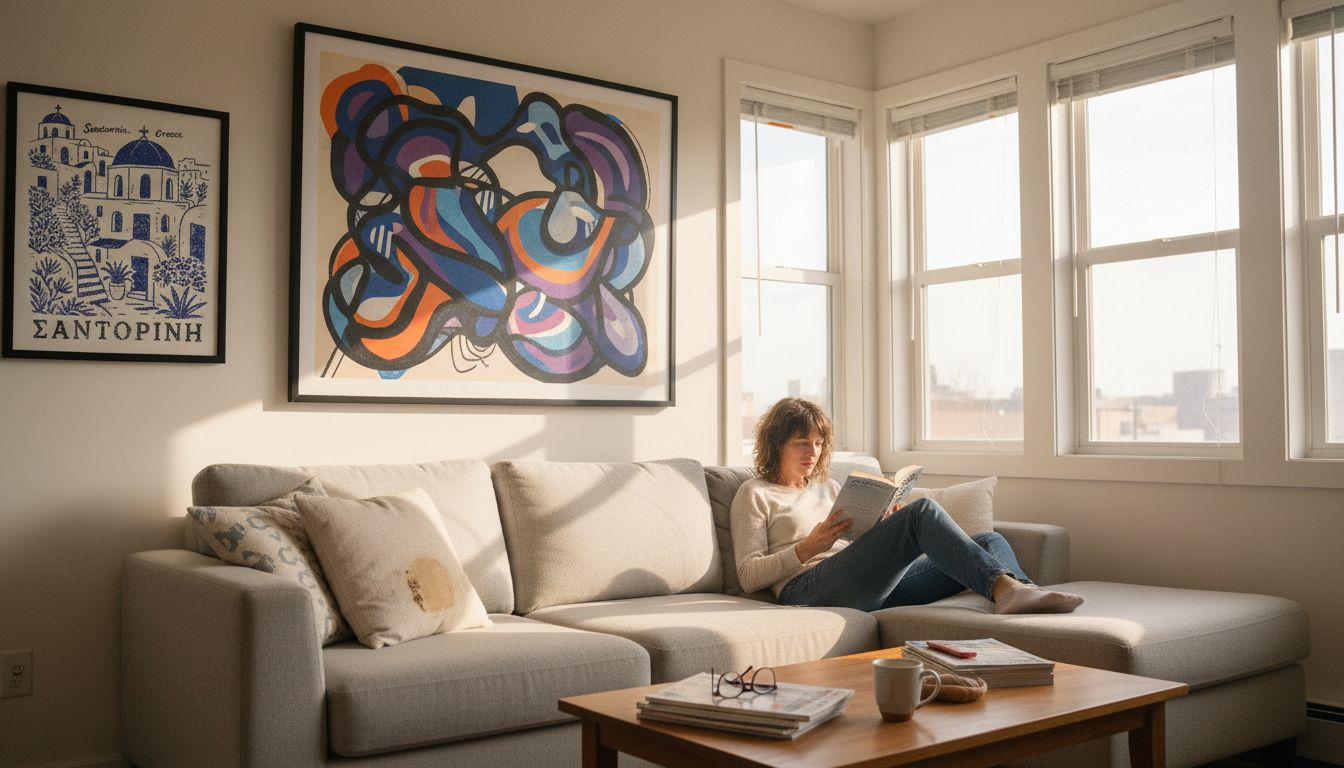
The key characteristics of abstract art encompass several critical visual components. Shapes become primary communicative tools, ranging from precise geometric forms to organic, fluid configurations. Color emerges as a powerful emotional conduit, with artists using chromatic relationships to evoke specific psychological states and sensory responses. Formal properties like line and gestural marks create dynamic visual rhythms, transforming two-dimensional surfaces into vibrant, multilayered experiences that challenge traditional perceptual boundaries.
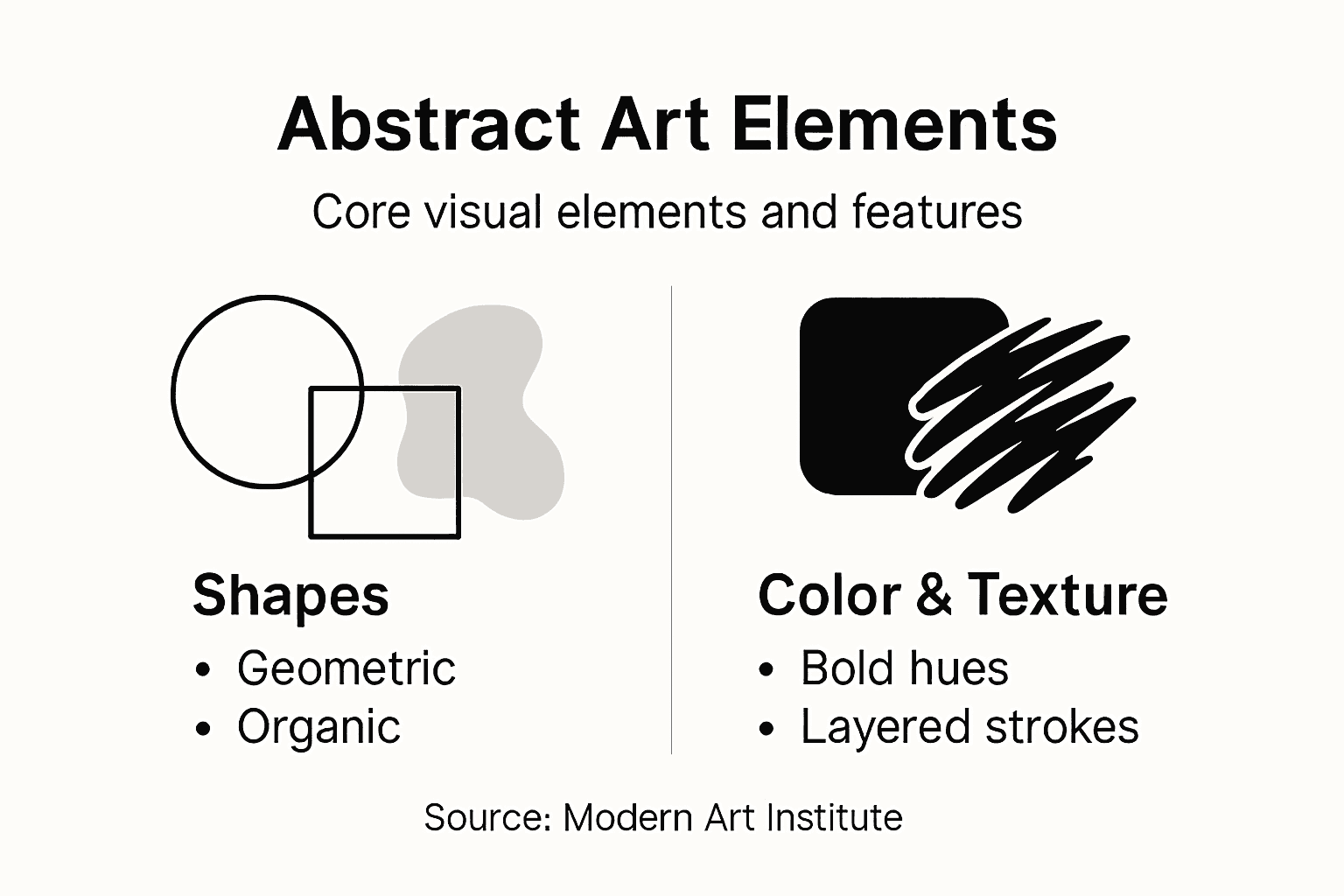
Abstract art’s visual vocabulary extends beyond mere aesthetic arrangement, incorporating deeper psychological and spiritual dimensions. Artists strategically manipulate depth, texture, and spatial relationships to create compositions that resonate on intellectual and emotional levels. Some works maintain subtle connections to recognizable forms, while others completely abandon representational references, presenting pure visual experiences that invite individual interpretation and personal emotional engagement. This approach transforms art from a documentary medium to a profound method of communication that transcends linguistic and cultural barriers.
Pro tip: When analyzing abstract art, focus on your emotional response and the visual energy of the piece rather than trying to identify specific objects or literal meanings.
How Abstract Art Complements Interior Decor
Abstract art transforms interior spaces by introducing dynamic visual elements that go beyond traditional decorative approaches. Architectural principles of artistic composition enable designers and homeowners to create emotionally resonant environments that challenge conventional aesthetic boundaries. By carefully selecting abstract artworks, individuals can infuse rooms with unique energy, personality, and visual complexity that standard decor often lacks.
The strategic integration of abstract art into interior spaces involves understanding fundamental design principles. Color, line, and texture interact to create visual rhythms that enhance spatial experiences. An abstract piece can serve multiple design functions: acting as a focal point, bridging color schemes, creating visual balance, or introducing unexpected visual tension that makes a room feel more sophisticated and intentionally curated.
Abstract art’s versatility allows it to complement diverse interior design styles, from minimalist modern spaces to eclectic bohemian environments. Large-scale abstract paintings can visually expand smaller rooms, while smaller pieces can add sophisticated accents to more neutral spaces. The non-representational nature of these artworks means they can seamlessly integrate with existing decor, providing visual interest without competing with architectural elements or furniture design. By selecting pieces that resonate with a room’s underlying color palette and emotional tone, homeowners can create cohesive, intellectually stimulating environments.
The following table highlights how abstract art enhances interior design, with effects and examples:
| Design Principle | Impact on Space | Example Approach |
|---|---|---|
| Focal Point Creation | Draws attention to key features | Large painting above a sofa |
| Visual Balance | Harmonizes colors and elements | Artwork matching textiles |
| Spatial Expansion | Makes rooms feel larger | Oversized abstract canvases |
| Mood Enhancement | Sets emotional tone of the room | Warm colors for coziness |
Pro tip: Select abstract art pieces that echo the room’s existing color scheme and emotional atmosphere to create a harmonious and intentional design experience.
Common Misconceptions and Display Mistakes
Abstract art challenges viewers by presenting complex visual experiences that often trigger misunderstandings. Common misconceptions about artistic skill persist among those unfamiliar with the nuanced techniques underlying abstract compositions. Many people mistakenly believe abstract art requires less technical expertise, when in fact it demands profound understanding of form, color theory, and compositional principles.
Display mistakes can significantly diminish an abstract artwork’s visual impact and emotional resonance. Art placement and environmental harmony are critical considerations often overlooked by novice collectors and decorators. Errors such as improper scaling, ignoring color relationships, or positioning pieces in spaces that clash with their inherent energy can transform potentially transformative artworks into visually discordant elements.
Understanding abstract art requires moving beyond literal interpretations and embracing emotional and conceptual communication. The misconception that abstract art lacks meaning stems from a limited perspective that demands representational accuracy. In reality, these artworks communicate through sophisticated visual languages, using color, shape, and composition to evoke complex emotional and intellectual responses. Successful appreciation involves openness, emotional intelligence, and willingness to engage with art beyond surface-level visual representation.
Pro tip: When selecting and displaying abstract art, consider the artwork’s color palette, emotional tone, and spatial dynamics to create a harmonious and meaningful visual experience.
Transform Your Space with Abstract Art That Speaks to You
Struggling to find artwork that truly transforms your space and resonates with your personal style Abstract art offers a unique way to enrich your home by introducing emotional energy and visual balance through color, shape, and composition. Whether you want to create a bold focal point or add calm mood enhancement, abstract pieces provide the perfect solution to complement your interior decor and make rooms feel larger and more inviting.

Discover an exclusive collection of art prints and wall decor that align with the core principles of abstract art at artmandre.com. Our curated selection includes retro, vintage, and modern thematic prints designed to bring harmony and vibrancy into your living spaces. Take advantage of our limited-time offers including buy 2 get 1 free deals to create dynamic gallery walls without breaking the bank. Act now to add sophistication and emotion to your home by exploring the range of inspiring artwork that will redefine your space with style and meaning.
Frequently Asked Questions
What is abstract art?
Abstract art is a revolutionary artistic approach that transcends traditional representation, using shapes, colors, and forms to convey emotions and concepts without relying on recognizable objects.
How does abstract art transform interior spaces?
Abstract art transforms spaces by adding dynamic visual elements that enhance emotional resonance and sophistication. It can create focal points, harmonize colors, and improve spatial dynamics in a room.
What are some major movements in abstract art?
Major movements in abstract art include Geometric Abstraction, Color Field Abstraction, Abstract Expressionism, Minimalism, Cubism, and Op Art, each with unique characteristics and emotional expressions.
How can I effectively display abstract art in my home?
To effectively display abstract art, consider the artwork’s color palette, emotional tone, and spatial dynamics. Ensure the piece complements the existing decor and fits well within the intended space layout.