
Blog
Living the Minimalist Life: Artful Spaces, Lasting Impact
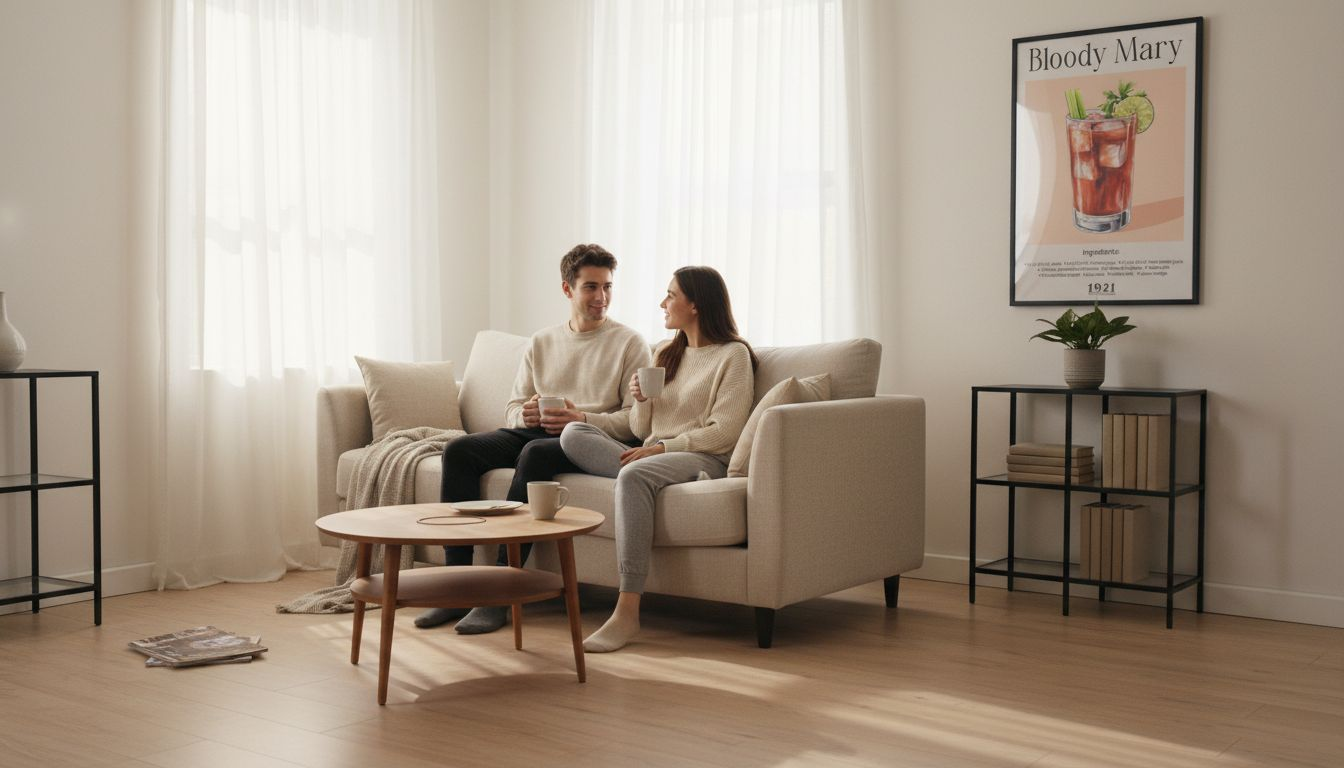
Many people assume that minimalism means living in an empty space with nothing on the walls, but that is a common misunderstanding. True minimalism is about breaking your life down to the essentials, focusing on what brings real value, and making room for intentional choices. For eco-conscious homeowners seeking budget-friendly ways to highlight their decor, embracing this mindset means creating simple, meaningful spaces without sacrificing comfort or personality. You’ll discover how minimalist principles and conscious consumption can transform your home sustainably and beautifully.
Table of Contents
- Minimalist Lifestyle Meaning And Misconceptions
- Core Minimalist Principles For Home Decor
- Types Of Minimalist Interior Styles Explained
- Sustainable Decorating With Art And Prints
- Avoiding Common Minimalist Design Mistakes
Key Takeaways
| Point | Details |
|---|---|
| Embrace Personalization | Minimalism varies for everyone; it should reflect your values and needs, not a one-size-fits-all approach. |
| Gradual Change is Essential | Avoid rushing the decluttering process; take time to assess what truly adds value to your life. |
| Focus on Quality Over Quantity | Choose fewer, high-quality items that serve a purpose or bring joy, reducing clutter and enhancing intentionality. |
| Sustainability Matters | Opt for eco-friendly art and decor that align with your values, promoting long-term impact and responsibility. |
Minimalist Lifestyle Meaning and Misconceptions
Minimalism gets misunderstood more than almost any other lifestyle choice. Most people imagine someone living in an empty room with three possessions, but that’s not what this is about. The reality is far more practical and actually quite appealing.
Minimalism means breaking your everyday life down to the basics. It focuses on what adds genuine value while removing possessions and habits that create stress or clutter. You’re not aiming for emptiness. You’re aiming for intentionality. The goal is freedom, simplicity, and peace in your daily routine without requiring extreme sacrifice or abandoning modern life.
Here’s where the confusion starts. Many people believe minimalism demands owning almost nothing or that you must declutter everything in one dramatic weekend. That’s a misconception. Minimalism is personal, and it looks different for everyone depending on what actually matters to you. One person might keep fifteen coffee table books because they genuinely use them. Another might keep none. Both are practicing minimalism correctly if those choices align with their values.
Beginners often make the mistake of rushing the process. They throw away too much too quickly, expecting their entire life to improve overnight. Then they feel disappointed when minimalism doesn’t magically solve financial problems or relationship issues. The truth is simpler: minimalism creates space for what matters. It won’t fix deeper problems, but it removes distractions so you can actually address them.
Another common misconception is that conscious consumption and minimalism focus only on possessions. The real work happens in changing your habits. It’s about asking yourself before each purchase: does this add value to my life? Will this bring me closer to my goals? This mindset shift takes time. You’re building new decision-making patterns, not just clearing a closet.
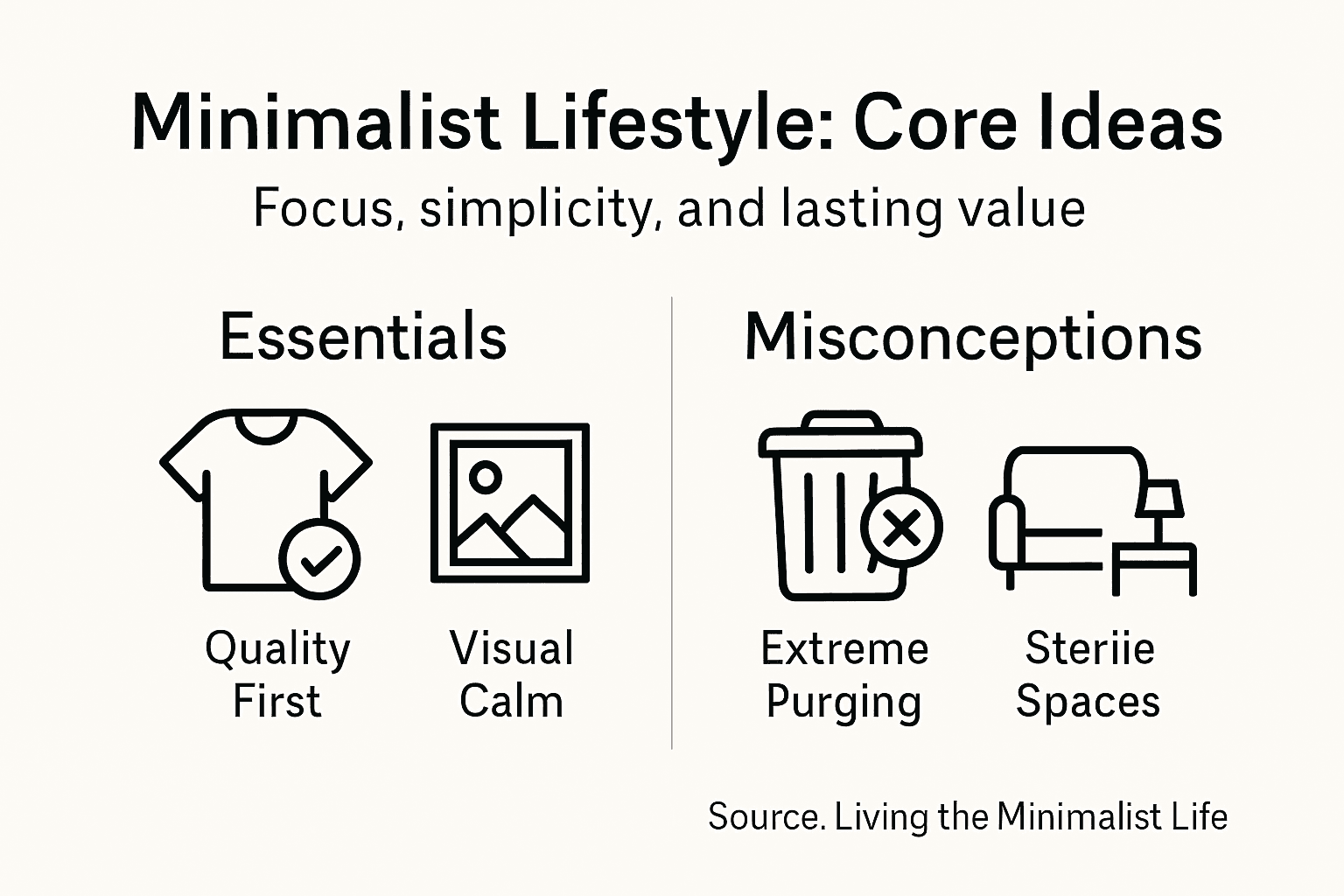
The most important thing to understand is that minimalism is gradual. Real change comes from consistency, care, and intentional choices over weeks and months, not from dramatic gestures. You’re learning what truly matters and letting everything else go.
Pro tip: Start by identifying one area where clutter genuinely bothers you—maybe your nightstand or a shelf—and spend fifteen minutes removing items that don’t serve you, then notice how that small change feels before expanding further.
Core Minimalist Principles for Home Decor
Minimalist home decor is not about emptiness. It’s about intention. Every piece in your space should earn its place by serving a purpose, looking good, or bringing you genuine joy. That’s the foundation of this entire approach.
Quality over quantity is the first principle you need to internalize. Instead of filling your walls with ten mediocre prints, choose one or two pieces that resonate with you. ArtMandre specializes in curated art collections where each print is selected for its design and impact. When you’re living with less and emphasizing minimalist decor with thoughtful art selections, this principle becomes easier to practice.
Clean lines and simple forms create the visual calm that minimalism delivers. Avoid ornate frames, busy patterns, and cluttered gallery walls. Neutral color palettes with strategic pops of color through art allow your space to breathe. Think whites, grays, blacks, and earth tones as your foundation.
Functionality matters just as much as aesthetics. Every furniture piece, shelf, and decorative item should serve a real purpose. Storage solutions need to look intentional, not like you’re hiding clutter. Multifunctional pieces are your friend here because they eliminate the need for extras.

Layout is where many people miss the mark. Open, uncluttered spaces feel calm and peaceful. Don’t fill every wall. Leave negative space. That emptiness is not wasted space; it’s intentional design that gives your eyes and mind room to rest.
The hardest principle to master is restraint. When you see a beautiful piece of art, a frame, or a decorative object, pause. Ask yourself: does this genuinely improve my space or does it add visual noise? This single question filters out 90 percent of purchases that would undermine your minimalist goals.
Pro tip: Choose one wall as your focal point for a single statement piece rather than spreading art across multiple walls, then let the surrounding space remain clean and simple to amplify the impact.
Types of Minimalist Interior Styles Explained
Minimalist design is not a single, rigid approach. Different styles cater to different tastes while maintaining the core values of simplicity, functionality, and calm spaces. Understanding these variations helps you choose what actually resonates with your home and lifestyle.
Japanese Zen minimalism draws inspiration from traditional Japanese aesthetics. This style emphasizes natural materials like wood, stone, and bamboo. The goal is to create serene, meditative spaces that feel connected to nature. Soft neutral tones, careful spatial arrangement, and intentional emptiness define this approach. It’s about achieving harmony between objects and space.
Scandinavian minimalism brings warmth to the minimalist philosophy. Unlike some minimal styles that feel cold, Scandinavian design uses light woods, soft textures, and cozy elements alongside clean lines. Pale color palettes, functional furniture, and an emphasis on natural light create inviting interiors that don’t sacrifice comfort for simplicity. This style works well for people who want minimal clutter without feeling austere.
Modern minimalism takes a different direction entirely. It often incorporates Bauhaus design principles and industrial materials like steel, concrete, and glass. Sharp lines, geometric forms, and bold color accents create visual interest while maintaining open, uncluttered spaces. This style appeals to people drawn to contemporary aesthetics and architectural precision.
Within these broader categories, you’ll find variations like monochromatic black and white lounges featuring geometric designs, futuristic minimal spaces with tech integration and glossy finishes, and peaceful Zen havens using soft tones and natural materials. Each variation maintains minimalist core values while offering distinct visual experiences.
The key is recognizing that minimalism adapts to you. Your chosen style should reflect what makes you feel calm and focused. You’re not trying to fit a template; you’re creating an environment that supports your actual life and values.
Pro tip: Identify which minimalist style resonates most with you by collecting reference images from each category, then use those visual examples to guide your art and furniture selections for cohesive results.
Here’s how common minimalist interior styles compare:
| Style | Key Materials | Color Palette | Distinctive Feature |
|---|---|---|---|
| Japanese Zen Minimalism | Wood, stone, bamboo | Soft neutrals | Meditative, nature-inspired spaces |
| Scandinavian Minimalism | Light wood, textiles | Pale, warm tones | Cozy, inviting atmosphere |
| Modern Minimalism | Steel, glass, concrete | Bold accents, monochrome | Sharp lines, geometric forms |
Sustainable Decorating With Art and Prints
Sustainable decorating means making conscious choices about the art and prints you bring into your home. It goes beyond aesthetics to consider environmental impact, material sourcing, and the message your decor sends. For eco-conscious homeowners, this alignment between values and interior design matters.
When selecting art, prioritize pieces created with sustainable materials and environmentally responsible production methods. Look for prints made from recycled paper, soy-based inks, or other eco-friendly alternatives. ArtMandre curates collections that balance affordability with responsible sourcing, making sustainable choices accessible without breaking your budget.
The impact extends beyond materials. Sustainable art practices consider environmental and social ecosystems, meaning artists and producers account for their carbon footprint and labor practices. Choosing prints from companies committed to these values supports a market that rewards responsibility. Your purchases influence what gets produced next.
Another powerful approach is selecting art that reflects sustainability itself. Prints featuring nature themes, vintage maps, or designs inspired by ecological patterns remind you daily of your values. These pieces become conversation starters, subtly influencing how guests think about consumption and environment.
Minimalist decor naturally supports sustainability. By choosing fewer, higher-quality pieces instead of constantly replacing cheap prints, you reduce waste. Each artwork stays longer and means more because you selected it intentionally. Eco-friendly art prints designed for conscious homes create lasting visual impact while honoring your environmental commitments.
Storage and display matter too. Avoid frames with plastic components when possible, and choose durable options that won’t need replacing. Digital art options reduce physical waste entirely if you use wall-mounted screens or projection displays.
Sustainable decorating isn’t about perfection. It’s about making better choices where you can and aligning your space with your values over time.
Pro tip: Invest in quality prints you genuinely love from companies transparent about their production methods, then use frames made from reclaimed wood or sustainable materials to maximize both environmental and aesthetic impact.
This table clarifies minimalist and sustainable decor priorities:
| Priority | Minimalist Decor | Sustainable Decor |
|---|---|---|
| Main Focus | Simplicity and calm | Eco-friendly choices |
| Selection Method | Keep only essentials | Choose responsible sourcing |
| Longevity Expectation | Fewer replacements needed | Longer-lasting materials |
| Visual Effect | Uncluttered, restful spaces | Nature-inspired, meaningful art |
Avoiding Common Minimalist Design Mistakes
Minimalism attracts people with the promise of simplicity, but getting there requires avoiding some predictable pitfalls. Most beginners stumble on the same obstacles, and knowing what to watch for saves you time, money, and frustration.
The biggest mistake is rushing. People get excited about minimalism and immediately purge their homes in one marathon session. Then they regret throwing away items they actually needed or wanted. Minimalism works best as a gradual process that remains personalized and supportive, not as a dramatic weekend project. Take weeks or months to decide what truly matters to you.
Another trap is copying someone else’s minimalist aesthetic without making it your own. You see an Instagram account with white walls and three carefully placed objects, so you replicate it exactly. But their setup might not reflect your actual life, values, or needs. Your minimalist space should feel inviting and functional for you, not like a showroom.
Spending money on new minimalist decor defeats the purpose entirely. People buy expensive Scandinavian furniture, trendy prints, and designer storage solutions, thinking that’s what minimalism requires. Use what you already own first. If you genuinely need something, choose quality over quantity, but don’t shop just because it fits the aesthetic.
Balance emptiness with coziness. The biggest design mistake is creating spaces that feel sterile or cold. Minimalist design requires careful material selection, thoughtful lighting, and intentionality to avoid harsh environments. Your space should be simple but warm, open but inviting. Functionality matters just as much as appearance. Poor lighting, uncomfortable furniture, or impractical storage turns minimalism into a burden rather than a benefit.
Also remember that minimalism is personal. Your five books on architecture might be your minimalist collection if they add value. Someone else might keep none. There is no universal number of possessions that defines minimalism correctly.
Pro tip: Wait at least two weeks before discarding any item you are unsure about, and if you haven’t missed it by then, you likely do not need it.
Elevate Your Minimalist Life with Thoughtful Art Selections
Living the minimalist lifestyle means focusing on what truly adds value and embracing simplicity without sacrificing warmth or personal expression. The challenge lies in choosing art and decor that bring intentional beauty and calm to your space without creating clutter or visual noise. Minimalism is personal and gradual, rooted in selecting quality pieces that resonate deeply with your values and lifestyle.
Discover how to transform your home into an artful sanctuary by exploring curated collections at ArtMandre. Our selection of vintage maps, Bauhaus-inspired prints, and retro illustrations offers the perfect balance of simplicity and character. Whether you want to create a striking focal wall or bring nature-inspired calm into your room, our art prints help you practice minimalist principles with style and purpose.
Looking for minimalist decor that supports sustainable living and intentional consumption? Visit ArtMandre today and find pieces designed to enrich your space while honoring your eco-conscious values.
Create your intentional artful space now and benefit from offers like buy 2 get 1 free to build your minimalist collection easily.
Minimalist Decor Tips and Art Print Ideas can guide your choices.

Explore curated minimalist art collections at ArtMandre and start crafting a living space that reflects what genuinely matters. Shop now and make every piece count.
Frequently Asked Questions
What is minimalism in lifestyle?
Minimalism focuses on simplifying life by removing possessions and habits that create stress or clutter, aiming for intentional living where only what genuinely adds value is kept.
How can I start my journey toward minimalism?
Begin by identifying one area of your home that feels cluttered, such as a nightstand or shelf, and spend fifteen minutes decluttering items that don’t serve a purpose. Notice how this small change feels before expanding to other areas.
What are the core principles of minimalist home decor?
Core principles include emphasizing quality over quantity, using clean lines and simple forms, prioritizing functionality alongside aesthetics, incorporating neutral color palettes, and masterfully utilizing negative space.
How can I ensure my minimalist space remains inviting?
Balance simplicity with warmth by choosing thoughtful materials, ensuring good lighting, and selecting functional yet comfortable furniture. Avoid creating sterile environments by incorporating cozy elements that make the space feel welcoming.