

Blog
Kawase Hasui Print: Vintage Style for Walls
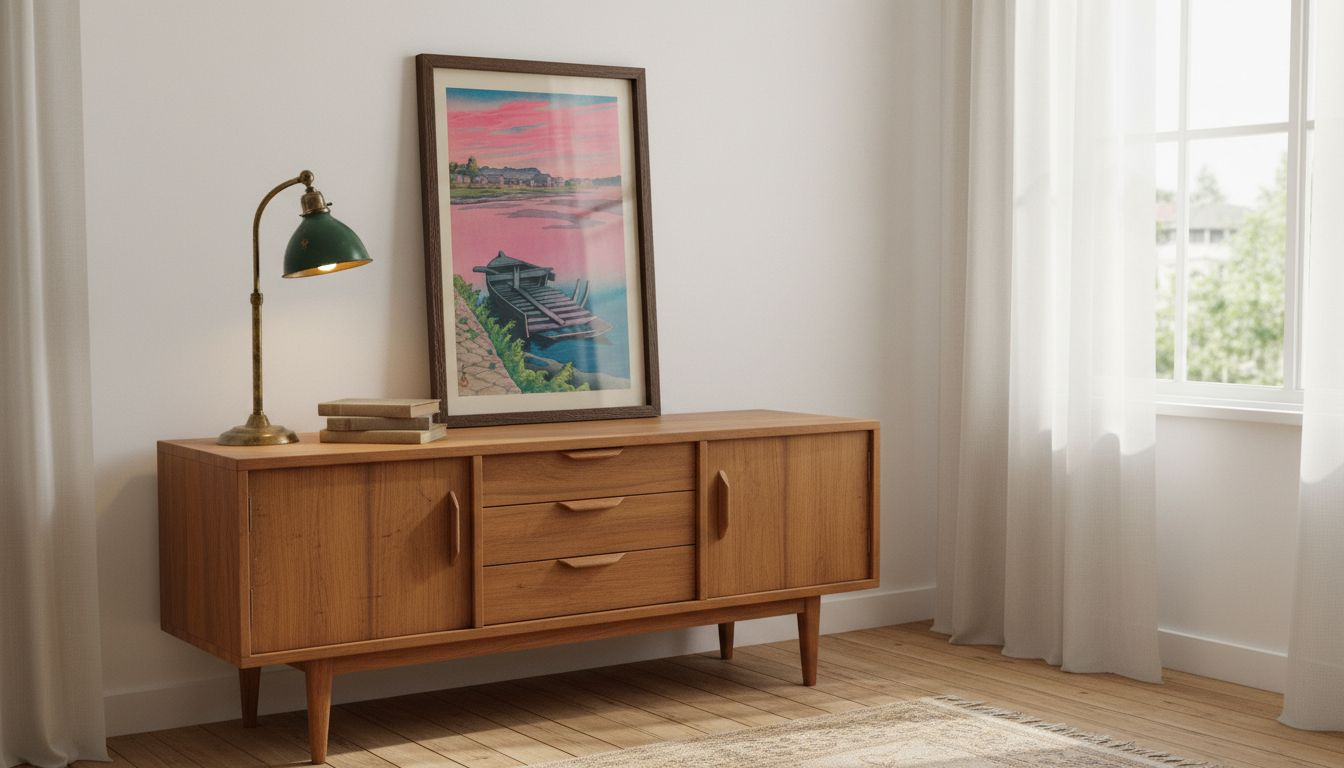
Finding the right artwork to complete a vintage-inspired space can feel overwhelming when authenticity and elegance both matter. For American and Canadian home decor lovers, Kawase Hasui prints offer a stunning way to bring tranquil Japanese scenery and refined craftsmanship into everyday living. With their serene mood and atmospheric lighting, these prints blend effortlessly with nostalgic interiors, creating a harmonious connection between old-world charm and modern comfort.
Table of Contents
- What Makes A Kawase Hasui Print Unique
- Types, Series, And Collectible Variations
- Authenticity, Editions, And Value Factors
- Integrating Hasui Prints With Vintage Decor
- Smart Buying Tips And Common Mistakes
Key Takeaways
| Point | Details |
|---|---|
| Unique Artistic Style | Kawase Hasui’s work embodies a fusion of traditional Japanese and Western techniques, showcasing atmospheric lighting and emotional landscapes. |
| Significant Collections | Hasui produced over 600 prints, with key series like “Souvenirs of Travel” and “Twelve Views of Tokyo” highlighting the diverse beauty of Japan. |
| Authenticity and Value | Original prints are defined by publisher seals and printing period, with early impressions holding the highest value among collectors. |
| Decor Integration | Hasui prints enhance vintage decor by providing a serene cultural aesthetic, making them ideal focal points in various interior settings. |
What Makes a Kawase Hasui Print Unique
Kawase Hasui was a pioneering Japanese artist who transformed landscape art through his extraordinary shin hanga style. Considered a master of Japanese woodblock printing, Hasui created prints that capture the serene essence of early 20th-century Japanese landscapes with unprecedented emotional depth and technical brilliance.
His artwork distinguished itself through several remarkable characteristics:
- Atmospheric Lighting: Hasui pioneered techniques that captured incredibly nuanced natural lighting effects
- Emotional Landscape Representation: Each print conveyed profound tranquility and contemplative mood
- Fusion of Traditional and Western Techniques: Blended classic Japanese artistic principles with modern Western artistic approaches
- Meticulous Architectural and Natural Details: Demonstrated extraordinary precision in representing urban and rural scenes
What truly set Hasui’s work apart was his ability to transform ordinary scenes into dreamlike visual experiences. His landscapes weren’t mere geographical representations but emotional journeys that transported viewers into quiet, reflective moments of Japanese daily life.
Hasui’s prints preserve historical Japanese landscapes with a dreamlike quality that transcends simple visual documentation.
The technical mastery behind Hasui’s prints involved complex woodblock printing techniques that required immense skill and collaboration with master craftsmen. Each print represented a delicate balance between artistic vision and precise technical execution.
Pro tip: When selecting a Kawase Hasui print, look for original editions that showcase the subtle gradations of color and light that make his work so uniquely captivating.
Types, Series, and Collectible Variations
Kawase Hasui was an incredibly prolific artist, producing over 600 woodblock print designs throughout his remarkable career. These designs primarily focused on landscape imagery, capturing the nuanced beauty of Japanese scenery across different seasons and regions.
Hasui’s most significant print collections and series include:
- Souvenirs of Travel: A comprehensive series documenting scenic Japanese locations
- Eight Views of the Southeast: Capturing regional landscapes with extraordinary detail
- Twelve Views of Tokyo: Iconic urban landscape representations
- Selection of Scenes of Japan: Comprehensive national landscape documentation
These series demonstrated remarkable evolution across different periods. Early works featured more diverse and experimental compositions, while later prints became increasingly nostalgic, often drawing inspiration from the legendary artist Hiroshige.
Hasui’s prints represent a lyrical journey through Japan’s landscapes, transforming ordinary scenes into extraordinary visual narratives.
Collectible Variations offer fascinating insights into Hasui’s artistic development. Serious collectors typically categorize prints based on several key factors:
- Publication Period
- Publisher Markings
- Color Variation
- Print Condition
- Edition Sequence
Each print carries unique characteristics that can significantly impact its collector’s value. Prints from specific publishers like Watanabe Shōzaburō are particularly prized for their exceptional quality and historical significance.
Here’s a quick reference guide summarizing the main collectible variations of Kawase Hasui prints and their impact on collector interest:
| Variation Factor | Description | Collector Impact |
|---|---|---|
| Publication Period | Year and era of printing | Higher value for early prints |
| Publisher Markings | Specific seals and identifiers | Key for authenticity |
| Color Variation | Subtle differences in hue and tone | Indicates rarity and quality |
| Print Condition | Physical preservation | Drives price and desirability |
| Edition Sequence | Order and type of edition | Differentiates originals |
Pro tip: When collecting Kawase Hasui prints, carefully examine the publisher’s seal and color gradations to authenticate and assess the print’s historical value.
Authenticity, Editions, and Value Factors
Collectors and art enthusiasts seeking Kawase Hasui prints must understand the nuanced factors that determine authenticity and market value. The worth of these exquisite woodblock prints depends on several critical elements that require careful examination.
Key authentication factors for Hasui prints include:
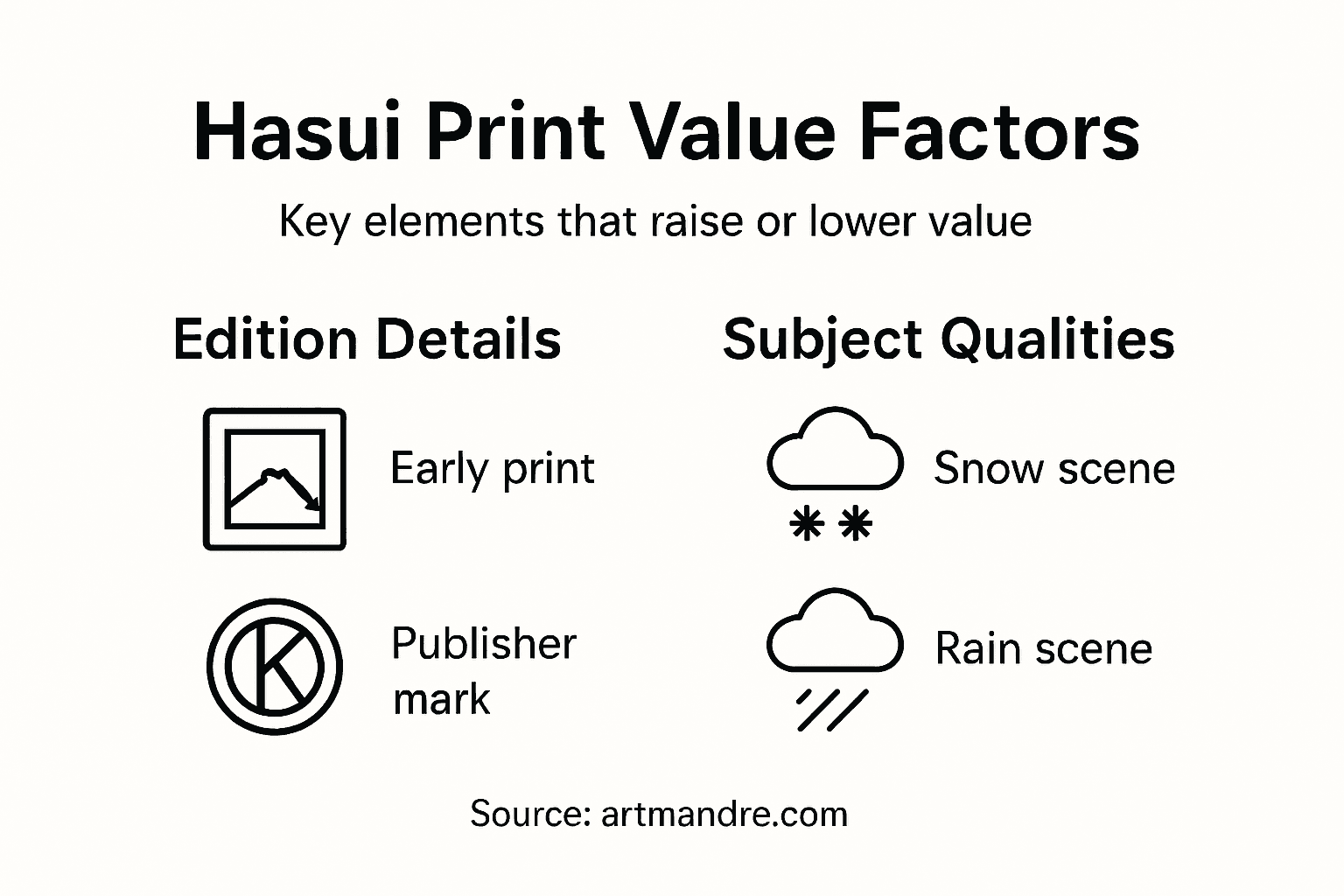
- Publisher Seals: Original Watanabe Shōzaburō seals indicate genuine early editions
- Printing Period: Taisho and early Showa era prints command highest prices
- Color Preservation: Vibrant, unfaded colors signify superior print quality
- Margin Condition: Clean, undamaged margins increase collector value
- Edition Markings: Specific indicators that distinguish original from posthumous prints
The collector’s market for Hasui prints is particularly sophisticated. Early lifetime impressions from the Taisho and early Showa periods are most prized, with collectors meticulously evaluating several crucial aspects:
- Original Censor Seals
- Print Color Integrity
- Margin Quality
- Overall Preservation
- Historical Significance
Authentic Hasui prints are more than artwork – they are historical documents capturing Japan’s visual heritage.
Seasonally themed prints, especially those depicting snow or rain scenes, often realize premium prices. Collectors should be aware that while later editions remain collectible, they typically fetch lower market values compared to original impressions.
Pro tip: When purchasing a Hasui print, always request detailed provenance documentation and carefully examine the publisher’s seal to verify its authenticity and potential value.
Integrating Hasui Prints With Vintage Decor
Hasui prints offer an extraordinary opportunity to blend traditional Japanese aesthetics with vintage interior design. These exquisite woodblock prints serve as more than mere wall decorations – they are windows into a nuanced cultural landscape that resonates deeply with vintage decor enthusiasts.
Vintage design elements that complement Hasui prints beautifully include:
- Muted Color Palettes: Soft earth tones and subdued hues that echo the print’s natural color scheme
- Antique Wooden Frames: Weathered or distressed frames that enhance the artwork’s historical feel
- Natural Textiles: Linen, wool, and cotton fabrics that mirror the organic qualities of the prints
- Minimalist Furniture: Clean lines that allow the intricate print details to shine
- Vintage Accessories: Ceramic vases, brass objects, and handcrafted items that reflect Japanese aesthetic principles
The strategic placement of Hasui prints can transform a room’s entire atmosphere. Consider creating focal points in spaces that celebrate cultural authenticity and historical narrative:
- Living Room Accent Walls
- Hallway Gallery Displays
- Study or Home Office Centerpieces
- Bedroom Meditation Spaces
- Entryway Statement Pieces
Hasui’s prints are not just decorations, but storytellers that bridge cultural heritage with contemporary design sensibilities.
Successful integration requires understanding the subtle balance between the print’s intrinsic qualities and the surrounding decor. The goal is to create a harmonious environment that respects both the artwork’s origins and the room’s overall vintage aesthetic.
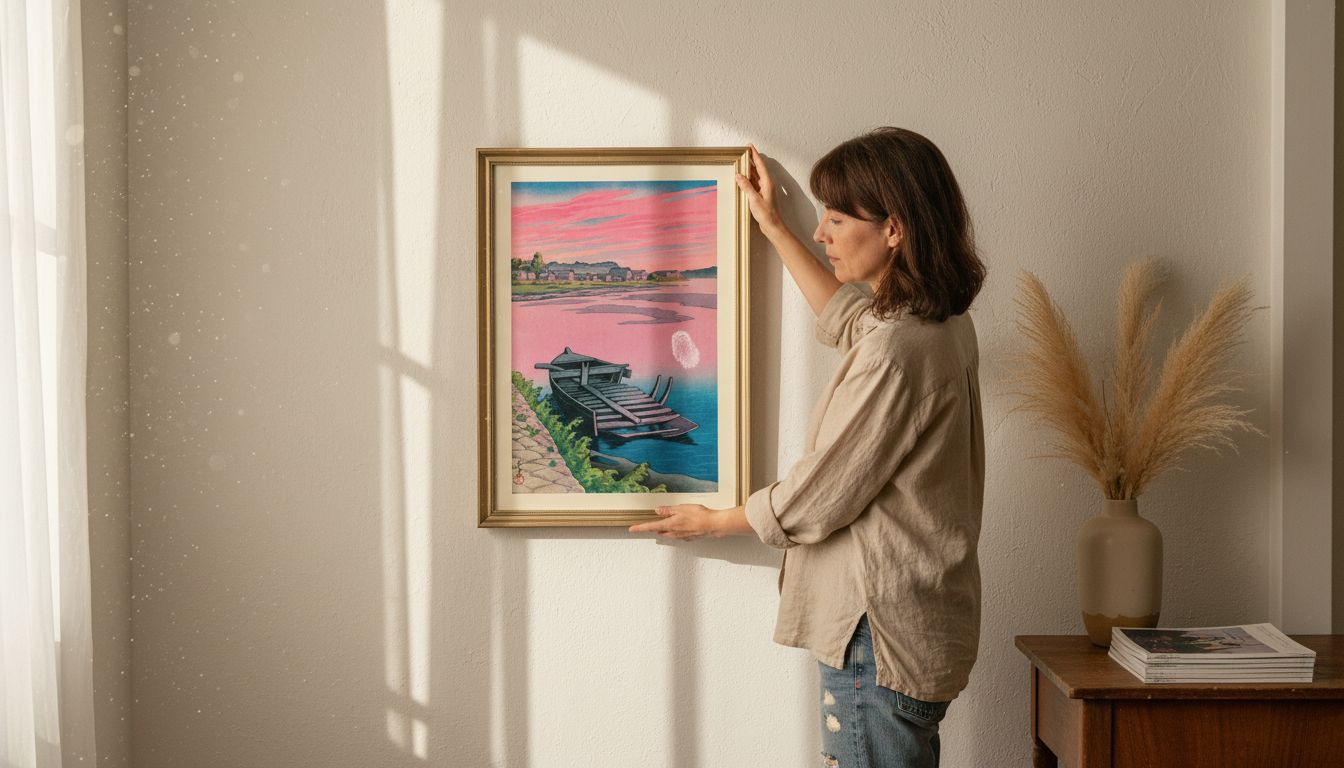
To help buyers and decorators integrate Hasui prints with vintage interiors, here’s a comparison of complementary decor elements and their visual effect:
| Decor Element | Visual Effect | Enhances Hasui Print Qualities |
|---|---|---|
| Muted Color Palette | Creates tranquil ambiance | Highlights natural tone and mood |
| Antique Wooden Frame | Adds historic authenticity | Frames subtle architectural detail |
| Natural Textiles | Provides organic texture | Complements serene landscape feel |
| Minimalist Furniture | Offers clean, unobtrusive lines | Allows print details to stand out |
| Vintage Accessories | Suggests cultural sophistication | Reflects Japanese aesthetic roots |
Pro tip: When displaying Hasui prints, choose frames and surrounding decor that complement the print’s color palette and emotional tone without overwhelming its delicate artistic details.
Smart Buying Tips and Common Mistakes
Purchasing authentic Kawase Hasui prints requires careful consideration and expert knowledge. Collectors must navigate complex authentication challenges to ensure they acquire genuine, valuable artworks.
Common mistakes that novice collectors frequently make include:
- Overlooking Publisher Seals: Failing to verify original Watanabe Shōzaburō markings
- Ignoring Print Condition: Purchasing prints with significant damage or color degradation
- Misunderstanding Edition Differences: Confusing original prints with later reproductions
- Neglecting Provenance Documentation: Buying prints without proper historical verification
- Impulse Purchasing: Acquiring prints without thorough research and expert consultation
Successful Hasui print acquisition involves a systematic approach:
- Research Printing Periods
- Examine Detailed Condition Reports
- Verify Authenticity Through Multiple Sources
- Understand Market Valuation Criteria
- Consult Specialized Japanese Print Experts
Authentic Hasui prints are historical artifacts, not merely decorative objects – treat them with scholarly precision.
The market for Hasui prints is nuanced, with significant variations in value based on subtle details. Early edition prints from the Taisho and early Showa periods command premium prices, while posthumous editions have considerably lower collector value.
Pro tip: Always request comprehensive condition reports and original documentation when purchasing Hasui prints, and consider having potential acquisitions authenticated by a recognized Japanese print expert.
Transform Your Walls with Timeless Kawase Hasui Prints
Discover how Kawase Hasui’s unique shin hanga landscapes can elevate your vintage interior design by offering serenity and emotional depth that few prints capture. If you have struggled to find authentic artwork that balances traditional Japanese aesthetics with vintage style, exploring Hasui’s carefully crafted woodblock prints offers a rare opportunity to bring historic beauty and calm into your home.
Explore our curated collection where you can find stunning art prints that harmonize with vintage decor themes. Each print enriches living spaces with subtle color gradations and nostalgic moods discussed in the article. Don’t miss the chance to enhance your walls with authentic style and emotional storytelling.

Start your journey to vintage elegance today by visiting ArtMandre.com for exclusive deals and a seamless shopping experience. Find distinctive pieces and enjoy promotions that make building your perfect home gallery simple and affordable. Check out our new arrivals to discover fresh inspirations and hot sellers that already delight collectors and design enthusiasts alike.
Frequently Asked Questions
What makes Kawase Hasui prints unique?
Kawase Hasui prints are unique due to their atmospheric lighting, emotional landscape representation, fusion of traditional and Western techniques, and meticulous details in architectural and natural scenes. Hasui’s ability to portray ordinary scenes with emotional depth creates a dreamlike quality in his work.
How can I integrate Kawase Hasui prints into vintage decor?
To integrate Kawase Hasui prints into vintage decor, use muted color palettes, antique wooden frames, natural textiles, minimalist furniture, and vintage accessories that complement the print’s color schemes and emotional tone without overwhelming its delicate details.
What factors determine the value of Kawase Hasui prints?
The value of Kawase Hasui prints is influenced by factors such as the publication period, publisher markings, color preservation, print condition, and edition sequence. Original editions with specific publisher seals tend to command higher prices in the collector’s market.
What common mistakes should I avoid when collecting Hasui prints?
Common mistakes to avoid include overlooking publisher seals, ignoring print condition, misunderstanding edition differences, neglecting provenance documentation, and making impulse purchases. It’s important to conduct thorough research and verify authenticity before acquiring a print.