

Blog
Japanese Landscape Artwork: Serenity for Modern Interiors
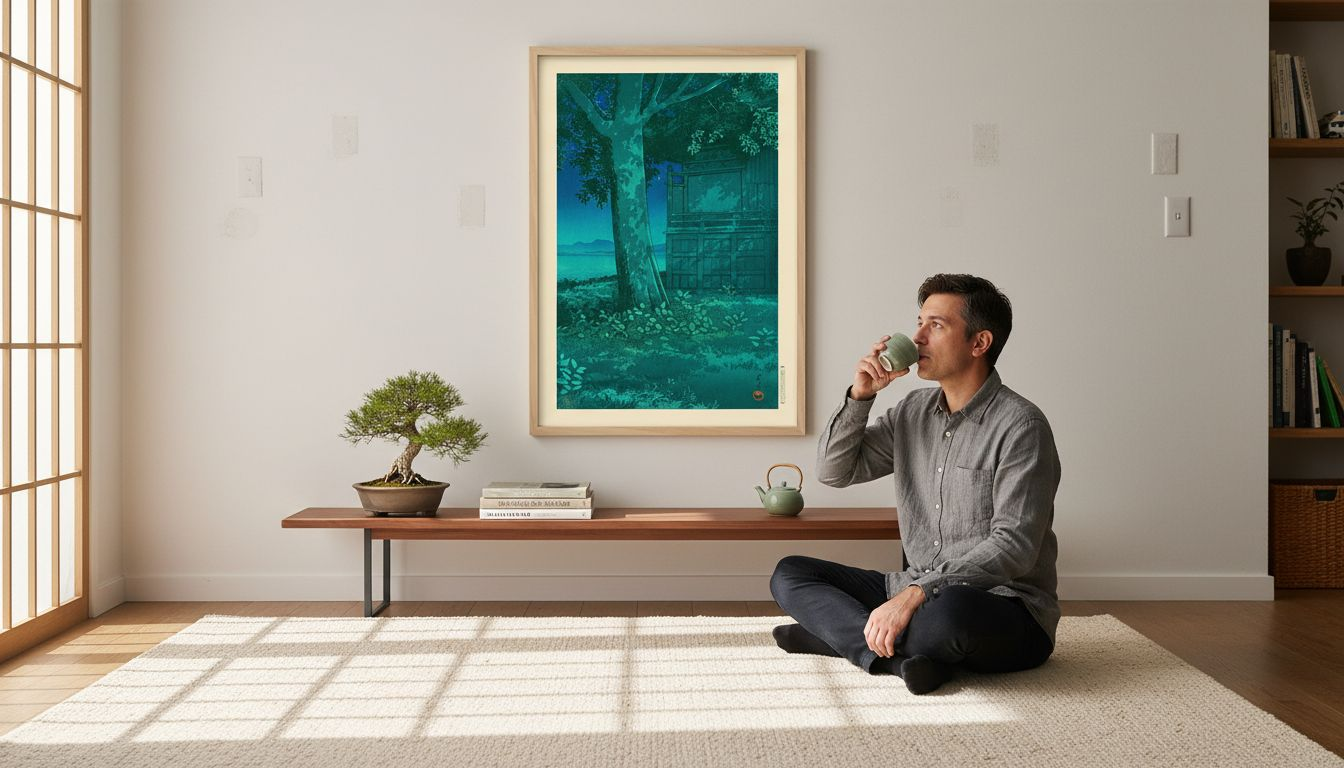
Finding artwork that genuinely complements a modern space often means sorting through countless prints with little meaning. Japanese landscape artwork, known as Nihonga, offers much more than decorative appeal. Rooted in national identity and cultural memory, these pieces use minimalist techniques and symbolic elements to create a calm, contemplative environment. This introduction highlights how Japanese landscapes can transform interiors, helping you recognize deeper narratives and choose artwork that enriches your living area.
Table of Contents
- Defining Japanese Landscape Artwork And Misconceptions
- Major Styles And Techniques In Japanese Landscapes
- Iconic Artists And Famous Works To Know
- Spiritual Themes And Nature’s Influence
- Decorating Modern Spaces With Landscape Prints
- Common Pitfalls When Choosing Japanese Art
Key Takeaways
| Point | Details |
|---|---|
| Cultural Depth | Japanese landscape artwork conveys complex narratives and philosophical perspectives, challenging simplistic views. |
| Diverse Styles | Major styles like Yamato-e, Sumi-e, and Ukiyo-e showcase unique techniques and artistic focuses, enriching the visual narrative. |
| Spiritual Connections | The relationship between nature and spirituality in these artworks invites viewers to explore deeper emotional and philosophical themes. |
| Informed Selection | When choosing Japanese landscape art, understanding the historical and cultural context is crucial for meaningful integration into modern spaces. |
Defining Japanese Landscape Artwork and Misconceptions
Japanese landscape artwork represents a profound artistic tradition that transcends simple visual representation. More than picturesque scenes, these artworks embody complex cultural narratives and philosophical perspectives deeply rooted in Japanese aesthetic principles. Japanese landscape conceptualizations reveal nuanced cultural understandings that challenge Western artistic perceptions.
Traditionally, Japanese landscape art – known as Nihonga – communicates far more than naturalistic imagery. These artworks frequently serve as sophisticated visual languages expressing national identity, emotional landscapes, and philosophical contemplations. During the Meiji period (1868-1912), landscape art became particularly significant as a medium for cultural expression and nationalist sentiment.
Key characteristics of Japanese landscape artwork include:
- Minimalist composition techniques
- Emphasis on negative space (“Ma”)
- Spiritual and philosophical undertones
- Subtle color palettes reflecting seasonal transitions
- Symbolic representation of natural elements
Contrary to common misconceptions, Japanese landscape artwork is not merely decorative. Cultural memory and national identity are intricately woven into these artistic representations, transforming seemingly simple scenes into complex cultural statements. Western viewers often misinterpret these artworks as straightforward nature depictions, overlooking their profound symbolic depth.
Pro tip: When selecting Japanese landscape artwork for your space, look beyond aesthetic beauty and consider the historical and cultural narrative embedded in the piece.
Major Styles and Techniques in Japanese Landscapes
Japanese landscape art encompasses a rich diversity of styles and techniques that reflect profound cultural and philosophical perspectives. Three seminal landscape styles define the artistic landscape of Japan: Yamato-e, Sumi-e, and Ukiyo-e. Each style offers a unique approach to visual representation, transforming natural scenes into complex narratives of emotion and meaning.
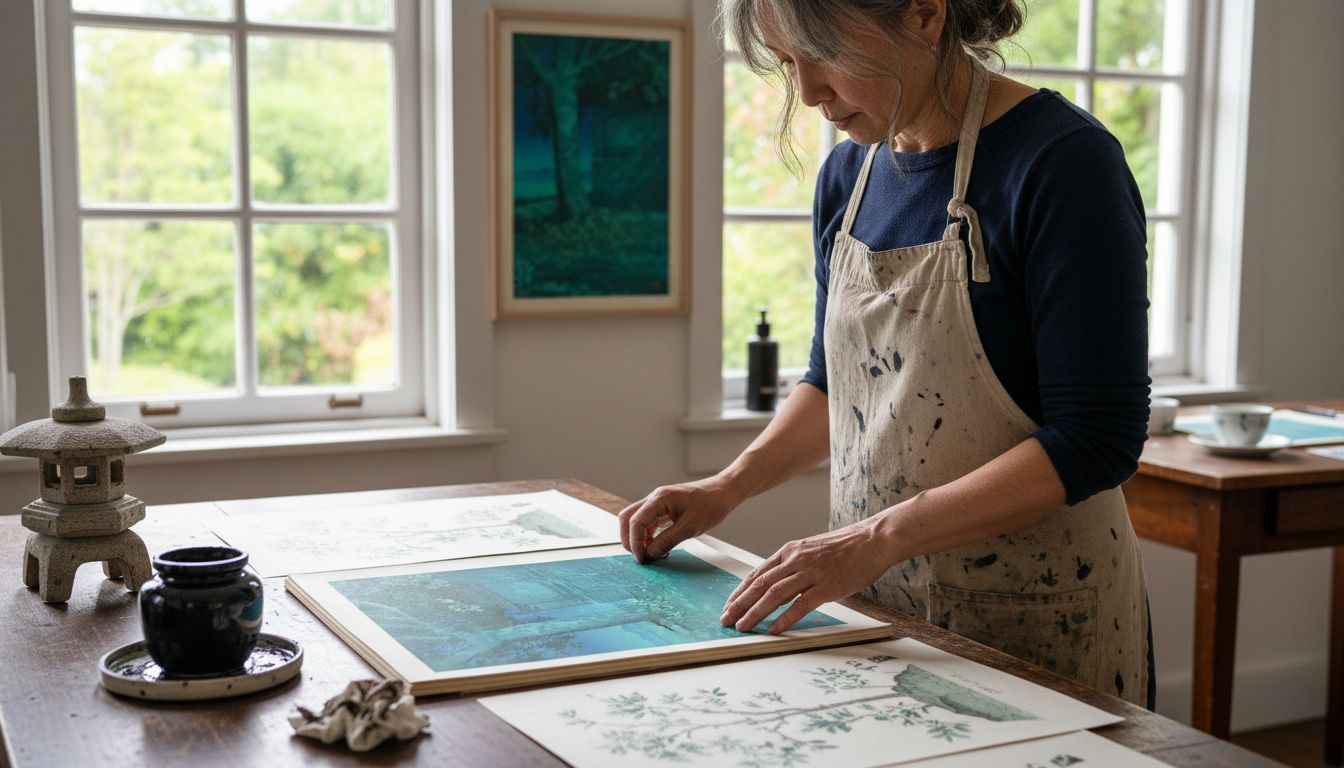
Yamato-e represents the indigenous narrative style, characterized by detailed scenes from Japanese history and literature. In contrast, Sumi-e emerges as a minimalist ink wash technique that emphasizes spiritual essence over literal representation. Ukiyo-e, perhaps the most internationally recognized style, features vibrant woodblock prints capturing the ephemeral ‘floating world’ of urban life and natural landscapes.
Key techniques in Japanese landscape art include:
- Asymmetrical composition
- Extensive use of negative space
- Symbolic representation of natural elements
- Subtle color gradations
- Spiritual and philosophical undertones
- Emphasis on capturing emotional resonance
Japanese garden design principles significantly influence landscape art, employing techniques of careful elemental control. Rocks, water, and plants are meticulously arranged to create spaces of contemplation and serenity. These design methodologies transform landscape art from mere visual representation to a profound meditative experience.
Here’s a comparison of major Japanese landscape art styles and their unique qualities:
| Style | Medium/Technique | Artistic Focus | Notable Artists |
|---|---|---|---|
| Yamato-e | Color & ink on paper | Narrative & historical scenes | Tosa Mitsuoki |
| Sumi-e | Ink wash painting | Spiritual essence & minimalism | Sesshū Tōyō |
| Ukiyo-e | Woodblock printing | Urban & natural landscapes | Hokusai, Hiroshige |
| Shin-hanga | Woodblock with new hues | Modern sensibility, realism | Hasui Kawase |
Pro tip: When selecting Japanese landscape artwork, look for pieces that demonstrate depth beyond visual beauty – seek works that invite contemplation and tell a nuanced cultural story.
Iconic Artists and Famous Works to Know
Japanese landscape art boasts an extraordinary pantheon of artists who have transformed visual representation through their innovative techniques and profound cultural insights. Katsushika Hokusai emerges as a pivotal figure in this artistic tradition, particularly renowned for his groundbreaking Thirty-Six Views of Mount Fuji series. This collection represents more than artistic skill – it embodies a complex dialogue between local Japanese culture and broader artistic traditions.
Beyond Hokusai, several other masterful artists have shaped the landscape of Japanese visual art. Hiroshige Utagawa revolutionized landscape painting with his atmospheric woodblock prints, capturing the subtle transitions of light and season. Hasui Kawase, a key figure in the Shin-hanga movement, continued this tradition in the early 20th century, creating prints that blended traditional techniques with modern sensibilities.
Iconic works that have profoundly influenced Japanese landscape art include:
- The Great Wave off Kanagawa by Hokusai
- Tokaido Road Series by Hiroshige
- Snow at Zojoji Temple by Hasui Kawase
- Plum Estate, Kameido by Hiroshige
- Mountain Village in Mist by Kawase Hasui
These artists did more than create beautiful images – they documented cultural transitions, captured emotional landscapes, and preserved moments of Japanese social and natural history. Their works continue to inspire contemporary artists and designers worldwide, demonstrating the timeless appeal of Japanese landscape art.
Pro tip: When collecting Japanese landscape artwork, research the historical context of the piece to truly appreciate its deeper cultural significance.
Spiritual Themes and Nature’s Influence
Japanese landscape art transcends mere visual representation, serving as a profound spiritual dialogue with the natural world. Spiritual themes in landscape paintings emerge from deep-rooted Shinto, Buddhist, and Taoist traditions, where nature is not just a backdrop but a living, sacred entity. The intricate relationship between human perception and environmental elements reveals a complex spiritual narrative.
The concept of Ma – the meaningful space between visual elements – epitomizes the spiritual depth of Japanese landscape art. Natural forces like Mount Fuji’s volcanic power and the surrounding ocean’s vastness symbolize fundamental dualities: destruction and renewal, transience and permanence. These landscapes invite viewers into a meditative state, encouraging contemplation of life’s interconnected and cyclical nature.
Key spiritual elements in Japanese landscape art include:
- Reverence for natural cycles
- Representation of impermanence
- Symbolism of elemental forces
- Celebration of seasonal transitions
- Exploration of inner emotional landscapes
- Philosophical reflection through natural imagery
Environmental aesthetics in Japanese art emphasizes an emotional and spiritual connection with nature. Landscapes are not simply scenes to be observed, but portals to deeper understanding, where the sublime beauty of empty spaces and natural elements provokes profound philosophical and spiritual reflection.
Pro tip: When selecting Japanese landscape artwork, look for pieces that evoke a sense of tranquility and invite your mind to wander beyond the visual surface.
Decorating Modern Spaces with Landscape Prints
Japanese landscape prints offer a transformative approach to interior design, bringing serene and contemplative energy into contemporary living spaces. Japanese garden visual representations have profoundly influenced global interior decoration, providing more than aesthetic appeal – they create therapeutic environments that balance modern lifestyle demands with timeless spiritual resonance.
When integrating Japanese landscape prints into modern interiors, consider the fundamental principles of balance, harmony, and minimalism. These artworks function not merely as decorative elements but as visual narratives that communicate sophisticated design sensibilities. The strategic placement of landscape prints can transform mundane spaces into meditative sanctuaries, bridging contemporary architectural lines with deep cultural artistic traditions.
Strategies for incorporating Japanese landscape prints include:
- Creating focal points in minimalist living rooms
- Balancing stark modern furniture with soft landscape imagery
- Using prints to introduce natural color palettes
- Selecting pieces that complement existing architectural elements
- Mixing different scale prints for visual intrigue
- Utilizing frames that echo Japanese design aesthetics
The power of Japanese landscape prints lies in their ability to evoke emotional responses and create atmospheric depth. By thoughtfully selecting and positioning these artworks, you can design spaces that feel simultaneously modern and timeless, grounded in profound artistic traditions while meeting contemporary aesthetic expectations.
Pro tip: When selecting Japanese landscape prints, prioritize pieces that resonate with your personal emotional landscape and complement your existing interior design narrative.
Common Pitfalls When Choosing Japanese Art
Misinterpreting Japanese landscape art can lead to significant design missteps that undermine the artwork’s profound cultural significance. Many enthusiasts unknowingly reduce these intricate visual narratives to mere decorative elements, overlooking the deep philosophical and historical contexts that give these pieces their transformative power.
The most critical errors in selecting Japanese landscape art include superficial understanding and aesthetic misalignment. Cultural context is paramount – these artworks are not simply images but complex visual languages expressing spiritual and philosophical perspectives. Choosing pieces without understanding their symbolic depth risks creating spaces that feel inauthentic or culturally disconnected.
Common pitfalls to avoid when selecting Japanese landscape art:
- Prioritizing visual appeal over cultural meaning
- Selecting mass-produced, inauthentic reproductions
- Ignoring the artwork’s historical and spiritual context
- Mismatching artwork style with interior design aesthetic
- Overlooking the significance of composition and negative space
- Failing to understand symbolic elements within the artwork
Balancing authenticity with modern adaptation requires thoughtful consideration. Each piece should not only complement your interior design but also maintain its inherent cultural integrity, creating a harmonious dialogue between traditional artistic expression and contemporary living spaces.
For reference, here are common errors and recommended best practices when selecting Japanese landscape art:
| Pitfall | Why It’s a Problem | Best Practice Recommendation |
|---|---|---|
| Choosing only by appearance | Misses cultural/spiritual meaning | Study the artwork’s background |
| Buying mass-produced prints | Lacks authenticity, less unique impact | Verify originality and provenance |
| Selecting mismatched styles | Leads to design and cultural discordance | Align style with décor and context |
| Ignoring compositional nuance | Overlooks symbolic and aesthetic depth | Consider space, symbolism, intent |
Pro tip: Research the specific artwork’s origin, artist, and cultural significance before making a purchase to ensure a meaningful and authentic selection.
Bring the Serenity of Japanese Landscape Art into Your Home
Japanese landscape artwork offers more than just visual appeal. It invites you to create a tranquil and contemplative space by embracing concepts like Ma, negative space, and spiritual connection to nature. If you are looking to incorporate these deep cultural and philosophical themes into your modern interior, it is crucial to choose prints that tell a meaningful story rather than mere decoration. At artmandre.com, we understand the challenge of selecting authentic and emotionally resonant art pieces that elevate your living environment and reflect your personal style.

Explore our curated collection of wall decor that complements minimalist and modern interiors with timeless elegance. With attractive offers like buy 2 get 1 free, now is the perfect time to transform your space with artwork that captures subtle color palettes and symbolic natural elements inspired by Japanese landscape traditions. Visit ArtMandre.com today to discover unique prints and start designing your serene sanctuary with pieces that hold cultural depth and spiritual beauty.
Frequently Asked Questions
What are the key characteristics of Japanese landscape artwork?
Japanese landscape artwork is characterized by minimalist composition techniques, emphasis on negative space, spiritual and philosophical undertones, subtle color palettes reflecting seasonal transitions, and symbolic representation of natural elements.
How can I incorporate Japanese landscape prints into my modern interior design?
To incorporate Japanese landscape prints, consider creating focal points, balancing modern furniture with soft imagery, using prints to introduce natural color palettes, and selecting pieces that complement your existing decor.
What are the major styles of Japanese landscape art?
The major styles include Yamato-e, Sumi-e, and Ukiyo-e. Each style has its unique approach: Yamato-e focuses on narrative and historical scenes, Sumi-e emphasizes spiritual essence with minimalism, and Ukiyo-e captures the ephemeral ‘floating world’ through vibrant woodblock prints.
What should I consider when selecting Japanese landscape artwork?
When selecting Japanese landscape artwork, look beyond visual appeal. Consider the historical and cultural significance of the piece, the artist’s background, and how the artwork’s themes resonate with your emotional landscape and interior design narrative.